标签: Africa

非洲

  • Gulf nations push to the front of global sustainability race as ESG becomes economic engine

    Gulf nations push to the front of global sustainability race as ESG becomes economic engine

    The Gulf Cooperation Council (GCC) nations, particularly the United Arab Emirates, are undergoing a remarkable transformation from hydrocarbon-dependent economies to global sustainability pioneers. This strategic pivot positions Environmental, Social, and Governance (ESG) principles as central drivers of economic diversification and long-term growth rather than mere corporate social responsibility initiatives.

    This paradigm shift finds its most concrete expression in the UAE’s groundbreaking Federal Decree-Law No. 11 of 2024, which became effective in May 2025. This legislation establishes the world’s first legally enforceable ESG compliance framework, mandating that all entities across sectors and free zones measure, report, and reduce greenhouse gas emissions by May 30, 2026. Non-compliant organizations face substantial penalties ranging from Dh50,000 to Dh2 million, signaling a decisive transition from voluntary commitments to mandatory accountability.

    The regulatory framework requires businesses to maintain comprehensive annual emissions inventories, preserve GHG data for five years, and develop detailed decarbonization plans aligned with the national Net Zero 2050 strategy. This approach transcends environmental regulation, representing a comprehensive economic vision projected to generate 200,000 new jobs in clean energy sectors and contribute 3% to national GDP.

    According to the PROI Worldwide’s Global ESG Report 2025, this transformation extends across the Gulf region, with national development frameworks such as Saudi Vision 2030 and Qatar National Vision 2030 integrating sustainability objectives into their core economic planning. Unlike the politically charged ESG debates occurring in Western nations, GCC policymakers approach sustainability as a practical economic transformation tool rather than an ideological battleground.

    The regulatory evolution is fundamentally altering corporate communication strategies, with companies increasingly emphasizing tangible outcomes through terminology such as ‘sustainability,’ ‘resilience,’ and ‘nationalization’ rather than acronyms like ESG or DEI. Organizations including Spinneys, Ecolab, and EQUATE Petrochemicals are embedding sustainability KPIs into executive performance metrics and aligning local initiatives with global climate frameworks.

    As mandatory reporting requirements take effect, businesses must advance beyond narrative-driven sustainability reporting to provide verified, evidence-based progress updates, third-party validated data, and demonstrable emission reduction achievements. Media outlets across the region are expected to intensify scrutiny of corporate compliance as the 2026 deadline approaches.

    Marianna Wisden, Associate Partner at Mojo Communications Consultancy, notes: ‘Sustainability in the region is driven by outcomes that genuinely matter to people. It shapes how companies create jobs, build skills and support a future that relies on a broader base than oil alone. The frameworks are in place and businesses are getting on with the work.’

    The Gulf’s sustainability transformation establishes not merely regional standards but provides an implementable model for emerging economies worldwide, demonstrating how environmental responsibility and economic growth can be strategically aligned for long-term prosperity.

  • Dubai’s commercial property market heading for major reset

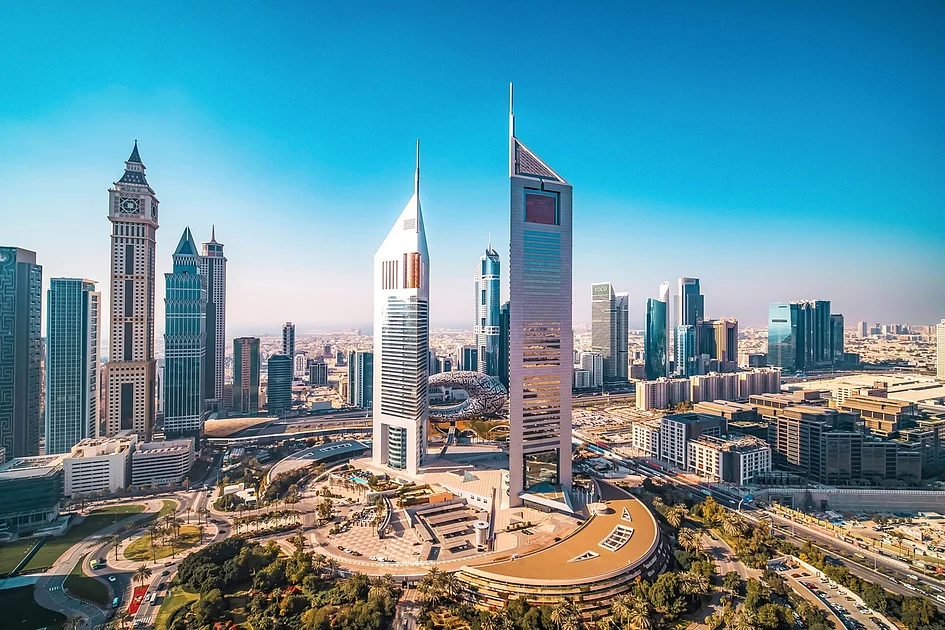
    Dubai’s commercial property market heading for major reset

    Dubai’s commercial property landscape is undergoing a fundamental structural transformation that will culminate in a distinct two-tier market system by 2028, according to real estate experts. This market reset will see premium next-generation Grade A office spaces commanding substantial price premiums while older commercial buildings face increasing competitive pressures.

    The transformation comes despite impressive short-term performance metrics. Commercial real estate transactions have demonstrated remarkable growth throughout the current year, with sales value surging by 77.9 percent to reach AED 15.5 billion during the first eleven months, while transaction volume increased by 35.1 percent to 5,364 deals compared to the same period last year.

    According to Firs Al Msaddi, CEO of fäm Properties, the commercial sector has lagged significantly behind Dubai’s residential market in architectural innovation and quality standards for over fifteen years. “Since 2008, Dubai has not witnessed a genuine new generation of office developments,” Al Msaddi noted. “The residential segment underwent comprehensive transformation with new design languages, architectural standards, and construction codes, while the commercial sector awaited its reset moment.”

    The market shift will accelerate as the first wave of next-generation Grade A office buildings begins delivery in 2028. This influx of modern, efficient, and architecturally relevant office spaces will provide tenants with superior alternatives, fundamentally reshaping market dynamics and pricing structures across Dubai’s commercial landscape.

    Al Msaddi cited Vision Tower in Business Bay as a precursor to this trend, noting its consistent market outperformance due to its appeal to established corporate tenants. The building’s minimum half-floor requirement naturally filters for serious companies, demonstrating the substantial latent demand for genuine Grade A office space in Dubai.

    The emerging two-tier system will see commercial properties repricing according to quality benchmarks, creating distinct market segments with varying valuation models and tenant profiles.

  • Amazon holds talks to invest in OpenAI, source says

    Amazon holds talks to invest in OpenAI, source says

    Amazon.com Inc. is currently engaged in high-stakes negotiations to secure a substantial investment in OpenAI, the pioneering artificial intelligence research laboratory behind ChatGPT. According to sources familiar with the matter, this potential strategic partnership could value OpenAI at an extraordinary $500 billion valuation, signaling a seismic shift in the AI industry’s competitive landscape.

    The discussions, while characterized as “very fluid” by anonymous insiders, potentially involve an investment approaching $10 billion from the e-commerce and cloud computing giant. This development emerges as OpenAI prepares for what could become a landmark initial public offering, with previous Reuters reports suggesting the company might target a staggering $1 trillion valuation.

    This potential Amazon-OpenAI collaboration represents a significant evolution in OpenAI’s corporate structure following its transformative restructuring with Microsoft, which holds a 27% stake in the AI firm. The Microsoft partnership previously established OpenAI as a public benefit corporation controlled by a non-profit entity, effectively removing traditional constraints on capital raising and computing resource acquisition.

    Industry analysts note that the Amazon investment could facilitate OpenAI’s broader access to cutting-edge hardware, particularly Amazon’s proprietary Trainium chips that directly compete with Nvidia and Google’s AI accelerator technologies. Additionally, the negotiations reportedly include discussions about OpenAI providing an enterprise version of ChatGPT to Amazon, though specific details regarding integration with Amazon’s existing AI-powered shopping features remain undisclosed.

    The potential Amazon financing might also catalyze a comprehensive fundraising round involving additional investors, according to industry reports. This development underscores OpenAI’s remarkable transition from its non-profit origins to becoming one of the most valuable and strategically significant technology companies in the AI revolution.

  • Trump’s expanded travel ban hits Africa the hardest but reactions are muted

    Trump’s expanded travel ban hits Africa the hardest but reactions are muted

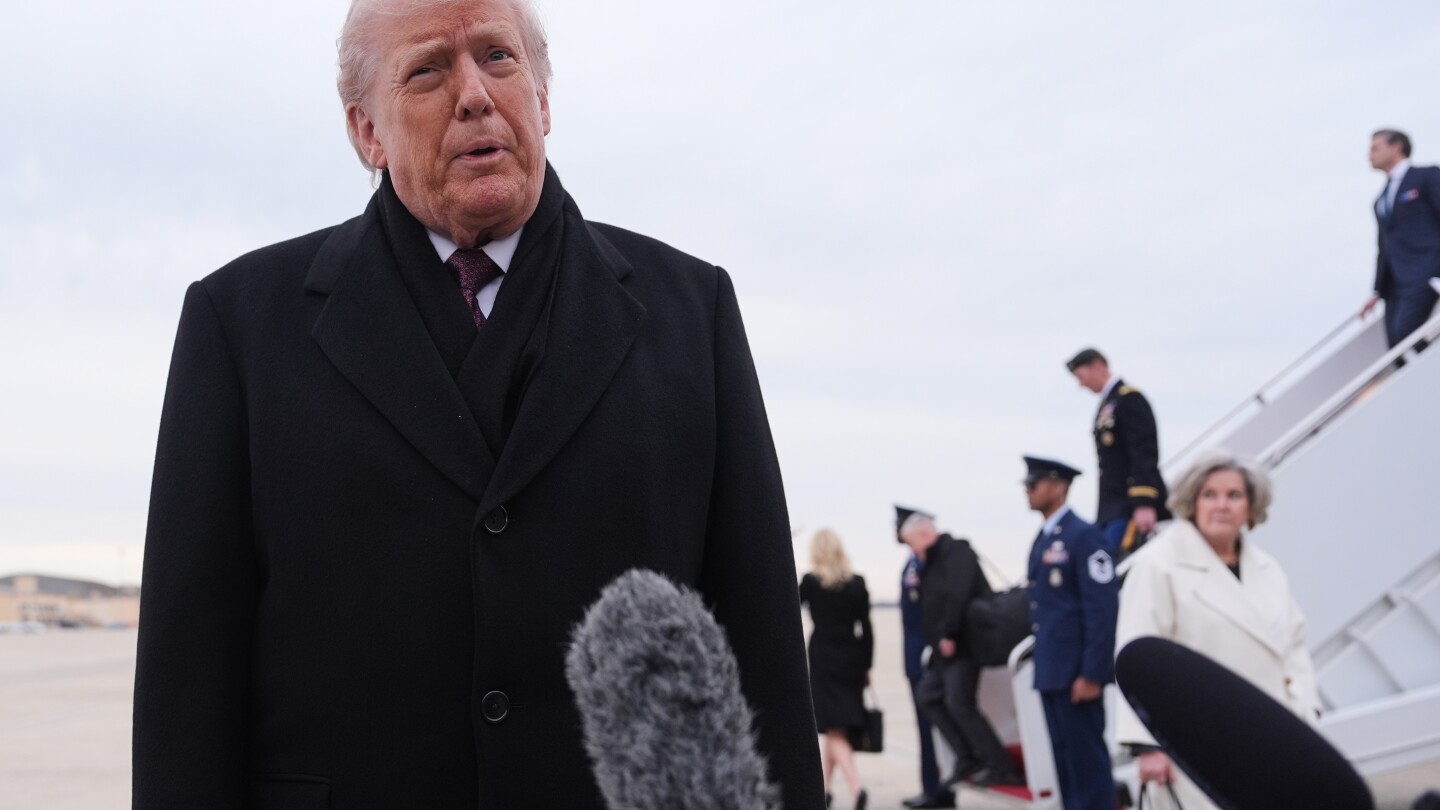
    ZIMBABWE (AP) — The Trump administration’s significant expansion of travel restrictions has placed Africa at the epicenter of its immigration policy, with twenty additional nations added to the prohibited list. Despite affecting approximately 1.5 billion people across the continent, official responses remained measured Wednesday as governments assessed the implications of the sweeping measures.

    The newly announced restrictions build upon June’s limitations but represent a more comprehensive and punitive approach than those implemented during Trump’s initial presidency. Unlike the previous Muslim-majority focused bans reversed in 2021, the current policy cites security vulnerabilities, documentation deficiencies, and visa overstay concerns as justification.

    Notably, four African nations—Burkai Faso, Mali, Niger, and South Sudan—joined the complete prohibition list alongside Syria and Palestinian Authority document holders. Sierra Leone and Laos, previously under partial restrictions, now face comprehensive bans. Twelve of the fifteen countries subjected to partial restrictions are African, including Nigeria, Senegal, Zimbabwe, and Ivory Coast, complemented by Antigua and Barbuda, Dominica, and Tonga.

    The African Union, through spokesman Nuur Mohamu, reiterated its call for balanced, evidence-based border protection that acknowledges the longstanding partnership between the U.S. and African nations. The 55-member organization warned of potential damage to educational exchanges, commercial engagement, and diplomatic relations cultivated over decades.

    Reactions from affected governments varied from diplomatic engagement to cautious silence. Sierra Leone’s government expressed commitment to addressing U.S. immigration concerns through constructive dialogue, while Malian officials declined immediate comment, reflecting the cautious stance adopted by many administrations.

    Analysts and citizens alike criticized the measures as disproportionately affecting African nations. Ramlah Ibrahim Nok, a business lawyer in Abuja, noted the unfairness of blanket restrictions that fail to distinguish between legitimate travelers and violators. Beverly Ochieng of Control Risks Group predicted the policy would create “incoherent, unpredictable and challenging” relations between the U.S. and African countries, potentially driving partnerships toward Washington’s rivals like Russia and China.

    The timing raises additional concerns regarding the 2026 FIFA World Cup, jointly hosted by the U.S., Canada, and Mexico. Sports enthusiasts expressed uncertainty about fan attendance despite anticipated exemptions for players and staff.

    In South Sudan, human rights activist Rajab Mohandis interpreted the ban as diplomatic punishment for the government’s slow implementation of the 2018 peace agreement that ended a devastating civil war.

    Across Africa, the expanded travel restrictions have sparked concerns about economic impact, diplomatic relations, and the future of people-to-people exchanges between the continent and the United States.

  • Beyond IPL auction: Punjab Kings co-owner Ness Wadia praises quiet calm of Abu Dhabi

    Beyond IPL auction: Punjab Kings co-owner Ness Wadia praises quiet calm of Abu Dhabi

    ABU DHABI – Beyond the high-stakes environment of the IPL auction, Punjab Kings co-owner Ness Wadia found himself captivated by the understated elegance and serene atmosphere of the UAE capital. In an exclusive interview with Khaleej Times, Wadia revealed how Abu Dhabi’s unique character left a lasting impression that transcends cricket.

    The transformative moment occurred the evening preceding the auction as Wadia dined with a view of the illuminated Sheikh Zayed Grand Mosque. The majestic white domes against the night sky established a tone of peaceful contemplation that would define his entire experience. “The roads are smooth, the people welcoming, and the pace noticeably different,” Wadia observed. “Everything feels nice and calm here, offering a sense of order and reassurance that’s increasingly rare in modern cities.”

    Wadia drew thoughtful comparisons between Abu Dhabi and Dubai, describing them as complementary emirates with distinct personalities. While Dubai thrives on dynamic energy and relentless momentum, Abu Dhabi presents a more measured, contemplative environment. What struck Wadia most profoundly was the subtlety of the UAE’s progress – the nation’s advancements in infrastructure and security achieved without ostentation.

    The executive particularly noted the pervasive sense of care and security throughout the city. “Security was present without being intrusive,” he remarked, “allowing people to go about their lives with genuine ease.” This philosophy extended to cricket infrastructure, which Wadia noted had been designed with thoughtful consideration for players and spectators alike.

    Wadia discovered unexpected connections with local cricket enthusiasts, learning of substantial Punjab Kings support among UAE residents including Emirati nationals. “Knowing we have fans here makes me feel even more at home,” he shared with visible appreciation.

    These experiences have catalyzed concrete plans for future engagement. Wadia confirmed that Punjab Kings are actively exploring opportunities for a February visit to Abu Dhabi, with both team management and captain Shreyas Iyer expressing enthusiasm. Crucially, Wadia emphasized that any engagement would prioritize genuine fan interaction over spectacle, creating meaningful connections with the team’s supporter base.

    As his visit concluded, Wadia reflected on Abu Dhabi’s unique balance – capable of hosting high-intensity events while maintaining its fundamental tranquility. The city has transcended its role as merely a venue on the cricket calendar, becoming instead a place where Wadia feels authentically welcomed and understood – a true home away from home.

  • How Japan built a rare-earth supply chain without China

    How Japan built a rare-earth supply chain without China

    In the global race to secure critical mineral supplies beyond China’s dominance, Japan emerges as a pioneering case study in strategic supply chain resilience. The nation’s comprehensive approach to reducing dependency on Chinese rare-earth elements—vital components in automotive manufacturing, advanced electronics, and defense technologies—offers valuable lessons for Western nations currently facing similar challenges.

    Japan’s awakening to supply chain vulnerabilities occurred dramatically in 2010 when China implemented an unannounced two-month embargo during a territorial dispute. This economic retaliation, triggered by a maritime incident near disputed islands, exposed Japan’s critical dependence as Chinese rare earths constituted over 90% of its imports at the time. Tatsuya Terazawa, then economic policy chief at Japan’s trade ministry, recounted the moment industry officials warned that automotive supply chains faced imminent suspension due to the sudden cutoff.

    The government responded with a decisive $1 billion strategic package designed to diversify sources and build structural resilience. This initiative supported Japanese conglomerates in developing alternative supply channels, with particular focus on Australia’s Lynas Corporation—the only company attempting to establish a fully integrated rare-earth supply chain outside China.

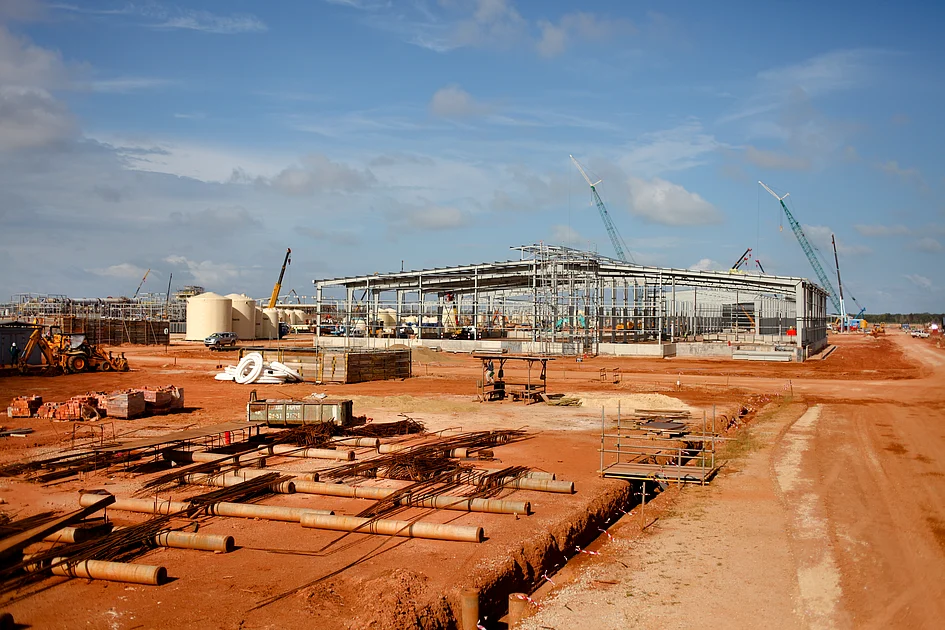
    Through strategic partnerships between government entity Jogmec and trading giant Sojitz, Japan provided $250 million in financing to Lynas, securing long-term access to Australian-mined rare earths processed in Malaysia. This complex operation involves mining at Mount Weld in Western Australia, chemical separation at Lynas’s Malaysian facility (until recently the only large-scale processing plant outside China), and final distribution to Japanese magnet manufacturers serving automotive giants like Toyota.

    The transition proved challenging, confronting technical obstacles, environmental concerns regarding radioactive waste management, and significant local opposition in Malaysia. Despite these hurdles, Japan successfully reduced its Chinese rare-earth dependency from over 90% to approximately 60-70% today while expanding its portfolio of specialized magnet ingredients.

    As China recently implemented new waves of export controls targeting both materials and processing technology, the United States and European nations are accelerating their own supply chain initiatives. While the Trump administration has committed to developing domestic capabilities within a year—supporting operations at California’s Mountain Pass mine and processing facilities in Texas and North Carolina—Japan’s experience demonstrates that genuine supply chain independence requires sustained government commitment, international cooperation, and long-term strategic vision.

    According to Naoki Kobayashi of Japan’s trade ministry, current efforts should focus on multinational coordination to achieve economies of scale and cost competitiveness. Terazawa, now leading an energy think tank, emphasizes that recent international agreements represent merely preliminary steps, with the true test lying in sustained allied commitment to confronting China’s mineral dominance collectively rather than individually.

  • OQ commissions the Ladayn polymer programme at Suhar Industrial City, Oman

    OQ commissions the Ladayn polymer programme at Suhar Industrial City, Oman

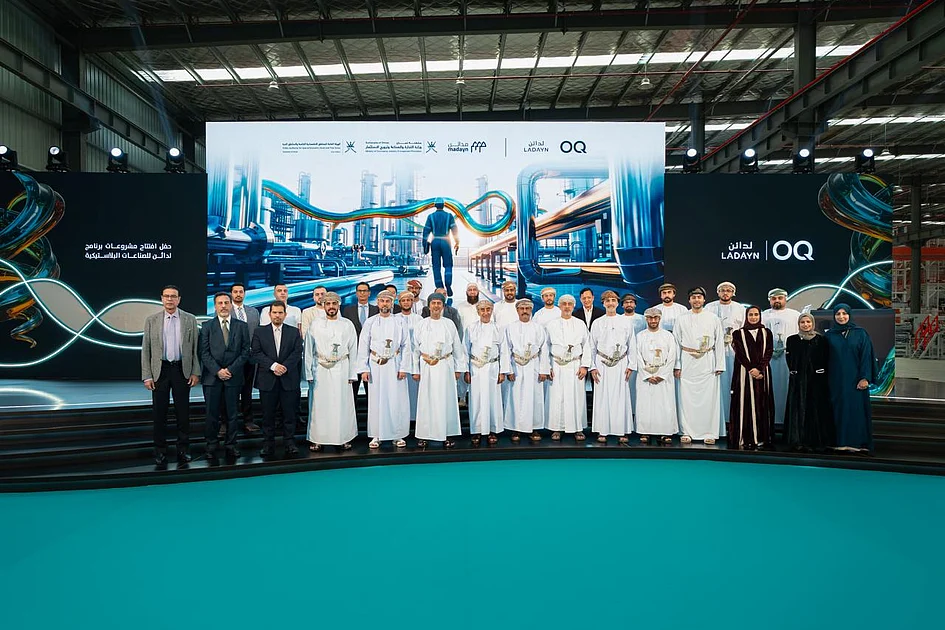
    Oman’s integrated energy group OQ has officially inaugurated the groundbreaking Ladayn Polymer Programme at Suhar Industrial City, marking a significant advancement in the nation’s industrial diversification strategy. The ceremony, held under the patronage of Sheikh Dr. Ali bin Masoud Al Sunaidy, Chairman of the Public Authority for Special Economic Zones and Free Zones, celebrated the transition of nine manufacturing plants into commercial operation.

    This pioneering initiative represents Oman’s first national industrial framework specifically designed to connect polymer production from OQ’s industrial complexes with downstream manufacturing across various economic zones. With a total investment of approximately 40 million Omani riyals in its current operational phase (21 million local investment and 19 million in foreign direct investment), the programme aims to transform locally produced polymers into high-value finished products.

    The programme’s strategic importance lies in its alignment with Oman Vision 2040 objectives, particularly in developing a competitive industrial base with regional and international reach. Once fully operational, Ladayn is projected to generate approximately 435 direct employment opportunities alongside hundreds of indirect jobs across supporting supply chains and industrial services.

    Ashraf Hamed Al Mamari, Group CEO of OQ, emphasized that “Ladayn represents a practical embodiment of Oman’s Vision 2040 ambitions for economic diversification and the development of a value-driven industrial sector. Through this programme, we connect Oman’s polymer resources with a downstream manufacturing ecosystem capable of generating sustainable employment, empowering SMEs, and attracting long-term capital and investment.”

    The manufacturing portfolio showcases international collaboration with investments from China, India, Germany, Saudi Arabia, Palestine, and Turkey, alongside Omani companies expanding their production capacity. Notable projects include Multibond Metal (Chinese-Indian investment specializing in heat-resistant polymer solutions), Madayn Plastic Company (first industrial-scale producer of Form-Fill-Seal packaging bags in Oman), and M.A.K Sohar for Chemical Industries (German firm producing high-performance engineering polymers).

    Ladayn benefits from Suhar’s integrated industrial ecosystem, leveraging the strategic advantages of Sohar Port, Sohar Freezone, and advanced infrastructure. OQ plays a central role by supplying high-quality polymer feedstock at competitive terms while establishing long-term purchasing arrangements for finished products, creating commercial stability for investors.

    The programme’s diverse manufacturing output spans high-performance polymer solutions, engineering compounds, industrial packaging, medical products, food packaging, and woven polypropylene applications, serving key sectors including healthcare, food production, logistics, and automotive manufacturing.

    This initiative positions Oman as an advanced downstream manufacturing platform while supporting national self-sufficiency and creating new export opportunities through the localization of downstream industries and value maximization from locally produced polymers.

  • Pakistani who beat Federer hopes to start a tennis revolution in his country

    Pakistani who beat Federer hopes to start a tennis revolution in his country

    Aisam-ul-Haq Qureshi, the legendary Pakistani tennis star who famously defeated Roger Federer in a 2009 doubles match, is now spearheading an ambitious campaign to transform tennis infrastructure and development in his cricket-dominated homeland. The former world No. 8 doubles player, who recently retired after a 25-year professional career, has assumed presidency of the Pakistan Tennis Federation with a clear mission: to build a sustainable tennis ecosystem from the ground up.

    Qureshi’s remarkable career included reaching the 2010 US Open finals in both doubles and mixed doubles, an extraordinary achievement for a player emerging from a nation with minimal tennis tradition. Now, he’s leveraging his international experience and connections to bring competitive opportunities to Pakistani players. Under his leadership, Pakistan recently hosted its first ATP Challenger event in Islamabad—a landmark moment for the country’s tennis history.

    In an exclusive interview, Qureshi outlined his strategic approach: bringing international tournaments to Pakistan rather than relying on sending players abroad. This method allows local players to earn ranking points and gain international exposure without the financial burden of constant travel. The federation has already secured seven International Tennis Federation junior tournaments for next year, with Pakistani juniors demonstrating immediate success by winning all five recent events.

    The greatest challenge remains infrastructure. Unlike cricket, which thrives in urban and rural spaces alike, tennis suffers from limited public facilities. Most courts are located in private clubs requiring paid memberships. Qureshi has devised an innovative solution: leveraging Pakistan’s explosion of padel courts (over 500 nationwide) to introduce mini-tennis programs for children aged 8-10, effectively creating new entry points for youth participation.

    Reflecting on his unique journey, Qureshi shared a poignant memory of his victory over Federer. The Swiss maestro surprised him by recalling their junior match from a decade earlier, noting Qureshi remained “the only Pakistani I ever played against.” This encounter symbolized Qureshi’s role as Pakistan’s solitary tennis ambassador on the global stage for over two decades.

    Despite opportunities to settle abroad, Qureshi remains committed to his mission. “I feel like my job is not done yet,” he stated, emphasizing his responsibility to develop the sport that gave him so much. Through securing wild cards for Pakistani players in international tournaments and continuing to expand domestic competitive opportunities, Qureshi is determined to create a lasting legacy that extends far beyond his own exceptional career.

  • Cheating charge added against Shilpa Shetty, Raj Kundra in Rs600 million case

    Cheating charge added against Shilpa Shetty, Raj Kundra in Rs600 million case

    In a significant development to an ongoing financial investigation, Mumbai’s Economic Offences Wing (EOW) has formally added cheating charges against Bollywood actress Shilpa Shetty and her entrepreneur husband Raj Kundra. The enhanced charges stem from an alleged ₹600 million (approximately $7.2 million) fraud case that has been under investigation since August.

    The case originated from a complaint filed by Mumbai-based businessman Deepak Kothari, who alleges he was systematically deceived in a complex loan-investment arrangement with the high-profile couple. According to legal representatives for Kothari, recent investigative findings provided sufficient evidence to warrant the additional cheating charge, potentially expanding the scope of the criminal probe.

    Financial records indicate the alleged misconduct centers around Best Deal TV Private Limited, a now-defunct home shopping and online retail platform where both Shetty and Kundra held director positions. The initial First Information Report (FIR) claimed that between 2015 and 2023, the couple persuaded Kothari to invest substantial sums totaling ₹600 million with promises of legitimate business returns.

    Kothari’s legal team has announced plans to approach India’s Enforcement Directorate (ED) to initiate proceedings under the Prevention of Money Laundering Act (PMLA). This would enable authorities to trace, identify, and potentially seize assets believed to represent proceeds from the alleged financial crimes.

    In previous statements, Kundra has defended the financial transactions, claiming significant portions of the funds were allocated as professional fees to other Bollywood personalities including actors Bipasha Basu and Neha Dhupia. He has additionally attributed the company’s financial difficulties to India’s 2016 demonetization policy, which he claims severely impacted Best Deal TV’s operations dealing in electrical and household appliances.

    The Economic Offences Wing continues to examine financial documentation and transaction records as the investigation progresses. Neither Shetty nor Kundra have issued public statements following the latest development in the case.

  • UAE school age cut-off rule: Children won’t lose a year, say relieved parents

    UAE school age cut-off rule: Children won’t lose a year, say relieved parents

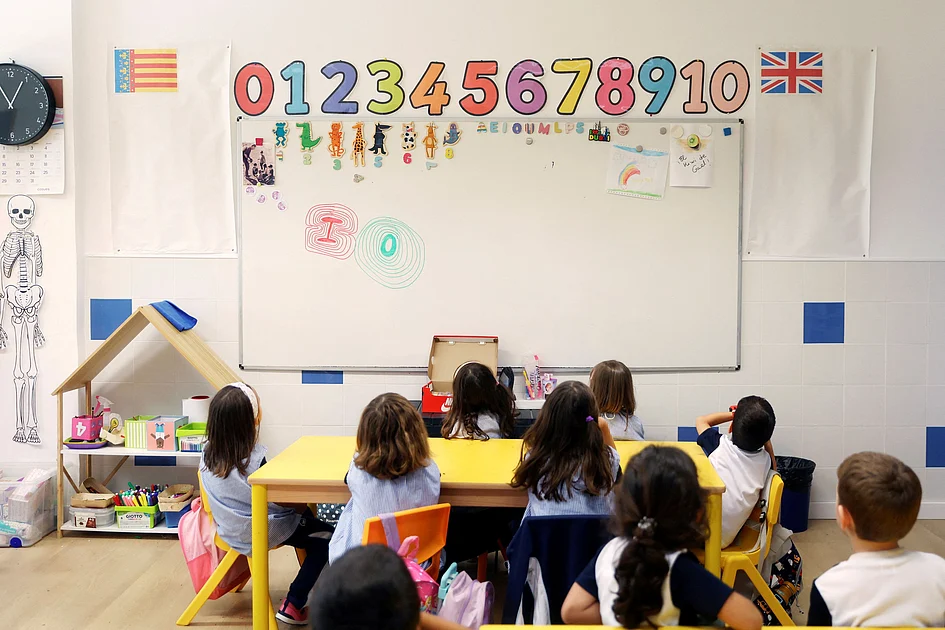
    The United Arab Emirates has enacted a significant reform to its educational admission framework, announcing a pivotal shift in the age eligibility criteria for school entrants. Effective from the 2026-2027 academic year, the deadline for children commencing KG1 in institutions with a September intake will be extended from August 31 to December 31.

    This policy revision, ratified by the Education, Human Development, and Community Development Council, directly addresses a longstanding predicament faced by families. The previous August cutoff frequently placed children born in the subsequent months in an educational limbo—deemed too advanced for nursery programs yet ineligible for formal schooling, consequently forcing them to forfeit an entire academic year.

    The announcement has been met with profound relief and widespread approval from the parent community across the Emirates. Mousa Abdelkarim, a Jordanian expatriate, revealed he was contemplating relocating his family abroad to prevent his son from falling behind academically. He expressed immense gratitude, stating the change resolves a severe family dilemma and prevents an unnecessary separation.

    Echoing this sentiment, Mariam, a mother from Sharjah, celebrated the decision despite wishing for its earlier implementation. Another parent, Khawla from Ajman, hailed it as the ‘best decision,’ empathizing with the struggles of numerous mothers whose children had previously lost a year.

    The educational sector has strongly endorsed the move. Fatima Al Ram, a kindergarten teacher in Dubai, affirmed the decision is unequivocally in the best interest of a child’s holistic development. She emphasized that access to kindergarten is crucial for nurturing social, mental, and physical skills from an early age.

    The reform is the culmination of extensive public discourse and official deliberation, including a proposal from the Federal National Council (FNC). FNC member Saeed AlAaabdli had previously highlighted the challenges for parents of children born in the year’s final quarter. The new policy is viewed as a responsive and community-centric measure, designed to standardize admissions, ensure fairness across various curricula, and facilitate smoother student transitions between schools, without impacting current enrollees.