标签: Africa

非洲

  • Rebels start to withdraw from key DR Congo city, leaders say

    Rebels start to withdraw from key DR Congo city, leaders say

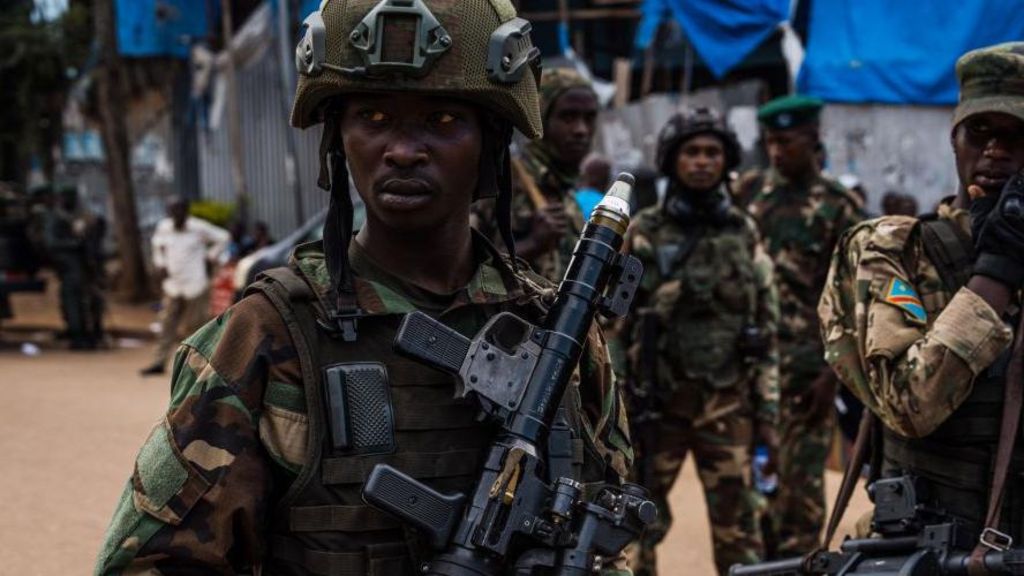
    In a significant development in the ongoing conflict in eastern Democratic Republic of Congo, the M23 rebel faction has declared the commencement of its withdrawal from the strategically vital city of Uvira. This announcement follows intense diplomatic pressure from the United States, which has simultaneously issued allegations of Rwandan support for the insurgents—a claim vehemently denied by Kigali.

    The capture of Uvira, situated near the Burundian border, represents a major escalation despite the recent signing of a US-brokered peace agreement between the Congolese and Rwandan governments on December 4th. The seizure triggered immediate condemnation from Washington, accompanied by warnings of potential sanctions against Rwanda.

    M23 leadership, including commander Bertrand Bisimwa, confirmed the withdrawal process was ‘underway,’ characterizing the move as a concession ‘for the sake of peace.’ Through social media channels, Bisimwa appealed to international mediators to ensure protection for the city against potential reprisals and remilitarization.

    However, the declared withdrawal has been met with profound skepticism from both local residents and the Congolese government. DR Congo’s official spokesman, Patrick Muyaya, described the announcement as a potential ‘diversion’ tactic intended to influence the American mediation team. Ground reports from Uvira residents early Thursday revealed continued movement of M23 vehicles throughout the city, casting doubt on the sincerity of the pullout.

    The humanitarian impact of the offensive has been severe, with UN agencies reporting dozens of fatalities, at least 100 wounded, and approximately 200,000 displaced persons. An additional 30,000 civilians sought refuge across the border in Burundi.

    This development occurs against the backdrop of parallel peace processes—the Washington agreement between nation-states and a separate Qatar-mediated negotiation involving the rebels themselves, highlighting the complex multilateral efforts to resolve the persistent instability in the region.
  • Nigeria apologises over Burkina Faso military flight that saw 11 servicemen detained

    Nigeria apologises over Burkina Faso military flight that saw 11 servicemen detained

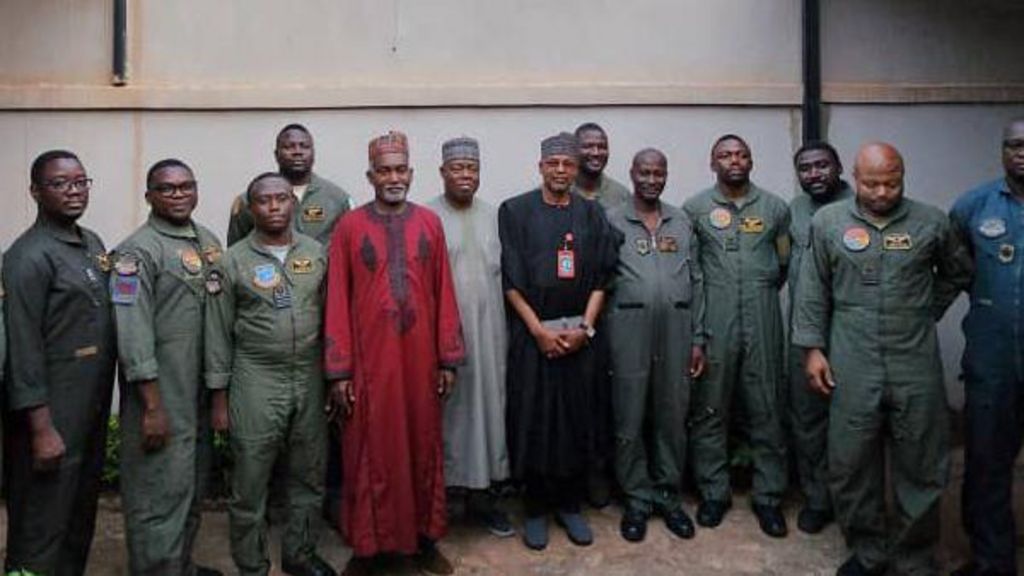
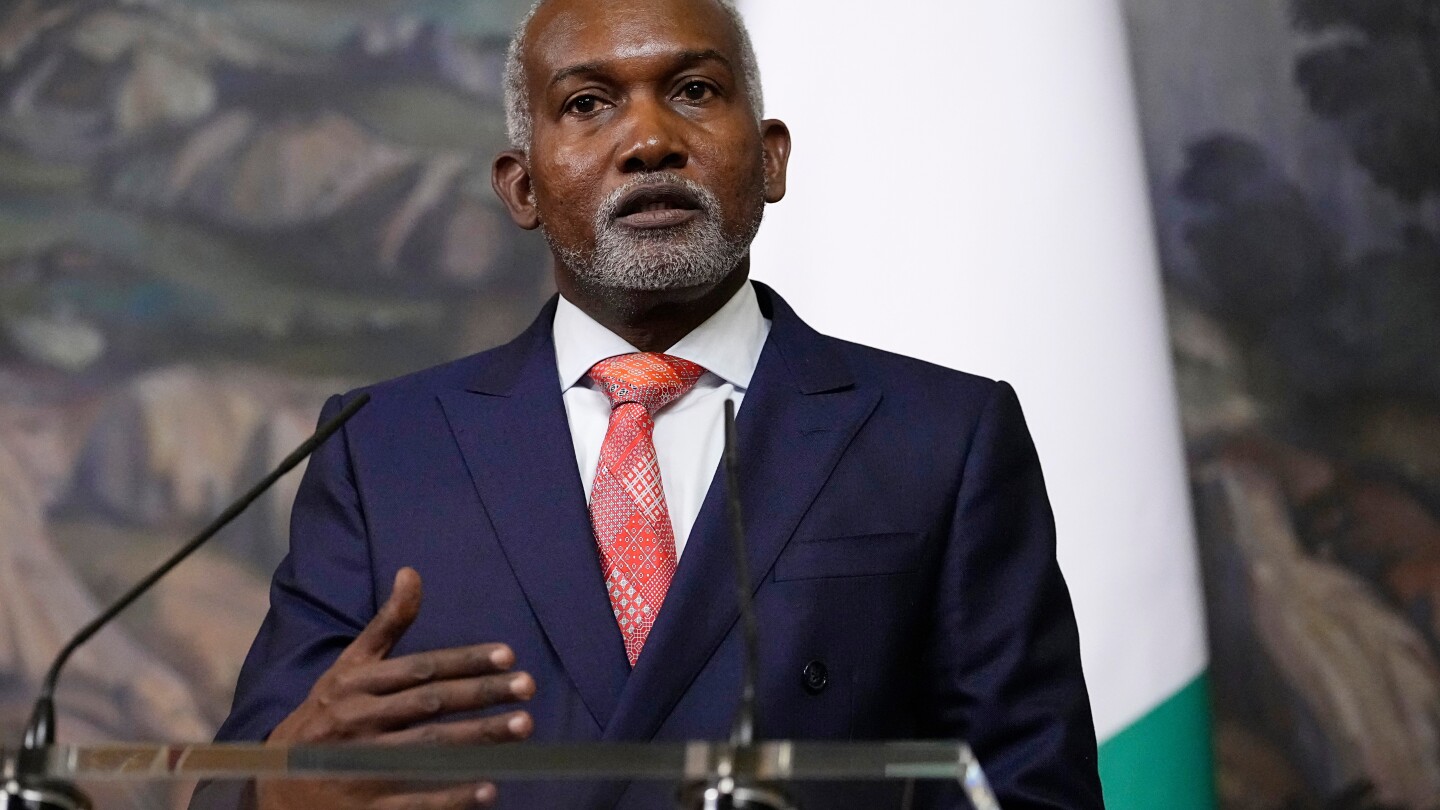
    In a significant diplomatic development, Nigeria’s Foreign Minister Yusuf Tuggar has issued a formal apology to Burkina Faso following the unauthorized incursion of a Nigerian military aircraft into Burkinabè airspace. The incident, which resulted in the detention of eleven Nigerian servicemen, has been resolved with their subsequent release and anticipated return to Nigeria.

    According to official statements from the Nigerian Air Force, the aircraft experienced technical difficulties while en route to Portugal, necessitating an emergency landing in Burkina Faso. This unauthorized landing triggered a serious diplomatic confrontation with the Alliance of Sahel States (AES), a regional coalition comprising Burkina Faso, Mali, and Niger.

    The AES leadership characterized the incident as an ‘unfriendly act’ and responded by elevating their defense readiness. Member states’ air forces were placed on maximum alert and authorized to ‘neutralize any aircraft’ violating the confederation’s airspace—a strong indication of the regional tensions.

    Minister Tuggar led a high-level delegation to Ouagadougou on Wednesday for crisis talks with Burkinabè military leader Captain Ibrahim Traoré. During a joint appearance on national television, Tuggar acknowledged administrative failures regarding flight authorizations and expressed regret for the incident.

    The diplomatic resolution comes against a complex geopolitical backdrop. The three AES states, all under military governance, have recently withdrawn from the West African regional bloc ECOWAS and have strengthened ties with Russia, while most ECOWAS members maintain alliances with Western nations.

    Both nations have agreed to maintain regular consultations and implement practical measures to enhance bilateral cooperation and regional integration, according to Nigeria’s foreign ministry. The detained personnel, described as being in ‘high spirits,’ await their return alongside the aircraft, though specific timing remains undisclosed.

  • Burkina Faso releases Nigerian air force crew detained after emergency landing

    Burkina Faso releases Nigerian air force crew detained after emergency landing

    ABUJA, Nigeria — In a significant diplomatic resolution, Burkina Faso’s military government has released all 11 Nigerian Air Force personnel who had been detained since December 8th following an emergency landing of their aircraft. The release concludes weeks of tension between the West African nations and demonstrates the power of diplomatic engagement in regional conflicts.

    Nigeria’s Foreign Affairs Minister Yusuf Tuggar announced the breakthrough on Thursday, crediting “sustained dialogue” between the two nations for resolving the sensitive matter. The personnel, comprising two flight crew members and nine passengers, were freed following high-level meetings between a Nigerian delegation led by Minister Tuggar and officials from Burkina Faso’s military regime under Captain Ibrahim Traoré.

    The incident began when a Nigerian Air Force aircraft bound for Portugal for scheduled maintenance was forced to make an emergency landing in western Burkina Faso. Nigerian officials emphasized that the landing was conducted in full compliance with international aviation guidelines and standard safety procedures.

    The emergency landing triggered immediate security concerns within the Alliance of Sahel States—a regional security bloc comprising Burkina Faso, Mali, and Niger. The alliance responded by placing its air and anti-aircraft defenses on maximum alert, with authorization “to neutralize any aircraft that violates the confederation’s airspace,” according to a statement from Mali’s military junta leader General Assimi Goita.

    The resolution comes amid increasingly fractured relations between the Alliance of Sahel States and Nigeria, which remains a key member of the Economic Community of West African States (ECOWAS). The three Sahel nations recently withdrew from ECOWAS, accusing the regional bloc of imposing inhumane sanctions and working against their citizens’ interests.

    Adding to regional tensions, Nigeria recently participated in intervention efforts that helped reverse a short-lived coup in Benin, where Nigerian Air Force conducted airstrikes targeting coup plotters. Burkina Faso shares a northwestern border with Benin, while Nigeria borders Benin to the east.

    Following the successful diplomatic negotiations, both nations have agreed to establish regular consultation mechanisms and pursue concrete steps to deepen bilateral cooperation and regional integration. The released personnel are now proceeding with their original mission to Portugal for the scheduled aircraft maintenance.

  • Africa calls for fairer global governance

    Africa calls for fairer global governance

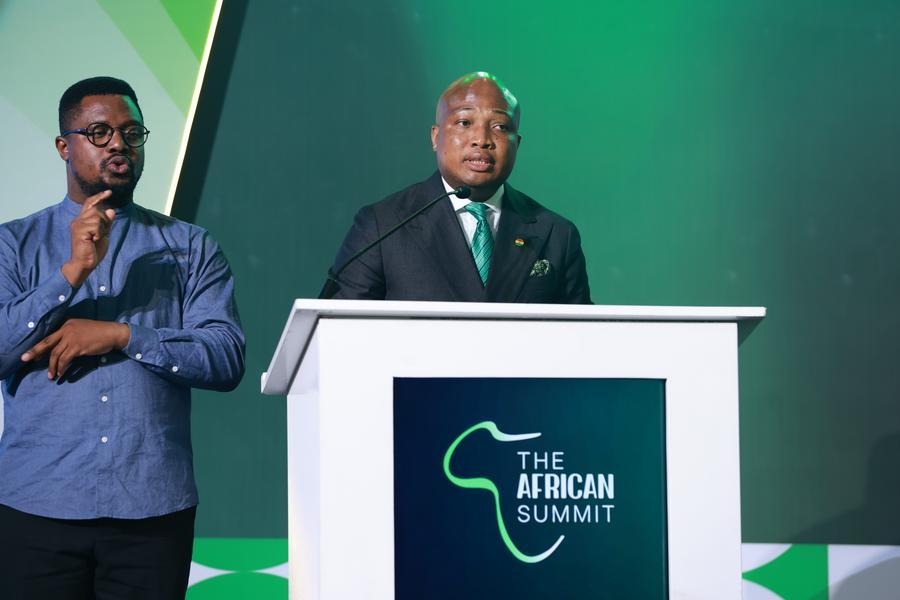
    ACCRA – African leaders convened for the inaugural African Summit in Ghana’s capital, delivering a powerful message to the international community: the continent demands fundamental reforms to global governance structures. Under the theme “Building a New United Africa,” policymakers and stakeholders gathered to forge consensus on achieving greater integration and strategic autonomy.

    Ghana’s Foreign Minister Samuel Okudzeto Ablakwa set the tone, highlighting Africa’s persistent challenges including fragmentation, weak intra-African trade, infrastructure deficits, and excessive dependence on external markets. “The global environment within which Africa must pursue its integration agenda is undergoing rapid, profound transformation,” Ablakwa declared, emphasizing Africa’s transition from passive observer to active shaper of global outcomes.

    The summit occurred against a backdrop of significant geopolitical shifts. November’s G20 Leaders’ Summit in Johannesburg marked a watershed moment as African nations, alongside Global South partners, successfully steered discussions toward development priorities despite U.S. opposition. The adopted declaration emphasized multilateral cooperation and stronger support for developing economies.

    Economic indicators signal Africa’s rising prominence. The IMF projects sub-Saharan Africa’s growth will outpace the global average at 4.1% in 2025. The African Continental Free Trade Area (AfCFTA) demonstrates substantial progress, with 47 nations ratifying the agreement. World Bank estimates suggest AfCFTA could generate $450 billion in additional economic output by 2035, lifting 30 million from extreme poverty.

    However, security challenges persist. Recent coups in Guinea-Bissau and Benin, alongside renewed conflict in the Democratic Republic of Congo displacing over 500,000 people, prompted West African authorities to declare a regional “state of emergency.” Analysts attribute these instability patterns to colonial legacies, terrorism, and economic development gaps.

    External economic pressures compound these challenges. U.S. tariff impositions on Lesotho and South Africa triggered dramatic export declines, with Lesotho losing nearly 80% of textile orders and South African auto exports plummeting 85% in May.

    Infrastructure development emerges as a cornerstone solution. The recent launch of Guinea’s Simandou iron ore project to China and the Tanzania-Zambia Railway rehabilitation project demonstrate advancing regional connectivity. Zambia’s Transport Minister Frank Tayali noted these initiatives support visions of becoming “a land-linked nation and logistics hub.

    As the 70th anniversary of China-Africa diplomatic relations approaches in 2026, partnerships continue deepening. Kenyan economist James Shikwati observed that “China’s pragmatic, inclusive approach offers viable alternatives to traditional Western models” for Global South development.

    African Union Director of Information Leslie Richer captured the summit’s consensus: “The Global South must not speak in fragments. Our strength lies in unity” to shape global decision-making.

  • Somalia marks 65th anniversary of diplomatic relations with China

    Somalia marks 65th anniversary of diplomatic relations with China

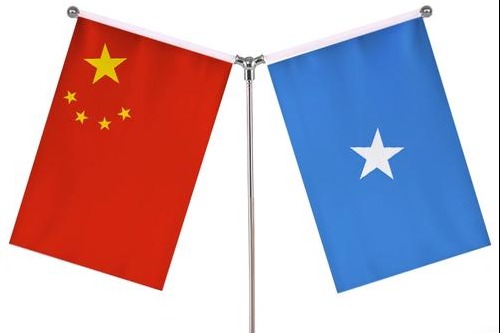
    Somalia and China have commemorated 65 years of established diplomatic relations, reaffirming their commitment to enhanced cooperation and shared developmental objectives. The milestone event, held in Mogadishu, brought together high-ranking officials from both nations to celebrate this enduring international partnership.

    Somali Prime Minister Hamza Abdi Barre addressed attendees by highlighting the historical significance of this bilateral relationship, characterizing it as “a testament to enduring friendship between our two peoples.” He emphasized that this friendship has been fundamentally built upon mutual respect for national sovereignty and shared understanding across decades of regional and global transformations.

    Since initially establishing diplomatic ties on December 14, 1960, China has consistently emerged as a trusted partner to Somalia. This partnership has notably respected Somalia’s political independence while supporting its national priorities and belief in the country’s future potential. The cooperative relationship has yielded practical impacts across multiple sectors including critical infrastructure development, healthcare system strengthening, educational advancement, public service capacity building, and humanitarian response during crises.

    Chinese Ambassador to Somalia Wang Yu recalled the historical context of the relationship’s formation, noting that China was among the first nations to recognize Somalia’s independence. Somalia similarly distinguished itself as the first East African nation to establish formal diplomatic relations with China. Ambassador Wang acknowledged Somalia’s consistent adherence to the One-China principle while reaffirming China’s unwavering support for Somalia’s national sovereignty, territorial integrity, and unity.

    The diplomatic celebration underscored how the China-Somalia relationship has evolved into a model of South-South cooperation, demonstrating how mutually beneficial partnerships can foster common development between nations.

  • Museum knows ‘little to nothing’ about new display

    Museum knows ‘little to nothing’ about new display

    In an unprecedented move confronting Britain’s colonial history, Manchester Museum has launched a groundbreaking exhibition featuring thousands of African artifacts with largely unknown origins—many acquired through questionable means during the Empire’s peak. The institution has deliberately placed these culturally significant objects in its newly established Africa Hub to openly address the substantial gaps in its historical records.

    The collection, comprising over 40,000 items from across Africa, reveals troubling acquisition methods including trade, anthropological collection, confiscation, and outright looting during colonial expansion. One particularly telling example is a carved figure depicting a horse with an ibis on its back, whose entire documented history consists only of its 1976 donation by a Mrs M A Bellhouse, with no information regarding its cultural context, place of origin, or traditional significance.

    Curator Lucy Edematie describes this exhibition as fundamentally different from traditional museum displays, characterizing it as “the beginning” rather than the culmination of research. “It is a chance to do our thinking in public, with honesty and transparency, and to involve people in that process from the start,” Edematie explained, highlighting the institution’s commitment to ethical reconsideration of colonial collections.

    The museum, part of the University of Manchester, acknowledges that this transparent approach may ultimately lead to repatriation decisions or collaborative partnerships with diaspora communities to develop culturally appropriate ways of preserving and celebrating heritage. In a significant co-curation effort, the Africa Hub features displays developed with Igbo Community Greater Manchester (ICM), representing one of West Africa’s largest ethnic groups.

    ICM Vice-Chairwoman Sylvia Mgbeahurike emphasized the exhibition’s profound significance: “Some of these objects were given, some were stolen, some were taken forcefully out of conquest. Bringing them together shows inclusiveness, demonstrates strength in diversity, and reaffirms that we are one people regardless of color or origin.”

    This bold institutional initiative represents a growing movement among museums to address colonial-era acquisitions honestly while developing new ethical frameworks for handling contested cultural property.

  • Liverpool rappers in Somalia during clan conflict

    Liverpool rappers in Somalia during clan conflict

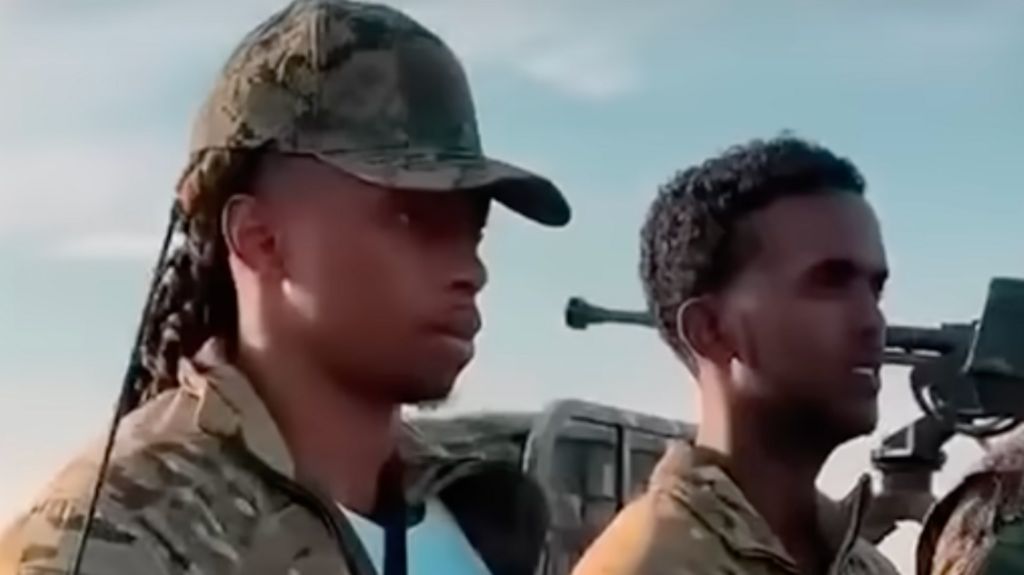
    Two British drill musicians from Liverpool’s Toxteth area have become subjects of a potential police investigation following their apparent participation in armed activities within Somalia’s volatile clan conflicts. Abdifatah Gulaid, 31, and Noah Ihiekwe, 30, who perform under the stage names Still Brickin’ and Rayzer respectively, were documented in military attire alongside armed troops in northeastern Somalia earlier this year.

    The BBC-obtained footage shows Gulaid delivering inflammatory statements to soldiers, declaring that ‘the time for talk is finished’ and promising to demonstrate their ‘mettle in battle.’ The rappers’ journey to conflict zones began under suspicious circumstances—they were among six men detained during a January drug raid in Phuket, Thailand, where authorities seized 6kg of cannabis and 39 tanks of nitrous oxide from their luxury villa. Though released without charges, the men subsequently traveled to Somalia’s Sanaag region.

    This territory remains disputed between the self-declared Republic of Somaliland and the autonomous state of Puntland, with longstanding inter-clan tensions over resources and historical grievances. Gulaid maintains affiliation with the Warsangeli clan, currently engaged in hostilities against the rival Isaaq clan aligned with Somaliland.

    An international consultant present at Badhan’s Laasqoray Hotel described witnessing the rappers transition from casual Western attire to combat gear while brandishing assault rifles. Their presence coincided with a significant escalation in regional violence, including armed confrontations that endangered civilian areas.

    According to Dr. Idil Osman of the University of Leicester, diaspora communities often maintain strong connections to Somali clan politics, sometimes drawing them into overseas conflicts. While the UK government emphasizes that any citizen engaging in unlawful activities abroad faces investigation upon return, legal expert Clive Walker notes prosecution complexities unless involvement with proscribed organizations like Al-Shabaab is established. The individuals were last reported in Dubai, with their eventual return to Britain likely to prompt official inquiries.

  • Refugee firefighters in Mauritania battle bushfires to give back to the community that took them in

    Refugee firefighters in Mauritania battle bushfires to give back to the community that took them in

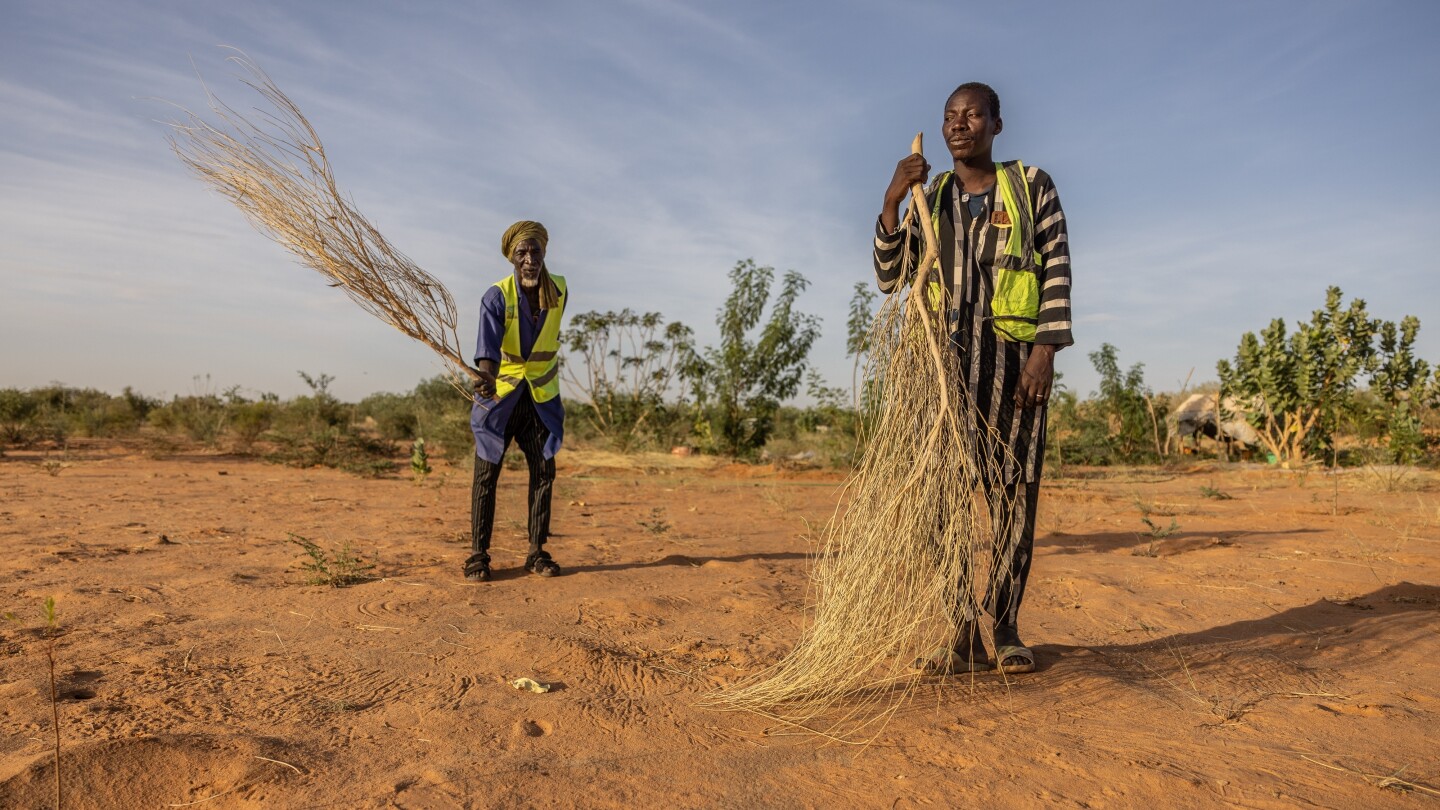
    In the harsh expanse of Mauritania’s desert landscape, a unique partnership has emerged between Malian refugees and their host community through the shared battle against destructive bushfires. At sunset in Mbera, synchronized movements of volunteer firefighters create a rhythmic cadence as they practice with acacia branches—a specialized technique perfected over years of combating desert blazes.

    These 360 refugees, operating under UNHCR patronage with EU funding, have transformed environmental protection into a reciprocal gesture of gratitude toward the Mauritanian communities that sheltered them from Mali’s violence since 2012. The region houses approximately 300,000 Malian refugees, with half residing in formal camps and others integrated into local villages.

    Hantam Ag Ahmedou, who arrived as a child refugee, explains the critical methodology: “Water proves futile against fires that ignite hundreds of kilometers from sources. Our branches smother flames effectively—this knowledge became our contribution.” The volunteer brigade responds urgently to alerts, deploying in coordinated teams with heat-resistant acacia branches to contain infernos that threaten both refugee settlements and local villages.

    The environmental context heightens the urgency: Mauritania, with 90% Sahara coverage, faces accelerated desertification from climate change. Tayyar Sukru Cansizoglu of UNHCR notes that single fires now carry life-threatening consequences for all residents amid strained natural resources. Tensions over grazing areas and water access underscore the fragility of this coexistence.

    Beyond firefighting, the initiative has expanded into ecological restoration with tree nurseries cultivating acacias, citrus, and mango trees to counteract vegetation loss. For veterans like 52-year-old Abderrahmane Maiga, this work represents necessary reciprocity: “After people welcomed us, standing to help them is only right.”

    The refugees acknowledge the permanence of their situation—with returning to Mali increasingly implausible amid ongoing violence. Ag Ahmedou articulates their resolve: “We cannot abandon our home for Europe. We must resist. We must fight—for survival is our only option.”

  • ILT20: MI Emirates stun Dubai Capitals in low-scoring thriller

    ILT20: MI Emirates stun Dubai Capitals in low-scoring thriller

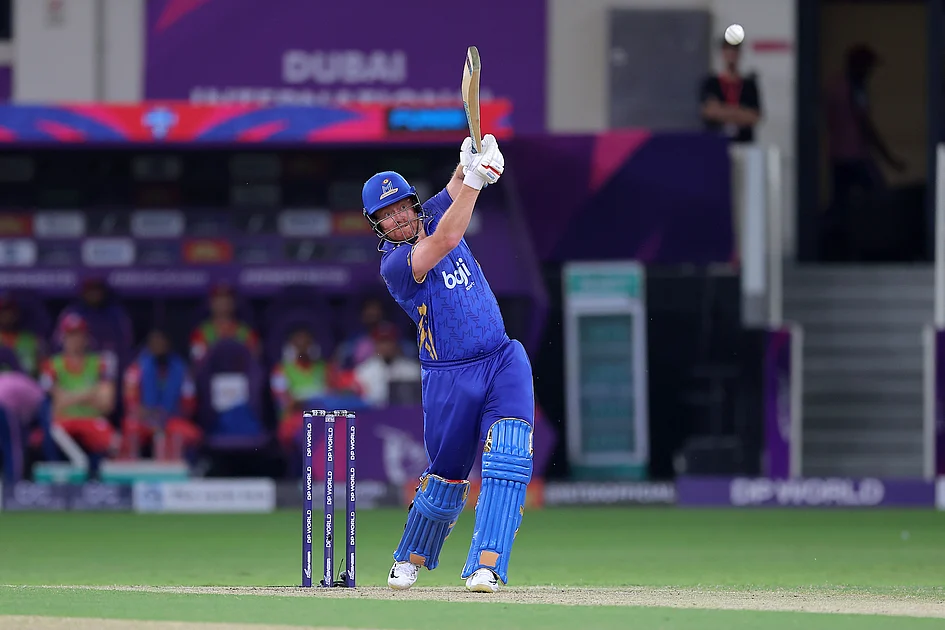
    In a stunning display of defensive cricket, MI Emirates clinched a nail-biting seven-run victory against Dubai Capitals in the DP World ILT20 Season 4 clash at Dubai International Stadium on Wednesday. Defending a modest total of 137/8, the Emirates orchestrated a remarkable turnaround that saw them leapfrog their opponents into third place on the tournament table.

    The match pivoted dramatically when Rashid Khan’s crucial two-wicket intervention shattered the Capitals’ commanding position. Despite a strong foundation built by Jordan Cox (46 off 41) and Shayan Jahangir (34 off 27), who hammered 51 runs during the powerplay, the Capitals’ chase unraveled spectacularly in the final overs.

    Earlier, Jonny Bairstow’s explosive 67 off 40 deliveries, featuring eight boundaries and three sixes, provided the cornerstone of MI Emirates’ innings. His 30-ball half-century seemed to set a competitive platform until Muhammad Jawadullah’s brilliant spell (2/7) and Mustafizur Rahman’s devastating 3/34 triggered a collapse that limited the Emirates to what appeared to be a below-par total.

    The turning point arrived during the penultimate over when Naveen-ul-Haq dismissed both Cox and Mohammad Nabi within three deliveries, effectively sealing the Capitals’ fate. The final over witnessed three more wickets falling as the Capitals capitulated at 130 all out.

    Post-match, Player of the Match Rashid Khan emphasized the team’s collective effort: ‘Today was a proper team effort and bowling performance. The way we fielded gave us the energy needed to defend this total.’

    Dubai Capitals captain Dasun Shanaka reflected on missed opportunities: ‘We bowled exceptionally well, but crucial dropped catches and my own dismissal at a critical juncture ultimately cost us the game.’

  • India-South Africa 4th T20 International abandoned due to fog

    India-South Africa 4th T20 International abandoned due to fog

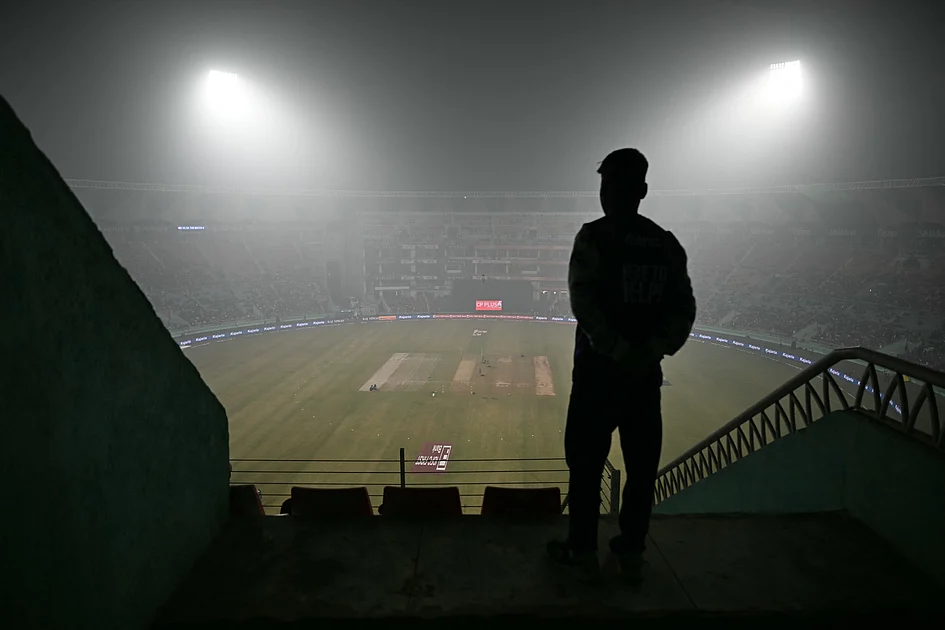
    The highly anticipated fourth T20 International between cricket powerhouses India and South Africa was officially abandoned Wednesday evening due to unsafe playing conditions caused by persistent dense fog in Lucknow. Despite multiple pitch inspections at Ekana Stadium, match officials determined that visibility remained insufficient for play to commence.

    The scheduled toss at 6:30 PM local time was repeatedly postponed as umpires conducted assessments amid deteriorating conditions. After three hours of evaluation, the match was formally called off at 9:30 PM, leaving disappointed spectators to exit the venue without witnessing any action.

    India, current T20 world champions, maintain their 2-1 series advantage heading into Friday’s decisive fifth match in Ahmedabad. This bilateral series serves as crucial preparation for both teams ahead of the 2026 T20 World Cup, jointly hosted by India and Sri Lanka commencing February 2026.

    Environmental concerns emerged as a subplot when Indian all-rounder Hardik Pandya was photographed wearing a protective mask, sparking online discussions about northern India’s pollution challenges. IQAir monitoring data revealed PM 2.5 microparticle levels reached 78 micrograms per cubic meter in parts of Lucknow—exceeding WHO safety recommendations by more than fivefold.

    This incident highlights a recurring pattern of atmospheric challenges in northern India during winter months, where temperature inversions trap pollutants from agricultural burning, industrial emissions, and vehicular exhaust. The abandonment underscores how environmental factors increasingly influence international sporting events in the region.