In a rare high-level diplomatic meeting mediated by the United States and hosted by Jordan, Syria and Israel have convened talks focused on rolling back recent cross-border violence and preventing Israel’s growing standoff with Turkey from spilling onto Syrian territory. The Sunday negotiations mark the first formal direct dialogue between the two sides in several months, building on an earlier January agreement to establish a joint intelligence-sharing framework as they edge toward a broader regional security deal.
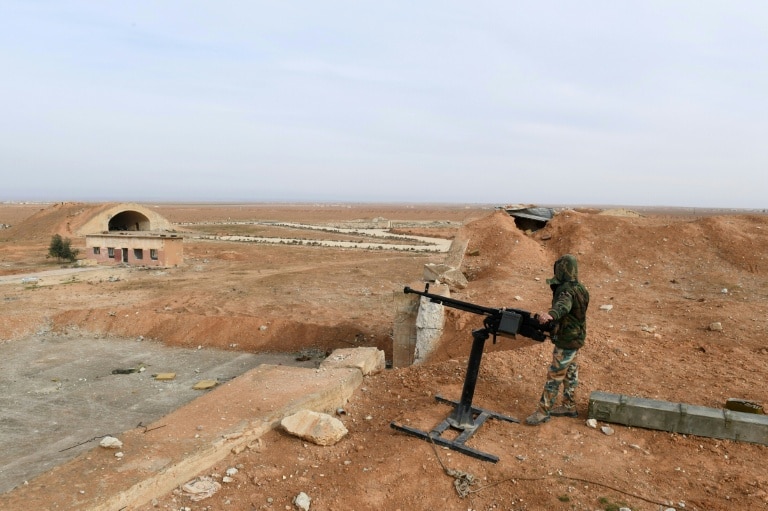
The talks come on the heels of two key destabilizing events: an Israeli airstrike earlier that week on the abandoned Abu Duhur airbase in northwest Syria, and a deadly targeted strike in southern Syria just one day before the negotiations. Israel justified the Abu Duhur attack by claiming it aimed to block an impending deployment of Turkish forces to the site, a claim Ankara has firmly denied. A day before the Jordan meeting, Israel carried out another strike targeting an alleged militant in southern Syria, leaving one person wounded and drawing condemnation from Damascus as a blatant violation of Syrian sovereignty.
According to a diplomatic source quoted by Syrian state news agency SANA, the Syrian delegation was led by Foreign Minister Assad al-Shaibani and included the heads of both general and military intelligence, while the Israeli side was headed by Roman Gofman, director of Israel’s Mossad intelligence agency. Sources confirmed to Agence France-Presse that core agenda items included the creation of a joint US-supervised special operations room based in Jordan, tasked with preventing unintended confrontations on Syrian soil, particularly those that could draw in third-party actors like Turkey.
The overarching goal of the dialogue, the Syrian foreign ministry source noted, is to de-escalate tensions following a string of recent Israeli bombardments on Syrian territory that have raised the risk of broader conflict in southern Syria. Discussions also centered on bridging gaps between Ankara and Jerusalem to ensure that the ongoing public feud between Israeli Prime Minister Benjamin Netanyahu and Turkish President Recep Tayyip Erdogan does not draw Syria into the crossfire. Tensions between Turkey and Israel have surged since the Abu Duhur strike, with the two leaders exchanging sharp public criticism in recent days.
The airstrike on the abandoned airbase drew unusual pushback from the United States, with US Syria envoy Tom Barrack describing the attack as an unnecessary escalation that undermines, rather than advances, regional stability. Since the December 2024 overthrow of longtime Syrian leader Bashar al-Assad by Islamist forces that Israel classifies as jihadist, Israel has launched hundreds of strikes across Syrian territory. It has also deployed troops into the UN-patrolled buffer zone on the Israeli-annexed Golan Heights, maintained a permanent military presence in a self-declared security buffer in southern Syria, and repeatedly pushed for a full demilitarization of the southern region.
Sunday’s talks are part of a broader US-brokered process that began with earlier negotiations in Paris in January, where the two sides first agreed to set up a US-supervised communication cell to reduce bilateral friction. An Arab diplomat based in Damascus confirmed earlier that the proposed joint operations room in Jordan would oversee both security coordination and border management efforts. While US President Donald Trump has actively pushed for a formal security agreement between Israel and Syria’s new transitional authorities, Israeli leadership remains deeply distrustful of Damascus’s new governing institutions, slowing progress toward a final deal.
The Golan Heights, which Israel captured from Syria in the 1967 Arab-Israeli War and unilaterally annexed shortly after, remains a core long-standing point of contention between the two states. The annexation has only been recognized by the United States and, earlier this month, Colombia, with most of the international community continuing to regard the territory as occupied Syrian land.