In the bustling eastern Congolese border city of Beni, where trade routes connect the Democratic Republic of Congo to Uganda and Rwanda, the word “Ebola” still triggers sharp, traumatic memories for local survivors like Vianney Kambale Kombi. Kombi lived through the 2018–2020 Ebola epidemic, the second-largest in recorded history that infected more than 3,400 people and claimed over 2,200 lives. While that outbreak was ultimately contained through the rollout of experimental vaccines, Kombi says community denial, deep-rooted skepticism, and violence against frontline health workers accelerated the virus’s deadly spread. Back then, many residents in his community blamed the outbreak on supernatural forces, he recalls.
“We thought it was witchcraft,” Kombi explained. “The community had not accepted that this disease existed and it had not accepted that we could recover from it.”
Now, as Beni faces a new, emerging Ebola outbreak caused by the rare Bundibugyo strain, local residents and health workers fear the same damaging patterns of misinformation and distrust that fueled past tragedy could derail the response once again. Compounding these concerns is the absence of a widely approved, targeted vaccine for this specific strain of the virus. As of the latest update, 515 confirmed infections have been reported, with 91 people dead and only 12 confirmed recoveries.
Kombi, who survived the 2018 outbreak after contracting the virus, says misinformation took many forms during that crisis beyond the belief in witchcraft. Many residents dismissed Ebola as a Western conspiracy invented to draw international aid funding, while others framed it as a political tool amid national election campaigns. This widespread denial made life hard for survivors even after they recovered from the virus. “The community had not accepted that we could recover from this disease, that’s why reintegrating into the community at first was a bit difficult,” Kombi said.
Bienfait Wanzire, another 2018 Ebola survivor, echoed this account of community confusion. “When a pandemic hits here in Congo, we initially think it’s a political issue,” he said. “At first, we thought it was a spiritual illness. Then because there were election campaigns, we believed it was political.”
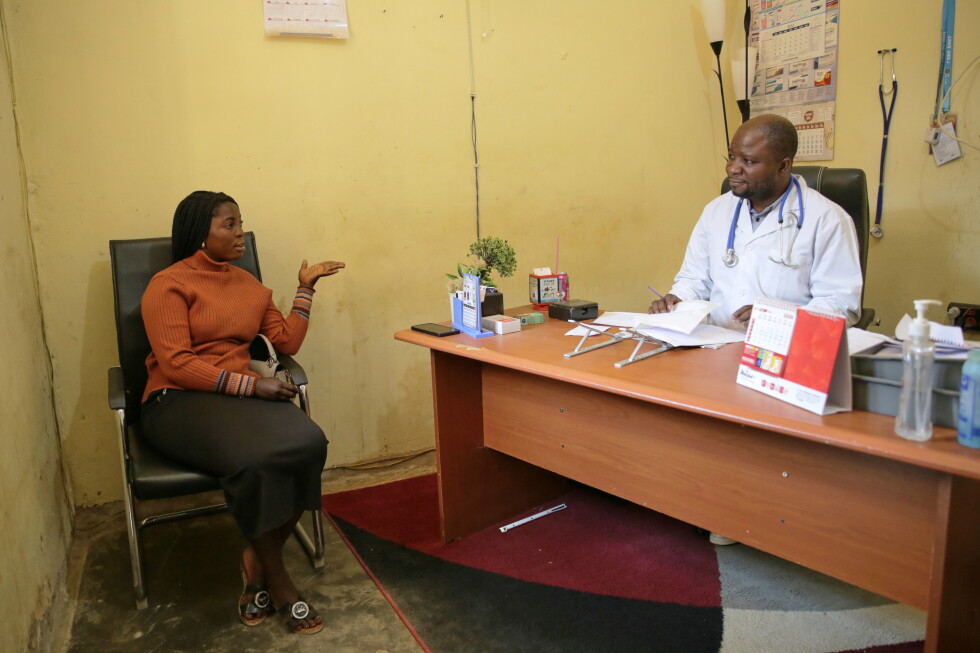
For frontline health workers, the legacy of that mistrust remains personal. Dr. Babah Mutuza Lusungu, a physician at Beni’s “Dieu Est Grand” Medical Center, lost his uncle and two colleagues to the 2018 outbreak, even as he worked tirelessly to convince local residents the virus was a real, treatable threat. “There was very strong resistance,” Lusungu recalled. “And so there was a climate of mistrust that took place between the population, the authorities, the partners too, right, and the health workers.”
Looking back at the failures of the 2018 response, Lusungu argues that local leaders made a critical mistake by excluding young people from public outreach and response efforts. He is now urging officials to partner directly with youth community leaders to spread accurate information about the new outbreak before the virus can gain further traction. “If we wait until they have so many declared cases to start making an effective response, we will have totally missed the target,” he warned.
Esperance Masinda, who worked for the United Nations children’s agency UNICEF in Beni during the 2018 outbreak, knows firsthand the dual toll of the virus and community stigma. She contracted Ebola while caring for her husband, a medical doctor who also caught the virus. Both survived, thanks in part to early access to experimental Ebola vaccines, but the treatment that saved their lives left them isolated from their own community.
“When we were in the community, we were told that you’re not going to make it even five years, you’re going to die with that medication that you took there,” Masinda recalled. Years later, however, that stigma has slowly faded. “And today, when they see us, these people no longer stigmatize us,” she said. “We are all humans, even though we have been victims of Ebola, all of us are humans.”
For Beni’s residents and public health experts, that hard-won lesson—of recognizing Ebola as a treatable, human disease rather than a curse or a plot—could make all the difference in containing the new outbreak before it repeats the scale of the 2018 crisis.