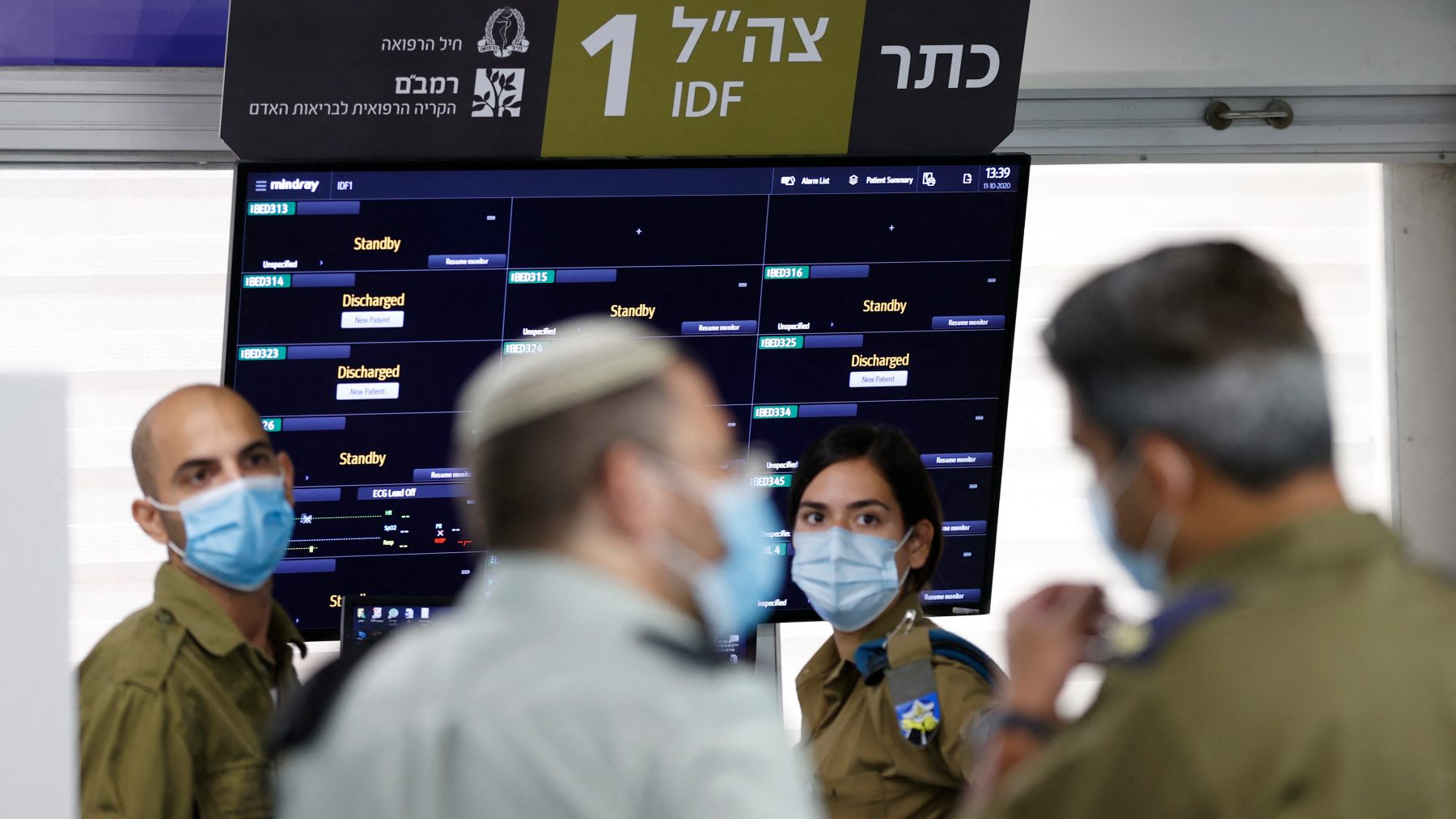
Fifteen months following the October 7, 2023 attacks led by Hamas and Israel’s subsequent military campaign in Gaza, a sharp and alarming wave of physician emigration has emerged as a major threat to Israel’s public health infrastructure, a new study from the Israeli Medical Association (IMA) confirms.\n\nThe IMA conducted its survey across 32 Israeli hospitals and medical facilities, unveiling a steady outflow of doctors that senior health officials warn could carry irreversible consequences for the country’s healthcare network. The organization presented its findings at an emergency summit focused specifically on the growing physician exodus, convened shortly after Tel Aviv University released independent projections showing 1,369 Israeli physicians will leave the country for stays of one year or longer between 2023 and 2025.\n\nBeyond the minimum 50 doctors who have already relocated permanently abroad in the first 15 months after October 7, the IMA found an additional 53 physicians who left Israel to pursue specialized medical training overseas and have failed to return within the pre-agreed timeline. Israeli news outlet Ynet, which first broke news of the IMA survey this week, reports that key medical specialties have been disproportionately impacted by the brain drain, including gastroenterology, oncology, internal medicine and psychiatry.\n\nWhile initial analysis cited four core drivers of emigration — insecure domestic conditions, personal motivations, pursuit of career advancement and higher compensation — one senior Israeli psychiatrist speaking at the emergency meeting clarified that pay ranks far lower on the list of contributing factors than widely assumed. Instead, the top catalysts for departure are persistent instability, deep anxiety over children’s long-term safety and future, widespread professional burnout, and access to broader career opportunities overseas. The psychiatrist added that since October 7, Israeli healthcare providers have been overwhelmed by an unprecedented surge in demand for mental health support — including from doctors themselves, a strain that has directly pushed many to consider leaving.\n\nThis widespread mental health crisis is not an isolated issue: ERAN, an Israeli non-profit focused on providing emotional and psychiatric support, estimates that one in four Israelis have exhibited symptoms of post-traumatic stress disorder (PTSD) over the past three years, and the organization has fielded hundreds of thousands of requests for assistance from distressed citizens.\n\nZion Hagay, IMA chairman, noted that the most popular destination countries for departing Israeli doctors are the United Kingdom, United States, Canada, Australia, New Zealand and Germany, explaining that Israeli-trained physicians are in high demand across global healthcare markets. Hagay framed the ongoing emigration wave as nothing less than a strategic threat to Israel, and announced plans to launch a dedicated advocacy forum to persuade departed doctors to return to the country.\n\nThe outflow of doctors is part of a broader national trend of emigration, recent Tel Aviv University research confirms: nearly 270,000 Israelis have left the country since 2023, with highly educated professionals like doctors making up a disproportionate share of those departures. What makes the current wave particularly worrying for health officials is that it is not only early-career medical staff leaving; a growing share of experienced senior physicians are also departing. The Tel Aviv University study found that 20 percent of doctors who left between 2023 and 2025 are over the age of 45, totaling 270 senior experienced clinicians. That marks a notable jump from the 2013-2015 period, when just 14 percent of departing physicians were over 45.\n\nOverall, the rate of physician emigration between 2023 and 2025 has spiked 94 percent compared to the 2013-2015 period, when 705 doctors left the country over two years. The gap between growing demand for care and shrinking physician supply is set to widen dramatically in the coming years: Israel’s population grew 1.2 percent in the last Jewish year to reach roughly 10.3 million people, and the Israeli Ministry of Health projected last week that the country will need 32,000 specialist physicians by 2035, compared to just 20,000 currently practicing in public health facilities. Currently, 24 percent of specialist physicians working in Israeli public hospitals are already approaching retirement age, making the loss of senior clinicians even more damaging.\n\nOne senior Israeli health official explained that the departure of medical interns and early-career doctors undermines the long-term stability of the healthcare system, while the exit of senior specialists — who are responsible for training the next generation of Israeli clinicians — will gradually erode the high standard of care the system has long been known for.\n\nThe physician exodus compounds pre-existing challenges facing Israel’s healthcare system, beyond workforce shortages. In recent years, Palestinian Israeli physicians working within the system have faced a growing wave of racist harassment and exclusion, even amid widespread staffing gaps. Hardline Israeli politicians and commentators have openly pushed to reduce the number of Palestinian medical staff working in Israeli hospitals, with one prominent pundit claiming last month that Palestinian clinicians are “poisoning Jews.” For Palestinian medical students and recent graduates, the barriers to employment are even steeper: a recent report found that roughly 4,000 Palestinian medical graduates are unable to secure open positions in Israel’s healthcare system.
‘Strategic threat’: Israel faces healthcare brain drain as 1,369 doctors leave in three years