In a dramatic escalation of long-simmering diplomatic tensions, Somalia’s federal government has formally given the United Arab Emirates ambassador 72 hours to depart its territory, while simultaneously recalling its own top envoy stationed in Abu Dhabi, framing the actions as a direct response to what it describes as an “open invasion” that threatens Somalia’s territorial integrity, national security, sovereignty and communal unity.
Somali Information Minister Abdifatah Kasim Mohamud publicly unveiled the sweeping diplomatic directive during an official press briefing in Mogadishu, the nation’s capital, issuing a stern warning that punitive measures will be rolled out against any individual or entity found collaborating with the UAE in actions that Somalia deems hostile to its national interests. He also issued a nationwide public appeal for all Somali citizens to rally behind the state to safeguard their homeland and stand united against the alleged Emirati incursion, though he did not lay out specific new triggering events that prompted the immediate expulsion order during the initial announcement.
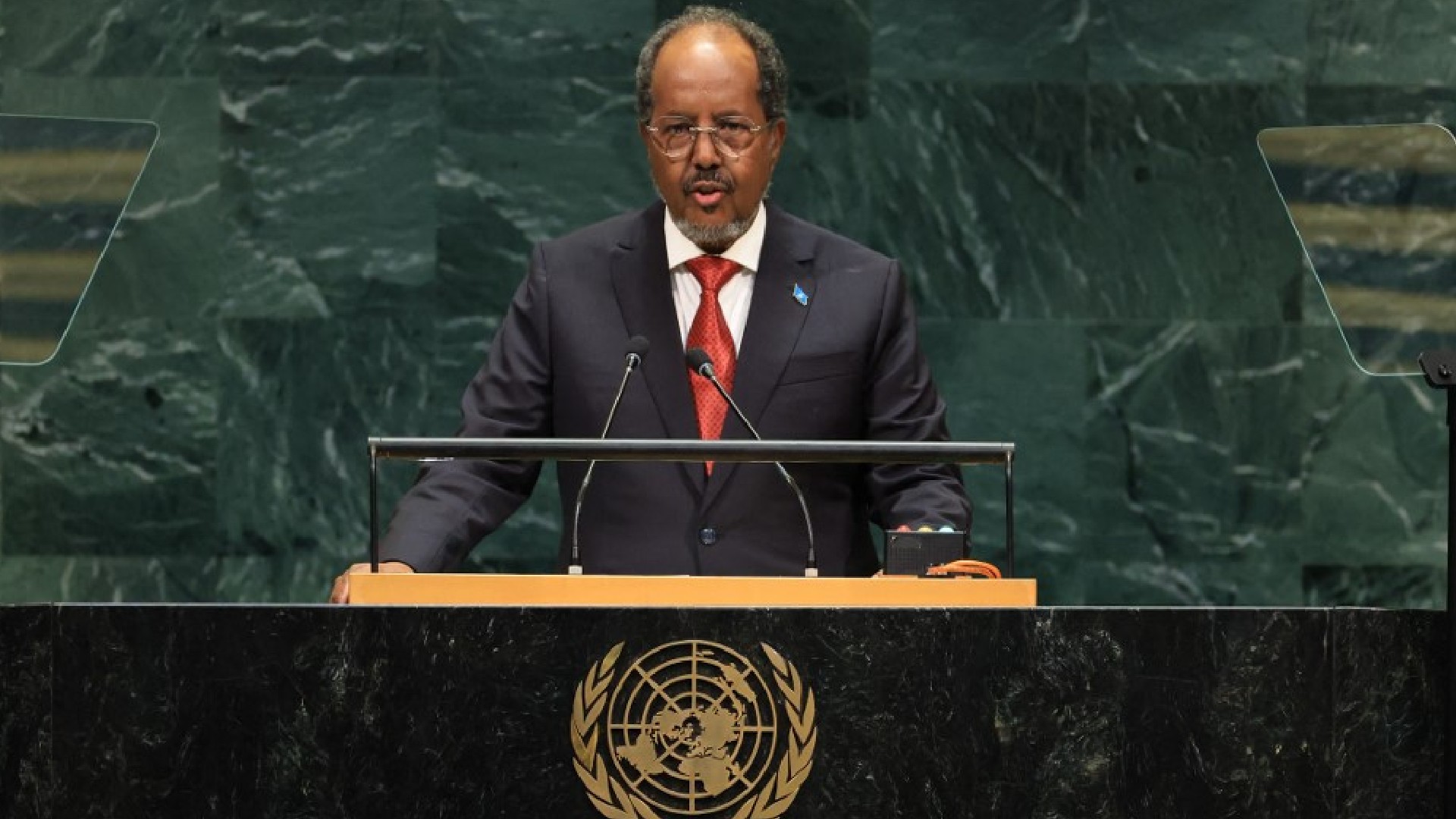
The move comes on the heels of a televised national address delivered by Somali President Hassan Sheikh Mohamud earlier this week, in which he levied explicit, public allegations of systematic Emirati interference in Somalia’s internal governance. The president claimed that Abu Dhabi has been providing material backing to armed factions across the country, actively stoking rifts between the Mogadishu-based federal government and semi-autonomous regional administrations. He went on to accuse the UAE of constructing unapproved military outposts outside the purview of Somalia’s formal national security architecture, with no prior consent from the central government, and of funneling financial resources to armed groups and political opponents of the federal administration. “Somalia is not an unregulated thoroughfare that can be traversed illegally, not a commodity that can be purchased, and not a territory that foreign actors can enter and exit at will,” the president emphasized in his address.
While the UAE’s foreign ministry had not issued an official immediate response to Somalia’s diplomatic measures, Anwar Gargash, senior diplomatic adviser to the UAE president, took to social media platform X to condemn the Somali government’s statements as an unjustified “attack”. He argued that the accusations reflect erratic, shifting policy positions from Mogadishu, and raised concerns that Somali leadership is prioritizing personal political calculations over the broader long-term national interests of the country.
Diplomatic frictions between the two nations have persisted for years, fueled in large part by the UAE’s long-running support for the unrecognized breakaway region of Somaliland in northern Somalia. The bilateral dispute first spiked sharply earlier this January, when Somalia formally nullified a suite of previously signed cooperation agreements with the UAE covering port operations, public institutional partnerships, and joint security and defense initiatives.