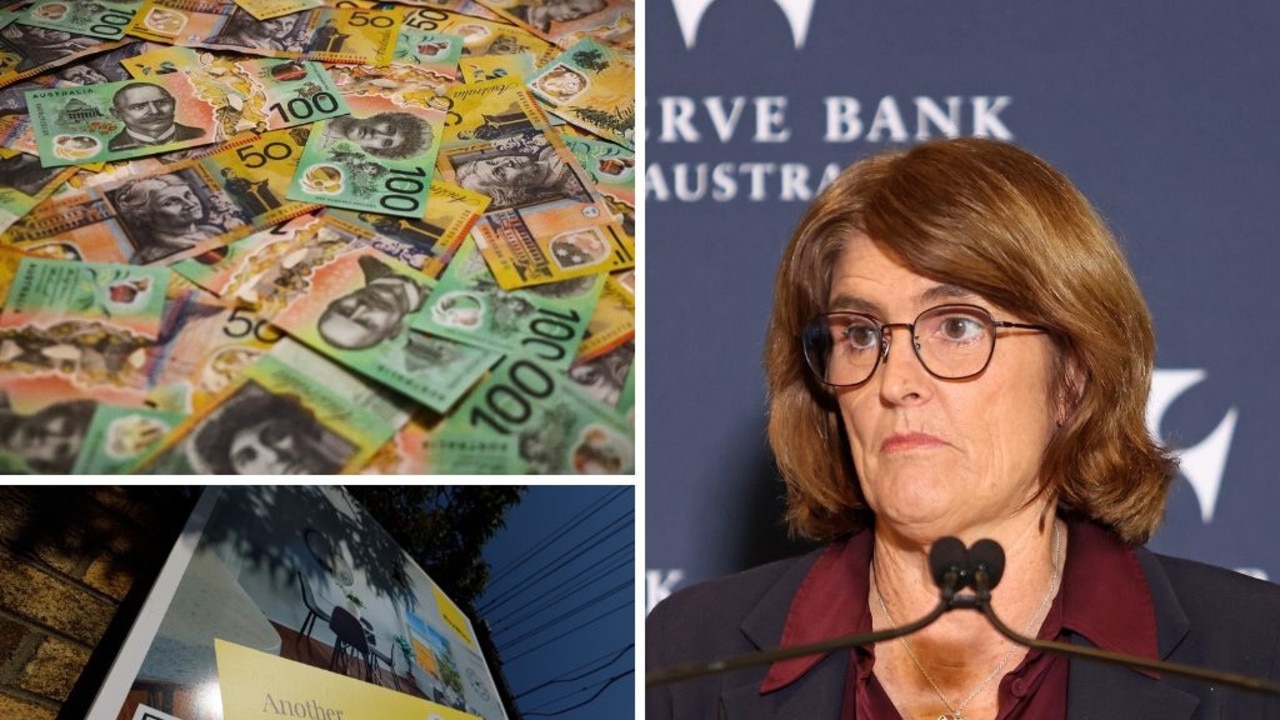
Australia’s housing sector is facing its sharpest monthly downturn in nearly two years, and that cooling trend is shaping the Reserve Bank of Australia’s (RBA) upcoming monetary policy decisions by easing pressure for additional interest rate increases, senior central bank officials have confirmed.
Speaking at the LSEG Insight Series in Sydney, RBA Assistant Governor Christopher Kent outlined that slowing housing activity is already dragging down household spending, a key component of aggregate demand that the RBA targets to bring inflation back to its 2-3% target range. “All else equal, these changes will tend to reduce the extent to which monetary policy needs to constrain the growth in aggregate demand to help bring inflation back to the RBA’s target,” Kent explained.
Kent noted that the housing market acts as a critical transmission channel for monetary policy: changes in the cash rate directly impact how much prospective homebuyers can borrow, and in turn, housing market conditions such as price shifts and credit growth give the RBA valuable real-time insight into how financial conditions are evolving across the economy. A cooling housing market therefore signals that existing rate hikes are already working to dampen economic activity, reducing the need for further restrictive policy action.
Kent’s comments come after the RBA’s monetary policy board unanimously voted to hold the official cash rate at 4.35% for the second consecutive meeting in August, following three consecutive rate hikes earlier in 2024. RBA Governor Michele Bullock has pushed back on the idea that the slowing housing market was the direct driver of the rate pause, emphasizing that the board held rates steady to allow time for previous hikes to fully flow through to the broader economy. “What’s keeping us on hold is that we’ve already raised three times, and we are still waiting to see because it takes time for those to come through,” Bullock said.
She also clarified that the RBA does not set monetary policy to directly influence property prices, and that interest rate cuts are not currently under consideration amid ongoing inflationary pressures. “The housing market wasn’t a constraint, and I would not say that the housing market is not, we didn’t consider an interest-rate cut,” Bullock said. “The housing market in terms of cutting interest rates – that’s not entering the equation.”
Official data shows national Australian property prices fell 0.7% in July 2024, marking the largest single monthly drop since December 2022. Economists at ANZ Bank say the downturn is unfolding faster than their earlier projections, with forecasts calling for a 4.3% drop in capital city property prices over the 2024 calendar year, and a peak-to-trough drop of as much as 14.5% for Australia’s largest property market, Sydney.
Kent attributed the current housing downturn to three overlapping factors: the cumulative impact of earlier cash rate hikes, a natural correction after a prolonged period of rapid price growth, and policy changes introduced by the Albanese government that have dampened investor demand for established properties. The government’s controversial changes to capital gains tax (CGT) and negative gearing, set to take effect in the 2027-28 financial year, will restrict negative gearing tax offsets to only newly built properties, replace the existing 50% CGT discount with an inflation-adjusted discount, and introduce a minimum 30% CGT rate.
“Higher interest rates reduce the net present value of all assets, lower borrowing capacity, increase repayment burdens, and encourage saving,” Kent said. “In addition, tax changes announced in the federal budget appear to have contributed to reduced demand in the established housing market by lowering the after-tax return from housing for investors.”
As of August 2024, Australia’s headline inflation sits at 3.8%, still above the RBA’s target range, while the trimmed mean core inflation rate (which strips out volatile price swings to measure underlying inflation) stands at 3.6%. The RBA’s dual mandate remains holding inflation between 2 and 3% while sustaining full employment across the country.