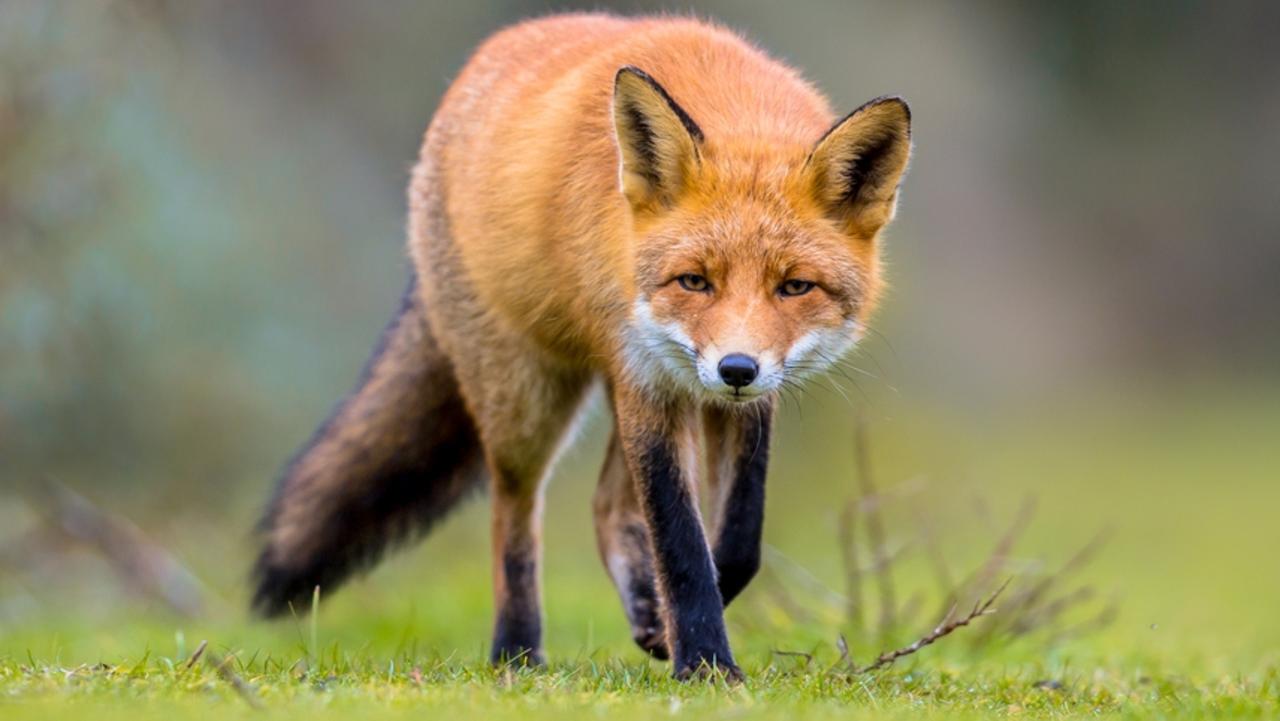
Australia is facing a growing threat from the spread of highly pathogenic H5N1 bird flu across its wild animal populations, with a new suspected case in an urban red fox triggering urgent alerts from conservation experts over risks to vulnerable native species. The detection, discovered in Adelaide, marks the second suspected mammal infection recorded in South Australia, coming shortly after the state confirmed its first case of the virus in a seal. It is one of five new suspected cases reported across the state in the latest update, with four other samples collected from different bird species: an Australian raven in Robe, a little penguin in Southend, a Pacific gull on Kangaroo Island, and a crested tern at Coonalpyn. All collected samples are currently en route to Australia’s national animal health testing facility in Geelong for formal confirmation of the virus. While all suspected cases are closely monitored, the fox infection has sparked the most significant alarm among wildlife and conservation specialists, who warn that scavenging mammal species are now at direct risk of exposure.
Rob Brewster, rewilding manager at the Invasive Species Council, emphasized that the detection in a fox serves as a critical wake-up call for Australia’s unique scavenger ecosystem. “Finding bird flu in a fox is a serious warning about what this virus could mean for Australia’s scavenging animals,” Brewster explained. He noted that native scavenger species including quolls and Tasmanian devils that feed on dead wild animals could soon face widespread exposure as bird flu-related bird deaths increase across the country. Unlike introduced predators, these native species already face significant population pressures, as mainland Australia retains only a small fraction of its original native scavenger populations. Brewster warned that invasive generalist predators like red foxes and feral cats are likely to emerge as “superspreaders” of the virus, as they move across large ranges, interact with multiple carcasses, and come into contact with native wildlife. He called on state and federal governments to step up control programs for these invasive species, noting that while it may not be possible to stop the virus from spreading through wild populations, targeted management can reduce additional pressures on vulnerable native wildlife.
The latest warnings come as H5N1 bird flu continues its steady spread across the Australian continent, with infections recorded in both native and migratory bird populations. To date, national authorities have documented more than 300 separate infection events across the country, with South Australia accounting for the vast majority of confirmed cases at 195. In response to the growing crisis, the South Australian government announced this week that it is rolling out the first targeted vaccination program for at-risk native birds, with initial doses administered at Cleland Wildlife Park, located roughly 18 kilometers east of Adelaide. Under the program, around 100 captive native birds at the park – including magpie geese, Australian pelicans, and endangered red-tailed black cockatoos – will receive vaccinations against the virus. Clare Scriven, South Australia’s Minister for Primary Industries and Regional Development, said that protecting the state’s one-of-a-kind native wildlife is a top government priority, calling the vaccination program a critical step to shield vulnerable native bird species from the growing threat of H5 bird flu.