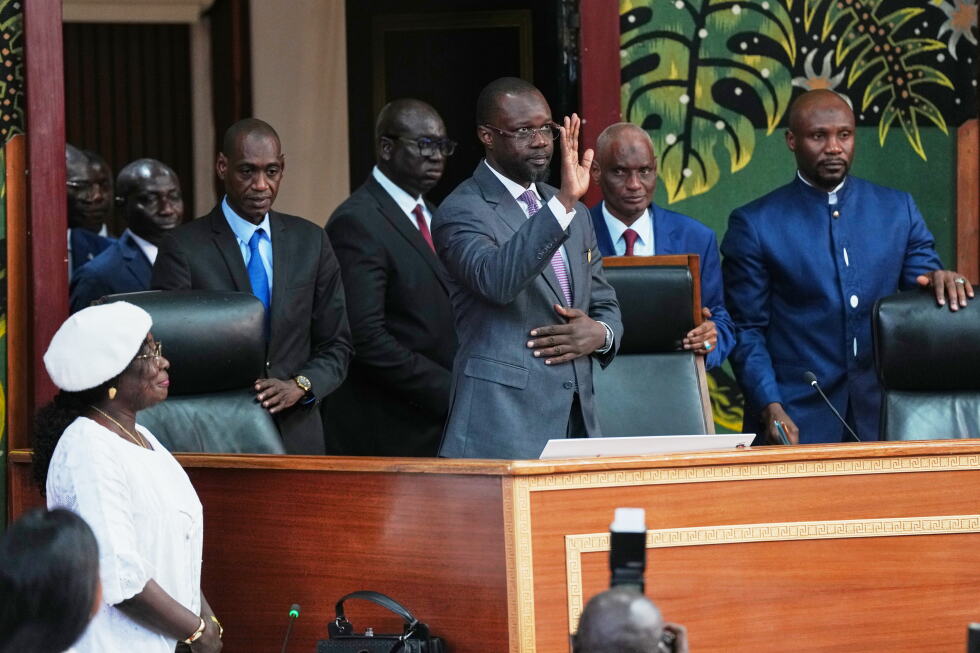
DAKAR, Senegal — In a dramatic twist that has escalated political tensions across the West African nation, Senegal’s National Assembly has voted to install ousted former Prime Minister Ousmane Sonko as its new speaker, a direct rebuke to President Bassirou Diomaye Faye who dismissed Sonko from his cabinet post just days earlier. The outcome raises the specter of prolonged political deadlock for a country already grappling with a crippling, record-level national debt crisis.
The rupture between Faye and Sonko brings an end to the once-powerful political alliance that swept both men to office in the 2024 March presidential election, a partnership that collapsed after months of simmering public and private disagreements. Last week, Faye moved to dismiss Sonko along with the entirety of his cabinet, triggering the voluntary resignation of the incumbent parliament speaker and clearing the way for Tuesday’s contentious vote. On Monday, Faye appointed a new prime minister and has signaled that a full new cabinet will be unveiled in the coming days.
When Faye and Sonko took power earlier this year, they ran on a shared platform of transformative progressive reform: cracking down on systemic corruption, expanding access to formal employment for Senegal’s fast-growing young population, and ensuring the nation reaps maximum economic benefit from its abundant natural resources. But in the months that followed their inauguration, policy rifts between the two leaders emerged publicly, most notably over ongoing negotiations for a new lending agreement with the International Monetary Fund.
Political analysts warn that Sonko’s new role gives him substantial institutional leverage to challenge the president’s agenda. As speaker, Sonko controls the legislative pipeline, determining which bills come up for a full vote, has broad authority to conduct oversight of government reforms, and can introduce new legislation directly. “This positions Sonko on an inevitable collision course with the president he once served,” explained Babacar Ndiaye, a senior political analyst at Dakar-based think tank Wathi.
For his part, Sonko has pushed back against suggestions he will use his new position to wage personal political warfare against Faye. In remarks following his election, he stated he would not pursue petty score-settling, but pledged to exercise every constitutional power granted to the speaker’s office to hold the new Faye-led government accountable for its actions and policy choices.
The political standoff is unfolding against a backdrop of deep structural economic pressure on Senegal. Faye and Sonko’s ruling party, Pastef, holds an overwhelming supermajority in the 165-seat National Assembly, controlling 130 seats — and Sonko serves as the party’s national leader, giving him a solid base of support to challenge Faye’s executive authority. Beyond the political infighting, the country faces a deepening debt crisis and soaring cost of living that has strained household budgets across the nation. A 2023 government audit revealed the previous administration underreported total national debt by a substantial margin, bringing the official total to $13 billion and giving Senegal one of the highest debt-to-GDP ratios on the African continent.