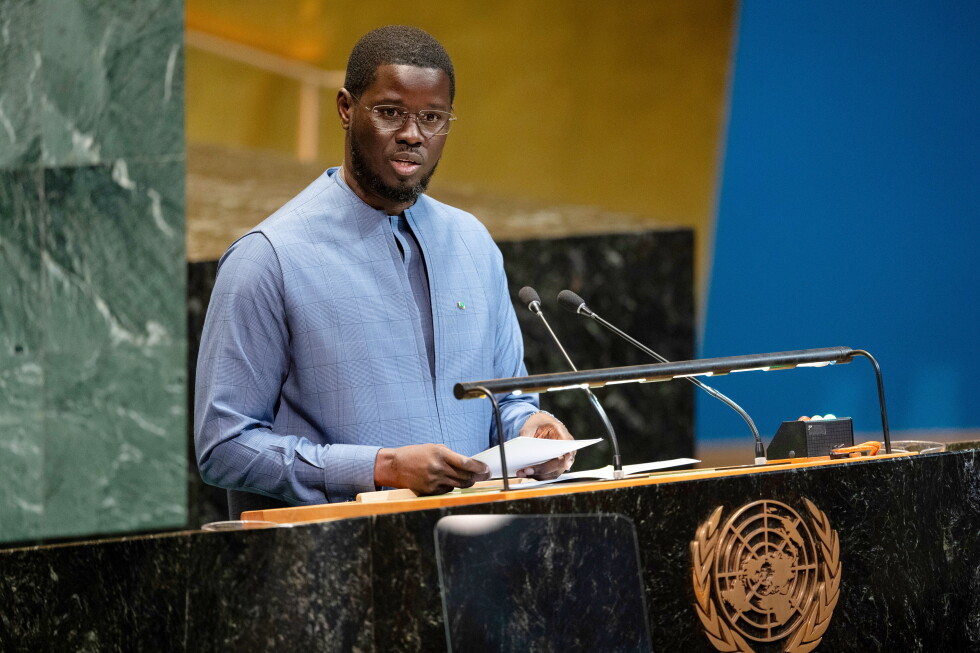
DAKAR, SENEGAL – In a move that has deepened existing political rifts across the West African nation, Senegal’s National Assembly passed a polarizing constitutional amendment on Monday that rebalances power away from the presidency and toward the legislative branch. The shakeup to the country’s foundational law comes amid rapidly escalating tensions between President Bassirou Diomaye Faye and Ousmane Sonko, the recently dismissed former prime minister who was tapped as speaker of the National Assembly just one month ago.
The reform package was put forward by Pastef, Sonko’s political party, which commands a solid majority in the new parliament. Opposition stakeholders have slammed the initiative as a deliberate act of political retaliation, noting Sonko retains massive influence over the parliamentary bloc that backed his ascent to the speaker’s chair. The power redistribution included in the amendment significantly curtails executive authority across multiple domains: it bars the sitting head of state from simultaneously holding a leadership position within a political party, imposes new restrictions on executive actions taken between a presidential election and the formal certification of results, and tightens the parameters around the president’s power to dissolve the National Assembly.
For legislative bodies, the amendment unlocks expanded authority: it requires the executive branch to disclose all natural resource exploitation agreements to parliament, and broadens the investigative powers of parliamentary inquiry committees. It also restructures the country’s top constitutional oversight body, replacing the current seven-member Constitutional Council with a nine-member Constitutional Court.
Public pushback against the reform erupted quickly in response to calls for protest from opposition parties and civil society groups. Hundreds of demonstrators assembled outside the National Assembly building in Dakar to denounce the changes, holding hand-painted placards and chanting the rallying cry “Hands off my Constitution!” Security forces responded by deploying tear gas to disperse the crowd, and took several opposition leaders and protest organizers into custody.
In the wake of the parliamentary vote, the national government confirmed that the controversial amendments will not take effect immediately; instead, they will be put to a public referendum for final approval. No timeline for the popular vote has been announced to date. The political standoff is the latest in a series of escalating clashes between Faye and Sonko that have raised widespread concerns about potential political deadlock in Senegal in recent weeks.