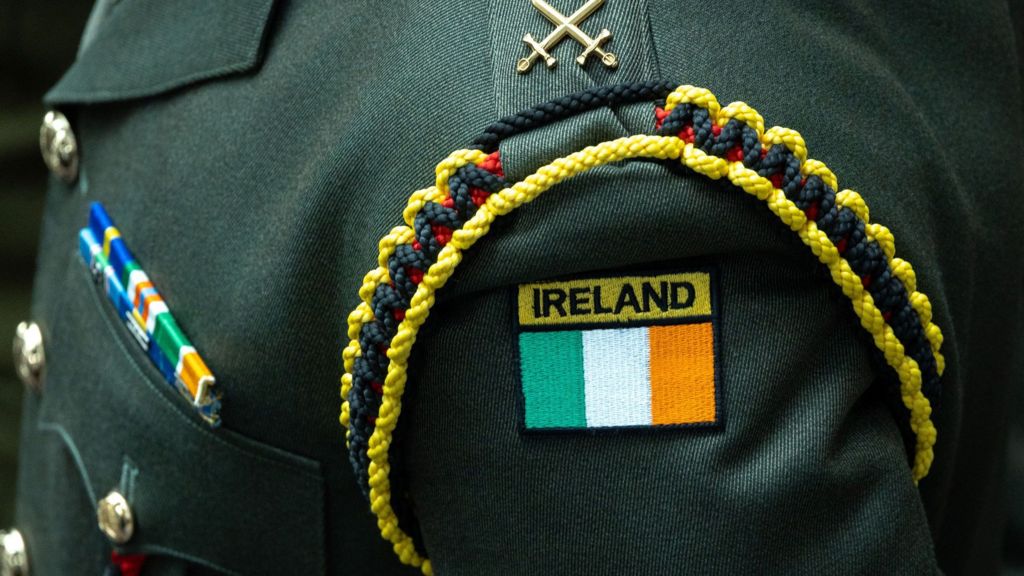
Dublin, Ireland – The ruling three-party Irish coalition government, comprising Fianna Fáil, Fine Gael and independent parliamentary representatives, has tabled the Defence Amendment Bill 2026 to overhaul the country’s long-standing “triple lock” framework that regulates overseas deployments of the Irish Defence Forces, triggering a fierce nationwide clash over the future of Ireland’s iconic century-old foreign policy of military neutrality. Rooted in the founding of the Irish Free State in 1922 and formally codified into law in 1960, the triple lock system enshrines three non-negotiable prerequisites for deploying more than 12 Irish peacekeeping troops abroad: a formal mandate approved by the UN Security Council, collective sign-off from the cabinet, and a majority vote in the Dáil Éireann, Ireland’s lower house of parliament. The proposed reforms would eliminate the requirement for explicit UN Security Council authorization for overseas missions, and raise the threshold for troop deployments that do not require Dáil approval from 12 to 50 personnel. The government has defended the proposed changes by arguing that permanent UN Security Council members including Russia and China currently hold an unfair de facto veto over Ireland’s sovereign decision to deploy peacekeepers, and warns that retaining the existing triple lock rules would force Ireland to withdraw from long-running peacekeeping commitments in Lebanon. Officials note that the UN Interim Force in Lebanon (UNIFIL) mandate is set to expire on December 31, 2026, and a planned follow-up EU support mission with a “force protection” component would be inaccessible to Irish troops under the current legislative framework, even though recently deployed Irish peacekeepers at Camp Shamrock in southern Lebanon are already trained for force protection duties. Defence Minister Helen McEntee emphasized that blocking participation in such missions would undermine decades of Ireland’s legacy as a trusted global peacekeeping contributor. The proposals have drawn scathing pushback from opposition parties and civil society groups, who argue the reforms represent a historic betrayal of Ireland’s foundational neutrality. Social Democrats TD Sinéad Gibney described the bill as an “existential threat to Irish neutrality”, while Sinn Féin MP Pat Cullen condemned the plan at a public Belfast meeting this week as “disgraceful”, accusing the government of “tearing up a solemn promise to the Irish people” and calling for a national referendum to let voters decide on the fate of the triple lock. Taoiseach Micheál Martin hit back at critics, stating that those spreading misinformation about the reforms are endangering the lives of serving Defence Forces personnel, while Tánaiste Simon Harris held up a copy of the Irish Constitution during Dáil debates to insist that the country’s core neutrality status remains fully intact under the proposed changes. Adding further uncertainty to the legislative process, President Catherine Connolly – who was a vocal critic of rolling back the triple lock when she served as a TD in 2024, describing such moves as delusional and disingenuous – has signaled she will conduct a full, rigorous review of the final bill for any constitutional conflicts before deciding whether to sign it into law. In comments to national broadcaster RTÉ this week, Connolly confirmed she is reviewing all related parliamentary debates and supporting documentation, and will carefully assess any potential clashes with Ireland’s foundational legal framework before making a formal ruling.
Reform or tearing up a promise? The row over the Irish ‘triple lock’ explained