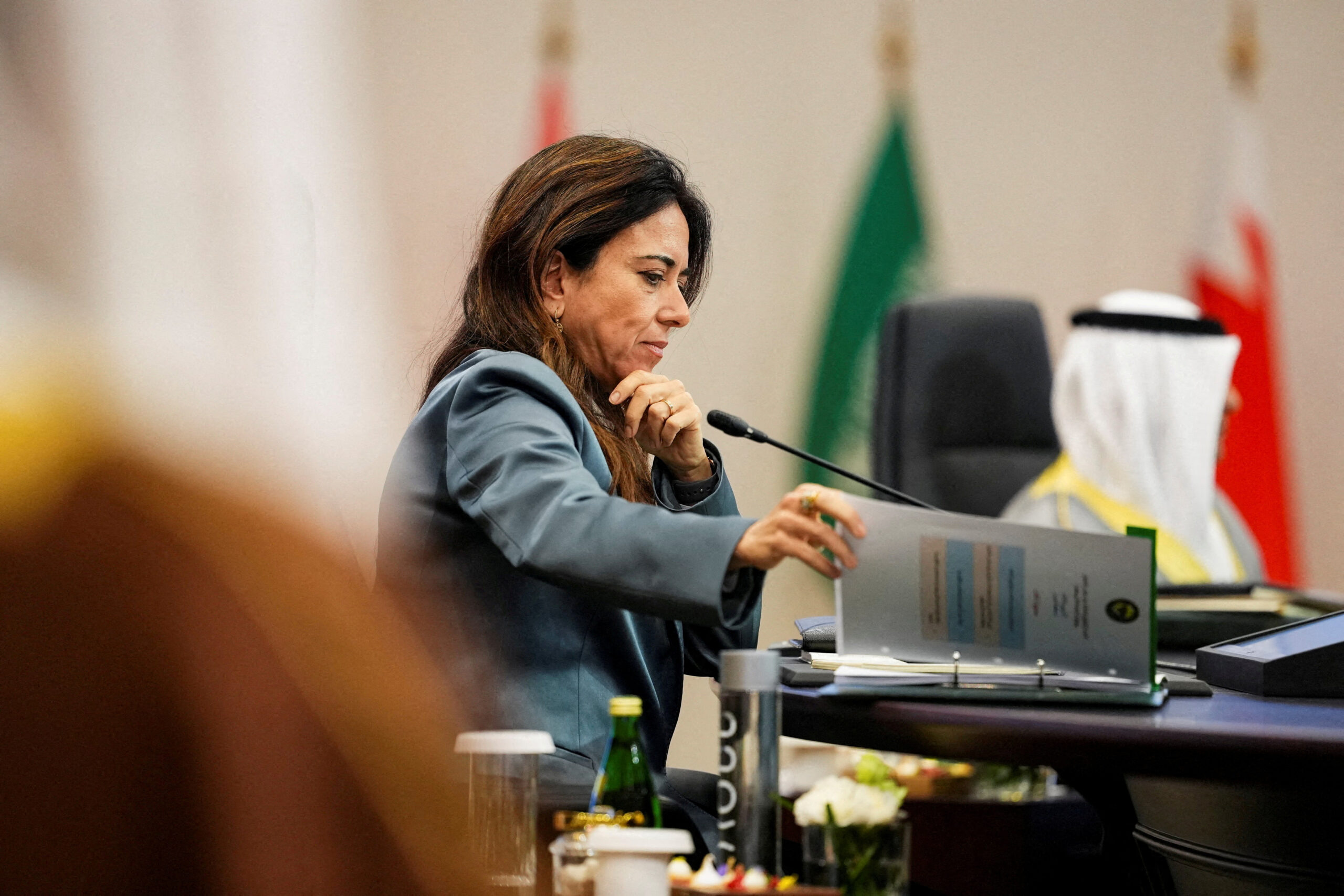
A coalition of four human rights-focused organizations, led by the UK-based Arab Organisation for Human Rights (AOHR UK), has publicly called on French President Emmanuel Macron to block the United Arab Emirates’ nominee for the top United Nations post, citing longstanding disputes over the candidate’s stance on documented UAE involvement in Sudan’s ongoing genocidal conflict. The open letter, released publicly on Thursday, November 26, 2026, counts among its signatories high-profile global human rights figures including former Human Rights Watch executive director Kenneth Roth, 16 additional grassroots human rights defenders, three members of the French National Assembly, and five Green Party-affiliated Members of the European Parliament. Joining AOHR UK as co-issuers of the letter are the U.S.-based Darfur Women Action Group, Sudan’s Fikra for Studies and Development, and France-based Priority Peace Sudan. The core of the coalition’s argument rests on well-documented UN investigative findings: the UN Independent International Fact-Finding Mission for Sudan concluded in February 2026 that the Rapid Support Forces (RSF) paramilitary’s siege and seizure of the Sudanese city of El Fasher bore clear hallmarks of genocide, and explicitly identified the UAE as a key state actor that recruited and deployed foreign mercenaries for the RSF, as well as supplied the group with prohibited weapons and logistical support. The UAE’s nominee, Lana Nusseibeh, who served as the country’s Permanent Representative to the UN for a decade, has a public record of aggressively rejecting these UN conclusions. Back in July 2024, when questioned by CNN about the UN Secretary-General-appointed Panel of Experts’ findings on Sudan, Nusseibeh stated flatly that she disputed the claims, and explicitly denied that the UAE had provided any weapons or assistance to the RSF. More recently, weeks after she officially launched her bid to succeed outgoing UN Secretary-General Antonio Guterres (whose final term concludes December 31, 2026), Nusseibeh declined to take a clear public stance on the UN Sudan investigations, instead offering a vague pledge to “recognise the findings of those reports and work with the countries concerned, including hers, to address the findings.” The rights coalition’s letter pushes back sharply on this non-committal position, noting that UN Charter Article 100 mandates that the Secretary-General must act independently of instructions from any national government. The signatories argue that Nusseibeh, a career Emirati diplomat who spent years publicly discrediting UN investigative findings related to her home government, cannot possibly meet the strict independence requirements of the top UN post, a role that is tasked with overseeing and safeguarding the very same international human rights and accountability mechanisms she previously sought to undermine. The letter emphasizes that France, as one of the five permanent, veto-wielding members of the UN Security Council, bears a unique and binding responsibility to block Nusseibeh’s nomination, to prevent a candidate with documented conflicts of interest from taking the helm of the global institution. Kenneth Roth amplified the campaign in a public post on X, noting that he was “proudly joined” the effort to push Macron to use France’s Security Council veto to stop Nusseibeh, who he accused of lying about and covering up the UAE’s material support for the genocidal RSF in Sudan. Nusseibeh is currently one of eight declared candidates vying for the UN Secretary-General position, with formal Security Council voting for the nomination set to begin in the coming weeks.