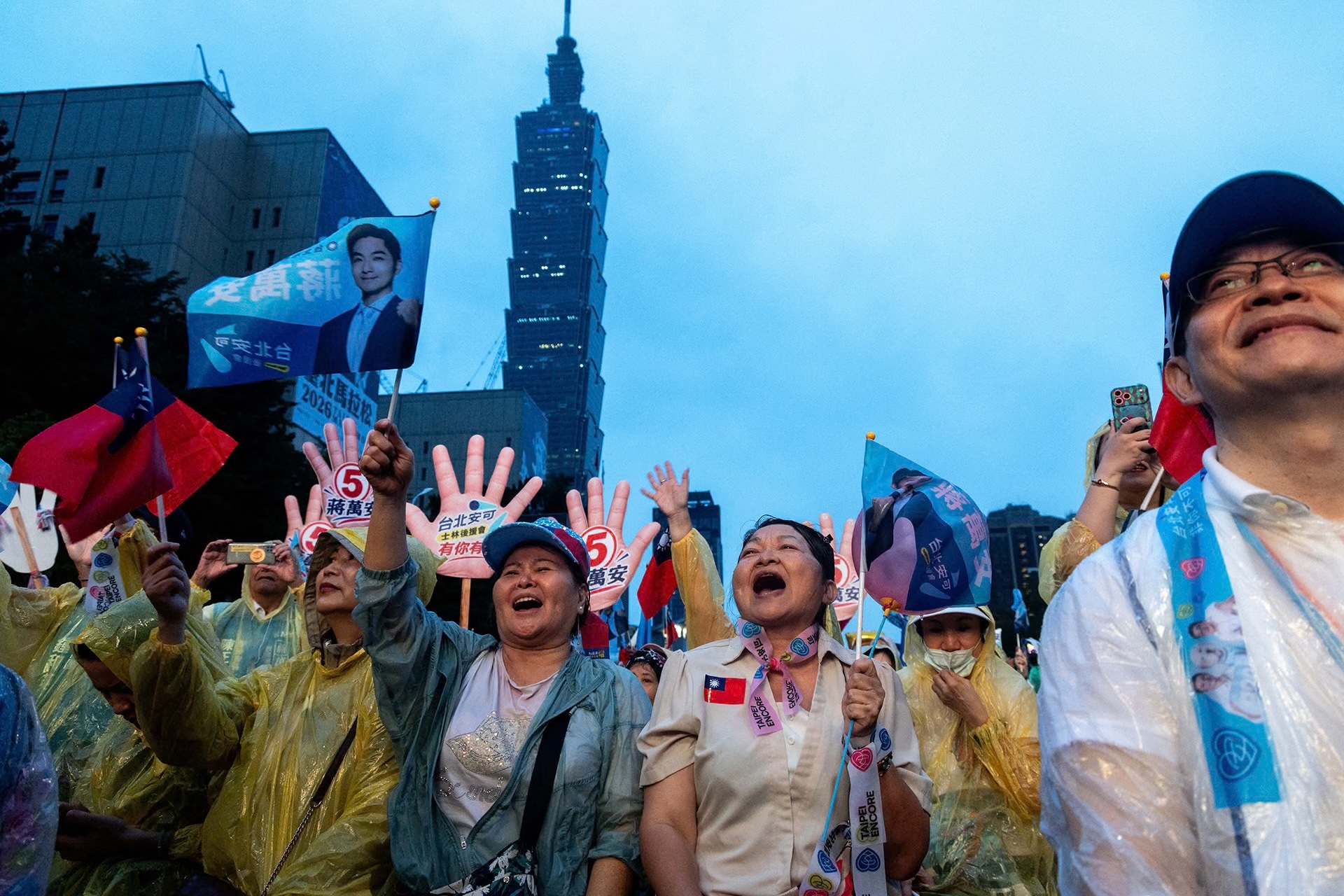
The November 28, 2026, round of Taiwan’s sub-national local government elections delivered a set of surprising, nuanced outcomes that defy simplistic conventional expectations of cross-strait political trends, according to post-election analysis from National Taiwan University political science Professor Lev Nachman, featured in an exclusive Taiwan Plus video interview. Leading the high-profile Taipei mayoral race, incumbent Kuomintang (KMT) candidate Chiang Wan-an successfully defended his seat, fending off a vigorous challenge from Democratic Progressive Party (DPP) standard-bearer Puma Shen, a widely recognized vocal critic of Beijing’s cross-strait policies. Contrary to pre-election forecasts that projected limited DPP gains across the island, the ruling party far outperformed its 2022 local election showing: this cycle, DPP candidates claimed administrative control of nine cities and counties, nearly doubling the five districts the party won in the previous 2026 local electoral cycle. The mixed results reflect a complex electorate that prioritized local livelihood issues alongside partisan and cross-strait political stances, breaking long-standing assumptions about voter alignment in Taiwan’s contemporary political landscape.