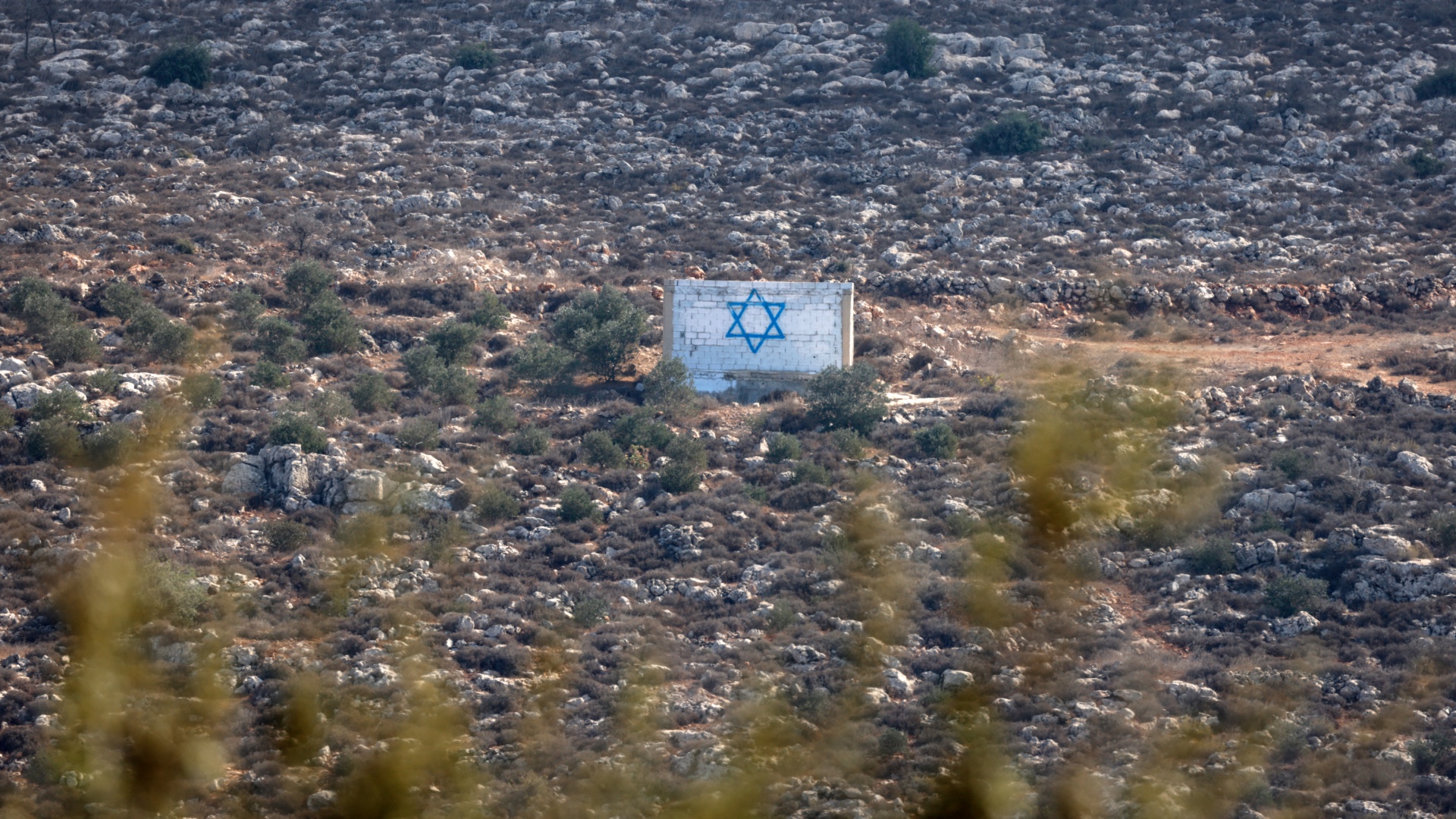
A coalition of human rights organizations and six anonymous complainants has submitted an official complaint to Canada’s Competition Bureau, calling for a full investigation into deceptive marketing practices by four Israeli real estate developers and one Canadian marketing agency that sells properties in illegally occupied Palestinian territory to Canadian homebuyers. The filing, submitted in Ottawa Wednesday, comes amid growing international scrutiny of unregulated settlement expansion that undermines global efforts to establish a sovereign Palestinian state. The complaint was brought jointly by the Global Echo Litigation Center, an organization founded in 2018 to pursue strategic legal action against entities complicit in violations of Palestinian human rights, and Canadian Lawyers for International Human Rights. The six complainants, who include both Palestinian and Jewish individuals, have chosen to keep their identities private for personal safety concerns. The 127-page filing centers on a series of real estate promotional events held between March 2024 and May 2025 in two major Canadian cities: Montreal and Toronto. According to the document, the marketing materials used at these events deliberately create a misleading impression for average, first-time international property buyers that all showcased projects are located within Israel’s internationally recognized borders. In reality, the complaint alleges, each of the four named Israeli firms – Tivuch Shelly, Noam Homes, Meny Group, and Effi Capital – actively promotes developments built in illegal Israeli settlements across the occupied West Bank, including East Jerusalem. This is territory that Canada itself formally recognized as part of a future Palestinian state just over one year ago. Effi Capital, one of the developers named, partners on Canadian marketing outreach with a domestic firm called the Cohen Group. The complaint argues that these deliberate misrepresentation to the Canadian public qualify as reviewable deceptive conduct under Section 74.01(1)(a) of Canada’s Competition Act, which prohibits false or misleading marketing for commercial gain. Emily Schaeffer Omer-Man, executive director of Global Echo, emphasized that while the complaint follows formal consumer protection processes, the stakes go far beyond routine cases of misleading product labeling. Comparing the issue to everyday consumer fraud such as false sugar-free labeling, she drew a clear line between routine consumer protection violations and this case. “This is not just a mislabeled consumer product. Buying property in occupied territory that is the site of an illegal occupation and ongoing armed conflict puts Canadians at risk of being complicit in war crimes,” she explained. The filing also highlights a stark contradiction between Canada’s stated foreign policy and its lack of domestic regulatory action. Just last month, the Canadian government publicly stated that unregulated Israeli settlement expansion and rising settler violence are actively destroying any chance of a two-state solution. Yet to date, Ottawa has not implemented any rules or enforcement actions to block the marketing and sale of occupied Palestinian land to Canadian citizens. One high-profile example cited in the complaint is Adumim Towers, a luxury residential development located in the illegal settlement of Ma’ale Adumim, roughly seven kilometers east of Jerusalem. The settlement sits directly along the route of the proposed E1 settlement project, a plan that would cut off contiguous Palestinian access between the occupied West Bank and East Jerusalem – effectively eliminating any possibility of a geographically connected sovereign Palestinian state, mirroring the separation of the besieged Gaza Strip from the West Bank. In August, Canadian Prime Minister Mark Carney publicly condemned Israeli plans to advance construction tenders for the E1 project, saying “the decision to publish these tenders is unacceptable.” He warned businesses that “they should not consider bidding, and they should be aware of legal and reputational consequences, including the risk of involvement in serious breaches of international law.” Following widespread international outcry, Israel postponed the tender to avoid it becoming an election issue ahead of its October 27 national vote. Even as Adumim Towers is marketed to Canadian buyers as an eco-friendly development with panoramic views of Jerusalem, the complaint reveals discriminatory screening practices for event attendees. Schaeffer Omer-Man told Middle East Eye that most of these promotional events require attendees to answer intrusive questions before entry, such as which synagogue they attend and who their rabbi is. While organizers frame this as a security measure, investigations found the practice is overwhelmingly used to exclude non-Jews, and specifically bar Palestinian attendees from entering. Basel Adra, a prominent Palestinian lawyer, Academy Award-winning filmmaker and head of community engagement at Global Echo, argues that enforcement of international law by Western nations can reverse the accelerating erasure of Palestinian territorial sovereignty. “Many say the two-state solution is dead, and it’s true that the Israeli government has worked tirelessly to change facts on the ground to make it impossible,” Adra told Middle East Eye. “But Western nations hold enormous power to enforce international law. The problem is not that no solution exists – it’s that global decision-makers have not been willing to act. International law is clear, and countries like Canada, the U.S. and Europe have the power to enforce it through targeted measures.” The complaint comes amid a dramatic escalation of violence against Palestinians in the occupied West Bank in the wake of the October 7, 2023 Hamas attacks and Israel’s subsequent military campaign in Gaza. Data from international charity Oxfam shows more than 1,200 Palestinians have been killed in Israeli military crackdowns in the West Bank – a death toll higher than the total number of Palestinian fatalities in the territory over the previous 17 years combined. An additional 4,600 Palestinians have been displaced by Israeli raids and home demolition orders, and violent attacks on Palestinian civilians, farmers, activists, and journalists by Israeli settlers have grown exponentially. Just last month, Awdah Hathleen, Adra’s collaborator on his Oscar-winning documentary No Other Land, was killed by an Israeli settler. Just last week, veteran Washington Post photojournalist Heidi Levine suffered broken bones after being repeatedly kicked by settlers during a reporting trip. Adra argues that settlement expansion depends on international financing and consumer demand, so cutting off access to Western buyers is a critical point of leverage. “Settlers keep stealing more land, building hundreds of illegal outposts and never stopping construction. They claim the land was given to them by God, but without money, they cannot continue this project,” he said. One unnamed Palestinian-Canadian complainant, who withheld their name to avoid being barred from entering the occupied West Bank to visit family, said grassroots legal action is needed to force change even after Canada’s formal recognition of a Palestinian state. “I don’t trust Canadian institutions to follow through on their own stated commitments now that they recognize Palestinian statehood. This is just opportunistic, following shifting global public opinion against Israeli occupation, and without grassroots pressure, it will go nowhere. Small, targeted actions like this complaint are what turn policy statements into real change,” the complainant said.
Property sales of illegal Israeli settlement lands challenged in complaint in Canada