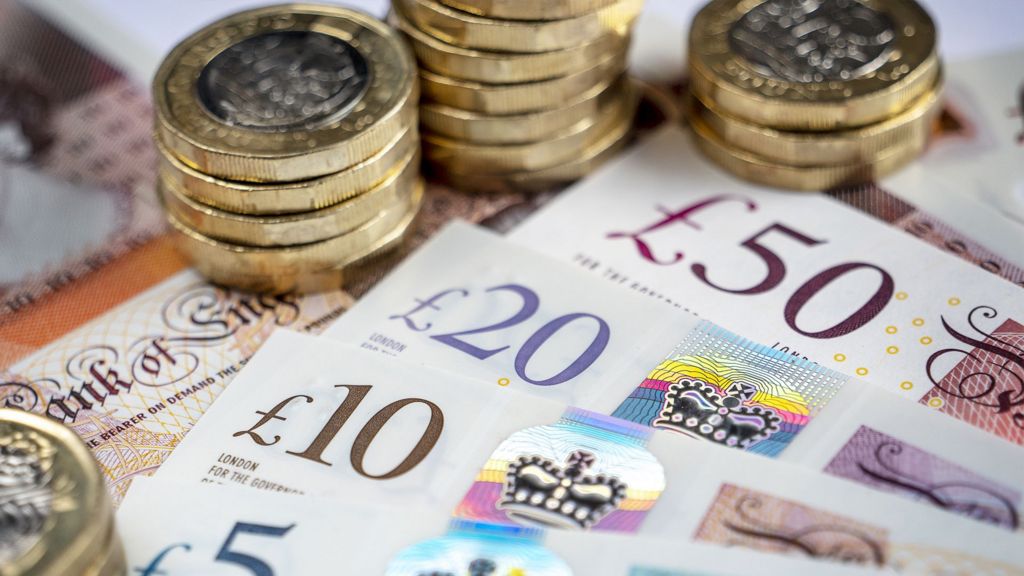
The British pound has climbed to its strongest collective valuation in more than eight years, marking a milestone not witnessed in the UK currency since the historic 2016 Brexit referendum, according to preliminary data from the Bank of England. The trade-weighted sterling index, which tracks the pound’s performance against a diversified basket of 18 major global currencies, hit 86.4 this week – a level matching the joint peak recorded shortly after the 2016 vote, on a scale calibrated to set the 2005 sterling value at 100. The Bank of England is set to formally validate this official calculation later Thursday. This remarkable rally caps a sustained weeks-long uptrend for sterling against both the US dollar and the euro, building momentum in the lead-up to the widely anticipated first interest rate increase from the Bank’s Monetary Policy Committee in three years. The pound’s current standing stands in stark contrast to its turbulent trajectory following the 2016 Brexit referendum, when it plummeted sharply before hitting successive multi-year lows amid prolonged Brexit negotiation gridlock, the global Covid-19 pandemic, and the market turmoil triggered by the 2022 Liz Truss administration mini-Budget. Currency traders point to a shifting global perception of the UK economy, underpinned by sustained relative political stability, better-than-projected gross domestic product growth, and deepening post-Brexit rapprochement with the European Union, as core drivers of the renewed investor confidence. For decades, sterling has remained uniquely sensitive to political upheaval and Brexit-related policy shifts, making its current bull run a notable signal of improved macroeconomic sentiment. Prominent economist and former UK Treasury minister Jim O’Neill noted that the surge was far from unexpected, arguing that global markets have long underestimated the UK’s strengthening growth momentum, a trend that remains underappreciated by many analysts even today. A stronger pound carries tangible benefits for UK households: it lowers the cost of imported goods, boosts purchasing power for British tourists travelling overseas, and exerts downward pressure on stubbornly high consumer price inflation. Despite the UK’s 2024 year-to-date economic growth outperforming every initial official and private sector forecast, early warning signs have emerged that rising global energy and domestic fuel costs are beginning to erode household consumer confidence, creating a delicate balancing act for the Bank of England’s nine-member Monetary Policy Committee as it votes on the long-awaited rate hike. As of 04:15 GMT Thursday, spot trading saw sterling rise 0.13% against the US dollar to hit $1.3495, while it edged 0.16% lower against the single European currency to trade at €1.1979.