In the hard-hit region surrounding Naples, southern Italy, grieving families whose loved ones fell victim to pollution-linked cancer are gearing up to welcome Pope Leo XIV on a pastoral visit Saturday, bringing decades of pain, unaddressed anger and quiet demands for accountability after a massive mafia-controlled toxic dumping scheme destroyed their community.
The pontiff’s trip to the infamously nicknamed Terra dei Fuochi — or Land of Fires — falls on the eve of the 11th anniversary of Pope Francis’ landmark environmental encyclical *Laudato Si’*, a clear signal that Leo intends to uphold the environmental justice agenda laid out by his predecessor. This long-overdue visit was first scheduled for Francis in 2020, but the COVID-19 pandemic forced its cancellation, leaving local families waiting four more years to share their story with the Vatican.
The crisis at the heart of the visit stretches back more than 35 years. For generations, the region’s powerful Camorra crime syndicate has run a multibillion-euro illegal toxic waste operation, dumping, burying and burning hazardous materials across farmland and residential areas spanning 90 municipalities near Naples and Caserta, home to 2.9 million Italian residents. Last year, the European Court of Human Rights sided with local residents in a decades-long legal battle, confirming their claims that the mafia’s reckless activities caused sharply elevated rates of cancer and chronic life-threatening illnesses across the region.
The court’s binding ruling delivered a sharp rebuke to Italian national authorities, finding that government officials had been aware of the widespread toxic contamination since 1988 but failed to intervene to protect public health, despite the Camorra’s well-documented control of the region’s waste disposal industry. The ruling ordered Italy to complete two key targeted actions within a two-year window: create a comprehensive public database mapping all known toxic waste sites, and conduct independent, verifiable assessments of the long-term health risks faced by people living in affected areas.
For locals, the pope’s visit is not just a symbolic pastoral stop: it is a chance to put a human face on the environmental catastrophe that has decimated a generation of young people. In Acerra, the small city of 58,000 where the meeting will take place, local Bishop Antonio Di Donna estimates that roughly 150 young people have died from pollution-linked cancer over the past 30 years alone. Di Donna emphasized that these young deaths are not random health tragedies: they are direct, preventable consequences of criminal dumping and government inaction.
“These children and young people who have died are, to all intents and purposes, victims of environmental pollution. There is a clear, proven correlation between the contamination here and the sky-high incidence of cancer,” Di Donna explained in remarks ahead of the visit.
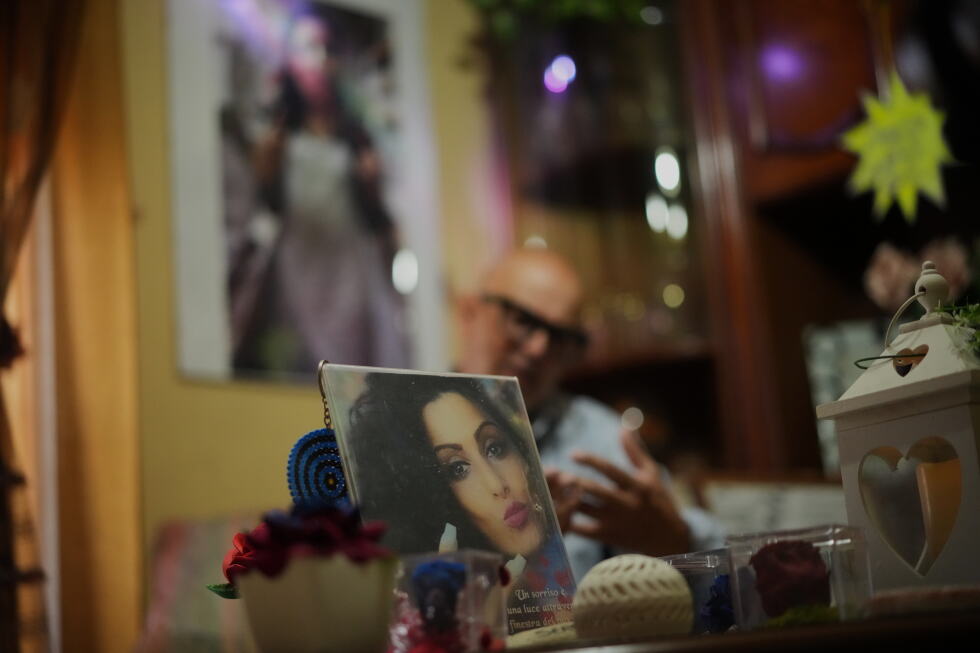
Among the families waiting to meet the pope is Angelo Venturato, whose 25-year-old daughter Maria died of cancer in 2016. Venturato says he does not seek personal comfort from the meeting — he wants to use the pontiff’s platform to push for change for the children and families who still live in the contaminated region.
“I’d like to give these young people a future, so I’m asking for the pope’s help with this,” Venturato said. “That is, I’m making a strong appeal to him to go to those in power and say, ‘Look, let’s heal this land of fires.’”
Filomena Carolla, who lost her 24-year-old daughter Tina De Angelis to cancer, will bring a handcrafted memory book filled with mementos of her daughter’s life to share with the pope. Carolla says she carries unending anger at the criminal actors and officials who allowed the poisoning to continue, robbing young people of their lives before they had a chance to grow up.
“I’m just angry at the people who poisoned the soil, because what did our children have to do with it? What did they have to do with it, so young,” Carolla said.
The visit marks one of the first high-profile actions signaling Pope Leo XIV’s commitment to environmental justice, an issue that has grown in priority for the Vatican in recent years, following Francis’ groundbreaking 2015 encyclical that tied care for the natural world to global social justice.