博客

  • Sadiq Khan says he told Met Police to investigate Great Israeli Real Estate event

    Sadiq Khan says he told Met Police to investigate Great Israeli Real Estate event

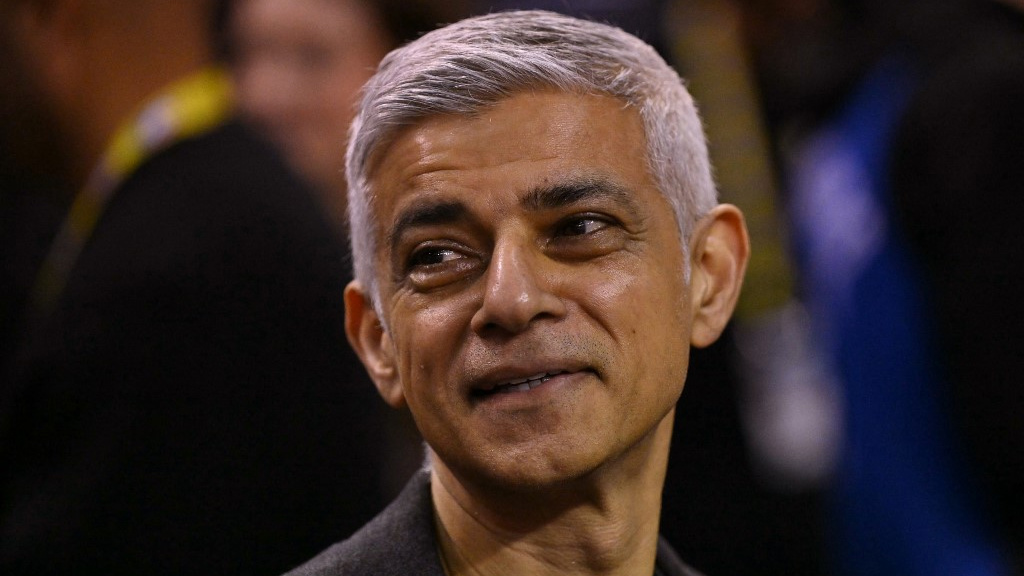
    A brewing controversy over an upcoming real estate event in London that promotes properties linked to illegal Israeli settlements in the occupied West Bank has drawn public opposition from London Mayor Sadiq Khan, who has confirmed he has raised concerns about the gathering with UK law enforcement and senior government departments.

    Khan made his opposition official during Friday’s Mayor’s Question Time session at the London Assembly, responding to a question tabled by Zack Polanski, assembly member and leader of the Green Party of England and Wales. The gathering, branded the Great Israeli Real Estate Event, is scheduled to open this Sunday, though organizers have refused to publicly disclose its exact location.

    In his address to the assembly, Khan made clear his position on the issue: “Israeli settlements in the West Bank are unjustifiable and illegal under international law. They are deeply tied to the ongoing displacement of Palestinians. I condemn any attempt to sell property in the settlements in the West Bank, be that in London or anywhere else in the world.”

    The mayor added that his shared concerns over the event’s planned presence in London had prompted direct outreach to the Metropolitan Police (Met), the UK’s capital police force. “I’m informed that any allegations of criminality relating to the potentially unlawful sale of property at the event would be assessed by the Met with a view to investigation,” Khan said. When pressed by Polanski on whether he had contacted the UK foreign secretary, Khan confirmed his office had already established communications with both the Foreign Office and Home Office, declining to share further details on the discussions for operational reasons.

    Following the question time session, Polanski told Middle East Eye (MEE) he welcomed Khan’s strong rebuke of the event and its ties to activity that violates international law, but stressed that concrete action is now needed. “In practical terms, the Met Police should shut down the event on the grounds that it is unlawful. London risks becoming complicit in settlement expansion if people in our capital are profiting from the theft of Palestinian land,” Polanski said.

    Legal advocacy groups have already formally requested a police investigation into whether the event should be blocked under a UK Serious Crime Prevention Order (SCPO), a civil court order designed to restrict involvement in serious criminal activity. In a letter sent to the Met on Friday, the International Centre of Justice for Palestinians (ICJP), the European Legal Support Center and the Public Interest Law Centre called on officers to assess whether reasonable grounds exist to investigate potential offenses stemming from the event’s organization, promotion and facilitation.

    The letter specifically asks the Met to examine whether any financial flows tied to the event qualify as criminal property, and to consider applying for a SCPO if evidence confirms serious criminal conduct. “Palestinian land is not for sale, and occupation is not a real estate opportunity,” said Órlaith Roe, ICJP’s public affairs and communications officer. “This order sets out further evidence of the serious concerns surrounding the illegality of this event, concerns we have already raised with the Metropolitan Police.”

    MEE’s prior reporting has confirmed direct links between the event’s participating companies and illegal settlement activity. Multiple participating firms openly advertise or have built projects in illegal Israeli settlements across the occupied West Bank and East Jerusalem: Harey Zahav advertises properties in Negohot, a settlement in the southern Hebron Hills; the Meshulam Levinstein Group has constructed residential and commercial projects in illegal settlements including East Jerusalem’s Homat Shmuel neighborhood; Tivuch Shelly real estate agency lists properties in the Ma’ale Adunim settlement; and Africa Israel Residences, part of the Africa Israel Group, has been involved in multiple settlement projects across the West Bank and East Jerusalem. At the time of writing, the event’s website displays a map of Israel that incorporates all occupied Palestinian territories, though a reference to the Gush Etzion settlement cluster was removed from the site earlier this week.

    The UK Foreign Office has already confirmed that Israeli settlements violate international law and pose a major barrier to lasting regional peace. Just days before the event, the UK government updated its official Business Risk Guidance to explicitly warn British citizens and businesses against engaging in any economic or financial activity tied to illegal Israeli settlements. When MEE requested comment from the Foreign Office earlier this week, a spokesperson said the government would continue coordinating policy with international allies and pursue concrete action to counter settlement expansion.

    Event organizers have pushed back against the allegations in comments to Jewish News, denying any plans to feature properties from the occupied West Bank. They claimed “all exhibitors, without exception, will provide information about properties and projects within the Green Line” and dismissed criticism as “ridiculous allegations” motivated by anti-Israeli sentiment.

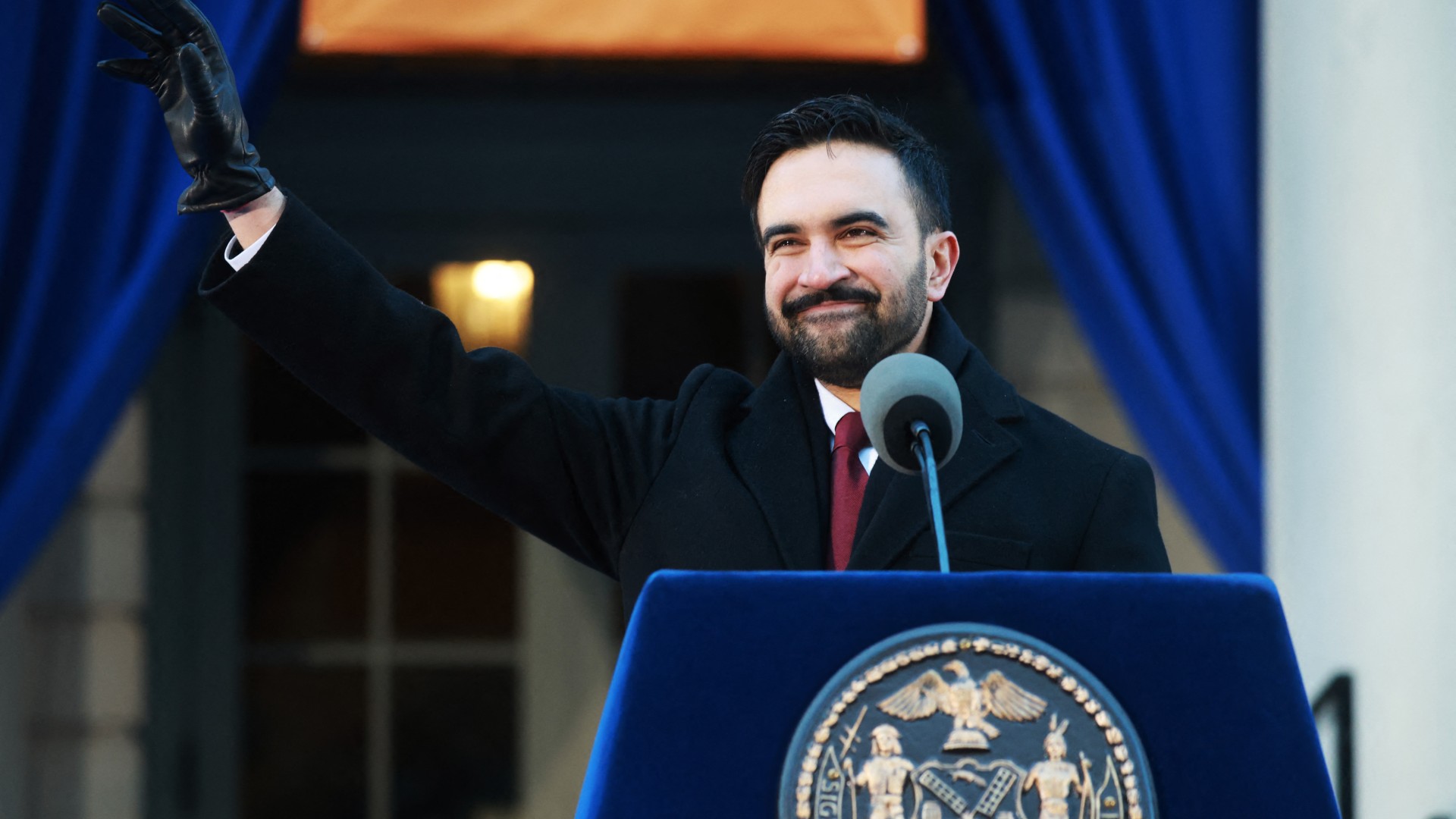
    This is not the first time the Great Israeli Real Estate Event has sparked controversy: the gathering was held in New York City last month, where reporting from The Intercept confirmed at least one exhibitor advertised land sales in illegal occupied settlements. New York Mayor Zohran Mamdani also publicly opposed the event, and Amnesty International UK has this week called on the UK government to take immediate action to block the London gathering from going forward.
  • ‘We knew it was coming’: Belfast violence leaves Syrian supermarket in ruins

    ‘We knew it was coming’: Belfast violence leaves Syrian supermarket in ruins

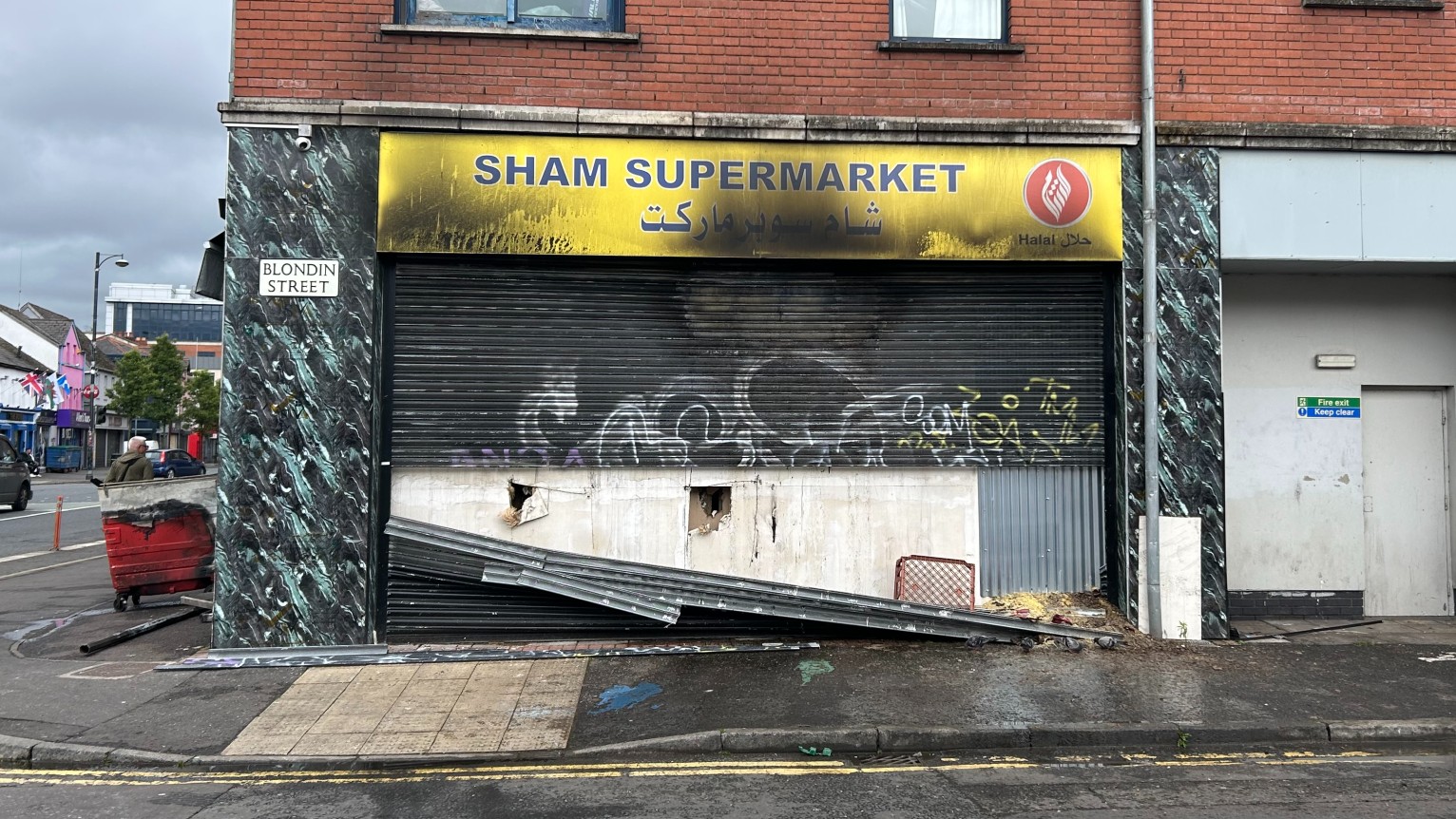
    In a strongly loyalist Protestant neighborhood of south Belfast, two Syrian migrants who spent years building a small community business now face the aftermath of destruction for the second time in two years. For managers Mohammed and Sultan, the charred remains of their Sham supermarket on Donegall Road have left them with little choice but to flee the area they have called home for over a decade.

    Mohammed, who fled Syria’s conflict in 2014 with a permanent shrapnel wound to his leg and gained British citizenship a year later, says the violence is inevitable. “It’s about to kick off,” he warned before the attack. His younger business partner Sultan, who was just 10 years old when his family escaped war-torn Aleppo to rebuild their lives in Northern Ireland’s capital, echoes the grim realization: “We’ve got to go.”

    The pair pack into Mohammed’s car, its interior cluttered with the messy, familiar chaos of a life with six children – half-eaten croissants tucked under seats, discarded clothing piled against the baby seat, one window stuck permanently open. Minutes later, they sit down at a nearby Lebanese cafe to reflect on the total loss of all their hard-won progress.

    Mohammed has managed the neighborhood supermarket since 2021, and this latest arson marks the second time masked gangs targeting ethnic minority-owned businesses have destroyed the property. Just three days before the attack, the store stood fully stocked: produce lined the front display, aisles were clean and welcoming, and new refrigeration units – installed to replace equipment destroyed in the 2024 attack – were fully operational. Today, the entire building is gutted by fire, its facade and sections of the residential flats above blackened by soot. The heavy protective security shutters are split clean in two, a discarded wheelie bin sits abandoned outside, and pigeons pick through the charred rubble for scraps of food. “They burned it all,” Mohammed confirms plainly.

    The attack came in the wake of a fatal stabbing carried out by a Sudanese man on local resident Stephen Ogilvie, an event the two business owners knew would act as a tinderbox for sectarian and anti-immigrant violence. It would mark the third consecutive summer of racist unrest in Belfast. “We saw some things on Facebook, so we knew it was going to happen,” Mohammed explained. Out of respect for Ogilvie, he voluntarily closed the store on Tuesday, but the gesture did nothing to stop the approaching violence. By 7 p.m., as gangs rampaged through loyalist areas of the city, firebombing homes they identified as belonging to ethnic minority families and setting vehicles alight, Mohammed’s phone flooded with urgent messages alerting him that his shop was ablaze. There was nothing he could do to stop it.

    When the pair arrived at dawn the next morning to assess the damage, they found nothing salvageable. Even the new fridges and freezers – replaced after the first attack in August 2024, which followed a wave of anti-immigrant riots that spread across the UK from the English town of Southport – were completely destroyed. The entire stock of produce was lost to the flames.

    The Sham supermarket sits directly across from Sandy Row Rangers Supporters Club, a local institution rooted in the area’s staunch loyalist identity, which supports Northern Ireland remaining part of the United Kingdom. The neighborhood is dotted with iconic markers of that identity: a wall mural marking Queen Elizabeth II’s 2012 Diamond Jubilee inscribed “From Sandy Row to the House of Windsor”, a tribute to the Northern Irish national football team labeled “Our wee country”, and murals honoring loyalist paramilitary fighters killed during the Troubles, emblazoned with the crests of the Ulster Defence Association and Ulster Freedom Fighters. Flags fly from every building: the Union Jack, Saint George’s Cross, and the Israeli flag, raised in counterpoint to the Palestinian and occasional Hezbollah flags common in Catholic west Belfast.

    Outside the supporters club, local opinion splits on the violence. While many long-term residents reject attempts to paint the entire loyalist community as racist, hostility toward the Syrian-owned supermarket persists, repeating unsubstantiated talking points spread by far-right figures including Elon Musk and Tommy Robinson. One local man in his 60s repeated false claims that the shop’s owners are drug dealers, alleging repeated tax raids on the property. Sultan dismisses these allegations as baseless excuses to justify years of harassment and ultimately the destruction of the business. Graffiti scrawled on a nearby apartment building across the street labels the property “Drug dealer flat”, echoing the smears.

    Other local residents openly condemn the rioting. Jackie, 69, and John, a former British soldier who settled in Belfast 50 years ago, both describe the attackers as thugs. “These people are thugs,” Jackie says, while John adds “Personally, I think they’re doing the wrong thing.” Even so, both parrot anti-migrant rhetoric common in far-right circles, claiming migrants housed in local hotels are responsible for violent crime and that the UK government “emptied their prisons” to allow mass migration. Jackie insists the unrest “isn’t about race”, pointing to her concern for a Black local family trapped in their home during the violence, but acknowledges the fear and suffering the unrest has inflicted on innocent people.

    Few residents are willing to speak openly about long-running rumors that loyalist paramilitary groups are involved in organizing the violence. Amid widespread poverty across the Sandy Row area, many locals acknowledge that organized crime groups profit from the instability and hold back community development. “Some of these areas have suffered from the baleful interests of loyalist paramilitaries and protection rackets,” explained Patrick Corrigan, head of nations and regions for Amnesty International. “Some of the investment has come from migrants because they set up little businesses and no one is competing with them.”

    While Belfast remains a deeply segregated city, split largely between Irish Catholic and Protestant communities, the past three years of summer violence have targeted a new group: Black and Brown migrant residents, not Catholic communities. For many long-term residents, the chaos echoes the worst violence of the Troubles. “History is repeating itself,” says John. Jackie recalls experiencing similar unrest as a child: “I got a flashback to when I was 11 years old, living up the road, when the soldiers were coming over, the petrol bombs were flying, and the fear of God was in me.”

    For Mohammed and Sultan, the violence in Belfast echoes the trauma they fled from Syria. Mohammed first became caught up in the 2011 Syrian uprising, and survived an airstrike in his hometown of Latakia in 2014 that left him with a permanent leg injury when he went out to buy food for his family. He claimed asylum in the UK, settled in Belfast, and gained citizenship in 2015; his wife joined him in 2018, and all six of his children were born in Northern Ireland. “I came here and I felt like I’m happy,” he says. Despite his injury qualifying him for disability benefits, he chose to work, holding a three-year position as a cook at KFC before opening his own shop. “I told myself it’s easy to open businesses here because there are no Arabic shops and rent is cheap.” He said he liked Belfast, liked the people, and understood the city’s complex history.

    Even so, the pair say there was not a single day operating the supermarket that did not bring some form of harassment. After the first attack in 2024, they rebuilt anyway, only to lose everything again. “The racist attacks are getting worse,” Sultan says. Official data from December 2025 confirms his observation: race hate crimes in Northern Ireland have reached their highest level since record-keeping began 20 years ago.

    Sultan, who grew up in Aleppo before the city was reduced to rubble by regime and Russian bombing, says local rioters have no understanding of the trauma he and Mohammed have already survived. “They have no idea what happened in Syria,” he says. Even so, his life is now rooted in Northern Ireland: he attended local schools, and has a Northern Irish girlfriend from a mixed Protestant-Catholic family who supports him. “My life is here now,” he says. “There are a lot of locals who look out for me. My girlfriend is amazing. Her family take care of me.”

    Despite the repeated destruction and rising danger, the two men have not given up entirely. They plan to make one more attempt to rebuild the Sham supermarket. “Life is not going to stop because some people burned a shop,” Sultan says.

  • Trump ‘anti-weaponisation’ fund  indefinitely blocked as judge wants guarantee it’s abandoned

    Trump ‘anti-weaponisation’ fund indefinitely blocked as judge wants guarantee it’s abandoned

    A federal judge in the United States has upheld a block on the $1.8 billion (approximately £1.3 billion) “anti-weaponisation” fund put forward by former President Donald Trump, rejecting verbal assurances from the administration that the plan has been scrapped and demanding formal sworn confirmation within seven days that the initiative will not move forward.

    The controversial proposal first emerged as part of a planned settlement in Trump’s personal lawsuit against the Internal Revenue Service, filed over the unauthorized leak of his confidential tax returns. Under the plan, the $1.776 billion fund would be overseen by a five-person independent commission tasked with reviewing and compensating claims from individuals who identified as victims of so-called “lawfare” and the “weaponisation” of the U.S. justice system.

    Almost immediately after the fund was announced, it sparked fierce bipartisan backlash in Congress, as lawmakers raised urgent alarms that the fund could be used to issue payouts to people charged or convicted in connection with the January 6, 2021 U.S. Capitol riot — including those found guilty of assaulting law enforcement officers during the insurrection. In response to the widespread public and congressional outrage, Attorney General Todd Blanche told lawmakers on Capitol Hill earlier this month that the Trump administration would abandon the plan entirely, stating clearly “We’re not moving forward with the fund, period.”

    Last week, U.S. District Judge Leonie Brinkema issued a temporary restraining order pausing the implementation of the fund, which was set to expire at the end of Friday. During a Friday court hearing, Brinkema pushed back against arguments that Blanche’s congressional testimony constituted sufficient assurance that the fund was dead. According to MS NOW, the judge repeatedly emphasized that verbal testimony was not enough to lock in the cancellation, and ordered that formal sworn confirmation of the fund’s termination be submitted by both Attorney General Blanche and Treasury Secretary Scott Bessent within one week.

    The legal challenge to block the fund was brought by a coalition of plaintiffs, led by Andrew Floyd, a former federal prosecutor who has claimed he was wrongfully fired from his position after leading prosecutions of January 6 Capitol rioters. Following the judge’s ruling, Floyd released a statement reaffirming his commitment to the lawsuit. “I will continue this litigation to ensure that this unconstitutional fund does not erase the accountability imposed by judges and impartial jurors — and the hard-earned work of the victims, witnesses, law enforcement officers, and prosecutors who delivered it,” Floyd said.

    The ongoing legal battle over the fund highlights deep partisan and institutional tensions over the Trump administration’s approach to the justice system, and the widespread concern over potential attempts to pardon or compensate individuals convicted of crimes related to the 2021 Capitol insurrection.

  • Partey denied entry to Canada for Ghana’s World Cup opener

    Partey denied entry to Canada for Ghana’s World Cup opener

    As the 2026 FIFA World Cup co-hosted by the United States, Mexico and Canada gets underway, a high-profile eligibility dispute has emerged: Ghanaian star midfielder Thomas Partey has been barred from entering Canada, forcing him to miss the Black Stars’ opening group stage match against Panama in Toronto.

    The 32-year-old Villarreal playmaker, who previously featured for English Premier League side Arsenal, was selected by Ghana for his second consecutive World Cup appearance. Partey currently faces seven counts of rape and one count of sexual assault filed by four separate complainants over allegations that date back to the period between 2020 and 2022. He has formally pleaded not guilty to all charges, and his trial is scheduled to begin next year; he has not been convicted of any offense as of the tournament’s opening.

    In an official statement confirming the development, global football governing body FIFA explained that Partey, who was with Ghana’s squad at their pre-tournament training base in Boston, had his visa application rejected by Canadian immigration authorities. “FIFA is not involved in the immigration processes of host countries, including the adjudication of visas,” the statement read. “The host government ultimately determines who receives a visa and is admitted into the country.”

    Under Canadian immigration regulations, individuals who have been charged with or convicted of criminal offenses may be deemed inadmissible to enter the country. Even though Partey has not been found guilty of any crime and is awaiting trial, the policy still led to his entry being blocked.

    Ghana head coach Carlos Queiroz, who selected Partey to the 2026 squad despite the pending legal issues, has stood firmly by his decision ahead of the tournament. “If the player is here with me, my answer is clear,” Queiroz said. “I don’t have any comments about my own decisions. He is here so what are we talking about? This is not for me or you to make a judgement about. Let the events run their normal course; let the river flow and one day when the river meets the ocean we are going to find the truth.”

    While Partey will sit out Ghana’s opening clash, he remains eligible to feature in the team’s two remaining Group L matches, which will both be held on U.S. soil. Ghana is scheduled to face England at Boston Stadium in Foxborough on June 23, before taking on Croatia in Philadelphia four days later.

    This is not the first instance of immigration issues affecting teams and officials ahead of the 2026 co-hosted World Cup. Iraqi striker Aymen Hussein was detained for multiple hours of questioning at Chicago O’Hare International Airport before being granted entry to the U.S. Iran’s national team was forced to relocate their pre-tournament training base from the U.S. to Mexico, after multiple members of the Iranian delegation had their visa applications rejected, and hundreds of Iranian fans had their match tickets revoked. Separately, Somali referee Omar Artan was denied entry to the United States, with a source from the former Trump administration citing his alleged “association with suspected members of terror organisations” as the reason for the ban.

  • Pope Leo XIV’s flight home from Spain was grounded so the king came to his aid

    Pope Leo XIV’s flight home from Spain was grounded so the king came to his aid

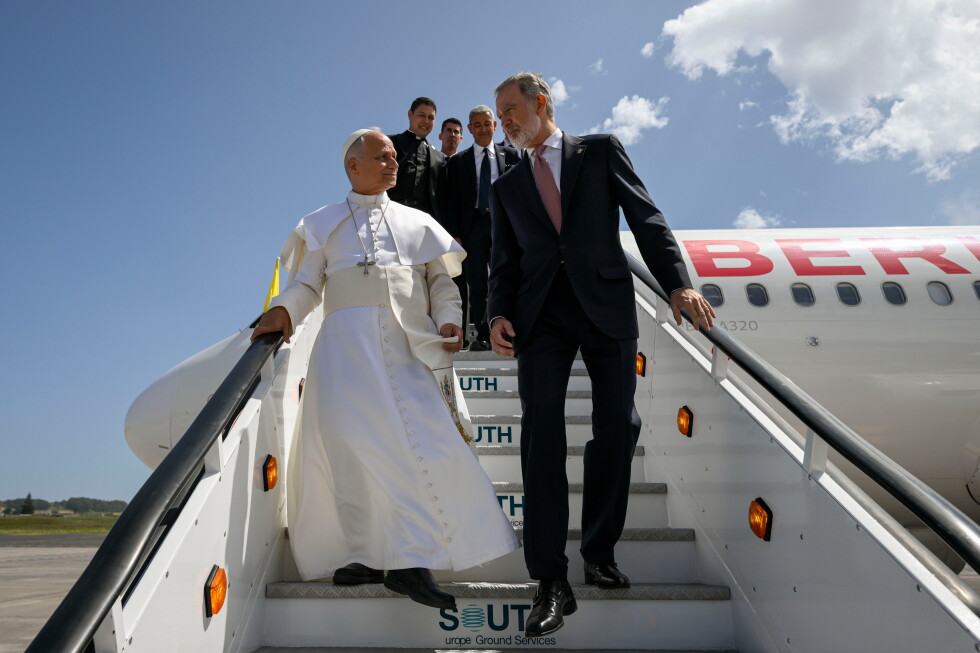
    After a busy seven-day apostolic visit across Spain that carried a strong message on migration policy and marked a historic milestone for Barcelona’s iconic Sagrada Familia, Pope Leo XIV’s journey back to Rome hit an unforeseen snag Friday at Tenerife North–Ciudad de La Laguna Airport in Spain’s Canary Islands. The Iberia Airlines charter jet scheduled to carry the pontiff and his delegation home developed a critical mechanical issue that grounded the aircraft, leaving the Vatican team stranded before a last-minute act of generosity from Spain’s monarch resolved the crisis.

    The problem emerged after Pope Leo had already boarded the plane: the aircraft’s engine failed to start, and initial attempts by the ground crew to repair the fault were unsuccessful. All passengers were required to exit the aircraft, and an investigation into the root cause of the malfunction was launched immediately. With the Canary Islands located off the northwest coast of Africa, far closer to the African continent than to mainland Spain, sourcing a replacement aircraft locally was not feasible. In response to the emergency, King Felipe VI extended an offer of his personal private jet, a Falcon, to transport the pope back to the Vatican.

    The Spanish king accompanied Pope Leo to the aircraft on the airport tarmac, where the pontiff and his core delegation boarded the jet. The plane departed more than three hours behind the original scheduled departure time, marking an unusual end to a visit that had otherwise proceeded without a hitch. The remaining passengers, including approximately 70 Vatican correspondents and support staff, were set to be picked up by a backup Iberia jet dispatched from Madrid, the airline confirmed.

    The unplanned aircraft swap is an extremely rare event in modern papal travel. Veteran Vatican journalists who cover papal visits could only recall a handful of similar disruptions during the decades-long pontificate of St. John Paul II. In 1986, a snowstorm closed Rome’s airports en route back from India, forcing John Paul II to divert to Naples before completing the journey by special train. Two years later, severe weather forced an unscheduled landing in South Africa during a trip to Lesotho – a country the pontiff was visiting as part of a tour that intentionally excluded apartheid-era South Africa over its policy of racial segregation.

    Papal air travel follows longstanding standard protocols: typically, Italy’s national carrier ITA Airways transports the pope to his destination, and the host country’s national carrier handles the return flight. For particularly long journeys or trips to nations without the capacity to host large papal charter flights, ITA Airways often handles the full round-trip. Papal charters are structured with the pope, his delegation, and security detail in the forward section of the aircraft, while traveling journalists occupy standard economy seating.

    Earlier in the visit, Iberia had publicly celebrated its role as the host carrier, releasing official video footage of Pope Leo sitting in the cockpit of the jet during his flights between Madrid, Barcelona, and the Canary Islands. In the clips, the pontiff is seen smiling and waving to Spanish military escort pilots – a traditional honor provided by the host nation for visiting top dignitaries.

    During the week-long visit, Pope Leo prioritized advocacy on migration issues, delivering multiple sharp speeches calling out global indifference to the plight of migrants crossing dangerous Atlantic routes to reach the Canary Islands. He also made history by inaugurating the completed final tower of the Sagrada Familia, Antoni Gaudí’s unfinished architectural masterpiece that has been under construction for more than 140 years.

  • Israeli firm BlackCore meddled in US and Scottish elections, French watchdog says

    Israeli firm BlackCore meddled in US and Scottish elections, French watchdog says

    A growing international scandal over suspected cross-border digital election meddling has expanded after France’s national disinformation watchdog Viginum confirmed that an Israeli cyber company already accused of sabotaging French local elections is also suspected of interference efforts in elections in New York City and Scotland, global news agency Reuters reported.

    The accusations were laid out publicly during a Thursday press conference that included French Prime Minister Sebastien Lecornu, where Viginum director Marc-Antoine Brillant stated that technical forensic investigations had pointed to Israeli cyber firm BlackCore as the actor behind the global influence operations. Brillant emphasized that the company’s pattern of covert meddling was not confined to France’s municipal election cycle.

    “This modus operandi was not limited to municipal elections in France,” Brillant told reporters. “It also appears to have been used to carry out foreign digital interference operations in other countries or regions, such as Angola, Togo, the elections in Scotland, and the 2025 municipal election in New York.”

    As it stands, however, French investigators have not been able to uncover who ultimately commissioned BlackCore to carry out the covert interference operations targeting French political candidates. Brillant acknowledged that ongoing probes have not yielded definitive answers about the identity of any hidden backers.

    “Our investigations did not make it possible to identify the sponsor or sponsors, if indeed they exist, behind this foreign digital interference,” he said.

    The first public allegations against BlackCore emerged last month, when French authorities tied the firm to a coordinated online smear campaign targeting three left-wing mayoral candidates from France Unbowed (LFI), a leftist party with explicit pro-Palestine positions. The covert interference campaign, first detected by Viginum in March, leveraged fake websites, inauthentic social media profiles, and targeted negative digital advertising to spread false criminal accusations—including claims of sexual assault—against candidates running in the cities of Marseille, Toulouse, and Roubaix.

    A subsequent joint investigation by French outlet *Libération* and Israeli newspaper Haaretz found digital traces of the operation on a server linked to BlackCore and two other Tel Aviv-based companies. Lecornu confirmed that the French government has formally requested that Israeli authorities provide explanations for BlackCore’s alleged activities and assist in identifying the hidden backers of the smear campaign.

    “I do not doubt for a single instant that if a French private group, from French soil moreover, had engaged in foreign digital interference in Israel, they would have done the same to its ambassador on site,” Lecornu added.

    Israel’s embassy in Paris has confirmed that French officials reached out regarding the case, noting that Israeli authorities are waiting to receive full details of the French investigation to launch their own internal inquiry.

    Notably, Brillant did not explicitly name the targets of the alleged interference in New York City’s 2025 election, which was won by Zohran Mamdani, a candidate well known for his public support of the Palestinian cause. Multiple relevant stakeholders, including Mamdani’s team, the New York Police Department, and the U.S. Cybersecurity and Infrastructure Security Agency, have not yet responded to Reuters’ requests for comment, while the Federal Bureau of Investigation declined to issue any statement on the matter.

    Viginum also confirmed that social media accounts linked to BlackCore targeted Scotland’s First Minister John Swinney, who has publicly labeled the humanitarian situation in Gaza a man-made catastrophe and warned that a genocide could be unfolding in the besieged territory.

    Before the allegations became public, BlackCore removed all of its public online presence following press inquiries. Prior to taking its website offline, the firm marketed itself as “an elite influence, cyber, and technology company built for the modern era of information warfare” that offered governments and political campaigns “cutting-edge strategies, advanced tools, and robust security to shape narratives.” BlackCore has not responded to multiple repeated requests for comment on the allegations from news organizations.

  • One dead and at least 10 others wounded in Texas shooting

    One dead and at least 10 others wounded in Texas shooting

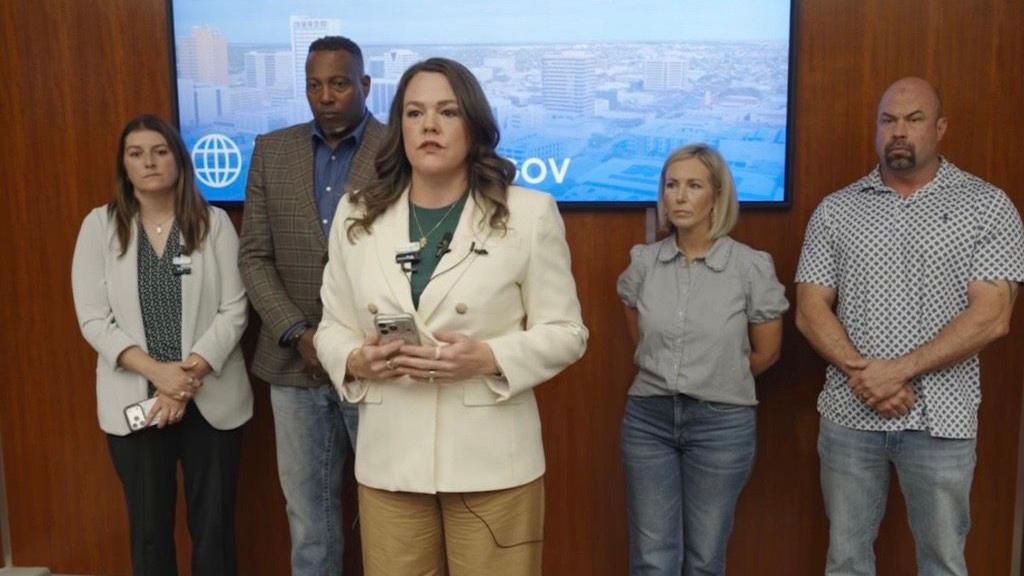
    A mass shooting in the central Texas city of Midland left at least one civilian dead and nine other people injured Friday, local officials confirmed in an official press briefing, marking the latest act of gun violence to roil a US community.

    Midland, located roughly 330 miles west of Dallas, was locked down for hours Friday morning as emergency responders confronted an active shooter situation. According to Midland Mayor Lori Blong, local law enforcement received the first 911 calls about the shooting at 8:03 a.m. local time (14:03 GMT), and first responders arrived at the scene within minutes. When officers reached the location, they reported hearing active gunfire originating from inside a nearby building.

    The situation quickly escalated, with specialized SWAT teams and multiple partner law enforcement agencies deployed to contain the suspect. Police initially entered a standoff with the shooter, but by early Friday afternoon local time, officials confirmed the suspect was dead, bringing the active threat to an end. Blong confirmed in an update posted to social media that no law enforcement officers were injured during the response.

    As of Friday afternoon, a total of 11 people have been identified as connected to the incident, including the deceased suspect and the one fatally killed civilian victim. Nine injured victims were transported to Midland Memorial Hospital, the closest major regional medical center, for urgent care. Hospital representatives confirmed Friday that four of the nine admitted patients are currently undergoing emergency surgery, while the remaining five are listed in stable condition.

    In a public statement, Blong urged local residents and visitors to continue avoiding the affected area as public safety personnel carry out active on-site investigations: “At this time, public safety personnel are actively responding, and we ask the public to avoid the area until further notice.”

    As of Friday afternoon, authorities have not released additional details about the suspect, including their identity, potential motive, or any background information. Details about the victims, including their names and ages, have also not been released pending next of kin notification. Investigations are ongoing, with officials expected to release additional updates as more information becomes available.

  • Clashes erupt in Congo’s capital as opposition rejects changes to presidential term limits

    Clashes erupt in Congo’s capital as opposition rejects changes to presidential term limits

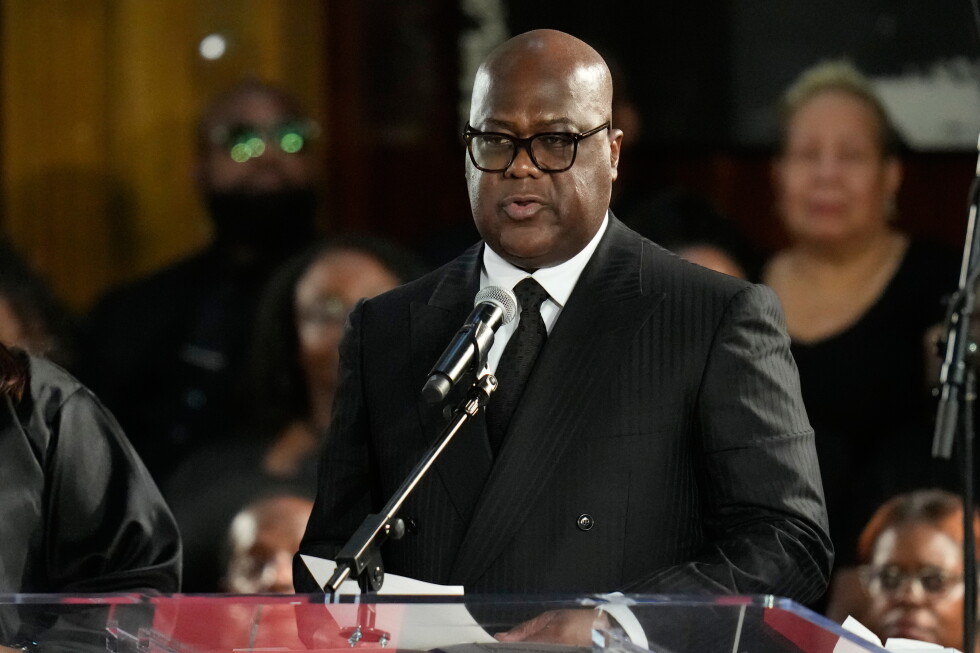
    On Friday, the capital of the Democratic Republic of the Congo, Kinshasa, became the site of bloody street clashes as thousands of opposition demonstrators gathered to protest a controversial constitutional overhaul that opponents warn would allow sitting President Félix Tshisekedi to run for a third term in office. The protest was organized by the newly unified opposition coalition C64, also called Coalition Article 64, which brought together Congo’s once-fractured main opposition parties back in May specifically to block the proposed changes.

    The confrontation broke out outside the country’s Parliament building, where anti-reform protesters came face-to-face with supporters of the ruling administration. As violence escalated between the two groups, security forces moved in to disperse the crowd using tear gas. Among those wounded in the chaos was Martin Fayulu, a leading opposition figure and the runner-up in the 2018 presidential election. Footage posted to Fayulu’s official Facebook page showed the opposition leader with visible blood on his face and shirt collar, assisted away from the violence by his supporters.

    Tshisekedi, 62, first took office in 2019 and is currently serving his second five-year presidential term, which is scheduled to conclude in 2028. Under current Congolese law, the constitution explicitly prohibits any revision of presidential term limits, which currently cap a president’s tenure at two terms. However, a draft bill now under debate in the National Assembly, Congo’s lower legislative chamber, would create a legal loophole: it would permit changes to term limit provisions if a “major dysfunction” is declared to have paralyzed state institutions, a change that would ultimately be put to voters in a public referendum. Tshisekedi has publicly stated he would only pursue a third term if the change is approved by Congolese voters.

    Beyond the political crisis sparked by the proposed reforms, Congo is already grappling with multiple overlapping national crises. An ongoing Ebola outbreak has strained the country’s under-resourced public health system, while in eastern Congo, a decades-long internal conflict has intensified in recent years. The Rwandan-backed M23 rebel group is one of more than 100 armed factions fighting for territorial control in the region, displacing hundreds of thousands of civilians and fueling a major humanitarian emergency.

    Opposition leaders warn that the push to rewrite term limits represents a direct threat to Congo’s fragile democratic institutions and overall national stability. The C64 coalition has framed the proposed changes as a deliberate power grab by Tshisekedi to hold onto the presidency beyond his constitutionally mandated time in office, turning a planned peaceful protest into a violent confrontation that has escalated the country’s political tensions.

  • Mother finds body of missing son two days after Kenya’s Ebola quarantine centre protests

    Mother finds body of missing son two days after Kenya’s Ebola quarantine centre protests

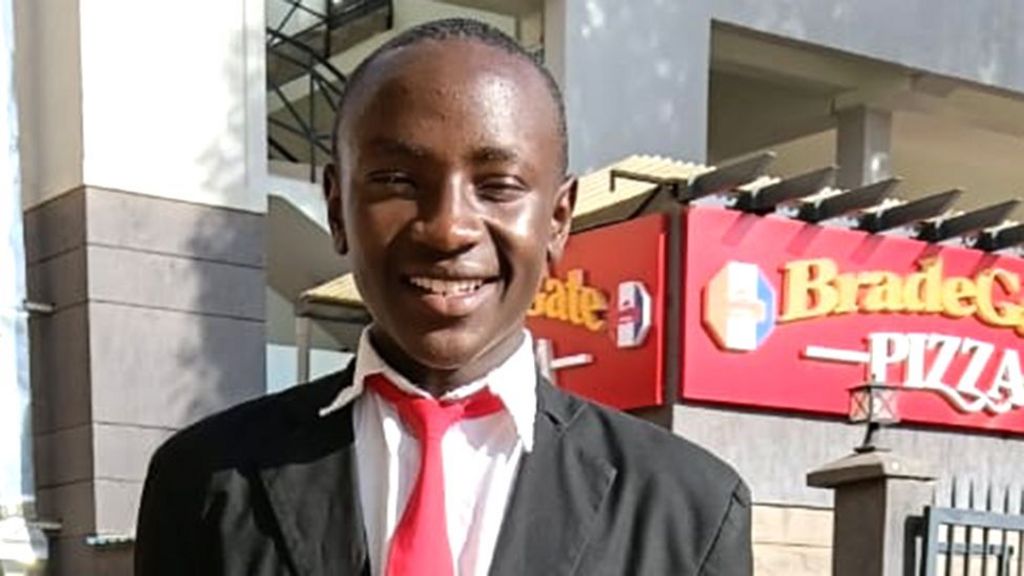
    In the central Kenyan town of Nanyuki, a grieving single mother is calling for accountability after her 17-year-old son became the third fatality in violent clashes between police and demonstrators protesting a planned U.S.-backed Ebola quarantine facility.

    Lucy Kagure, who earns just $2.30 a day doing casual labor to raise her son Sylvester Muigai Ndung’u, has described the devastating aftermath of her child’s death. The teenager left his home on a routine Tuesday errand — picking up a new school uniform from his aunt — when he unknowingly walked into the middle of erupting unrest. Two days after he went missing, Kagure found his bloodied body listed as an unknown male in a local mortuary, where half his head had been severely damaged.

    “I have struggled to raise that boy from nursery school to form three, and then they just killed him,” Kagure told the BBC through tears. She has openly accused Kenyan police of using excessive force to break up the demonstration, asking, “Are they not parents too?”

    Witnesses on the scene claim Muigai was shot in the head during the chaos, while family members say police have suggested the injury came from a tear gas canister rather than a live bullet. Local police commander Daniel Kitavi told reporters that authorities are still awaiting post-mortem results to confirm the official cause of death, declining to comment further ahead of the autopsy.

    Those close to Muigai remember the teen as a quiet, well-behaved young man who regularly helped his family at home and harbored dreams of one day becoming a priest. His death has cast a harsh light on the growing tensions over the proposed 50-bed Ebola isolation facility, which is set to be built at Kenya’s Laikipia Air Base to treat U.S. citizens affected by the ongoing Ebola outbreak in the Democratic Republic of Congo.

    The project has sparked widespread public anger across Kenya, with residents and activists raising alarms over potential cross-border infection risks and criticizing the Kenyan government for a lack of transparency around the facility’s development. Last month, Kenya’s High Court ordered a halt to all construction work after a human rights group filed a lawsuit arguing the center posed “grave and imminent risks” to public health. However, satellite imagery obtained by the BBC confirms construction work has continued at the air base in defiance of the court order.

    U.S. officials acknowledged the ongoing legal challenge last week, saying they remained “optimistic we can resolve objections” to the facility. Kenyan President William Ruto has publicly defended the project, noting the U.S. requested the center and arguing that turning down the proposal would be “inhuman.” He has urged Kenyans not to politicize the Ebola response and called on politicians to avoid what he described as “reckless” rhetoric around the issue.

    The Tuesday protest that led to Muigai’s death was originally organized as a peaceful march to deliver a petition calling for the facility to be relocated out of the area. But the demonstration turned violent after police blocked demonstrators’ access to the construction site. Police deployed tear gas and water cannon to disperse crowds, while protesters responded by erecting roadblocks and setting bonfires across Nanyuki.

    The Kenya Human Rights Commission, an independent non-governmental organization, has accused police of widespread excessive force during the unrest, including the use of live ammunition and arbitrary mass arrests. As of this report, Kenyan authorities have not issued any public response to these allegations.

    For Kagure and her family, the immediate priority is not the larger political debate over the quarantine center — it is justice for a young life cut tragically short. “I want justice for my boy,” she said.

  • Is China really deflating deflation? It’s harder than Beijing thinks

    Is China really deflating deflation? It’s harder than Beijing thinks

    Amid growing optimism that China has turned the page on its 2025 deflation crisis, new analysis warns the foundations of this recovery remain fragile, drawing stark parallels to Japan’s 30-year battle with entrenched deflationary pressures that continues to hobble growth today.

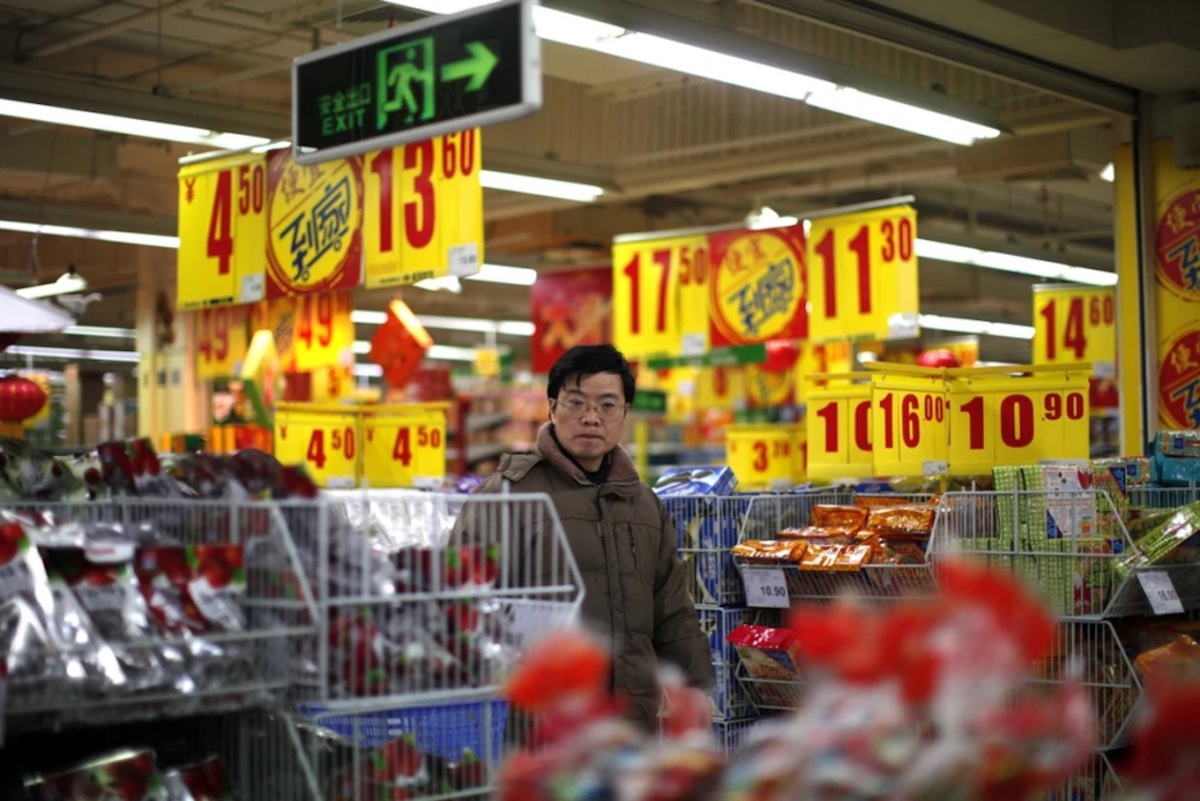
    Official data from May shows China’s consumer price index climbing 1.2% year-on-year, while producer prices surged 3.9% driven by rising input costs for energy, semiconductors and industrial metals. Many economists have pointed to this uptick as the clearest evidence yet that the deflationary era is ending, giving way to a period of controlled reflation. But experts warn that surface-level inflation readings do not address deep structural imbalances that have kept deflationary sentiment alive, just as they did in Japan starting in the 1990s.

    Two critical structural reforms stand between Beijing and a durable end to weak price pressures, neither of which the Chinese government has pursued with urgent action. The first is resolving the ongoing deep-seated housing market crisis, which increasingly mirrors the bad-loan spiral that dragged down Japan’s economy starting in the 1990s. With roughly 70% of Chinese household wealth tied directly to real estate, stabilizing property markets across the country’s 70 largest cities is a non-negotiable prerequisite to reviving consumer spending and sustaining annual GDP growth between 4.5% and 5%, analysts note. The second priority is building a robust, nationwide social safety net that would allow China’s 1.4 billion citizens to feel secure enough to increase consumption instead of maintaining high precautionary savings.

    Japan’s decades-long experience serves as a critical cautionary tale for Chinese policymakers. Even as the Bank of Japan (BOJ) prepares to raise its benchmark interest rate to 1% next week – the farthest it has moved from the zero lower bound in more than 30 years – deep deflationary undercurrents still persist across the Japanese economy.

    On paper, Japan appears to have finally escaped its decades-long low-price trap: the BOJ projects full-year 2026 inflation will hit 2.8%, a reading that seems to confirm reflation is taking hold. But beneath the headline data, real wage growth remains negative, with earnings consistently lagging rising prices, and weakening domestic demand as a direct result. This has created a slow-burn stagflation dynamic, and Tokyo has still failed to implement the structural reforms needed to close the gap between rising living costs and stagnant household incomes.

    “For the Japanese economy to fully break free from its long-standing deflationary mindset, it’s imperative for the government and the central bank to align, articulate their risk assessments, maintain honest and transparent dialogue with financial markets, and resolutely execute bold, long-term growth investments,” said Toshihiro Nagahama, chief economist at the Dai-ichi Life Research Institute.

    Nagahama argues that today’s global economy is being shaped by an unusually dense web of overlapping shocks: the ongoing war in Ukraine, widespread volatility across the Middle East, and historic turning points in central bank monetary policy across major advanced economies. The connecting thread across these shifts is clear: geopolitical developments are now driving global economic outcomes, rather than the reverse. With the potential for expanded conflict in Iran creating major uncertainty, Nagahama warns that governments cannot anchor economic strategies to optimistic best-case scenarios. Instead, they must plan for worst-case risks, including the possibility of multi-year disruptions to shipping through the Strait of Hormuz, a critical energy chokepoint whose closure would reshape global energy trade flows and inflation dynamics for years to come.

    “While these shifts present a formidable trial for Japan, they also represent a historic opportunity,” Nagahama notes. “As the country sheds its decades-long deflationary mindset and restores nominal growth, these external shocks serve as a critical test for fully escaping the paradigm of contracting equilibrium.”

    Yet Japan may not get the sweeping policy rethink it needs to escape this trap. Prime Minister Sanae Takaichi’s economic framework still relies heavily on the ultralow interest rates and weak yen policy that Tokyo has leaned on for nearly 30 years. That is why next week’s widely expected rate hike to 1% has already sparked pushback from Japanese political leaders who prefer the comfort of decades-old monetary policy over painful structural reform.

    The timing of the BOJ’s June 16 rate-setting meeting is awkward: it will proceed without Governor Kazuo Ueda, who has been hospitalized with a liver infection. Even so, Nomura economist Mari Iwashita notes that Ueda’s absence is unlikely to change the final outcome of the vote. Still, Takaichi’s administration has publicly pressured the BOJ to hold off on tightening. Last year, she even dismissed the idea of rate hikes as “stupid,” despite growing evidence that Japan’s 27-year experiment with near-zero interest rates has backfired. Her government is the 14th Japanese administration since the late 1990s to double down on a weak-yen strategy designed to boost exports and lift headline GDP.

    Far from reviving entrepreneurial and business confidence across Japan, this approach has dulled risk-taking incentives. Decades of near-free money reduced the urgency for policymakers to boost national competitiveness and for corporate leaders to pursue innovation, restructuring and calculated risk-taking. That long-running complacency is visible today: Japanese industry is watching uneasily as Chinese EV maker BYD upends the global electric vehicle market and Chinese AI firm DeepSeek reshapes the global artificial intelligence landscape – the same kind of disruptive innovation Japanese companies dominated back in the 1980s.

    Since taking office in October, Takaichi has shown little interest in breaking from this long-standing script. Her “Sanaenomics” agenda is essentially a continuation of former Prime Minister Shinzo Abe’s Abenomics framework, built on the same reliance on ultralow rates and a deliberately undervalued yen. The core problem with this approach is that Japan’s current inflation is not the healthy, demand-driven growth that policymakers once hoped for. It is fueled by high import costs for energy, food and other essential goods – classic cost-push inflation, not the demand-led price gains that signal rising household and business confidence. In short, it is unhealthy inflation that erodes living standards rather than reflecting broad-based growth.

    A strikingly similar dynamic is now unfolding in China. The gap between surging producer price inflation and muted consumer price growth is the widest it has been since June 2022. This divergence indicates that Chinese manufacturers are still struggling to pass higher input costs on to end consumers, leaving corporate profit margins under intense pressure. If this margin squeeze persists, it could have severe consequences for wage growth across the world’s second-largest $20 trillion economy, undermining household spending and weakening Beijing’s narrative of a successful end to deflation.

    This trajectory explains why Eurasia Group CEO Ian Bremmer began 2026 warning that “China’s deflation trap” would not disappear as easily as many optimistic analysts predict. Bremmer argues that Chinese leader Xi Jinping continues to prioritize political control and technological supremacy over the consumption stimulus and structural reforms that could break the deflationary cycle. “Beijing has the means to prevent a full-blown crisis, but living standards will deteriorate, the fallout will spread abroad, and the world’s second-largest economy will remain stuck in a trap of its own making,” Bremmer said.

    Five consecutive years of falling home prices have created “household wealth destruction on par with America’s 2008 crash, except it’s still accelerating,” Bremmer added. “Consumer confidence, investment, and domestic demand have cratered with it. Beijing bet big that high-tech manufacturing would fill the gap left by a contracting property sector. Instead, state-driven investment has created massive overcapacity, and weak domestic demand means there aren’t enough buyers to absorb the excess production.”

    One clear outcome of Beijing’s policy priorities is that too many Chinese firms are competing for a shrinking pool of domestic demand, forcing widespread price cuts to stay in business. “Margins collapse, forcing even well-run firms to cut wages and jobs to stay afloat,” Bremmer notes. “Workers spend less. Demand weakens further, so firms cut prices again. Meanwhile, debts grow harder to service with each turn of the cycle. Banks and local governments keep zombie firms alive — rolling over loans, protecting local champions — which keeps overcapacity entrenched.”

    Former U.S. President Donald Trump’s 2025 tariffs on Chinese goods made the situation even worse, closing off a critical export market and forcing Chinese firms to choose between cutting prices to find new buyers outside the U.S. or absorbing the extra costs of transshipping goods through third countries to access American consumers. Either choice further squeezes corporate margins, and today more than a quarter of all listed Chinese firms are unprofitable, the highest share in 25 years, creating a self-reinforcing debt-deflation cycle, Bremmer concludes.

    The core takeaway from decades of Japanese experience and current Chinese trends is that deflationary pressures can persist long after headline inflation turns positive, quietly eroding consumer and business confidence over time. This dynamic is why global markets are increasingly pricing in the possibility of monetary easing from the People’s Bank of China (PBOC) in the coming months – a move that would likely weaken the yuan and widen China’s already large trade surplus.

    As Council on Foreign Relations economist Brad Setser puts it: “Of course, no one explicitly says they would welcome a bigger surplus. But if an international institution’s policy advice is monetary easing — to fight deflation — and fiscal consolidation because of off-balance-sheet risks, plus more exchange-rate flexibility, it is effectively advocating for the country to export its way out of its domestic troubles.”

    Beijing has so far been reluctant to allow sharp yuan depreciation, for three key strategic reasons. A stable or slowly appreciating currency reduces the risk of offshore debt defaults among heavily indebted Chinese property developers. It also supports Xi’s long-term ambition to position the yuan as a credible alternative reserve currency to the U.S. dollar. Finally, it helps manage trade tensions with the second Trump White House, which remains highly sensitive to any policy that appears to give Chinese exporters an unfair competitive advantage.

    Regardless of how 2026 unfolds for the Chinese economy, hopes that Xi’s administration has successfully defeated deflation could be heading for a sharp correction. Japan’s decades-long experience proves that even when headline economic data suggests reflation is gaining traction, the deeply entrenched deflationary mindset among households and businesses is extremely difficult to reverse.