博客

  • Couriers help drive Spring Festival sales

    Couriers help drive Spring Festival sales

    China’s express delivery sector is demonstrating remarkable resilience and technological sophistication as it manages the unprecedented package volumes generated by Spring Festival consumer demand. With the holiday period (February 15-23) approaching, logistics networks nationwide are operating at multiplied capacity to handle the annual surge of gifts, specialty foods, and seasonal commodities traversing the country.

    The convergence of e-commerce platforms and enhanced delivery capabilities has fundamentally transformed traditional holiday preparations. Case in point: Shao Fang, a provincial migrant worker from Henan now based in Hainan, exemplifies the shifting paradigm. Rather than returning home early for holiday preparations, she shipped nuts, snacks, and cakes via express delivery, noting, ‘I just sent everything ahead, and when I get home, I can focus on being with my family.’

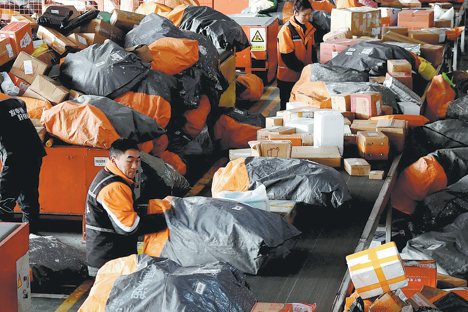
    Operational metrics reveal the scale of this logistical undertaking. At a Luoyang e-commerce warehouse, daily order processing has doubled from the typical 30,000 to approximately 60,000, with projections exceeding 100,000 orders immediately preceding the festival. J&T Express handles over 80% of this volume, employing extended shifts and increased delivery frequencies to manage demand.

    The product composition reflects evolving consumption patterns. Beyond packaged foods, regional specialties like Luoyang peonies have gained prominence through livestream commerce. Farmer Wei Linqiang’s operation expanded from three to eight greenhouses, with 40% of his 6,000-pot peony output now reaching customers across 20 provinces via online platforms.

    This phenomenon represents broader economic transformations. Liu Jiang of the State Post Bureau observes, ‘The Spring Festival shipping surge has become an important force in expanding domestic consumption,’ noting the sector’s 13.6% annual growth in 2025 with 199 billion parcels generating ¥1.5 trillion in revenue.

    Technological integration is critical to managing this scale. J&T Express outlets have deployed autonomous delivery vehicles handling 3,000+ daily packages along fixed routes, alleviating pressure on human couriers. The Bureau has implemented a structured service window (February 2-March 13) mandating volume forecasting, service maintenance, and worker protections including overtime compensation and family reunion arrangements.

    As spokesperson Liu Ying emphasized: ‘Companies must balance meeting delivery needs with respecting workers’ expectations to spend the holiday with their families.’ This equilibrium between operational demands and human considerations underscores how Spring Festival delivery has become both a stress test for logistics infrastructure and a testament to its evolving capabilities in China’s consumption economy.
  • EU-India trade deal faces challenges

    EU-India trade deal faces challenges

    The recently announced free trade agreement between India and the European Union, hailed as a historic achievement after two decades of negotiations, now confronts significant implementation challenges that could delay its full effect until 2027, according to economic analysts and trade experts.

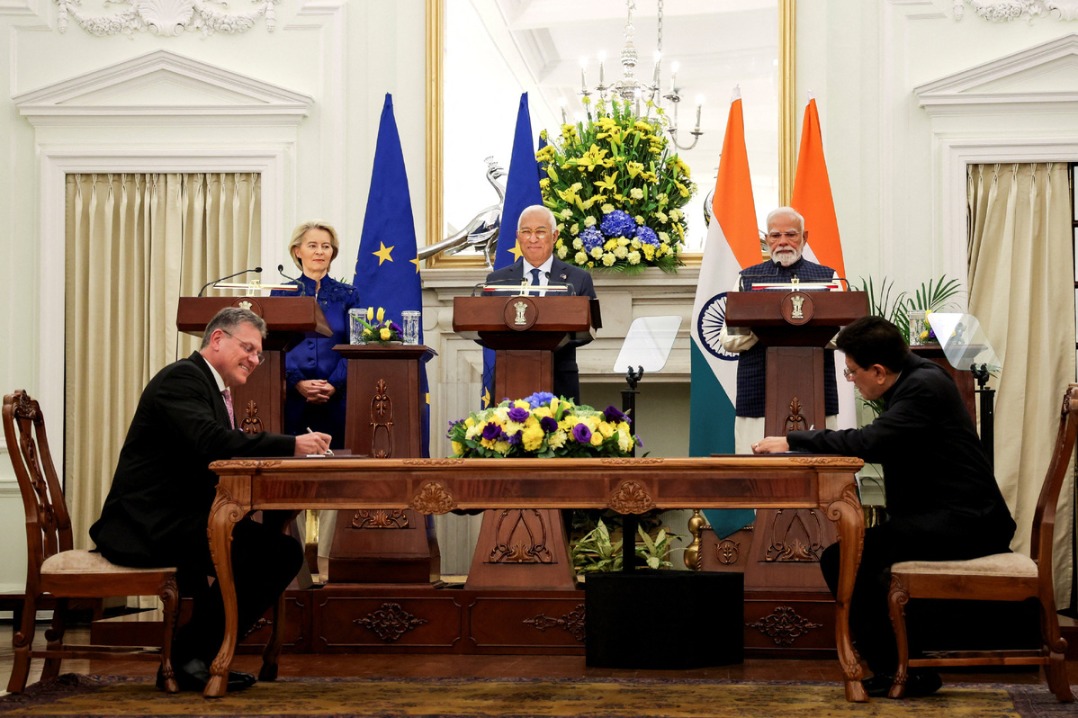
    The breakthrough agreement, signed during European Commission President Ursula von der Leyen’s visit to New Delhi for India’s 77th Republic Day celebrations, aims to eliminate or substantially reduce tariffs on over 90% of traded goods. The pact represents a strategic alignment between the two economies seeking alternative trade partnerships amid increasing US tariff pressures.

    However, the implementation timeline faces a complex multistage legal process requiring formal ratification by the European Parliament, approval from all EU member states, and subsequent endorsement by India’s Parliament. Madhavi Arora, Chief Economist at Emkay Global Financial Services, indicates this ratification process could extend through much of 2026, potentially delaying full implementation by approximately one year.

    Professor Dibyendu Maiti of the Delhi School of Economics detailed the extensive procedural requirements, including legal scrubbing, translation into all official EU languages, and separate parliamentary approvals from both blocs. Given the partners’ historical legal processes, experts suggest the agreement might require years to reach its final operational form.

    Additional challenges include India’s need to prepare its export sectors for the EU’s stringent regulatory environment, characterized by rigorous emissions standards, labor regulations, and the Carbon Border Adjustment Mechanism (CBAM). Biswajit Dhar, former professor at Jawaharlal Nehru University, warned that without adequate preparation, Indian businesses might struggle with compliance costs that could undermine their competitive advantages.

    The timing presents another concern, as noted by Ajay Srivastava of the Global Trade Research Initiative. Indian exporters currently face weak US demand, while benefits from European market access remain at least one year away, creating a concerning near-term mismatch.

    Despite these hurdles, the agreement promises significant long-term advantages for Indian textiles, leather goods, and marine products, potentially elevating the country’s competitive position against rivals like Bangladesh and Vietnam in the European market.

  • China expands high-speed railway pet transport services for Spring Festival travel

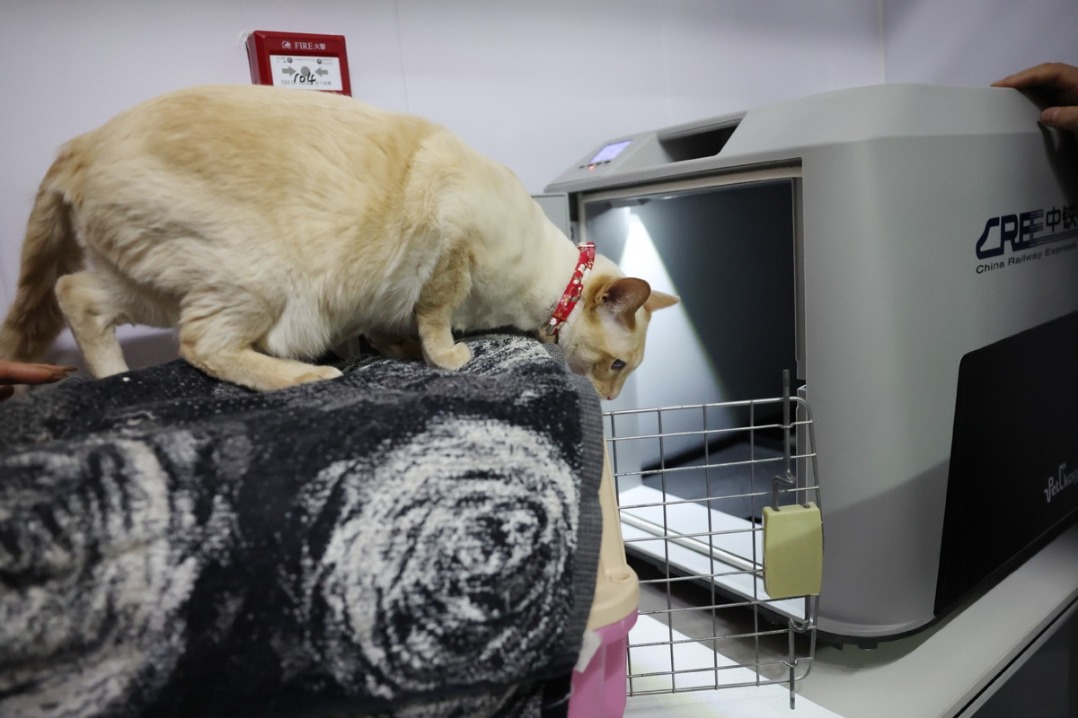
    China expands high-speed railway pet transport services for Spring Festival travel

    As the annual Spring Festival travel surge intensifies, Chinese railway authorities have significantly expanded specialized pet transportation services across the country’s high-speed rail network. The initiative, launched on January 28, 2026, enables passengers to transport their animal companions through an enhanced system of dedicated facilities and digital booking platforms.

    At Lanzhou West Railway Station in Gansu province, railway staff now provide continuous monitoring and care for traveling pets housed in specially designed transport crates. These advanced containers feature intelligent monitoring systems that ensure animal welfare throughout the journey. The facility has already accommodated numerous pet passengers since the program’s implementation.

    The expanded service allows travelers to conveniently arrange pet transportation through digital channels including the official 12306 mobile application and WeChat mini-program. This digital integration streamlines the reservation process during peak travel periods, addressing growing demand for pet-inclusive travel solutions.

    This development represents part of China’s broader modernization of railway services, particularly during the Chunyun period when millions of citizens travel for family reunions. The pet transport expansion acknowledges changing societal patterns, including increased pet ownership and the desire to include animals in traditional holiday celebrations.

    The enhanced service network now includes multiple high-speed rail stations across the country, providing safer and more regulated alternatives to previous informal pet transportation methods. Railway officials have implemented comprehensive protocols to ensure animal safety, including climate control, ventilation, and regular welfare checks by trained personnel.

  • Family seeks answers as Kenyan fighting for Russia killed in Ukraine

    Family seeks answers as Kenyan fighting for Russia killed in Ukraine

    A grieving Kenyan family is urgently appealing for governmental assistance to repatriate the remains of their 29-year-old relative, Clinton Nyapara Mogesa, who perished while combatting for Russian forces in eastern Ukraine. Ukrainian defense authorities confirmed Mogesa’s death occurred during a high-casualty offensive operation in the Donetsk region, characterizing the engagement as a devastating ‘meat assault’ tactic.

    Mogesa’s tragic journey began in 2024 when he departed Kenya for anticipated employment in Qatar. His family subsequently discovered he had been recruited from Qatar and transported to Russia under unclear circumstances. Ukrainian intelligence reports indicate Russian forces failed to recover his remains after the battle, and notably, Mogesa was found carrying passports belonging to two additional Kenyan nationals.

    This incident highlights escalating international concerns regarding Russia’s systematic recruitment of Kenyan citizens for military service in Ukraine. Mogesa’s brother, Joel Mogere, revealed the family had liquidated ancestral land holdings to finance his initial voyage to Qatar, describing the deceased as both the household’s primary provider and youngest sibling. ‘His death has profoundly shocked us,’ Mogere stated during a televised interview, emphasizing the emotional and economic devastation wrought by this loss.

    The family’s matriarch, Mellen Moraa, articulated her despair as a diabetic patient who relied entirely on her son’s financial support for medical treatments and sustenance. ‘I earnestly plead with the government for intervention and support,’ Moraa implored, reflecting the helplessness felt by numerous affected families.

    Kenyan governmental records indicate at least 18 citizens previously fighting alongside Russian units were successfully extracted and repatriated last month. However, Foreign Ministry assessments from November suggested approximately 200 Kenyans remain actively enlisted with Russian forces, with recruitment networks continuing operations across Africa.

    Ukraine’s intelligence apparatus estimates over 1,400 individuals from 36 African nations have been recruited into Russian military service. The agency issued renewed cautions against travel to Russia or acceptance of informal employment offers there, warning that such actions ‘carry substantial risks of coercive deployment into assault units without adequate training and minimal survival prospects.’

  • South African singer Tyla edges out Davido to clinch Grammy

    South African singer Tyla edges out Davido to clinch Grammy

    South African music sensation Tyla has captured her second Grammy Award in the Best African Music Performance category, cementing her status as a leading force in African music. The 24-year-old artist triumphed with her track “Push 2 Start” at the Los Angeles ceremony, outperforming formidable contenders including Nigerian stars Ayra Starr, Burna Boy, and Davido, plus Ugandan performer Eddy Kenzo.

    This victory marks a repeat achievement for Tyla, who previously won the same award in 2024 for her international breakthrough single “Water.” Her latest win demonstrates consistent excellence in a category dominated by West African artists.

    Following her emotional acceptance, Tyla expressed overwhelming excitement: “This is insane, this is so insane! I’m just so lucky to be here and I’m so proud to be African. I’m excited to see more of us over here.”

    The celebration extended beyond the ceremony as “Congratulations Tyla” trended across social media platforms. South African fans flooded social media with pride, with one supporter posting on X: “South Africa is proud of you! We are proud of you!” Even fans of competing artists acknowledged her deserving victory, with one user noting: “While I wished that Starr had won, I concede that Tyla worked hard. You deserve it.”

    The Grammy event also featured another South African highlight as comedian Trevor Noah hosted the main ceremony for an impressive sixth consecutive year.

    Nominees in the Best African Music Performance category included:
    – “Love” by Burna Boy
    – “With You” by Davido featuring Omah Lay
    – “Hope & Love” by Eddy Kenzo & Mehran Matin
    – “Gimme Dat” by Ayra Starr featuring Wizkid
    – “Push 2 Start” by Tyla

  • Transfer deadline: Premier League clubs most active with hours left in winter window

    Transfer deadline: Premier League clubs most active with hours left in winter window

    European football’s winter transfer window approaches its decisive finale, with Monday marking the deadline for elite clubs across the continent’s top leagues to finalize their squad reinforcements. The closing hours present a final opportunity for strategic acquisitions and sales that could define team fortunes for the remainder of the competitive season.

    England’s Premier League has emerged as the financial powerhouse of this transfer period, with British clubs collectively investing approximately $450 million in player acquisitions. Manchester City has executed the most significant financial maneuvers thus far, securing the services of winger Antoine Semenyo and center back Marc Guehi for a combined transfer fee of $115 million.

    Several compelling narratives dominate the final hours of negotiation. Liverpool faces pressing questions about reinforcing their defensive line following injury setbacks. Crystal Palace contemplates the potential departure of French striker Jean-Philippe Mateta, with Serie A powerhouse AC Milan reportedly monitoring the situation. Chelsea’s transfer activity remains under particular scrutiny given the club’s historically aggressive approach to both incoming and outgoing transfers.

    The transfer deadline falls simultaneously across multiple leagues at 19:00 GMT for England, France, Germany, and Italy, while Spain’s window remains open until 22:59 GMT, providing La Liga clubs with additional hours for last-minute negotiations.

  • Bangladesh’s ex-leader Hasina and her UK lawmaker niece sentenced in graft case

    Bangladesh’s ex-leader Hasina and her UK lawmaker niece sentenced in graft case

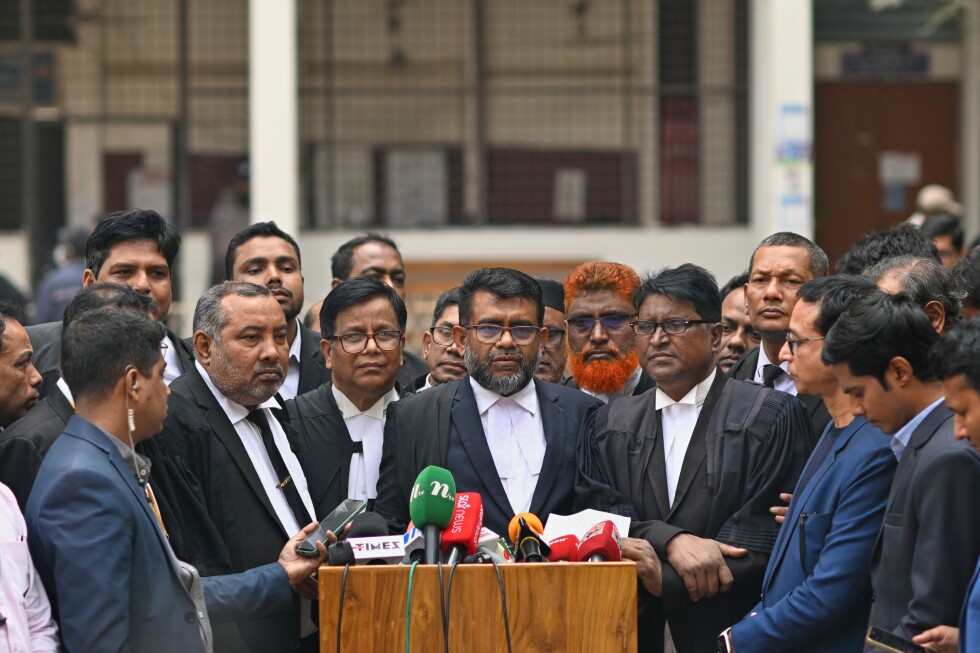
    A Bangladeshi special court has delivered significant prison sentences to former Prime Minister Sheikh Hasina and multiple family members in high-profile corruption cases related to a government housing project. The Special Judge’s Court-4, presided over by Judge Mohammed Rabiul Alam, imposed a 10-year prison term on Hasina while handing four-year and seven-year sentences to her British parliamentarian niece Tulip Siddiq and other relatives respectively.

    The convictions stem from allegations brought by Bangladesh’s official anti-corruption agency, which accused the former leader of illegally obtaining six residential plots in the Purbachal New Town Project near Dhaka for herself and ineligible family members. The prosecution contended that Hasina colluded with government officials to circumvent eligibility regulations governing the township development.

    This judicial development occurs during a critical period as the interim administration under Nobel Peace Prize recipient Muhammad Yunus prepares for February 12 national elections. The political landscape has been dramatically altered by the banning of Hasina’s former ruling Awami League party from electoral participation.

    Both Hasina and Siddiq have vehemently denied the allegations, with Siddiq emphasizing her status as a British citizen who received no government land during her aunt’s 15-year administration. The prosecution maintained that Siddiq influenced the allocation process to benefit her mother and siblings—claims she has categorically rejected.

    These latest convictions add to Hasina’s existing legal challenges, including four previous corruption cases related to the same project that resulted in cumulative prison sentences totaling 26 years. Multiple family members, including her son Sajeeb Wazed and daughter Saima Wazed, have received five-year sentences each, while her sister Sheikh Rehana was sentenced to seven years. All convicted parties currently reside abroad.

    Hasina has been in exile in India since August 2024 following her ouster during widespread student-led protests that ended her lengthy tenure. She additionally faces a death sentence from a separate tribunal addressing crimes against humanity allegations connected to hundreds of fatalities during the uprising. The former leader has consistently denounced the judicial proceedings as politically motivated ‘kangaroo court’ actions.

    Diplomatic dimensions continue to evolve as Bangladesh’s request for Hasina’s extradition from India remains unanswered, creating ongoing tension between the neighboring nations during this transitional period.

  • Bad Bunny makes Grammy history as stars protest against ICE

    Bad Bunny makes Grammy history as stars protest against ICE

    The 2026 Grammy Awards ceremony transformed into both a celebration of musical excellence and a powerful platform for social advocacy, with Latin music sensation Bad Bunny making history as the first Latin artist to claim the Album of the Year honor in the awards’ 68-year history. His critically acclaimed work ‘Debí Tirar Mas Fotos’ triumphed over formidable competitors including Lady Gaga and Kendrick Lamar, marking a watershed moment for Spanish-language music at the prestigious event.

    The evening unfolded as a multifaceted tapestry of artistic achievement and political statement, with numerous artists using their acceptance speeches to address the ongoing immigration policy debates. Bad Bunny, born Benito Ocasio, emotionally dedicated his landmark victory to immigrants who ‘leave their home, land, their country, to follow their dreams,’ setting the tone for an evening where advocacy frequently took center stage alongside artistic recognition.

    British newcomer Olivia Dean, honored as Best New Artist, reinforced this message by acknowledging her immigrant heritage: ‘I’m up here as the granddaughter of an immigrant. I’m a product of bravery and I think those people deserve to be celebrated.’ This sentiment was visually reinforced by numerous artists sporting ‘ICE out’ badges on the red carpet, including Kehlani, Gloria Estefan, and Billie Eilish, who collectively turned the event into a demonstration of solidarity with immigrant communities.

    The musical achievements of the evening were equally noteworthy. Kendrick Lamar secured his place in Grammy history by surpassing Jay-Z as the most awarded rapper, collecting his 26th and 27th trophies for Best Rap Album and Record of the Year for his collaboration with SZA on ‘Luther’. This victory moment was momentarily overshadowed by presenter Cher’s confusion during the announcement, creating an unexpectedly dramatic highlight.

    Billie Eilish continued her remarkable Grammy streak, securing Song of the Year for ‘Wildflower’—her third win in this category since 2020. During her acceptance, she addressed the current social climate, urging continued activism: ‘I feel like we just need to keep fighting and speaking up and protesting. Our voices really do matter.’

    The ceremony also celebrated several groundbreaking firsts, including the inaugural Grammy for a K-Pop song—’Golden’ from ‘KPop Demon Hunters’ won Best Song for Visual Media. Lady Gaga added another Grammy to her collection with Best Pop Album for ‘Mayhem’, using her platform to advocate for women in music production: ‘I urge you to fight for your songs, fight for yourself as a producer [and] make sure that you are heard loudly.’

    Performance highlights included Justin Bieber’s minimalist rendition of ‘Yukon’ in his underwear, Bruno Mars’ slick performance of ‘I Just Might’ in a tailored red suit, and Lady Gaga’s electro version of ‘Abracadabra’ featuring an elaborate birdcage headpiece. The In Memoriam segment featured moving tributes from Reba McEntire, Bruce Springsteen, and an all-star metal homage to Ozzy Osbourne.

    The evening culminated with Lauryn Hill leading an all-star tribute to Angie Stone, Roberta Flack, and D’Angelo, performing a medley that included a celebratory version of ‘Killing Me Softly’—a fitting conclusion to an evening that balanced musical excellence with social consciousness, reflecting the evolving role of artists as both entertainers and advocates.

  • Watch: Snake at train station scares Sydney commuters

    Watch: Snake at train station scares Sydney commuters

    A sudden encounter with a highly venomous snake triggered panic and mass evacuation at a busy Sydney train station during peak commuting hours. Terrified passengers were captured on video scrambling to safety as the reptile unexpectedly emerged in the crowded transit area.

    Eyewitness accounts describe scenes of chaos as commuters instinctively recoiled upon identifying the dangerous intruder. Station security personnel immediately cordoned off the affected area while awaiting specialized wildlife handlers.

    Australian reptile experts subsequently identified the serpent as a red-bellied black snake, a species whose venom contains potent neurotoxins and myotoxins capable of causing severe medical emergencies. Though naturally reclusive, the snake’s presence in an urban setting created unprecedented safety concerns.

    Transport authorities temporarily suspended services while herpetologists safely captured and relocated the animal to nearby bushland. The incident has prompted reviews of wildlife management protocols at urban infrastructure facilities, with officials considering enhanced perimeter monitoring systems to prevent similar occurrences.

    Emergency services confirmed no bites were reported despite the dramatic confrontation. Medical professionals nevertheless reminded the public that Australian snakes account for approximately 3,000 venomous bite incidents annually, though fatalities remain rare due to advanced antivenom availability.

  • Iran summons EU ambassadors to protest Revolutionary Guard being listed as terror group

    Iran summons EU ambassadors to protest Revolutionary Guard being listed as terror group

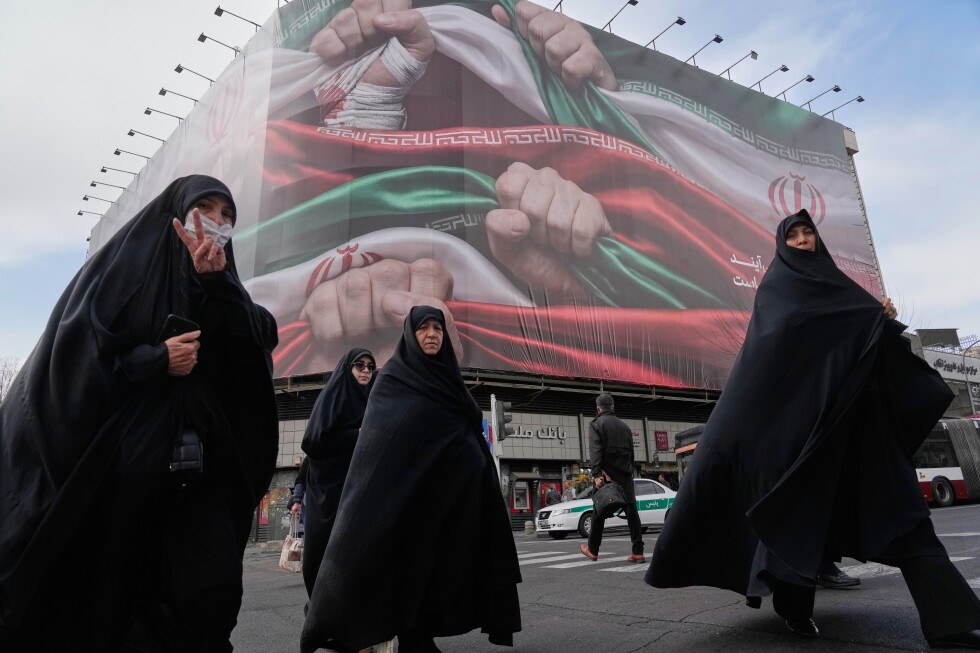
    DUBAI, United Arab Emirates — Iran has initiated a significant diplomatic escalation by summoning European Union ambassadors in Tehran to formally protest the bloc’s recent designation of Iran’s Revolutionary Guard as a terrorist organization. The move comes amid heightened regional tensions and the potential threat of U.S. military action in response to Iran’s crackdown on demonstrators and possible mass executions.

    Iranian Foreign Ministry spokesman Esmail Baghaei confirmed that ambassador summons began Sunday and continued through Monday, characterizing the EU’s decision as “illegal, unreasonable and very wrong.” Baghaei indicated that Iranian authorities are preparing reciprocal measures, with decisions expected in coming days.

    The EU’s designation last week specifically references the Revolutionary Guard’s role in suppressing nationwide protests in January that resulted in thousands of deaths and tens of thousands of detentions. This places the EU alongside the United States and Canada, which had previously classified the paramilitary force as terrorist entities.

    Concurrently, Iran’s parliament speaker declared that Tehran now considers all European Union militaries to be terrorist organizations, invoking a 2019 law that mandates reciprocal responses to such designations.

    The Revolutionary Guard, established during Iran’s 1979 Islamic Revolution as a protector of the clerical government, has evolved into a powerful parallel military force with substantial economic influence. Its expansion into private enterprise followed the Iran-Iraq war under Supreme Leader Ayatollah Ali Khamenei’s authorization.

    Evidence emerging via Starlink satellites and other means indicates the Guard’s Basij force played a central role in the violent suppression of protests, with footage showing armed personnel shooting and beating demonstrators during internet blackouts that isolated Iran’s 85 million citizens.

    Meanwhile, the Revolutionary Guard conducted naval exercises in the strategically critical Strait of Hormuz, through which twenty percent of globally traded oil passes. While Iran had notified shipping traffic of the drills, it hasn’t officially acknowledged their execution. The U.S. Central Command issued stern warnings against Iranian harassment of its warships and aircraft or interference with commercial vessel transit through the vital waterway.