博客

  • Police in Nigeria suspect suicide bombers in deaths of at least 23 people in Maiduguri

    Police in Nigeria suspect suicide bombers in deaths of at least 23 people in Maiduguri

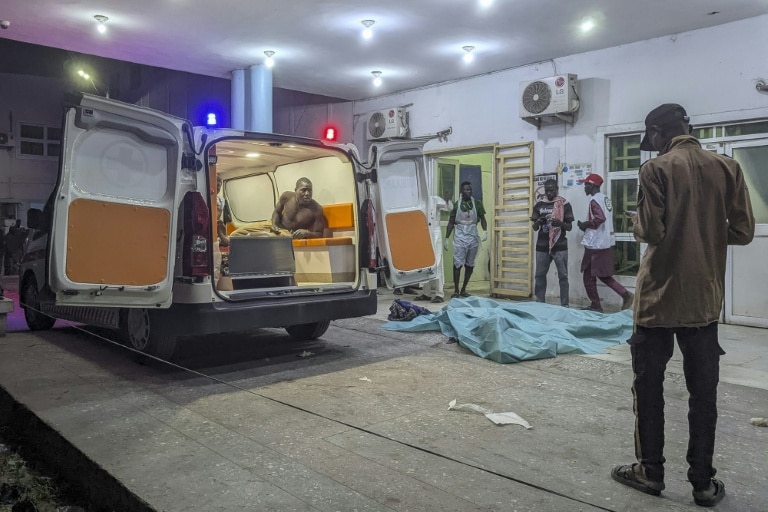
    MAIDUGURI, Nigeria — A series of coordinated suicide bombings ripped through northeastern Nigeria on Monday night, killing at least 23 people and wounding 108 others in one of the deadliest attacks to strike the conflict-ravaged city of Maiduguri in recent years.

    According to Borno state police spokesperson Nahum Kenneth Daso, the explosions targeted densely populated areas including a major marketplace and the entrance to the University of Maiduguri Teaching Hospital. The attacks occurred during peak evening hours when civilians were most vulnerable.

    While no militant organization has immediately claimed responsibility, suspicion has fallen upon the Boko Haram jihadist network and its splinter factions. The group initiated its violent insurgency in 2009 to impose its extreme interpretation of Islamic law across northeastern Nigeria.

    The bombings mark a significant escalation in violence against civilian targets in Maiduguri, which had experienced relative calm in recent years despite ongoing extremist activities in surrounding rural areas. Emergency services faced overwhelming casualties, with volunteers urgently appealing for blood donations to treat the wounded.

    This tragedy occurs amid a broader pattern of intensified assaults by extremist factions against Nigerian military installations. These attacks have resulted in the deaths of numerous senior officers and soldiers while systematically depleting armory stocks across the region.

    The Islamic State West Africa Province (ISWAP), a Boko Haram splinter group with ties to the Islamic State, has emerged as particularly potent threat. Analysts note the group’s evolving tactics and growing military capabilities pose significant challenges to regional security forces.
  • Gas on the line: will the Iran war squeeze India’s piped gas next?

    Gas on the line: will the Iran war squeeze India’s piped gas next?

    The escalating conflict in Iran has sent shockwaves through India’s energy sector, with attention now turning to the country’s rapidly expanding piped natural gas (PNG) infrastructure after initial disruptions to liquefied petroleum gas (LPG) markets. India’s extensive network delivering gas directly to homes and businesses represents a critical energy artery facing unprecedented geopolitical pressure.

    India’s natural gas ecosystem serves multiple sectors including fertilizer production, industrial operations, gas-fired power generation, and city gas networks that supply both PNG to households and compressed natural gas (CNG) to vehicles. The residential segment has emerged as the most dynamic growth area, with over 15 million active PNG connections expanding rapidly across urban centers as government policies encourage transition from traditional cylinders to piped gas.

    While industry experts assure continued supply for priority sectors, the underlying vulnerability of India’s gas infrastructure is becoming apparent. Approximately half of India’s PNG supply originates from domestic production by companies like ONGC and Reliance, with the remaining balance dependent on liquefied natural gas (LNG) imports. This import dependency creates significant exposure to global market disruptions.

    The geographical concentration of India’s LNG imports presents particular concern. More than 50% of imports flow through long-term contracts with Qatari suppliers, with additional volumes arriving from the United States, Australia, Russia, and African nations. Critically, approximately 55% of India’s total LNG imports must transit the Strait of Hormuz—the maritime chokepoint currently at the center of Middle East hostilities following US and Israeli attacks on Iran.

    Current shipping data indicates 13 LNG cargoes loaded between February 10-26 remain en route to Indian ports, with deliveries extending through March. However, exports from Qatar’s massive Ras Laffan LNG complex have been suspended since March 2, potentially making current shipments the last until safe passage through Hormuz is restored.

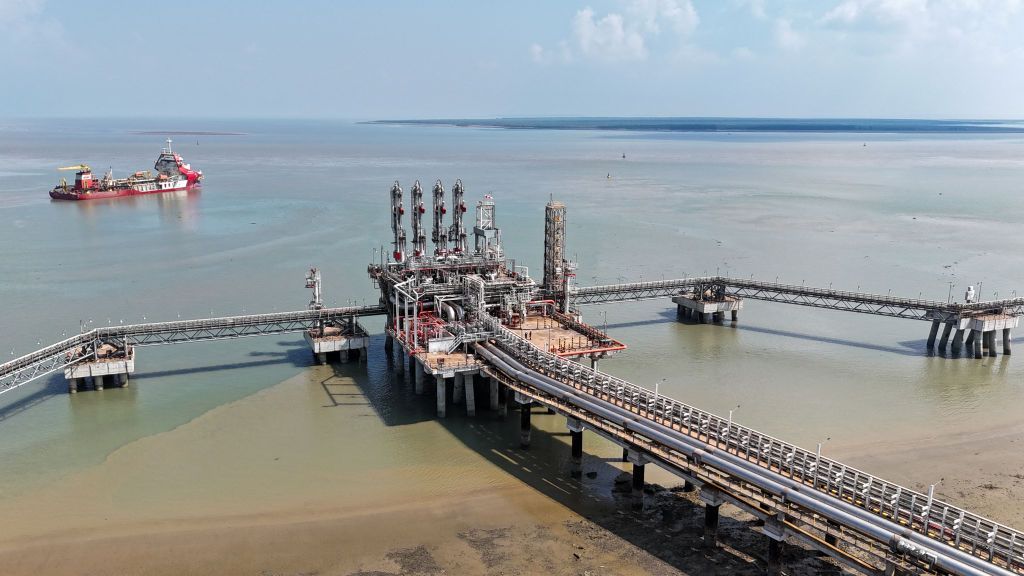
    India’s lack of strategic LNG reserves compounds the situation. Gas storage consists primarily of working inventory at regasification terminals including Dahej, Hazira, Kochi, and Ennore—facilities holding approximately one to two weeks of import coverage depending on operational schedules. This limited buffer system functions reliably under normal conditions but faces severe stress during supply disruptions.

    The immediate impact for Indian consumers will likely manifest through price inflation rather than supply interruption. Industrial and commercial customers already face government-mandated 20% supply reductions as gas is diverted to protect household and transportation sectors. If Hormuz disruptions persist, market adjustments will occur through elevated prices and suppressed industrial demand, ultimately affecting both households and factories through increased costs.

  • Nigeria suicide attacks kill 23, wound more than 100

    Nigeria suicide attacks kill 23, wound more than 100

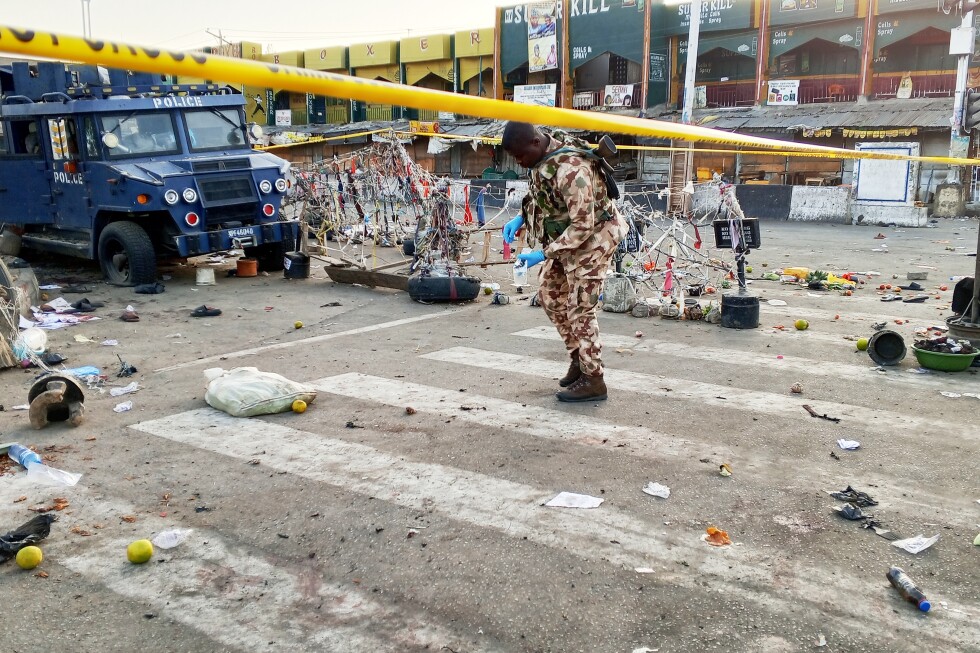
    A devastating series of coordinated suicide bombings has torn through the northeastern Nigerian city of Maiduguri, marking a grim escalation of violence in a region long plagued by jihadist insurgency. Local authorities confirmed that three separate explosions on Monday evening resulted in a tragic loss of at least 23 lives and left more than 108 individuals wounded with varying injuries.

    The assaults targeted critical civilian infrastructure, striking the city’s bustling main market, the entrance gate of the University of Maiduguri Teaching Hospital, and a crowded area near the Post Office flyover. The attacks occurred just one day after suspected jihadists launched a separate assault on a military outpost on the city’s outskirts, signaling a dangerous resurgence of violence in an area that had recently experienced a period of relative calm.

    Eyewitness Mala Mohammed, 31, described the chaotic scenes following the initial detonations. ‘After about two or three minutes, other people who were running along the road started shouting that it was a bomb at the market entrance,’ he recounted. ‘Unfortunately, as they were running towards Post Office, the person who had the explosive device ran into the crowd while people were still trying to escape.’

    The violence has been attributed to extremist groups Boko Haram and the Islamic State West Africa Province (ISWAP), whose 16-year campaign to establish an Islamist caliphate has already claimed over 40,000 lives and displaced approximately two million people across Nigeria’s northeast. Borno State Governor Babagana Zulum condemned the ‘barbaric’ attacks, suggesting they may be retaliation for intensified military operations against jihadist strongholds in the nearby Sambisa forest.

    Security forces have since restored order to the affected areas and implemented heightened surveillance measures throughout Maiduguri to prevent further bloodshed. The tragic events underscore the persistent threat posed by extremist factions despite governmental efforts to contain the insurgency and protect vulnerable civilian populations.

  • South Africa wins the toss, fields in the 2nd cricket T20 against New Zealand

    South Africa wins the toss, fields in the 2nd cricket T20 against New Zealand

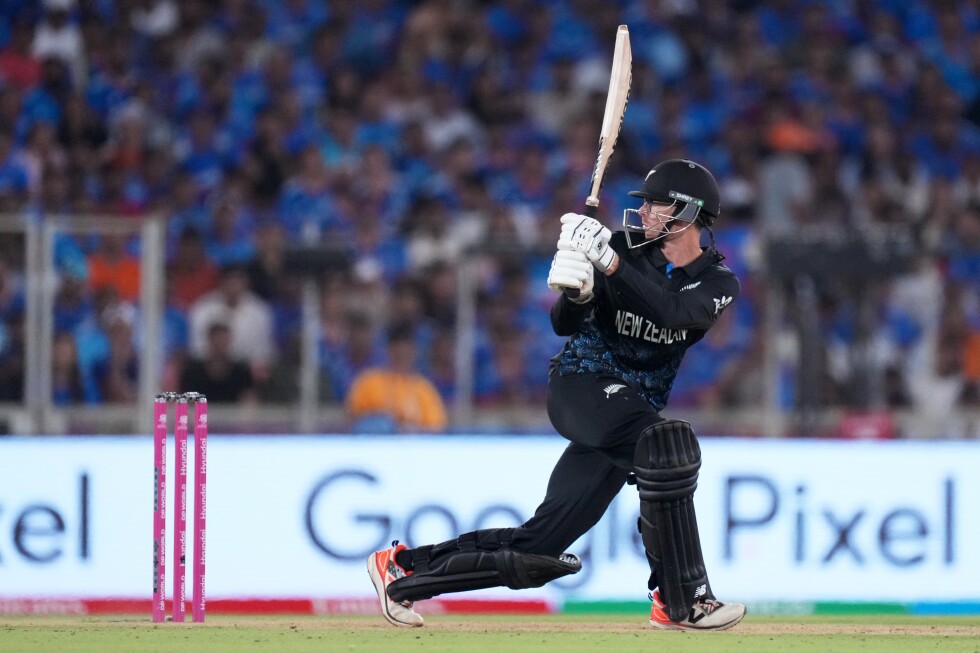
    HAMILTON, New Zealand — In a strategic move at Seddon Park, South Africa’s captain Keshav Maharaj won the toss and chose to field first in Tuesday’s second Twenty20 international against New Zealand. The decision comes as both teams implement tactical lineup changes following their series opener.

    The Proteas enter the match holding a 1-0 advantage in the five-game series after securing a convincing seven-wicket victory on the challenging batting surface at Mount Maunganui. This contest marks New Zealand’s first international appearance since their dramatic T20 World Cup campaign in India, where they eliminated South Africa in the semifinals before falling short in the championship final.

    South Africa has introduced allrounder Wiaan Mulder into their playing eleven, replacing Jordan Hermann as they seek to maintain their winning momentum. Meanwhile, the host team has made two forced adjustments: Josh Clarkson and pace bowler Lockie Ferguson join the lineup, substituting for the injured Bevon Jacobs and Zak Foulkes. Jacobs sustained a knee injury during fielding operations in the previous encounter.

    The team compositions feature New Zealand’s revised order: Devon Conway, Tom Latham, Tim Robinson, Nick Kelly, Josh Clarkson, Mitchell Santner (captain), James Neesham, Cole McConchie, Kyle Jamieson, Ben Sears, and Lockie Ferguson. South Africa’s lineup includes: Tony de Zorzi, Connor Esterhuizen, Rubin Hermann, Jason Smith, Dian Forrester, Wiaan Mulder, George Linde, Gerald Coetzee, Keshav Maharaj (captain), Nqobani Mokoena, and Ottneil Baartman.

  • Miners and banks lead ASX higher after surprise Reserve Bank rate division

    Miners and banks lead ASX higher after surprise Reserve Bank rate division

    Australia’s financial markets experienced a notable reversal on Tuesday as the ASX 200 snapped a three-day decline, climbing 30.90 points (0.36%) to close at 8,614.30. The broader All Ordinaries index followed suit, gaining 26 points (0.30%) to finish at 8,819.40. This upward movement occurred despite ongoing concerns about elevated fuel prices and a surprisingly divided Reserve Bank of Australia regarding monetary policy.

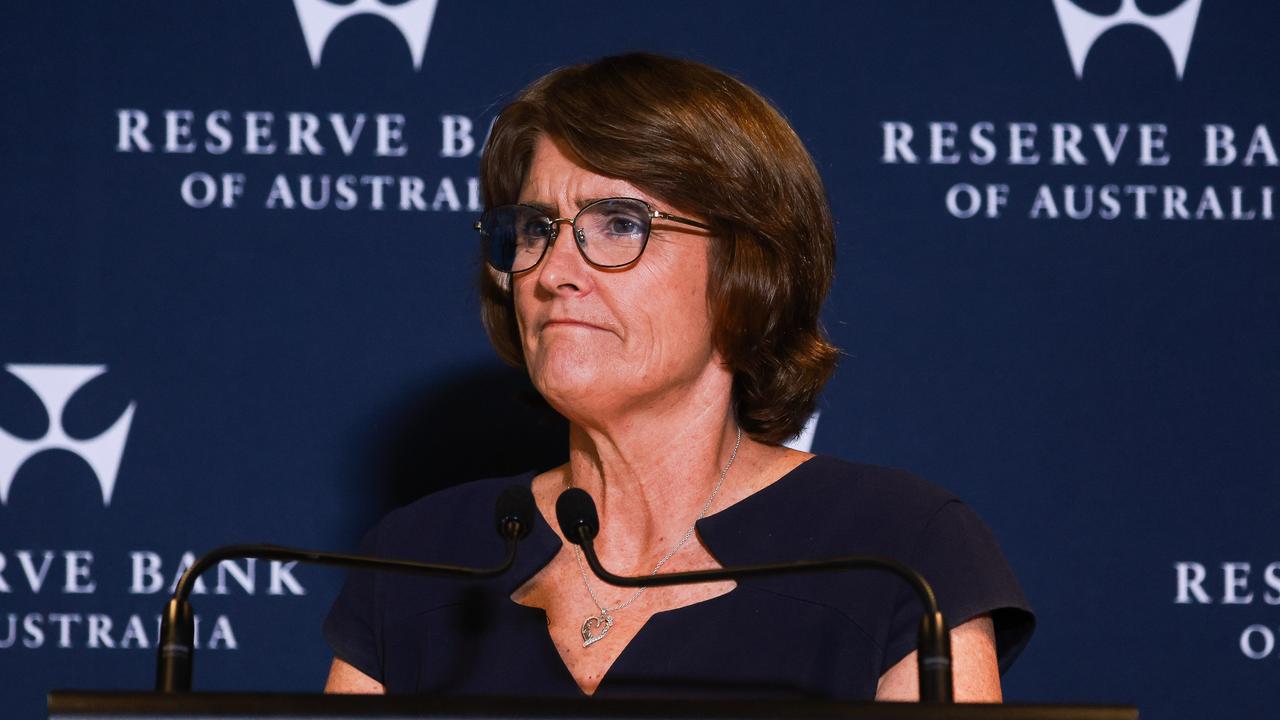
    The central bank’s governing board revealed a rare 5-4 split decision in favor of implementing a 25 basis point rate hike, bringing the cash rate to 4.10%. This division among policymakers actually reassured traders, according to market analysts, who interpreted the disagreement as signaling potential caution in future rate increases.

    IG market analyst Tony Sycamore commented: ‘The split vote acts as a powerful counterweight to the rate hike itself. The fact that four board members voted to hold suggests the next rate hike may not come until the second half of the year, indicating significant discomfort within the Board regarding current monetary tightening.’

    Financial institutions emerged as primary beneficiaries of the trading session, with all four major banks recording gains. Westpac led the surge with a 1.39% increase to $41.49, followed by National Australian Bank (0.85% to $47.46), Commonwealth Bank (0.34% to $176.12), and ANZ (0.21% to $37.53).

    The materials sector also demonstrated strength despite energy sector weaknesses, with BHP advancing 1.10% to $49.73 and Fortescue Metals climbing 1.32% to $19.95. Meanwhile, Brent crude prices rose 2.7% to approximately $102.91 per barrel as Middle East conflicts continued disrupting global oil supplies.

    Notable corporate movements included Pepper Money’s dramatic 14.9% plunge to $1.79 after Challenger reduced its takeover offer from $2.60 to $2.25 per share. Conversely, Pantoro Gold emerged as the ASX 200’s top performer with a 12.02% surge to $3.82.

    Economists highlighted the complex interplay between international factors and domestic inflation challenges. Commonwealth Bank’s head of Australian economics, Belinda Allen, noted: ‘While Middle East tensions contribute to fuel price increases, ultimately domestic inflation remains too high. Demand growth must slow to restore economic balance and ensure inflation returns to target levels.’

  • Arsenal trial and self-doubt: Valverde’s journey to Real legend

    Arsenal trial and self-doubt: Valverde’s journey to Real legend

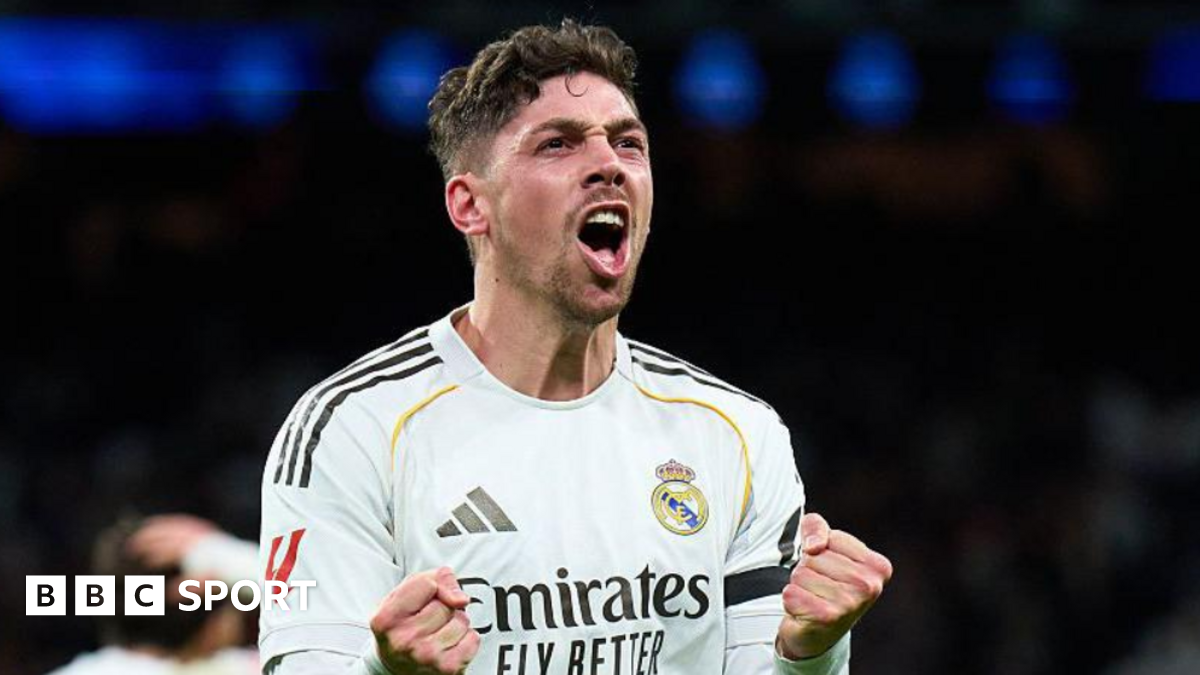
    Federico Valverde has dramatically transformed from Real Madrid’s perpetual workhorse into the club’s headline-making sensation with a spectacular hat-trick against Manchester City in the Champions League last-16 first leg. The Uruguayan midfielder’s stunning performance at Bernabeu left the English giants facing a daunting 3-0 deficit ahead of Tuesday’s decisive second leg at Etihad Stadium.

    This remarkable treble—Valverde’s first for either Real Madrid or Uruguay—culminated in an emotional celebration where the 27-year-old presented the match ball to his young son Bautista in the stadium parking lot, creating a lifelong memory with his wife Mina Bonino and their children.

    Valverde’s journey to this pinnacle moment has been anything but straightforward. His path began in Montevideo’s La Union neighborhood, where financial constraints meant his first football boots were second-hand, meticulously repaired to extend their use. His father worked as a casino security guard while his mother cleaned houses and sold clothes to support the family.

    The midfielder’s professional trajectory nearly took a different turn when, at 16, he spent a week training with Arsenal’s first team. Despite assistance from then-goalkeeper Emiliano Martínez with translation and acclimation, the Premier League club ultimately passed on the opportunity. Instead, Real Madrid scouts approached him during the South American Under-17 Championship in Paraguay, setting in motion his eventual move to Spain.

    Valverde’s early days at Real Madrid presented cultural and psychological challenges. He experienced imposter syndrome when confronted with the luxury items of his Castilla teammates, later admitting, “That’s when I realized that here I was nobody.” A crucial loan spell at Deportivo La Coruña helped him develop both personally and professionally, teaching him to cope with criticism and live independently.

    The Uruguayan has faced numerous setbacks throughout his career, including being omitted from Uruguay’s 2018 World Cup squad—a disappointment that left him feeling he had failed his family and supporters. Even after establishing himself at Real Madrid, he struggled with self-doubt until his partner Mina Bonino and mental coaches helped him rediscover his childhood joy for the game.

    Valverde’s career nearly encountered another tragedy when doctors warned during his wife’s second pregnancy that their baby might not survive. After weeks of emotional turmoil, their son Bautista was eventually born healthy in June 2023.

    Under manager Alvaro Arbeloa’s guidance, Valverde has been restored to his natural midfield position after occasionally being deployed at right-back—a role he publicly expressed frustration with. Arbeloa has described Valverde as the spiritual embodiment of Real Madrid, comparing him to club legend Juanito and cementing his status among the club’s most revered figures.

    With nearly 300 appearances and 11 major trophies—including two Champions League titles—Valverde has solidified his legacy as one of Real Madrid’s most complete midfielders, combining relentless work ethic with increasingly decisive offensive contributions.

  • Family of alleged Bondi gunmen have received death threats, court hears

    Family of alleged Bondi gunmen have received death threats, court hears

    A Sydney courtroom became the stage for a poignant legal battle on Tuesday as legal representatives for Naveed Akram, the alleged perpetrator of December’s Bondi attack, pleaded for identity protection for his immediate family members. The 24-year-old defendant, currently detained in a high-security facility, faces 59 criminal charges related to the violent incident at a Jewish festival that claimed 15 lives—an event authorities have classified as Australia’s most devastating terrorist attack.

    Defense counsel Richard Wilson articulated before the Downing Centre Local Court that while public outrage over the tragedy was thoroughly understandable, Akram’s mother, brother, and sister had no conceivable involvement in the December assault. Wilson emphasized that the family exists in a state of perpetual terror, fearing retaliatory violence from vigilantes should their identities remain publicly accessible.

    Detailed testimonies submitted to the judicial body revealed disturbing patterns of harassment against the family. Their residence has become a target for hostile demonstrations, including verbal abuse shouted from passing vehicles, nocturnal visits from unidentified groups, and projectiles such as eggs and pork chops hurled at their home. The family’s digital communications have been inundated with menacing texts and phone calls, including one particularly chilling inquiry asking Akram’s mother whether she remained alive.

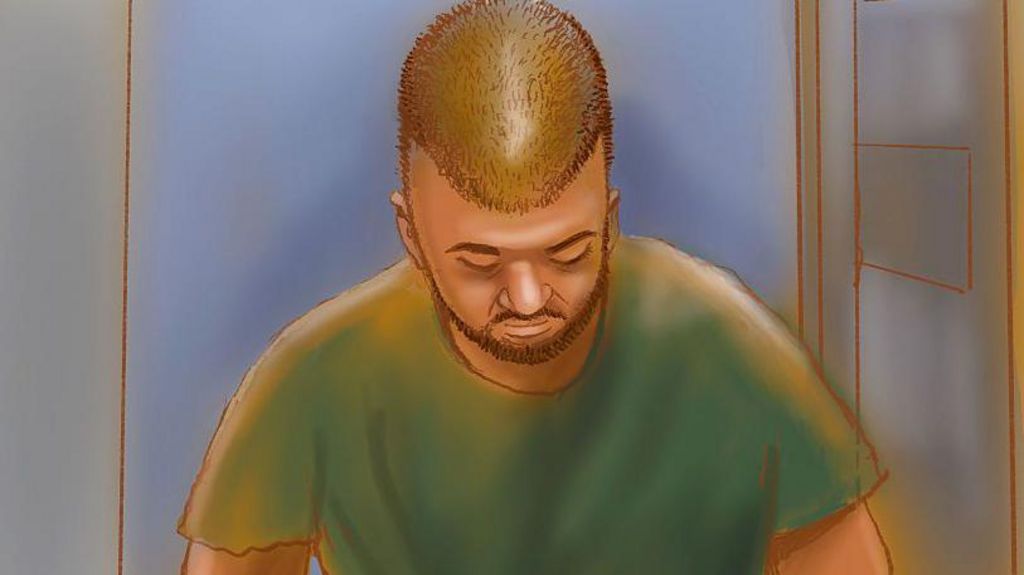
    During the proceedings, Akram participated via video link from prison, maintaining a subdued posture with his head lowered and only speaking to acknowledge his ability to hear the arguments. The hearing addressed a temporary suppression order granted the previous week, which Magistrate Daniel Reiss is now evaluating for permanent implementation despite acknowledging that the mother’s identity had already achieved widespread circulation.

    Media conglomerates including News Corp Australia, the Australian Broadcasting Corporation, and Guardian Australia have collectively contested the suppression petition. Legal representative Matthew Lewis argued that concealment would prove functionally ineffective given the existing public knowledge, characterizing the situation as having ‘the cat well and truly out of the bag.’ Lewis further contended that the frequency of threatening incidents had diminished over time and noted the absence of evidence indicating immediate danger to the family.

    The media coalition stressed the fundamental importance of judicial transparency, asserting that open proceedings facilitate communal healing and understanding following traumatic national events. The court is expected to reach a definitive decision regarding the suppression order on April 2.

  • Young Venezuelans voice hope and frustration as post-Maduro future unfolds

    Young Venezuelans voice hope and frustration as post-Maduro future unfolds

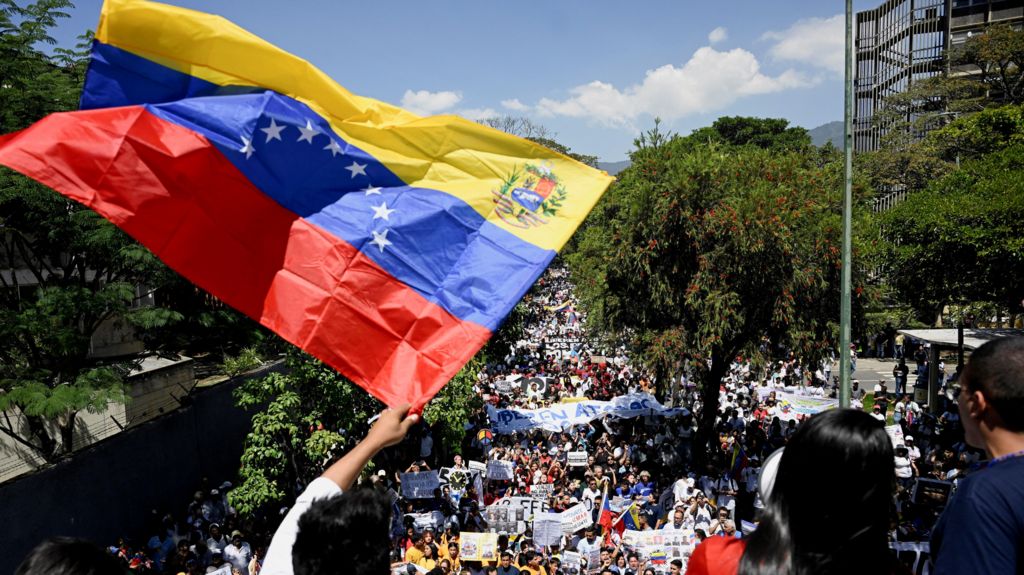
    Caracas presents a paradoxical landscape two months after the dramatic U.S. military operation that resulted in the capture of former President Nicolás Maduro. While government propaganda dominates public spaces with wanted posters for opposition figure Edmundo González and billboards demanding Maduro’s return, beneath the surface lies a complex tapestry of fear, coercion, and cautious optimism.

    At official government rallies, thousands gather wearing Maduro’s image and chanting loyalist slogans. “We have a constitutional president until his term expires who right now is a victim, a prisoner of war Venezuela didn’t start,” declared young protester Alí Rodríguez in conversations with BBC correspondents.

    However, multiple public employees speaking under condition of anonymity reveal a different reality. A 22-year-old worker stated bluntly: “It’s false. It’s all a lie.” Elena (pseudonym), another government employee, detailed how thousands of public workers are compelled to attend pro-government demonstrations under threat of punishment. She reported receiving a $150 bonus atop her meager $120 monthly salary for attendance, while colleagues who skipped the rally faced financial penalties.

    The political transition has seen former Vice-President Delcy Rodríguez assume power, establishing surprisingly cooperative relations with Washington. The U.S. State Department has described the new relationship as “wonderful,” citing prisoner releases and new energy agreements. Yet many Venezuelans remain skeptical that meaningful change has occurred beyond Maduro’s removal.

    Elena emphasizes that true reform requires removing powerful figures like Interior Minister Diosdado Cabello and Defense Minister Vladimir Padrino López, whom she identifies as key representatives of state terror. She references the continued operation of armed paramilitaries known as “colectivos” used to intimidate opposition voices.

    The economic desperation remains acute. Ana, a 25-year-old teacher from Maracaibo earning $250 monthly, has decided to emigrate to Spain. “I want to earn money and live somewhere that actually has electricity,” she explained, recalling extended blackouts and witnessing people looting shops during power outages.

    At the Central University of Venezuela, students have launched the “Save Venezuela” movement with pragmatic demands for economic and educational reform. Samuel Arias, 26, highlights the absurdity of energy shortages in a country with the world’s largest oil reserves: “I was without power for six hours yesterday. It paralyses the economy.”

    While most young Venezuelans crave change, divisions persist regarding acceptable paths forward. Some oppose the principle of U.S. intervention despite acknowledging its role in achieving freedom. Twins Daya and Dana, 25, express concern that new American oil and mining deals may not benefit ordinary citizens, warning against foreign military actions against sovereign states.

    The political landscape remains fragmented, with some favoring opposition leader María Corina Machado while others prefer center-left alternatives like recently freed politician Enrique Márquez. Throughout these divisions runs a common thread: a generation that has never experienced true democracy or free expression.

    As Elena, still afraid to speak publicly, reflected when asked about democracy: “I imagine it as a dream.”

  • Kabul drug rehab clinic in ruins after Pakistan strikes on Afghanistan

    Kabul drug rehab clinic in ruins after Pakistan strikes on Afghanistan

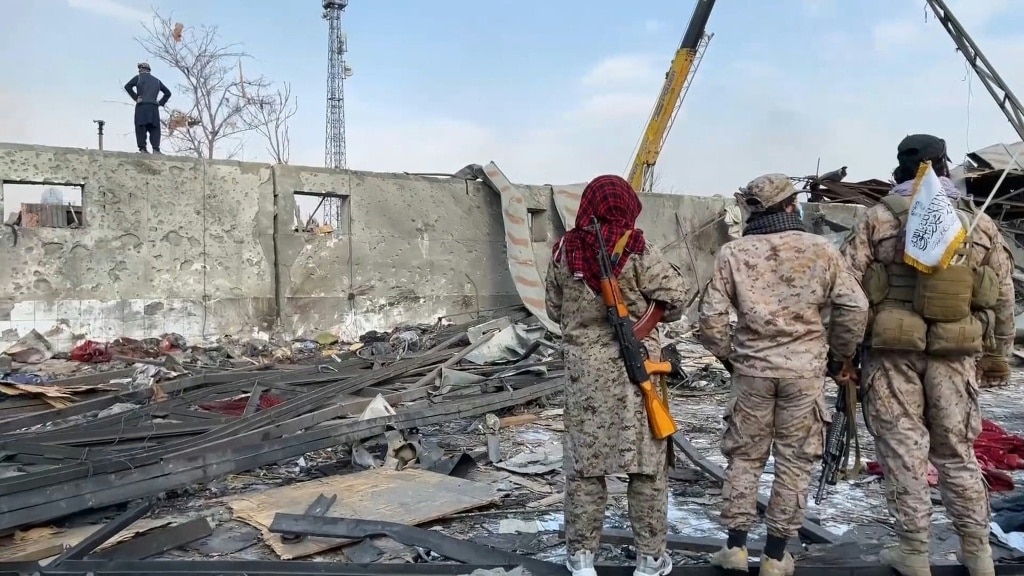
    A major humanitarian crisis is unfolding in Kabul following a devastating Pakistani airstrike that obliterated a drug rehabilitation center on Monday night. Rescue teams continue to sift through smoldering debris in a desperate search for survivors, with Taliban authorities reporting a death toll potentially numbering in the hundreds.

    AFP correspondents at the scene documented at least thirty bodies extracted from the ruins, while medical personnel scrambled to treat dozens of wounded civilians. The facility, which housed approximately 3,000 patients from across Afghanistan, was reduced to blackened wreckage containing chairs, blankets, and fragments of hospital beds amidst human remains.

    The incident has sparked frantic scenes as distraught families gathered outside the destroyed clinic seeking information about missing relatives. Baryalai Amiri, a 38-year-old mechanic searching for his brother who had been admitted 25 days earlier, expressed his anguish: “We are not given the proper information. So far, we don’t know where he is.”

    This tragedy represents a significant escalation in the ongoing border conflict between Afghanistan and Pakistan. Islamabad maintains that its operations specifically target “military installations and terrorist support infrastructure” with precision, denying allegations of striking civilian facilities. Conversely, the Taliban government rejects Pakistan’s accusations that Afghanistan harbors Islamist extremists responsible for cross-border attacks.

    The international community has expressed grave concern. UN Special Rapporteur Richard Bennett voiced dismay at reports of civilian casualties and urged immediate de-escalation, emphasizing the protection of civilians and civilian infrastructure under international law. China confirmed its special envoy has spent the past week mediating between the parties, while regional experts warn that conflict resolution appears increasingly unlikely as both sides demonstrate determination to continue military engagements.

  • Gold Coast Suns challenged by coach to stop being ‘good’ and become ‘great’

    Gold Coast Suns challenged by coach to stop being ‘good’ and become ‘great’

    Despite opening their AFL campaign with two commanding victories, the Gold Coast Suns are refusing to settle for mere adequacy as they pursue true greatness under coach Damien Hardwick.

    The team has electrified the early season with resounding home triumphs, dismantling Geelong by 56 points before delivering a 59-point demolition of West Coast. However, these substantial margins have failed to satisfy the coaching staff’s demanding standards.

    Attention now turns to Saturday’s MCG encounter against Richmond, where the Suns aim to address concerning elements from their recent performance. While establishing a formidable 62-point halftime advantage against West Coast, the team experienced a noticeable second-half dip that drew internal criticism.

    Wingman Sam Clohesy articulated the team’s philosophy, emphasizing their obligation to uphold certain standards when wearing the club jersey. “We probably did let it off a little bit against the Eagles,” Clohesy acknowledged. “It’s about maintaining intensity and making other teams genuinely concerned about facing us.”

    The playing group embraces Hardwick’s mantra that “being good stops you from being great”—a principle driving their pursuit of continuous improvement despite double-digit victory margins. Clohesy identified the second-half performance against West Coast as particularly needing refinement, noting opponents elevated their intensity while the Suns failed to match this escalation adequately.

    Internal competition provides additional motivation, with no player afforded complacency due to emerging talent and returning stars. The imminent return of Brownlow medallist Matt Rowell and defender Charlie Ballard, combined with exceptional performers in reserve grades, creates selection pressure that elevates training standards and on-field performance.

    This environment fosters collective elevation, with players understanding their positions remain constantly under threat. The club’s depth and competition have generated palpable excitement about their long-term prospects, with players convinced they possess the foundation for sustained success in coming seasons.