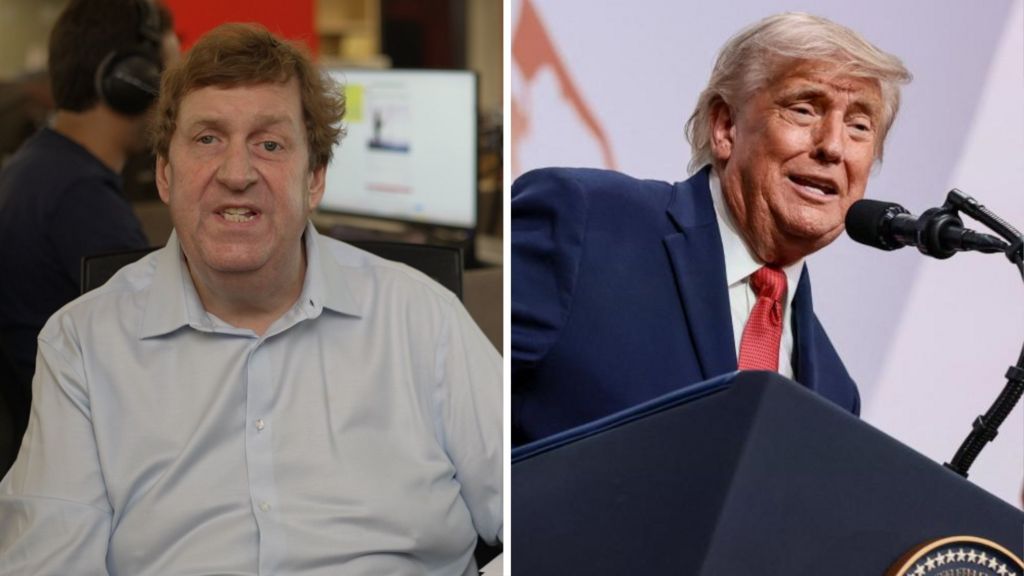
After weeks of behind-the-scenes diplomatic negotiation, the United States and Iran have finalized a 14-paragraph memorandum of understanding, a landmark step that has drawn close global attention from policymakers and regional analysts alike. In a detailed breakdown of the agreement, veteran BBC diplomatic correspondent Gary O’Donoghue has distilled the text into three central takeaways that frame the document’s broader significance for bilateral relations and Middle Eastern geopolitics.
The first core takeaway centers on the limited, pragmatic scope of the memorandum. Unlike sweeping, comprehensive nuclear deals of years past, this agreement does not attempt to resolve the decades-long rift between Washington and Tehran in one sweeping negotiation. Instead, it focuses on discrete, low-stakes areas where both sides share overlapping immediate interests—creating a narrow but stable foundation for incremental dialogue that avoids the overambition that doomed previous diplomatic efforts.
Second, the memorandum reflects a subtle shift in both sides’ negotiating positions. For the United States, the agreement signals a willingness to engage directly with Iran outside of the rigid multilateral frameworks that have structured most talks over the past decade, a move that underscores Washington’s desire for more flexible, tailored diplomacy in the region. For Iran, the memorandum opens a new channel for direct engagement that could ease some of the most pressing economic pressures on the country, while preserving its core strategic priorities in regional security and nuclear development.
The third and final takeaway addresses the high level of uncertainty surrounding the agreement’s long-term impact. Domestic political opposition on both sides remains fierce, with hardline factions in both Washington and Tehran already pushing to derail further progress. Even with the memorandum in place, the path from a limited understanding to broader, more durable cooperation remains steep, with decades of mistrust and competing regional interests continuing to hamper meaningful rapprochement.
As regional powers and global powers watch closely, O’Donoghue’s breakdown makes clear that this 14-paragraph document is less a final solution to the US-Iran conflict than a small, fragile opening for future engagement. Its success will depend entirely on whether both sides can build on the small areas of agreement laid out in the text, and overcome the deep political divides that have kept the two nations at odds for more than four decades.