博客

  • 3 seasons in, PWHL set to enjoy international coming-out party during Milan Cortina Games

    3 seasons in, PWHL set to enjoy international coming-out party during Milan Cortina Games

    The landscape of women’s professional hockey has undergone a revolutionary transformation since Kendall Coyne Schofield’s emotional plea for greater visibility following the 2022 Beijing Winter Games. What was once considered a distant dream has materialized into the Professional Women’s Hockey League (PWHL), which now stands poised for its international showcase at the Milan Cortina Games.

    Four years after her tearful declaration that ‘the status quo is not good enough,’ Coyne Schofield’s vision has been validated through the PWHL’s successful launch in 2023. The league, financially backed by Los Angeles Dodgers owner Mark Walter, represents the first truly professional platform for female hockey players, distinguishing itself from previous iterations where athletes often played without salary or proper recognition.

    The Olympic tournament serves as a strategic launching point for the eight-team league, which features 61 PWHL players distributed across ten competing nations—notably comprising the majority of both Team USA and Team Canada rosters. The league is capitalizing on this global stage through extensive advertising campaigns aimed at converting casual Olympic viewers into dedicated PWHL followers.

    Hockey Hall of Famer Jayna Hefford, now PWHL executive vice president, emphasizes the critical opportunity: ‘Previous years, everybody falls in love with the Olympics. They hear stories about players, we have huge viewership numbers, and then it’s sort of like ‘What now?”

    The league’s growth metrics demonstrate remarkable progress: attendance has surpassed 500,000 fans nearing the midpoint of its third season, following the milestone of one million attendees achieved in under two seasons. Expansion plans include adding up to four new teams next season, with potential future establishment of European franchises.

    Despite these achievements, challenges persist. The PWHL lacks a national broadcaster in the United States, though games are available through local markets and YouTube. Additionally, international representation remains limited, with only 25 of the league’s 200-plus players hailing from outside North America. League executives acknowledge this gap and are actively pursuing global growth through potential exhibition games in Europe and enhanced scouting efforts.

    Veteran Swiss national team player Alina Muller, now with the Boston Fleet, believes the league’s stability will gradually attract more international talent: ‘Now being able to watch our games and think, ‘Yeah, I want to end up playing professionally,’ will change the attitude toward the sport completely.’

    The Milan Cortina Games thus represent not just another tournament, but a pivotal moment in women’s hockey history—the culmination of years of advocacy and the beginning of a new era of professional opportunities for female athletes worldwide.
  • ‘Technical issues’ delay Gaza committee’s entry via Rafah crossing: official

    ‘Technical issues’ delay Gaza committee’s entry via Rafah crossing: official

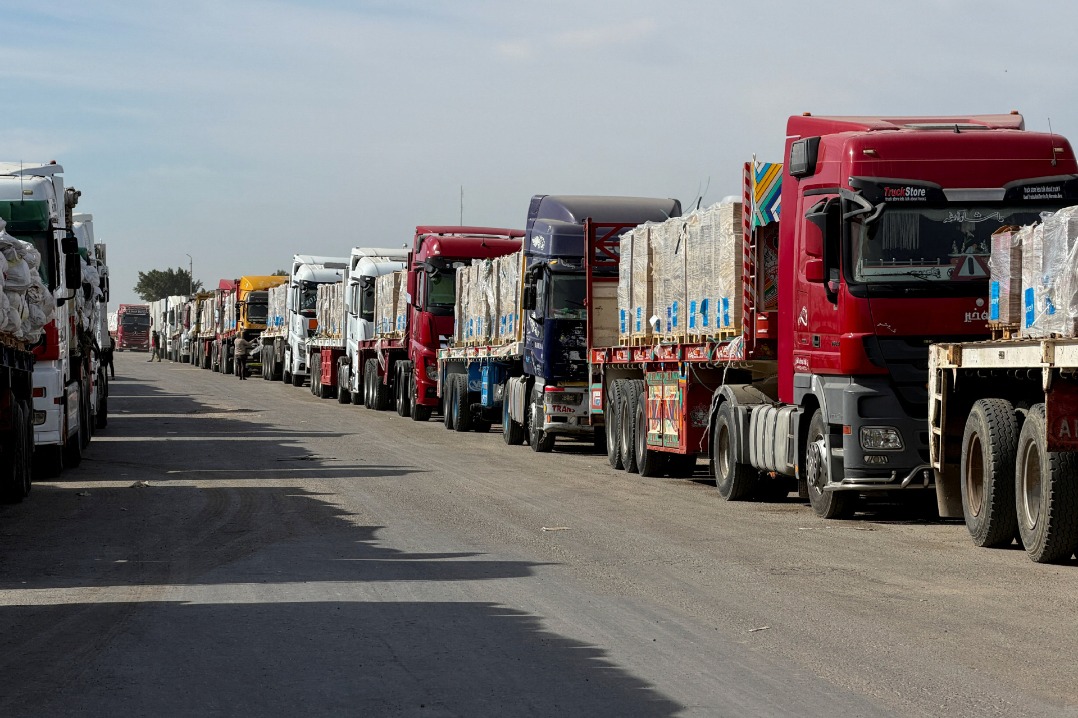
    The newly established National Committee for the Administration of Gaza faces unexpected delays in entering the Gaza Strip due to unresolved technical complications at the Rafah border crossing. Committee member Aed Yaghi confirmed from Cairo that unspecified ‘technical problems and obstacles’ have prevented the 15-member governing body from crossing into Gaza as originally planned on Monday.

    The administrative committee, formed to oversee governance transition in Gaza, continues to face operational challenges beyond border access issues. An anonymous committee member revealed the organization currently lacks both a physical headquarters and operational funding, though arrangements are underway to secure rental facilities in Gaza City shortly.

    Upon eventual entry, committee representatives plan immediate coordination meetings with Palestinian factions and government institutions to facilitate the transfer of ministerial responsibilities and administrative offices. This transitional process marks a critical phase in establishing functional governance structures within the territory.

    In parallel developments, Palestinian security officials indicate approximately 50 medical patients are scheduled to return to Gaza through the Rafah crossing on Monday. However, officials note that departure procedures for individuals seeking to leave Gaza remain undefined and inconsistent.

    The Rafah border crossing resumed partial operations on Sunday on experimental basis following an extensive 18-month closure, raising hopes for improved humanitarian access despite ongoing administrative complications.

  • UAE residents can now see air taxis up close near Dubai Mall

    UAE residents can now see air taxis up close near Dubai Mall

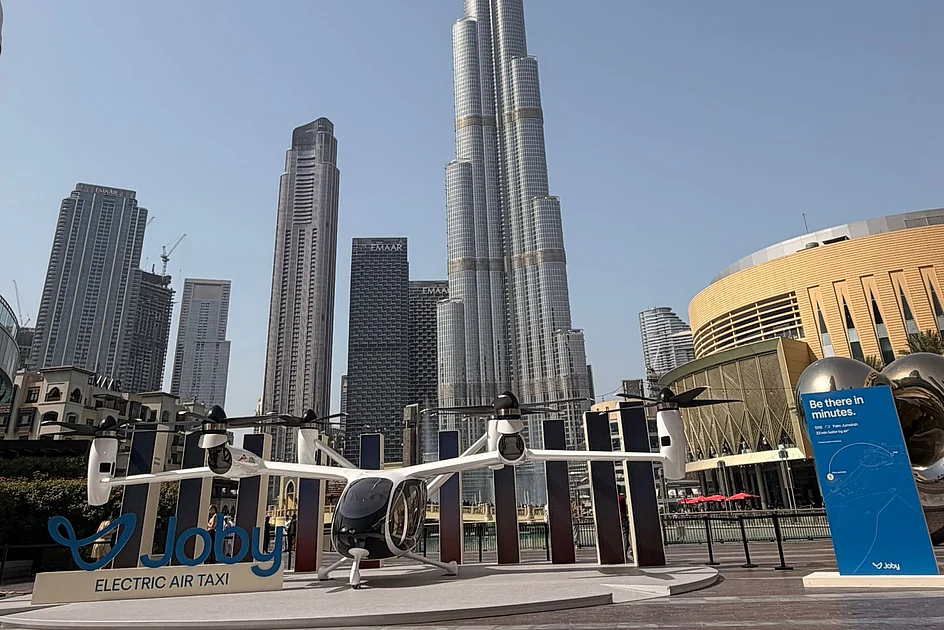
    Dubai has taken a significant step toward revolutionizing urban transportation by publicly displaying Joby Aviation’s electric air taxi near Dubai Mall. This exhibition allows residents and visitors to interact directly with the futuristic aircraft, marking a pivotal moment in the city’s advanced air mobility preparations.

    The eVTOL (electric vertical takeoff and landing) aircraft represents a new category of urban transport that combines helicopter-like vertical takeoff capabilities with airplane efficiency for forward flight. Featuring six tilting electric propellers, the vehicle operates with dramatically reduced noise levels—reportedly inaudible when flying at standard operational altitudes of approximately 1,000 feet.

    Joby Aviation’s UAE Flight Operations Manager Lorcan Lynch emphasized the importance of public engagement: “This initiative enables people to see, touch, and comprehend the forthcoming transportation revolution. We aim to foster familiarity before passengers ever book their inaugural flight.”

    The comprehensive urban air mobility network will initially connect four strategic vertiports across Dubai: Dubai International Airport (reportedly near completion), Palm Jumeirah, Dubai Marina near the American University, and Downtown Dubai. The Downtown vertiport will be strategically positioned atop a dedicated parking structure, optimizing urban space utilization.

    This public demonstration follows the successful completion of the UAE’s first eVTOL test flight in November 2025, a 17-minute journey that would typically require 50 minutes by conventional road transportation. Authorities have confirmed that pricing structures will align with public transportation affordability objectives as the service progresses toward commercial implementation.

  • McKenzie clarifies claim South Africa will host Wafcon 2026

    McKenzie clarifies claim South Africa will host Wafcon 2026

    South Africa’s Sports Minister Gayton McKenzie has clarified that no official decision has been made regarding the relocation of the 2026 Women’s Africa Cup of Nations (WAFCON) from Morocco, despite his deputy’s premature announcement that the country would host the tournament. The clarification came after Deputy Minister Peace Mabe publicly declared at an awards ceremony on Sunday that South Africa would step in as hosts following Morocco’s apparent withdrawal. Mabe later told SABC Sport: “When Morocco said ‘We are not able to host’, South Africa, we said ‘Yes, we are available’. We are going to take it.” However, Minister McKenzie emphasized that Morocco remains the officially designated host for the 2026 tournament, stating that Mabe’s remarks “do not constitute a formal confirmation or assumption of hosting responsibilities.” He noted that the Confederation of African Football (CAF) has not yet initiated any alternative hosting process, though South Africa has expressed willingness to support CAF if alternative arrangements become necessary. The potential hosting change comes as Morocco has invested significantly in football infrastructure while preparing to co-host the 2030 FIFA World Cup. The North African nation has been a crucial supporter of women’s football in recent years, with few other countries expressing interest in hosting WAFCON due to its significantly smaller supporter base compared to the men’s Africa Cup of Nations. With just 43 days remaining until the expanded 16-team tournament kicks off on March 17, South Africa would face substantial logistical challenges despite having 13 CAF-approved stadiums available.

  • Tariffs, rising debt expected to sow ‘mess’, ‘chaos’ in US

    Tariffs, rising debt expected to sow ‘mess’, ‘chaos’ in US

    A gathering of prominent US economic experts at the Brookings Institution has delivered a sobering assessment of America’s current trade and fiscal policies, warning that recent measures will inevitably yield long-term economic disruption despite demonstrating surprising short-term resilience.

    The panel discussion, titled “One Year of ‘America First’ Trade Policy: What Did We Learn, and What Comes Next?”, examined the paradoxical performance of an economy that continues expanding slowly despite implementing policies that mainstream economists would traditionally predict would trigger stagnation or collapse.

    Ben Harris, Vice-President and Director of Economic Studies at Brookings, identified four unprecedented policy shocks implemented throughout the past year: tariff rates skyrocketing from 2.4% to 28% on average; net immigration plunging to near zero or negative levels; trillions in new debt accumulated outside recession or wartime conditions; and erosion of Federal Reserve independence through White House pressure and investigations.

    Harris proposed several theories explaining the economy’s unexpected endurance, including possible overstatement of shock impacts due to evasion and muted retaliation, offsetting stimuli from emerging technologies like AI investment, potential flaws in traditional economic models regarding short-term predictions, and the simple reality that full effects require time to materialize.

    Former White House official Nora Todd detailed how corporations have implemented sophisticated mitigation strategies, including absorbing tariff costs rather than passing them to consumers, stockpiling goods preemptively, and restructuring production chains to avoid tariffs entirely.

    Wendy Edelberg, Senior Fellow in Economic Studies, presented data showing tariffs have already elevated consumer prices by approximately half a percentage point, with further inflation anticipated. She emphasized that both imported goods and competing domestic products have become more expensive, disproportionately burdening low-income households and small businesses while ironically reducing manufacturing employment due to increased costs of imported inputs.

    Daniel H. Rosen, cofounder of Rhodium Group, highlighted the geopolitical consequences of current policies, noting that US allies are increasingly seeking alternative markets and strengthening economic ties with China. He advocated for a more nuanced trade approach that distinguishes between genuinely sensitive security concerns and the vast majority of economic exchange that presents no security threat.

    The consensus among experts indicates that while immediate catastrophic collapse has been avoided, the accumulated policies are creating structural vulnerabilities that will manifest as persistent inflation, supply chain fragmentation, eroded geopolitical trust, and ultimately significant economic disruption in the longer term.

  • Minnesota bid to thwart ICE crackdown blocked

    Minnesota bid to thwart ICE crackdown blocked

    A federal court has rejected Minnesota’s emergency motion to suspend a widespread Immigration and Customs Enforcement (ICE) operation within the state, a crackdown that has resulted in two civilian fatalities and triggered nationwide demonstrations. The ruling, delivered on Saturday by Judge Katherine Menendez, determined that the balance of harms did not conclusively justify an immediate injunction against the federal agency’s activities.

    Simultaneously, in a separate legal proceeding, U.S. District Judge Fred Biery issued a stern condemnation of the government’s tactics and mandated the release of a five-year-old boy and his father detained during the raids. Judge Biery characterized the operation as an ‘ill-conceived and incompetently-implemented government pursuit of daily deportation quotas, apparently even if it requires traumatizing children.’

    The controversial ‘Metro Surge’ operation, involving masked and heavily armed agents, has led to the detention of thousands of individuals across Minnesota communities. The aggressive tactics have ignited protests from coast to coast, with tens of thousands marching in Minnesota and demonstrations organized in Southern California by the grassroots ‘50501 movement’ as part of a national ‘ICE Out of Everywhere’ day of action.

    The backlash has extended internationally, with hundreds gathering in Milan, Italy, to protest the anticipated deployment of ICE agents during the upcoming Winter Olympics. Milan Mayor Giuseppe Sala has explicitly stated these agents are not welcome in the city.

    According to data from the German publication Tagesspiegel, ICE officers have been involved in 31 firearm incidents since last summer, with at least 32 individuals dying in custody. The agency currently detains approximately 70,000 people, representing what critics describe as the tip of the iceberg regarding law enforcement violence in the United States. Research from the University of Illinois Chicago indicates approximately 250,000 people are injured annually during law enforcement encounters due to misconduct, with over 600 dying in police custody.

  • Robotic sector shifts from prototypes to production

    Robotic sector shifts from prototypes to production

    Beijing has inaugurated a groundbreaking pilot manufacturing and validation facility specifically designed for humanoid robots, signaling a strategic shift from experimental prototyping to industrialized mass production. Operated by the Beijing Innovation Center of Humanoid Robotics, this first-of-its-kind facility represents a critical infrastructure development for China’s robotics sector.

    The newly commissioned platform spans approximately 9,700 square meters within Beijing’s Economic-Technological Development Area (E-town) and is equipped with 500 sets of specialized production and testing equipment. The facility boasts an annual pilot production capacity of up to 5,000 embodied humanoid robots, offering comprehensive services including prototyping, performance validation, process optimization, module assembly, and full robot integration.

    This initiative addresses significant bottlenecks that have hampered the global humanoid robotics industry’s transition from research and development to commercial implementation. According to Liu Yizhang, head of the pilot platform, the industry has struggled with inadequate pilot manufacturing readiness, inconsistent standardization protocols, and discontinuous data flow from development through scale-up phases.

    “Research institutions and startup ventures typically rely on costly, inefficient self-developed trial lines,” Liu explained. “The absence of standardized processes compromises quality consistency, while insufficient testing systems allow unresolved risks to persist before real-world deployment.”

    The digital infrastructure forms the core of Beijing’s innovative approach. The facility operates on a unified master data platform with an integrated digital operation system that connects information and logistics networks. This enables continuous data tracking from design through production to test feedback, significantly shortening iteration cycles between prototype validation and small-batch production.

    The platform’s establishment aligns with China’s broader industrial strategy. In November 2025, the Ministry of Industry and Information Technology identified humanoid robots as a priority sector requiring accelerated validation platform development. The Beijing government subsequently announced a tiered support system in January 2026, offering subsidies of up to 100 million yuan ($14.39 million) for newly established pilot facilities.

    The initiative already demonstrates tangible economic impact. According to the Beijing Municipal Bureau of Economy and Information Technology, the city’s robotics industry revenue grew by nearly 40% in the first half of 2025. Beijing additionally leads China in hosting specialized “little giant” enterprises within the robotics sector—small and medium-sized firms recognized for their innovation capabilities and market specialization.

    The center plans further expansion through national research and development projects, positioning Beijing at the forefront of global humanoid robotics manufacturing capabilities.

  • Tehran and Washington confirm dialogue

    Tehran and Washington confirm dialogue

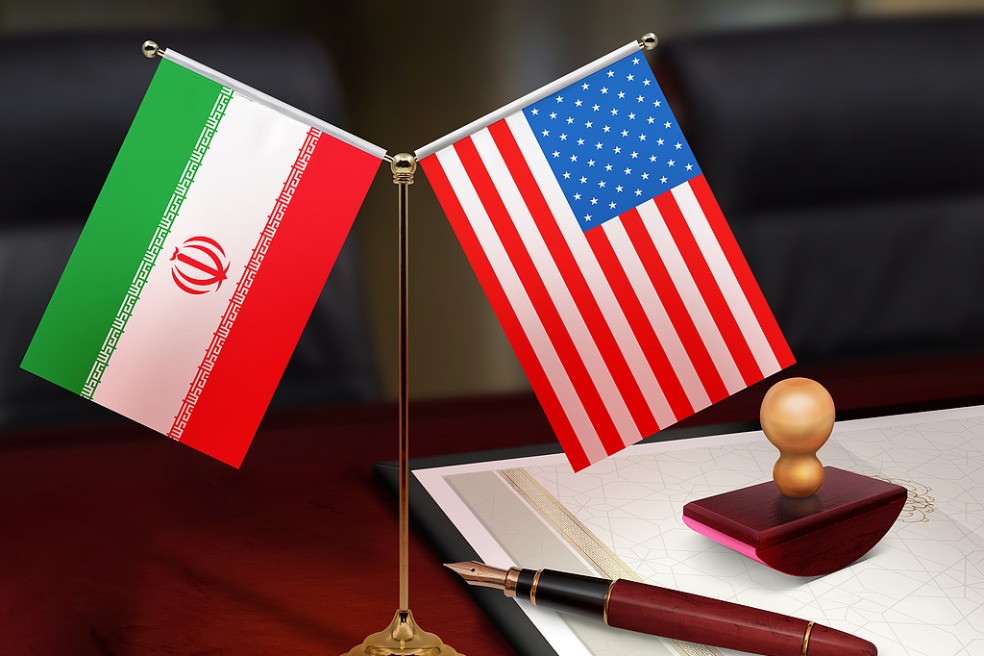
    Diplomatic channels between Tehran and Washington remain active despite escalating military threats, as both nations confirmed ongoing communications while maintaining their defensive postures. The complex situation reveals a delicate balance between negotiation efforts and military preparedness.

    Iran’s Supreme National Security Council head Ali Larijani reported significant advancements in establishing structural frameworks for bilateral talks, directly countering media narratives emphasizing conflict. “Contrary to the hype of the contrived media war, structural arrangements for negotiations are progressing,” Larijani stated, indicating behind-the-scenes diplomatic activity.

    The United States simultaneously acknowledges dialogue while demonstrating military capability. President Donald Trump confirmed the diplomatic engagement but emphasized American naval power moving toward the region, creating a dual-track approach of negotiation leverage and military deterrence.

    Iranian leadership maintains a consistent position against initiating hostilities while promising forceful response to any aggression. Supreme Leader Ali Khamenei asserted that Iran “would not start a war” but warned that any American offensive would trigger a regional conflict with consequences for U.S. assets and allies, particularly Israel.

    Army Chief Amir Hatami reinforced this stance, declaring Iranian forces at “full defensive and military readiness” and cautioning that any military miscalculation would endanger regional security and Israel’s stability. Hatami further emphasized that Iran’s nuclear expertise “cannot be eliminated” through military means.

    President Masoud Pezeshkian articulated Iran’s diplomatic philosophy during discussions with Egyptian counterpart Abdel Fattah El-Sisi, emphasizing “dignity-based diplomacy” and conflict resolution through engagement within international law frameworks. He noted that broader military confrontation would serve neither nation’s interests.

    The fundamental negotiation impasse persists regarding Iran’s nuclear and missile programs. Washington demands uranium enrichment restrictions, missile capability limitations, and proxy support rollbacks, while Tehran insists any discussions must exclude its defensive capabilities from the agenda.

  • Partial US government shutdown enters third day as funding standoff continues

    Partial US government shutdown enters third day as funding standoff continues

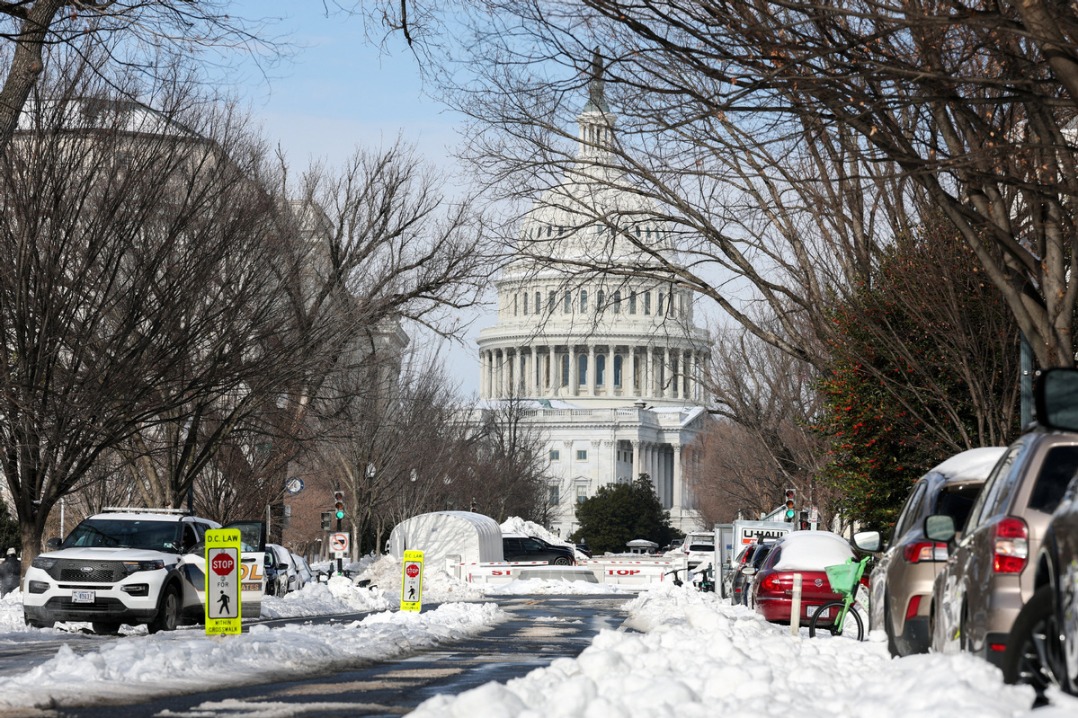
    The United States government entered its third day of a partial shutdown on Monday as legislative negotiations reached an impasse over Department of Homeland Security funding and immigration enforcement policies. The political deadlock persists despite the Senate’s approval last Thursday of a comprehensive spending package covering five key government sectors.

    Lawmakers face a critical juncture regarding Homeland Security funding after senators deliberately excluded full fiscal year appropriations for DHS from their initial legislative package. Instead, they implemented a temporary two-week funding measure specifically for the department, creating a limited window for resolving contentious immigration policy disagreements.

    The congressional stalemate centers on Democratic demands for substantial reforms to immigration enforcement protocols. These include mandatory body camera usage by agents during operations and prohibitions on facial coverings that obscure identification. The proposed changes gained urgency following recent fatal shootings of American citizens during immigration enforcement operations.

    While the Senate-approved legislation allocates full fiscal year funding through September 30, 2026 for defense, health, treasury, federal courts, and other agencies, its implementation remains pending House approval. The funding lapse technically began at midnight Saturday, though minimal immediate impact occurred due to weekend government service schedules.

    The House Rules Committee scheduled a Monday afternoon session to evaluate the legislative package, which must first overcome a procedural vote that Democrats reportedly plan to oppose. Representative Ro Khanna (D-CA) articulated progressive opposition, questioning the ethical implications of funding Immigration and Customs Enforcement without structural reforms.

    Republican leadership expressed confidence in resolving the impasse, with House Speaker Mike Johnson predicting legislative completion by Tuesday. However, practical challenges emerge from both political divisions and external factors, including winter weather complicating lawmaker travel and the Republican party’s narrow single-vote House majority.

    The funding debate occurs alongside widespread public demonstrations in Minneapolis protesting Operation Metro Surge, a Trump administration immigration initiative that has drawn criticism following recent enforcement-related fatalities. These events have intensified Democratic demands for revised ICE protocols including enhanced warrant requirements and transparency measures.

    The Department of Homeland Security’s extensive jurisdiction—spanning ICE, Customs and Border Protection, the Coast Guard, and Secret Service—has positioned it at the center of both budgetary discussions and national policy debates regarding immigration enforcement strategies and accountability mechanisms.

  • Epstein scandal widens as new name emerges

    Epstein scandal widens as new name emerges

    The ongoing release of documents from the Jeffrey Epstein case continues to trigger political repercussions across the globe, with a senior European official becoming the latest casualty. Miroslav Lajcak, a key advisor to Slovak Prime Minister Robert Fico and former foreign minister, resigned after his name surfaced 346 times in the latest document disclosure from the US Department of Justice.

    The resignation came as the Justice Department released over three million pages of Epstein-related materials, creating renewed scrutiny of the convicted sex offender’s connections to powerful figures worldwide. While the documents contain no allegations of Lajcak’s involvement in criminal activities, his extensive correspondence with Epstein proved politically untenable.

    Prime Minister Fico accepted the resignation reluctantly, lamenting what he called ‘hypocrisy from all directions’ and stating that Slovakia was ‘losing a source of experience in diplomacy and foreign policy.’ Lajcak maintained his innocence, stating he was ‘ready to confirm this claim by any and all means’ and emphasizing his condemnation of Epstein’s crimes. The diplomat explained his resignation as necessary to spare the prime minister from ‘political costs’ stemming from what he characterized as a deliberate attack on the government’s integrity.

    The document release has also intensified pressure on Britain’s Prince Andrew, with newly revealed images allegedly showing the royal kneeling over a woman lying on the ground. Simultaneously, a second woman has come forward claiming Epstein sent her to the UK for a sexual encounter with the prince in 2010, according to BBC reports. British Prime Minister Keir Starmer has now joined US congressional investigators in calling for the prince’s cooperation, stating that ‘anybody who has got information should be prepared to share that information.’

    The sprawling document trove also references other prominent figures, including Bill Gates, whose representative dismissed allegations as ‘absolutely absurd and completely false,’ and Elon Musk, whose email exchange with Epstein included inquiries about ‘the wildest party on your island.’ Musk acknowledged the correspondence could be ‘misinterpreted and used by detractors to smear my name’ but expressed indifference to such attempts.