博客

  • ‘City united after so long’: New Yorkers rejoice in Knicks’ championship parade

    ‘City united after so long’: New Yorkers rejoice in Knicks’ championship parade

    After more than half a century of disappointment, New York City erupted in unbridled joy on Thursday as tens of thousands of jubilant New York Knicks fans packed every inch of Lower Manhattan’s iconic Canyon of Heroes to celebrate the franchise’s first NBA championship title since 1973. What began as a months-long electric undercurrent across the five boroughs during the Knicks’ deep Finals run boiled over into a city-wide party after the team clinched the title in a decisive Game 5 win over the San Antonio Spurs this past Saturday.

    Fans showed up hours before the first float rolled down the parade route, scrambling for any vantage point to catch a glimpse of their favorite players. Thrilled supporters climbed atop delivery trucks, dangled from street lampposts, stood on newsstand roofs, clung to the concrete pillars of City Hall, and spilled off crowded sidewalks into adjacent courtyards, turning the entire downtown district into a sea of the Knicks’ signature blue and orange. Many skipped work or traveled hours from nearby suburbs to be part of the historic moment: 19-year-old college student Mallika Singh woke at 4 a.m. local time to catch a 5 a.m. train from her home in Connecticut, and had already been bouncing between spots along the route for nearly three hours before the procession began.

    The parade, which followed New York’s legendary ticker-tape parade route from the southern tip of Manhattan up to City Hall, featured the team’s star core including Jalen Brunson, OG Anunoby and Karl-Anthony Towns, who waved to cheering fans lined up behind police barriers as mountains of confetti rained down over the crowd. A-list celebrities who are longtime Knicks season ticket holders—including Timothée Chalamet, Ben Stiller and Law & Order: SVU star Mariska Hargitay—also joined the celebration on floats.

    Multiple attendees told reporters the championship had brought a rare, transformative unity to a city often known for its fast-paced, abrasive energy. Strangers became friends along the parade route: 29-year-old Devyn Lara, who took the day off work to attend and even spotted her own boss in the crowd, struck up conversations with fellow fans Lorena Lorenzana and Lisset Serrano amid the celebration. Lara compared the outpouring of collective joy to the end of World War II, saying “Seeing the pictures of people hugging and kissing after the win, it honestly felt like that kind of historic moment of celebration.”

    “I see people holding doors open for each other, just being genuinely nice to one another. I don’t think New York’s ever been this united,” said 19-year-old Daniel Nemesure, another college student who traveled into the city for the parade. His friend Yashas Balguri echoed that sentiment, noting star point guard Jalen Brunson had been the driving force behind both the team’s on-court success and the city’s newfound connection.

    The celebration stretched far beyond Lower Manhattan, even causing minor transit delays more than 100 blocks uptown as Knicks jersey-clad passengers packed subway cars heading downtown for the festivities. The procession concluded with an official honorary ceremony at City Hall, where speakers including team owner Jim Dolan, head coach Mike Brown, and New York Mayor Zohran Mamdani addressed the elated crowd.

    “So often, when this city comes together, it is because we are forced to by a moment of tragedy or adversity,” Mamdani told the gathered fans. “What a gift it is to be brought together by pure, unfiltered joy.” Closing his speech, the mayor emphasized the historic weight of the moment, saying “For as long as we live, we will remember this feeling of a city together, a city alive, a city overcome by happiness.”

  • Watch: ‘New York is alive again’ – Knicks parade through Manhattan after NBA win

    Watch: ‘New York is alive again’ – Knicks parade through Manhattan after NBA win

    The streets of Midtown Manhattan transformed into a sea of blue and orange on Thursday as tens of thousands of jubilant New York Knicks fans packed sidewalks and blocked intersections to cheer on their team’s first NBA championship in over half a century. The long-awaited title, which ended one of the most famous droughts in North American professional sports, drew fans from every corner of the five boroughs and beyond, many of whom camped out overnight to claim prime viewing spots along the parade route.

  • After a year of displacement, Tulkarm’s Palestinians allowed home for two hours

    After a year of displacement, Tulkarm’s Palestinians allowed home for two hours

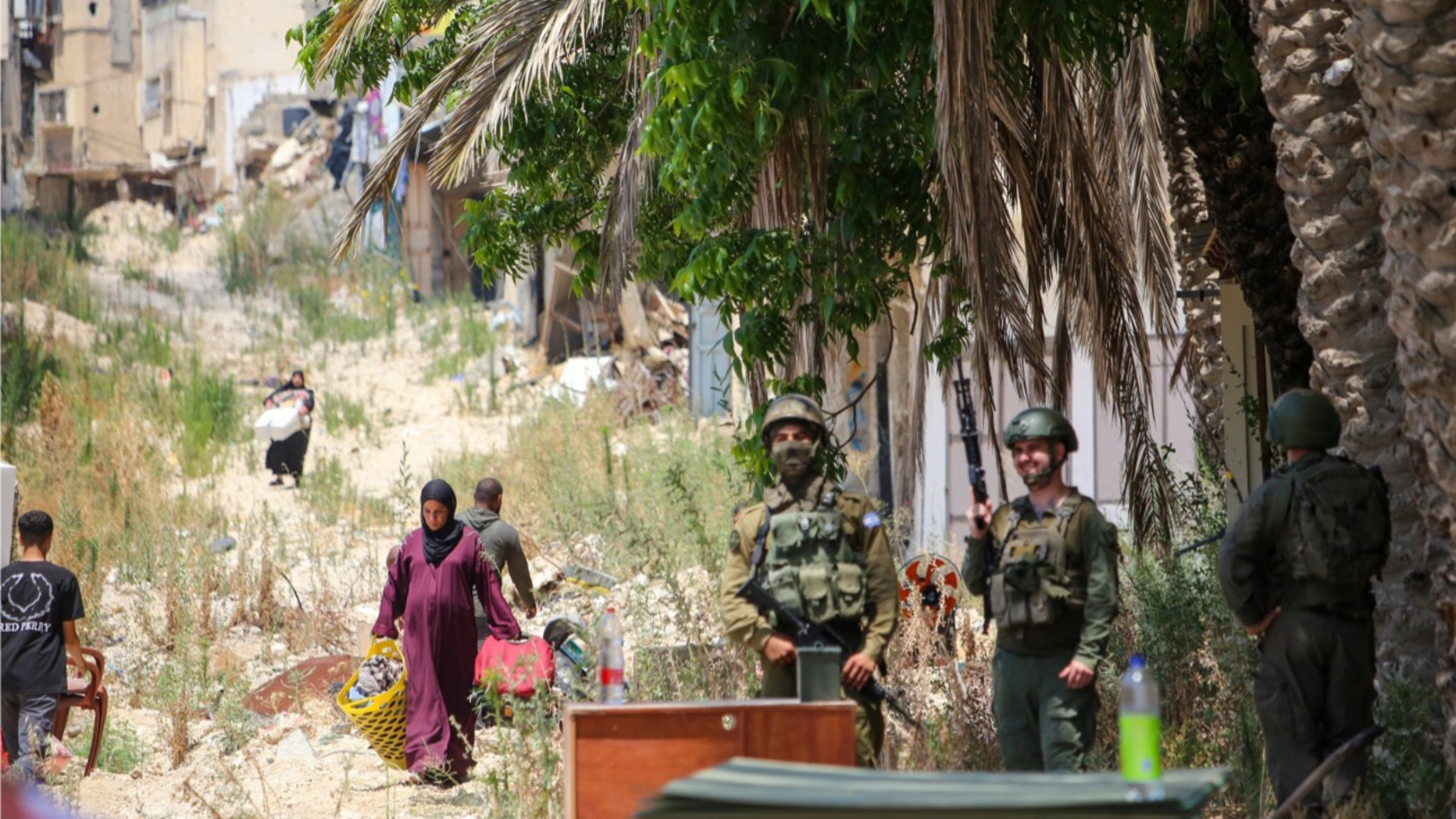
    On a Wednesday morning in mid-June 2026, lines of displaced Palestinian families clutching only their identity documents gathered at the entrance of Tulkarm refugee camp in the northern occupied West Bank. For more than 16 months, since Israel launched its large-scale “Iron Wall” military operation across the region in January 2025, these families and thousands more have been barred from returning to the homes they fled, locked out of the communities they built over generations.

    Through a limited coordination arrangement mediated by the Palestinian Civil Affairs Committee, just 45 displaced households from Tulkarm camp were granted permission to enter for two hours on June 17. Their mission: collect only the most essential personal belongings left behind when they fled the offensive. This temporary access does not pave the way for a permanent return, leaving thousands of displaced camp residents stuck in limbo, with no clarity on if or when they will be able to resettle in their original homes.

    Faisal Salama, leader of the Tulkarm refugee camp Popular Committee, issued sharp condemnation of the restrictive, demeaning conditions imposed on the small group of residents allowed entry. In an interview with Middle East Eye, Salama noted that the entry terms included invasive body searches and the forced confiscation of all communications devices. “These measures are deeply humiliating and inconsistent with basic humanitarian principles and respect for civilians’ rights,” he said. He added that the two-hour time limit only allowed families to grab a handful of urgent items, with no path to moving back to their residences permanently.

    “The camp belongs to its residents, yet it has effectively been turned into a military zone while its people remain displaced,” Salama stated. “Thousands of families are still waiting for the opportunity to return and rebuild their normal lives.”

    As the permitted residents walked through the camp’s narrow, pockmarked streets, many carried empty canvas bags and wheeled carts, clinging to the small hope of salvaging whatever fragments of their former lives remained inside their homes. Some left with armfuls of personal documents, clothing and small mementos, while others found their properties so heavily damaged that almost nothing was salvageable. Widespread destruction is visible across every corner of the camp: damaged homes, crumbled roads, and crippled infrastructure stand as evidence of the months-long military operation. For many residents, the brief two-hour visit was as much about confronting the wreckage of their former communities as it was about collecting belongings.

    Abdelhalim Turkman, one of the displaced residents allowed entry, described the experience as overwhelmingly emotional. “This is the first time I’ve entered the camp in more than a year and a half,” he said. “It’s very emotional to see my home and neighbourhood again. We came to collect some of our belongings, but what we’ve been through cannot be compensated.” Turkman added that the short trip only reinforced the scale of what residents have lost, and the persistent uncertainty hanging over their futures. “I hope the day comes when we can return and live here again,” he said.

    Aisha Zeitoun, another displaced resident who entered the camp, called her return after 16 months of displacement a deeply painful experience. “Walking back into my home after more than a year and a half was heartbreaking,” she said. “Every room holds memories of the life we once had, and seeing it again brought back so much emotion.” When Zeitoun and her family stepped inside their property, they were met with widespread, catastrophic damage. “We only had a limited time to gather what we could, but the destruction was overwhelming,” she said. “We couldn’t even take many of our belongings because of the damage.”

    Like other residents, Zeitoun emphasized that temporary access to retrieve a small number of possessions is not enough. What the displaced population truly demands is the right to permanently return and rebuild. “Today we’re leaving with only a few belongings,” she added. “But what we really want is the chance to come back home for good and rebuild our lives.”

    The mass displacement of Tulkarm camp residents began on January 27, 2025, when the Israeli military launched its offensive across the northern West Bank. Local officials confirm that more than 10,000 Tulkarm residents were forced to abandon their homes during the operation. Over the 19-day campaign, approximately 40,000 refugees from Jenin, Tulkarm and Nur Shams camps were forcibly expelled by Israeli special forces, who deployed armored vehicles, drones and bulldozers to carry out the operation.

    The United Nations Relief and Works Agency for Palestine Refugees (UNRWA) has labeled the Israeli offensive “the longest and most extensive displacement crisis since 1967.” The agency’s assessments estimate that 43 percent of Jenin camp, 35 percent of Nur Shams camp, and 14 percent of Tulkarm camp have been completely destroyed or suffered severe irreversible damage. Local officials confirm that across Tulkarm camp alone, more than 1,100 housing units have been fully leveled, while an additional 4,400 units have sustained partial damage.

    In the 16 months since the offensive ended, most displaced families have been living in overcrowded, inadequate conditions: in makeshift temporary shelters, overcrowded displacement centers, overpriced rented accommodation, or crammed with relatives in nearby towns and villages. This brief two-hour access marked the first time most of these residents have been allowed to step foot inside the camp since they fled.

    When the two-hour window expired, the permitted families once again exited Tulkarm camp, carrying whatever small belongings they had been able to recover. Behind them, they left damaged homes, broken communities, and neighborhoods that have remained almost entirely empty since their displacement. Along with their handful of salvaged possessions, they carried back out the same uncertainty that has defined their lives for 16 months: no official guarantees have been given about when, or if, they will be allowed to return for good. While the visit offered a fleeting, bittersweet reunion with the places they once called home, displaced residents remain waiting for the promise they have held since January 2025: the unconditional right to return and rebuild their lives.

  • A crucial tool of the slave trade, shackles evoke an ugly part of America’s past

    A crucial tool of the slave trade, shackles evoke an ugly part of America’s past

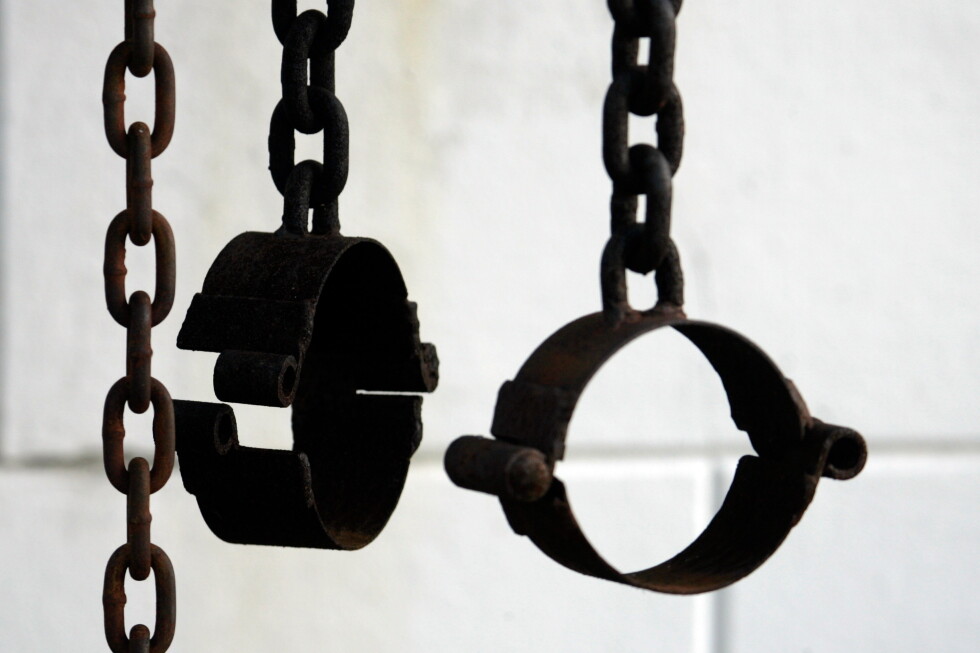
    Three centuries of transatlantic chattel slavery inflicted unfathomable brutality on more than 12 million kidnapped Africans, and few artifacts embody that dehumanizing violence as viscerally as the iron restraints used to control enslaved people. Today, one set of these 400-year-old Ghana-crafted shackles holds a new, transformative purpose at the Roots 101 African American Museum in Louisville, Kentucky, helping visitors confront the unvarnished reality of America’s racial history long buried by incomplete or rewritten historical narratives.

    Donated to the museum by a collector and activist, the shackles are not merely a static display piece for founder Lamont Collins, who launched the institution in 2020. For Collins, the relic is a living educational tool: he invites willing visitors to place the heavy irons on their own wrists to feel the weight of a history that cannot be denied or revised.

    The shackles on display are far more than ordinary metalwork. Designed for every part of the human body — wrists, ankles, waists, and necks — they were even forged in small sizes to restrain enslaved children. For the European and American traders who profited from the transatlantic slave trade, these restraints were nothing more than practical tools to keep the forced migration system running smoothly. Enslaved people were crammed by the hundreds into the holds of transatlantic slave ships during the deadly Middle Passage, chained together at markets across the American Deep South, and marched in chained lines called coffles across vast stretches of land — a sight that was once commonplace across the young United States.

    Beyond physical restraint, the shackles served a darker psychological purpose: they reinforced the constant message that freedom was an impossible dream for enslaved people. They were used as punishment for resistance and a deterrent against future uprisings. Special collar shackles were even fitted with bells or sharpened spikes to help slave catchers track and recapture people who dared to escape bondage.

    Last year, a viral social media video showing Collins fastening the shackles around the wrists of a white visitor pushed the museum’s unconventional educational approach into the national spotlight. Collins attributes the video’s traction to a growing national hunger for honest conversations about race, even as political and cultural movements across the U.S. push back against teaching full and accurate accounts of American slavery.

    Collins has observed that many people approach the history of slavery saying they want to learn, but only on their own comfortable terms. After wearing the shackles, many white visitors have broken down in tears, overwhelmed by the tangible weight of the violence the object represents. Others refuse to go through with the experience, stepping back even as Collins is about to fasten the restraints.

    To those who decline, Collins poses a sharp, unflinching question: “Why can’t I put these on you for two seconds, when we had them on for 200 years?” That question, he says, is exactly the point: the exercise is designed to spark the difficult, necessary conversations that many prefer to avoid.

    This report is part of *American Objects*, a recurring series marking the 250th anniversary of the founding of the United States, exploring how ordinary and extraordinary objects have shaped the nation’s history and identity.

  • An Uber driver for World Cup fans was injured in Kansas City shootings that also left a man dead

    An Uber driver for World Cup fans was injured in Kansas City shootings that also left a man dead

    A string of unprovoked shootings across a 5-mile corridor of Kansas City, Missouri, left one person dead and four wounded Tuesday evening, including an Uber driver transporting American soccer fans who had come to watch Argentina’s World Cup group-stage match against Algeria. Local law enforcement confirmed that the 22-year-old male prime suspect, who is considered armed and extremely dangerous, remained at large as of Thursday.

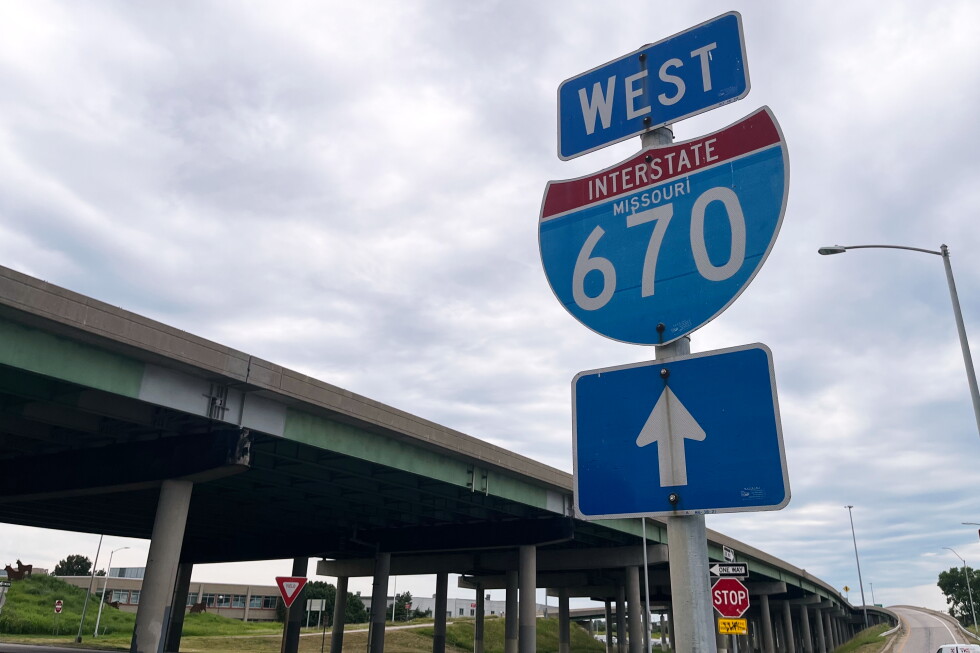
    According to Kansas City Police Captain Jacob Becchina, the five separate shooting incidents unfolded between 6 p.m. and 6:30 p.m. on Tuesday. Three of the attacks took place on Interstates 70 and 670 that run through downtown Kansas City, while the remaining two occurred further east along Truman Road, a major arterial route cutting through the city. All incidents occurred at least 4 miles away from Arrowhead Stadium, the venue where Argentina defeated Algeria that same evening.

    Two fans riding in the targeted Uber vehicle told Argentine news outlet La Nación that a second vehicle pulled alongside their car before the gunman fired two shots, striking the driver in the lower leg. The pair said they initially mistook the sound of gunfire for a bursting tire, only realizing what had happened when they saw the driver bleeding from his wound. The fans were unharmed in the attack and were later escorted to Arrowhead Stadium by police after giving official statements at a local precinct. Captain Becchina confirmed the driver’s injuries are not life-threatening.

    Authorities say the Uber attack and two of the other interstate shootings targeted vehicles traveling eastbound, including one car that had entered Missouri from neighboring Kansas. Of the four people injured across all five incidents – three adults and one teenage minor – all were transported to local hospitals for treatment. Only one adult is being treated for life-threatening injuries, Becchina noted.

    Roughly half an hour after the first shooting was reported, first responders were called to the scene of a vehicle crash on Truman Road, where a car had collided with a utility pole. When the driver was brought to the hospital for treatment, medical staff discovered he had suffered a gunshot wound. He later succumbed to his injury, becoming the sole fatality in the string of attacks.

    “All victims stated that they were traveling along the highway or city roadway when one or more rounds were fired into their vehicles,” Becchina explained in an official emailed statement. Investigative work by detectives has led them to conclude all the non-fatal shootings were carried out in quick succession, moving from west to east across the city, and are linked to a single suspect.

    By late Tuesday, law enforcement had tracked the suspect to a residential property in Independence, a Kansas City suburb located roughly 2 miles east of where the fatal crash and shooting occurred. Officers established a perimeter around the home and staged a standoff, but when tactical teams entered the property around 8 a.m. Wednesday, the suspect was nowhere to be found.

    Nancy Chartrand, a spokesperson for the Kansas City, Kansas Police Department, added that the suspect already has an active warrant out for his arrest connected to an illegal firearms discharge incident that took place on June 11 across the state line.

  • Neymar ruled out of Brazil’s second match at the World Cup because of a calf injury

    Neymar ruled out of Brazil’s second match at the World Cup because of a calf injury

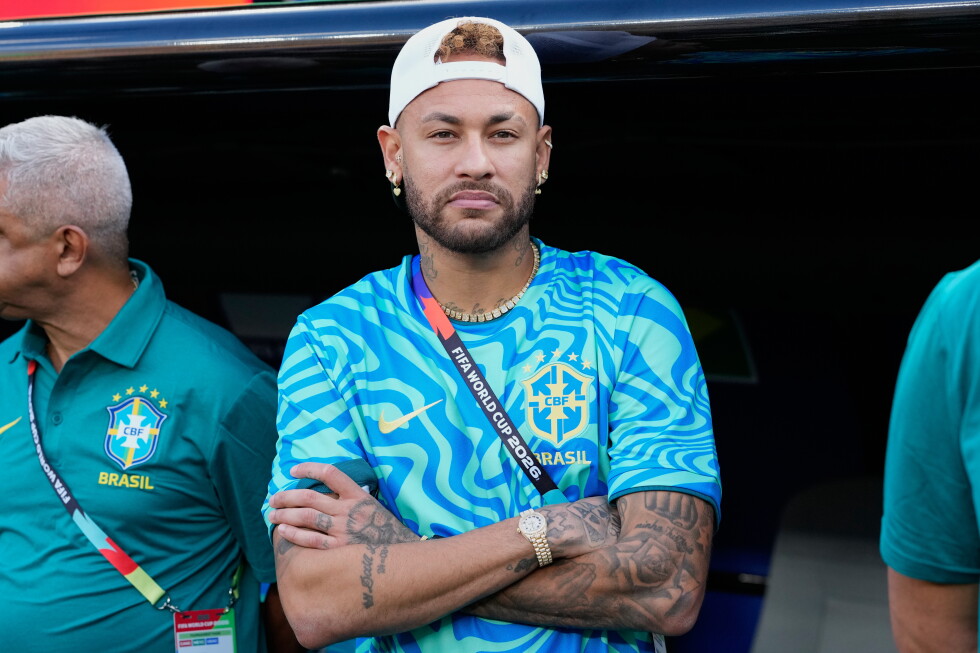
    Even as the 2026 FIFA World Cup group stage continues to unfold, one of soccer’s biggest global names will be forced to watch from the sidelines for Brazil’s second matchup. The Brazilian Football Confederation announced Thursday that star forward Neymar will not travel with the national squad to Philadelphia for Friday’s Group C clash against Haiti, sidelined by a persistent right calf injury that has derailed his tournament preparations.

    Instead of joining the team for match week preparations, the 34-year-old Santos attacker will remain in the team’s New Jersey training base to complete the final stage of his rehabilitation. Per an official statement from the confederation, the decision to keep Neymar behind is designed to optimize his recovery timeline, with the player set to continue guided treatment and low-intensity exercise from the dedicated facilities at the team’s hotel.

    Neymar’s road to this World Cup has been marked by uncertainty from the start. He originally sustained the calf injury during a club match with Santos on May 17, and has only gradually ramped up his activity since joining up with the Brazilian squad ahead of the tournament. He made his first return to the training pitch on Tuesday, completing individual physical conditioning drills, and joined a portion of full team sessions on Wednesday, where he received a warm round of applause from teammates when he stepped onto the field. Even so, he has not yet participated in a full 90-minute training session with the full squad, prompting medical staff to advise against his inclusion for Friday’s match.

    Heading into his fourth World Cup appearance, Neymar underwent extensive medical testing on Monday to assess how far his injury had healed, with results confirming he was not yet match-fit. The news comes after Brazil kicked off their Group C campaign with a 1-1 draw against Morocco on Saturday, leaving the five-time World Cup winners in need of three points to solidify their position in the knockout stage race.

    Neymar’s inclusion in the 26-man squad by head coach Carlo Ancelotti has already sparked widespread public and media debate across Brazil, with critics questioning whether it was wise to call up a player recovering from a long-term injury so close to the start of the tournament. For now, all attention remains on how quickly Neymar can progress through his recovery, with fans across the country holding out hope he will be fit to feature in later stages of the tournament.

  • Trump told Erdogan he is attending Nato’s Ankara summit ‘just for him’

    Trump told Erdogan he is attending Nato’s Ankara summit ‘just for him’

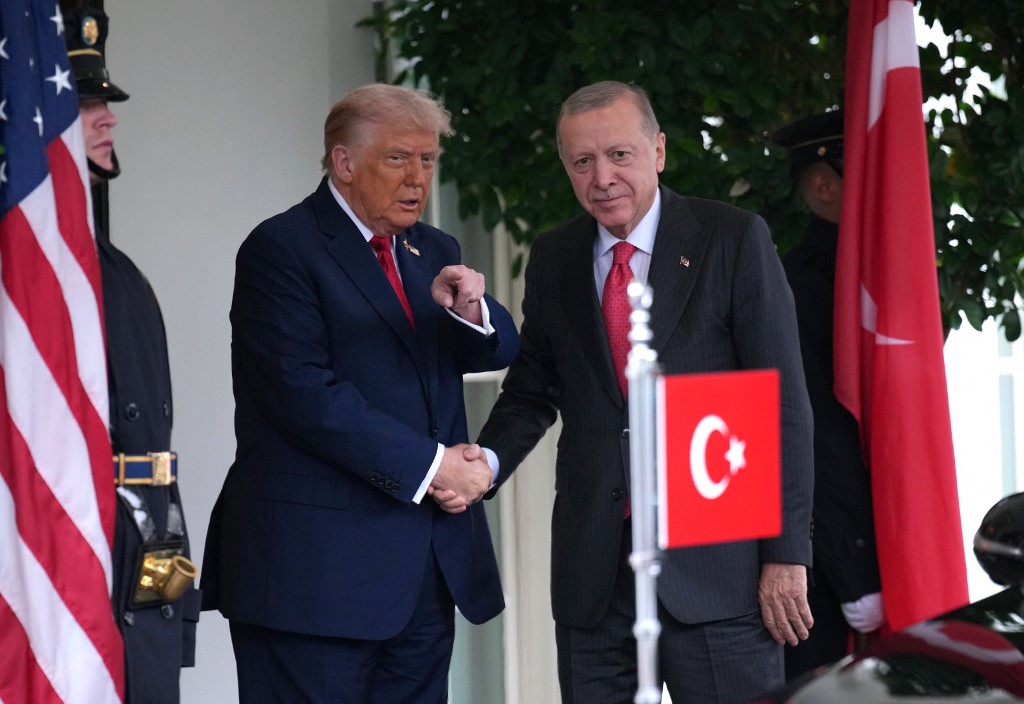
    New details have emerged from a recent phone call between US President Donald Trump and Turkish President Recep Tayyip Erdogan, revealing that Trump committed to attending the upcoming Nato summit in Ankara specifically as a gesture to the Turkish leader, multiple sources familiar with the conversation told Middle East Eye.

    This development comes amid steadily escalating frictions between the United States and its European Nato allies, with the July gathering in Turkey widely framed as a critical turning point for the alliance. Leaders on both sides are expected to lay out their long-held positions and work toward a unified path forward after months of growing disagreement over alliance priorities and burden sharing.

    Turkish Foreign Minister Hakan Fidan reinforced this framing during comments to reporters on Thursday, noting that many European capitals view Ankara’s hosting of the summit — and Erdogan’s personal role as host — as the single biggest factor securing Trump’s participation. Fidan argued that without Turkey in the hosting role and Erdogan at the event, Trump would have skipped the summit, sending a clear signal that he did not view the gathering as a priority. He added that productive talks require Trump’s presence, as the summit will address core disagreements between US and European perspectives that cannot be resolved without the American leader in attendance.

    The tensions over alliance burden sharing moved to the forefront this week as US Defense Secretary Pete Hegseth delivered a sharp warning to Nato allies during the bloc’s defense minister meeting in Brussels. Hegseth announced that over the next six months, the US will conduct a full review of its military footprint across Europe, and will cut its contributions to the alliance’s collective budget if European member states fail to raise their national defense spending to 5 percent of gross domestic product. “Make no mistake about it, this will be a real review,” Hegseth told attendees.

    Unusually, Turkey has so far avoided the American anger directed at many allies over insufficient defense spending, thanks to a string of policy wins for the Trump administration from Erdogan’s government. Ankara has delivered on multiple key priorities for Trump, from brokering last year’s ceasefire in Gaza to playing a critical supportive role in the recent Iran memorandum of understanding, a deal Trump personally publicly praised.

    Turkey has already outpaced Nato’s original 2 percent defense spending target in 2024, hitting 2.3 percent of GDP. On Thursday, the Turkish defense ministry confirmed that Ankara’s long-term military budgeting is already aligned with the goal of reaching the new 5 percent target, which Nato has required all member states to hit by 2035.

    In a show of allied cooperation ahead of the July summit, Nato members have moved to bolster Turkey’s national air defense capabilities. The United States and Germany deployed Patriot air defense systems to southern Turkey in May. On Thursday, Turkey’s defense ministry announced that an Italian SAMP/T air defense system had also been deployed to the 3rd Main Jet Base Command in the central Turkish city of Konya, as part of Nato’s Standing Defence Plan to strengthen the alliance’s collective eastern air defenses.

  • Revealed: How a German-US corporate giant became the world’s largest foreign financier of Israel’s wars

    Revealed: How a German-US corporate giant became the world’s largest foreign financier of Israel’s wars

    Amid the intensification of Israel’s multi-front military campaign across Gaza, Lebanon, and the occupied West Bank, a transatlantic financial giant has quietly become the single biggest foreign backer of Israeli sovereign debt, holding more Israeli government bonds than the United States, United Kingdom, France, and every other non-Israeli entity combined. New data compiled by Amsterdam-based sustainability research group Profundo, shared exclusively with Middle East Eye, lays bare the unprecedented scale of this investment: by September 2025, Germany’s Allianz, which owns California-headquartered bond behemoth PIMCO, the world’s largest active fixed-income manager, had accumulated an estimated $2.67 billion in Israeli government bonds across its network of fund subsidiaries.

    This staggering sum accounted for 51.8 percent of all tracked non-Israeli holdings in Profundo’s dataset at that time, confirming that at the peak of Israel’s military expansion, the Allianz-PIMCO combine held more Israeli sovereign bonds issued to fund wartime operations than the rest of the entire world’s non-Israeli investors put together. For Israel, these bond sales have become a critical lifeline. To finance its ongoing military campaigns, Israeli authorities ramped up sovereign bond issuance to record-breaking levels in both 2024 and 2025, with a sizeable “war premium” built into yields to attract risk-tolerant institutional investors. Issued during the active conflict, these bonds carry an average interest rate of 5.56 percent, far outpacing the 1.4 percent average yield of pre-war Israeli issuances – a premium that has proven irresistible to yield-hungry asset managers even after all three major global credit rating agencies downgraded Israel’s sovereign credit score.

    But the investment carries far more than standard financial risk. Since the International Court of Justice opened an investigation into allegations of genocide against Israeli forces in Gaza, holding Israeli government bonds exposes investors to significant legal and reputational repercussions that go well beyond ordinary sovereign debt investments. Critics argue that PIMCO’s sustained accumulation of these bonds demonstrates a deliberate disregard for fundamental human rights obligations under international law. “In light of Israel’s ongoing genocide in Gaza, PIMCO’s continued investments in Israeli sovereign debt demonstrate a clear disregard for human rights responsibilities and international legal obligations,” explained Max Hammer, a campaigner with BankTrack, an organization that tracks the human rights impacts of commercial financial institutions. “They also put PIMCO at odds with many of its peers, which have understandably decided to pull back from Israel’s bond issuances. Human rights organisations, international legal experts and UN officials – including Francesca Albanese – have been clear that providing financing to Israel inevitably means contributing to gross human rights abuses and war crimes.”

    Profundo’s dataset tracks holdings from international institutional investors across four quarterly snapshots between late 2024 and early 2026. While the research is not fully comprehensive, it captures a clear, staggering trend: total non-Israeli holdings of Israeli government bonds surged more than fourfold from $1.16 billion in November 2024 to at least $4.91 billion by March 2026, a growth trajectory that aligns directly with the expansion of Israel’s military operations across Gaza, Lebanon, and the occupied West Bank. The data reveals that this explosive growth is overwhelmingly driven by just two markets: the U.S. and Germany. Together, investors based in these two countries held 90.7 percent of all tracked non-Israeli holdings as of early 2026, totaling $4.45 billion of the $4.91 billion aggregate, with all other nations combined accounting for less than 10 percent of total foreign holdings.

    The rise of Allianz-PIMCO’s holdings is particularly dramatic. In November 2024, shortly after the outbreak of the current conflict, the Allianz group – which spans its core German insurance operations, PIMCO’s U.S. fund platform, PIMCO Europe, and Allianz Global Investors – held just $32 million in Israeli bonds. Less than 12 months later, that figure had ballooned to $2.67 billion, a concentration of investment unmatched by any other corporate group in Profundo’s dataset. “Allianz, through PIMCO, is by far the largest non-Israeli investor in Israeli sovereign bonds and has been so since the October 7 attacks. It has not divested from these bonds, even after allegations of genocide were submitted to the ICJ,” said Ward Warmerdam, senior researcher at Profundo. “It’s no coincidence that it’s a US-German company that is investing so much into Israel. Allianz/Pimco is the largest fixed income investor in the world. But, that only goes some way to explain this scale of investment. I believe it is disproportionate, and deliberate. And the question of how deliberate it is for them to double down on Israeli sovereign bond issuances after October 7th is something I believe only insiders can speak to.”

    Middle East Eye reached out to both Allianz and PIMCO with detailed questions about their Israeli bond holdings, but neither company had issued a response by the time of this publication. PIMCO, officially the Pacific Investment Management Company, is one of the most influential players in global bond markets. Founded in Newport Beach, California in 1971, the firm manages $2.27 trillion in total assets as of early 2026, including $1.86 trillion held on behalf of external clients ranging from public pension funds to sovereign wealth funds and global insurance groups. PIMCO has been a wholly owned subsidiary of Allianz since 2000, and together with Allianz Global Investors, it helps the parent group manage nearly €2 trillion in third-party assets, making the combined Allianz group one of the largest asset managers on the planet.

    The group’s Israeli bond holdings are spread across dozens of separately registered fund vehicles, with the majority held through PIMCO’s various subsidiaries, plus additional holdings through Allianz Global Investors. Profundo’s aggregation of separate regulatory filings reveals the $2.67 billion peak holding figure, but researchers emphasize this is almost certainly an undercount of the group’s true exposure. Beyond investing its own and client capital through its in-house funds, PIMCO also acts as a sub-manager for hundreds of external mandates from institutional investors around the world, purchasing bonds on behalf of third-party clients within client-approved investment guidelines. This means PIMCO’s role in the Israeli bond market extends far beyond its own balance sheet holdings, with the true volume of Israeli bonds passing through PIMCO’s operations unknown to the public.

    One high-profile example of this dynamic came to light in a previous Middle East Eye investigation, which revealed PIMCO purchased $29.2 million in Israeli government bonds between 2024 and 2025 on behalf of Border to Coast, the United Kingdom’s largest public sector pension pool. The purchases only became public after pro-Palestine activists filed public inquiries, prompting Border to Coast to open a review and ultimately divest its holdings under activist pressure. The only rationale PIMCO provided for the purchases, relayed to Border to Coast ahead of the divestment, was that the bonds were purchased based on Israel’s then-strong credit rating and economic fundamentals. However, this explanation does not rule out hidden political ties or vested interests driving the investment, and no PIMCO executive, including CEO Emmanuel Roman, has ever addressed the purchases publicly. Notably, PIMCO’s global advisory board includes Joshua Bolten, former White House Chief of Staff and a prominent figure in Washington’s pro-Israel policy community, alongside former UK Prime Minister Gordon Brown.

    While Allianz-PIMCO dominates foreign holdings of Israeli sovereign bonds, the broader U.S. investment industry stands as the core pillar of international demand for the debt. U.S.-based investors held $2.02 billion in Israeli government bonds as of March 2026, up from just $879 million in November 2024, with growth remaining steady and showing no signs of slowing. Pennsylvania-headquartered Vanguard, the world’s largest index fund manager, crossed the $1 billion threshold in Israeli bond holdings for the first time in the March 2026 snapshot, with its holdings continuing an upward trajectory.

    Germany’s outsized share in the data is largely a product of PIMCO’s ownership structure: of the $2.43 billion in total German-domiciled holdings tracked in the dataset, roughly 94 percent is managed by PIMCO out of its U.S. headquarters. In reality, the overwhelming majority of this investment is U.S.-domiciled capital, flowing into Israeli war bonds at an unprecedented rate through U.S.-based asset management firms. After the U.S. and Germany, the next largest national holders as of March 2026 are the United Kingdom ($149 million), Canada ($101 million), Italy ($53 million), Switzerland ($46 million), and France ($22 million) – with all these nations combined accounting for just 9 percent of total non-Israeli holdings.

    The concentration of U.S. capital in Israeli bonds reflects both the outsized dominance of U.S. asset managers in global fixed-income markets and the deep, sustained support for Israel at the highest levels of U.S. political and financial leadership. The trend also highlights a stark divide between the U.S. and much of Western Europe when it comes to Israeli bond investment. While the U.S. and Allianz-PIMCO have dramatically expanded their exposure, a growing wave of European institutional investors have moved to divest their Israeli holdings in response to human rights concerns. In September 2025, Danish academics’ pension fund AkademikerPension formally excluded Israeli sovereign debt from its portfolio. Three months prior, the Irish Strategic Investment Fund sold off all its Israeli government bonds, while Norway’s Government Pension Fund Global divested from 11 Israeli companies and excluded five major Israeli banks.

    “Across the West’s asset management industry, we’re seeing divergence rather than convergence [especially between the US and much of Western Europe],” said Courtney Wicks of the Center for Monitored and Ethical Investment. “Some managers are reducing their exposure to [Palestine-related] human rights concerns in response to political or reputational pressure, rather than strengthening conflict-sensitive stewardship frameworks.”

    This divergence is even visible within the Allianz group itself. In late 2025, Allianz’s core insurance division dropped its coverage contract for Elbit Systems UK, the British subsidiary of Israeli arms manufacturer Elbit Systems, following months of sustained activist pressure. At the very same time, the group’s asset management division held billions of dollars in Israeli government bonds that fund the military campaigns Elbit Systems supplies. Pro-Palestine activists who occupied Allianz offices in London and Guildford in 2024 and 2025, spraying red paint to protest the Elbit contract, now face a nearly £300,000 civil lawsuit from Allianz, in addition to existing criminal proceedings. A London court recently ruled the civil case can proceed, and the activists, who have no access to legal representation for the civil claim, argue the lawsuit is an attempt to suppress legitimate political protest. For context, Allianz reported an operating profit of $20.1 billion in 2025.


  • Former senior Israeli officials issue ‘final warning’ over West Bank settler terror

    Former senior Israeli officials issue ‘final warning’ over West Bank settler terror

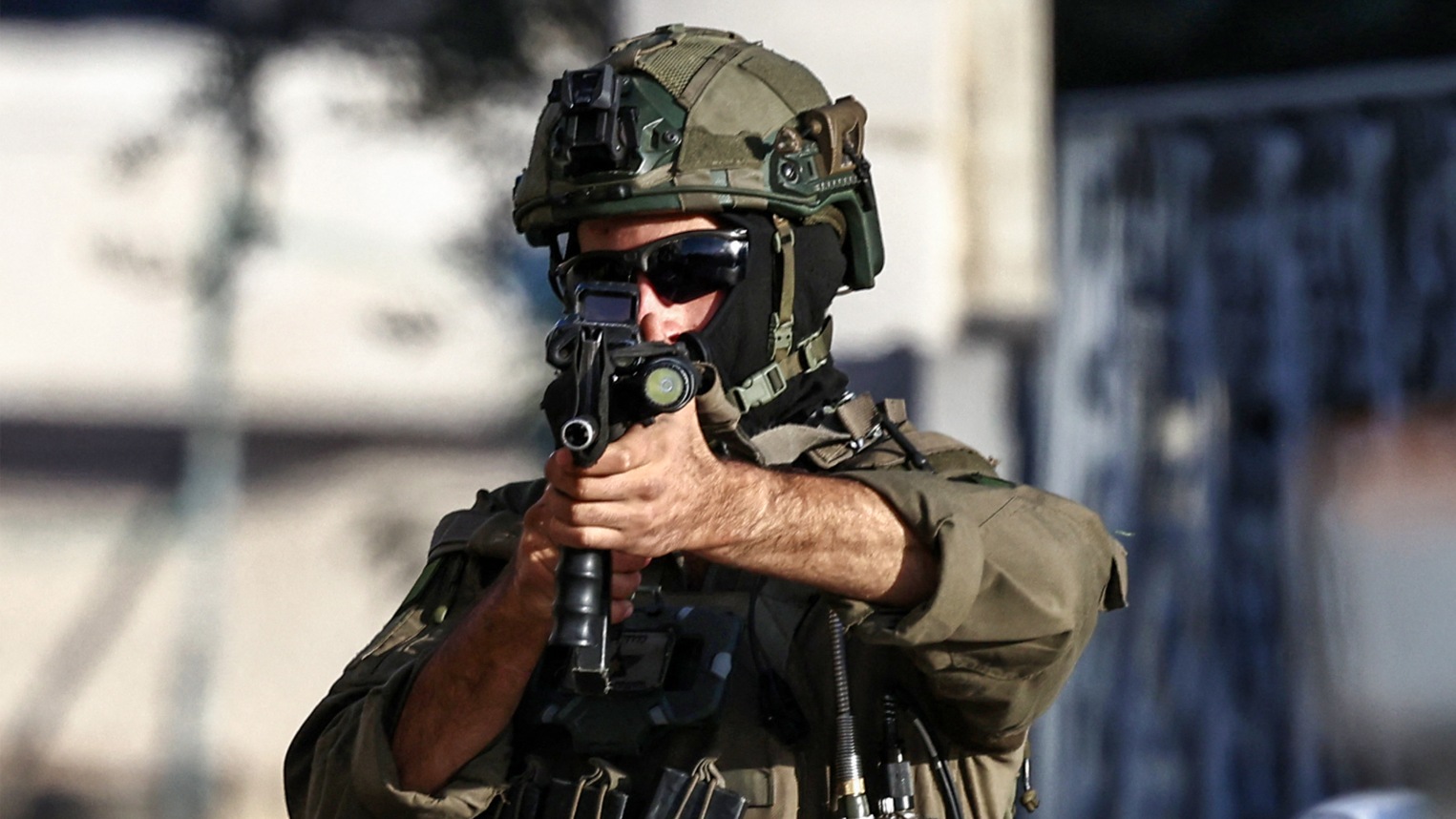
    A unprecedented coalition of dozens of high-ranking former Israeli national security and government leaders has launched a scathing rebuke of Prime Minister Benjamin Netanyahu’s far-right government, issuing a urgent “final wake-up call” demanding immediate action to crack down on growing Jewish settler violence and terrorism targeting Palestinian communities in the occupied West Bank.

    Released publicly Thursday and first reported by Israeli newspaper Haaretz, the joint statement carries unprecedented weight, signed by former prime ministers Ehud Barak and Ehud Olmert, former Israel Defense Forces chiefs of staff Moshe Ya’alon and Dan Halutz, ex-Mossad director Tamir Pardo, former heads of the domestic Shin Bet security agency Carmi Gillon and Yaakov Peri, a former Israeli national security adviser, a retired Supreme Court justice, retired major generals, a former state prosecutor, prominent rabbis, leading academics, and six recipients of the Israel Prize, the country’s highest civilian honor. Drafted by Israeli attorney Shmuel Berkowitz, copies of the statement were also delivered to Defense Minister Israel Katz, National Security Minister Itamar Ben-Gvir, senior military commanders and other top government officials.

    The coalition accuses Netanyahu and his governing coalition of complete inaction to root out organized settler violence, and in many cases, of actively enabling the terror campaign. The statement charges that Netanyahu and his ministers “have done nothing to eliminate Jewish terrorism”, pointing out that sitting officials have provided material backing to the illegal West Bank outposts where extremist settler leaders are based. “They do not condemn it, do not require the Israel Defence Forces, the police, the Shin Bet and the Civil Administration to fight it, and some of them, at least, even support this terror by providing financial and equipment assistance, and building illegal farms and outposts that serve as residences for Jewish terror activists,” the statement reads.

    The group specifically pushes back against Netanyahu’s repeated framing of settler attackers, challenging the prime minister’s description of the perpetrators as just “about 70 kids” from broken homes who commit minor offenses like tree cutting, a claim Netanyahu made in a December 2023 interview. The coalition dismisses Netanyahu’s casual label of “hilltop youth” as intentionally misleading, arguing that the violence is not the work of a small group of unruly teens, but a coordinated, systematic movement that includes hundreds of adult organizers who incite minors to carry out attacks.

    “For some reason, these Jewish criminals are referred to by you with the naive term of ‘hilltop youth’, as if they were members of a youth movement, marginalised youth or outliers. These are also young people and adults who lead even minors on the path of terror, crime and deadly violence,” the statement notes.

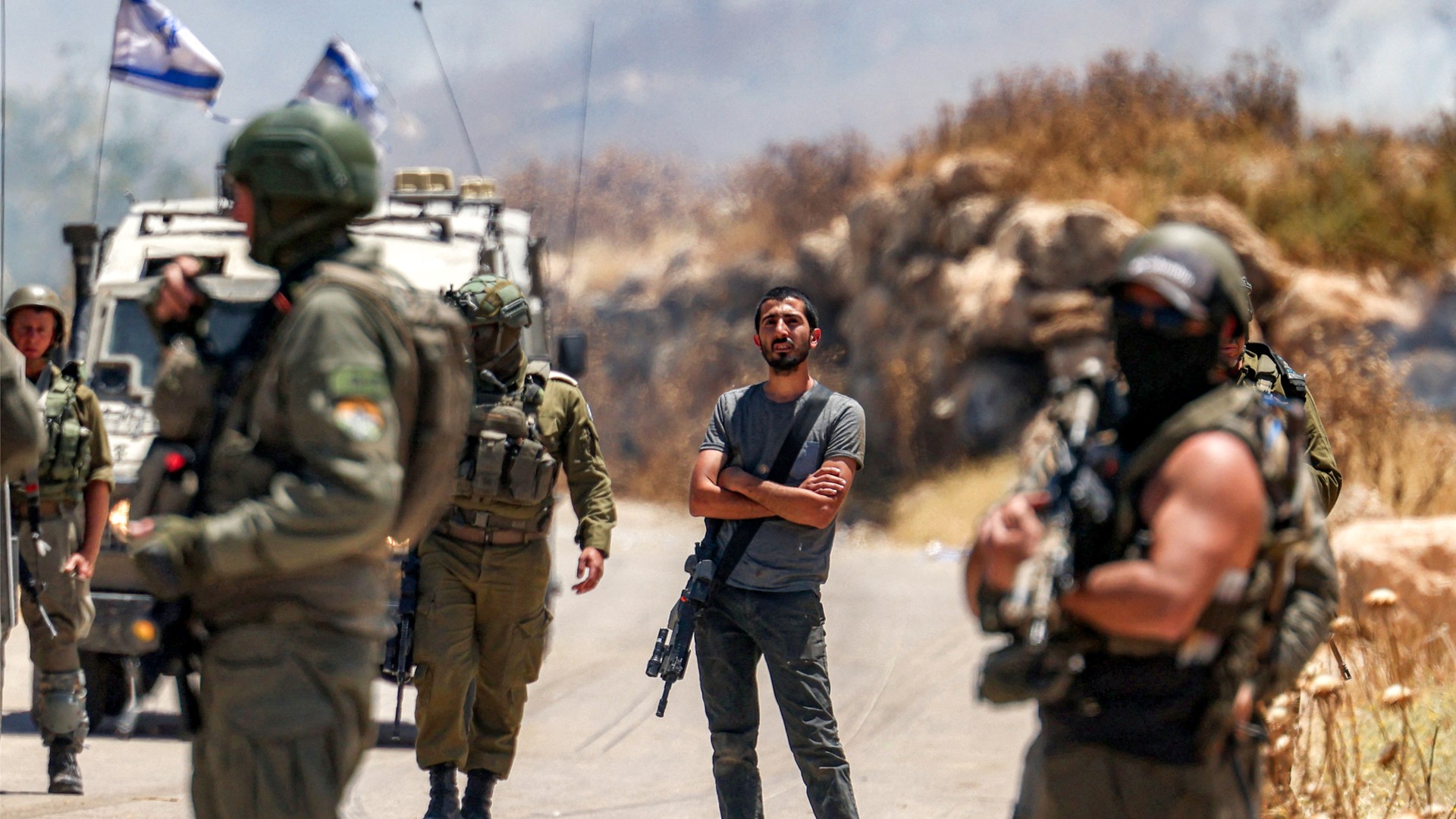
    The open letter ties the violence directly to the expansion of illegal settlement outposts built near Palestinian villages under the goal of so-called “Judaisation” of the occupied West Bank. The document explains that these outposts are intentionally established to displace local Palestinian communities through force, advancing the extremist movement’s ideology of “land redemption” by expelling Palestinians from their ancestral land. The coalition details how the attacks are coordinated: armed settlers from outposts are regularly joined by adult extremists from other settlements, regional defense units, and local security squads from inside Israel during large-scale raids on Palestinian communities. Attacks have included fatal shootings of Palestinian villagers and shepherds, as well as widespread destruction and looting of Palestinian property.

    The statement comes after several of the signatories joined tours of recently attacked Palestinian villages in the West Bank earlier this year, where many reported being shocked by the scale of damage and shared accounts from survivors, with multiple former leaders stating publicly that they felt “ashamed” by what they witnessed.

    Settler violence against Palestinian communities in the occupied West Bank has spiked dramatically since the outbreak of Israel’s military campaign in Gaza in October 2023. Multiple on-the-ground reports have documented that these attacks frequently occur in full view of Israeli military forces, which rarely intervene to stop the violence. International bodies including the United Nations and Amnesty International have repeatedly warned that the campaign of settler expansion and violence amounts to systematic ethnic cleansing that has forced entire Palestinian communities to leave their land.

    If the Netanyahu government fails to enact immediate policy changes to crack down on settler terror, the coalition says it will petition the Israeli Supreme Court to force action, marking an extraordinary step by former top Israeli officials against a sitting Israeli government.

  • New arrest in US consulate shooting as Toronto police pursue ‘criminals for hire’ probe

    New arrest in US consulate shooting as Toronto police pursue ‘criminals for hire’ probe

    A sprawling investigation into coordinated, contract-fueled violence across Toronto has launched a cross-border manhunt, with law enforcement racing to unmask foreign backers accused of recruiting young criminals to carry out attacks that have left one officer dead and targeted Jewish community sites and a U.S. diplomatic facility.

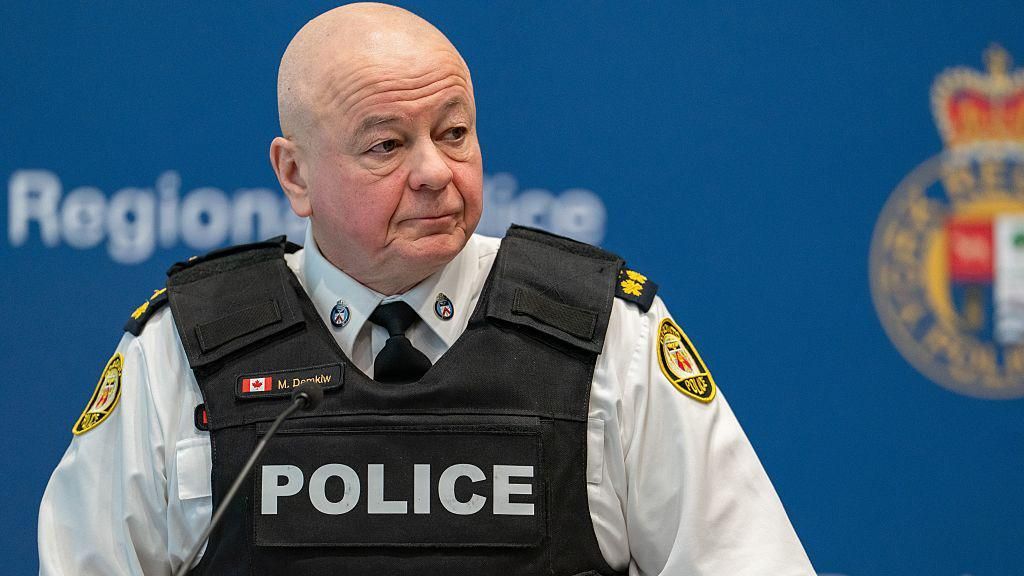
    Toronto Police Chief Myron Demkiw confirmed this week that investigators are untangling a web of violence involving dozens of shootings linked to a so-called “criminals for hire” network, whose operatives are recruited on encrypted messaging platforms. Authorities have not yet been able to answer the central question driving the probe: which actors are funding this coordinated campaign of fear. “Who is paying for this? That is what we are trying to determine,” Demkiw told reporters, repeating the core line of inquiry that has defined the investigation.

    The investigation gained a new critical development this week, when law enforcement arrested 19-year-old Zara Jabbi at Toronto Pearson International Airport. Jabbi is directly linked to a March shooting outside the U.S. consulate in Toronto, one of the most high-profile attacks in the series of violent incidents. Shortly after his arrest, Jabbi made an initial court appearance, where he faces a slate of charges including theft, possession of a restricted firearm, and attack on an internationally protected property.

    Last week, Toronto police carried out a citywide series of search warrants tied to the consulate shooting plot, including a targeted raid on a downtown Toronto apartment complex. The operation turned deadly when Constable Marc Pinizzotto, a veteran Toronto police officer, was killed in the line of duty during the raid. Investigators also recovered a cache of handguns sourced from the United States during the search, and believe this same type of weapon was used in dozens of other unrelated shootings across the Greater Toronto Area.

    Security camera footage from the consulate attack has given investigators a key clue into the network’s operating model: suspects allegedly recorded themselves carrying out the shooting to provide proof of completion to their paymasters, Demkiw said. The investigation has also confirmed that the consulate attack is not an isolated incident, but part of a wider pattern of coordinated attacks targeting sensitive community and diplomatic sites, including multiple synagogues and Jewish schools across the city.

    “It is clear that some of the people hiring these criminals want to create a sense of fear in our communities, including in the Jewish community,” Demkiw said. The probe is already a coordinated multinational effort, with Toronto police partnering with Canada’s national law enforcement agency, the Royal Canadian Mounted Police, and the U.S. Federal Bureau of Investigation to trace the origins of the plot.

    The investigation comes just one month after U.S. authorities announced the arrest of a 32-year-old Iraqi national, Mohammad Baqer Saad Dawood al-Saadi, who is alleged to be a commander in Kataib Hezbollah — an Iraqi militia branded a foreign terrorist organization by the U.S. government with documented ties to Iran. U.S. prosecutors have charged al-Saadi with plotting more than a dozen attacks across North America and Europe targeting Jewish institutions and U.S. interests, including the March consulate attack in Toronto. Toronto police have so far declined to confirm any connection between al-Saadi and their ongoing domestic investigation, and al-Saadi’s lawyer has dismissed the charges against his client as political prosecution.