博客

  • Tay Keith, producer who worked with Travis Scott and Drake, found dead

    Tay Keith, producer who worked with Travis Scott and Drake, found dead

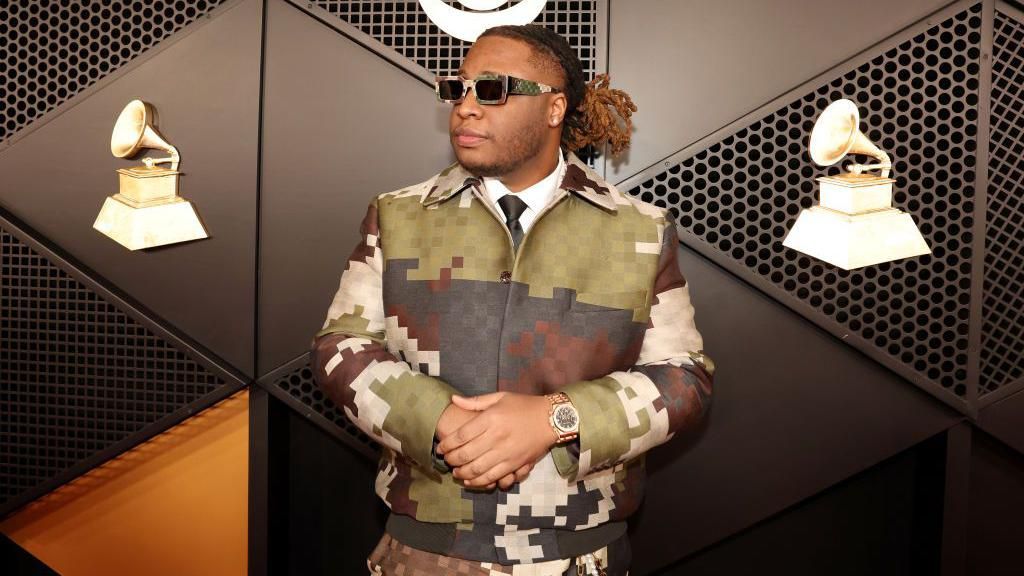
    The global hip-hop community is mourning the sudden passing of 29-year-old Grammy-nominated producer Tay Keith, whose innovative work shaped some of the biggest rap hits of the last decade. Born Brytavious Chambers in Memphis, Tennessee, Keith was found unresponsive in his Nashville residence on Wednesday after local police conducted a routine welfare check. Law enforcement officials have confirmed no foul play is suspected in his death, though a formal cause of death has not yet been released to the public. An official autopsy is currently underway to clarify the circumstances of his passing.

    Over his 10-year career, Keith built a reputation as one of the most sought-after producers in the industry, collaborating with A-list hip-hop and pop artists ranging from Drake, Travis Scott and Eminem to Beyoncé, Cardi B and Lil Nas X. He earned his first career Grammy nomination in 2019 for co-producing Travis Scott’s chart-topping hit Sicko Mode, a track that redefined modern trap production and cemented his status as a breakout talent. He picked up a second Grammy nod earlier this year in the Best Rap Song category for his work on Drake and 21 Savage’s 2023 hit Rich Flex.

    Beyond his work with established superstars, Keith was widely recognized for lifting emerging talent into the mainstream spotlight. Most notably, he produced breakout tracks for rising female rapper Sexyy Red, including her viral hit Pound Town and recent single Get It Sexyy, the latter of which was featured on the hit HBO drama Euphoria. He was also celebrated for his distinct Memphis-influenced production style, which blended heavy 808 bass lines and dynamic rhythmic patterns that became a signature of 2010s and 2020s hip-hop.

    Keith’s career path defied common industry wisdom, as he prioritized completing his college education alongside his booming music career. While studying at Middle Tennessee State University, he balanced studio sessions with coursework, eventually graduating with a degree in integrated studies and media management. In a 2020 interview with the university’s alumni magazine, he explained his commitment to finishing his degree: “There wouldn’t be any point for me to come to college if I didn’t want to finish it — I could have just focused 100% on music. By my last week of college, I had my first No. 1 single, so it didn’t make any sense to drop out.”

    In 2023, Keith’s industry impact was formally recognized when he was named to Forbes’ annual 30 Under 30 Music list, honoring the most influential young talent in the industry. Tributes have already begun pouring in from across the hip-hop community: Memphis rapper BlocBoy JB, who has been close with Keith since they were both 14 years old, shared an emotional tribute on Instagram that included a screenshot of their frequent phone conversations, writing: “We talked everyday yeen tell me you was leaving.”

    As the music community processes the news of his unexpected passing, fans and peers alike are celebrating Keith’s outsized contribution to modern hip-hop, which will leave a lasting impact on the genre for years to come.
  • World Cup: New Zealand’s viral soccer star Tim Payne signs with Olimpia in Paraguay

    World Cup: New Zealand’s viral soccer star Tim Payne signs with Olimpia in Paraguay

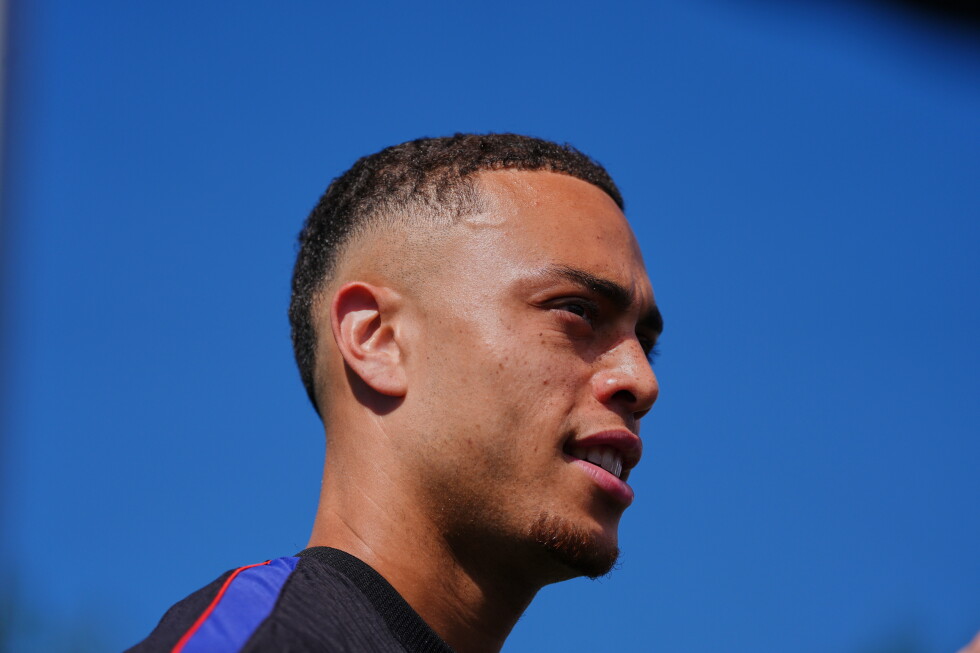
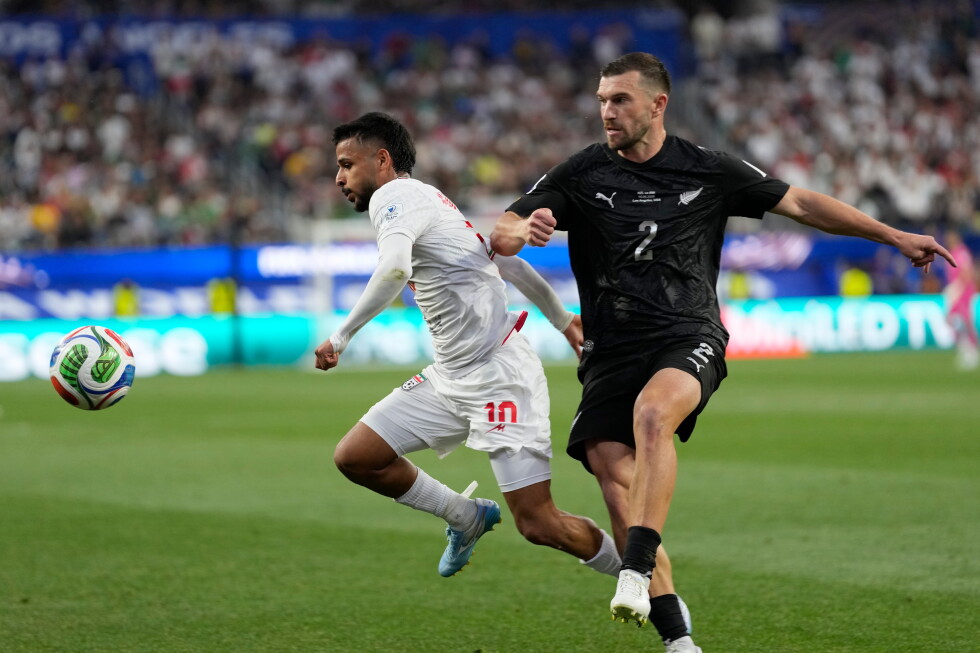
    WELLINGTON, New Zealand — In a career turn that traces back to an unexpected viral spotlight during the 2022 FIFA World Cup, New Zealand men’s soccer defender Tim Payne has formally confirmed he will continue his professional career at one of South America’s most storied clubs, Paraguay’s Club Olimpia, on a one-year contract.

    Payne’s rapid rise from relative obscurity to global social media fame began when Argentine soccer influencer Valen Scarsini, known publicly by his handle El Scarso, highlighted him during the World Cup as the tournament participant with the smallest personal social media following. At the time, the defender had only 4,700 followers on his Instagram account. Within days of the influencer’s video going viral, that number skyrocketed to 5.8 million, turning Payne into an overnight name among soccer fans worldwide.

    This sudden surge in global profile caught the attention of professional clubs across multiple South American nations and North America, with sides from Argentina, Uruguay, Paraguay and Mexico all registering formal interest in securing Payne’s signature. On Friday, Payne verified an earlier report from the Associated Press confirming his deal with the Paraguayan giants, closing out a seven-year tenure with Australia’s A-League side Wellington Phoenix, where he made 149 first-team appearances.

    Reflecting on his departure from the only professional club he had called home for nearly a decade, Payne called the choice to move a difficult one. “To the fans, my teammates, and all those who have supported me throughout my career, through the highs and the lows, thank you,” he said in a statement Friday. “Without you I would not be here representing my country at the World Cup — the very pinnacle of the sport.”

    For Payne, the move to Club Olimpia represents a long-sought chance to test his abilities against elite competition outside of Oceania and Australia. “I’ve always pushed myself to be the best footballer I can be,” he explained. “To test myself at the very top of South American football, competing in the Copa Libertadores and the Copa Sudamericana, is one of the most incredible opportunities I could have asked for as a professional.”

    Club Olimpia is no stranger to continental success, most recently claiming its 48th Paraguayan Primera Apertura title, cementing its status as one of the most decorated clubs in South American soccer. Payne highlighted the club’s legacy as a core reason he jumped at the opportunity. “Club Olimpia is one of the biggest clubs in South America, with an incredible history, passionate supporters and ambitions that match its stature,” Payne said. “I am looking forward to rising to that challenge.”

  • Trump presents the Medal of Honor to 3 veterans for heroism in Vietnam and Afghanistan

    Trump presents the Medal of Honor to 3 veterans for heroism in Vietnam and Afghanistan

    WASHINGTON, D.C. – In a solemn and moving White House ceremony Thursday, former President Donald Trump presented the Medal of Honor, the U.S. military’s highest decoration for valor, to three veterans whose extraordinary acts of bravery saved countless lives and turned the tide of enemy advances during conflicts in Vietnam and Afghanistan.

    Two of the honorees, retired Marine Corps Maj. James Capers Jr. and Army Maj. Nicholas Dockery, accepted the award in person, while the third, retired Marine Corps Col. John W. Ripley, received the honor posthumously more than 15 years after his 2008 passing. Opening the ceremony, Trump paid tribute to the three men, saying, “These are great men, great people. We thank you and we will never, ever forget you.”

    At 88 years old, Capers was recognized for his selfless leadership during a fatal 1967 Vietnam ambush. What began as a routine reconnaissance mission targeting a suspected North Vietnamese Army base camp quickly devolved into days of brutal close-quarters combat in the thick, unforgiving Vietnamese jungle. On the fourth day of the operation, Capers’ small team was surrounded and outnumbered by enemy fighters, and a hidden land mine blast left the major with a broken leg and severe abdominal wounds. Despite his life-threatening injuries, Capers insisted on retaining command after receiving a dose of morphine, Trump recounted. “He took over like nobody’s ever seen before,” the former president said.

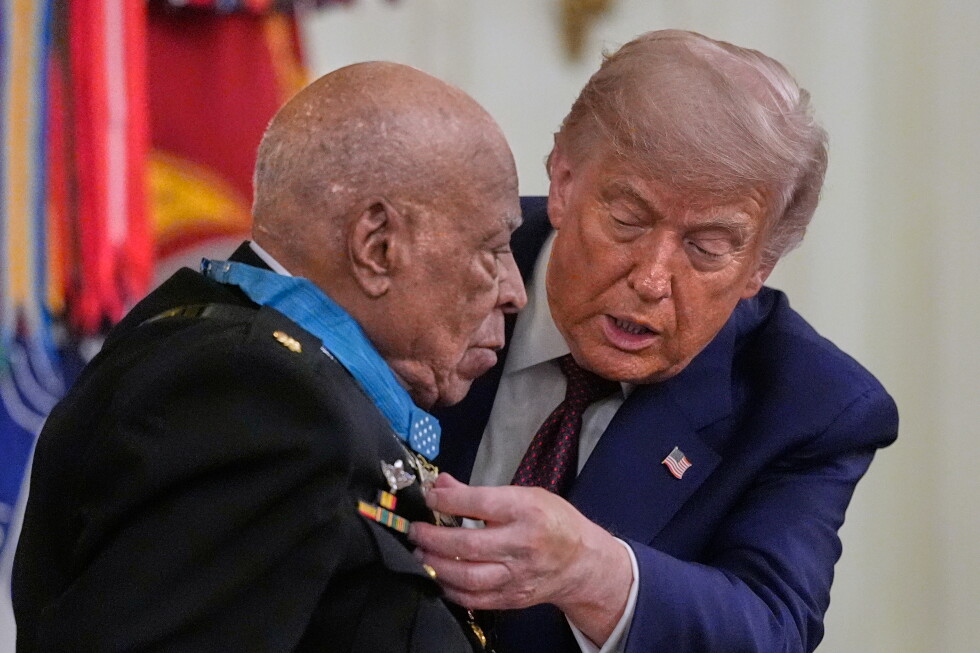
    Capers immediately called in targeted air support to repel the attacking force, and when a rescue helicopter arrived to evacuate the unit, he insisted all wounded Marines be loaded onto the aircraft before he boarded himself. A heartfelt, unscripted moment unfolded during the medal presentation: after pinning the Medal of Honor around Capers’ neck, Trump adjusted the decoration to sit straight against the veteran’s chest, pulling him forward in a gesture of respect. The 88-year-old, who had held a composed expression up to that point, broke into a warm smile when Trump grinned back at him.

    The second posthumous honor went to Ripley, celebrated for a one-man mission that halted a massive North Vietnamese advance in 1972. When more than 30,000 enemy troops and 200 tanks advanced toward a critical strategic bridge in the village of Dong Ha, Ripley took on the high-risk task of destroying the crossing single-handedly. Over five grueling hours, he repeatedly climbed across the bridge’s exposed steel beams while under constant enemy fire, placing a total of 500 pounds of explosives in key positions. “John completed not one, not two, but five such trips,” Trump noted, calling Ripley a “very strong guy.” After placing the final charge, Ripley said a prayer before triggering the detonation, sending the entire bridge collapsing into the river below and stopping the enemy advance in its tracks. Ripley’s three sons and other extended family members attended the ceremony to accept the medal on his behalf.

    The final living recipient, Dockery, was honored for his extraordinary courage during a 2012 Taliban ambush in Afghanistan’s Kapisa Province, where his platoon was tasked with guarding a local compound. Outnumbered by an estimated 150 attacking insurgents, Dockery immediately sprinted across open, enemy-exposed ground to rally his scattered troops, then set out to locate missing service members. After carrying one wounded soldier out of active gunfire, he spotted two enemy fighters moving to kill a second wounded American troops trapped in an alley. Dockery eliminated the two insurgents before administering CPR to the wounded soldier, restoring his breathing, according to his official citation.

    After calling in mortar support to target enemy positions, Dockery used his own body to shield the wounded soldier from incoming blast shrapnel. After hours of intense urban combat, Dockery deployed smoke grenades to mark enemy positions for U.S. attack gunships, and he refused to leave the battle site until every last wounded service member had been evacuated to safety. “You were the last man to depart the battlefield that day,” Trump told Dockery. “and you left it a legend and a hero.”

  • Israeli drones hit Lebanon soon after Trump, Iran sign peace deal

    Israeli drones hit Lebanon soon after Trump, Iran sign peace deal

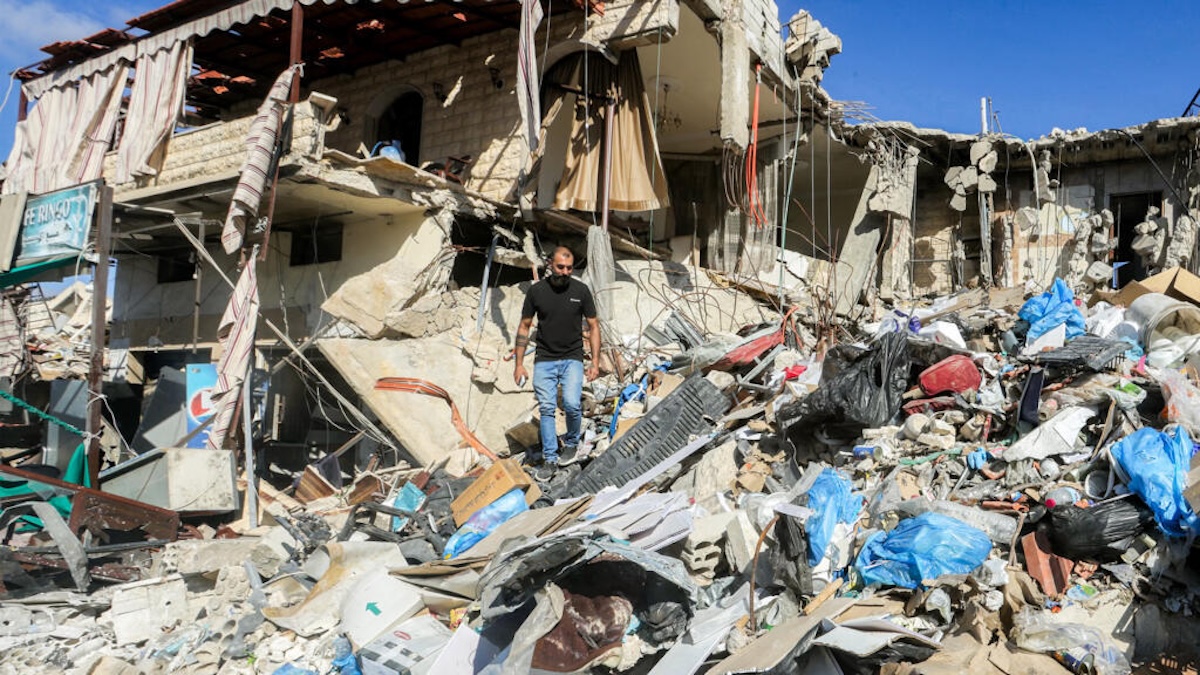
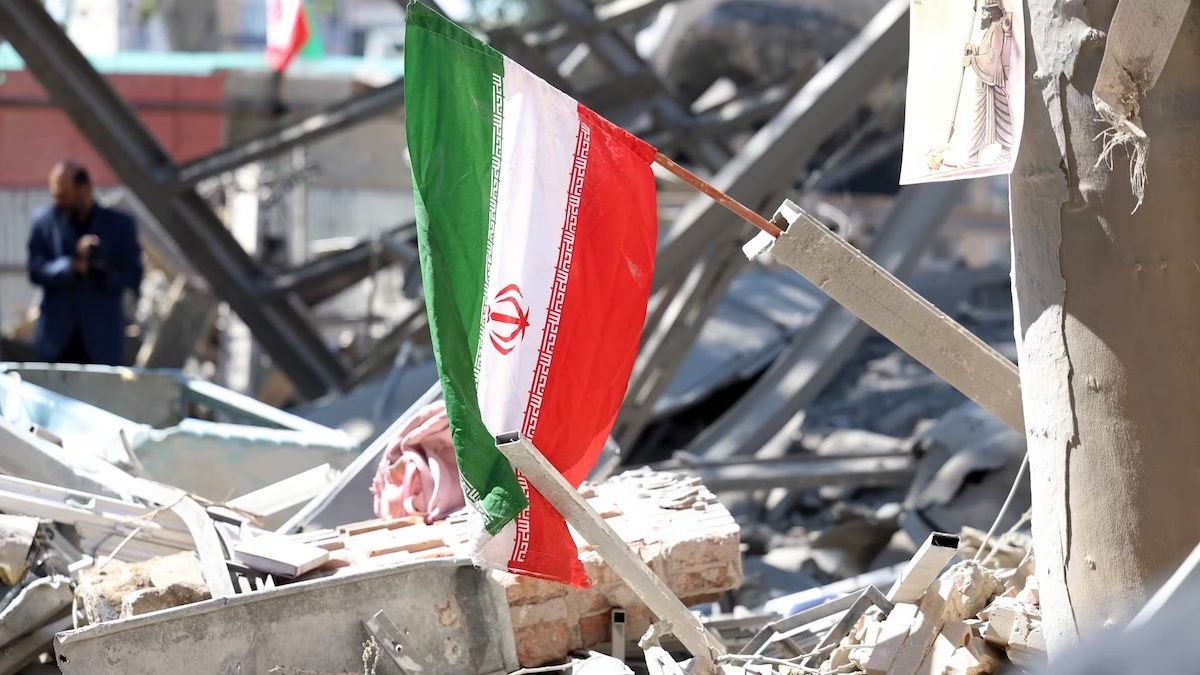
    On Thursday, just hours after the United States and Iran signed a landmark memorandum of understanding to guide negotiations ending a regional war launched in late February, the Israeli military launched two targeted drone strikes across southern Lebanon, leaving one person dead and three others injured, according to local official media.

    Lebanon’s state-run National News Agency confirmed the details of the attacks: the first strike hit the town of Beit Yahoun, where an Israeli drone dropped an explosive device that wounded two local residents. A second attack targeted a vehicle at a roundabout connecting the villages of Kfartebnit and Arnoun, killing one passenger and leaving a second in critical condition.

    The unprovoked attacks have immediately raised urgent questions about the future of the new US-Iran peace deal, whose text explicitly includes provisions for Lebanese security and requires an immediate end to all military operations across the country. The MOU, signed by both leaders during a diplomatic gathering in France late Wednesday, formalizes a binding commitment to end all active hostilities on every front—including Lebanon—between the two nations and their respective allies. It also requires all signatory parties to abandon threats of force, respect each other’s territorial sovereignty, and guarantee the full territorial integrity and political independence of Lebanon.

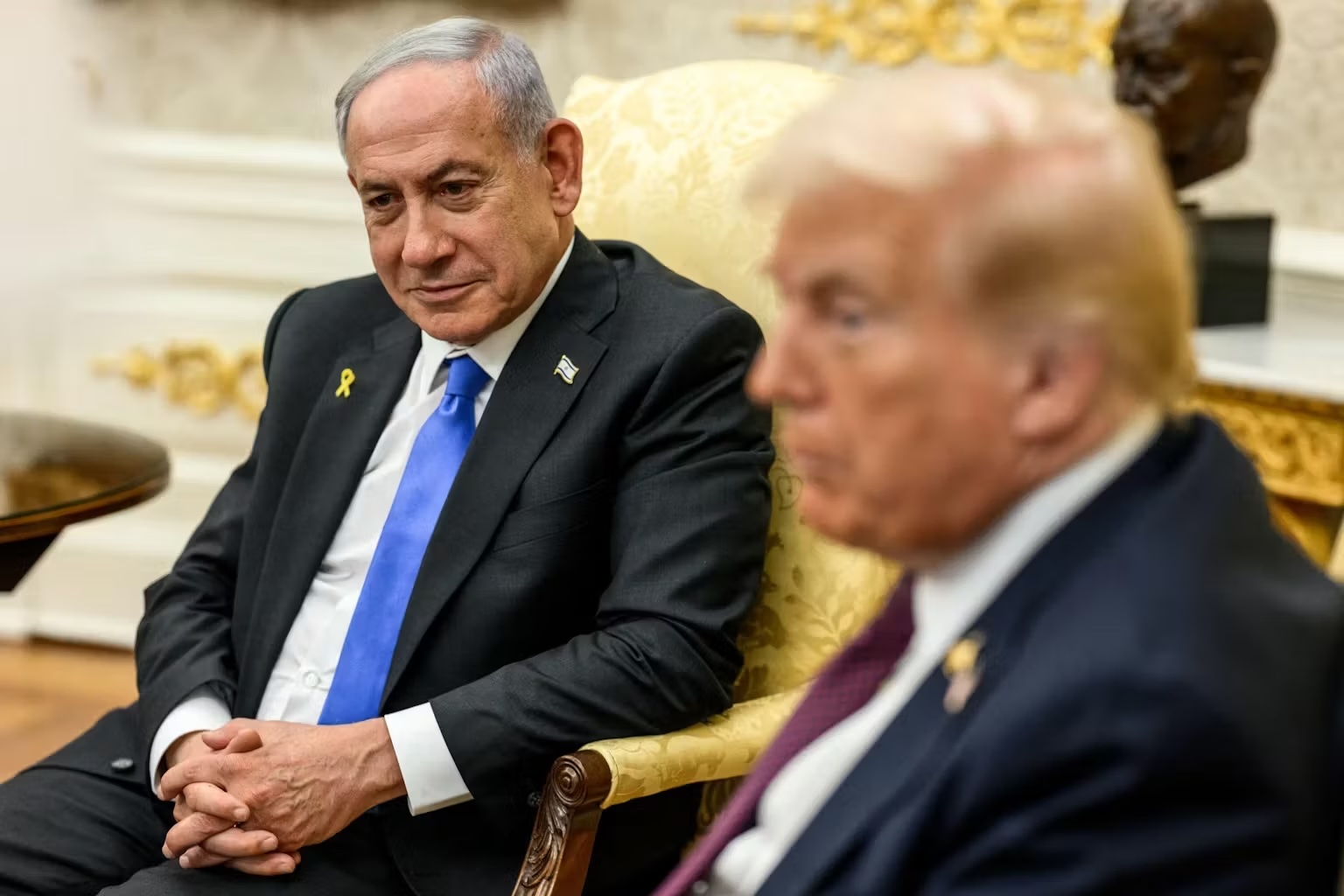
    Israeli Prime Minister Benjamin Netanyahu has long faced accusations of actively working to derail diplomatic progress between Washington and Tehran, and he has openly defied the terms of the new framework, refusing to issue any commitment to withdraw Israeli military forces currently occupying large swathes of southern Lebanon. Since Israeli military operations against targets in Lebanon began on March 2, Lebanese official data records that nearly 3,800 people have been killed in these attacks, hundreds of whom are children.

    Reuters reported Thursday that Israeli officials are currently holding closed-door negotiations with the United States to push for permission to maintain a permanent military presence in southern Lebanon. An anonymous senior Israeli official close to Netanyahu told the outlet that the Israeli government would not back away from its demands, including keeping troops deployed in the strategic area south of Lebanon’s Litani River. A second senior Israeli official added that the final outcome of these negotiations will depend entirely on whether US President Donald Trump is willing to pressure Israel into compliance, by threatening concrete repercussions if Jerusalem refuses to adhere to the interim peace pact’s terms.

    During a press conference held Wednesday, one day after the MOU was signed, Trump struck a diplomatic tone when speaking about Netanyahu, calling the Israeli leader “a very good man” and an “amazing prime minister.” He did, however, acknowledge the ongoing rift over Lebanon, saying, “We have a little dispute over Lebanon. I say, ‘You can do a little softer touch, Bibi. You don’t have to knock down a building every time somebody walks into it that’s from Hezbollah.’”

    Iran has already issued a clear warning that the entire MOU will be invalidated if Israel refuses to fully withdraw all its forces from Lebanese territory and end all military attacks. Speaking Thursday, Esmaeil Baqaei, spokesperson for Iran’s Foreign Ministry, said that the United States bears full responsibility for forcing Israel to uphold the commitments Washington made to Tehran in the signed document, saying “It is the responsibility of the US to force Israel to respect the US commitments to Iran in this document.”

  • Israel ‘will be at war with Syria sooner or later’, says Likud minister

    Israel ‘will be at war with Syria sooner or later’, says Likud minister

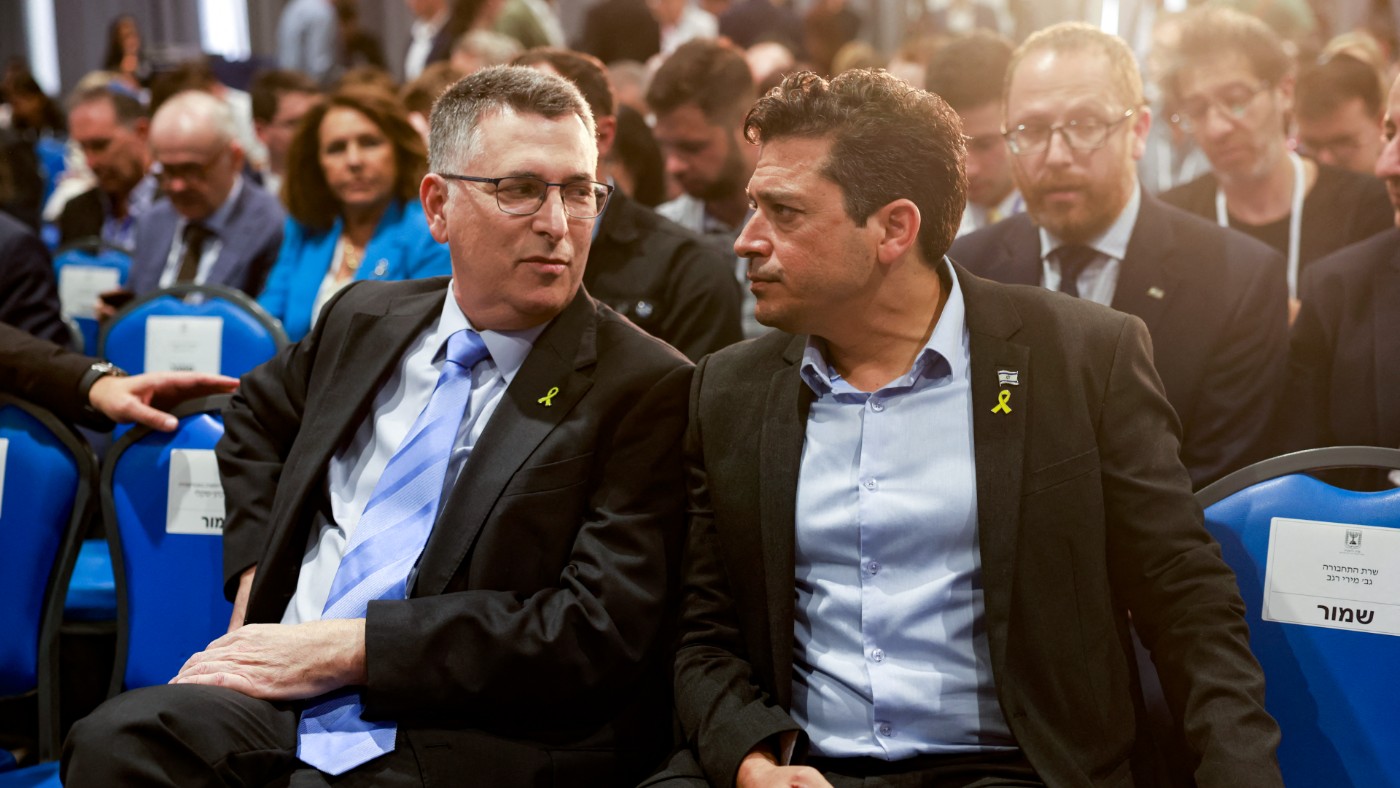
    A senior far-right Israeli cabinet member from Prime Minister Benjamin Netanyahu’s ruling Likud party has stoked regional tensions this week with explosive comments forecasting that Israel will ultimately go to war with Syria, and outlining a sweeping new anti-Israel alliance he claims is taking shape across the Muslim world.

    Amichai Chikli, Israel’s Minister of Diaspora Affairs, laid out his controversial assessment in a series of radio interviews conducted across Wednesday and Thursday, framing the emerging bloc as a far greater threat to Israeli national security than Iran and its recently finalized ceasefire agreement with the United States.

    Chikli centered his criticism on the new government led by Syrian President Ahmed al-Sharaa, claiming its jihadist ideological roots tied to the Islamic State and al-Qaeda, paired with its stated goal of securing the unification of Jerusalem, make peaceful coexistence with Israel impossible. From that foundation, he argued that a full military confrontation between Israel and Syria is inevitable. “There is no way that a jihadist regime rooted in Isis and al-Qaeda, whose aspiration is the unification of Jerusalem, can live in peace alongside the State of Israel,” Chikli stated.

    The minister went on to identify a three-country coalition he calls the “radical Sunni axis of evil”, made up of Pakistan, Turkey, and Qatar. In remarks to Israel’s Army Radio, he emphasized that this unreported new alliance poses a far more acute danger to Israel than Tehran, even as he acknowledged that Iran has secured major strategic gains through its U.S.-brokered ceasefire. “What is far more troubling is the new axis emerging in the Middle East,” Chikli explained.

    He argued Pakistan and Turkey earned their place in the bloc through their outsized influence during U.S.-Iran negotiations, while he dismissed Qatar as the global public relations mouthpiece for jihadist movements during an interview with Kol Barama Radio. Chikli reserved his sharpest criticism for Ankara, describing Turkish President Recep Tayyip Erdogan’s regional ambitions as “an extremely dangerous combination” for Israel. He claimed Turkey has effectively installed a protectorate over much of Syria, and doubled down on his assessment by saying “Turkey and Syria are ten thousand times more concerning than Iran.”

    Chikli’s comments come amid a sharp upward trajectory in bilateral tensions between Ankara and Jerusalem. Erdogan earlier this month declared that Israel’s ongoing military strikes in Syria and Lebanon constitute a direct threat to Turkish national security, stating that “Israel must be stopped, this is the duty of humanity.” Just weeks prior, Turkish Interior Minister Mustafa Ciftci publicly called for the “liberation” of Jerusalem, further ramping up rhetorical hostility between the two countries.

    Chikli is not an outlier in his hardline stance toward Turkey among senior Israeli political figures. Last week, fellow Likud lawmaker Ariel Kellner officially labeled Turkey an “enemy state,” while Israeli Culture and Sports Minister Miki Zohar argued last month that Israel must reclassify Turkey as an enemy state, warning that Ankara would face devastating consequences in any future conflict with Israel. Even former Israeli Prime Minister and opposition figure Naftali Bennett backed that framing back in February, declaring that “Turkey is the new Iran.”

    Outside of his regional security assessments, Chikli used his recent media appearances to defend a high-profile far-right British political agitator. After UK police detained Tommy Robinson, whose legal name is Stephen Yaxley-Lennon, and seized his electronic devices upon his return from a trip to Russia, Chikla called the action an attack on free speech. “One of Britain’s clearest voices against real Islamic terrorism is now being hunted under anti-terrorism laws. At this rate Britain will become the second Islamic Republic in Europe,” he claimed.

    Chikli also pushed back against the idea that the region is set for a long period of peace after two and a half years of continuous conflict. When asked if Israelis could expect an extended period of calm, he said he hoped for that outcome but did not expect it to hold. He argued that Turkey has open regional ambitions that directly undermine Israeli interests, though he was careful to clarify that Israel has no intention of capturing the Turkish capital of Ankara, and would welcome lasting peace with both Syria and Turkey. He closed by referencing the October 7, 2023, Hamas-led attack on Israel as a lesson: “When the enemy says something, I listen.”

    For years, Chikli has worked to build close working relationships with far-right political figures and governments across the globe, aligning with their anti-Islam and anti-immigration policy platforms.

  • World Cup what to know: U.S. back in action vs. Australia, Brazil works to rebound

    World Cup what to know: U.S. back in action vs. Australia, Brazil works to rebound

    The 202X FIFA World Cup continues its group stage slate this Friday, June 19, with four compelling matches spanning four U.S. host cities, packed with underdog ambition, star injury suspense, and redemption narratives that have soccer fans across the globe tuning in. From a U.S. men’s national team seeking to build on a stunning opening win to five-time champions Brazil looking to bounce back from a lackluster draw, the day’s action delivers no shortage of storylines to follow.

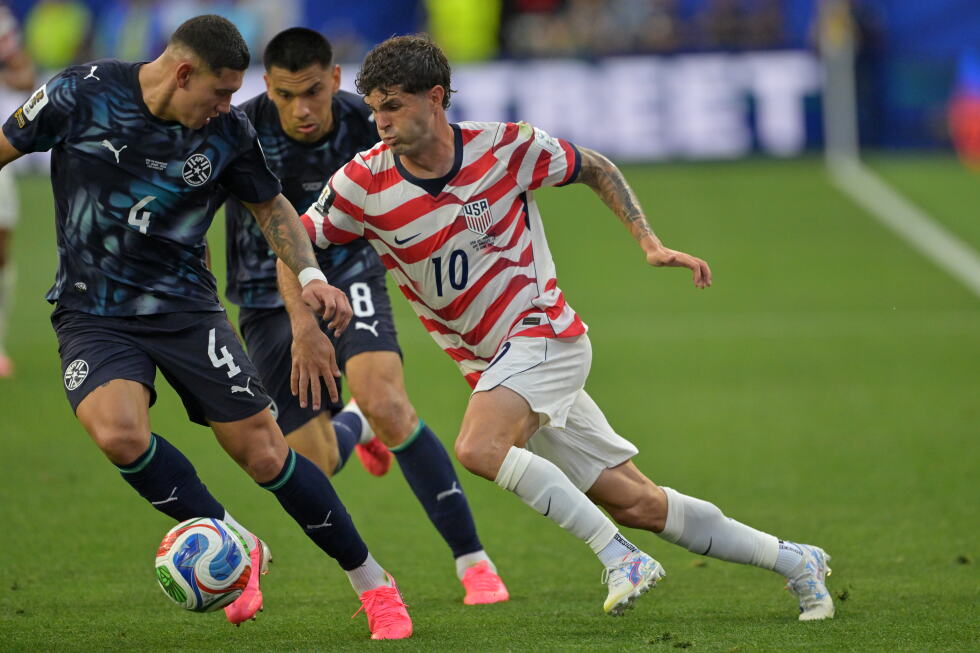
    Kicking off the day at 3 p.m. EDT in Seattle, the United States will face Australia, coming off a breakout opening performance that has sent fan expectations skyrocketing. The Americans delivered a 4-1 thrashing of Paraguay last time out, with Folarin Balogun notching a brace and Gio Reyna adding a third goal – a result that far outstripped even the most optimistic projections for the side. Star winger Christian Pulisic served as the catalyst for the team’s three first-half goals in that match, but was pulled at halftime after suffering a calf strain in pre-tournament training that has kept him sidelined from full team workouts for four straight days.

    Pulisic, who wears a compression sleeve on his injured left calf, joined his teammates for a pre-match warmup huddle Thursday before completing individual fitness work in the gym, leaving his availability for the Australia match in question heading into kickoff. Midfielder Weston McKennie noted that the AC Milan attacker is desperate to take the field and that both the player and team medical staff are working overtime to get him fit, but would not speculate on a final call for the match. Australia, for its part, enters the contest with its own momentum after a polished 2-0 win over Turkey in its opener, with goals from Nestory Irankunda and Connor Metcalfe. The Socceroos are making their sixth consecutive World Cup appearance, and will look to pull off an upset against the host nation in front of a raucous Seattle crowd.

    The second match of the day, kicking off at 6 p.m. EDT in Foxborough, Massachusetts, sees Scotland face off against North African powerhouse Morocco. For Morocco, the match comes on the heels of a 1-1 draw with Brazil – a result that felt underwhelming for a side that has rapidly emerged as one of men’s soccer’s most dangerous underdogs after its historic semifinal run at the 2022 Qatar World Cup. Moroccan midfielder Azzedine Ounahi made clear that the team’s ambitions go far beyond holding elite sides to draws, saying “We didn’t come to the U.S. to just play against Brazil. We came in to go even farther than we did in Qatar in 2022.”

    Scotland, by contrast, enters with confidence after a 1-0 opening win over Haiti that put the side in position to reach the knockout round for the first time in modern history. Head coach Steve Clarke acknowledged that Morocco is a far stiffer test than his side’s first opponent, but embraced the underdog label that Scotland will carry into the match: “Against difficult opponents we have to be very good. We’re a little more comfortable as underdogs. … Sometimes Scotland prefers it that way.”

    The night’s third match, scheduled for 8:30 p.m. EDT in Philadelphia, sees Brazil take on Haiti, as the five-time World Cup champions look to rebound from a flat, uninspiring 1-1 draw with Morocco in their opening fixture. Brazil struggled out of the gate against Morocco, with early jitters leaving the side outplayed until a 32nd-minute equalizer from Vinícius Júnior salvaged a share of the points. Head coach Carlo Ancelotti acknowledged the team’s rocky start, saying “We were a bit anxious at the beginning. Nerves were all over the place.”

    Even without star Neymar, who is sidelined with his own calf injury, Brazil carries a massive talent gap over Haiti, and will face mounting pressure to deliver a dominant win to reassert their status as legitimate title contenders – a title they have not claimed since 2002. For Haitian fans, the match carries mixed emotions, as the small Caribbean nation has long held deep affection for Brazilian soccer culture.

    Closing out the day’s action at 11 p.m. EDT in Santa Clara, California, Turkey and Paraguay will face off in a critical must-win match for both sides, who sit at the bottom of Group D after opening round losses. Paraguay’s fan base has already expressed frustration with the side following its 4-1 lopsided loss to the United States. Striker Mauricio scored the team’s only goal in that defeat, and will be counted on to deliver another clinical performance to get his side’s first points of the tournament. Turkey, making its first World Cup appearance in 24 years, dominated possession against Australia in its opener – holding 72% of the ball and outshooting the Socceroos 30-9 – but failed to find the back of the net, leaving the side desperate for a first win to keep its knockout stage hopes alive.

    All four matches will be broadcast across Fox, Telemundo, and Peacock, with the final Turkey-Paraguay fixture airing on FS1. The day’s action continues a packed group stage that has already delivered its share of upsets and surprises, with more expected as teams fight to secure their spots in the knockout round.

  • Iran gets Trump concessions, empty promises in return for little

    Iran gets Trump concessions, empty promises in return for little

    In a recent diplomatic development that has sent ripples across global geopolitics, the leaders of the United States and Iran have signed a 14-point memorandum of understanding (MOU) designed to end active hostilities between the two nations, as well as halt Israel’s ongoing military campaign against Hezbollah in Lebanon. But according to analysis from Jessica Genauer, Academic Director of the Public Policy Institute at UNSW Sydney, the agreement is rife with critical structural flaws, unfulfillable promises, and one-sided concessions that leave the U.S. with few tangible gains while abandoning key regional allies and endangering long-term regional stability.

    Genauer frames the deal as a classic “emperor has no clothes” moment: despite the Trump administration’s loud claims of a historic diplomatic victory, the agreement delivers almost no new benefits to the U.S. that were not already in place before the outbreak of war. Even the limited nuclear concessions offered by Iran are nothing new, she argues, and the U.S. has given up significant leverage in exchange for almost no meaningful progress on core national security priorities. Beyond that, the MOU abandons long-standing U.S. partners, most notably Gulf Cooperation Council states, while sidelining core Israeli security interests and ignoring the democratic aspirations of the Iranian people. Worse, many of the core commitments laid out in the document are impossible for the U.S. to deliver on, particularly pledges around broad sanctions relief and the unfreezing of billions in Iranian assets held around the world.

    Breaking down the most problematic provisions of the MOU, Genauer first examines the clause calling for an immediate and permanent end to all military operations across all fronts, including Lebanon. A glaring oversight here is that the agreement never mentions the two primary parties to the Lebanese conflict — Israel and Hezbollah — and neither side was consulted before the clause was added to the MOU. The text also fails to clarify whether the ceasefire requires a full withdrawal of Israeli forces from southern Lebanon, a step that is all but politically impossible for Israeli Prime Minister Benjamin Netanyahu to implement. A solid majority of the Israeli public supports continued military pressure on Hezbollah and retaining control over southern Lebanon to eliminate the group’s cross-border threat. While a temporary ceasefire may hold in the short term, Genauer concludes the underlying conflict will almost certainly reignite in the near future.

    Next, the MOU includes a provision requiring Iran to allow unimpeded, fee-free safe passage for commercial shipping through the Strait of Hormuz for a 60-day period, a clause Genauer calls deeply problematic. In effect, the agreement explicitly concedes Iran’s right to begin charging shipping fees for passage through the strait once the 60-day window expires — a major win for the Iranian regime that upends decades of international consensus around free navigation through the critical global energy chokepoint. This provision places Gulf states and Oman in an extraordinarily difficult position: the agreement includes no binding security guarantees to protect these nations from Iranian aggression, leaving them with little choice but to accept Iran’s demand for fees to keep their energy and commodity exports flowing.

    The MOU also includes a commitment from the U.S. and unspecified regional partners to develop a $300 billion fund for Iranian post-conflict reconstruction and economic development. Genauer notes the U.S. is highly unlikely to contribute any of its own funding to the initiative, meaning the entire burden will fall on Gulf regional partners. For Iran, this provision creates a powerful new coercive tool: Tehran can pressure Gulf states to fund the reconstruction plan, threatening to block the Strait of Hormuz and resume cross-border attacks if they refuse. Faced with a choice between paying billions or enduring sustained economic and security damage, most Gulf states will likely concede to Iran’s demands. This dynamic also pushes Gulf nations into a delicate position with the U.S.: while they remain dependent on Washington for military security and will not openly break with the U.S., they are almost certain to pursue deeper diplomatic and economic partnerships with other global powers, particularly China, to hedge their bets.

    On the critical issues of sanctions relief and unfreezing Iranian assets, two core pledges laid out in points 7 and 11 of the MOU, Genauer highlights that the U.S. simply cannot deliver on most of its promises. Washington can only lift unilateral U.S. sanctions and unfreeze assets held directly on U.S. territory, which make up a tiny fraction of Iran’s total frozen assets globally. The agreement requires the U.S. to also cancel United Nations Security Council and International Atomic Energy Agency (IAEA) sanctions resolutions, a step that is completely outside Washington’s unilateral control. What’s more, the U.S. did not consult with its allies who hold the vast majority of Iran’s frozen assets before signing the MOU, leaving no clear path to pressure those allies to release the funds.

    Finally, on the nuclear issue that has been at the center of U.S.-Iran tensions for decades, the MOU delivers almost no new progress. The agreement only reaffirms Iran’s existing pre-war commitment not to develop nuclear weapons, and deliberately omits any ban on Iranian uranium enrichment — a core long-standing red line for U.S. negotiators. The only concrete nuclear provision requires Iran to dilute its existing stockpiles of enriched uranium under IAEA supervision in exchange for sanctions relief, and the text only commits both sides to “discuss the issue of enrichment” at some future date. Genauer notes it is extremely unlikely that a more detailed, binding agreement on enrichment will be reached within the 60-day window outlined in the MOU; any future negotiations would take months at a minimum, and a final deal is far from guaranteed. Despite this lack of progress, the U.S. has already agreed to offer sweeping sanctions relief, representing a major one-sided concession to Tehran.

    This analysis, originally published in *The Conversation* under a Creative Commons license, offers a critical, detailed breakdown of the gaps and risks of the new U.S.-Iran diplomatic agreement.

  • Why US presidents end up cursing Benjamin Netanyahu

    Why US presidents end up cursing Benjamin Netanyahu

    For nearly 30 years, Israel’s longest-serving prime minister Benjamin Netanyahu has built a legacy of clashing with sitting U.S. presidents, leaving even the most powerful leaders in the world reaching for expletives to express their frustration. A candid new analysis traces this long-running pattern of tension, revealing how Netanyahu’s strategic choices and the unique structure of U.S.-Israel relations have repeatedly put the two allies at odds – with escalating consequences that now threaten Israel’s long-standing bipartisan support in America.

    The string of high-profile friction stretches back to 1996, when Netanyahu met newly elected U.S. president Bill Clinton for the first time. After Netanyahu delivered a lengthy, unsolicited lecture on the history of the Arab-Israeli conflict, an exasperated Clinton turned to his aides afterward asking, “Who the fuck does he think he is? Who’s the fucking superpower here?”

    Relations between Netanyahu and Barack Obama were hostile from the start, and deteriorated rapidly after Obama launched negotiations for a landmark nuclear deal with Iran. In a 2011 open-mic incident years before the deal was finalized, then-French president Nicolas Sarkozy described Netanyahu to Obama as “a liar,” to which Obama replied: “You may be sick of him, but me, I have to deal with him every day.” Journalist Jeffrey Goldberg later documented that Obama’s senior staffers privately referred to Netanyahu with the scathing insult “chickenshit.”

    Most recently, the pattern repeated with Donald Trump in June 2024, after Netanyahu ordered a military strike on Beirut, the capital of Lebanon. Concerned the attack would upend a fragile pending agreement to end escalating conflict with Iran, Trump lashed out publicly, saying Netanyahu has “no fucking judgment.” Even current president Joe Biden has joined the long list of frustrated leaders, with reports indicating Biden called Netanyahu a “fucking liar” over his management of the devastating post-October 2023 war in Gaza.

    While many observers attribute this repeated friction to Netanyahu’s stubborn, single-minded personality, the analysis argues there is a deeper structural explanation rooted in the unique nature of U.S.-Israel relations. Unlike other foreign leaders who clash with U.S. presidents, sitting American chief executives cannot simply dismiss Netanyahu or cut off U.S. military and diplomatic support for Israel, thanks to the powerful, well-organized pro-Israel constituencies that exert major influence over U.S. domestic politics.

    Netanyahu has actively leveraged this dynamic to advance his own policy goals, mobilizing U.S. domestic pro-Israel groups to pressure sitting presidents when their priorities diverge from his. In 1998, for example, when Clinton pressured Netanyahu to cede territory in the Israeli-occupied West Bank during a Washington visit, Netanyahu spoke the night before his meeting with Clinton to 1,000 members of the pro-Israel Christian right, a core constituency that openly opposed Clinton’s agenda, and held separate meetings with top Republican leaders. When Clinton met him the next day, he dryly noted, “I know where you were last night.”

    This strategy reached new heights during the Obama administration, when Netanyahu rallied broad opposition within U.S. political circles to derail Obama’s Iran nuclear deal. Whenever Obama pressured Netanyahu to curb settlement expansion in the West Bank, Netanyahu stoked domestic U.S. political backlash that ultimately forced Obama to back down rather than absorb the political cost of confrontation.

    In recent years, Netanyahu has doubled down on this approach by making a deliberate strategic choice to align himself closely with the U.S. Republican conservative right. This partisan alignment has amplified tensions with Democratic presidents, who have historically been more willing to challenge Israeli policy, and has turned U.S. support for Israel into an increasingly divisive partisan issue – a shift that critics warn has already eroded support for Israel among the American left.

    The 2024 clash with Trump marks a major turning point, however: it is the first time a sitting Republican president has openly and harshly criticized Netanyahu, undermining the core of his long-standing partisan strategy. The analysis argues that over the past year, Netanyahu overextended his influence, pushing aggressively to draw the U.S. into a direct military confrontation with Iran, a goal he has pursued for decades. From Trump’s perspective, Netanyahu maneuvered the U.S. into a costly, intractable conflict that damages U.S. economic and global interests, and Netanyahu refuses to prioritize a quick cease-fire that would ease global economic pressure.

    Today, the consequences of Netanyahu’s decades-long strategy are playing out against a dramatically shifted backdrop. Broad public support for Israel across the U.S. political spectrum has collapsed amid mounting casualties from the Gaza war, and even traditionally pro-Israel conservative voters are growing frustrated over the economic harm of the escalating regional conflict. Netanyahu now finds that his partisan alignment has left his country with no solid base of bipartisan support in the U.S. The article concludes that future Israeli leaders will likely look back at Netanyahu’s approach and share the frustrated assessment that led Trump to reach for a curse word – that the long-serving prime minister lacked the judgment to protect Israel’s most critical alliance.

  • Christian Pulisic trains separately for 4th straight day and could miss next US World Cup game

    Christian Pulisic trains separately for 4th straight day and could miss next US World Cup game

    SEATTLE — Uncertainty hangs over the availability of star American winger Christian Pulisic for the U.S. Men’s National Team’s critical second World Cup matchup against Australia on Friday, after the AC Milan attacker completed his fourth consecutive day of separate training Thursday while managing a nagging left calf injury.

    The 27-year-old, widely regarded as the most accomplished player in the current U.S. squad, got the start in last week’s opening 4-1 blowout victory over Paraguay. But he was forced to exit at halftime, having developed unexpected stiffness from the injury he first sustained during a team training session. In the days leading up to Thursday’s session, Pulisic had already skipped full group workouts at the team’s Orange County base, and he did not join his teammates for on-pitch work Thursday morning at the University of Washington’s Husky Soccer Stadium.

    Pulisic did join the full squad for a pre-training huddle ahead of Thursday’s session, wearing a compression sleeve on his injured calf, before heading inside the facility to complete individual strength and conditioning work in the gym.

    Ahead of the session, U.S. midfielder Weston McKennie told reporters he had limited insight into Pulisic’s recovery timeline, but shared that the star is pushing hard to be available for the Australia fixture. “I know he really wants to be in, and he’s doing everything that he can, and the staff is doing everything that they can as well,” McKennie said. “But, that’s also another question that’s better to ask him than me.”

    Pulisic was a key playmaker in the opening win over Paraguay, creating an early own goal by the Paraguayan defense and notching an assist for Folarin Balogun’s first goal of the two he scored in the match. Losing their top attacking weapon would deal a significant blow to the U.S. side, which entered the Australia matchup riding a wave of momentum off its highest-scoring opening World Cup performance in modern history.

    Despite the injury concern, the squad remains focused on capitalizing on the momentum built from the opening win, said midfielder Cristian Roldan. “What excites me is that the entire world, the entire nation is behind us,” Roldan said. “I think that they enjoyed watching us play, and at the end of the day what we want to do is inspire and motivate the next generation. … We have to build off it, and that’s the truth. We can’t just talk about it: we have to show out against Australia.”

    If head coach Mauricio Pochettino rules Pulisic unfit to face the Socceroos, he has multiple attacking options to step into the starting role. The two most likely replacements are Leeds winger Brenden Aaronson, who notched four goals and five assists in the most recent club season, and Marseille forward Tim Weah, whose pace can change the dynamic of a game on either flank.

    Other potential options include Gio Reyna, who scored the U.S.’s final goal against Paraguay and has shown dynamic playmaking ability off the wing. Sebastian Berhalter already replaced Pulisic at halftime in the Paraguay opener, while starting midfielder Malik Tillman turned in an impressive performance in Pulisic’s absence during that match.

    McKennie added that the entire squad has rallied around Pulisic during his recovery, and that the star has remained in a strong mental state despite the setback. “I think mentally he’s great,” McKennie said. “I think it’s really hard for someone’s mental game to be messed up in these types of conditions in U.S. soccer, and all the guys around, we’re a big family. So, we’re always there to pick someone up if they’re down, and excel them even further if they’re not. So, I think he’s doing good mentally.”

  • ‘There will be no kings’ – Obama speaks at presidential centre opening

    ‘There will be no kings’ – Obama speaks at presidential centre opening

    On a momentous day in Chicago, thousands gathered under bright skies for the star-studded official opening of the Barack Obama Presidential Center, a landmark project years in the making that anchors a new era of civic engagement on the city’s South Side. Among the attendees were A-list celebrities, prominent political figures, and hundreds of local community members who turned out to mark the milestone, bringing a buzz of energy to the waterfront campus.

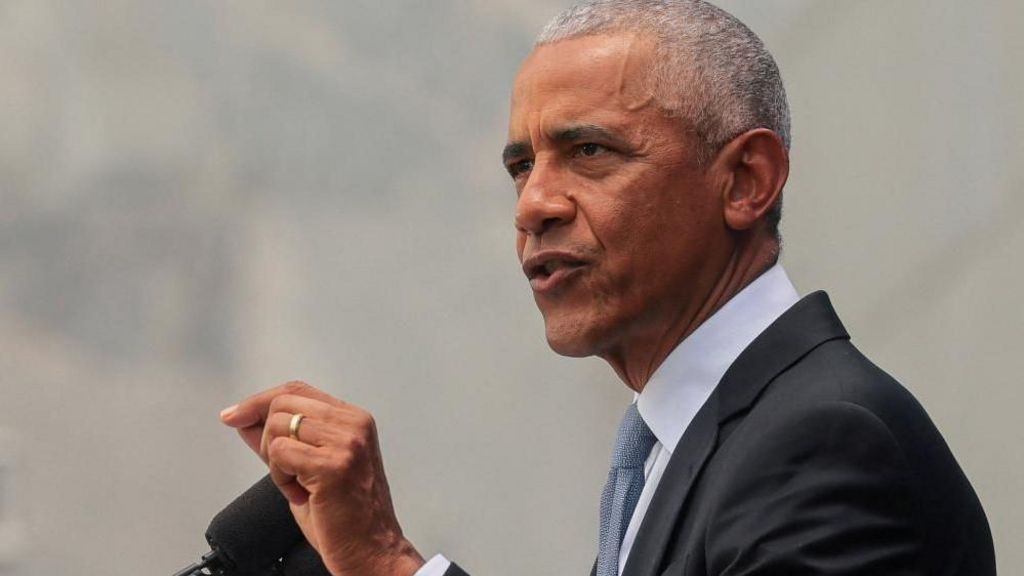
    In his keynote address to the assembled crowd, former two-term U.S. President Barack Obama delivered a stirring message that pushed back against rising authoritarian currents both at home and abroad, declaring pointedly: “There will be no kings in the United States of America.” The line landed amid growing national conversations about the future of American democracy, drawing a standing ovation from the audience.

    Beyond the rebuke of strongman politics, Obama centered his speech on a core plea that has defined his post-presidency public advocacy: a urgent call for Americans to set aside deep partisan divisions and come together to address the shared challenges facing the nation. He emphasized that the project of American democracy depends on collaboration rather than constant conflict, and framed the new presidential center as a space designed to foster that spirit of collective action. The facility, which houses exhibits on Obama’s presidency, leadership training programs for young activists, and public green space, is intended to serve as a hub for the next generation of community organizers and leaders. The dedication ceremony brought together a host of high-profile guests, blending star power with grassroots energy to celebrate the launch of the institution.