博客

  • France’s budget set to clear the way for Macron’s military spending boost

    France’s budget set to clear the way for Macron’s military spending boost

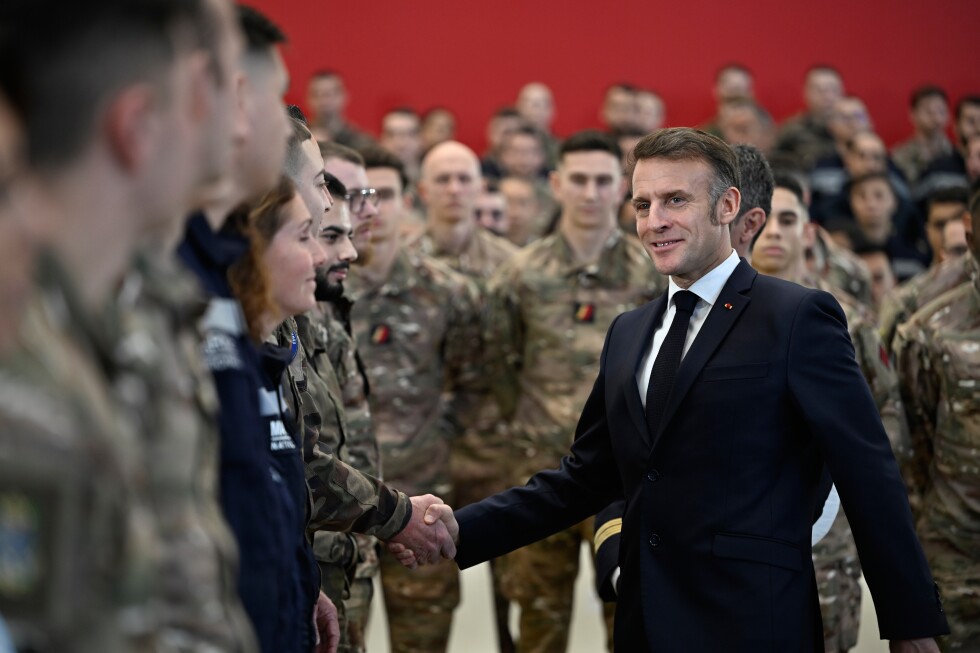
    PARIS — After months of political discord, France’s delayed annual budget is poised for final approval on Monday, paving the way for substantial increases in defense expenditure as pledged by President Emmanuel Macron. The budgetary process, characterized by parliamentary fragmentation and governmental instability, ultimately required Prime Minister Sébastien Lecornu to invoke special constitutional powers to bypass legislative gridlock and enact the legislation without a formal vote.

    The defense allocation represents a significant departure from broader austerity measures, with the military sector receiving an exceptional €6.7 billion ($7.9 billion) augmentation compared to 2025 levels. This financial injection will facilitate the acquisition of advanced military assets including a nuclear-powered attack submarine, 362 armored vehicles for army modernization, and new Aster surface-to-air missile systems. Concurrently, France is launching an expanded voluntary military service program targeting thousands of young citizens aged 18-19.

    Macron’s administration is pursuing deficit reduction targets aiming to decrease the budget deficit from 5.4% to 5% of GDP, while implementing spending cuts across most government departments. This fiscal consolidation occurs amid pressure from European Union institutions and credit rating agencies concerned about France’s debt sustainability within the Eurozone’s second-largest economy.

    The budgetary process revealed the government’s precarious parliamentary position, forcing concessions including the suspension of Macron’s controversial pension reforms that would have raised the retirement age. Corporate taxation will see increases, with an additional levy on large companies projected to generate €7.3 billion ($8.7 billion) in revenue.

    As Macron approaches the final year of his presidency, his attention has increasingly shifted toward international affairs and defense strategy. Recent diplomatic initiatives include advocating for security guarantees for Ukraine, demonstrating European solidarity with Greenland, and supporting the designation of Iran’s Revolutionary Guard as a terrorist organization by the EU. The president’s foreign policy stance gained particular attention during the Davos summit, where his remarks expressing preference for ‘respect over bullies’ were widely interpreted as a rebuke to former President Donald Trump’s tariff threats.

  • Balloons from Belarus cross into Polish airspace for a third night

    Balloons from Belarus cross into Polish airspace for a third night

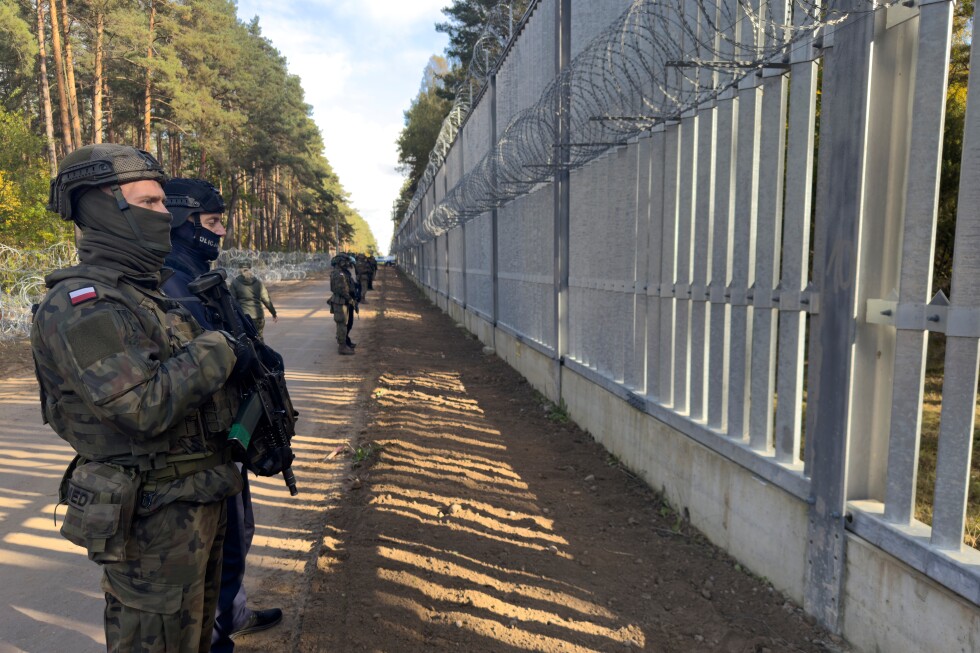
    WARSAW, Poland — For the third consecutive night, Polish authorities have documented unauthorized balloon incursions originating from Belarus, marking a significant escalation in hybrid operations along the EU’s eastern frontier. The Polish Armed Forces Operational Command characterized these events as deliberate attempts by Minsk to test Warsaw’s aerial defense readiness and reconnaissance capabilities.

    Military spokesperson Jacek Goryszewski revealed that balloon-related incidents have surged dramatically in early 2026 compared to the same period last year. While the exact motivation remains unclear, officials suggest the increase could stem from either political directives within the Belarusian government or sophisticated adaptation by criminal smuggling networks evading enhanced border security measures.

    Although the Polish military maintains these aerial violations pose no direct threat to national airspace security, temporary flight restrictions have been imposed over the Podlaskie region bordering Belarus as a precautionary measure. The Belarusian embassy in Warsaw has not responded to requests for commentary regarding these allegations.

    This development occurs within the broader context of what NATO members Poland and Lithuania describe as coordinated hybrid warfare tactics employed by Belarus and its ally Russia. These tactics previously included manufacturing migration crises, alleged sabotage operations, and systematic espionage activities targeting Western nations.

    The balloon incidents follow earlier security breaches including Russian drone penetrations of Polish airspace in September and a November explosion on passenger rail infrastructure that Warsaw attributes to Moscow. Lithuanian authorities faced similar aerial provocations in December when meteorological balloons from Belarus forced repeated shutdowns of Vilnius International Airport, creating massive travel disruptions that officials labeled as deliberate hybrid attacks.

  • UAE creators race to complete advertiser permits before January 31 deadline

    UAE creators race to complete advertiser permits before January 31 deadline

    The United Arab Emirates has ushered in a new era of digital content regulation as its mandatory advertiser permit system took full effect on January 31, 2026. The groundbreaking policy, initially announced in July and subsequently extended through October, represents a significant shift in how the Gulf nation oversees its burgeoning creator economy.

    Content producers across the Emirates shared predominantly positive experiences despite a weekend registration surge preceding the deadline. The permit system mandates that all individuals publishing promotional material online—whether compensated or not—obtain official authorization or face potential penalties reaching AED 500,000 (approximately $136,000).

    Dubai-based creator Yasmin M. reported an efficient application process completed within thirty minutes at an Amer Lounge service center. “The procedure was remarkably smooth,” she noted. “After presenting identification and a brief wait, officials processed my application despite my lack of prior trade licensing.”

    The regulatory framework requires applicants to be at least 18 years old, with provisions for minors to apply under guardian supervision. All permit holders must maintain valid electronic media trade licenses, renewable annually with a 30-day grace period following expiration. International visitors may participate through UAE-based licensed agencies.

    While most creators reported straightforward experiences, some encountered unexpected hurdles. Amina (pseudonym), whose application faced rejection without detailed explanation, has initiated an appeals process seeking clarification. “The system operated professionally,” she acknowledged, “but transparency regarding content standards would be beneficial.”

    The implementation has sparked diverse reactions across social platforms. Mariam Salih, a casual TikTok user with modest followership, pursued compliance as a precautionary measure. “I primarily create content for enjoyment,” she explained, “but regulatory compliance outweighs potential risks.”

    This regulatory development coincides with increased institutional support for UAE creators, including a recently announced Dh5-million fund for family-oriented content producers and Amazon’s Creators Foundry initiative. The simultaneous introduction of support mechanisms and compliance requirements signals the government’s dual approach to nurturing and regulating the digital content sector.

    As enforcement commences, the UAE joins global discussions about balancing creative expression, commercial opportunity, and regulatory oversight in rapidly evolving digital economies.

  • Why the UAE is pulling ahead in the EV transition

    Why the UAE is pulling ahead in the EV transition

    The United Arab Emirates has quietly positioned itself at the forefront of the global electric vehicle revolution, creating a unique market paradigm that transcends conventional EV adoption narratives. While many nations still approach electric mobility through the lens of environmental responsibility and cost savings, the UAE has engineered a comprehensive ecosystem where government policy, infrastructure development, and consumer aspirations converge to accelerate adoption.

    Market projections reveal remarkable growth trajectories, with battery electric vehicle sales expected to expand at a 19% compound annual growth rate between 2024 and 2029. This momentum stems from unprecedented public-private alignment, including Dubai’s transformation of approximately 70% of its taxi fleet to battery electric and hybrid models—a clear indicator of systemic change rather than niche adoption.

    The charging infrastructure network continues to scale strategically, initially emphasizing slow chargers but rapidly expanding fast-charging capabilities as utilization increases. For ride-hailing operators, the economic model proves increasingly compelling, with earnings between 15-22% achievable under battery replacement frameworks.

    Luxury Redefined: From Performance to Experience

    In a region historically synonymous with V12 engines and dramatic arrivals, the very definition of automotive luxury is undergoing profound transformation. Industry leaders note that premium EV adoption in the UAE represents a paradigm shift where technology, digital integration, and seamless experiences have become the new benchmarks of luxury.

    Karim-Christian Haririan, Managing Director of BMW Group Middle East, emphasizes that success stems from ‘the power of choice, enabled by technological openness.’ The forthcoming BMW Intelligent Personal Assistant, built on Amazon’s Alexa+ AI architecture, exemplifies this evolution—transforming vehicles from mechanical marvels into intuitive digital companions.

    Ricky Mullins, Executive Vice-President of Exeed UAE, observes that luxury now reflects ‘intelligence, effortlessness, and emotional ease’ rather than overt status symbols. This recalibration is particularly significant in a market where refinement is measured by how quietly, smoothly, and intuitively vehicles perform.

    Roberto Colucci, Director of EVs at AW Rostamani Group, describes the transition as fundamental: ‘The absence of engine noise isn’t a loss, it’s a gain. It creates a refined cabin environment that allows for an entirely new level of comfort and conversation.’

    Beyond Sustainability: The Experience Economy

    While sustainability initiates consumer consideration, it no longer dominates purchase decisions. Comprehensive research indicates that 52% of UAE buyers prioritize lower operating costs, while 47% cite environmental concerns—but the ultimate decision hinges on overall experience, design, and lifestyle alignment.

    This psychological shift from duty-based to desire-driven adoption explains why 94% of UAE EV owners intend to purchase another electric vehicle. The market has matured beyond compromise, offering vehicles that deliver superior driving experiences while addressing environmental considerations.

    Digital-First Ownership Models

    The UAE’s advanced digital landscape has reshaped EV ownership expectations, with smartphones becoming the new control centers for vehicle management. From checking charge levels and preconditioning cabins to scheduling maintenance and locating chargers, integrated apps have transformed the ownership experience.

    Flexible subscription models through platforms like Shift Rent a Car and Subscribe Me further lower adoption barriers, particularly valuable in a market characterized by mobility and transient residency patterns. These digital-native approaches align with broader regional trends in banking, retail, and service consumption.

    Securing Global Leadership

    Maintaining the UAE’s competitive advantage requires transitioning from rapid adoption to comprehensive system building. Industry leaders emphasize the necessity of sustained infrastructure investment, supportive regulatory frameworks, and innovative public-private partnerships.

    The next phase demands full ecosystem integration, including charging interoperability across networks, smart grid capabilities enabling vehicle-to-grid technologies, and developing circular economy solutions for battery repair, reuse, and recycling. With premium vehicles above $80,000 currently dominating the market, expanding mid-range options will be crucial for mass adoption.

    As the UAE continues to refine its EV ecosystem, the nation demonstrates how strategic alignment across government, industry, and consumer preferences can accelerate sustainable transportation transitions while creating market leadership in the emerging electric mobility economy.
  • A Kremlin official confirms that U.S.-brokered Russia-Ukraine talks are resuming this week

    A Kremlin official confirms that U.S.-brokered Russia-Ukraine talks are resuming this week

    ABU DHABI, United Arab Emirates – Diplomatic efforts to resolve the Russia-Ukraine conflict will resume this week with trilateral negotiations scheduled in Abu Dhabi on Wednesday and Thursday, according to Kremlin officials. The talks, mediated by the United States, follow a brief postponement attributed to scheduling conflicts despite ongoing frontline hostilities and devastating long-range attacks on civilian infrastructure.

    Kremlin spokesman Dmitry Peskov characterized the discussions as “very complex,” noting that while progress has been achieved on certain issues, significant divisions remain on others. The negotiations occur as the fourth anniversary of Russia’s full-scale invasion approaches, with key sticking points including Moscow’s demand to retain occupied Ukrainian territories, particularly in Ukraine’s eastern industrial regions.

    The diplomatic push continues against a backdrop of intensified violence. Recent Russian drone and missile bombardments have resulted in substantial civilian casualties, including twelve miners killed in a single attack on Sunday. These assaults have severely damaged Ukraine’s power infrastructure, leaving populations without heating, electricity, or running water during harsh winter conditions.

    In a parallel technological development, Ukrainian Defense Minister Mykhailo Fedorov announced measures to prevent Russian forces from exploiting SpaceX’s Starlink satellite services for drone navigation. Ukraine has implemented a mandatory registration system for Starlink terminals, disabling unapproved devices within its territory. SpaceX CEO Elon Musk acknowledged the effectiveness of these countermeasures, offering further cooperation if needed.

    The talks follow discreet weekend meetings between Russian envoy Kirill Dmitriev and American officials in Miami, though details remain undisclosed. Despite sustained diplomatic engagement from the Trump administration, fundamental disagreements continue to impede breakthrough possibilities as the conflict approaches its fourth year.

  • UAE schools expand FS2, Grade 1 capacity to meet rising demand amid new age cut-offs

    UAE schools expand FS2, Grade 1 capacity to meet rising demand amid new age cut-offs

    United Arab Emirates educational institutions are significantly increasing capacity for Foundation Stage 2 and Grade 1 classes to address substantial enrollment demand following recent adjustments to national school entry regulations. The capacity expansion comes as Dubai’s private education sector implements revised age eligibility guidelines issued by the Knowledge and Human Development Authority (KHDA).

    In December, the Ministry of Education extended the enrollment cutoff date from August 31 to December 31 for Foundation Stage One admissions within the British curriculum system. This regulatory change has subsequently influenced placement decisions for FS2, Year 1, and Year 2 admissions across the country.

    The implementation has created logistical challenges for both families and educational institutions. Numerous parents have reported limited availability at preferred schools, necessitating alternative placement arrangements. Concerns have emerged regarding developmental readiness as some children are being placed in older age groups earlier than originally anticipated.

    Marah Kadoura, Principal of Woodlem American School in Ajman, indicated that schools are strategically planning enrollment while prioritizing early applicants. “Although some classes such as KG2 and Grade 1 are approaching capacity, institutions are implementing measures to increase seating availability where feasible,” Kadoura noted, while acknowledging physical infrastructure and class size limitations.

    The KHDA has clarified that children born between September 1 and December 31, 2021, who were previously ineligible for the 2025-2026 academic year, may now register for FS2 or Year 1 for the 2026-2027 session. Final enrollment decisions remain subject to individual assessments of developmental readiness and seat availability.

    Education experts emphasize the critical importance of transparent communication during this transition. Neil Hopkin, Director of Education at Fortes Education, highlighted their comprehensive outreach to affected families: “We have engaged closely with parents to explain how the updated KHDA guidance functions and its implications for individual placements.”

    Developmental considerations remain paramount amidst the regulatory changes. Vandana Gandhi, CEO of British Orchard Nursery, emphasized that “not all children meeting the new age criteria may be developmentally prepared for FS2.” Her organization has implemented an Enhanced Readiness Programme specifically designed to support children requiring additional preparation before transitioning to more formal educational environments.

    As the academic community adapts to these regulatory modifications, maintaining educational quality while accommodating increased demand represents the primary challenge facing UAE educational institutions.

  • Many UAE residents sell gold, silver to pay off loans, buy properties

    Many UAE residents sell gold, silver to pay off loans, buy properties

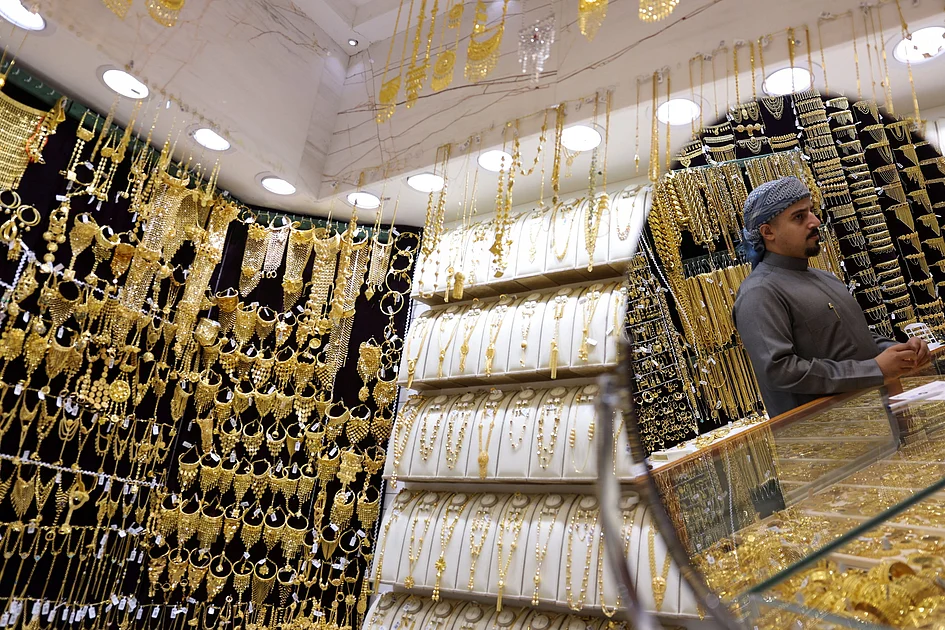
    A significant number of UAE residents and investors are leveraging unprecedented gold and silver valuations to achieve key financial objectives, including property acquisition and debt settlement. This strategic movement follows a dramatic surge in precious metal prices, which recently reached historic peaks before experiencing a notable correction.

    In Dubai, 24-karat gold achieved an all-time high of Dh666 per gram on January 29th, 2026, creating optimal selling conditions. However, prices subsequently declined by Dh76.5 per gram over the weekend, settling at Dh589.5 per gram. Corresponding decreases affected other variants, with 22K, 21K, 18K and 14K gold trading at Dh545.75, Dh523.25, Dh448.5 and Dh349.75 per gram respectively. Globally, spot gold prices retreated to $4,893.2 per ounce, representing an 8.14% decrease from the record $5,500 peak observed earlier. Market analysts attribute this adjustment to dollar strengthening following the appointment of Kevin Warsh as Federal Reserve Chair.

    The price volatility triggered substantial selling activity across UAE markets. Dubai’s Gold Souk witnessed extensive queues of sellers during Thursday and Friday as residents sought to capitalize on the favorable rates.

    Shehzadi Rehman, a 29-year Dubai resident and interior designer, reported generating a 25% profit from selling older gold jewelry. ‘Many are liquidating unworn gifted jewelry to invest in alternative avenues,’ she explained. ‘One acquaintance utilized proceeds for a property down payment and foreign investment.’ Rehman noted this represents an optimal opportunity for credit card debt elimination through asset liquidation.

    This trend intersects with Dubai’s robust real estate market, which has delivered consistent double-digit returns over five years despite recent stabilization. The sustained property appreciation, coupled with escalating rental costs, has motivated numerous long-term tenants to transition toward ownership.

    Investor Mayank Dudeja disclosed divesting 35% of his silver holdings at $94 per ounce during the rally, characterizing market behavior as influenced by ‘FOMO-driven peer pressure.’ He cautioned that social media guidance contributed to panic selling, though most investors retained substantial portions of their precious metal portfolios. Market expectations remain optimistic regarding silver potentially surpassing $100 again in the near term, despite anticipated sideways trading in coming months.

  • UAE weather: Red alert issued for thick fog; low of 14°C in Abu Dhabi

    UAE weather: Red alert issued for thick fog; low of 14°C in Abu Dhabi

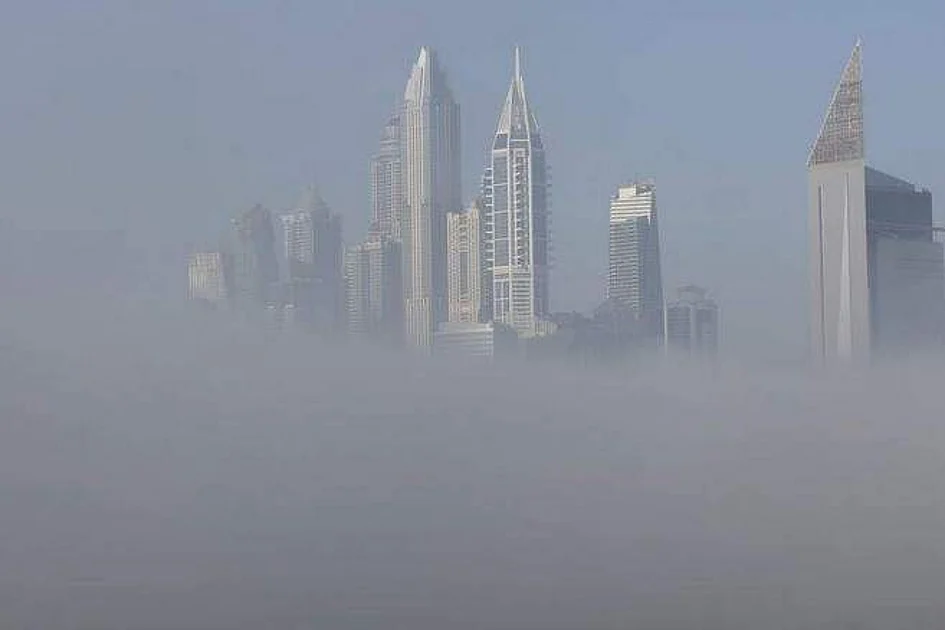
    The United Arab Emirates’ National Centre of Meteorology (NCM) has activated red and yellow weather alerts across multiple regions due to dense fog conditions significantly reducing horizontal visibility. These advisories remain in effect until 10:00 AM local time on Monday, February 2nd, 2026.

    Meteorological reports indicate predominantly fair to partially cloudy skies throughout the day, with low cloud formations anticipated over eastern territories. As nighttime approaches, heightened humidity levels are forecasted to envelop coastal and inland areas, creating optimal conditions for mist and fog development extending into Tuesday morning.

    Temperature readings show notable variations between major urban centers. Abu Dhabi residents experienced a minimum of 14°C with daytime highs reaching 27°C, while Dubai recorded slightly warmer conditions ranging from 16°C to 26°C. Humidity metrics fluctuated significantly between 25% and 90% across both emirates.

    Surface winds maintained light to moderate intensity, predominantly blowing from northwesterly directions at velocities of 10-20 km/h. Occasional southeasterly gusts reached 30 km/h, particularly affecting maritime zones. Marine conditions remained generally calm in both the Arabian Gulf and Sea of Oman, with slight wave activity reported.

    The NCM continues to advise motorists and maritime operators to exercise heightened caution during reduced visibility periods, implementing necessary safety protocols as per national weather emergency guidelines.

  • China’s rail fleets ready for Spring Festival travel rush​

    China’s rail fleets ready for Spring Festival travel rush​

    China’s extensive high-speed railway system stands fully prepared to accommodate the monumental Spring Festival travel surge, known as chunyun, which officially commenced on February 2, 2026. This annual phenomenon represents the planet’s largest periodic human migration, with millions of Chinese citizens journeying back to their ancestral homes to celebrate the Lunar New Year with family.

    Photographic evidence from maintenance depots across Southwest China’s Chongqing municipality reveals rows of bullet trains undergoing final preparations before deployment. These meticulously serviced high-speed trains will form the backbone of China’s transportation infrastructure during the 40-day travel period, ensuring safe and efficient transit for the massive passenger volumes.

    The Spring Festival travel rush represents both a logistical challenge and a cultural tradition of profound significance. Migrant workers, university students, and professionals working far from their birthplaces all participate in this homeward migration, creating unprecedented demand on China’s rail network. Authorities have implemented comprehensive operational plans to handle the anticipated passenger surge while maintaining service quality and safety standards.

    China’s railway operators have optimized scheduling, increased train frequencies on popular routes, and deployed additional staff to manage station operations. The preparation period saw intensive maintenance checks and cleaning procedures to ensure all rolling stock meets the rigorous demands of continuous operation during peak travel days.

    The annual chunyun period not only demonstrates China’s transportation capabilities but also reflects deep-rooted cultural values surrounding family reunification and traditional celebrations. The successful management of this massive population movement remains a top priority for transportation authorities nationwide.

  • Activist lawmakers refile impeachment complaint against Philippine Vice President Duterte

    Activist lawmakers refile impeachment complaint against Philippine Vice President Duterte

    In an unprecedented development in global political history, the Philippines finds itself with both its highest-ranking officials simultaneously confronting impeachment proceedings. On February 2, 2026, activist legislators from the Makabayan coalition refiled impeachment charges against Vice President Sara Duterte, merely fifteen days after President Ferdinand Marcos Jr. himself became subject to similar removal proceedings.

    The latest complaint represents the fifth attempt to impeach Duterte, coming after the Philippine Supreme Court previously invalidated four prior complaints on technical constitutional grounds. The Court’s decision blocking previous impeachment efforts expired last December, creating a legal pathway for renewed action against the country’s second-highest official.

    Three Makabayan legislators—Antonio Tinio, Renee Co, and Sarah Elago—leveled serious allegations against Duterte, accusing her of “gross abuse of discretionary powers” regarding 612.5 million pesos (approximately Dh38.3 million) in unaccounted funds. The complaint alleges these funds were improperly allocated toward questionable activities, including renting safe houses for intelligence operations—functions outside the normal scope of both the Office of the Vice President and the Department of Education, which Duterte oversees.

    Additional allegations include anomalous implementation of cash aid grants to individuals not recognized as legitimate indigent citizens in government registries. The previous consolidated complaint, which briefly succeeded in impeaching Duterte last year, contained even more severe accusations—including claims that she threatened to assassinate President Marcos Jr. following their dramatic political split in 2024.

    The Makabayan bloc simultaneously endorses the second impeachment complaint against President Marcos Jr., accusing him of “culpable violation of the Constitution, treason, bribery, graft and corruption, other high crimes, and betrayal of public trust.” House Justice Committee leaders indicate this complaint may be consolidated with an earlier filing by lawyer Andre De Jesus, endorsed by Representative Jett Nisay of the Pusong Pinoy Party.

    This political crisis marks a historic first for the Philippines, which previously witnessed the impeachment and eventual ouster of President Joseph Estrada in 2000-2001—a process that triggered massive protests and constitutional turmoil. The current situation presents even greater constitutional challenges, with both executive leaders simultaneously facing removal proceedings that could reshape the nation’s political landscape.