博客

  • Ebola deaths in Congo top 500 as health workers threaten to strike

    Ebola deaths in Congo top 500 as health workers threaten to strike

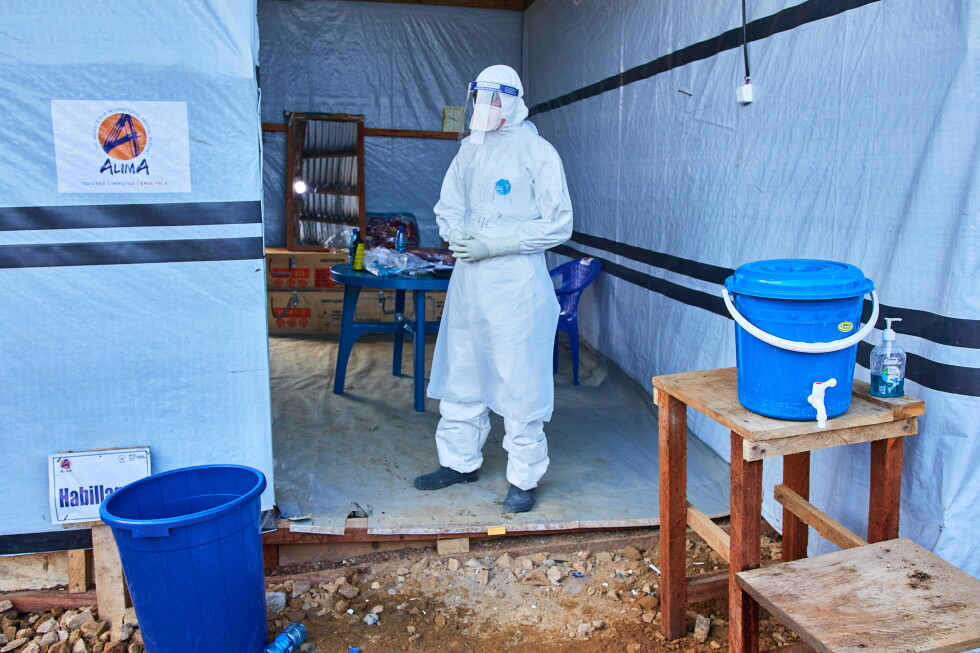
    A rapidly spreading Ebola outbreak in the Democratic Republic of the Congo has crossed a grim threshold, with official data confirming more than 500 fatalities from over 1,500 confirmed infections, even as the response effort faces a fresh crisis: frontline workers battling the outbreak have threatened to suspend work over unmet pay and unsafe working conditions.

    Congo’s Ministry of Health released the updated statistics in a Sunday night briefing, reporting that since the outbreak was first declared on May 15, a total of 1,561 confirmed cases have been documented, with 506 people succumbing to the virus. Current data shows the virus’ transmission continues to outpace the ability of response teams to contain it, according to the official update.

    The strike threat was issued Sunday by frontline teams deployed in Ituri province, the geographic epicenter of the current outbreak. Workers gave authorities a 24-hour deadline to address their grievances, warning that work would stop if demands were not met. The vast majority of these frontline staff are local health professionals, who have worked for months with minimal rest while navigating two extraordinary additional challenges: violent attacks from hostile local communities, and deep-rooted public skepticism about the existence of the virus.

    A copy of the workers’ formal notice to the national government, obtained by the Associated Press, details multiple long-running grievances. Workers both inside hospital facilities and out in the community conducting contact tracing and testing report they have not received earned hazard benefits since the outbreak was declared, and still lack sufficient basic supplies to carry out their high-risk work. Additional complaints include chronically low base salaries, disrespectful treatment from elite response teams deployed from the capital Kinshasa, a pattern of bringing in outside labor from other provinces instead of prioritizing hiring of local Ituri workers, and persistent shortages of adequate personal protective equipment and other critical medical gear.

    The timing of the strike threat has amplified concerns among public health officials, as it comes just days after enrollment opened for experimental clinical trials for Ebola treatments in the region. A work stoppage would not only derail the trial process, but also significantly slow broader efforts to curb transmission of the virus, which has already spread beyond Ituri to two additional eastern provinces: North Kivu and South Kivu.

    Response efforts have been complicated from the start by key biological characteristics of the current outbreak: this event is caused by the Bundibugyo strain of Ebola, for which there are no currently approved vaccines or specific antiviral treatments. By contrast, Congo’s 16 previous Ebola outbreaks were almost all caused by the more common Zaire strain, for which an effective, widely deployed vaccine already exists.

    Public health officials also still face major gaps in basic investigation of the outbreak: investigators have not yet identified patient zero, the initial case that sparked the current transmission chain, and are still working to trace tens of thousands of potential contacts who may have been exposed to infected people, a core step to stopping further spread. The World Health Organization has already warned that the first month of this outbreak was the worst on record for early Ebola spread in Congo.

  • UK sanctions Russian labs and people over chemical weapons used on Navalny and Skripal

    UK sanctions Russian labs and people over chemical weapons used on Navalny and Skripal

    LONDON – In a coordinated show of diplomatic and military posture against Russia, the United Kingdom announced two major moves on Monday: fresh sanctions targeting Russian individuals and institutions linked to chemical weapons development, and sharp condemnation of what officials call unsafe, unprofessional Russian air activity near a British NATO carrier strike group in the Arctic region.

    The UK Foreign Office confirmed that seven individuals and two state-run Russian scientific research institutes have been added to the country’s sanctions list over their proven connection to the development of toxins used in two high-profile poisonings linked to Russia. These are the 2018 Novichok nerve agent attack on former Russian intelligence officer Sergei Skripal in the English city of Salisbury, and the 2024 poisoning of opposition figure Alexei Navalny with epibatidine toxin while he was held in a Russian Arctic penal colony.

    The 2018 Salisbury attack left Skripal and his daughter Yulia in critical condition, and resulted in the death of Dawn Sturgess, a local British woman who came into contact with the discarded nerve agent months after the initial assault. The two sanctioned institutes are SC Signal, a Russian state scientific research body, and GNIII VM, the State Scientific Research and Testing Institute for Military Medicine, alongside a number of senior Russian officials and weapons scientists who oversaw the programs.

    Foreign Secretary Yvette Cooper emphasized the severity of Russia’s actions in a public statement, describing the repeated use of prohibited chemical weapons as a “sickening violation of international law” that poses an immediate, direct threat to global security standards.

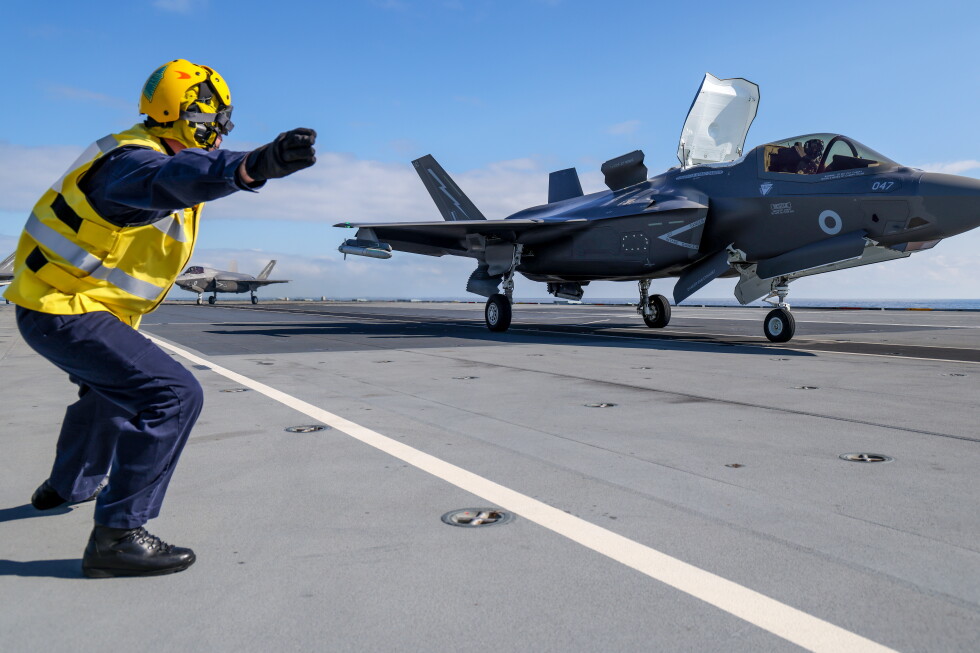
    Parallel to the sanctions announcement, the UK Ministry of Defense publicly detailed a recent confrontation between British and Russian military assets in the Norwegian Sea, part of growing tensions around NATO military operations in the strategically sensitive Arctic. UK F-35 stealth fighter jets, deployed from the aircraft carrier HMS Prince of Wales, were scrambled to intercept a Russian Bear-F maritime patrol aircraft that violated safe operating protocols near the British carrier strike group.

    According to defense officials, the encounter took place last Thursday, when the Russian patrol aircraft flew at low altitude at an unnecessarily close distance to HMS Prince of Wales and deployed a large number of sonobuoys – floating acoustic devices designed to detect submarines and surface vessels – directly in the area of the strike group. The British aircraft intercepted and escorted the Russian plane until it departed the area, the ministry confirmed.

    HMS Prince of Wales and its accompanying Royal Navy vessels are currently deployed in the Arctic as part of routine NATO collective defense operations. Defense officials stressed that the Russian aircraft’s behavior was clearly unsafe and unprofessional, marking the latest in a series of escalatory military moves by Russia near NATO allied territory in the High North.

  • At least 25 killed in Sri Lanka prison riots

    At least 25 killed in Sri Lanka prison riots

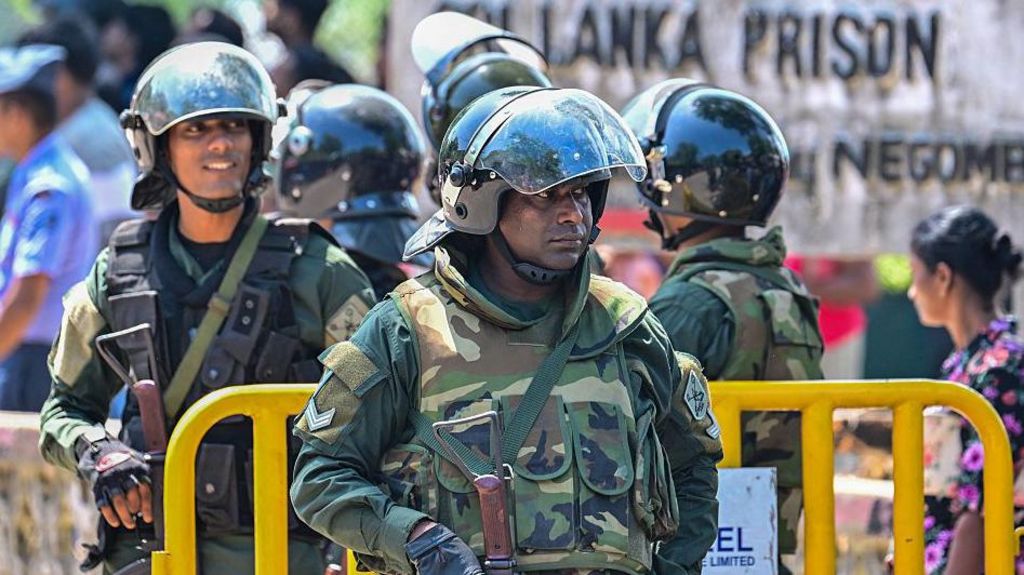
    A devastating two-day riot at a coastal Sri Lankan prison has left at least 25 people dead, including four correctional guards, and more than 100 others injured, marking the deadliest outbreak of prison violence in the country in years. The unrest unfolded at Negombo Prison, located in a seaside town roughly 30 kilometers north of the capital Colombo, starting with violent clashes between two rival groups of inmates on Sunday.

    Initial reports from authorities outline that the violence was sparked by a long-simmering dispute over an inmate exposing a large-scale illegal drug trafficking operation running inside the facility. On the first day of unrest, detainees managed to seize weapons from on-duty correctional guards, leaving two people dead and dozens more wounded by the end of Sunday. In a dramatic escalation, hundreds of male inmates and female detainees from an adjacent housing unit climbed onto the prison’s main rooftops, demanding immediate release and drawing widespread public attention to the unrest.

    Fresh large-scale violence broke out on Monday when hundreds of inmates attempted to storm the prison’s main entrance gates. In response, national security forces were deployed to the facility, with multiple witnesses reporting sustained gunfire coming from inside the compound walls. In an unexpected structural complication, a section of the prison’s damaged roof collapsed during the chaos, leaving several female detainees trapped and injured, according to police statements to Agence France-Presse (AFP).

    Casualties were transported to two major medical facilities: Negombo District Hospital and Colombo National Hospital. Negombo Hospital Director confirmed to AFP that many of the wounded are suffering from gunshot wounds, while others have deep lacerations and severe blunt force bruising from the sustained clashes.

    As authorities worked to regain full control of the facility on Monday afternoon, crowds of anxious family members gathered outside the prison’s perimeter gates. Multiple relatives told BBC Sinhala that they have received no official updates on the status of their loved ones, leaving them without information on whether their family members are alive, injured, or dead in the violence.

    As of Tuesday local time, security forces are still conducting methodical clearing operations to secure all areas of the overcrowded facility. The national military has been placed on official standby after local police formally requested additional support to manage the aftermath of the riot. Prison officials confirmed that they have already begun transferring hundreds of evacuated inmates to other correctional facilities across the country to prevent further unrest.

    Sri Lanka’s Minister of Justice and Prisons Harshana Nanayakkara has issued a formal directive ordering a full independent investigation into the riot, with authorities required to submit a complete preliminary report on the causes and response to the violence in the coming days.

    This outbreak of violence comes amid a long-documented crisis of overcrowding in Sri Lanka’s national prison system. Official data from AFP shows that as of Sunday, Sri Lanka’s correctional facilities held 41,250 inmates — four times the total maximum designed capacity of the country’s prison network. While small-scale riots and clashes are relatively common in the system’s overcrowded facilities, this is the deadliest incident of prison violence in Sri Lanka since December 2020, when 11 people were killed and 117 injured during a riot at a separate correctional facility.

  • Cobolli performs Ronaldo celebration as Paolini wins before Federer on Italy’s big day at Wimbledon

    Cobolli performs Ronaldo celebration as Paolini wins before Federer on Italy’s big day at Wimbledon

    Wimbledon’s iconic grass courts played host to a breakout day for Italian tennis on Monday, as rising star Flavio Cobolli booked his quarterfinal spot with a dramatic straight-sets upset of fifth seed Alex de Minaur — capped off by a viral celebration that had the Centre Court crowd roaring in unison.

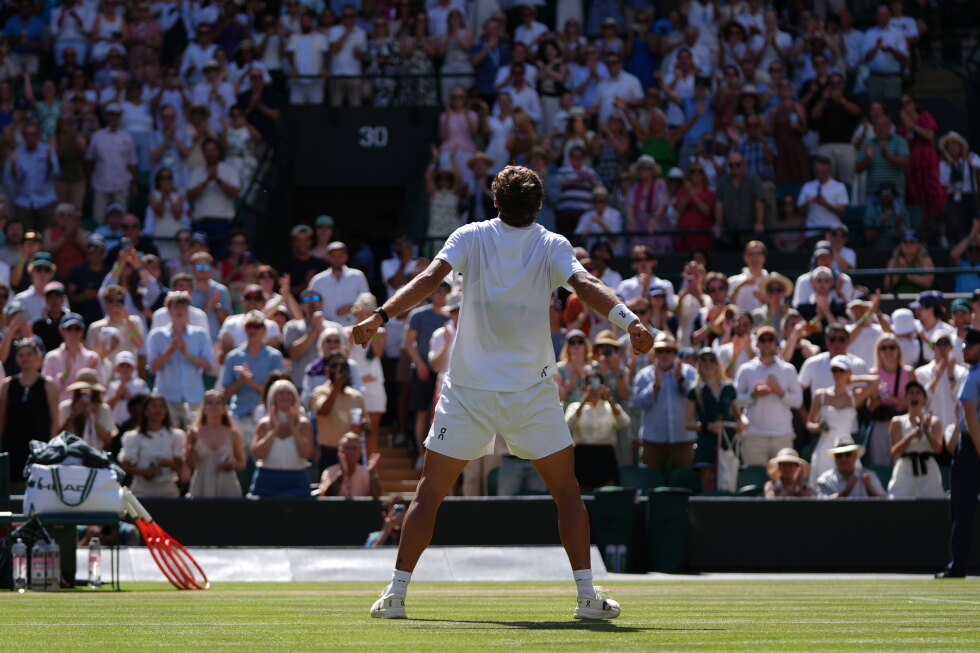
    Closing out his 7-5, 7-6(4), 6-3 victory on No.1 Court, Cobolli fired a blistering 135 mph first serve straight down the T that landed perfectly on the line, leaving the Australian de Minaur with a limp return that never cleared his own service box. The 20-something Italian immediately leaped into the air, pumped his fist, and hit a celebratory ball into the stands before turning to shake hands with his defeated opponent. What came next, though, was the moment that cemented the win in tournament lore: dropping his racket, Cobolli moved back to the center of the court and recreated Cristiano Ronaldo’s world-famous soccer goal celebration — spinning mid-air before landing with his feet spread wide and jerking his arms down to his sides. The largely British crowd recognized the celebration instantly, joining in to shout the iconic “Siuuu” along with him.

    For Cobolli, the tribute was far more than a viral stunt: the Italian was once a promising youth soccer prospect in AS Roma’s academy, and he remains a diehard fan of Ronaldo. “I love his celebration. I love him,” Cobolli told reporters after the match, adding that he would be cheering for Portugal against Spain in that night’s World Cup match. This is not the first time the rising tennis star has leaned on soccer for his post-win routines: after his previous round victory, he celebrated with a surfing-themed tribute borrowed from Brazilian striker Matheus Cunha.

    Cobolli’s breakthrough win marks another career milestone for the Italian, who turned heads earlier this year by pushing all the way to the French Open final, where he took Alexander Zverev to five tight sets. Against de Minaur — widely regarded as one of the most consistent top-10 players on tour this season — Cobolli defied the odds: de Minaur held a 5-2 lead in the second set and earned two separate service breaks in the third, but Cobolli clawed his way back to claim the straight-sets upset. “Alex is a stratospheric player. So beating him three sets to none makes me feel like I’m ready,” Cobolli said. “This gave me a lot of answers, and I think it provided a lot of answers to my opponents, too.”

    The win also forced a last-minute change of plans for his support team: Cobolli’s family had only booked accommodation through the tournament’s first week, so his grandfather scrambled to find a new rental in Wimbledon village after the upset. A local Italian family stepped in to offer a home, allowing Cobolli to keep his beloved pre-World Cup nightly routine intact: a home-cooked dinner prepared by his father and coach Stefano, shared with best friend Edoardo Bove (Watford’s Italian midfielder), followed by a tub of his tournament go-to gelato — pear and white chocolate. Next up, Cobolli will face Britain’s home hope Arthur Fery, a 23-year-old who grew up just five minutes from the All England Club, for a spot in the semifinals.

    Cobolli was not the only Italian to advance to the quarterfinals on Monday. Over on Centre Court, Jasmine Paolini fought past rising Filipino star Alexandra Eala 6-4, 4-6, 6-3 to secure her first Grand Slam quarterfinal berth since her back-to-back runs to the finals of Roland Garros and Wimbledon two years ago. Eala entered the match riding a wave of momentum after upsetting defending champion Iga Swiatek in the previous round, but Paolini held firm through a grueling third set to claim the win.

    Paolini had no shortage of star power watching from the stands: 19-year-old Italian Formula 1 rising star Kimi Antonelli, who currently leads the drivers’ standings for Mercedes, watched from the Royal Box, seated right next to eight-time Wimbledon champion Roger Federer. Paolini admitted after the match that Federer’s presence almost threw her off her game. “He is my idol,” Paolini said in an on-court interview. “I was like during the match, ‘Please stay focused, stay focused. Don’t think about he’s here.’ I was watching all the finals and all the tournaments he was playing here.” She later added that she had met Antonelli after the win, saying “I’ve been following him a lot lately. I’m becoming an F1 fan. He seems like a real nice kid and very down to earth.”

    Paolini will next face Ukraine’s Marta Kostyuk, who beat American qualifier Ashlyn Krueger 6-4, 6-4 to reach her first Wimbledon quarterfinal. The day’s play unfolded on the hottest day of the 2024 tournament so far, with temperatures hitting 32 degrees Celsius (90 degrees Fahrenheit), forcing players to cool down with ice bags around their necks during changeovers.

    The strong showing from Italian tennis at Wimbledon comes on the heels of a similar breakout run at this year’s French Open, where three Italian men reached the quarterfinals despite defending champion Jannik Sinner’s early second-round exit in Paris’ record heat. Notably, Italy’s men’s national soccer team has failed to qualify for three consecutive World Cups, a long drought for the four-time champions, but a new generation of Italian athletes across tennis, Formula 1, and other sports have stepped into the spotlight to carry the country’s sporting legacy. Alongside Sinner (who will compete for a semifinal spot on Tuesday against Jan-Lennard Struff) and Antonelli, Cobolli and Paolini’s deep runs at Wimbledon have cemented this new wave of Italian sporting stardom.

  • How England used five mini games to beat Mexico

    How England used five mini games to beat Mexico

    At a raucous, high-altitude Azteca Stadium in Mexico City, England delivered a masterclass in adaptive knockout football to secure a dramatic victory over Mexico and advance to the 2026 FIFA World Cup quarter-finals. From the opening whistle, the Three Lions faced a perfect storm of challenges: a partisan sell-out crowd, Mexico City’s thin mountain air, and a ferocious early pressing game from the host nation that left many pre-match analysts predicting an upset. What unfolded over 90 minutes proved why manager Thomas Tuchel holds a reputation as one of the world’s sharpest tactical minds, as England navigated five distinct phases of play to claim a win that will go down as one of their most impressive knockout tournament results.

    Pre-match, Tuchel had adjusted his core philosophy of relentless high pressing to suit the conditions, urging his side to pick their moments carefully rather than expending valuable energy chasing every pass. That game plan was confirmed by assistant coach Anthony Barry at halftime, who explained the squad had prepared to absorb Mexico’s fast start. “We told the players the opening stretch up to the first water break would be difficult,” Barry said. “We knew we’d have to suffer, and that a 0-0 halftime score would be a great result.”

    England stuck to the script, muting much of Mexico’s early momentum with a far more measured defensive shape than they had shown in their previous round win over DR Congo. When Mexico built play from their own defensive third, England added an extra man to their pressing line – one more than against DR Congo – with Harry Kane and Jude Bellingham leading the effort to cut off passing lanes. Midfielder Elliot Anderson adapted his role specifically to plug gaps, holding a deeper position close to England’s centre-backs rather than pushing high, to stop Mexico from playing quick outlet passes to open attackers. This adjustment would prove pivotal as the match unfolded.

    When Mexico did manage to establish higher possession, England dropped into a disciplined mid-block, prioritizing protecting dangerous spaces over immediate ball recovery. Data highlighted this dramatic tactical shift: over England’s first four tournament games, they recovered possession in an average of 12.1 seconds after losing it. In the first half against Mexico, that average jumped to 37 seconds, with wingers Bukayo Saka, Anderson and Anthony Gordon regularly dropping back to form a compact five or six-man defensive line.

    The closing minutes of the first half brought the first defining turning point of the game. As Mexico rotated their attack to stretch England, 17-year-old Gilberto Mora, playing out of his usual position on the left flank, failed to close down England goalkeeper Jordan Pickford as he prepared to clear. Pickford quickly found Declan Rice, who drove forward with the ball before playing a wide pass to Saka. Saka delivered a pinpoint cross to the far post, where the late-arriving Bellingham nodded home the opening goal.

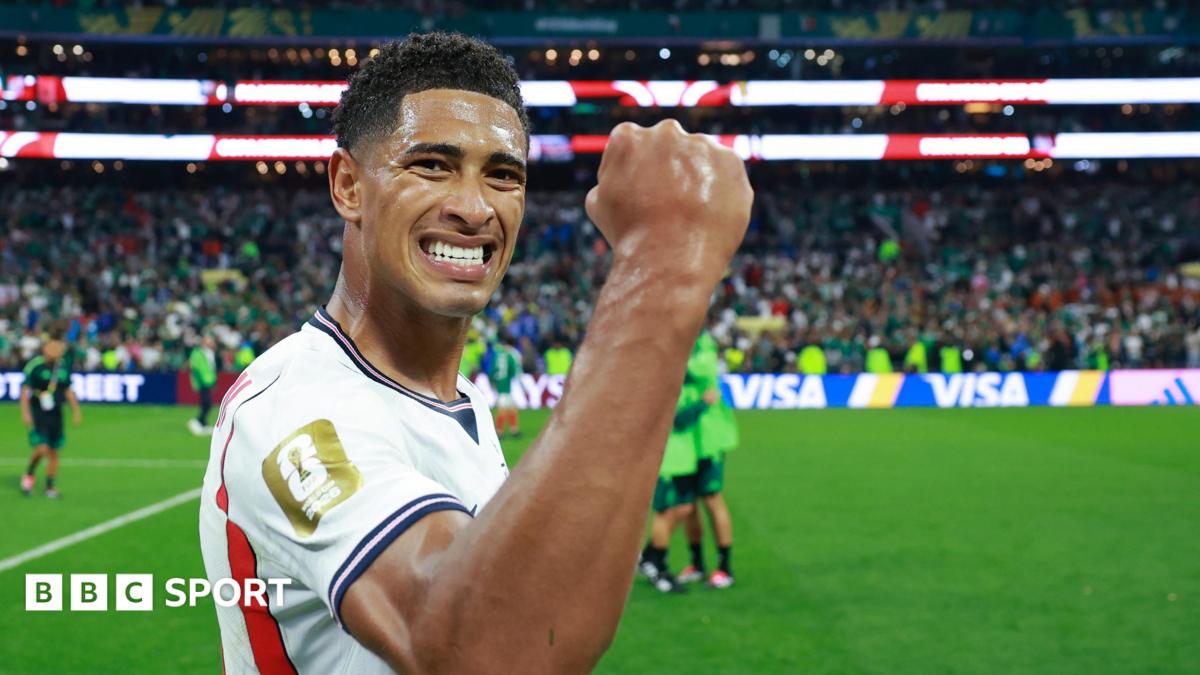
    Things went from bad to worse for Mexico immediately after the restart. England pressed hard from kick-off, and this time Anderson pushed forward to fill the space behind the pressing line, winning back possession to launch a second attack that ended with Bellingham scoring his second goal of the night, putting England 2-0 up ahead of halftime.

    England emerged for the second half on the front foot, shifting to a higher pressing block with Saka and Gordon taking turns acting as the third forward in the high line. The bold tactical change opened the game up into an end-to-end thriller, but it also brought a major setback: when Bellingham chased down Mexico goalkeeper Raul Rangel out of position, he left England outnumbered at the back. Mexico left winger Julian Quinones dragged England right-back Jarell Quansah out of position, creating a gap that Mexico exploited. Quansah slid in late to challenge Jesus Gallardo, and was shown a red card, leaving England down to 10 men for the final hour of the contest.

    Down a man, England navigated two more distinct phases of the match, first shifting to a 4-4-1 shape after John Stones replaced Saka, with Ezri Konsa moving to right-back. Sticking to a core Tuchel principle of drawing pressure deep before playing long balls into attacking runners, England created another chance when pacey forward Gordon won a penalty after running onto a long clearance.

    But Mexico remained dangerous down their left flank, where Quinones’ constant movement dragged England defenders out of position, creating space for left-back Gallardo to deliver dangerous crosses. The hosts built dangerous passing triangles on their left side – a tactic mirroring England’s own approach through the tournament – that created space for Quinones to shoot, switch play, and deliver crosses, one of which led to Mexico being awarded a penalty of their own.

    Tuchel once again adjusted his tactics during a second-half hydration break, bringing on Dan Burn and Djed Spence to form a five-man back line in a 5-3-1 shape. The three-man midfield of Bellingham, Rice and Gordon was picked for its relentless work rate and ability to cover large swathes of the pitch, while Burn, standing at 6-foot-7, provided the dominant aerial presence at the back post that England needed to deal with Mexico’s incoming crosses.

    In the closing stages, Mexico manager Javier Aguirre made a substitution that played directly into England’s hands, replacing the versatile, dynamic Quinones with 6-foot-3 striker Guillermo Martinez, shifting the hosts to an entirely cross-heavy game plan. With England defending deep and well-equipped to clear incoming aerial balls, Mexico lost the varied attacking threat that had troubled them earlier, with every attack funnelled wide into hopeful crosses that England’s defence cleared comfortably.

    The result capped off a masterclass in knockout football adaptability, a core requirement for tournament success. Playing with 10 men on hostile foreign soil, England’s carefully prepared tactics and ability to adjust mid-match saw them through to the final eight, proving the value of their squad depth and tactical flexibility ahead of their quarter-final tie.

  • Reform UK leader Nigel Farage faces questions over donations from a convicted fraudster

    Reform UK leader Nigel Farage faces questions over donations from a convicted fraudster

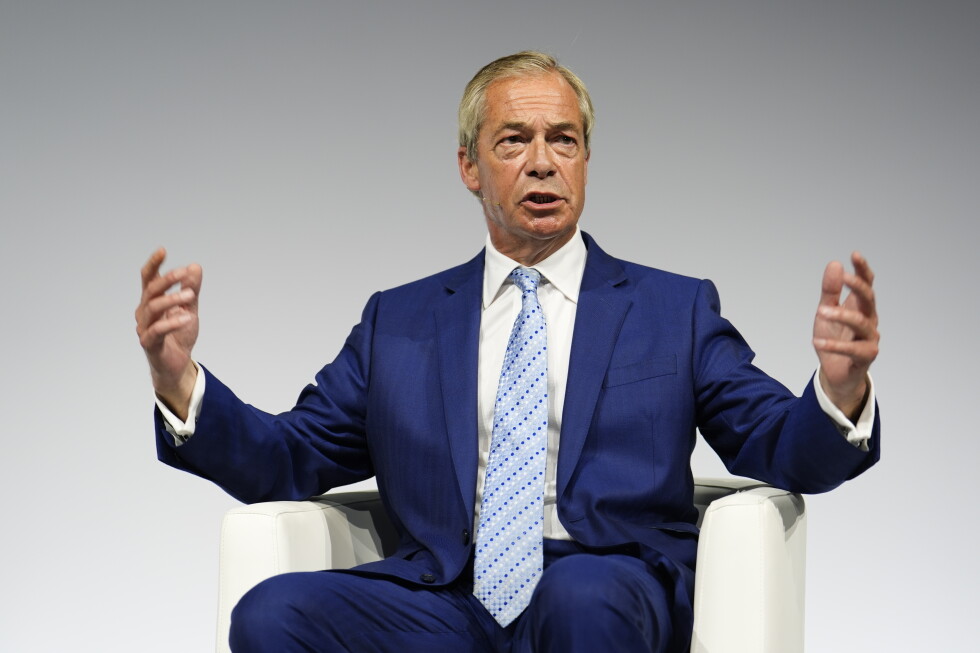
    For a politician who has long thrived in the center of Britain’s media spotlight, Nigel Farage has maintained a striking silence in recent weeks. The founder and leader of the right-wing anti-immigration party Reform UK has paused his regular weekly press briefings and pulled back from his usual frequent media appearances, as growing scrutiny over unreported financial gifts puts his political future under question.

    Farage, one of the most high-profile European allies of former U.S. President Donald Trump, has repeatedly denied any misconduct in the matters under investigation. Still, the intensifying focus on his personal finances has fueled widespread speculation about what comes next for a figure once widely tipped as a potential future British prime minister following the 2024 general election.

    Despite holding just 8 of the 650 seats in the House of Commons, Reform UK has outpolled both the incumbent Labour Party and the main opposition Conservative Party consistently in national public opinion surveys this year, marking a dramatic shift in British politics that has upended the country’s traditional two-party order. The party’s rapid rise has already reshaped the national political landscape, triggering the ouster of Labour Prime Minister Keir Starmer in the wake of poor local election results in May, when Reform UK secured major gains at the expense of both major established parties.

    Now, two separate investigations into Farage’s financial disclosures are unfolding at Britain’s parliamentary standards watchdog. The first inquiry centers on a £5 million ($6.7 million) personal gift to Farage from Christopher Harborne, a Thailand-based British cryptocurrency billionaire. Earlier this week, Liberal Democrat Member of Parliament Josh Babarinde called on the parliamentary commissioner for standards, Daniel Greenberg, to open a second investigation into unreported donations from a convicted fraudster with longstanding ties to Farage.
    Babarinde noted that there are “serious questions as to whether Mr. Farage met his obligations under the Code of Conduct” for elected parliamentarians.

    That second investigation centers on George Cottrell, a 32-year-old aristocratic crypto and gambling entrepreneur who has worked intermittently as an aide to Farage and remains a close personal ally of the Reform leader. In 2016, Cottrell was arrested at Chicago O’Hare International Airport while traveling alongside Farage, charged over allegations he offered to launder money for undercover federal agents posing as drug traffickers. He was ultimately indicted on 21 counts spanning money laundering, fraud, blackmail and extortion, before agreeing to plead guilty to a single charge of wire fraud. He admitted to attempting to defraud dark web criminal actors by posing as a legitimate money laundering service, and served eight months in U.S. federal prison before his release.

    According to reporting from The Sunday Times, Cottrell provided funding to cover Farage’s staffing and security costs ahead of the 2024 British general election, and also gave Farage access to a London townhouse located steps from Buckingham Palace. Reform UK’s Treasury spokesperson Robert Jenrick confirmed the details of Cottrell’s support in comments, noting that Cottrell is an “old friend” of Farage and holds no formal role within the party. Jenrick emphasized that all of Cottrell’s contributions came before Farage won his Clacton constituency seat and took office as a Member of Parliament in July 2024.

    Under current British parliamentary rules, newly elected MPs are required to declare any gifts valued over £300 ($400) that they received in the 12 months before taking office, unless the gift could not reasonably be connected to their political work by outside observers.

    Farage has struck back against the reporting and investigations, framing the entire scrutiny campaign as an “establishment hit job” targeting him for his political disruption. “I have done no wrongdoing, followed the rules and I am now considering legal action against The Sunday Times,” he said in a recent public statement. He has similarly defended the £5 million gift from Harborne, confirming it was a personal gift he used to fund personal security, and noting it was also received before he took his seat in Parliament.

    If the parliamentary watchdog finds Farage breached the code of conduct, he could face suspension from the House of Commons. A suspension of 10 calendar days or more would trigger provisions that allow voters in his Clacton constituency to force a special by-election for the seat — a development that would deal a major blow to Reform UK’s momentum as it seeks to cement its position as Britain’s new dominant political force.

    The current wave of scrutiny over Reform UK’s funding has also reignited cross-party calls for a complete overhaul of Britain’s political finance regulations. Current UK law places strict caps on overall campaign spending by political parties during elections, but allows parties to accept unlimited individual donations as long as the donor is a registered UK voter or a UK-registered company. The current government announced plans in March to ban political donations made in cryptocurrency, and impose an annual £100,000 ($134,000) cap on donations from British voters living abroad. On Monday, officials extended that £100,000 annual cap to newly arrived foreign residents for their first year living in the UK. Records show Reform UK received £12 million ($16 million) from Harborne alone in the 12 months before the 2024 general election.

    For Farage and Reform UK, the coming months will be a critical test of whether the party’s momentum can survive the ongoing ethics probe. After a stellar performance in May’s local elections, the party has lost three consecutive high-profile by-elections it was widely expected to win, leading some political analysts to question whether its surge in support has begun to cool. The most recent loss came to Labour’s Andy Burnham, who is now set to replace Keir Starmer as prime minister within weeks.

  • Raging wildfire in southern France forces Tour de France to bar fans from stage 3 finish

    Raging wildfire in southern France forces Tour de France to bar fans from stage 3 finish

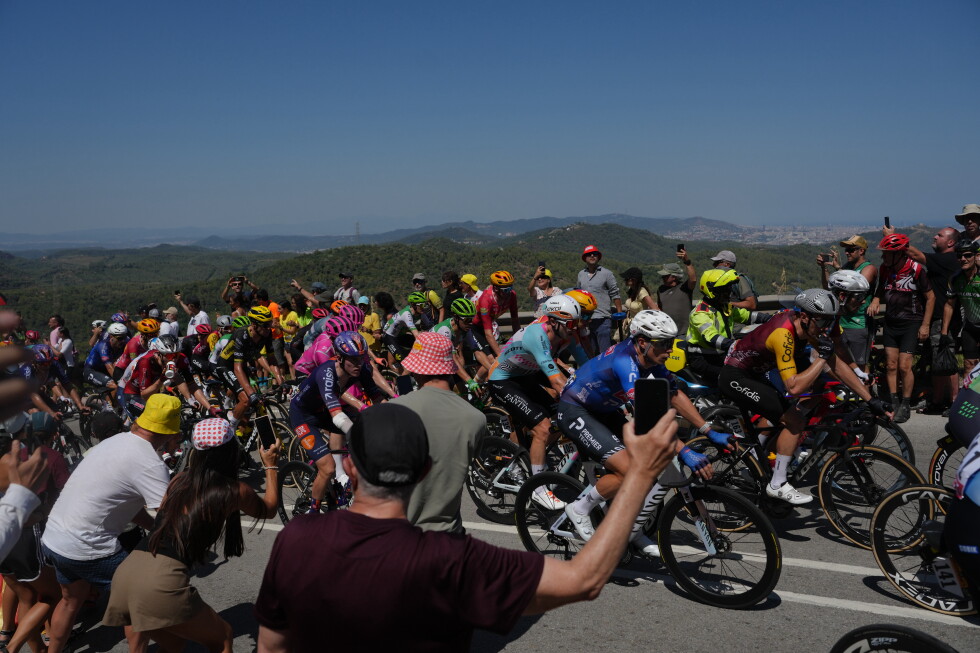
    LES ANGLES, France — An out-of-control large-scale wildfire burning across southern France has forced Tour de France organizers to implement unprecedented restrictions for the third stage of the world’s most prestigious cycling race, barring all spectators from the final segment of Monday’s route. After opening the 2024 edition with two stages in Spain, the Tour crossed into France for Stage 3, which concludes in the Pyrenees mountain town of Les Angles. The blaze is located roughly 60 kilometers from the finish line, after charring thousands of hectares of forest and brushland over the past two days.

    In an official statement, Tour organizers outlined that the extraordinary size of the wildfire, burning across the Pyrénées-Orientales region, has demanded a full-scale emergency mobilization of firefighting teams, law enforcement units, and national government agencies. “The top priority remains the protection of people, property, and natural areas, as well as bringing the fire under control,” the statement read. That overriding safety commitment led to the sweeping restrictions for the stage’s final 40 kilometers, once the peloton enters French territory.

    Under the new rules, the iconic 10-kilometer publicity caravan — the fan-favorite procession of branded sponsor vehicles that precedes the peloton, distributing merchandise and promotional items to crowds — will be canceled for the finale. Only competing riders and race-essential official vehicles will be permitted on the route, and spectators have been formally instructed not to gather along the roadside or at the Les Angles finish area.

    Pierre Regnault de la Mothe, the local prefect overseeing the emergency response, clarified that the ban on roadside gatherings is a legally enforced order, not a request, and anyone who violates the restriction could face official penalties. The fire ignited Saturday evening near the small town of Trévillach, and by Sunday night, it had spread to scorch 4,500 hectares of land. So far, five people have sustained minor injuries linked to the blaze, and more than 20 local villages have been evacuated as a precautionary measure. Roughly 700 firefighters are currently deployed to contain the inferno.

    The third stage itself kicked off from the Spanish town of Granollers, where local meteorological data recorded temperatures climbing to around 35 degrees Celsius, adding another layer of physical challenge for competing riders. The route’s standout climb is a 9.3-kilometer ascent up Col de Toses, with an average gradient of 6.5% — ranked a Category 1 climb, the second-most difficult classification just below the legendary “beyond category” Hors Categorie climbs that define the Tour’s most grueling mountain stages.

    Heading into Monday’s stage, Jonas Vingegaard of the Visma-Lease a Bike team retained the overall leader’s yellow jersey after Sunday’s second stage, holding a narrow six-second lead over four-time Tour champion Tadej Pogačar of UAE Emirates-XRG, the pre-race favorite chasing a record-tying fifth Tour de France title.

  • Is this a breakthrough moment for soccer in the US?

    Is this a breakthrough moment for soccer in the US?

    For billions of fans across the globe, soccer is far more than a pastime—it is a generations-deep cultural obsession woven into the fabric of national identity. But as the United States serves as co-host of the 2026 men’s FIFA World Cup, the sport still fights for space in a domestic landscape long dominated by homegrown favorites: American football, basketball, baseball and ice hockey, which claim the lion’s share of media attention, sponsorship revenue and public discourse.

    While men’s soccer has made notable gains since the U.S. last hosted the World Cup in 1994, it still trails the wildly successful U.S. women’s national team, a global powerhouse that has long secured a higher standing in the nation’s sports pecking order. Now, with the men’s national team (USMNT) on the cusp of a quarter-final berth facing Belgium on Monday, fans and analysts alike are asking whether this high-profile home tournament can finally push soccer to new heights of popularity, challenging the stranglehold of America’s top domestic leagues.

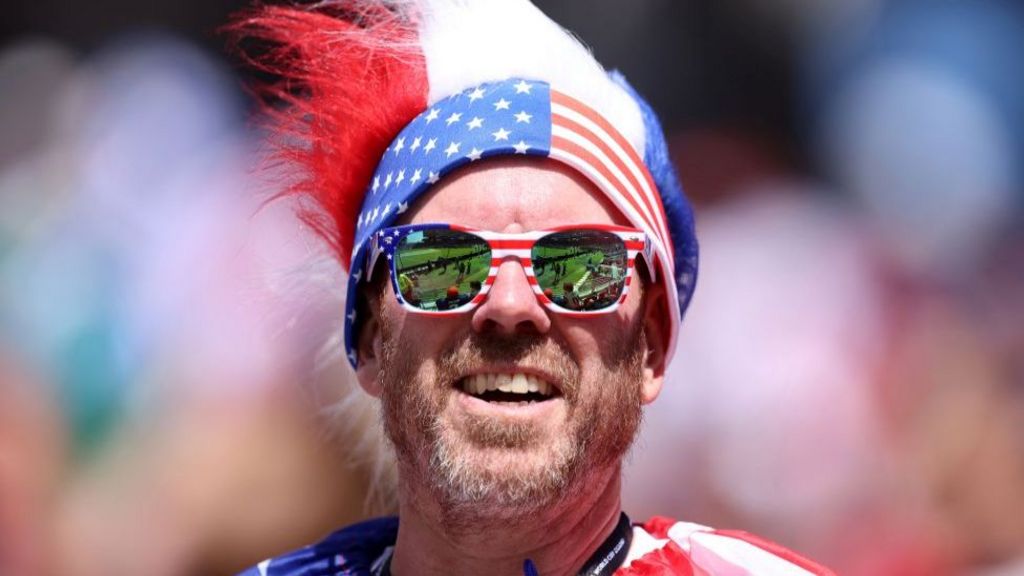
    Across every corner of the U.S., fans are turning out in droves for World Cup action. A-list celebrities and die-hard supporters alike don the red, white and blue of the USMNT, pop-up merchandise stores sell out of team gear, and public watch parties pack parks, shopping malls and even museums. In host cities, streets are lined with fans in vibrant team jerseys, and every bar and restaurant with a screen draws crowds transfixed by matchday drama. Many long-time fans are convinced this tournament marks a long-awaited turning point for the sport, regardless of the USMNT’s final result.

    Erik Olsen, a documentary filmmaker and lifelong World Cup viewer who spoke to the BBC while waiting for food ahead of the U.S.-Turkey match in downtown Los Angeles, described the 2026 tournament as a rare unifying force for Americans. “To have all these different people come together to cheer on the US team, and maybe even their own team if you’re from Mexico or Argentina or someplace else—we need that kind of global spirit right now,” he said.

    Steve Salcedo, a lifelong fan who has supported both the U.S. and Mexican teams during the tournament, noted that younger generations are embracing soccer more enthusiastically than his own. He predicted that the current surge in interest would outlast the final match. “The hype is definitely here for the World Cup, it’ll be here until the World Cup ends. Of course it’s going to die down, but in general I think soccer is here to stay,” he said. For 16-year-old Keenah Pacheco, who visited a Seattle fan zone with her family, the excitement has already rekindled a personal passion: after quitting the sport at age 8, she now plans to pick up play again.

    Early data already confirms a historic surge in U.S. interest: the 2026 World Cup has already notched record-breaking TV ratings and unprecedented ticket demand, with packed fan events across all three host nations. Broadcasters reported that a combined 25 million American viewers tuned into the USMNT’s opening match against Paraguay—18 million across Fox’s broadcast platforms, and an additional 7 million on Spanish-language network Telemundo. While co-host Mexico has long had deep-rooted cultural ties to soccer, the U.S.’s co-hosting status and the fact that the majority of matches are played on American soil has driven more domestic engagement than ever before.

    Even global and U.S. political leaders have highlighted the tournament’s success: U.S. President Donald Trump, who has not yet attended a match, called the record attendance numbers “a great tribute to the United States”, while FIFA President Gianni Infantino has already named it the “most successful event in history”. The expanded 48-team format means more matches than any prior men’s World Cup, and North America’s large-capacity stadiums have accommodated unprecedented crowds: FIFA announced last month that total attendance surpassed 3.6 million in the tournament’s first two weeks, beating the previous record of 3.58 million set at the 1994 U.S. World Cup. A large share of those attendees are American fans, including both those rooting for ancestral home nations and supporters who have adopted competing teams out of sheer love for the sport.

    Despite soaring attendance and TV ratings that now rival the NBA Finals and MLB World Series, industry analysts remain divided over whether this moment will mark a permanent breakthrough for soccer in the U.S. Jeff Schneider, executive director of the Center for Sports, Entertainment, Media & Technology Law at the University of Southern California, explained that while soccer has moved from the cultural fringes to the mainstream as a beloved sport for a large, loyal minority, it is unlikely to ever displace American football or basketball in national popular culture. Those sports developed deep roots during an era when media was less pervasive, when leisure time centered on in-person participation rather than passive consumption, and have been cemented as American cultural institutions over more than a century.

    Still, Schneider acknowledged that soccer has built a solid, growing base of loyal fans who both play and watch the sport—a shift driven largely by changes in youth sports participation. Steve Bank, a sports law expert at the UCLA School of Law, explained that soccer has filled the gap left by declining youth American football participation, as parents increasingly avoid the contact sport due to widespread concerns about concussion-related brain injuries.

    The USMNT’s performance against Belgium on Monday will do much to shape the sport’s trajectory: a deep tournament run would significantly boost momentum for domestic growth. The match already carries extra scrutiny following the controversial reversal of striker Folarin Balogun’s red card, which came after a reported phone call between President Trump and FIFA President Infantino.

    The groundwork for today’s growth was laid 30 years ago, when the U.S. launched Major League Soccer (MLS) as a requirement of its agreement to host the 1994 World Cup. Today, MLS has expanded to 30 teams across the U.S. and Canada, and has attracted global superstars including Lionel Messi, raising the league’s domestic profile. Even so, the biggest draw for American viewers remains top European leagues: England’s Premier League and Spain’s La Liga have driven a sharp rise in soccer media rights spending, according to research from Ampere Analysis, and the U.S. is now the largest foreign market for the world’s top four European leagues. A recent Ampere survey found that soccer has now narrowly overtaken baseball as the third most popular sport in the U.S., with 10% of Americans naming it their favorite.

    Significant structural barriers remain, however. Sports law expert Steve Bank noted that attempts to transplant European-style league structures to the U.S. market have long been unrealistic. Other analysts point to cultural differences in how Americans engage with sports: domestic leagues are structured to deliver high-scoring, definitive outcomes that often allow for sustained dominance by top franchises, a dynamic that does not exist in global soccer.

    “You have to be okay with not winning [in football], and Americans are not okay with not winning,” Schneider said. “One of the main reasons why Americans have never adopted soccer is because it’s impossible to dominate. You can’t win year after year after year after year, like the Patriots or the Yankees. They’re bandwagon hoppers, they love to get on the bandwagon for a good team, and that’s not soccer.”

    Despite these challenges, a confluence of cultural and technological shifts are pushing soccer further into the American mainstream. Widespread streaming access and expanded sports programming have made international matches far more accessible to casual fans, while hit scripted shows like Ted Lasso and Welcome to Wrexham have introduced the culture of soccer to new American audiences in approachable, humorous ways. Mass immigration from soccer-mad nations across Latin America, Africa and Europe has also grown the fan base, alongside the enduring popularity of FIFA-branded soccer video games that introduce the sport to generations of young American children.

    For long-time fans like Olsen, the energy around the 2026 World Cup feels like a true shift. “There’s something about the fact this team is young and hungry and doing well that makes me feel there could be kind of a sea change about soccer in the U.S,” he said. With the hashtag “Why Not Us?” already a viral rallying cry for USMNT supporters, the nation waits to see whether this home World Cup will finally cement soccer’s place among America’s top sports.
  • Tanzanian authorities arrest dozens ahead of anti-government protests

    Tanzanian authorities arrest dozens ahead of anti-government protests

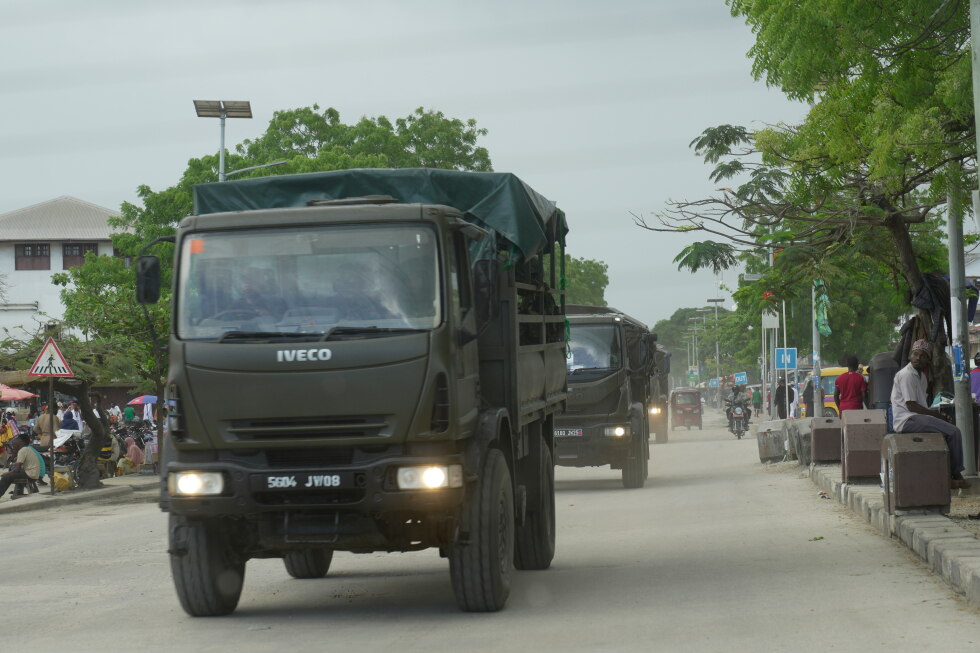
    DAR ES SALAAM, Tanzania — Tanzanian security forces have detained dozens of opposition-aligned activists in the lead-up to a scheduled series of anti-government demonstrations, launching a preemptive crackdown on growing calls for sweeping democratic changes and the release of jailed opposition leader Tundu Lissu. The planned protests, called by youth activist groups for Tuesday, are intentionally timed to coincide with two major events in the country: the 72nd founding anniversary of Tanzania’s long-ruling political party, and the opening of the 50th annual Dar es Salaam International Trade Fair, widely known locally as SabaSaba — one of the East African nation’s largest recurring commercial gatherings.

  • A timeline of Marine Le Pen’s political career and the rise of the French far right

    A timeline of Marine Le Pen’s political career and the rise of the French far right

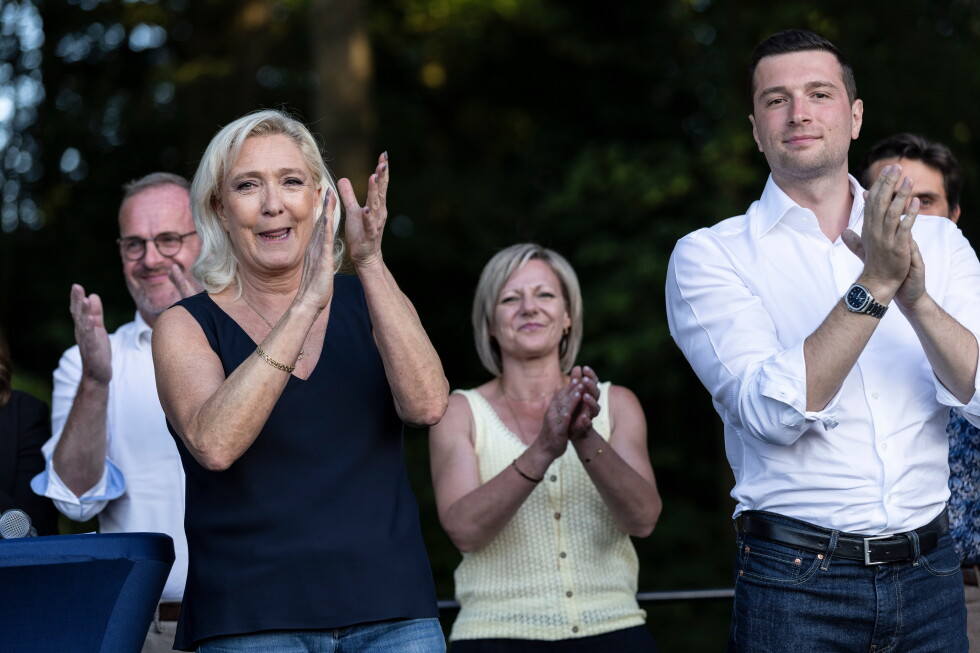
    PARIS – A pivotal ruling from Paris’s Court of Appeal on Tuesday will shape the future of France’s far-right politics, determining whether National Rally co-founder Marine Le Pen will be eligible to compete in the 2027 presidential election. If the court upholds her prior conviction and public office ban, 30-year-old party president and Le Pen protégé Jordan Bardella is poised to take her place on the national ballot.

    The legal battle stems from a March 2025 corruption conviction handed down by a lower Paris court, which found Le Pen and multiple other senior National Rally figures guilty of diverting European Parliament public funds between 2004 and 2016. Prosecutors alleged the party misclassified party staffers as parliamentary assistants, paying their salaries with European Union funds despite the fact that the employees performed no official legislative work for the parliament. The initial ruling sentenced Le Pen to a term of imprisonment and imposed an immediate five-year ban on holding any elected public office, a penalty that would automatically disqualify her from running for president in 2027. Le Pen has appealed the verdict, and a conviction on appeal could result in additional penalties beyond the office ban, including court-ordered electronic monitoring.

    To understand the stakes of this ruling, it is necessary to trace the decades-long evolution of France’s modern far-right movement and its two current leading figures. The movement’s roots stretch back to 1968, when Marine Le Pen was born in Neuilly-sur-Seine, the youngest daughter of Jean-Marie Le Pen, who would go on to found the National Front (the predecessor to the modern National Rally) in 1972. Jean-Marie Le Pen built the party on a platform of fierce nationalism and anti-immigration policy, but his repeated denial of the Holocaust and multiple convictions for antisemitism, racial discrimination, and incitement to racial violence cemented the party’s reputation as a fringe extremist movement for decades.

    Jordan Bardella, who would become Le Pen’s handpicked successor, was born in 1995 in Drancy, a northeastern Paris suburb located in one of mainland France’s poorest regions. Raised in public housing to parents of Italian and Algerian descent, Bardella joined the National Front at just 17 years old, shortly after Marine Le Pen made her first presidential bid in 2012. That year, Le Pen finished third in the first round of voting with nearly 18% of the national vote, marking the first major sign of the party’s growing mainstream acceptance.

    Marine Le Pen had taken over the party leadership from her father in 2011, launching a deliberate, long-term campaign to detoxify the party’s brand, broaden its electoral appeal, and distance it from its extremist origins. She followed through on this project in 2015 by expelling her father from the party after he made another round of inflammatory, controversial remarks, and rebranded the National Front as the National Rally in 2018 to complete the image overhaul.

    Le Pen’s gradual push into the political mainstream gained steady momentum over the next decade. In 2002, Jean-Marie Le Pen had already upended French politics by advancing to the presidential runoff, where he lost in a historic landslide to Jacques Chirac but proved the far right could no longer be ignored as a national political force. Marine Le Pen matched that feat in 2017, advancing to the runoff against centrist incumbent Emmanuel Macron and winning 33.9% of the national vote. By 2022, she improved on that performance dramatically, earning more than 41% of the vote against Macron in the runoff – the strongest result for a far-right presidential candidate in French history.

    Alongside Le Pen’s rise, Bardella climbed quickly through the party ranks. By 2017, he had become one of the party’s most prominent spokespeople, a familiar face on national television news and political programming. In 2019, at just 23 years old, he led the National Rally’s candidate list in European Parliament elections, where the party finished first in France, earning him a seat as a Member of the European Parliament and a promotion to party vice president. He took over as National Rally president in 2022, and in the 2024 parliamentary elections, the party became the largest single caucus in France’s powerful National Assembly, falling just short of an outright majority.

    Now, the 2027 presidential election – scheduled for April 18 and May 2, to replace term-limited incumbent Emmanuel Macron – hangs in the balance. Tuesday’s appeal ruling will not only decide Marine Le Pen’s political future, but will also set the course for France’s far-right movement as it aims to seize the presidency for the first time in the nation’s modern history.