博客

  • Massive fire engulfs dozens of shops at a shopping mall in southern Pakistan, killing 3 people

    Massive fire engulfs dozens of shops at a shopping mall in southern Pakistan, killing 3 people

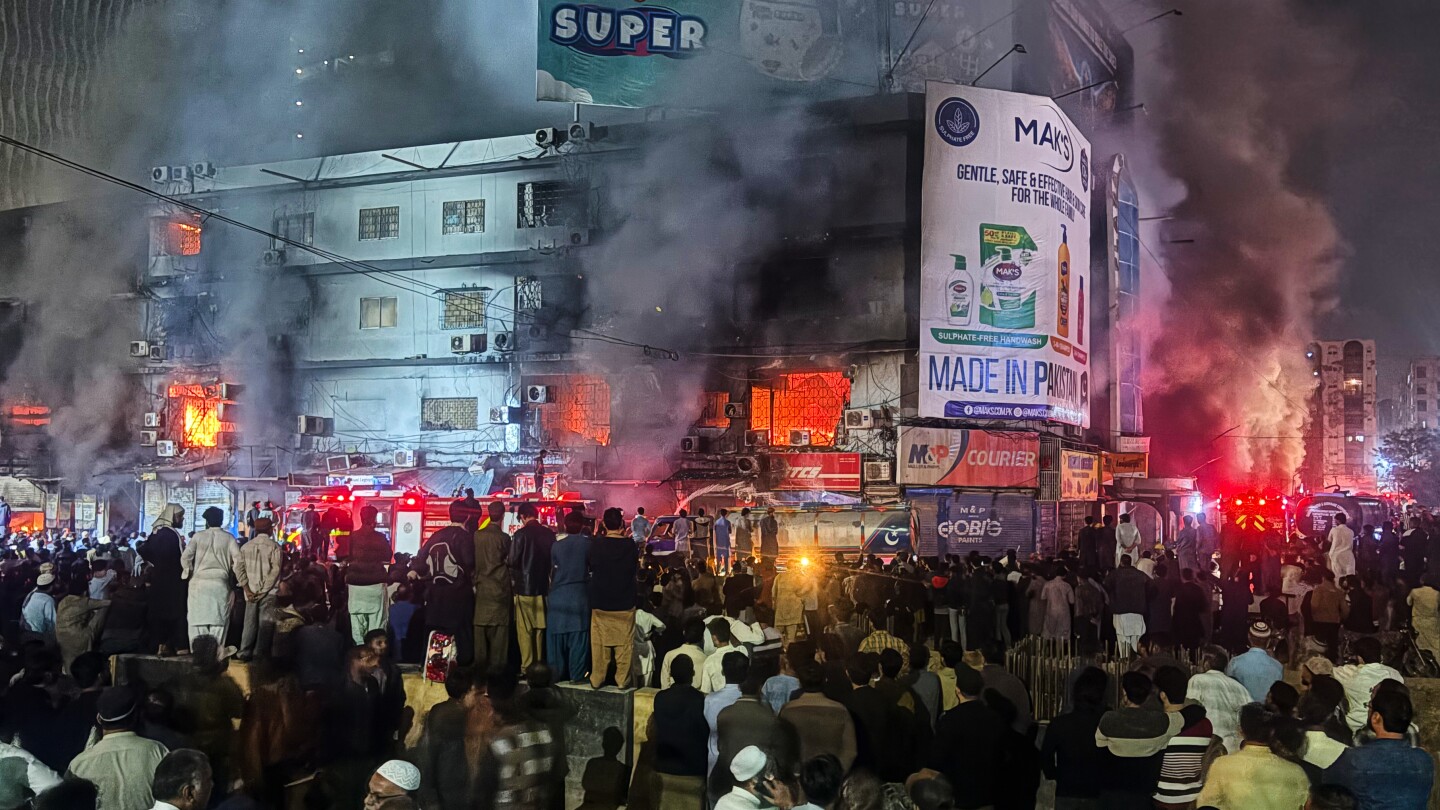
    A devastating nocturnal blaze ravaged a multi-story commercial complex in Karachi, Pakistan’s most populous metropolis, on Saturday evening, resulting in a confirmed death toll of three individuals and leaving approximately twelve others with injuries, as reported by municipal police and emergency response authorities.

    The conflagration ignited at Gul Plaza shortly after 10:00 PM local time, prompting an immediate deployment of firefighting units and rescue personnel. Local media outlets indicated that the majority of retail proprietors were either in the process of concluding daily operations or had already vacated the premises when the rapidly spreading fire erupted.

    While the precise origin of the catastrophe remains undetermined pending formal investigation, preliminary reports suggest the inferno originated within a section designated for storage of imported textiles, garments, and plastic household merchandise. These highly combustible materials reportedly acted as significant accelerants, facilitating the fire’s aggressive progression throughout the building’s structure.

    Televised news footage documented emergency crews clad in specialized protective equipment employing extended ladders, high-capacity water cannons, and multiple hose lines to combat flames erupting from windows and balconies. An Associated Press correspondent on location reported dense plumes of black smoke permeating the nocturnal atmosphere, visible from considerable distances.

    This tragic incident underscores a persistent pattern of inadequate fire prevention infrastructure and emergency response systems prevalent throughout Karachi and broader Pakistani urban centers. The provincial capital of Sindh has witnessed multiple comparable tragedies, including a November 2023 shopping mall fire that claimed ten lives and injured twenty-two individuals, highlighting systemic public safety deficiencies that frequently culminate in substantial property damage and human casualties.


  • Why teaching Arabic to AI is hard and how UAE researchers are solving it

    Why teaching Arabic to AI is hard and how UAE researchers are solving it

    Abu Dhabi’s Technology Innovation Institute (TII) has achieved a significant breakthrough in artificial intelligence by developing Falcon-H1 Arabic, a sophisticated language model capable of processing both Modern Standard Arabic and multiple regional dialects simultaneously. This advancement addresses one of AI’s most persistent linguistic challenges: Arabic’s complex morphological structure and the substantial variations between its formal and colloquial forms.

    The research team, led by Chief Researcher Hakim Hacid of TII’s Artificial Intelligence and Digital Science Research Center, employed innovative architectural approaches combining transformer attention with state space models called Mamba. This hybrid system enables more efficient information processing, particularly across extended sequences, while maintaining robust reasoning capabilities. The model’s 256,000-token context window allows for comprehensive analysis of complete documents—from legal cases to medical histories—without losing coherence.

    Unlike conventional AI systems that treat Arabic dialects as minor variations, Falcon-H1 Arabic was specifically trained on diverse dialectal sources including Egyptian, Levantine, Gulf, and Maghrebi Arabic. The team intentionally expanded training data beyond formal written Arabic and implemented careful filtering to ensure genuine linguistic diversity across regions. Remarkably, the 34-billion-parameter model outperforms larger systems with over 70 billion parameters, demonstrating that performance depends on data quality and architectural innovation rather than mere scale.

    This development carries significant implications for Arabic language preservation in technology. By prioritizing native Arabic support, including often-overlooked dialects, the work aligns technological progress with cultural and linguistic realities. Applications span multiple sectors including legal documentation analysis without translation, medical record summarization that accommodates mixed formal and dialectal language, and enterprise systems operating natively in Arabic.

    The research team acknowledges three priority areas for future development: integrating additional dialects with limited digital resources, achieving full functional parity with English-language AI capabilities, and advancing multimodal AI that combines text, images, and speech natively in Arabic. The model’s open-source release enables researchers and developers across Arabic-speaking regions to adapt and extend the technology, moving toward making Arabic a ‘first-class citizen’ in AI rather than a translated afterthought.

  • Vance and Rubio set to attend Winter Olympics opening ceremony in Italy. Trump isn’t on the list

    Vance and Rubio set to attend Winter Olympics opening ceremony in Italy. Trump isn’t on the list

    ROME, Italy — The White House announced on Saturday that Vice President JD Vance will spearhead the official United States delegation to the 2026 Winter Olympics in Italy, confirming his attendance at the highly anticipated opening ceremony. The delegation represents a significant diplomatic and celebratory presence for the American contingent at the global sporting event.

    Vance will be accompanied by a distinguished group including Secretary of State Marco Rubio, Second Lady Usha Vance, and U.S. Ambassador to Italy Tilman Fertitta. Enhancing the prestige of the delegation is a cohort of celebrated American Olympic gold medalists, adding a layer of athletic excellence to the diplomatic mission.

    The 2026 Milan-Cortina Games are scheduled to commence on February 6th with an opening ceremony set to break new ground in Olympic history. The traditional Parade of Nations will transcend a single venue. While the primary spectacle will unfold before 60,000 spectators at Milan’s iconic San Siro stadium, athletes will simultaneously be presented in the mountain venues of Cortina d’Ampezzo, Predazzo, and Livigno. This innovative, multi-city format marks an unprecedented expansion of the ceremony’s reach.

    Notably absent from the delegation roster is former U.S. President Donald Trump. The American athlete representation within the delegation boasts impressive credentials, featuring twin sisters Jocelyne Lamoureux-Davidson and Monique Lamoureux-Morando, key members of the gold medal-winning 2018 ice hockey team. They will be joined by decorated Olympians including figure skating champion Evan Lysacek and two-time short track speed skating gold medalist Apolo Ohno.

  • ‘We demand respect’: Thousands join anti-Trump protest in Denmark over Greenland

    ‘We demand respect’: Thousands join anti-Trump protest in Denmark over Greenland

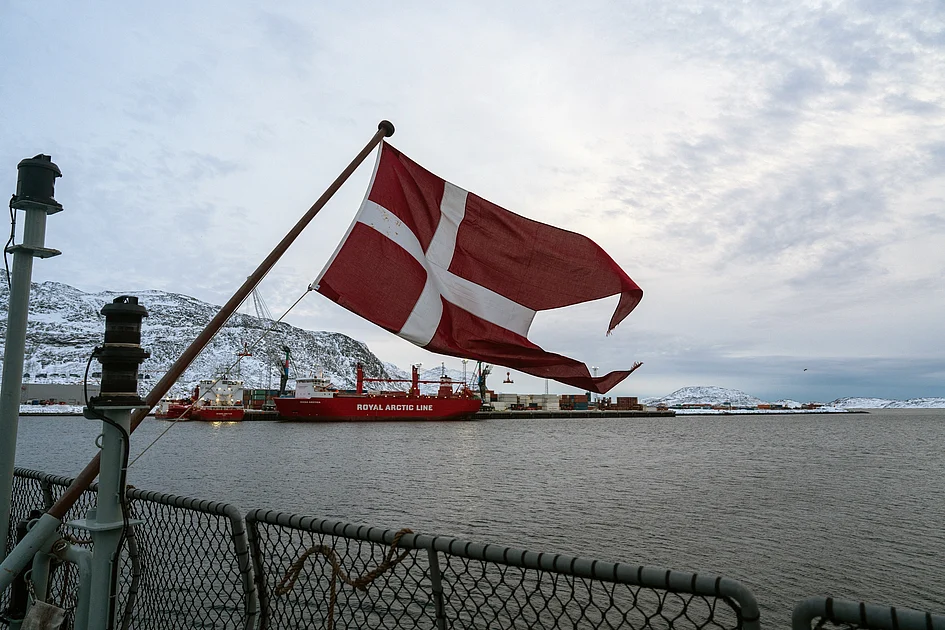
    COPENHAGEN – Tens of thousands of demonstrators flooded the streets of Denmark’s capital on Saturday in a powerful display of opposition to U.S. President Donald Trump’s controversial pursuit of mineral-rich Greenland. The massive civic mobilization came just one day after Trump threatened to impose tariffs on nations resisting his territorial acquisition plans.

    Waving a sea of red-and-white Danish and Greenlandic flags, protesters gathered outside Copenhagen’s city hall chanting “Kalaallit Nunaat!” – the indigenous name for Greenland. The carefully coordinated demonstrations, organized by Greenlandic associations, simultaneously unfolded across multiple Danish cities including Aarhus, Aalborg, Odense, and extended to Nuuk, Greenland’s capital.

    Uagut, an association representing Greenlanders in Denmark, articulated the movement’s core message: “The aim is to send a clear and unified message of respect for Greenland’s democracy and fundamental human rights.” Organizers scheduled a sister demonstration in Nuuk to specifically protest what they termed the U.S.’s “illegal plans to take control of Greenland,” with marchers proceeding toward the U.S. consulate.

    The protests coincided with a visit by a bipartisan U.S. Congressional delegation seeking to distance American lawmakers from Trump’s polarizing stance. Democratic Senator Chris Coons, leading the delegation, explicitly contradicted the administration’s security justification for the proposed acquisition during meetings with Danish and Greenlandic officials.

    “There are no pressing security threats to Greenland,” Coons told reporters, acknowledging shared concerns about Arctic security amid climate change while emphasizing NATO’s existing protective umbrella. This statement directly countered claims by Trump advisor Stephen Miller that Denmark lacked capacity to defend its Arctic territory.

    Recent polling data reveals overwhelming opposition among Greenlanders, with 85% rejecting potential U.S. membership. The demonstrations underscore growing transatlantic tensions as European NATO members, including Britain, France, Germany and Nordic countries, deploy troops to Greenland for military exercises explicitly designed to demonstrate sovereign defense capabilities.

  • 5 skiers killed in a pair of avalanches in Austria

    5 skiers killed in a pair of avalanches in Austria

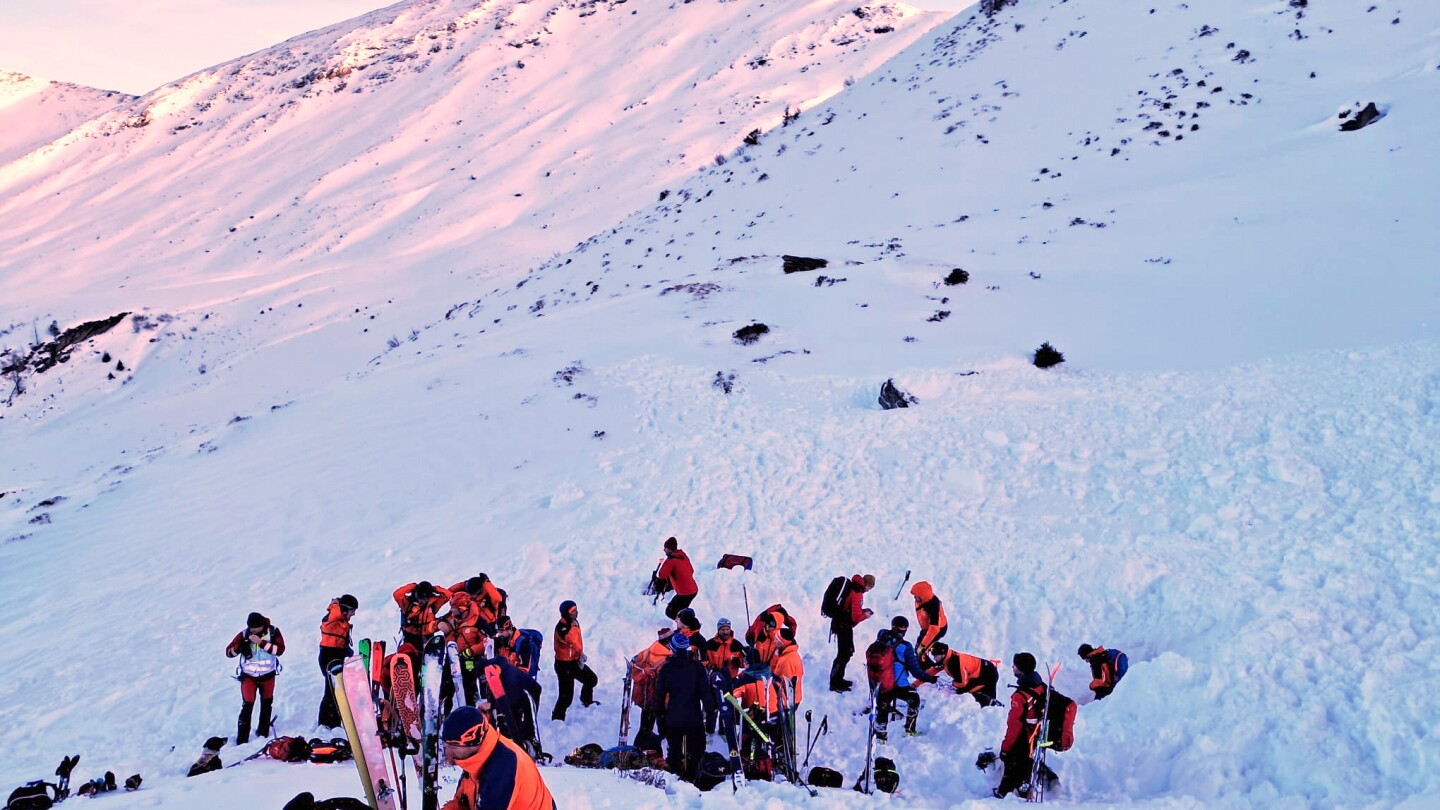
    VIENNA — A devastating series of avalanches struck the Salzburg Pongau region of western Austria on Saturday, resulting in the deaths of five skiers and multiple injuries despite repeated official warnings about dangerous mountain conditions.

    The first incident occurred in the Gastein Valley, south of Salzburg, where a massive snow slide engulfed seven skiers. Four individuals perished in the avalanche, while two sustained injuries—one with serious trauma. A seventh member of the group managed to escape physically unharmed, according to the Austrian Press Agency (APA).

    Approximately ninety minutes prior to this tragedy, a separate avalanche in the Bad Hofgastein area claimed the life of a female skier at approximately 2,200 meters (7,200 feet) elevation.

    Gerhard Kremser, district head of the Pongau mountain rescue service, addressed the catastrophic events, stating: ‘This tragedy painfully demonstrates how serious the current avalanche situation is.’ He emphasized that authorities had issued ‘clear and repeated warnings’ regarding the elevated avalanche risk in the region.

    Emergency response teams mobilized extensive resources including four rescue helicopters, specialized mountain rescue units, Red Cross canine search teams, and crisis intervention personnel to assist with recovery operations and provide support to survivors and families.

    The incidents highlight the critical importance of heeding official avalanche warnings during winter sports activities in alpine regions, particularly following recent heavy snowfall and unstable weather conditions that have created potentially lethal slab avalanches across the Austrian Alps.

  • Thousands rally in Serbia as students vow to lead on fight against corruption

    Thousands rally in Serbia as students vow to lead on fight against corruption

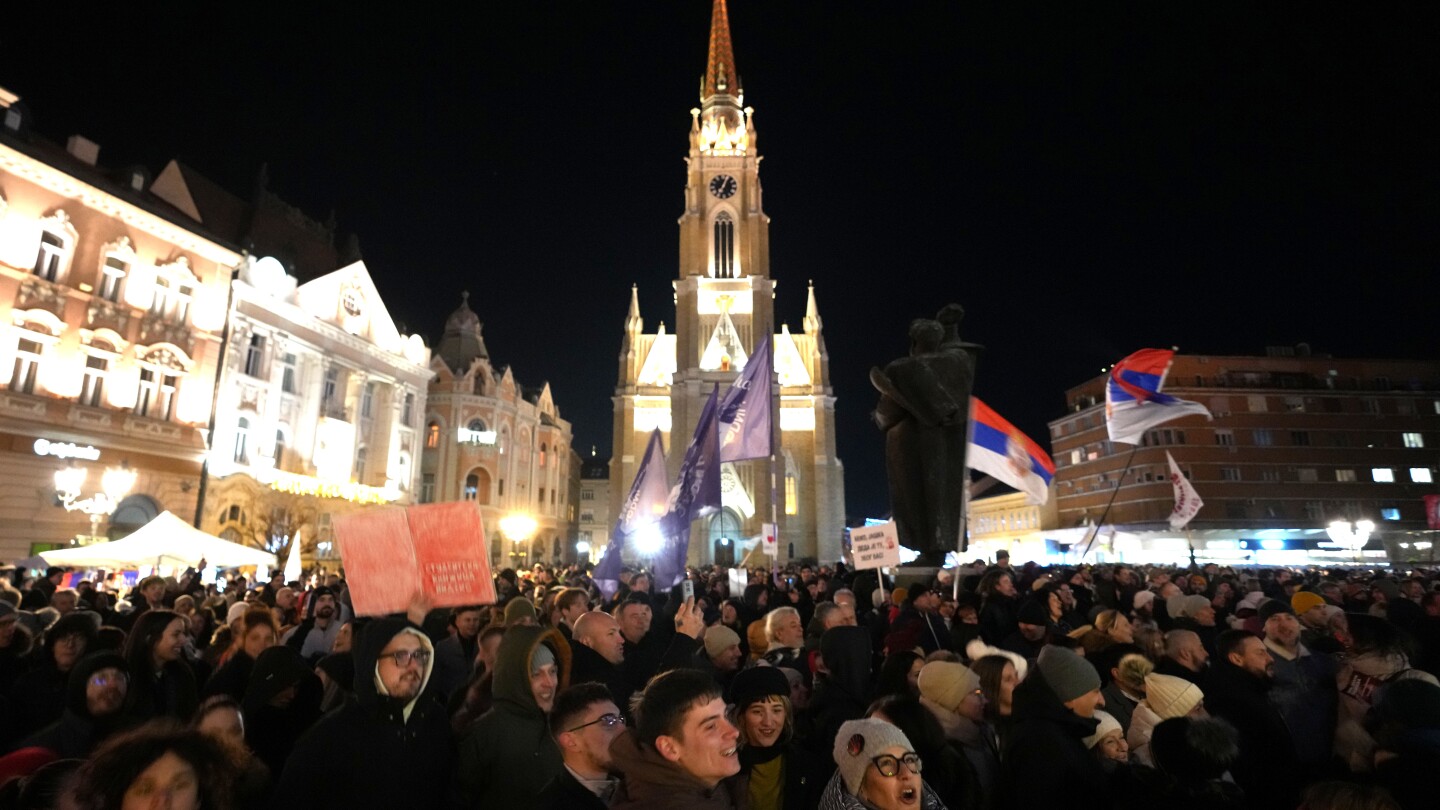
    NOVI SAD, Serbia — Tens of thousands of demonstrators flooded the streets of Novi Sad on Saturday as student organizers declared a strategic escalation in their prolonged campaign against President Aleksandar Vucic’s administration. The mobilization represents a new phase in a protest movement that has sustained momentum for over twelve months, presenting the most significant challenge to Vucic’s authoritarian leadership in the Balkan nation.

    Protesters unified in chants of ‘thieves’ directed at government officials, alleging systemic corruption that they contend directly contributed to the catastrophic November 2024 train station disaster in northern Serbia. The tragedy, which claimed 16 lives, served as the catalyst for the nationwide movement demanding governmental accountability and reform.

    Despite mounting pressure, President Vucic has maintained his refusal to call snap elections, a central demand of the protest movement. The government’s response has included hundreds of detentions, with numerous participants reporting employment termination and various forms of political persecution for their opposition activities.

    Student representatives announced a tactical shift from demonstration to proposition, outlining specific policy measures including the permanent exclusion of corrupt officials from political office and comprehensive investigations into unexplained wealth among governing elites. The movement, which has gathered approximately 400,000 signatures supporting their election initiative, has branded this new phase ‘What Victory Will Mean.’

    Vucic, who initially rose to power on promises of European Union integration, has increasingly pivoted toward alliances with Russia and China during his decade-long tenure. His administration faces persistent allegations of eroding democratic institutions while permitting corruption and organized crime networks to operate with impunity.

    The student-led movement has resonated deeply with a populace disillusioned by conventional political alternatives. Vucic has countered by accusing protesters of acting under covert Western directives aimed at destabilizing Serbia, though he has provided no substantiation for these claims.

  • Syrian Kurds seek constitutional recognition after rights decree

    Syrian Kurds seek constitutional recognition after rights decree

    In a landmark move, Syria’s interim government has issued a decree formally recognizing Kurdish cultural and linguistic rights for the first time since the nation’s independence in 1946. The declaration, announced by Interim President Ahmad al-Sharaa in a televised address late Friday, designates Newroz (the Kurdish new year) as a national holiday and restores citizenship to Kurds who were stripped of their nationality following a controversial 1962 census.

    While the decree prompted celebrations among Kurds in government-controlled areas like Damascus and Afrin, it received a muted response in regions under Kurdish autonomous control. Kurdish political factions across the spectrum acknowledged the gesture but universally warned it falls short of addressing their fundamental demands.

    The Kurdish-led Democratic Self-Administration of North and East Syria (DAANES) stated that no decree can constitute genuine guarantees unless embedded within a comprehensive constitutional framework. Similarly, Salih Muslim of the Democratic Union Party (PYD) characterized the measures as ‘individual promises’ rather than binding constitutional rights.

    Even welcoming voices like Shalal Gado of the Kurdish National Council emphasized that these provisions must evolve into constitutionally protected rights with legal safeguards. The decree fails to address the plight of unregistered Kurds (maktoumeen) and those abroad classified as foreigners (ajanib), leaving them stateless and unable to work, study, or marry legally.

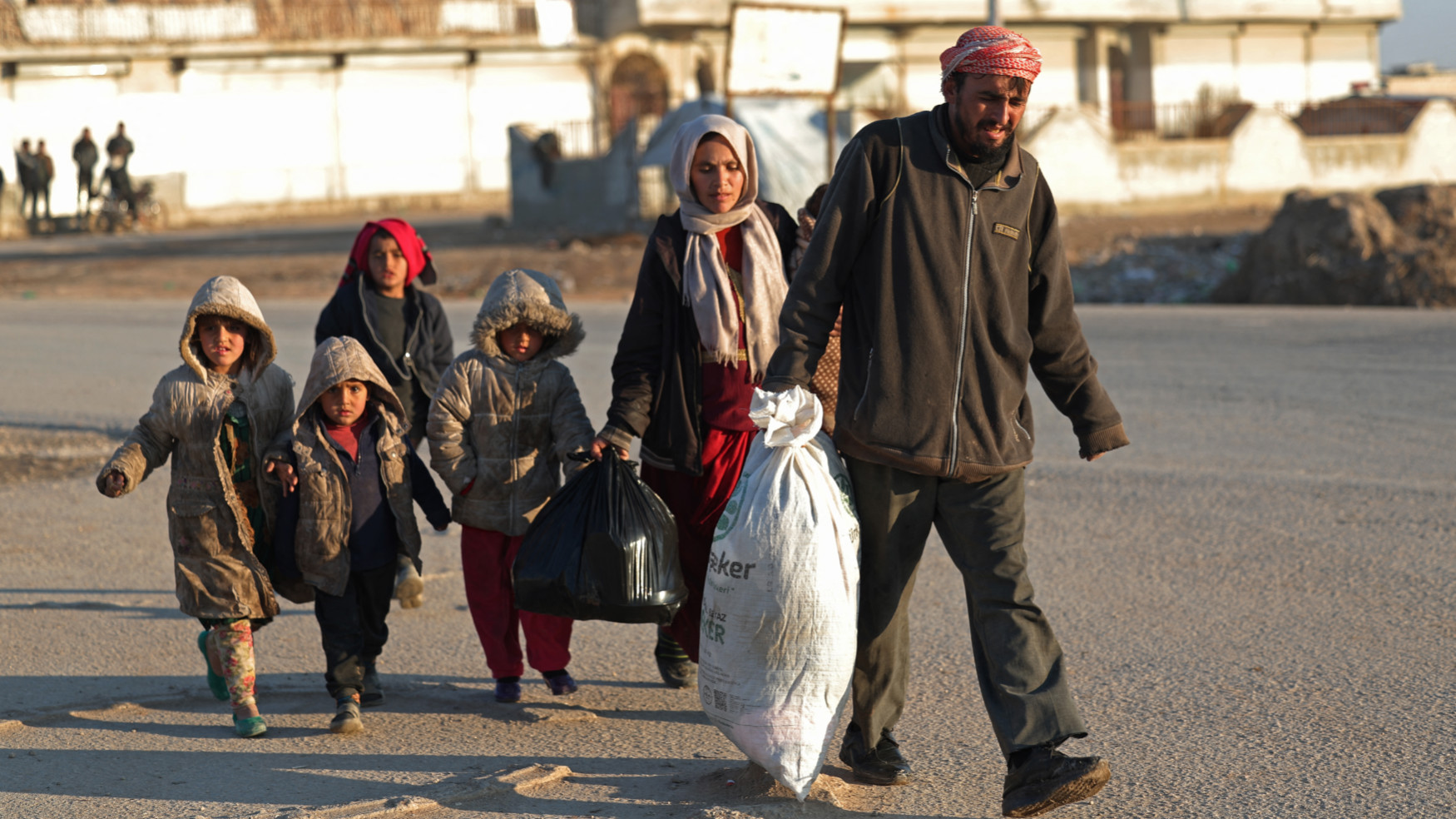
    The announcement comes amid intensified international mediation to halt recent violent clashes in Aleppo between Kurdish forces and the Syrian army. The fighting displaced approximately 120,000 people and threatened to derail the March agreement between Damascus and the Kurdish-led Syrian Democratic Forces (SDF).

    Analyst Meghan Bodette of the Kurdish Peace Institute noted the decree could represent a partial step toward implementing Damascus’s obligations under the March security integration framework. However, she emphasized its ‘revocable nature and shortcomings on critical issues’ prevent it from being a comprehensive solution to Syria’s longstanding Kurdish question, which affects nearly two million citizens.

  • What a seventh term for 81-year-old leader means for Uganda

    What a seventh term for 81-year-old leader means for Uganda

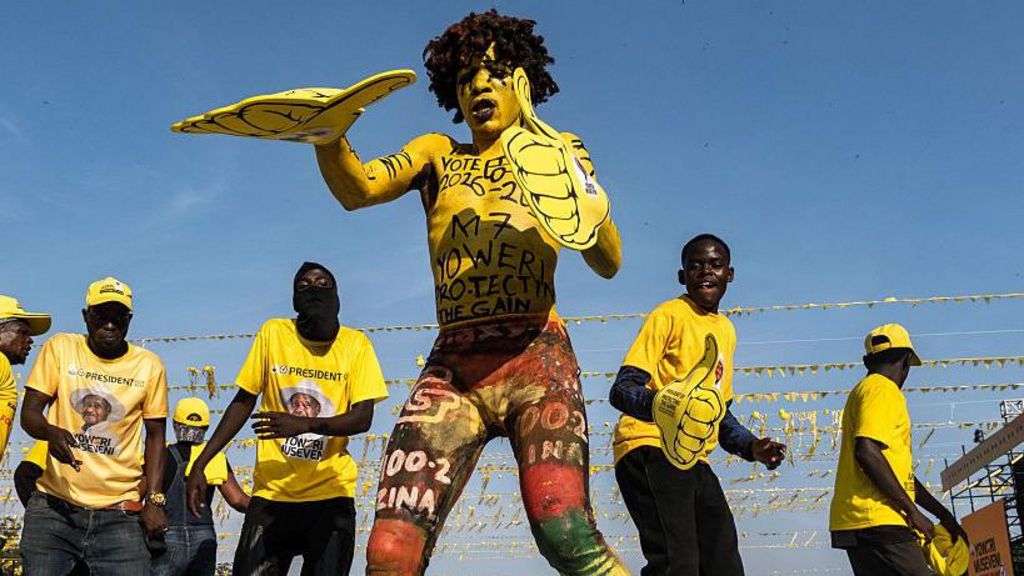
    President Yoweri Museveni has secured a decisive electoral victory with 72% of the vote, nearly matching his historic 1996 performance of 74%. The 81-year-old leader, who seized power in 1986, framed this outcome as validation of his four-decade rule and its delivery of political and economic stability. His campaign emphasized ambitious development targets, particularly Uganda’s transition to middle-income status by 2030, with nascent oil exports via a Tanzanian pipeline positioned as the economic cornerstone.

    Opposition leader Bobi Wine, the charismatic former pop star, rejected the results as fraudulent while claiming to be in hiding following security force raids. His vote share declined significantly from 35% in 2021 to 25% despite Uganda’s predominantly youthful population. Wine alleges systematic electoral manipulation including violent suppression of rallies, though he has provided no substantiating evidence for ballot-stuffing claims.

    Beyond the contested outcome, analysts identify deeper political transformations within Uganda’s power structures. The ruling National Resistance Movement’s internal elections in August 2025 revealed intense succession maneuvering, marked by factional bargaining and alleged bribery. This process signaled the rising influence of General Muhoozi Kainerugaba, the president’s son and army chief, who now oversees all security matters—a concentration of power with profound implications given Uganda’s history of military-political entanglement.

    Presidential authority has gradually decentralized to a tight circle of relatives: Museveni’s daughter manages his schedule, his half-brother handles diplomatic relations, and his son-in-law shapes economic policy. This restructuring suggests Uganda’s future is increasingly directed by Museveni’s family, even without formal title changes. As veteran figures are sidelined, the regime appears focused more on succession planning than engaging with an opposition weakened by repression and co-option.

    Political analyst Allan Kasujja notes that meaningful change in Uganda occurs gradually rather than through dramatic electoral shifts. The recent election thus represents less a transformative moment than a ritual legitimizing these underlying power transitions within the established political framework.

  • Qatar’s Nasser Al-Attiyah claims sixth Dakar Rally car title

    Qatar’s Nasser Al-Attiyah claims sixth Dakar Rally car title

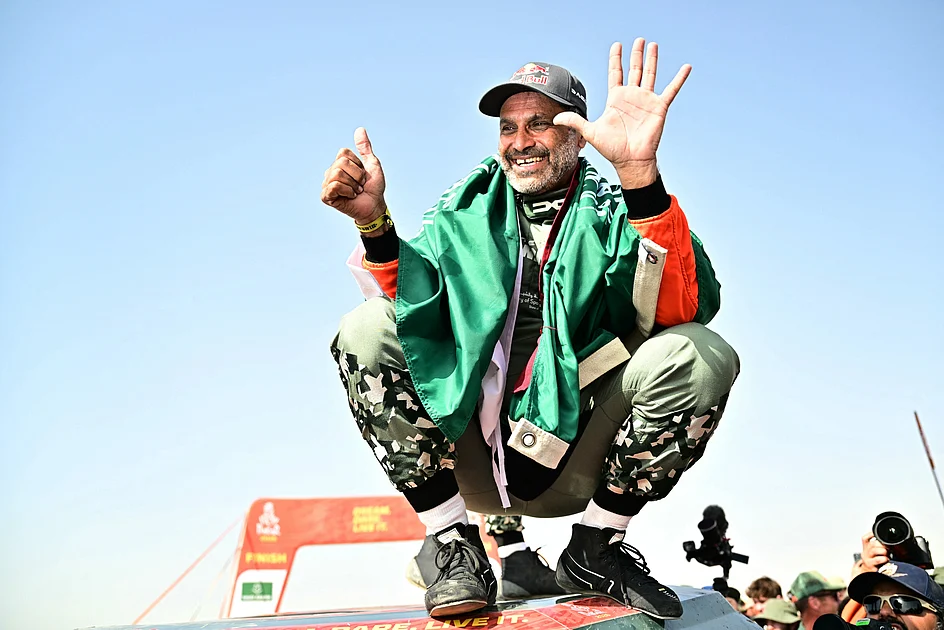
    In a spectacular display of endurance racing mastery, Qatari motorsport legend Nasser Al-Attiyah has cemented his legacy by capturing an unprecedented sixth Dakar Rally car championship title. The 55-year-old champion, piloting a Dacia vehicle, maintained his commanding position through the final stage in Saudi Arabia on Saturday, demonstrating strategic brilliance by avoiding any critical errors that could have jeopardized his hard-earned lead.

    Al-Attiyah’s latest triumph adds to his impressive Dakar victories spanning 2011, 2015, 2019, and two consecutive wins in 2022. The achievement becomes even more remarkable considering his multidisciplinary athletic prowess, having previously earned an Olympic bronze medal in clay pigeon shooting at the 2012 London Games.

    The rally’s motorcycle category delivered one of the most dramatic finishes in Dakar history as Argentina’s Luciano Benavides claimed victory by the narrowest of margins—a mere two seconds—denying American rider Ricky Brabec his third title. The 30-year-old KTM rider executed a flawless final stage strategy, capitalizing on a critical navigation error by the Honda rider near the Yanbu finish line.

    “I’ve envisioned this moment throughout my entire life,” an emotional Benavides stated after his debut Dakar crown was secured. “Even yesterday, victory seemed improbable, but I maintained belief. When I observed Ricky taking an incorrect route, I seized the opportunity and pursued the proper trajectory with absolute determination.”

    Benavides’ victory continues a family legacy in the rally, with his brother Kevin having previously won the marathon race in both 2021 and 2023. The podium was completed by Spain’s Tosha Schareina on a Honda, who captured third position in the overall standings, while Edgar Canet claimed victory in the final bike stage.

  • Guinea’s Doumbouya is sworn in as president, cementing transition from junta chief to elected leader

    Guinea’s Doumbouya is sworn in as president, cementing transition from junta chief to elected leader

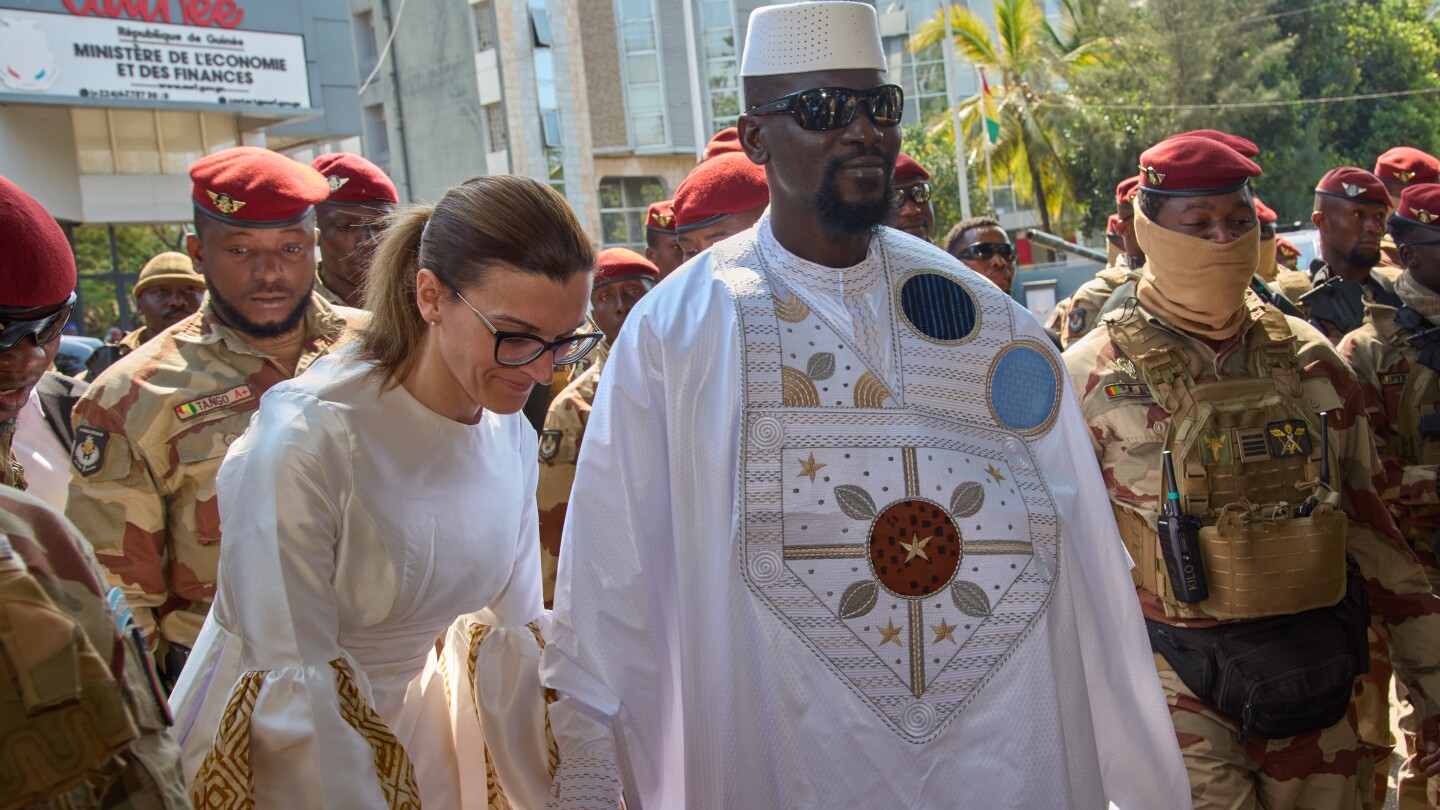
    CONAKRY, Guinea — General Mamadi Doumbouya, who seized control of Guinea through a military coup in 2021, was formally sworn in as the nation’s president on Saturday. The ceremony took place at a newly constructed 55,000-seat stadium in Conakry’s suburbs, attended by African leaders and regional commission representatives.

    Doumbouya’s inauguration follows his decisive victory in last year’s presidential election, a remarkable political turnaround given his initial pledge not to seek office. The electoral process occurred under a controversial new constitution that eliminated prohibitions against military leaders running for office while extending presidential terms from five to seven years.

    During his address, the new president acknowledged “the immense responsibility entrusted to me by the Guinean people” while characterizing his mandate as “a commitment to address various governance challenges” rather than a personal honor.

    The inauguration revealed deep divisions within Guinean society. Supporters like 28-year-old law student Rokiatou Kaba expressed optimism about Guinea’s international resurgence and economic prospects. However, skeptics including economics student Hassmiou Baldé dismissed the proceedings as “theater” and a “charade,” accusing Doumbouya of eliminating genuine opposition before the election.

    Despite controlling substantial mineral wealth, Guinea faces significant developmental challenges. According to World Food Program data, approximately half of the country’s 15 million citizens live in poverty while experiencing record food insecurity.

    The junta has prioritized the Simandou iron ore project, a predominantly Chinese-owned mining initiative at the world’s largest iron deposit, as central to economic revitalization. After decades of delays, production commenced late last year, with authorities anticipating thousands of new jobs and secondary investments in education and healthcare.

    Guinea represents one of several West African nations experiencing military takeovers since 2020, where armed forces have capitalized on public dissatisfaction with security deterioration, economic underperformance, and contested elections.