博客

  • ‘Abandoned and left to die’: Family of Hussam Abu Safiya says he has been betrayed by rights groups

    ‘Abandoned and left to die’: Family of Hussam Abu Safiya says he has been betrayed by rights groups

    The family of a prominent detained Palestinian doctor has issued a desperate final appeal for international intervention, accusing global human rights bodies and the wider international community of betrayal amid mounting evidence that the medic is being tortured to death in Israeli custody. Dr. Hussam Abu Safiya, a respected paediatrician and former medical director of Gaza’s Kamal Adwan Hospital, has been held without formal charges by Israeli authorities since his abduction in December 2024. His rapidly deteriorating health, compounded by ongoing abuse and denied medical care, has left his life hanging by a thread, according to lawyers and advocacy groups monitoring his case.

    In an exclusive interview with Middle East Eye, Abu Safiya’s son Elias, a medically trained professional who once worked alongside his father at Kamal Adwan during Israel’s military campaign in northern Gaza, said the era of quiet diplomatic appeals has ended. “The moment for simple appeals has passed. This is a final, urgent call for every person of conscience to intervene and speak out publicly about my father’s situation,” Elias stated. He added that the stark double standard in global responses to the Israeli-Palestinian conflict has left his family with no illusions: “The world clearly does not see us as fully human, or as people deserving of equal rights. There is exponentially more support for Israeli causes than for Palestinian lives. We have been abandoned, and Palestinians like my father are left to die alone in Israeli prison cells.”

    The gravity of Abu Safiya’s condition was first confirmed by his lawyer, Nasser Odeh, who visited the medic on July 2 at Israel’s secretive Rakefet underground interrogation facility, located inside Nitzan Prison in northern Israel. Odeh told reporters he barely recognized his client after brutal new assault left visible injuries across his face and head. The paediatrician was described as extremely frail, struggling to breathe and speak, and suffering severe psychological breakdown. In a devastating message passed through his lawyer, Abu Safiya reportedly said: “This is the last time you will see me… They brought me here to kill me. I don’t see myself surviving. This is the end.”

    Details of the abuse emerged publicly after Physicians for Human Rights Israel (PHRI), an Israeli advocacy group, issued an urgent warning last week that Abu Safiya’s life is in imminent danger, calling for his immediate release. According to PHRI’s investigation, four to five Israeli prison guards assaulted Abu Safiya in his cell ahead of his June Supreme Court hearing, beating him with a hammer and metal batons that left him with extensive injuries across his body and skull. After the attack, the medic was transferred to the Rakefet facility, where he has faced daily beatings that have repeatedly knocked him unconscious. He has been held in solitary confinement for more than a month, and has been consistently denied any form of independent medical treatment.

    Abu Safiya already carried six pieces of shrapnel in his leg from an Israeli quadcopter attack that targeted his family as they slept inside Kamal Adwan Hospital earlier in 2024. The untreated wound continues to bleed and swell, and he has developed an enlarged heart from chronic high blood pressure during his detention. Medical analysts close to the family say his current symptoms, resulting from the recent head assaults, strongly suggest he has developed a life-threatening blood clot putting pressure on his brain.

    Derek Summerfield, an honorary senior lecturer at King’s College London and a leading researcher on the psychiatric impacts of detention and torture for Palestinian prisoners in Israeli custody, told Middle East Eye that the systemic abuse of Abu Safiya fits a long-standing pattern that has grown worse in recent years. “Torture is very much an everyday matter in Israel and has been used as a weapon against Palestinians in interrogation suites for decades. The savagery inflicted on Palestinian detainees has increased markedly since 2023. The Israeli state feels it has complete impunity, and doctors who speak out are specifically targeted as part of that crackdown,” Summerfield explained. He added that Israeli authorities likely intend for Abu Safiya to die in custody rather than be released to share his account of abuse with the global public. “Dr Abu Safiya represents a heroic resilience that Israel is determined to quash. The more international pressure we can build, the more likely it is they will back down and not allow him to die,” Summerfield said.

    Abu Safiya is one of 14 Gaza-based doctors currently held without charge by Israel, and his case echoes the tragic fate of another prominent Gazan health leader, Adnan al-Bursh, the former head of orthopaedics at Gaza City’s Al-Shifa Hospital. Al-Bursh was detained by Israeli forces in December 2023 and was found dead in Israeli custody in April 2024. Testimonies from released prisoners confirm he was repeatedly beaten, tortured and sexually assaulted during his detention, and Israel has still refused to return his body to his family for burial.

    According to data collected by Healthcare Workers Watch, an organization that tracks the treatment of Palestinian detainees in Israeli prisons, Abu Safiya was specifically targeted for harsher humiliation, starvation and torture because of his public profile and his refusal to abandon his patients. When the Israeli military declared northern Gaza a combat zone and ordered all civilians and medical staff to evacuate, Abu Safiya stayed behind to continue treating injured and sick children. He also publicly spoke out about the widespread famine and child casualties caused by Israeli military operations, a stance that his family says has made him a target. Last year, in October 2024, Elias’s 20-year-old brother Ebrahim was killed by Israeli fire; the family believes the killing was a deliberate act of revenge against Abu Safiya. “We don’t even know whether to grieve the son we already lost, or wait to grieve the father we are losing now. Words cannot describe the depth of the pain we have endured,” Elias said.

    Elias, who worked alongside his father through relentless Israeli bombardments and the eventual siege of Kamal Adwan Hospital, said he remains deeply proud of his father’s unwavering commitment to his patients. “When the local population was being starved and killed, he stood steadfast and refused to betray their trust or shirk his responsibilities, and as a result people saw him as a beacon of hope. I don’t have the words to describe how proud I am of his courage,” Elias said. He added that his father’s last instruction to him was to speak out not just for him, but for all Palestinian health workers being abused in Israeli custody.

    International bodies including the United Nations have called for the immediate release of all detained Palestinian healthcare workers, and PHRI has filed a formal petition with Israel’s Supreme Court calling for Abu Safiya’s release and access to an independent medical evaluation. The court is set to receive a response from Israeli state authorities on July 7. Israeli Knesset member Ofer Cassif has also publicly called for Abu Safiya’s immediate release. Elias noted that even within Israeli society, the severe abuse of his father has become impossible to ignore.

    Activist groups across the UK are mobilizing this week to shine a spotlight on Abu Safiya’s case, with a coalition of medical organizations set to demonstrate Friday outside the Royal College of Paediatrics and Child Health (RCPCH) in London. The RCPCH has a long history of training doctors from Gaza, and activists will deliver a petition urging the college to publicly condemn the targeting, detention and killing of Gazan health workers and call for Abu Safiya’s immediate release. To date, the college has not issued any public statement on the case.

    “Dr Abu Safiya’s situation is no longer tolerable for any medical professional with a conscience. When one paediatrician is punished for protecting children, all paediatricians must speak up. The Royal College of Paediatrics and Child Health used to train Gaza’s doctors and has a duty to speak up,” said Reyhana Alborz, co-chair of Child Health Advocates 4 Palestine. Amira Nimerawi, co-founder and CEO of Health Workers 4 Palestine, echoed that sentiment, telling Middle East Eye: “Every institution with the power to demand his release has the facts in front of them. Silence at this point is not neutrality, it is complicity in whatever happens next to him.”

    For Elias, carrying his father’s message forward is both a privilege and a duty, rooted in the example his father set until the moment of his arrest. “He was still defending his people, still carrying the humanitarian mission of his profession up to the point of his arrest, and it is a privilege and an honour to carry his message to the world. He taught us that sacrifice comes at a price, and this is a price we have paid and continue to pay,” Elias said. “Those who remain silent now are complicit and colluding with Israel, and I urge anyone who is in a position of influence to put pressure on these criminals by speaking out for my father and all of the Palestinian prisoners.”
  • ‘This is our sport, not theirs’: Klopp attacks Fifa chief over Balogun red card reversal

    ‘This is our sport, not theirs’: Klopp attacks Fifa chief over Balogun red card reversal

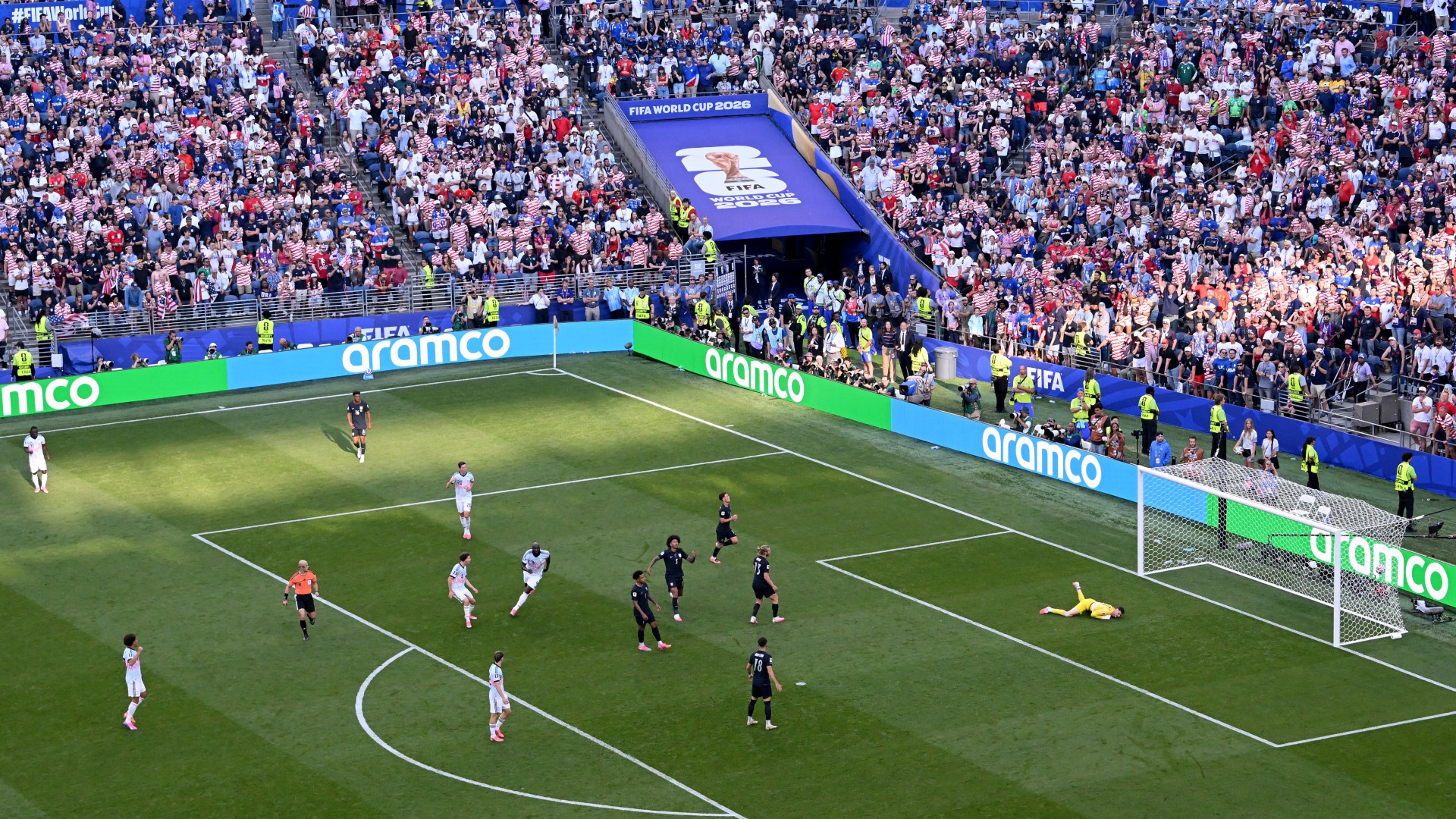
    A fiery global controversy has engulfed world football after global governing body FIFA overturned a red card issued to United States striker Folarin Balogun, a decision that came after former U.S. President Donald Trump personally lobbied FIFA President Gianni Infantino to revisit the call. The incident has sparked widespread condemnation from football figures, politicians and governing bodies, who warn the move has fatally undermined the sport’s core principle of impartial officiating.

    The controversy traces back to a recent qualifying match between the U.S. and Bosnia and Herzegovina, where referee Raphael Claus issued Balogun a straight red card for a collision with an opposing player. Per standard FIFA rules, a red card carries an automatic one-match suspension that would have ruled Balogun out of the U.S.’s next fixture against Belgium. That all changed when Trump confirmed on Monday he had directly called Infantino to demand a review of the red card, insisting the incident was not a foul at all.

    Speaking to reporters at the White House, Trump framed the call as a personal intervention rooted in his own self-described deep understanding of sport. “That wasn’t even an infraction, that was two guys running full speed that happened to crash into each other,” Trump said, before launching a personal attack on Claus, calling the referee “very suspect” and hinting at unspecified questionable past conduct. He also praised Infantino, claiming the FIFA chief’s respect had grown “tenfold” following their interaction.

    Behind the scenes, the lobbying effort was far broader than a single presidential phone call, reporting from Politico reveals: White House FIFA World Cup Task Force executive director Andrew Giuliani, U.S. Commerce Secretary Howard Lutnick, and senior United States Soccer Federation officials spent four days organizing and lobbying to overturn the suspension. On Sunday, FIFA stunned the global sports community by reversing the red card, replacing it with a one-year probationary period, by invoking Article 27 of the FIFA disciplinary code – a provision that is almost never used in practice. Balogun was cleared to start against Belgium on Monday, though he turned in an underwhelming performance as Belgium secured a comfortable 4-1 victory.

    Infantino has pushed back against claims of political interference, insisting the decision was made independently by FIFA’s judicial bodies and not as a result of his conversation with Trump. “During our conversation, I explained that there was an ongoing legal process involving Fifa’s independent judicial bodies and that the case would be decided in due course by the competent bodies,” Infantino said. “That is how Fifa’s system works, and it is a principle that I will always uphold.”

    That explanation has done little to quiet widespread outrage. Former Liverpool manager Jürgen Klopp, one of the most respected figures in top club football, delivered a rare public rebuke of Infantino in response to the debacle. “This is our sport, not theirs,” Klopp said. “If Donald Trump and Gianni Infantino really sorted this out between themselves, it is madness. It calls everything into question.”

    FIFA’s chief of referees, Pierluigi Collina, rushed to defend Claus, the referee at the center of Trump’s attack, calling him an “experienced and highly respected” official and confirming FIFA retains full confidence in his work. The South American Football Confederation echoed that defense in an official statement.

    The backlash has extended to political circles in the United Kingdom, where multiple senior politicians have called for Infantino’s immediate resignation. Clive Betts, chair of the UK Parliament’s all-party group for football and a member of the ruling Labour Party, said: “The first thing they’ve got to do is explain their decision and if it literally was just a phone call from Trump then I’m sorry, but I think he has to resign or Fifa has to sack him if he won’t.” Ed Davey, leader of the UK Liberal Democrats, added: “No matter where it’s held, the World Cup belongs to the fans – not gangsters like Trump.” Former British sports minister Gerry Sutcliffe called the situation “appalling”, saying: “This clearly is an appalling situation where politicians and sport executives have ruined the integrity of the game. Infantino should resign immediately and Fifa should hold an immediate inquiry. President Trump admits contacting Infantino.”

    Even disgraced former FIFA president Sepp Blatter, who was banned from FIFA activities in 2015 over a widespread corruption scandal, joined the criticism. In a post on X, Blatter wrote: “Red cards are not overturned by political phone calls. They are overturned by rules, evidence and independent bodies. If a US President intervenes with the FIFA President – and a player is suddenly cleared before a World Cup knockout match – the question is unavoidable: Quo vadis [where are you going], FIFA?”

    European football’s governing body UEFA went a step further, saying the decision to reverse the red card “crossed a red line” in its own official statement. “Football, like any other sports, relies on rules, which are the basis for fair, honest and transparent competition. Sometimes rules are open to interpretation. In this case not,” the statement read. “A minimum automatic suspension of one match following a red card is not a discretionary option and does not require the decision of a competent body to be enacted.”

    The Belgian Football Association, which was directly impacted by the decision since it was set to face the U.S. with Balogun in the line-up, challenged Balogun’s eligibility to play before the match, noting it would leave “all further actions open” if FIFA allowed him to take the field. FIFA rejected Belgium’s appeal, ruling the association was not an interested party in the proceedings and rendering the challenge inadmissible. After the match, Belgian midfielder Nicolas Raskin said his squad had been unified by a “sense of injustice” over the off-pitch chaos, saying the team was determined to respond on the pitch. Responding to the controversy, after Romelu Lukaku scored Belgium’s fourth goal the team celebrated by performing the “Trump dance” that the former president popularized during his 2024 election campaign. The Belgian FA also posted a photo of Lukaku cupping his ear to Instagram with the caption “overturn this”, a thinly veiled jab at FIFA’s controversial decision.

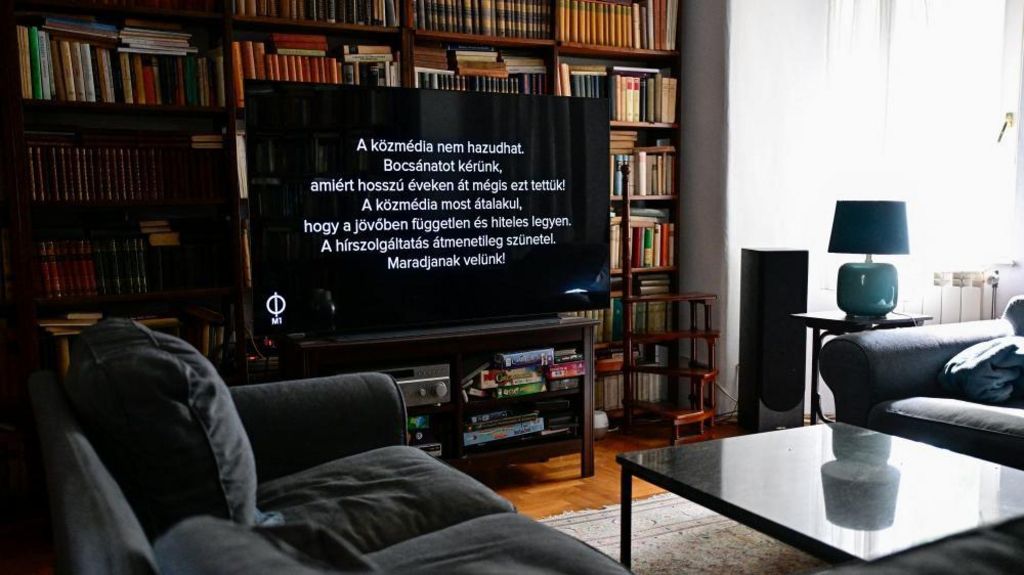
  • Hungary’s public news broadcasts halted in bid to scrap Orban-era propaganda

    Hungary’s public news broadcasts halted in bid to scrap Orban-era propaganda

    In an unprecedented shake-up of Hungarian media that marks a radical break from 16 years of tight state control, the country’s leading public television and radio outlets have suspended regular news operations as part of a sweeping push to build an independent, trusted public media ecosystem. On Tuesday, viewers tuning into MTVA’s flagship public channel M1 were met with a striking black screen bearing a blunt, unflinching white text apology: “Public media should not lie. We are sorry for doing it for so long.” The message continued, laying out the roadmap for the sector’s overhaul: “Public media now will be reformed so it will be independent and trustworthy. Our news programme is currently suspended. Stay tuned!”

    Alongside the television suspension, Hungary’s primary public radio outlet Kossuth Radio — which for decades delivered state-aligned news, current affairs, sports, and cultural coverage — has been taken off its regular frequencies. Per Agence France-Presse reports, the signal now carries classical music from Bartok Radio instead, while the official websites for both M1 and Kossuth remained offline through Tuesday afternoon.

    The dramatic restructuring fulfills a core campaign pledge from new Prime Minister Péter Magyar, who swept into power in an April landslide election after breaking from former Prime Minister Viktor Orbán’s long-ruling Fidesz party. Magyar, who ran on a platform of “regime change” after years of criticizing Orbán’s tight grip on Hungarian public life, framed Tuesday’s developments as nothing less than a historic turning point for Hungarian democracy. “They lied at night, they lied during the day, they lied on every wavelength. That is now over,” he said, calling the suspension the definitive end of state-run propaganda on public media platforms.

    Orbán, who was ousted from office after 16 consecutive years in power, has pushed back hard against the restructuring, denouncing the move in a Tuesday Facebook post as “another example of Tisza [Hungary’s ruling party] tyranny.” He urged his supporters to abandon public media and switch their viewing to Fidesz-affiliated private outlet Hir TV. The shake-up has already spilled over into private media aligned with the former government: commercial broadcaster TV2, which maintained close ties to Fidesz during Orbán’s tenure, has already seen its top news anchors and news director step down since Magyar took office.

    Magyar has long argued that nearly all major Hungarian media was effectively commandeered by allies of Orbán during his administration, claiming that state outlets repeatedly ran false smears against him and blocked him from appearing on public television from September 2024 onward. Just days after his election victory, Magyar made his first appearance on both Kossuth Radio and M1, where he explicitly confirmed his plan to pause existing news operations, assemble a completely new independent editorial team, and establish a new broadcast oversight authority to guarantee long-term press freedom.

    In a statement released Tuesday, MTVA — the public media body that manages M1 — clarified that the channel would gradually resume operations in a new, ad-free format focused on non-news content initially, with reformed news bulletins to be phased in once the new independent editorial structure is fully in place. The move has drawn widespread attention across Europe as a key test of Hungary’s democratic shift after more than a decade and a half of centralized government control over public information.

  • IOC eases restrictions on Russians before 2028 LA Games as anthem, flag ban remains

    IOC eases restrictions on Russians before 2028 LA Games as anthem, flag ban remains

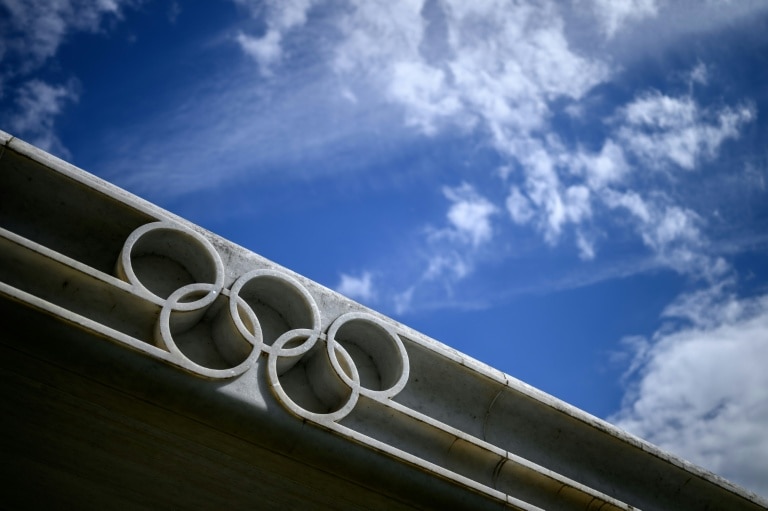
    More than four years after Russia launched its full-scale invasion of Ukraine, the International Olympic Committee (IOC) announced a landmark policy shift on Tuesday, rolling back some of the longstanding restrictions on Russian athletes to clear their path to compete in team events and qualifying tournaments for the 2028 Los Angeles Olympic Games.

    In remarks delivered during an IOC meeting in Lausanne, committee president Kirsty Coventry underscored the guiding principle behind the decision, noting that the governing body has long prioritized ensuring no athlete is penalized for the actions of their home government.

    While the IOC opened the door to expanded participation, it opted to retain the existing ban on the Russian national anthem and national flag for the time being. The committee also added a strict new stipulation: any Russian athlete seeking to return to international competition must pass multiple anti-doping screenings before being cleared to take part, a measure designed to address lingering distrust stemming from Russia’s decades-long history of state-sponsored doping programs.

    The announcement drew immediate pushback from Ukraine, whose own Olympic committee condemned the IOC’s move as premature and unfounded amid the ongoing war that has now stretched into its fifth year. In an official statement, Ukraine’s NOC emphasized that Russia’s full-scale armed aggression against Ukraine remains ongoing, with Russia continuing to violate core principles of international law, peace and global security, making the IOC’s decision out of step with current realities.

    Under the framework of new rules laid out by the IOC, individual international sports federations retain the autonomy to decide whether to allow the display of the Russian flag and performance of the anthem at their own standalone events, as well as whether to host competitions on Russian territory. For the 2028 LA Games themselves, which are still two years away, the IOC said it will revisit the question of flags, anthems and national identifiers at a later, more appropriate date.

    Russia, for its part, welcomed the IOC’s adjusted policy. In a post on the messaging platform Telegram, Russian Sports Minister Mikhail Degtyarev framed the decision as a clear signal that the global Olympic movement should remain free from political interference, adding that Russia is fully prepared to send athletes to compete in the Los Angeles qualifying process. Notably, Russia’s reintegration remains more restricted than that of Belarus, which the IOC readmitted fully in early May without any curbs on its national anthem or national symbols.

    The original restrictions on the Russian Olympic Committee (ROC) were first imposed in October 2023, 18 months after the invasion of Ukraine, after the ROC moved to absorb sports governing bodies from Ukrainian territories annexed by Russia. In its latest statement, the IOC confirmed that the ROC has now committed that it will not conduct any activities in those disputed territories now or in the future, and the committee will maintain close ongoing monitoring of the situation to ensure compliance.

    Despite the IOC’s policy shift, the global sports community remains deeply divided on the question of Russian athlete participation. IOC Sports Director Pierre Ducrey acknowledged this split, noting that reintegration will unfold across a “fractured landscape” with different rules applying to different sports.

    For example, World Athletics, the global governing body for track and field, reaffirmed its hardline stance just days before the IOC announcement, maintaining a total ban on all Russian and Belarusian athletes, citing the absence of any tangible progress toward peace negotiations between the two countries. By contrast, the international governing bodies for judo and swimming already moved to fully reinstate Russian and Belarusian athletes last November and April respectively, following the lead of the International Paralympic Committee, which approved full participation for the 2026 Milan-Cortina Winter Games.

    Russia’s suspension from full Olympic participation actually predates the 2022 invasion. The country has been barred from competing under its own national colors and symbols since 2016, when the first revelations of a widespread state-run doping program emerged. Just weeks after the conclusion of the 2022 Beijing Winter Olympics, Russia’s invasion of Ukraine, backed by Belarus, triggered a new wave of sweeping sports sanctions that expanded existing restrictions.

    After a period of full exclusion following the invasion, the IOC began a gradual process of reintegration starting in March 2023, allowing Russian athletes to compete as neutral individuals under strict conditions, but barring them from all team events for the 2024 Paris Olympics and 2026 Milan-Cortina Games. For months leading up to Tuesday’s announcement, Coventry had publicly signaled support for broader reintegration, repeatedly emphasizing that sport should remain a neutral space where all athletes can compete freely regardless of the political divisions of their governments.

    This principle was formally codified into the Olympic Charter during the IOC’s 142nd session in Lausanne in late June, which explicitly enshrined the organization’s mandate to maintain neutrality at all times, free from pressure from national governments, cultural divides, societal differences or economic interests. As a further step toward reintegration, the IOC Executive Board already recommended last December that Russian and Belarusian junior athletes be allowed to return to junior competition, including team events, competing under their own national flags and anthems.

  • ‘Farcical reality’: Healthcare workers respond to targeting over pro-Palestine symbols

    ‘Farcical reality’: Healthcare workers respond to targeting over pro-Palestine symbols

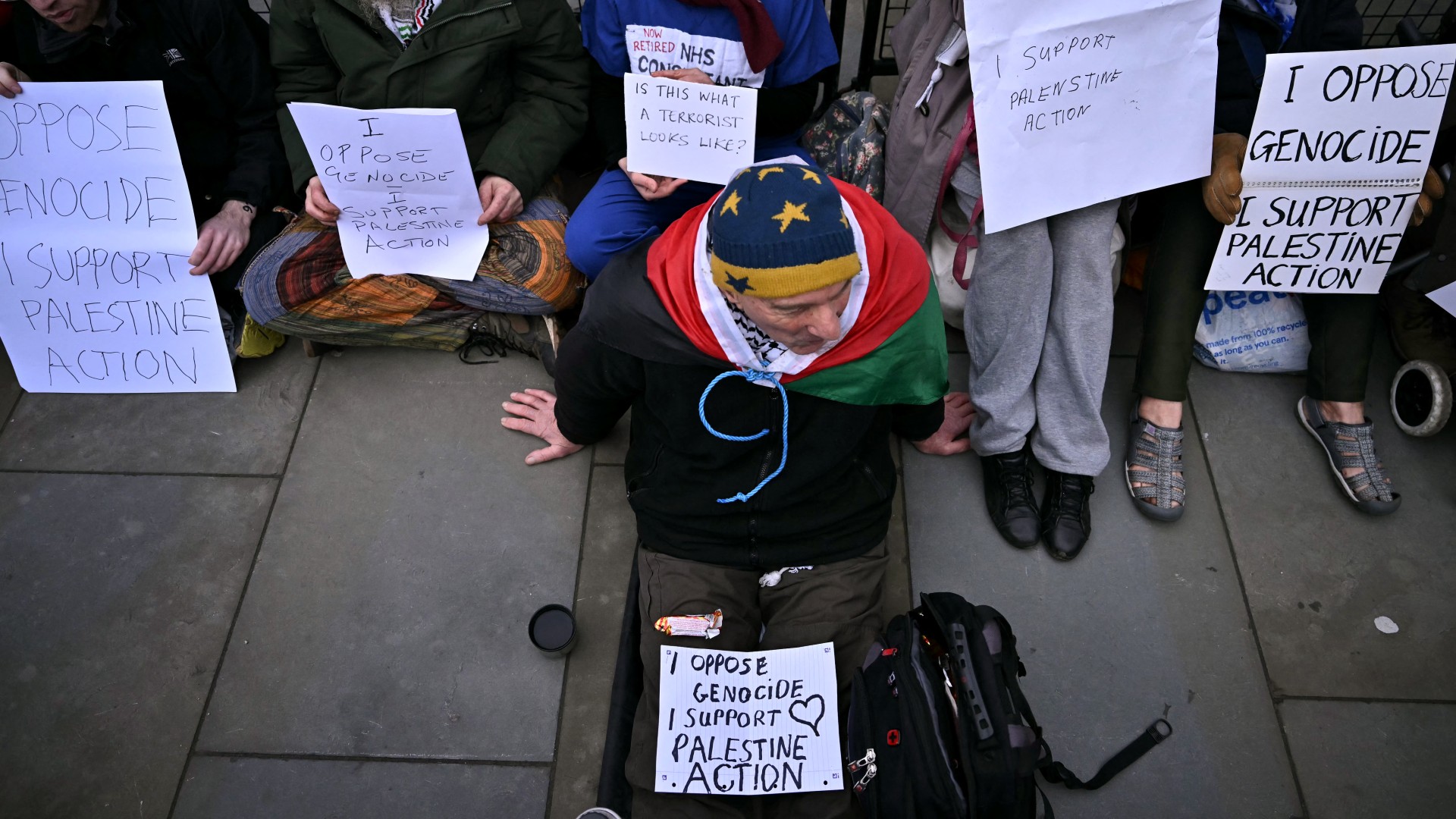
    A new set of workplace restrictions for UK National Health Service (NHS) staff, which bans the display of political symbols in health facilities and bars workers from wearing medical scrubs at public protests, has triggered widespread condemnation from healthcare professionals and politicians alike. Critics argue the policy is weaponizing legitimate concerns about antisemitism to silence public expressions of solidarity with the Palestinian people amid the ongoing humanitarian crisis in Gaza.

    The new guidance stems from the Mann report, an inquiry into antisemitism within the NHS commissioned by former UK Health Secretary Wes Streeting in 2025. While NHS England has formally adopted the recommendations, enforcement is left to individual regional NHS trusts. Even as stakeholders broadly agree that addressing antisemitism and all forms of racism within the public health system is a critical priority, leading medical bodies and frontline workers warn that the broad scope of the ban risks severe overreach that undermines free speech.

    The British Medical Association (BMA), the UK’s leading doctors’ union, has raised deep alarm over the vague language of the policy, questioning how authorities will define what qualifies as a “political symbol.” The union has called for clear, nationally consistent guidelines that draw a firm line between legitimate expressive activity and professional misconduct, warning that a blanket ban on all symbols interpreted as political goes far beyond what is needed to combat discrimination.

    Labour MP Kim Johnson echoed these concerns, noting that pro-Palestine expression has been disproportionately targeted as part of a broader national crackdown on Palestinian rights advocacy. Johnson emphasized that sweeping restrictions on solidarity messaging risk conflating legitimate demonstrations of identity and support with professional wrongdoing, ultimately undermining rather than advancing efforts to root out racism in the health service.

    Medact, a UK-based medical justice advocacy organization, said the Mann report’s recommendations bypass open, nuanced debate to impose a one-size-fits-all ban on expression. Medact spokesperson Nina Radulovic argued that political leaders and segments of the UK media are more focused on suppressing dissenting views than engaging with the urgent ethical questions frontline health workers are raising about the NHS, corporate influence, and the UK’s role in the political dynamics driving the war in Gaza.

    Professor Nick Maynard, a veteran British surgeon who has worked in Gaza hospitals throughout the current conflict, described the framing of the new policy as deliberately dishonest. Maynard, who witnessed firsthand what United Nations experts have labeled “medicide” – the deliberate targeting of healthcare infrastructure and personnel by Israeli forces, including the widespread use of deadly double-tap airstrikes on first responders – said the policy conflates pro-Palestine solidarity with antisemitism as part of a deliberate government campaign to silence critical doctors. He added that the deliberate destruction of Gaza’s health system is a core pillar of Israel’s policy of ethnic cleansing, a reality that has compelled healthcare workers globally to speak out. Maynard noted that despite Streeting’s recent public positioning as sympathetic to Palestinians, the former health secretary has led efforts to silence NHS workers who advocate for Gaza.

    Dr Omar Abdel-Mannan, a 15-year NHS veteran and co-founder of Health Workers 4 Palestine, framed the ban as part of a growing wave of censorship targeting pro-Palestine voices across multiple UK sectors. He argued that authorities fear health workers because their professional authority gives their statements unique credibility with the public, making their calls for accountability for Gaza particularly threatening to the status quo. Abdel-Mannan also questioned the foundation of the Mann report itself, noting that the NHS lacks even basic data on racist incidents across many regional trusts, making it impossible for the inquiry to meaningfully address the problem it was meant to solve.

    He pointed to the high-profile case of Palestinian doctor Ghassan Abu-Sittah, who was reported to the UK General Medical Council (GMC) by the pro-Israel advocacy group UK Lawyers for Israel over his pro-Palestine activism. GMC tribunals twice dismissed all antisemitism claims against Abu-Sittah, but the doctor has alleged Streeting pressured the GMC to launch what he calls a McCarthyite witch hunt against him and other critical clinicians – an unprecedented political interference that Abdel-Mannan said has created a chilling effect across the NHS, pushing many workers to self-censor out of fear of professional retaliation.

    Ahmad Baker, a British-Palestinian nurse at London’s Whipps Cross Hospital, is one worker who has already faced disciplinary action under the new policy direction. Baker was ordered by hospital managers to remove a still-life painting featuring a watermelon from the background of his work video calls, with managers labeling the artwork potentially antisemitic – a common misinterpretation of the watermelon, which has become a widely recognized symbol of Palestinian identity. Baker, who is now pursuing legal action against Barts Health NHS Trust alongside two other NHS employees, said he is being told to hide his Palestinian identity at the exact moment that his people are facing genocide in Gaza because of that identity.

    He also highlighted the glaring double standard in how the policy is applied: after Russia’s 2022 full-scale invasion of Ukraine, NHS staff who wore pro-Ukraine solidarity badges faced no disciplinary action or scrutiny, unlike workers who display symbols of support for Palestine. For Baker, these public displays of solidarity matter because they let other supporters know they are not alone, building a collective movement for justice – which is exactly why authorities are seeking to ban them. He added that the concept of political neutrality in healthcare is widely misinterpreted: while clinical care must be impartial for all patients, there is no requirement for health workers to set aside their political beliefs, and they have a moral obligation to speak out against genocide rather than remain silent.

    Advocacy group Health Workers for a Free Palestine warned that full implementation of the Mann recommendations would create an absurd reality where NHS managers are pulled away from core patient care duties to adjudicate whether everyday items – from fruit to pieces of jewelry – qualify as punishable political expression, all while Gaza’s entire health system is systematically destroyed. Dr Aarash Saleh, who joined Baker’s legal challenge against Barts Health, said he knows of one colleague who was disciplined simply for wearing watermelon-shaped earrings. Saleh noted that even though Mann has insisted his report should not be weaponized against pro-Palestine voices, the symbol ban has almost exclusively been used to target Palestine supporters.

    Saleh added that the ban on health workers wearing scrubs at protests is even more unjustifiable. He called the rule an overreach of government power that blocks clinicians from marching as healthcare professionals in solidarity with their Gazan colleagues who are being targeted by Israeli forces, breaking with a long history of UK medical workers advocating for marginalized communities. Dr Sara Ali, who is also a party to the legal challenge, emphasized that the policy contradicts the core mission of the NHS. “I find it deeply troubling that an institution whose core purpose is the provision of care should regard expressions of human empathy and solidarity with a people undergoing a genocide as inappropriate or objectionable,” Ali said. “Defending the right to express such solidarity is important because healthcare professionals should not be required to abandon their humanity when they come to work. Compassion and empathy for human suffering are not separate from our professional values – they are fundamental to them.”

  • Chanel turns the Grand Palais into a dark fairy tale for Matthieu Blazy’s 2nd couture show

    Chanel turns the Grand Palais into a dark fairy tale for Matthieu Blazy’s 2nd couture show

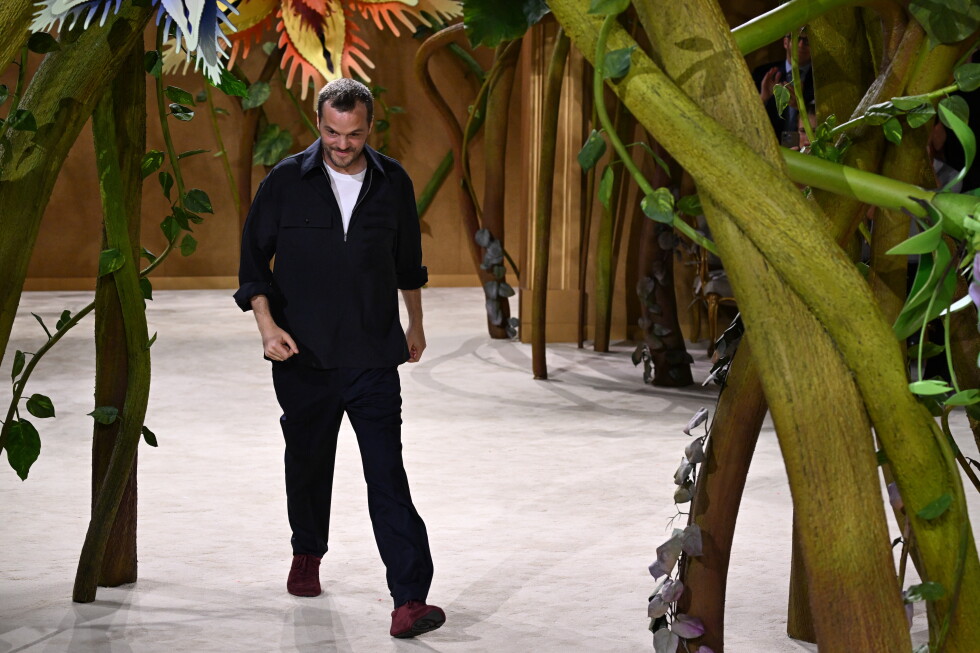
    PARIS — On a crisp Tuesday inside Paris’s iconic Grand Palais, the legendary fashion house Chanel transformed its presentation space into a haunting, whimsical dreamscape: oversize beanstalks stretched skyward to the vaulted ceiling, and oversized blooms blazed in unnervingly vivid hues, creating a space that felt both magical and subtly off-kilter. A-list celebrities from across the globe turned out in force, with Oscar winners Tilda Swinton and Michelle Yeoh, French cinema icon Catherine Deneuve, Pedro Pascal, Lupita Nyong’o, legendary athlete Surya Bonaly and champion boxer Imane Khelif filling the front row — a star-studded turnout only a century-old fashion powerhouse like Chanel can command.

    This eerie, enchanting contrast was no happy accident: it was the intentional creative core of creative director Matthieu Blazy’s latest collection, which draws inspiration from a forgotten fairy tale artifact the designer uncovered in Gabrielle “Coco” Chanel’s historic Paris apartment. The small leather-bound volume of classic fairy tales sparked a question for Blazy, who joined Chanel from Bottega Veneta earlier this year after the departure of Virginie Viard — who led the house for five years following Karl Lagerfeld’s 36-year tenure ended with his death in 2019. This collection marks only Blazy’s second haute couture outing at the helm of Chanel, and already the brand’s legendary atelier feels refreshed with a new, lighter creative energy.

    When Blazy traced Coco Chanel’s life story, from her childhood in a convent orphanage to her rise as the most influential designer of the 20th century, he saw a real-life parallel to the classic fairy tale Jack and the Beanstalk: an ordinary unknown person who dares to climb higher, outwit the odds, and claim extraordinary success. That narrative became the throughline of the entire collection, woven into every garment and accessory with subtle, clever detail.

    The opening look set the tone: a sheer tailored Chanel suit stitched with a grid of tiny embroidered bean shoots. From there, vine motifs crept up gown hems and curled around shoe heels, while delicate butterflies and blossom appliqués popped up in unexpected places across tailored blazers and flowing evening wear. Even small accessories leaned into the fairy tale theme: mini evening bags were sculpted into the shape of sleeping bears and plump chickens, while heels were molded to look like butterflies and polished golden eggs. Blazy wove in quiet nods to other classic stories including *Goldilocks*, *Puss in Boots* and *The Ugly Duckling*, never spelling out the references explicitly for those who catch them.

    Much of the collection’s magic is hidden in its intimate, handcrafted details, a hallmark of haute couture craft. Tailored jackets feature hand-painted inner linings, and sheer silk panels stitched with playful mock to-do lists — high-level couture craftsmanship applied to a mundane, relatable detail of everyday life. Blazy also left raw, frayed edges on many hems, a subtle tribute to Coco Chanel’s own fitting process, where she would often attack unfinished garments with pins to adjust their fit on the spot.

    Blazy emphasizes that for Chanel, haute couture is never just a whimsical fantasy. “Haute Couture at Chanel is not just a fairy tale; in essence it is for women, their realities and their adventures of the everyday,” he explained. That philosophy anchors the entire collection: for all its storybook whimsy, Blazy stripped away unnecessary grandeur to leave wearable, functional garments designed for modern women’s daily lives. Standouts include a sharply structured wool coat, a shimmering red sequined shift dress, and a streamlined evening look pared back to a simple black tunic and straight-leg trousers. This quiet, understated confidence is one of Coco Chanel’s most enduring signatures — the ability to walk into a room in a simple, understated look and outshine every overworked formal outfit around you — and Blazy has reimagined the trick for 21st century audiences. He also reinforced this inclusive ethos by casting models of all age groups across the show, letting the diverse lineup speak for itself without fanfare.

    After the traditional closing bridal gown that closes every Chanel couture show, Blazy delivered a purposeful final twist: the closing look was a simple, sleek off-the-black shoulder gown, far from a traditional wedding dress. The choice was a quiet nod to a little-known detail of Coco Chanel’s life: the iconic designer never married.

    By the end of the presentation, the entire event felt like a fairy tale come to life. A-list guests gathered to witness a one-of-a-kind fashion spectacle, and left with a thoughtful, grounded meditation on the everyday adventures of modern women — just as Blazy intended.

  • Lionel Messi scores his eighth goal of this year’s World Cup, takes lead in Golden Boot race

    Lionel Messi scores his eighth goal of this year’s World Cup, takes lead in Golden Boot race

    ATLANTA — When the final whistle blew at Mercedes-Benz Stadium on Tuesday, Lionel Messi could no longer hold back his emotions. Tears streamed down the Argentina captain’s face, capping off one of the most dramatic comeback wins in recent World Cup history: his side roared back from a two-goal deficit to beat Egypt 3-2, punching their ticket to the tournament’s quarterfinal round.

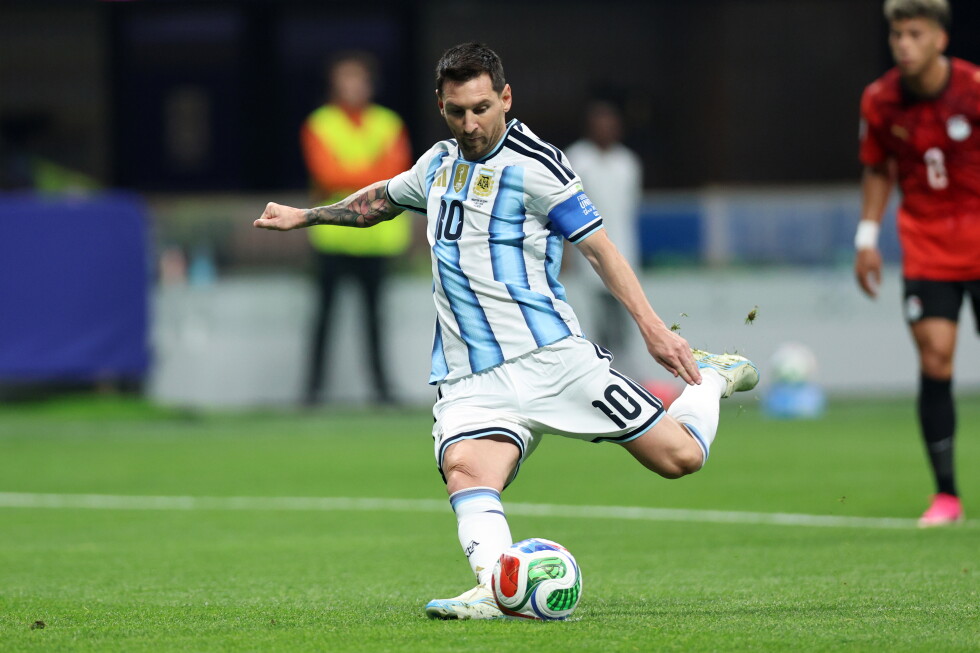
    All three of Argentina’s winning goals came in the final 11 minutes of regulation plus stoppage time, and Messi was directly involved in two of the decisive strikes. In the 79th minute, the captain set up Cristian Romero’s game-opening header with a pinpoint assist that put Argentina on the board. Just four minutes later, he slotted a powerful shot past Egypt goalkeeper Mostafa Shobeir to level the score at 2-2, shifting the entire momentum of the match.

    Inside the sold-out Atlanta stadium, where the stands were flooded with Argentina’s iconic light blue and white stripes from the opening kickoff, the crowd exploded into celebration after Messi’s equalizer. For the Argentina squad, seeing their leader step up to rescue the match was nothing short of expected.

    “Watching Leo push himself harder every single day, running the way he does for this team — I told him after the match that he deserved this moment,” Argentina forward Lautaro Martínez told reporters after the win. “He is our role model, our guide, the player that lifts us up at every turn. This team never quits, we keep fighting until the final second, and that spirit starts with him.”

    Messi’s 79th-minute strike marked his eighth goal of this year’s World Cup, pushing him to the top of the tightly contested Golden Boot race, awarded to the tournament’s top goalscorer. The goal also extended a historic record: he has now scored in nine consecutive World Cup matches dating back to Argentina’s 2022 title run in Qatar. Across that nine-game stretch, Messi has found the back of the net 13 times.

    Heading into Tuesday’s match, Messi had entered tied with France’s Kylian Mbappé and Norway’s Erling Haaland on seven goals apiece, with Mbappé holding a tiebreaker advantage thanks to his two extra assists. England’s Harry Kane also remained in contention heading into the final group stage matches with six goals. The late brace against Egypt now gives Messi a two-goal lead over Mbappé on the all-time World Cup career scoring leaderboard as well.

    This isn’t the first time Messi has stolen the show on the World Cup stage: he finished second in the 2022 Golden Boot race behind Mbappé that year, notching seven goals while leading Argentina to their third World Cup title. He also tied for third in the 2014 race in Brazil with four goals. Even so, his performance this tournament has stood out even for a player of his already legendary caliber.

    Teammate Julián Álvarez says Messi’s impact on Argentina’s 2024 World Cup run is almost impossible to put into words. “There are truly no words to describe what Leo is doing at this tournament,” Álvarez said. “What he has accomplished is incredible, and all we can do as teammates is support him, help him where we can, and cherish every minute we get to play alongside him. We are so grateful for everything he does for this squad, and for the person he is.”

    Whether he holds onto his lead and claims his first career Golden Boot or not, Messi’s standing as one of the greatest players to ever step onto the pitch is already secure, according to his teammates. “He is a legend,” Álvarez said simply. “The greatest in history.”

  • New footage shown at Kirk hearing shows man on rooftop near shooting scene

    New footage shown at Kirk hearing shows man on rooftop near shooting scene

    On the second day of the high-profile preliminary hearing for 23-year-old Tyler Robinson, the man accused of murdering prominent conservative activist Charlie Kirk, Utah prosecutors presented never-before-seen surveillance video that they say tracks the suspect’s movements before and after the fatal September 2025 shooting on Utah Valley University’s campus. The hearing, which is set to run through the end of this week, will decide whether there is enough probable cause to order Robinson to stand a full trial on the charges he faces, including aggravated murder.

    Leading the prosecution’s evidence presentation Tuesday was David Hull, the Utah State Bureau of Investigation’s lead detective on the case, who walked the court through every timestamped clip of the released footage. Hull told the court that the video recorded the man alleged to be Robinson at two separate checkpoints in a campus parking garage on the day of the killing. Earlier that morning, the man was captured wearing a maroon shirt and gray or olive-colored shorts; he returned to the garage just minutes before the shooting in a different outfit and appeared to be walking with a limp, Hull testified.

    From the parking garage, the footage shows the man moving toward the campus Losee Building, climbing over a safety railing and onto the building’s rooftop. Minutes after the fatal shot was fired as Kirk addressed an audience of students and guests, the same man is seen sprinting across the rooftop surface, jumping down from the roof while clutching an unidentified object, and exiting university grounds. Hull also confirmed that in the early hours of September 11, as a massive manhunt for the killer was ongoing across the region, a patrol officer near the campus made contact with Robinson and documented his vehicle license plate. Both Charlie Kirk’s parents and his widow Erika, who came face-to-face with the accused killer for the first time on Monday, were present in the courtroom for Tuesday’s evidence presentation.

    Robinson has not yet entered a formal plea to the charges, and prosecutors are formally seeking the death penalty if he is convicted. His defense team, headed by lead attorney Kathy Nester, has mounted a fierce challenge to the prosecution’s evidence, pushing to have most of the surveillance footage thrown out and to remove the possibility of the death penalty from the case. The defense also previously failed in their attempt to ban recording equipment from the courtroom, meaning the entire hearing is being live-streamed to the public. On Monday, some sensitive video segments, including graphic footage of the actual shooting, were only shown to the judge and legal teams, not to the public gallery or live stream.

    Defense counsel has repeatedly objected to the prosecution’s video exhibits and witness testimony throughout the first two days of the hearing, raising objections that include claims of hearsay, altered video footage, and the absence of the original camera operators who recorded the clips to testify under oath. It is important to note that this preliminary hearing does not require Judge Graf to rule on Robinson’s guilt or innocence; rather, his sole responsibility is to assess whether the prosecution has presented sufficient evidence to justify moving the case forward to a full jury trial.

  • Colombia president-elect accuses outgoing leader of ‘coup’ plotting

    Colombia president-elect accuses outgoing leader of ‘coup’ plotting

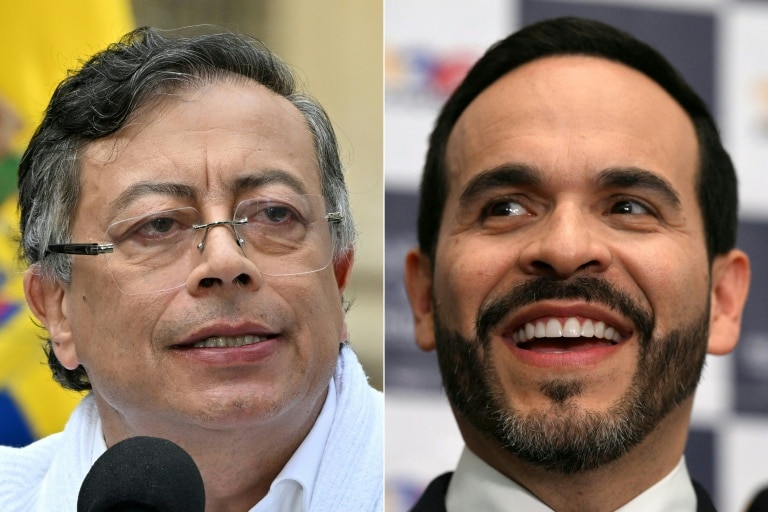
    Colombia is facing a rapidly escalating political crisis just weeks before the scheduled August 7 presidential inauguration, after hard-right president-elect Abelardo de la Espriella made explosive unsubstantiated claims that outgoing left-wing president Gustavo Petro is plotting a coup to seize power. The accusation has prompted De la Espriella to immediately halt all transition cooperation with Petro’s administration, throwing the upcoming transfer of power into chaos.

    De la Espriella, a millionaire libertarian lawyer who secured a narrow victory in last month’s presidential runoff, has positioned himself as a staunch opponent of Colombia’s first-ever left-wing government. His campaign, which drew open vocal support from former U.S. President Donald Trump, centered on rolling back Petro’s progressive policies: he has pledged to abandon ongoing peace talks with left-wing guerrilla groups and drug cartels in favor of full-scale military confrontation, and to cut the size of Colombia’s state bureaucracy by 40% to attract increased private sector investment, echoing the radical libertarian agenda of Argentine President Javier Milei.

    In a public statement Tuesday, De la Espriella claimed that Petro and his ally, defeated presidential candidate Ivan Cepeda, had activated a so-called “Plan B” to hold onto power through unconstitutional means. “Petro and Cepeda have initiated their Plan B to remain in power at all costs. And they want to do it through a coup d’etat,” the president-elect declared. He also repeated longstanding unproven claims that Petro’s administration is riddled with corruption, alleging that a preliminary audit uncovered irregularities in the government’s anti-drug trafficking efforts, public contracting processes, and national healthcare system. Despite the serious nature of both the coup allegation and corruption claims, De la Espriella has not released any tangible evidence to support either accusation.

    Cepeda, who lost the runoff to De la Espriella by a slim margin, publicly accepted the election results despite the close outcome. Petro, however, has refused to acknowledge the legitimacy of the June vote, even though independent international election observers and Colombia’s national electoral authorities have formally certified the election as free, fair, and free of widespread fraud.

    Political tensions have been building steadily since the runoff, and the latest escalation has stoked fears of widespread unrest. Petro has already called for mass anti-De la Espriella protests to coincide with his scheduled national farewell address on July 20. De la Espriella’s supporters warn that the demonstrations could spiral into the kind of large-scale violent unrest that followed Petro’s protests against right-wing former president Ivan Duque between 2019 and 2021, a period of unrest that left dozens of people dead across the country.

    De la Espriella has framed the ongoing conflict as a legal standoff, claiming that Petro’s accusation of a coup stems from fear of facing legal accountability for alleged misconduct during his tenure. “He knows I will make him pay for all his crimes within the framework of the law, and that’s why he’s panicked and terrified,” he said Tuesday. The president-elect, who has long aligned himself with U.S. political interests and repeatedly clashed with Petro over his critical stance toward Trump during his presidency, has already vowed to bring Petro and his left-wing allies before U.S. courts to face charges, though he has not detailed what specific offenses the legal action would address.

  • Former Bucknell University football coach charged in hazing death of player

    Former Bucknell University football coach charged in hazing death of player

    A devastating tragedy that unfolded on a Pennsylvania college football practice field two years ago has led to criminal charges against a former Bucknell University strength and conditioning coach, shining a harsh new spotlight on the persistent dangers of hazing in collegiate athletics. Mark Kulbis, the former coach at the center of the case, faces felony charges of aggravated hazing alongside misdemeanor counts of involuntary manslaughter, according to announcements from the Pennsylvania Attorney General’s Office. The charges stem from the death of 18-year-old freshman player Calvin “CJ” Dickey Jr., who collapsed mid-practice in July 2024 and died two days later in a local hospital. Prosecutors lay out a damning narrative: Kulbis knowingly subjected Dickey to extreme, punishing hazing on the first day of freshman practice, even after being explicitly informed of the player’s pre-existing Sickle Cell trait, a genetic condition that puts carriers at severe risk of life-threatening complications during intense physical exertion. Per the investigation, Kulbis forced Dickey and other first-year players to complete 100 grueling “up-down” conditioning drills, followed by extended full-body planks—a regimen that prosecutors characterize as a deliberate hazing ritual, not a standard training practice. As the workout wore on, Dickey’s body began to fail under the strain. He lost consciousness on the practice field, and despite emergency medical intervention, he died on July 12. An official autopsy confirmed the cause of death was a combination of the extreme physical activity, Dickey’s Sickle Cell trait, and exertional rhabdomyolysis, a dangerous condition that causes rapid muscle breakdown when the body is pushed far past its safe limits. In their official statement, the attorney general’s office emphasized that this tragedy was entirely preventable. “The facts show this defendant received information about C.J.’s health condition, along with training about NCAA anti-hazing standards, and disregarded that information,” the office said. “This is an extraordinary tragedy, worsened by the fact that C.J.’s death was preventable.” Sickle Cell trait, a common genetic blood disorder, is widely documented to leave carriers vulnerable to life-threatening complications during strenuous exercise, a risk that collegiate athletic programs are trained to account for. The legal context of this case carries extra weight: Pennsylvania adopted its current felony-level anti-hazing law in 2017, following the death of 19-year-old Penn State University student Tim Piazza, who died after a brutal fraternity hazing incident. Kulbis’s defense team has pushed back vigorously against all charges. In a statement provided to the BBC, defense attorney Barbara Zemlock called Dickey’s death an unimaginable tragedy, but insisted her client bore no responsibility for the outcome. “The strength and conditioning program that was implemented was appropriate and in accordance with the training that Mr. Kulbis received, and with applicable standards,” Zemlock said. Long before criminal charges were filed, Dickey’s family launched a wrongful death civil lawsuit against Bucknell University and the entire coaching staff, including Kulbis. In their court filing, the family’s legal team reiterated what prosecutors now confirm: the 18-year-old’s death was entirely avoidable. “If Defendants had followed well-established, well-known practices to protect athletes who have sickle cell trait, CJ would still be alive today,” the family’s legal team wrote. The case has reignited national conversations about the enforcement of anti-hazing policies in college sports and the responsibility of coaching staff to prioritize athlete health over traditional, dangerous initiation rituals.