博客

  • EU lawmakers call for probe of FIFA boss over Trump contact before US-Belgium match

    EU lawmakers call for probe of FIFA boss over Trump contact before US-Belgium match

    BRUSSELS — A growing coalition of European legislators has rallied behind a formal push to launch an official inquiry within the European Parliament into Gianni Infantino, the president of global soccer governing body FIFA, over his role in the controversial reversal of a suspension for United States men’s national team forward Folarin Balogun.

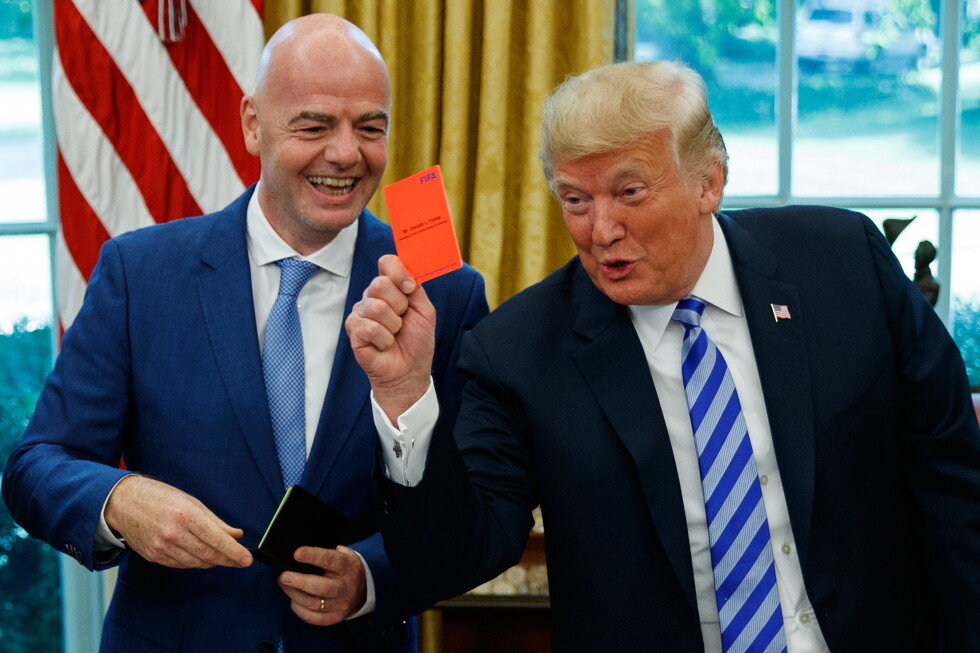
    The controversy traces back to a July 1 friendly match between the U.S. and Bosnia-Herzegovina, where Balogun received a straight red card before the U.S. secured a win. Under standard FIFA competition rules, a red card suspension automatically forces a player to sit out his team’s next scheduled match. But just days after the red card was issued, the suspension was lifted ahead of the United States’ next fixture on Monday, following reported direct intervention by former U.S. President Donald Trump, who personally appealed to Infantino to clear Balogun to play.

    Three European Parliament members — Barry Andrews, Lara Wolters, and Niels Fuglsang — leading the inquiry effort have issued a scathing joint statement condemning FIFA’s decision, calling it “a disgrace and a perversion of justice” to alter red card suspension rules in the middle of an international match window to accommodate political pressure. “Once again, we’ve seen Infantino and FIFA surrender to the demands of the Trump administration,” the statement added.

    As of this week, 35 additional European Parliament members have added their signatures to the letter calling for the inquiry. The legislators are also urging national soccer federations across all European Union member states to pressure FIFA’s independent Ethics Committee to open a broader probe. The investigation would specifically examine whether political pressure from the Trump administration directly influenced the decision to lift Balogun’s suspension, as well as probe other alleged violations of FIFA’s commitment to political neutrality — including the controversial 2021 decision to award Trump the FIFA Peace Prize.

    FIFA has pushed back against the allegations, asserting that the decision to lift the suspension was made exclusively by its internal disciplinary committee, with no outside political influence. The legislators, however, reject that explanation, arguing that core principles of fair play depend on consistent, impartial rule application across the sport. “The beauty of sport is that it is based on impartial and transparent rules. When Infantino allows political pressure to determine who gets to play, this sense of fairness goes out the window,” the legislators wrote in their joint statement.
  • Gauff beats Pegula to reach first Wimbledon semi-final

    Gauff beats Pegula to reach first Wimbledon semi-final

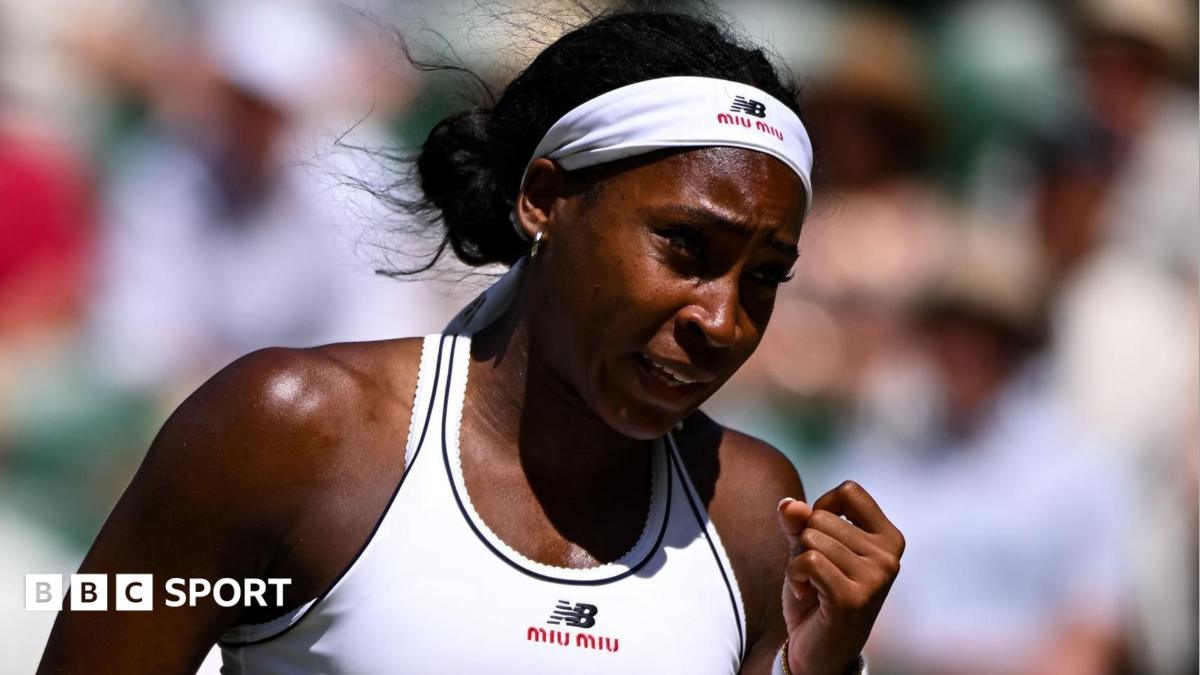
    One of tennis’s brightest rising stars has written a new chapter of her Grand Slam story at the All England Club, as 22-year-old Coco Gauff pulled off a thrilling comeback against world No. 4 Jessica Pegula to advance to her first ever Wimbledon semi-final on Tuesday.

    A two-time Grand Slam singles champion already with the 2023 US Open and 2025 French Open titles to her name, Gauff arrived at SW19 with unfulfilled potential on grass. She had never advanced past the tournament’s fourth round, and suffered a disappointing first-round exit 12 months ago. Few expected her to go deep into the draw this year, a doubt Gauff herself acknowledged after her historic win.

    Facing the highest-ranked player remaining in the women’s singles draw, Gauff got off to a shaky start. A rash of unforced errors and four double faults left her dropping the opening set 4-6, with Pegula looking on course to secure a straight-sets victory. But the young American dug deep, just as she had done throughout the entire tournament to reach this stage. Pegula had squandered three early break point chances in the second set, and Gauff seized the momentum shift, breaking Pegula to love in a pivotal game before holding firm from 0-30 down on her own serve to close out the second set 6-3 and level the match.

    The final set stayed tightly contested, but it was Gauff who lifted her game when it mattered most. After Pegula broke back to level the set, Gauff responded immediately to reclaim the lead at 4-3, then closed out the win on Pegula’s serve at her first match point. The 6-3 final set score locks in Gauff’s place in the final four, capping an unprecedented run to this stage: she is now the first woman in 30 years to reach a Grand Slam semi-final with four consecutive three-set wins, and the youngest player to have made the semi-finals of all four majors since Maria Sharapova achieved the same milestone at the 2007 French Open.

    Speaking to reporters after the match, Gauff joked about the low expectations surrounding her run, saying: “I think a lot of people had me going out in the first or second round this tournament. After seven years playing in this tournament, it is the first time I’ve walked onto Centre Court and not felt nervous. So I don’t know – am I becoming a veteran already?”

    In the day’s other quarter-final clash, Czech 10th seed Karolina Muchova ended former world No. 1 Naomi Osaka’s impressive tournament run with a 7-6 (7-4), 6-4 victory on Court One. Muchova, who fell at the quarter-final stage in both 2019 and 2021, will also make her first ever Wimbledon semi-final appearance, where she will face Gauff for a spot in Saturday’s women’s singles final.

    For Pegula, the defeat extends her long wait for a first ever Grand Slam singles title, with the result likely to leave her reflecting on the early opportunities she failed to convert against the in-form young champion.

  • Kenya, Tanzania suppress protests with heavy police deployments

    Kenya, Tanzania suppress protests with heavy police deployments

    On Tuesday, a date carrying deep symbolic weight for both East African nations of Kenya and Tanzania, large-scale deployments of security forces successfully prevented planned opposition protests from going forward in both countries’ capitals.

    July 7 holds distinct historical meaning for each neighbor. For Kenya, the date marks the 1990s pro-democracy movement that fought to establish multiparty rule, a landmark moment in the country’s democratic journey. For Tanzania, the date commemorates the 72nd founding anniversary of the organization that eventually became its current ruling party.

    In Tanzania, the planned protests had two core demands: sweeping democratic reforms in the wake of a deeply contested October 2024 general election, and the immediate release of prominent opposition leader Tundu Lissu, who remains in custody on charges of treason that critics call politically motivated.

    In Dar es Salaam, Tanzania’s bustling commercial hub, joint units of uniformed police and military personnel were positioned across key urban areas ahead of the scheduled protests. By the end of the day, no assembled protesters had been spotted in public spaces, and the city’s annual trade fair operated as scheduled under heavy armed guard.

    Speaking to reporters ahead of the protest date on Monday evening, Tanzania’s Home Affairs Minister Patrobas Katambi made clear the government’s hardline stance. “Tanzania is not a country where any group can unilaterally dictate when and where protests will be held,” Katambi said, adding that state security forces were fully prepared to act against any action that threatened public order.

    Political analysts note that the Tanzanian government has maintained an elevated state of alert ever since the disputed October election, when post-vote protests and a subsequent government crackdown left hundreds of people dead across the country.

    Wade Green, a threat analyst at Aldebaran Threat Consultants, explained that for any protest movement to successfully challenge the current security posture, organizers would need to catch state forces off guard. “Right now, security forces are on extremely high alert across the country,” Green noted. “Unless opposition protesters are exceptionally well-organized and numerically overwhelming, they have no way to counter the lethal force that Tanzanian security forces deployed last year, and are fully prepared to use again.”

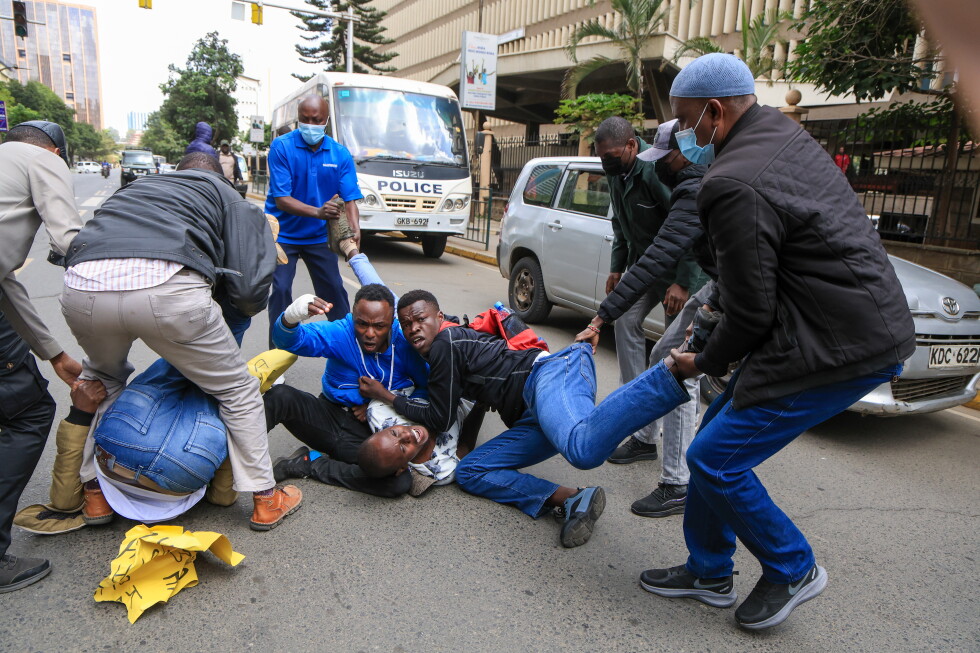
    In Kenya’s capital Nairobi, the security response was equally robust. Police cordoned off the country’s parliamentary buildings with rolls of barbed wire, blocked access to major arterial roads, and took a small number of people into custody. Most businesses across the capital remained shuttered for the day as a result of the security buildup.

    Senior Kenyan opposition politician James Orengo condemned the heavy police deployment, framing it as a deliberate campaign to intimidate ordinary citizens. “This is exactly what a police state looks like,” Orengo said. “Police are deployed en masse even when there is no unrest, no march, no active demonstration; roads are emptied of traffic, and even holding a simple press conference becomes nearly impossible. But we will not be deterred.”

  • Sinner eyes Djokovic showdown after moving into Wimbledon semis

    Sinner eyes Djokovic showdown after moving into Wimbledon semis

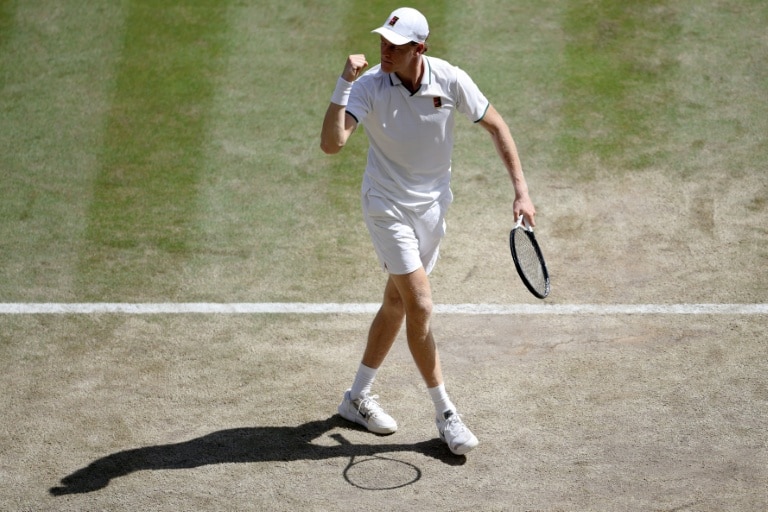
    Wimbledon’s 2025 quarterfinal round delivered two dramatic victories on Tuesday, as defending men’s champion Jannik Sinner and rising American star Coco Gauff booked their spots in the tournament’s final four, setting the stage for potentially historic showdowns in the coming days.

    World number one Sinner navigated both a tricky opponent and a punishing London heatwave to end 36-year-old German Jan-Lennard Struff’s Cinderella run, clinching a 7-5, 7-6(7/4), 6-3 victory on Court One. Struff’s run to the quarterfinals already made history: he is the oldest first-time major quarterfinalist in the Open Era. But Sinner, a four-time Grand Slam champion, relied on his powerful serve to keep the world number 74 under control, securing his 10th Grand Slam semifinal appearance and third trip to the Wimbledon last four.

    The result puts Sinner one step away from a highly anticipated semifinal clash with seven-time Wimbledon champion Novak Djokovic, who faces Canada’s Felix Auger-Aliassime in a later Tuesday quarterfinal. For Sinner, the win also silenced pre-match questions about his heat endurance, a weakness that derailed his French Open campaign earlier this year. At Roland Garros, he collapsed from physical fatigue after holding a two-set and 5-1 lead over Argentina’s Juan Manuel Cerundolo, suffering a stunning second-round exit. Speaking after his win over Struff, Sinner confirmed his team had reworked his preparation to address that shortcoming. “It was a huge test today. I felt comfortable on the physical side, a good step forwards,” he said. “We worked a lot after Paris trying to understand what went wrong and prepared in the best possible way.”

    For Djokovic, a win over Auger-Aliassime would mark a series of historic milestones. The 39-year-old Serb is chasing a record-tying eighth Wimbledon singles title that would also give him a record 25th Grand Slam crown, making him the oldest men’s Grand Slam champion of the Open Era. A victory would also push him into a record-extending 15th Wimbledon semifinal and 55th major semifinal overall, as well as an eighth consecutive trip to the All England Club’s last four — a new record for the longest streak of men’s singles semifinal appearances in Wimbledon history.

    In the women’s draw, Gauff fought back from an opening set loss to defeat fellow American Jessica Pegula 4-6, 6-3, 6-3, booking her first ever Wimbledon semifinal spot in an all-American clash on Centre Court. The seventh-seeded 20-year-old, a two-time Grand Slam champion, was competing in her first Wimbledon quarterfinal, and got off to a sluggish start, allowing 32-year-old fourth seed Pegula to take the first set. But Gauff shifted gears quickly, seizing momentum in the second set and closing out the win in the third to advance.

    The milestone caps a remarkable career arc for Gauff, who made history seven years ago as the youngest player to qualify for the Wimbledon main draw at 15, famously beating Venus Williams in her debut. Now, she is just two wins away from claiming the most prestigious title in tennis, and already has made history as the youngest player to reach the semifinals of all four Grand Slams since Maria Sharapova achieved the feat in 2007. It is also Gauff’s first Grand Slam semifinal appearance since she won the 2024 French Open. “Considering I hadn’t won a match in two years on grass before this tournament, I’m really happy with how I played today,” Gauff said. She will next face either Japanese four-time Grand Slam champion Naomi Osaka or Czech 10th seed Karolina Muchova, whose quarterfinal is scheduled for later Tuesday.

    Osaka, 28, is enjoying a career resurgence at this year’s Wimbledon, five years after her last Grand Slam title. While she has claimed two Australian Open and two US Open crowns, she had never found success at the All England Club until this tournament, where she pulled off a stunning fourth-round upset over world number one Aryna Sabalenka to reach her first Wimbledon quarterfinal. A fan favorite throughout the event for her bold, eye-catching entrance outfits, Osaka is now aiming to back up the off-court attention with a deep run in the draw. Muchova, a 29-year-old former French Open finalist, is also vying for her first Wimbledon semifinal spot.

    In other delayed action on Tuesday, 2024 French Open champion Alexander Zverev returned to finish his suspended third-round match against Czech player Jiri Lehecka. The match was called off at the 2200 GMT curfew on Monday evening, with Zverev holding a two-set lead.

  • Alvarez one of three changes for Messi-led Argentina against Egypt at the World Cup

    Alvarez one of three changes for Messi-led Argentina against Egypt at the World Cup

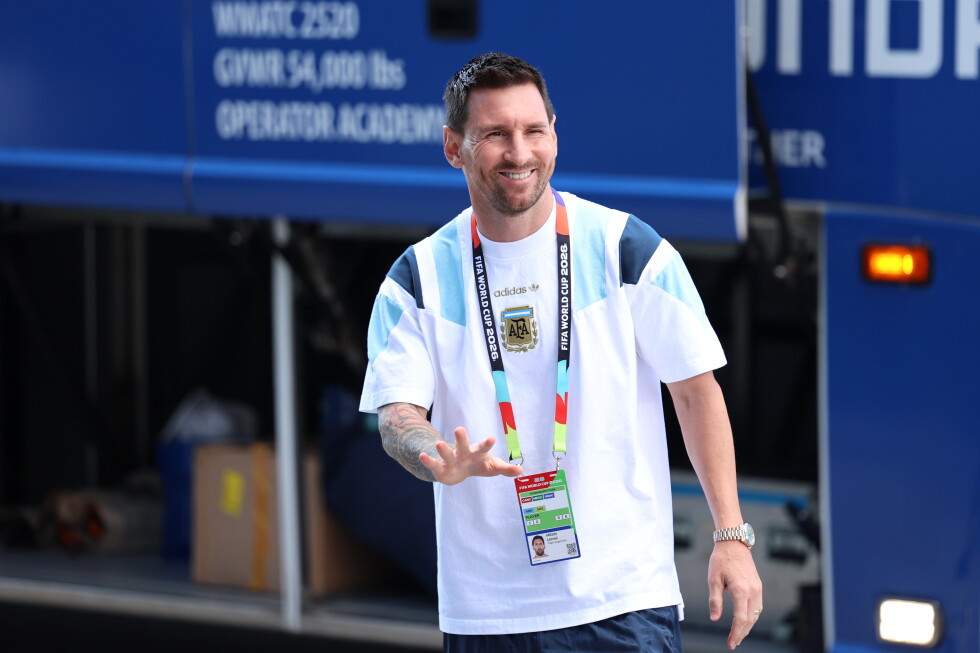
    ATLANTA — The 2026 FIFA World Cup round of 16 is set to deliver a high-stakes showdown between defending champion Argentina and historic underdog Egypt, with both teams announcing key starting lineup shifts ahead of Tuesday’s match. Argentine head coach Lionel Scaloni made three notable changes to his side, headlined by recalling Atletico Madrid striker Julian Alvarez to the starting frontline in place of Lautaro Martinez. Scaloni also swapped in left-back Nicolas Tagliafico and midfielder Leandro Paredes into the starting XI to shore up the side ahead of the knockout round test.

    On Egypt’s side, manager also adjusted his lineup, opting to bench Manchester City forward Omar Marmoush in favor of starting winger Haissem Hassan. Midfielder Mohanad Lashin reclaimed his spot in the starting group after serving a one-match suspension, returning to add defensive stability and distribution to the Pharaohs’ midfield.

    This knockout match carries historic stakes for both sides. Argentina enters the contest chasing a unique place in World Cup folklore: if Lionel Scaloni’s side can lift the trophy for a second consecutive tournament, they will become the first nation to win back-to-back World Cup titles since Brazil achieved the feat in 1958 and 1962. The defending champions already faced a major test in the round of 32, getting an unexpected scare from Cape Verde, an underdog ranked far lower in the global standings. Argentina ultimately scraped through with a 3-2 extra time win, but the tight contest proved that even the tournament favorites can be pushed to the limit by determined lower-ranked sides.

    For Egypt, this match already marks a watershed moment in the nation’s World Cup history. This is the first time Egypt has advanced past the group stage in five total World Cup appearances, having fallen at the first hurdle in each of its four previous campaigns. Led by star forward Mohamed Salah, the African side will look to add another chapter to its historic run by upsetting the defending champions and advancing to the quarterfinals.

    Full starting lineups for the match are as follows:
    – Argentina: E. Martinez; Molina, Romero, L. Martinez, Tagliafico; De Paul, Mac Allister, Paredes, Fernandez; Messi, Alvarez
    – Egypt: Shobeir; Hany, Ibrahim, Rabia, Hafez; Ashour, Attia, Lashin, Hassan; Salah, Zico

    Reporting by James Robson, additional coverage from the Associated Press.

  • Kazakhstan’s top court rules that President Tokayev can seek another term

    Kazakhstan’s top court rules that President Tokayev can seek another term

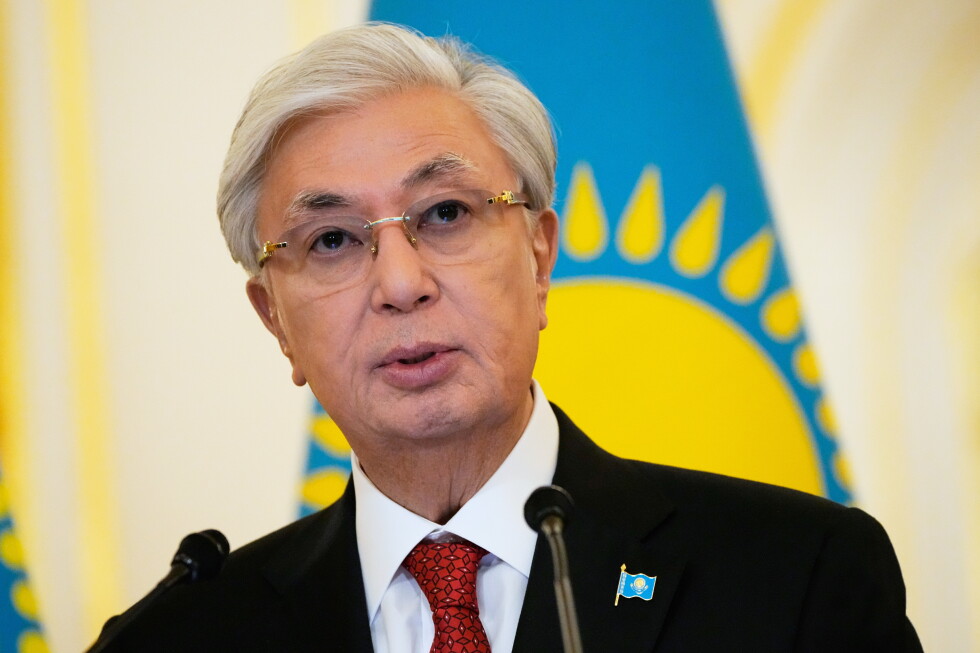
    On Tuesday, Kazakhstan’s highest judicial body delivered a landmark ruling that paves the way for incumbent President Kassym-Jomart Tokayev to run for a third seven-year term when his current term ends in 2029. The decision hinges on constitutional amendments approved by national referendum in March that entered into legal force earlier this month, which reset presidential term count rules entirely.

    Under the revised constitutional framework, Tokayev’s current tenure, which began after he took power in 2019, does not count toward the new two-term limit established by the amendments. This ruling aligns Kazakhstan with a broader trend across several former Soviet states including Russia, Belarus, Uzbekistan and Tajikistan, where ruling leaders have modified national constitutions to expand executive authority and extend their time in office.

    At 73, Tokayev brings decades of diplomatic and government experience to the role: a former Soviet official and veteran United Nations diplomat, he has governed the oil-rich Central Asian nation, home to 20 million people, since he stepped into the acting presidency in 2019 following the resignation of Nursultan Nazarbayev, the autocrat who led Kazakhstan through its post-Soviet independence for nearly 30 years. Widely viewed as Nazarbayev’s handpicked successor, Tokayev has navigated complex geopolitical currents since Russia’s full-scale invasion of Ukraine in 2022, maintaining a carefully calibrated balancing act between Moscow and Western powers amid sweeping sanctions imposed on Russia.

    The constitutional overhaul that cleared the way for his potential re-election won overwhelming support in the March referendum, and has significantly consolidated Tokayev’s hold on national power. The package of changes merged Kazakhstan’s previously bicameral parliament into a single chamber, restored the dormant vice presidential post, and granted the president authority to appoint all top government officials subject only to parliamentary approval. It also established a new legislative advisory body, the People’s Council, whose members are all appointed directly by the president and granted the power to initiate new legislation and call referendums.

    Tokayev has defended the constitutional amendments as a necessary adjustment for a rapidly shifting global landscape, arguing the changes will enable faster, more decisive policy-making to address evolving challenges. However, the changes come against a backdrop of limited political opposition in Kazakhstan: mainstream opposition groups hold no seats in government institutions and lack the capacity to shift widespread public opinion. Tokayev’s tenure has also been marked by controversy: in 2022, he ordered a harsh crackdown on widespread nationwide protests that became known as “Bloody January” to locals, which left 238 people dead and thousands more injured. In the wake of the unrest, Tokayev positioned himself as a pro-reform candidate and called an early presidential election later that year, which he won by a landslide.

  • Colombia’s president-elect suspends transition after Petro alleges fraud

    Colombia’s president-elect suspends transition after Petro alleges fraud

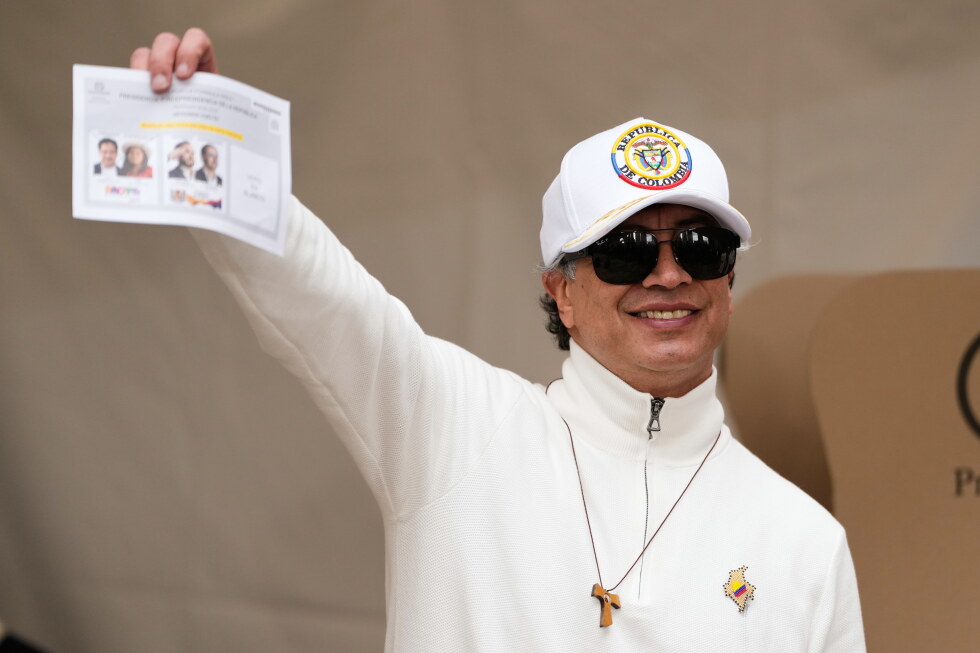
    BOGOTA, Colombia — Colombian politics has entered a period of unprecedented uncertainty just weeks before a scheduled presidential handover, after President-elect Abelardo de la Espriella announced an immediate suspension of the formal transition process with the outgoing administration of incumbent President Gustavo Petro. The breakdown comes one day after Petro rejected the conservative candidate’s narrow electoral victory, leveling unsubstantiated claims of systemic electoral fraud.

    A first-time political candidate endorsed by former U.S. President Donald Trump, de la Espriella took to social platform X to confirm the suspension, labeling Petro’s government “corrupt” and accusing the sitting administration of actively seeking to undermine the nation through its policy choices and official conduct. With Petro’s four-year term set to conclude in just 30 days, the suspension of the formal handover — known locally in Colombia as “empalme” — throws preparations for the incoming government into disarray. This long-standing institutional process requires outgoing officials to share critical administrative, budgetary and policy information to allow a president-elect to build a functional governing team before taking office.

    The tension quickly escalated after de la Espriella’s announcement: Germán Ávila, finance minister and transition coordinator for the Petro administration, ordered his own team to halt all handover activities in response. In a live televised address to the nation, Ávila pushed back against criticism from de la Espriella’s camp, emphasizing that the transition process is not a criminal inquiry or a public trial. “We have absolutely nothing to hide,” he stated, rejecting the incoming team’s insinuations of wrongdoing by the outgoing government.

    The escalating standoff is the latest in a series of reciprocal accusations between the two ideological rivals that have marked the post-election period. De la Espriella has indicated he will deliver a public address in the coming hours to elaborate on his decision to suspend the transition and outline his next steps for resolving the impasse.

    The political newcomer, a businessman and lawyer with diverse commercial interests spanning apparel, wine and spirit brands, and hospitality, secured a narrow win in the June 21 presidential runoff, defeating progressive candidate Iván Cepeda by just one percentage point — a margin of more than 251,000 votes. Cepeda had run on a platform of continuing Petro’s core policy agenda, including the controversial, largely unsuccessful effort to negotiate peace dialogues with active armed groups operating across Colombia. The close result was widely interpreted as a popular rebuke of Petro’s four-year tenure, whose progressive reforms have divided Colombian voters.

    Independent international observer missions have already validated the integrity of the election result. A European Union observer delegation praised the transparency and efficiency of the vote-counting process, while the U.S.-based Carter Center concluded that the election’s results management system was “reliable, transparent and fully traceable.”

  • UK hard-right leader resigns as MP to force snap vote in finances row

    UK hard-right leader resigns as MP to force snap vote in finances row

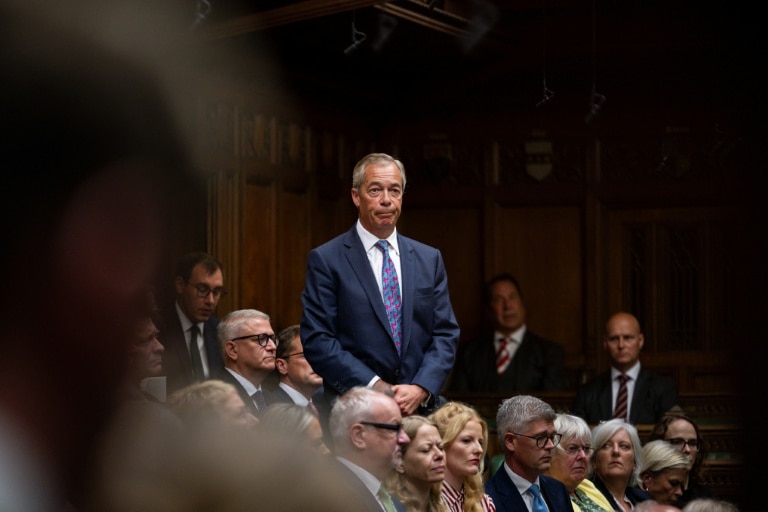
    In a high-stakes political move that has sent shockwaves through British politics, prominent hard-right and anti-immigration figure Nigel Farage announced on Tuesday he will resign his parliamentary seat for Clacton to trigger an early by-election. The dramatic step comes as Farage, whose Reform UK party currently tops national public opinion polls, faces intensifying scrutiny over allegations of failure to disclose large political donations, including funds linked to a convicted fraudster.

    Farage, the long-time leader of the Brexit campaign that pushed the UK to leave the European Union, has been under formal investigation by Parliament’s standards watchdog over unreported donations from two wealthy individuals. By stepping down from his seat, Farage has effectively forced the suspension of these ongoing inquiries, a highly unusual move that has drawn sharp criticism from established political parties.

    In a televised public address defending his decision, Farage framed the coming by-election as a showdown between ordinary voters and Britain’s political establishment. “The people of Clacton should be the judges of my actions,” he stated. “This will be a people versus the establishment by-election. It’s a chance to stick two fingers up to the entire establishment to frankly tell them where to go, and that is why I will be putting my name forward to stand in this by-election.”

    Farage only secured his first parliamentary seat in the July 2024 general election, after eight failed attempts to enter Parliament over decades of political campaigning. He was the most visible face of the successful 2016 Brexit referendum campaign that remains one of the most divisive events in modern British political history.

    Reform UK, which campaigns on a platform of mass deportations of irregular migrants and the elimination of the UK’s legally binding net-zero carbon emissions targets, has held a consistent lead over the ruling Labour Party in national opinion polls for more than a year. Widespread fears among Labour MPs that Reform could win the next scheduled general election in 2029 recently prompted a party revolt that forced sitting Prime Minister Keir Starmer to announce his resignation last month.

    The core of the current controversy surrounds an undeclared £5 million ($6.6 million) donation from Christopher Harborne, a Thailand-based cryptocurrency billionaire and long-time major donor to Reform UK. Under UK parliamentary rules, newly elected MPs must register any funds received in the 12 months before taking office, unless the funds cannot reasonably be connected to political activity. Farage has argued the donation was a personal gift to cover his personal security costs, a claim that Harborne has publicly corroborated.

    Farage also confirmed Tuesday that the parliamentary standards commissioner, Daniel Greenberg, is also investigating fresh allegations published in the *Sunday Times* over the weekend. The reports claim that George Cottrell, a convicted fraudster, paid for Farage’s security and social media staff in the period immediately before Farage took his parliamentary seat. Cottrell, a 32-year-old cryptocurrency entrepreneur from a British aristocratic family, pleaded guilty to wire fraud charges in the United States in 2017 and served an eight-month prison sentence.

    Both the ruling Labour Party and the centrist Liberal Democrats have formally requested that Greenberg fully investigate these new allegations. Rejecting all wrongdoing, Farage insisted “I have done nothing wrong. I have not broken the law in any way at all,” adding that parliamentary standards rules were “now being used as a political tool” targeting him. He also framed the security need for the donation as the result of him being “the most physically and verbally attacked public figure or politician of modern times.”

    Farage won the Clacton seat in 2024 with a comfortable majority of 8,405 votes, but the upcoming by-election is already set to be a highly competitive contest. Restore Britain, a rival hard-right party led by Rupert Lowe and backed by US tech billionaire Elon Musk, has signaled it will challenge Farage for the seat. The as-yet-unscheduled by-election will also serve as an early critical test for Andy Burnham, who is widely expected to be elected Labour’s new leader and become Britain’s next prime minister later this month.

  • Getty scraps $3.7B Shutterstock deal after UK antitrust requires key sale

    Getty scraps $3.7B Shutterstock deal after UK antitrust requires key sale

    In a sudden development that has sent ripples through the global stock imagery industry, Getty Images announced Tuesday it has formally pulled the plug on its planned $3.7 billion merger with rival content provider Shutterfish — no, Shutterstock — after refusing to meet a critical divestment requirement imposed by UK antitrust authorities. The proposed combination, which was first unveiled last year with the goal of creating an undisputed dominant giant in the licensed visual and audio content space, has been terminated via official written notice delivered to Shutterstock, Getty confirmed in a regulatory filing this week.

    The UK’s Competition and Markets Authority, the country’s top competition watchdog, had already completed its in-depth review of the proposed merger and granted conditional approval, but that approval came with a non-negotiable catch: the combined entity would be required to sell off Shutterstock’s entire editorial content division to a third-party buyer that meets the CMA’s approval standards. Regulators raised red flags during their probe, warning that a merged Getty-Shutterstock would substantially reduce competition in the UK market for licensed content. They argued that reduced competition would ultimately leave British media outlets, advertising firms, and other content buyers with fewer options and force them to pay inflated prices for visual and audio content.

    The CMA’s findings laid out that both Getty Images and Shutterstock operate as major suppliers of licensed content — ranging from professional photos and illustrations to royalty-free music and video clips — to a broad swathe of customers across the UK, including major national media organizations, global advertising agencies, book publishers, independent designers, and small and medium-sized businesses operating across the creative sector. Last week, Getty’s board of directors held a vote and unanimously rejected moving forward with the transaction under the terms demanded by the CMA, opting instead to scrap the merger entirely rather than comply with the divestment order.

    News of the collapsed deal immediately hit share prices of both companies during Wednesday morning trading. Getty Images’ stock declined by 6.8% in early trading, while Shutterstock’s shares also dipped, recording a 2.4% drop following the official announcement. Industry analysts note that the collapse of the merger leaves both companies to operate independently in an increasingly competitive market for licensed content, where free user-generated content platforms and new AI-generated image tools have already disrupted traditional business models in recent years.

  • ‘We don’t need anybody’s help’: Trump renews Nato criticism

    ‘We don’t need anybody’s help’: Trump renews Nato criticism

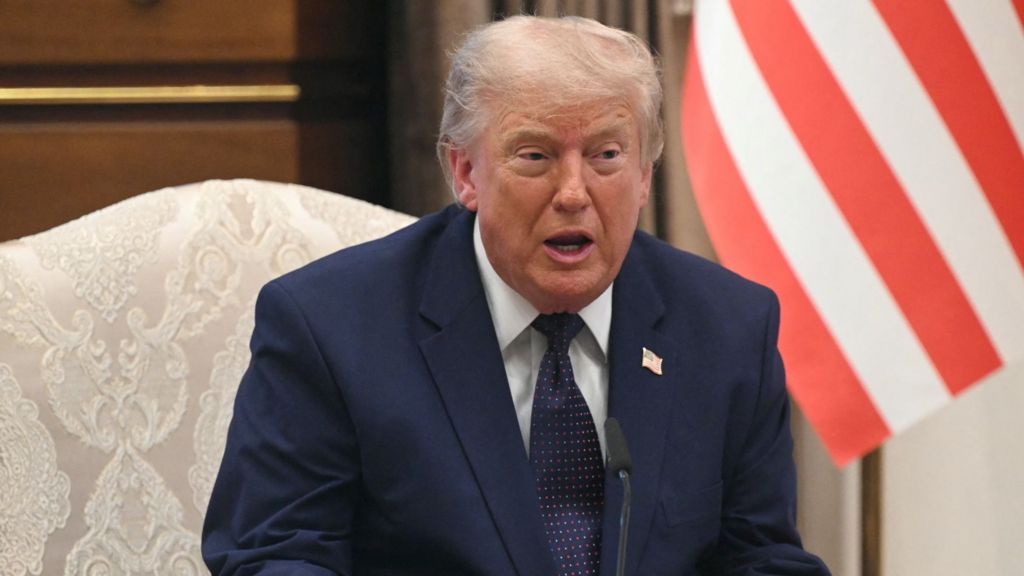
    At a high-stakes summit gathering of the North Atlantic Treaty Organization, sitting U.S. President Donald Trump has once again doubled down on his long-standing skepticism of the transatlantic alliance, repeating scathing criticism that has left alliance partners reassessing Washington’s commitment to collective defense. In public comments made during the summit proceedings, Trump made clear that his dissatisfaction with the 75-year-old security pact has not softened, telling attendees and reporters that he has been consistently let down by the organization’s performance and burden-sharing dynamics. Central to his latest round of critique was a blunt assertion of American self-sufficiency: the president declared firmly that the United States “doesn’t need anybody’s help” to guarantee its own national security, a remark that breaks with decades of bipartisan U.S. commitment to NATO’s core principle of collective defense, where an attack on one member is considered an attack on all. Trump’s repeated broadsides against NATO have roiled alliance relations for years, with many European leaders pushing back against his claims that the U.S. carries an unfair share of the alliance’s defense cost burden, while other observers have warned that his persistent criticism erodes the deterrence power that has kept European security stable since the end of World War II. This latest public rebuke comes as the alliance gathers to address shifting global security challenges, from rising great power competition to regional instability, making the White House’s open dissatisfaction a major point of tension on the summit’s agenda.