博客

  • Ghanaian influencer extradited to US over $8m scam targeting elderly Americans

    Ghanaian influencer extradited to US over $8m scam targeting elderly Americans

    A high-profile Ghanaian social media creator, known publicly as Abu Trica and legally named Frederick Kumi, has been transferred into U.S. custody to stand trial on allegations that he led a transnational romance fraud ring that stole more than $8 million from vulnerable elderly American citizens. Kumi has formally pleaded not guilty to all criminal charges brought against him.

    Federal prosecutors in the U.S. allege that Kumi leveraged artificial intelligence technology to build convincing fake digital personas, which he then used to connect with potential targets on major social media platforms and popular dating websites. Over time, prosecutors claim he gained the trust of his victims before coercing them into sending large sums of money. If convicted on the two core charges—conspiracy to commit wire fraud and conspiracy to commit money laundering—Kumi faces a maximum sentence of 20 years behind bars.

    The extradition, which was completed on a Delta Airlines flight Thursday, has sparked significant political and legal controversy in Ghana. Kumi’s defense attorney, Oliver Barker-Vormawor, told reporters that he appeared in a Ghanaian court on Thursday to file a formal challenge to the extradition, only to discover that authorities had already removed Kumi from the country hours before the court could issue a ruling. Barker-Vormawor has accused the Ghanaian government of bypassing required judicial oversight, arguing that the rushed extradition raises serious unresolved constitutional questions about the separation of powers in the West African nation. As of Monday, the Ghanaian government has not issued any public response to these allegations.

    Long before his arrest, Kumi drew public suspicion for his habit of showcasing extravagant wealth to his more than 100,000 Instagram followers. He regularly posted photos of high-end luxury vehicles, stacks of cash, and upscale properties, which led many observers to question the legitimacy of his income sources—a question that U.S. authorities have now formally answered with fraud charges.

    According to the prosecution’s narrative, the scam followed a well-documented pattern: Kumi and his co-conspirators would initiate frequent, emotionally intimate conversations with victims through online platforms, gradually building romantic connection. Once trust was established, the group would request money or high-value goods under false pretenses—often claiming the funds were needed for emergency medical care, travel costs to visit the victim, or to secure a fake high-return investment opportunity. All funds and valuables were routed to third-party accounts controlled by co-conspirators, after which Kumi allegedly split the illicit proceeds between his network of partners in both the U.S. and Ghana.

    A native of the southern Ghanaian town of Swedru, Kumi was first taken into custody last year during a coordinated operation carried out jointly by Ghanaian and U.S. law enforcement. There remains a minor discrepancy over Kumi’s age: his legal team says he is 28, while U.S. prosecutors list his age as 31.

    The prosecution of Kumi’s case is being carried out under the U.S. Elder Abuse Prevention and Prosecution Act, a federal law designed to increase penalties and priority for crimes targeting older adults. This extradition is the latest in a series of coordinated law enforcement actions by U.S. authorities cracking down on cross-border fraud networks based in West Africa that target elderly U.S. citizens. Just last week, another extradited Ghanaian fraudster, Joseph Kwadwo Badu Boateng—better known by his online alias Dada Joe Remix—pleaded guilty in a U.S. court to running romance and inheritance fraud schemes that stole from American victims. In December of last year, a U.S. court sentenced Nigerian fraud ringleader Oluwaseun Adekoya to 20 years in prison for his role in running a nationwide bank fraud and money laundering conspiracy that laundered more than $2 million in stolen funds.
  • Turkey ‘prevented Kurdish invasion’ of Iran during Israeli-US war

    Turkey ‘prevented Kurdish invasion’ of Iran during Israeli-US war

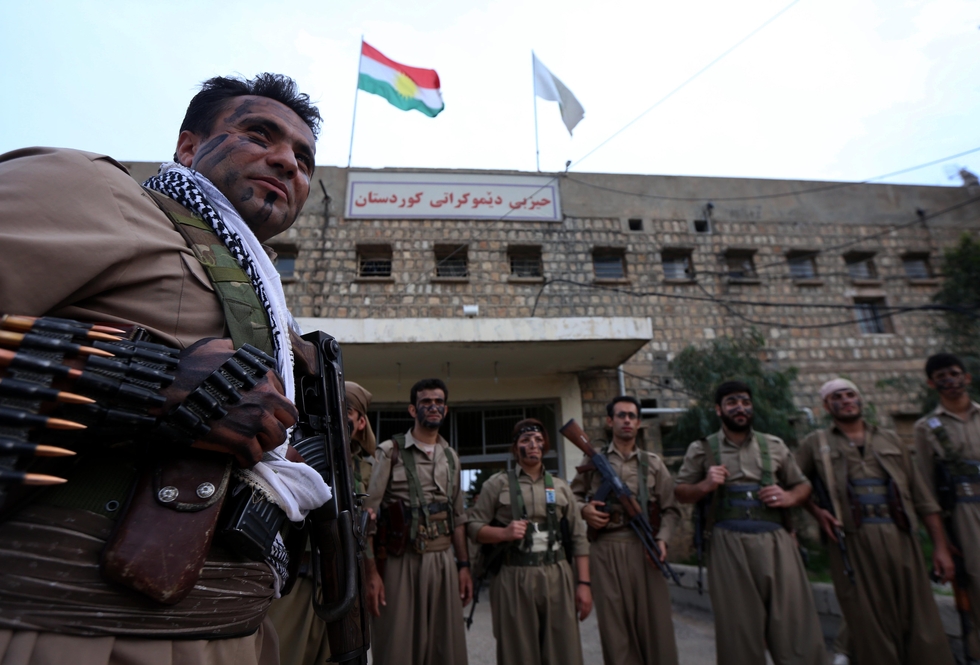
    A startling new allegation from Israel’s i24News has pulled back the curtain on a planned cross-border incursion into Iran by Kurdish militias, a operation that was months in the planning and backed by U.S. and Israeli intelligence, before Turkish diplomatic and political pressure forced Washington to scrap the attack earlier this year.

    Senior unnamed Israeli sources confirmed to the outlet that the incursion had been in development for months under the oversight of U.S. intelligence agencies. Preparations for the strike included high-level coordination meetings with Kurdish militia leadership, transfers of weapons to frontline fighters, and specialized military training to prepare for the incursion. One week before the planned launch date, the militias received their allocated weapons, but when the time came to move into Iranian territory, U.S. officials issued a last-minute veto halting the entire operation.

    Israeli officials quoted in the report have pinned the leak of the operation’s details to Turkish authorities on U.S. Vice President JD Vance, alleging that associates of Vance shared intelligence about the imminent incursion with Ankara. Turkish officials, once alerted, immediately moved to shut down the plan, the report claims.

    For Turkey, blocking a Kurdish incursion into Iran aligns with long-standing national security priorities. Ankara has waged decades of counterinsurgency campaigns against Kurdish separatist groups within its own borders, as well as across the border in northern Iraq and Syria. A destabilized Iran with a weakened central government would create a new hub for Kurdish armed activity on Turkey’s southeastern border, a scenario Ankara has long prioritized avoiding. This opposition was formalized in March, when Turkish Foreign Minister Hakan Fidan issued a direct warning to U.S. Secretary of State Marco Rubio against backing any Kurdish military operation inside Iran, matching an earlier report from The New York Times.

    According to the i24News report, the planned Kurdish incursion was intended to be a core component of broader U.S. and Israeli efforts to achieve regime change in Iran during the early 2024 war against the country. This account lines up with separate reporting from earlier this year: CNN revealed in March that the CIA had provided months of military support to Kurdish armed groups positioned along the Iran-Iraq border ahead of the joint U.S.-Israeli strike on Iran in late February, while Reuters documented that Israeli intelligence had maintained regular contact with Kurdish militias in the border region for more than a year before the outbreak of conflict. After the war began, Israel carried out a series of airstrikes on targets in western Iran to create a corridor for the Kurdish incursion that ultimately never launched.

    Low-level clashes between Iranian forces and Kurdish armed groups continue to this day. Just last week, Iran’s Islamic Revolutionary Guard Corps killed five fighters from the Democratic Party of Iranian Kurdistan during a clash in northwestern Iran, after the group crossed into Iranian territory near the city of Piranshahr in West Azerbaijan province, according to official Iranian statements.

    The explosive i24News report comes at a moment of rapidly escalating tensions between Israel and Turkey. Just last week, Fidan declared in an interview with CNN Turk that “Israel is not just my problem; Israel is the world’s problem.” Israeli officials are increasingly sounding the alarm over a potential direct military confrontation with Ankara: Diaspora Affairs Minister Amichai Chikli told Israel’s Kan 11 broadcaster Thursday that a scenario of Turkey launching an attack on Israel is “entirely possible.” On Wednesday, Israel’s Channel 12 reported that the country’s top security establishment has warned the national government of Turkey’s growing military and political influence in Syria, Lebanon, and other neighboring regions, alleging that Ankara is working to build a strategic “chokehold” around Israeli territory.

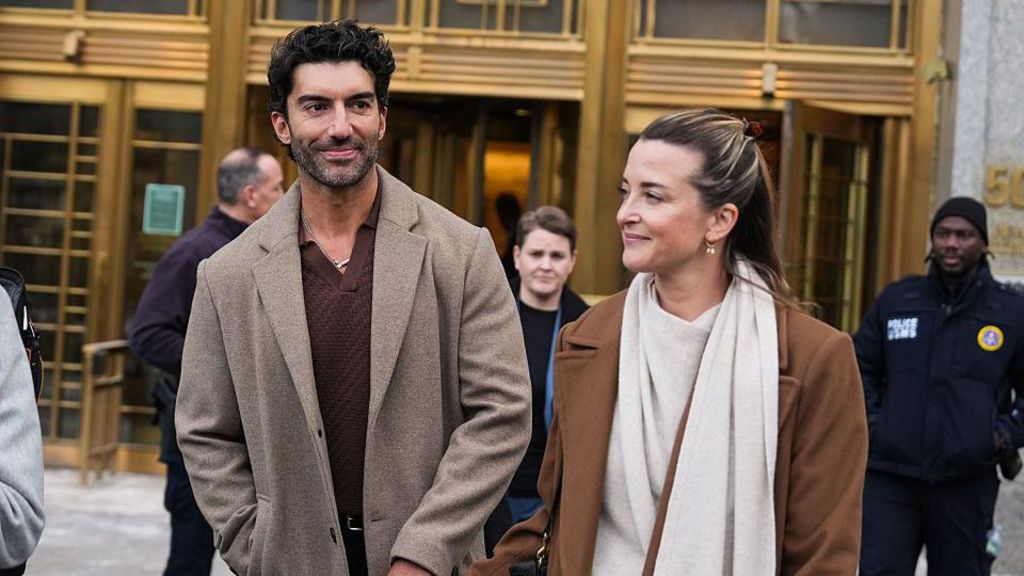
  • Justin Baldoni describes painful saga as he breaks silence on Blake Lively dispute

    Justin Baldoni describes painful saga as he breaks silence on Blake Lively dispute

    Nearly two years after high-profile legal conflict erupted between It Ends With Us co-stars Justin Baldoni and Blake Lively, and just months after the pair reached a last-minute settlement to avoid a public civil trial, Justin Baldoni and his wife Emily have stepped into the public eye for the first time to share their experience of the bitter dispute. Their emotional, nearly five-minute video message, posted to Instagram on Wednesday, marked the first public remarks the couple has made since Lively first filed suit against Baldoni and his production banner Wayfarer Studios in December 2024.

    The legal drama that roiled the promotion of the 2024 film adaptation of Colleen Hoover’s best-selling novel began when Lively brought claims against Baldoni alleging on-set sexual harassment and a subsequent retaliatory smear campaign after she raised concerns about working conditions. Baldoni quickly fired back with a $400 million counter-suit against Lively and her husband, A-list actor Ryan Reynolds, accusing the pair of defamation and extortion.

    The case moved through the U.S. District Court in New York for months before Judge Lewis Liman issued a key ruling that dismissed the vast majority of claims from both sides. Liman tossed out 10 of Lively’s 13 claims, including her sexual harassment allegations, ruling that under the Civil Rights Act of 1964, Lively could not pursue those claims as an independent contractor rather than a formal employee of the production. The judge also dismissed Baldoni’s entire counter-suit in full.

    Less than two weeks before the scheduled start of the remaining civil trial, the two parties reached a confidential settlement on the handful of remaining claims, which included breach of contract and Lively’s core retaliation allegations. In the aftermath of the settlement, Lively noted that filing the lawsuit had never been her desired outcome, but argued that moving forward with the case had drawn critical attention to the need for safe, respectful work environments on film sets. “I brought this case because of the pervasive RETALIATION I faced, and continue to, for privately and professionally asking for a safe working environment for myself and others,” she stated in a post-settlement comment. The BBC has confirmed it reached out to Lively’s legal team for additional comment ahead of the Baldonis’ recent video release, and has not yet received a response.

    In their Wednesday video, the Baldonis smiled and chuckled through their remarks as they opened up about the lasting toll the two-year legal battle has taken on their family. Justin Baldoni acknowledged that the couple has refrained from speaking publicly until now not for lack of things to say, but because of the deep trauma the dispute has inflicted on their household. “We have not spoken publicly for the better part of the last two years, and it’s not because we haven’t had anything to say,” he explained. “Because Lord knows we have.”

    Emily Baldoni expanded on that, noting that the whole family had worked through significant pain to reach this point, and that the resolution of the legal case felt like the appropriate time to break their silence. “There has been a lot of trauma for us to move through as a family, which also makes it hard to speak,” she said. Echoing her husband’s framing, she added that the facts of the case had already been laid out in court, and the couple was ready to share their perspective. “The truth and the facts have spoken for themselves and here we are,” she said. She also voiced the couple’s frustration that the dispute had been framed as a public fight for gender equity, saying: “We’ve had to wrestle with so many things and try to understand so many things, like how could something like this even happen? Let alone disguised as a fight for women.”

    Despite the years of conflict and public scrutiny, the Baldoni ended their message on a note of gratitude for the support they have received from loved ones and allies throughout the process, saying their family is now in a period of healing. Emily Baldoni said the couple felt “immense gratitude” for the people who had stood by them, and Justin Baldoni closed the video by affirming: “We feel so loved.”

  • Nerves high in Kyiv as Russia escalates missile attacks

    Nerves high in Kyiv as Russia escalates missile attacks

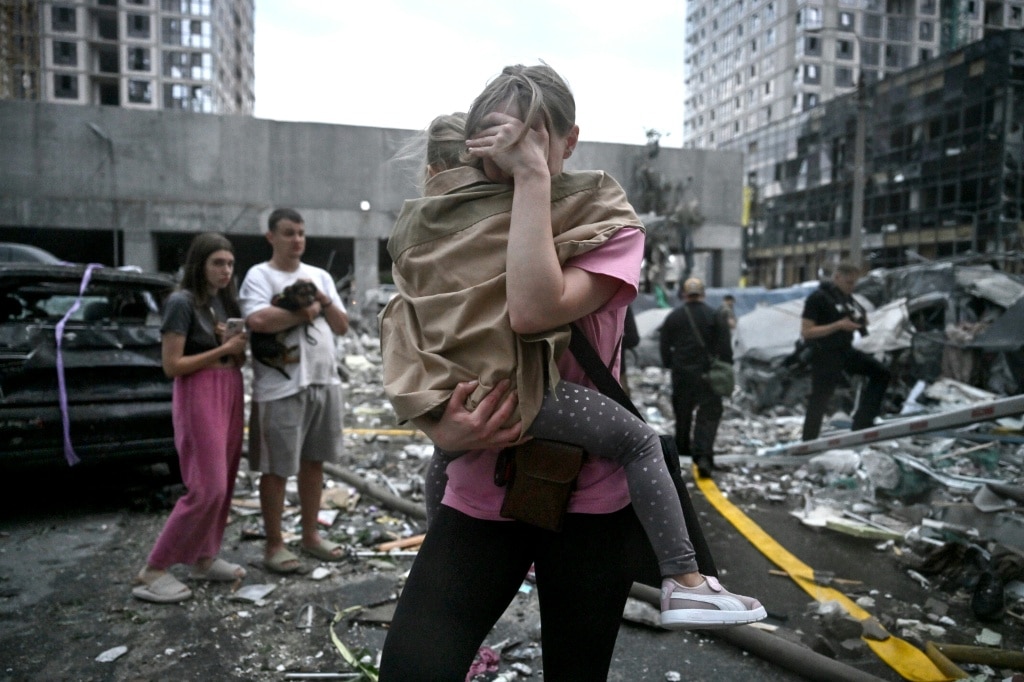
    After more than four years of enduring Russia’s full-scale invasion, residents of Ukraine’s capital Kyiv are facing a sharp new spike in danger and anxiety, as Moscow escalates its missile assault with a wave of hard-to-intercept ballistic attacks that have upended the fragile daily routines civilians had built over years of conflict.

    For 27-year-old student Oleksiy Virskovsky, the growing intensity of strikes pushed him to change a habit he had kept through hundreds of nights of attacks: he no longer skips trips to the neighborhood underground shelter. Speaking to Agence France-Presse, Virskovsky said Russian attacks on Kyiv have grown far more aggressive, massive, and intense in recent weeks. “It’s somehow become more frightening, and I’ve started going down to the shelter… I’ve begun to take safety more seriously than before,” he explained.

    While Russia has targeted Kyiv with missile and drone strikes since the first day of its invasion, the latest wave of attacks relies heavily on ultra-fast ballistic missiles that Ukraine’s air defense systems struggle to shoot down. This new tactic has already claimed dozens of lives in July alone, with more than 50 residents killed so far this month. Two of the deadliest strikes on the capital across the entire four-year invasion occurred less than a week apart in early July.

    During a large-scale assault overnight between July 5 and 6, Kyiv’s air defenses failed to intercept a single incoming ballistic missile — a troubling setback for a city long considered the best-defended in Ukraine. In another separate attack, a missile detonated over Kyiv’s skyline and jolted sleeping residents awake before the city’s air alert system could even trigger sirens. The early failure of the warning network, which normally sends multiple daily alerts via street loudspeakers, metro announcements and smartphone notifications, marked a rare and unexplained glitch that deepened public unease.

    Ukrainian President Volodymyr Zelensky has publicly acknowledged the capital’s critical vulnerability: Kyiv does not have enough US-provided Patriot missile interceptors to fully shield the city from incoming strikes. At a recent NATO summit, US President Donald Trump signaled openness to allowing Ukraine to produce its own interceptors domestically, but key details of the plan remain undisclosed, and any domestically manufactured systems will take months to reach operational use.

    In the gap between the rising threat and long-term solutions, Kyiv residents are scrambling to rewrite the unwritten safety rules they developed over four years of war. For years, many civilians relied on personal experience and social media tracking of incoming attacks to gauge the level of risk, allowing them to maintain a semi-normal daily routine. But ballistic missiles cut travel time to Kyiv to just a few minutes after launch, eliminating the window of time civilians previously had to react and reach safety.

    The new urgency has sent thousands of residents flocking to the city’s metro network, Kyiv’s primary large-scale underground refuge, far earlier than they previously would. Many now head straight to stations immediately after finishing work, rather than waiting for an official air alert to be called. On nights when major attacks are anticipated, station platforms have become severely overcrowded, with civilians bringing pets, tents, air mattresses, baby prams and cots to settle in for the night.

    Kyiv’s metro authority confirmed that more than 50,000 residents camped in the metro network during one recent major attack — the highest number of people seeking shelter there since the chaotic first months of the invasion in 2022. For Veronika Khudenko, a 22-year-old intern who has been in Kyiv for just one month from London, every night over recent weeks has been spent in the metro. “The latest attacks are very hard to bear, very nerve-wracking,” she told AFP. “It’s very hard to function during the day, because there is strong emotional pressure throughout the night.”

    Not all residents can or choose to seek shelter in underground public spaces. Anna Nesterova, a 46-year-old podologist, says she prefers to remain at home during attacks, sheltering in the building’s entrance hallway, because she fears being trapped in a crowded underground space if a strike hits. “It’s more convenient for me and I feel calmer at home,” she said. Nesterova’s son joined the front lines immediately after he turned 18, so she says she feels a responsibility to stay calm for him.

    Thirty-four-year-old Yulia Parkhomenko, a mother of two, also remains at home during strikes: the nearest metro station is too far from her residence, and there are no adequate private or public basements nearby. As soon as an air alert sounds, she gathers blankets and pillows, and hunkers down in the bathroom with her two children. “With each attack it’s getting more and more frightening,” she said. “And the scariest thing is for the children. My children are just very afraid.”

    The escalating strikes have left the capital gripped by a new wave of chronic stress, as civilians adapt to a level of threat that has not been seen since the opening weeks of the invasion, four years ago.

  • Greek F-16 fighter jet crash-lands at busy Zakynthos airport

    Greek F-16 fighter jet crash-lands at busy Zakynthos airport

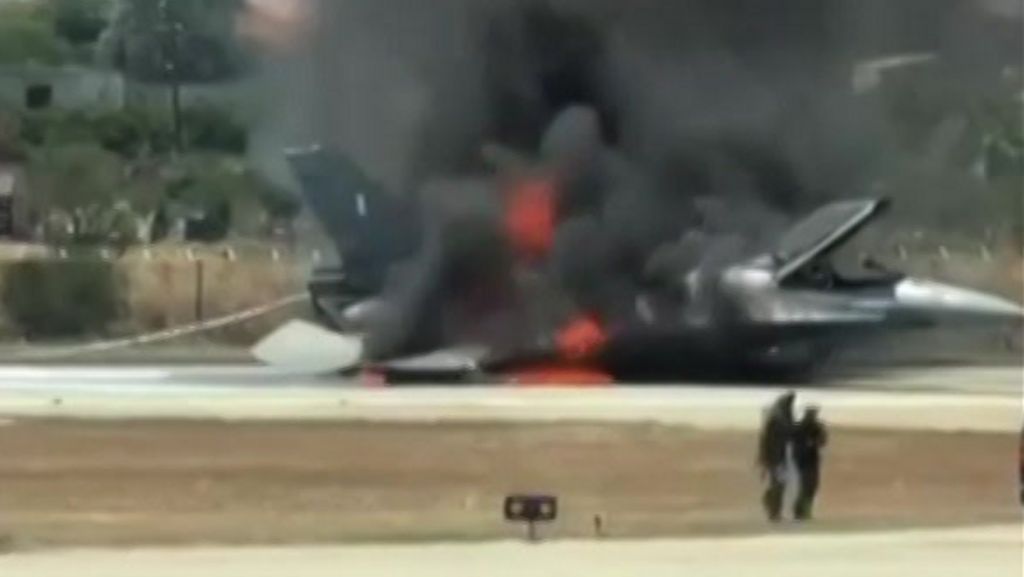
    At the start of Greece’s peak summer tourism season, a Hellenic Air Force F-16 fighter jet suffered a crash-landing and subsequent fire at Zakynthos International Airport on Thursday, triggering widespread flight disruptions at one of the country’s busiest holiday gateways. The incident unfolded at approximately 13:45 local time (10:45 GMT), while the aircraft was conducting a routine training mission, according to official statements from the Hellenic Air Force. Service officials confirmed the jet developed an unspecified technical fault mid-flight before it made the emergency landing, adding that the pilot escaped the incident in good health. An official probe into the root cause of the accident is already underway. Independent Greek media outlets including leading daily Kathimerini have shared additional details not yet confirmed by the air force: reports indicate the jet received an onboard fire alarm alert prior to landing, failed to deploy its landing gear during the emergency landing attempt, and slid for dozens of meters across the runway before coming to a stop and igniting into flames. Emergency crews including airport firefighters and personnel immediately responded to the scene, and social media footage circulating online shows the fighter jet engulfed in flames as responders worked to extinguish the blaze. The Hellenic Air Force later confirmed the jet belonged to the 335 Squadron of the 116th Combat Wing, which is based at Araxos Air Base in western Greece. Following the incident, the airport’s only operational runway was immediately shut down to allow for emergency response and recovery work. All remaining flights scheduled for Thursday were pushed back to at least 21:00 local time, affecting dozens of journeys that had been scheduled to depart and arrive hours earlier. The disruption comes at a critical time for Zakynthos, a popular Ionian Island tourist destination that welcomes thousands of international visitors each week at the start of summer, with the majority of inbound travelers coming from the United Kingdom. A specialized Hellenic Air Force recovery team was dispatched to the island to remove the damaged aircraft from the runway, with the goal of restoring full airport operations as quickly as possible.

  • ‘Only revenge’: Iran mourners defiant at Khamenei burial

    ‘Only revenge’: Iran mourners defiant at Khamenei burial

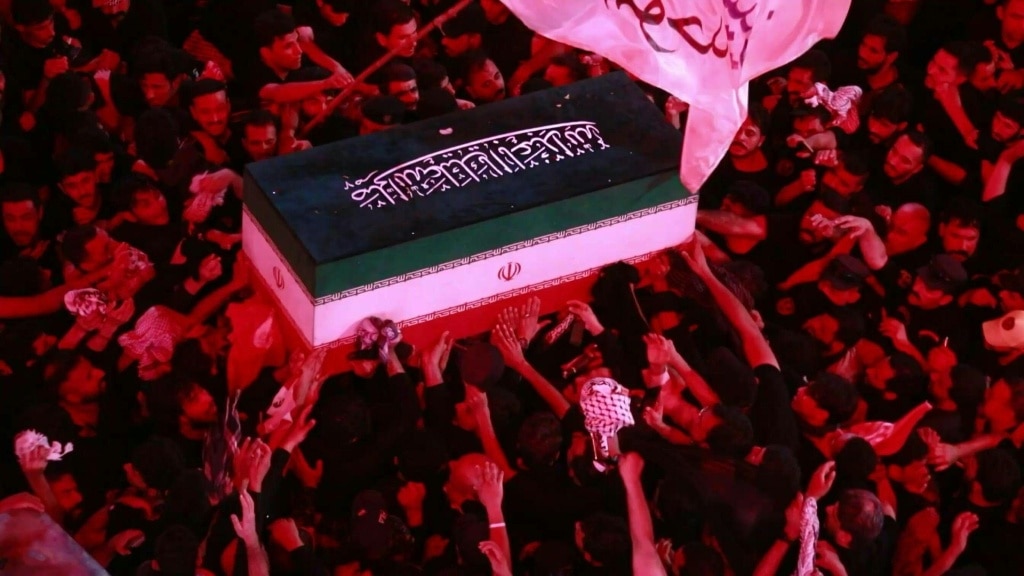
    Battling sweltering temperatures that neared 40 degrees Celsius, thousands of loyalists to Iran’s Islamic Republic gathered in the northeastern holy city of Mashhad on Thursday for the burial of long-serving Supreme Leader Ali Khamenei, united by chants of vengeance and firm rejection of any compromise with Western powers. Khamenei was killed in an Israeli strike in late February, on the opening day of a major US-Israeli military campaign against Iran, cutting short a 35-year tenure leading the country.

    The six-day series of national funeral ceremonies saw mourners pay tribute across Tehran, the key clerical center of Qom, and Iraq’s holy Shia cities of Najaf and Karbala, where massive crowds turned out to honor the late leader before his body was transported to Mashhad for the final interment. Per Khamenei’s will, he will be laid to rest at the Imam Reza shrine, Iran’s most sacred site for Shia Muslims, alongside close family members including his infant granddaughter, daughter, son-in-law, and daughter-in-law Zahra Haddad Adel — all of whom died in the same February 28 strike that killed Khamenei. His son and designated successor Mojtaba Khamenei, widely reported to have been injured in that attack, has not yet appeared in any public setting, a development that has drawn close scrutiny from global observers.

    As crowds lined the processional route from early morning, local officials announced that a helicopter would carry Khamenei’s coffin over the final segment of the journey to the shrine, after projections showed the main avenue would be overwhelmed by attendees. At least one fighter jet escorted the aircraft carrying the casket to Mashhad, a security precaution that came as new hostilities have broken out between Iran and the United States, just one month after a preliminary accord was reached to end months of open conflict. Facing the extreme heat, fire trucks deployed water sprays to cool the massive gathering, while military fighter jets carried out low-altitude passes over the event to reinforce security.

    Nearly all attendees wore black mourning garb: men in black shirts, and women in full black chadors, with many waving the red flags that carry traditional symbolic meaning of vengeance in Shia Islam. Slogans directed at US President Donald Trump, Israeli Prime Minister Benjamin Netanyahu, and any push for diplomatic compromise rang out across the crowd, led by official funeral eulogists. Large provocative banners placed near the procession drew a hardline line: one displayed a caricature of Trump with a bounty advertised for his head, while another bore a message in English directed at Netanyahu reading “There will be blood.”

    “The loss of the leader is heavier than losing our parents,” said Hoda, a 35-year-old housewife who traveled to attend the burial. Echoing the widespread sentiment across the crowd, she told reporters, “Only the death of Trump and Netanyahu will soothe our pain. There should be no compromise at all,” referencing the mid-June peace deal that ended the initial phase of open hostilities.

    Mohammad Afsharian, a 41-year-old local shop owner, noted that the unified call for revenge cut across any public divides over diplomatic policy. “I don’t know what’s the story with diplomacy and what’s the policy to continue diplomacy but all the people are carrying red flags in a sign of seeking revenge,” he said.

    The public anger aligns with longstanding criticism from Iranian hardliners, who have repeatedly pushed back against President Masoud Pezeshkian’s administration for pursuing diplomatic talks with Washington following Khamenei’s assassination. Tahereh Rahmani, a 37-year-old school administrator, echoed the hardline consensus: “Only revenge, only revenge can soothe the pain. We are here with our red flags to call for the revenge of our leader.”

    The ongoing outbreak of violence forced the closure of the 800-kilometer rail link connecting Tehran and Mashhad, Iran’s state railway company confirmed, adding that organizers had arranged alternative road transport for passengers left stranded by the closure. The funeral prayer ahead of the burial was set to be led by 101-year-old Ayatollah Hossein Noori Hamedani, a prominent conservative figure within the Islamic Republic’s leadership, capping a week of national mourning that has underscored the deep polarization and heightened tensions roiling the region in the wake of Khamenei’s death.

  • Wolfsburg says Eriksen to start rehabilitation in Denmark after on-field collapse

    Wolfsburg says Eriksen to start rehabilitation in Denmark after on-field collapse

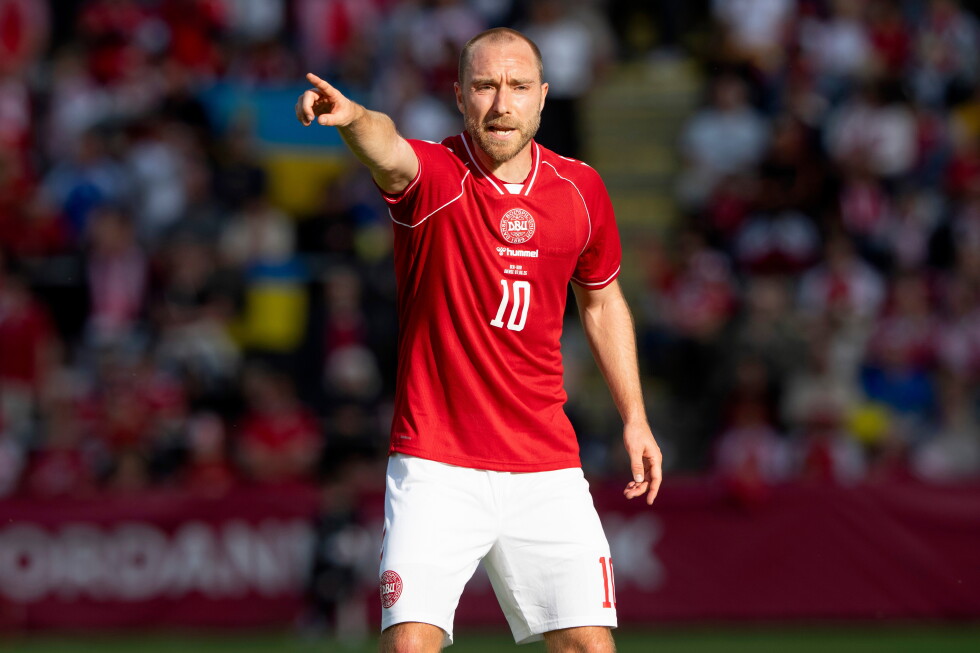
    Wolfsburg, Germany – Bundesliga relegated side VfL Wolfsburg has confirmed that Danish international attacking midfielder Christian Eriksen will undertake a personalized rehabilitation program in his home country of Denmark, following a second on-field cardiac incident that sent shockwaves through the global soccer community last month.

    In a short official statement released Thursday, the German club emphasized that it maintains ongoing, close communication with Eriksen and the medical team supervising his recovery process. “We remain in regular contact with Christian and the doctors overseeing his treatment,” the statement read. “We continue to wish Christian all the very best with his rehabilitation.”

    The 34-year-old playmaker suffered the incident on June 7 during an international friendly match between Denmark and Ukraine hosted in Odense, Denmark. After clutching his chest in visible discomfort, Eriksen collapsed on the pitch – an image that immediately triggered haunting memories of his life-threatening cardiac arrest during a European Championship match five years prior. On both occasions, concerned opponents and teammates formed a protective circle around the midfielder as emergency medical staff administered urgent on-site care. Unlike the 2021 incident, Eriksen was able to leave the pitch unassisted, though he was still transported to a local hospital for comprehensive cardiac testing.

    Following his 2021 cardiac arrest, Eriksen received an implantable cardioverter defibrillator (ICD), a device designed to correct life-threatening irregular heart rhythms. The day after the June incident, Eriksen shared a public update to reassure fans of his condition, confirming he had already been released from care and returned to his family. “As you can probably imagine, receiving a shock from my ICD has had a major effect on both me and my family, but I want to assure everyone that this was a different situation from what happened in 2021,” Eriksen explained in his statement.

    Eriksen joined VfL Wolfsburg as a free agent last September, signing a two-year contract that was set to run through the upcoming 2025-26 season. Despite his veteran playmaking contributions, Eriksen could not stop the club from dropping out of Germany’s top-flight Bundesliga, a relegation confirmed after a playoff defeat to Paderborn in which Eriksen wore the captain’s armband for his final match with the side. The next steps for Eriksen’s soccer career remain unclear as he prioritizes his recovery in Denmark.

  • Artist sells garbage collected outside Taylor Swift’s wedding

    Artist sells garbage collected outside Taylor Swift’s wedding

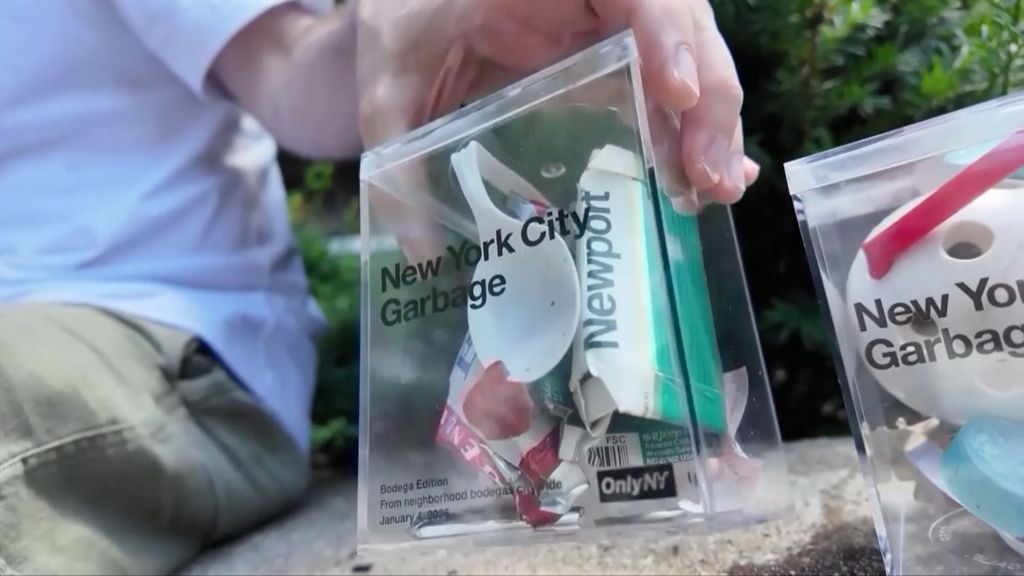
    In a bizarre intersection of celebrity culture and contemporary art, New York-based artist Justin Gignac has turned discarded waste collected near Taylor Swift’s wedding venue into a sold-out commercial art project. Gignac, who has built a reputation for turning unexpected everyday materials into thought-provoking art pieces, curated small cubic works under the project name “Pocket Garbage” for this experiment. The cubes, which contain the actual trash he gathered from outside the location of the high-profile star’s wedding, were listed online at two price points: smaller pieces retailed for $25 each, while larger or more curated units sold for $100. Despite the unusual premise of selling celebrity-adjacent garbage as art, the entire collection sold out completely within a short period after being listed, surprising many industry observers and sparking widespread discussion about the overlap between celebrity fandom, modern art, and consumer curiosity. Gignac’s project has reignited conversations about what qualifies as art in the 21st century, as fans and collectors alike snapped up the pieces to own a tiny, unconventional piece of pop culture history tied to one of the world’s biggest music stars.

  • Ex-Olympian pleads not guilty to Reflecting Pool vandalism charges

    Ex-Olympian pleads not guilty to Reflecting Pool vandalism charges

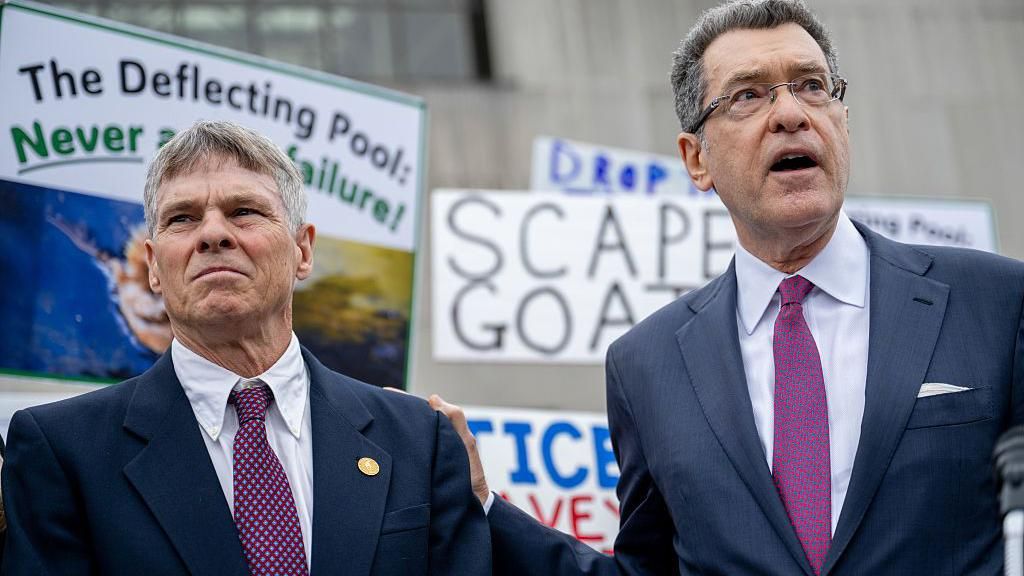
    A high-profile legal drama has unfolded in Washington D.C. after former three-time U.S. Olympic canoeist David “Davey” Hearn entered a not guilty plea to felony vandalism charges connected to damage at the iconic Lincoln Memorial Reflecting Pool. The 67-year-old former athlete stands accused of causing $1,000 in damages to the pool’s newly installed bottom coating, a charge that his legal team has slammed as a politically motivated overreach.

    The controversy dates back to mid-June, when the National Park Service reported that sections of the Reflecting Pool’s new liner had been damaged, with an official court filing noting the material appeared to be cut with a sharp blade around June 9. When Hearn was detained last month after interacting with the damaged material, he immediately pushed back against the allegations. In an interview with the BBC shortly after his detainment, Hearn claimed he only touched a section of the liner that had already separated from the surface, a process called delamination, and emphatically denied ripping, tearing, or removing any portion of the new coating.

    Prosecutors led by U.S. Attorney for the District of Columbia Jeanine Pirro have painted a different picture, alleging Hearn carried out a deliberate act of damage when he ripped a section of the newly applied sealant on June 19. The charge carries felony classification for destruction of property, a framing that Hearn’s legal team argues is disproportionate.

    Speaking outside the courthouse following the plea hearing, Norm Eisen, one of Hearn’s defense attorneys, argued that the case sets a dangerous precedent for all Americans. “If Mr. Hearn can be charged with a felony for touching the Reflecting Pool, every American is at risk,” Eisen said. “It is not a crime to touch the Reflecting Pool, to touch water, in the United States of America.”

    Beyond the question of Hearn’s actions, the case has sparked political controversy, as Hearn’s legal team has alleged the Trump administration brought the charges to deflect blame for botched renovations on the national landmark. The Reflecting Pool, which had suffered from decades of structural issues and persistent leaks, underwent a $13 million resealing and repainting project this spring as part of then-President Donald Trump’s initiative to beautify the nation’s capital. But within just days of the project’s completion, problems emerged: algae growth continued to plague the pool, and large sections of the new blue sealant began peeling off the basin floor.

    Trump has publicly blamed vandalism by unauthorized individuals for the early failure of the new coating, framing the damage as the reason the multimillion-dollar renovation has not delivered the promised results. U.S. Park Police has confirmed that five people have been arrested on vandalism charges connected to the Reflecting Pool issues, with five additional people receiving federal citations.

    Hearn is scheduled to appear back in court for his next hearing on August 5, with the case expected to draw continued scrutiny over whether the prosecution is rooted in criminal evidence or political damage control. Legal observers note that the felony charge is unusually harsh for the level of damage alleged, adding further fuel to the defense’s claims of political motivation.

  • Suspected Ebola patient placed in Equatorial Guinea hotel with deportees from the US, lawyers say

    Suspected Ebola patient placed in Equatorial Guinea hotel with deportees from the US, lawyers say

    DAKAR, Senegal – Migrants deported from the United States and detained in an Equatorial Guinean hotel are sounding an urgent alarm: authorities have placed at least one suspected Ebola patient under quarantine in the same facility, according to statements from the detainees and the legal team representing them, released publicly Thursday.

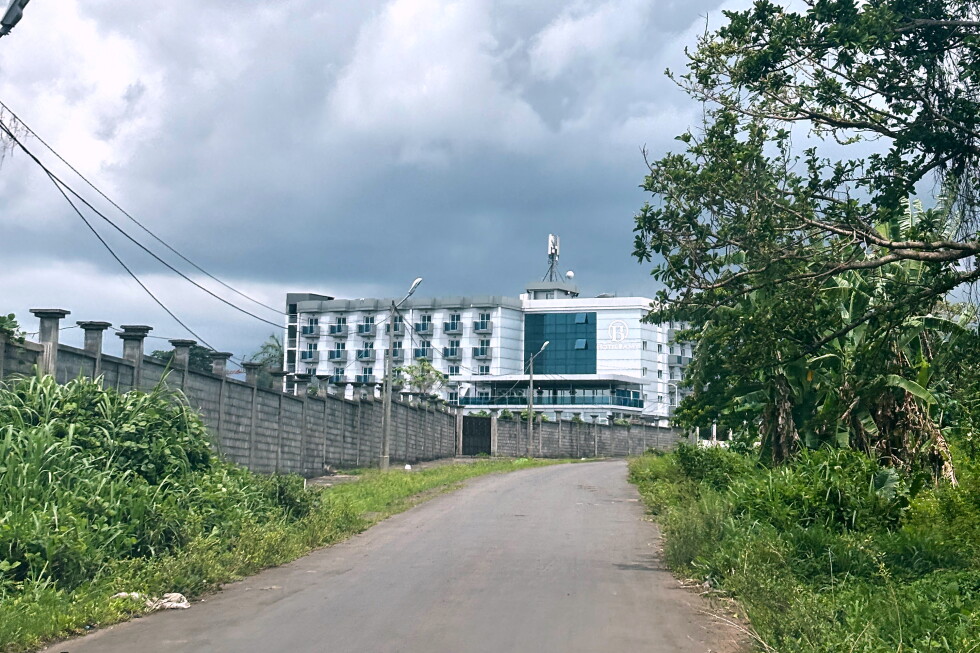
    The isolated facility, a hotel located on a lush tropical island off Equatorial Guinea’s mainland coast, is owned by the country’s long-ruling, powerful president Teodoro Obiang Nguema Mbasogo. It currently holds 17 migrants originating from a range of African nations including Angola, Mauritania and Ethiopia, placed there under a little-known, non-transparent third-country deportation agreement struck with the former Trump administration.

    Details of the dangerous co-location emerged from both a formal statement released by an international coalition of human rights lawyers and on-the-record interviews with two of the detained migrants, who spoke only on condition of anonymity over fears of violent retaliation from Equatorial Guinean authorities. According to their accounts, last week medical personnel wearing full hazmat suits brought a man suspected of carrying the Ebola virus to the hotel and quarantined him on a floor directly below the section where migrants are being held.

    An ongoing rare Ebola outbreak is currently ravaging the central African nation of the Democratic Republic of Congo, where the outbreak was first declared in May and has already claimed more than 600 lives to date. While a small number of confirmed cases have been recorded in neighboring Uganda, Equatorial Guinea – which shares no border with Congo and sits roughly 1,885 kilometers away from the outbreak’s epicenter – has not reported any confirmed or even suspected Ebola cases of its own until this reported incident.

    Despite that lack of prior risk, the two deportees told the Associated Press that an English-speaking doctor explicitly informed them the man being brought into the hotel was a suspected Ebola case and that they should take precautions. No further information about the patient’s status or risk mitigation steps for detainees was provided after that initial warning.

    The legal coalition’s statement echoed the detainees’ accounts, confirming that the group had received “disturbing reports from multiple detained individuals that a person with a suspected case of Ebola was recently brought under quarantine into the same hotel complex where they are being held.” One detainee added that a second suspected Ebola patient, a woman, was transported to the same quarantine floor of the hotel this past Sunday, also identified by arriving medical staff as a potential Ebola case.

    The Associated Press has reviewed video footage that appears to show medical workers clad in full protective biohazard gear transporting individuals into the hotel, which previously functioned as an isolation and quarantine center for COVID-19 patients during the height of the global pandemic.

    “Things are getting worse every day,” one anonymous detainee shared in an interview. “It’s very confusing, no one is coming to talk to us. No one is informing us of anything. The hygiene is unimaginable.” Beyond the lack of information, neither masks, disinfectant spray, nor other basic protective supplies to reduce the risk of viral exposure have been provided to the 17 detainees, and no public health safety measures have been communicated to them, according to both legal representatives and the detainees themselves.

    The detentions in Equatorial Guinea are part of a broader, largely secretive immigration policy enacted by the Trump administration, which entered into undisclosed third-country deportation agreements with nearly 24 nations. Under these deals, thousands of people deemed to be in the U.S. illegally are deported to countries that are not their countries of origin, as part of a sweeping crackdown designed to deter future unauthorized immigration. Immigration advocates and lawyers note that this policy acts as a legal loophole, allowing the U.S. to indirectly force asylum seekers back to their home countries even when their asylum claims would otherwise qualify for protection.

    Equatorial Guinea is one of at least eight African nations that have signed onto these third-country deportation agreements with the U.S. After a $7.5 million deal was struck between the two governments, Obiang repurposed a family-owned hotel on Bioko Island, near the capital of Malabo, into an immigration detention facility for deported migrants. Legal representatives confirm that 13 men and 4 women are currently being held at the site, and all of them had received formal orders from U.S. immigration judges that should have prevented their removal to their home countries.

    Earlier this month, the same coalition of international rights lawyers filed a formal legal complaint against Equatorial Guinea before the African Commission on Human and Peoples’ Rights, the continent’s top human rights oversight body. The complaint accuses the central African nation of forcibly deporting U.S.-deposited migrants back to their home countries, a move that violates core international human rights protections for asylum seekers.

    In Thursday’s updated statement, the legal coalition added that they have also received repeated reports that multiple detainees with pre-existing serious medical conditions are being denied access to adequate medical care while in government custody.

    Rich in oil reserves, Equatorial Guinea is counted among the wealthiest countries in Africa by per capita GDP, but it is also widely criticized for systemic rampant corruption and routine human rights violations, according to assessments from U.S. government officials. Independent political opposition and critical public discourse are virtually non-existent in the country, where the Obiang regime has been repeatedly accused by human rights organizations and the U.S. State Department of arbitrary detention, torture, and extrajudicial killing of political dissidents and activists who speak out against the government.

    Notably, U.S. companies are the largest foreign investors in Equatorial Guinea’s oil sector, and the country’s military receives funding for training and equipment from the U.S. government.