博客

  • Settlement stays and army days: How UK charities promote migration to Israel

    Settlement stays and army days: How UK charities promote migration to Israel

    A decades-high number of British citizens moved to Israel in 2025, with 742 Britons completing the migration – the largest annual figure recorded since the 1980s. An investigation by Middle East Eye (MEE) has revealed that UK-registered charities and advocacy groups are actively facilitating this migration through structured programs, including subsidized travel, gap year placements, and direct migration support, many of which operate in violation of international law by accessing illegally occupied Palestinian and Syrian territories.

    The most influential of these groups is the United Jewish Israel Appeal (UJIA), a UK charity that reported a £12.8 million ($17 million) annual income in 2024. UJIA’s public mission centers on cultivating a connection between young Jewish people in the UK and Israel through funding for travel and educational programs. The organization traces its roots back more than a century to Keren Hayesod, a global fundraising body established to support the Zionist movement and the state of Israel, which maintains formal institutional ties to the Israeli government. A 2010 cooperation agreement was signed between then-Israeli Prime Minister Benjamin Netanyahu and Keren Hayesod, which remains a registered UK charity in its own right and is still listed as UJIA’s parent affiliate. Neither organization responded to MEE’s requests for comment on the extent of their ongoing collaboration.

    While UJIA does not publicly advertise direct migration (called Aliyah under Israeli law, which grants automatic citizenship to any Jewish person who immigrates), it lays early groundwork for permanent relocation through subsidized “birthright” tours and gap year programs. Keren Hayesod, by contrast, has partnered with the Israeli government to facilitate the migration of more than 3 million Jews to Israel since 1920.

    MEE’s investigation found that multiple gap year programs promoted on UJIA’s official website include scheduled excursions into territories occupied by Israel since the 1967 Six-Day War, which the International Court of Justice (ICJ) ruled in July 2024 are held under unlawful occupation. For example, Aardvark, an Israeli-run organization, offers the UJIA-advertised Israel Classic Track 5-to-10 month gap year program, which includes weekly trips to sites in the occupied West Bank such as Ein Mabua Natural Spring and the Judean Desert. The group’s Tech Track and Culinary Track programs, also promoted by UJIA, add visits to Hebron, the occupied West Bank Palestinian city where illegal Israeli settlers are stationed under military protection, as well as the West Bank’s Herodian fortress and the occupied Syrian Golan Heights for overnight trips. Another UJIA-endorsed program, run by Israeli educational group Bina, also includes excursions to Hebron and the Golan Heights marketed as travel “throughout Israel.”

    Beyond visits to occupied territories, the Aardvark program gives participants the option to join Marva, a voluntary Israeli military simulation course run jointly by the Israel Defense Forces (IDF) and the Jewish Agency for Israel. The program’s marketing frames it as a hands-on opportunity to experience IDF enlistment life, with participants living on an active IDF base for 6 to 8 weeks, wearing official Israeli military uniforms, carrying firearms, and receiving training in combat survival, navigation, self-defense, and field tactics. The IDF describes the program’s goal as giving participants a first-hand understanding of military service for Jewish youth from abroad.

    UJIA also provides substantial funding to Bnei Akiva, the world’s largest religious Zionist youth movement, which operates 20 local branches across the UK. UJIA awarded £194,000 ($260,000) in grants to Bnei Akiva in 2023, following a £214,000 ($287,000) grant in 2022. Bnei Akiva’s UK operations are supported by the registered charity Friends of Bnei Akiva (Bachad), which reported a £141,735 ($189,000) income and £390,347 ($522,000) expenditure in 2025, with reserves totaling approximately £1.86 million ($2.5 million). The charity shares a registered address with Bnei Akiva UK’s London office and explicitly states its core activity is providing grants to the youth movement.

    Like the other programs MEE investigated, Bnei Akiva’s gap year initiatives operate in illegally occupied West Bank settlements. The movement’s Mechina Olamit pre-army gap year program housed participants in Migdal Oz, an illegal Israeli settlement in the West Bank, listing the settlement as the program’s base on its website until shortly after MEE reached out for comment. While the international website was updated to list Jerusalem as the base, the FAQ section still confirms Mechina Olamit is based in Migdal Oz, where international participants live alongside Israeli peers. Google Maps records additional Bnei Akiva operations in multiple other illegal West Bank settlements, including Giv’at Ze’ev, Ofra, and Sha’arei Tikva. Bnei Akiva also posts images of its youth excursions to other occupied West Bank locations such as Wadi Qelt, framed as exploring “the beauty of Israel.”

    While Bnei Akiva claims it does not require Mechina Olamit participants to enlist in the IDF, it confirms it prepares any participants who wish to join the military, offering specialized classes on military service and mandatory physical training three times a week. British program graduates have posted public testimonials describing the program as inspiring pre-enlistment preparation. Bnei Akiva’s UK-based Kadima gap year program also regularly sends participants to the Marva military course, posting public images of participants in IDF uniforms posing with firearms.

    The movement’s stated core goal is to encourage permanent migration to Israel, and it has partnered with the Israeli Ministry of Aliyah and Immigrant Absorption to facilitate more than 100,000 migrations since its founding in 1929. MEE was unable to clarify whether UK-raised charitable funds are used to support activities linked to the IDF or illegal settlements, as Bnei Akiva and UJIA declined to respond to questions on the topic. UJIA’s annual report claims its Israeli expenditures are “restricted to projects within its internationally recognised borders,” despite advertising programs that explicitly operate in occupied territories.

    Legal experts from the International Centre of Justice for Palestinians (ICJP) note that the activities of these UK-based charities raise serious compliance issues under international law, following the ICJ’s 2024 ruling that Israel’s occupation of Palestinian territories is unlawful and requires all states to avoid aiding or recognizing the illegal occupation. “The UK government cannot simply disregard that legal position; it is the authoritative statement of international law on the issue,” the ICJP told MEE, adding that the UK is legally obligated to prevent organizations operating within its jurisdiction from assisting the illegal occupation. “You cannot promote settlements or take participants there, because settlements themselves are illegal.”

    On the Marva military program, the ICJP added that the activities go far beyond cultural or educational exchange: “Carrying guns, wearing uniforms and staying on an army base resembles pre-enlistment military training rather than cultural exchange.”

    This investigation was published by Middle East Eye, an independent media outlet covering the Middle East and North Africa region.
  • Syria says it arrested IS-linked suspects behind the Damascus bombings during Macron’s visit

    Syria says it arrested IS-linked suspects behind the Damascus bombings during Macron’s visit

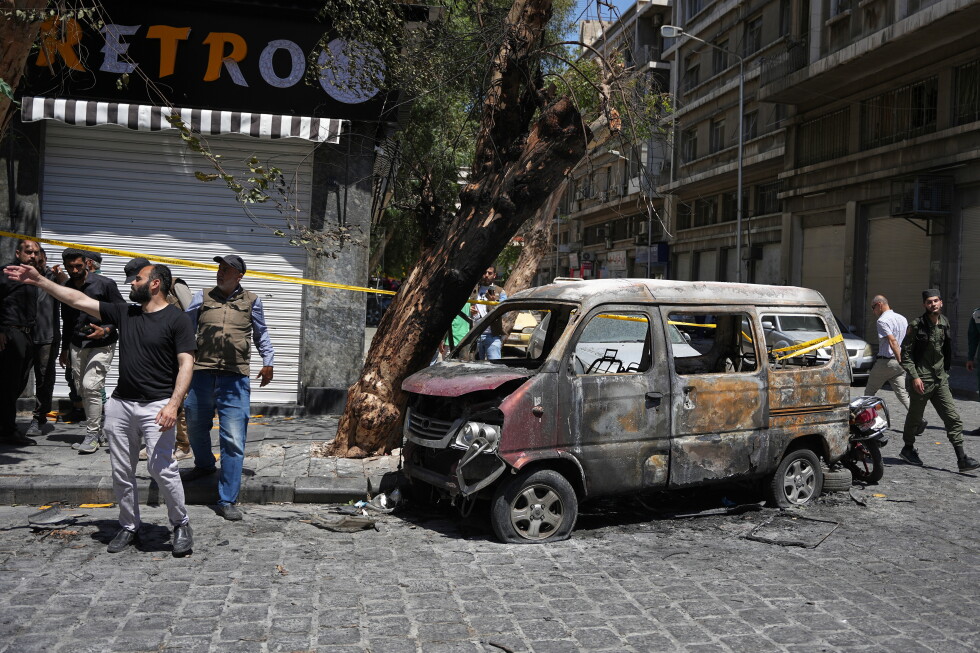
    DAMASCUS, Syria – In a major security breakthrough announced Thursday, Syrian law enforcement officials have confirmed the arrest of multiple suspects tied to a series of deadly recent bombings across the capital, including two blasts that struck during French President Emmanuel Macron’s high-stakes visit earlier this week. An unnamed senior official with Syria’s Internal Security Forces has attributed the coordinated attacks to the Islamic State extremist group, though the organization has not yet issued any formal claim of responsibility for the assaults.

    According to an official statement released by the Syrian Interior Ministry, security operatives launched targeted raids across Damascus and its outlying suburban regions, resulting in the complete dismantling of the extremist cell responsible for all the recent bombings. Brigadier General Ahmad al-Dalati, commander of Internal Security Forces for rural Damascus province, later told Syrian state television that all detained suspects are confirmed affiliates of the IS network. Investigators first identified one key cell member by reviewing closed-circuit security footage from the attack sites, al-Dalati explained, then tracked that suspect to uncover the identities and locations of the rest of the cell’s members.

    The bombings that drew global headlines unfolded on Tuesday, during Macron’s landmark trip to Syria – the first visit by a French head of state to the war-torn country since the conclusion of nearly 14 years of civil conflict. Two explosive devices were hidden in a public garbage bin and an unoccupied parked car; the blasts occurred while Macron was holding closed-door talks at the presidential palace with Syrian President Ahmad al-Sharaa. Neither the French leader nor al-Sharaa was injured in the attack, and Macron proceeded with his scheduled diplomatic agenda after the incident.

    Syria’s Ministry of Health released a final casualty count for the Macron visit bombings this week, confirming one civilian death and 36 additional people wounded, some critically. The string of attacks did not begin with this week’s bombings, however: just one week prior, another explosive device detonated inside a popular cafe located near Damascus’ central judicial complex, killing at least 10 people and leaving more than 20 others injured.

    The coordinated bombings represent a significant early security challenge for al-Sharaa, who has moved rapidly to consolidate full state control across Syria since ousting former long-ruling autocrat Bashar al-Assad in a December 2024 insurgent offensive led by his Hayat Tahrir al-Sham faction. Al-Shaara has worked in recent months to court skeptical ethnic and religious minorities, who have expressed concerns over his government’s Islamist-led leadership, while also seeking to normalize relations and win backing from Western governments wary of HTS’s historical ties to al-Qaida. His transitional administration has also pledged sweeping political and economic reforms to reverse decades of repressive, centralized rule under the Assad family.

    Syria’s 14-year civil conflict left a devastating humanitarian and infrastructural crisis in its wake: the war killed an estimated half a million people, displaced millions more both internally and across neighboring borders, and reduced large swathes of the country’s cities and critical infrastructure to rubble. While a number of foreign nations and private investors have already pledged large financial commitments to Syria’s reconstruction, government estimates indicate the country requires hundreds of billions of dollars in total to rebuild and lift millions of vulnerable Syrians out of extreme poverty.

  • Is the British empire widely taught in British schools? The data says no

    Is the British empire widely taught in British schools? The data says no

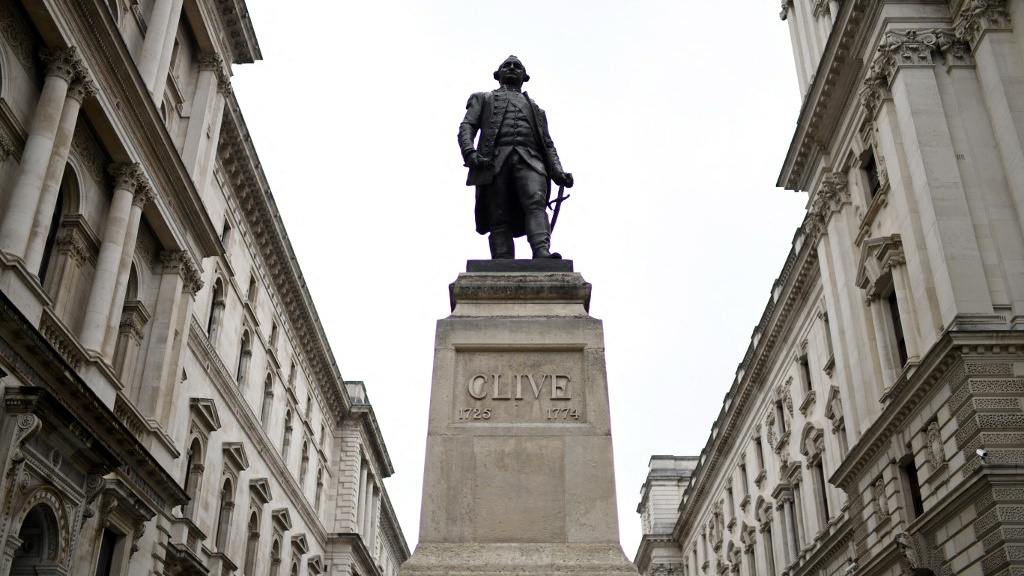
    More than 130 years ago, Indian-born British author Rudyard Kipling famously asked, “And what should they know of England who only England know?” A staunch advocate of the British Empire, Kipling argued that British identity could not be separated from the project of imperial expansion that shaped the nation’s global standing for centuries. He chided ordinary Britons for their lack of awareness and engagement with the empire that defined their country’s role on the world stage. That question remains as relevant today as it was in 1891, as a fierce new debate over the teaching of imperial history in British secondary schools has reignited across public and political spheres.

    The latest exchange began on a recent podcast hosted by Zack Polanski, leader of the UK’s left-wing Green Party. Reflecting on his own secondary education, Polanski noted that his history curriculum focused heavily on the Tudors, Roman occupation of Britain, and the Second World War, with barely any mention of the British Empire or its centuries of colonial expansion. “Maybe schools have got better but I imagine we’re still not there,” he said.

    Joining Polanski as a guest was prominent historian William Dalrymple, who pushed further on the gap in modern history education. Dalrymple acknowledged that optional A-level modules covering the British Empire do exist for secondary students, but stressed these are never part of the mandatory core curriculum. Few teachers feel properly trained to teach the topic, he added, leaving imperial history as a niche subject studied only by a small minority of pupils. “Most British people are entirely ignorant about what is, for better or worse, the most important thing Britain ever did,” Dalrymple argued. He specifically called out the complete absence of any teaching on the British Mandate in Palestine, Britain’s role in the events leading to the 1948 Nakba, and the expulsion of more than 750,000 Palestinians from their ancestral lands.

    The comments quickly drew pushback from conservative political and media circles. Former Conservative Education Secretary Michael Gove, currently editor of *The Spectator*, intervened on social media, dismissing the critique as the complaints of two privately educated men reflecting on their own outdated school experiences. Gove claimed that the current national curriculum for state-funded schools already covers the British Empire extensively. Max Jeffery, a writer-at-large for *The Spectator*, expanded on this defense, arguing that for 13 years, the national curriculum has required pupils in Years 7 through 9 to study “Britain’s ideas, political power, industry and Empire.” In a separate piece for the outlet UnHerd, writer Samuel Rubinstein added that the empire has long been part of the national history curriculum, and accused Polanski and Dalrymple of pushing for a national “exercise in self-flagellation” over Britain’s past.

    But a close look at the structure of Britain’s education system and available curriculum data tells a more complicated story. While Gove and other critics point to the national curriculum as proof of comprehensive imperial history teaching, the national curriculum only applies to the small share of secondary schools in England controlled by local authorities. Today, 85 percent of English secondary schools are academies or free schools, which are not required to follow the national curriculum – and private schools are also exempt. Even for schools that do follow the national curriculum for Key Stages 1 through 3, content covering the empire is listed as a “non-statutory example,” meaning it is optional rather than required. The only mandatory history topic in the entire curriculum is the Holocaust.

    Further data shows that even at the GCSE and A-level stages, where optional imperial history modules are offered by exam boards, very few students actually engage with the topic. Only 36 percent of teachers who cover the British Empire do so at the GCSE level, and that number drops to just 23 percent at the A-level stage. Just 9.6 percent of all GCSE history entries include a module focused on migration or empire, and all units on the empire offered by major UK exam boards are optional rather than mandatory. Even the module that focuses on imperial legacies, offered by exam board Edexcel, is titled “Migrants in Britain” and centers the effects of empire rather than the structure and impact of the imperial project itself.

    The gap between official claims and on-the-ground teaching is backed by major national research. A large-scale study published earlier this year, led by researchers from the University of Oxford and University College London, found that only 16 percent of teachers believe Britain’s imperial past is taught well enough in UK schools. This gap exists despite overwhelming agreement on the importance of the topic: 94 percent of teachers and 79 percent of surveyed students said all young people should be taught about the British Empire. A recent government curriculum review recommended wider teaching of “History’s inherent diversity” through analysis of a broader range of sources, but did not specifically name the empire as a required topic.

    Dalrymple, who is based in India, told Middle East Eye that the lack of education creates tangible gaps in British public understanding of global perceptions of the country. “There are more modules out there than twenty years ago, but it’s still overwhelmingly true that most people leave school without any clear idea about how the world sees us,” he said. “Living in India, I see Brits coming out, including high commissioners, who have no perception of how we are regarded and are very surprised to discover that the general impression of the empire is very different to how it’s laid out in their own education.”

    Gurminder Bhambra, a sociologist at the University of Sussex who specializes in colonialism and modern British identity, argues that imperial history is foundational to understanding modern Britain itself. “The history of Britain as a modern nation cannot be understood separate to its history of colonisation – from the wealth that contributed to its development and the peoples that call it home, every aspect of Britain has been significantly shaped by empire,” she explained. “The failure to teach this history properly is what enables some to deny the citizenship claims of those that they deem other and, perhaps more perniciously, denies the very basis on which they make such claims.”

    The gap in teaching is particularly stark when it comes to the legacy of the British Empire in the Middle East, specifically the lead-up to the ongoing Israeli-Palestinian conflict. After the 1917 Balfour Declaration, Britain governed Palestine under a League of Nations mandate for three decades, facilitating large-scale Jewish immigration amid rising persecution in Europe before abruptly withdrawing in 1948. The British withdrawal paved the way for the establishment of the state of Israel and the Nakba, the displacement of more than 750,000 Palestinians that remains at the core of the modern conflict. Last year, then-Foreign Secretary David Lammy acknowledged the historical injustice of the unfulfilled promise of equal rights for Palestinians in the Balfour Declaration, when announcing the UK government’s intention to recognize Palestinian statehood. But almost no British secondary students learn this history in school.

    Data from 2020 shows that less than 2 percent of GCSE history students in England study any module covering the Middle East. In 2023, only 44 UK schools taught the Israeli-Palestinian conflict at the GCSE level, and just 0.5 percent of all GCSE history entries that year were for the only module on the topic offered by any major exam board. “The Nakba is not taught in British schools, and in many British textbooks a lie is told,” Dalrymple said. “I remember my primary school geography textbooks talked about Israelis making the deserts bloom. The fact that an entire people there were shunted out because the British did nothing to protect them, and indeed created the situation whereby they could be evicted, is unknown.” This ignorance, he added, shapes modern public and political discourse: “The results of this can be seen in speeches in parliament, and the attitudes of newsreaders. MPs and presenters simply do not know who these people in Gaza are and why they would have cause for complaint.”

    Public opinion on how the empire should be taught is clear: a 2025 poll found that 78 percent of UK adults believe teaching should include a balanced mix of positive and negative aspects of the British Empire to give pupils a comprehensive view. Dalrymple pushes back against claims that calls for more comprehensive teaching are rooted in a desire to force “woke guilt” on students. “No one’s asking for a ‘woke’ guilt trip, but for British people to have the tools to understand the charges being levelled against them,” he said. “They shouldn’t be taught to hate their country or have an entirely negative view of their ancestry, but it’s important to understand what the debates are. The idea that the empire was a force for good is simply not how most of the world understands it.”

    As modern Britain continues to evolve, with a large share of the population descended from immigrants who arrived after the collapse of the empire in the mid-20th century, the question of how to teach imperial history remains deeply tied to the question of national identity. As 19th century imperial commentator John Robert Seeley described it, the British empire was the “extension of the English nationality into new lands,” and modern historian Robert JC Young has framed Englishness as a global identity shaped by imperial expansion. As current data makes clear, this central pillar of British history and national identity remains largely untaught in UK secondary schools – even as overwhelming majorities of teachers and students agree it deserves a place in the curriculum.

  • Chronic illness and diarrhea surge in quake-hit Venezuelan communities as humanitarian crisis builds

    Chronic illness and diarrhea surge in quake-hit Venezuelan communities as humanitarian crisis builds

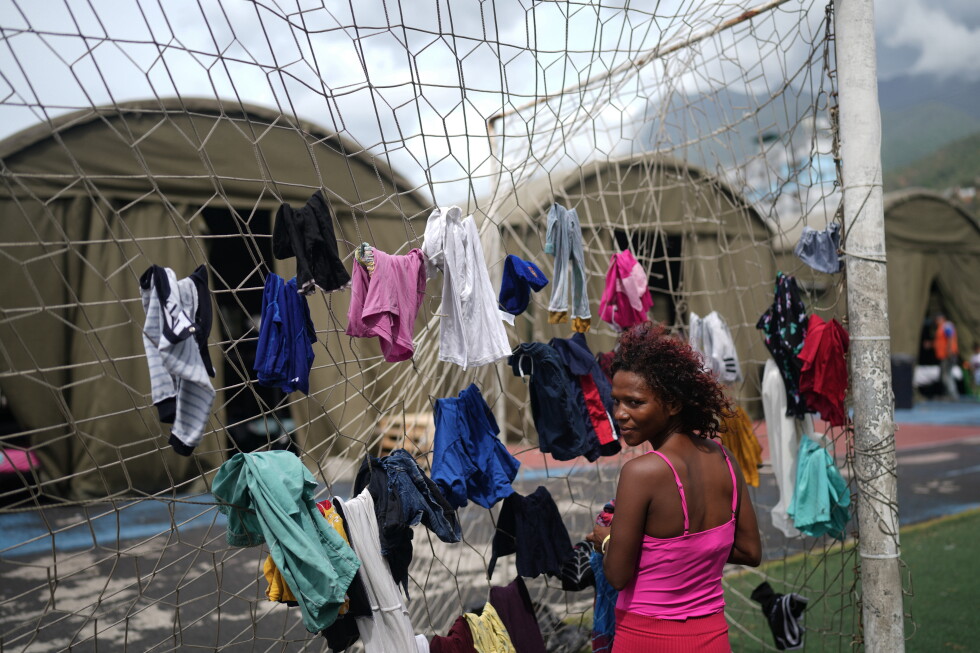
    Less than a month after powerful back-to-back earthquakes tore through northern Venezuela, thousands of survivors and at-risk community members are flooding into humanitarian relief hubs run by nongovernmental organizations across the hardest-hit regions, as the United Nations formally launches a $300 million emergency appeal to support 1.3 million Venezuelans in urgent need of assistance.

    The twin quakes, which struck on June 24, left an official death toll of 3,811 people, destroyed 190 buildings, and damaged another 856 structures. Venezuelan government data confirms roughly 18,000 people were left displaced by the disaster, with many now crowding into converted schools, public parks, sidewalks, and plazas after their homes were rendered uninhabitable. The northern coastal state of La Guaira bore the brunt of the destruction, and today mobile kitchens, pop-up clinics, and temporary field hospitals are scattered across the region’s public spaces to meet the growing need for support.

    The current open access for humanitarian groups marks a sharp shift from years of government repression targeting nongovernmental organizations in Venezuela. When acting President Delcy Rodríguez served as vice president under former President Nicolás Maduro, independent aid groups were regularly labeled as fronts for anti-government activity, and the UN’s local human rights office was expelled from the country. Today, the operational freedom for local and global humanitarian groups reflects a rare departure from past political tensions, a shift echoed by senior UN officials leading the response.

    During an on-site visit to affected communities, UN Under-Secretary-General for Humanitarian Affairs Tom Fletcher, the body’s top relief coordinator, told the Associated Press that unmet long-term health needs have emerged as a critical priority two weeks after the disaster. “It is clear at displacement sites that, particularly after two weeks, that people are turning up because they haven’t been able to get their other treatments,” Fletcher explained. “So, they’re not turning up with just the fractures now, they’re turning up with those longer-term health needs. And it’s vital that we’re there for them.”

    Local medical teams working in Catia La Mar, one of La Guaira’s hardest-hit coastal communities, have already documented a sharp rise in preventable health conditions linked to poor post-disaster living conditions. Doctors report growing caseloads of skin irritations and diarrheal diseases, alongside a surge in requests for maintenance medications for chronic conditions including diabetes and hypertension. Public health experts note these emerging outbreaks stem from overcrowded displacement sites and inadequate access to clean water and sanitation — gaps that many communities faced even before the earthquakes struck.

    Seventy-six-year-old Irma Echarri, a Catia La Mar resident whose home escaped major damage, joined dozens of other locals waiting for care at a mobile clinic set up on a sidewalk across from a local church. Echarri brought her empty prescription boxes for daily eyedrops and pain relievers, hoping to replenish her supply after the quakes disrupted local pharmaceutical access. She also sought care for new chronic nose pain that developed after the earthquakes. “It hurts a lot,” Echarri said while waiting to be seen. “It hurts because it hurts.” Many of Echarri’s neighbors were not as fortunate, and are now sleeping outdoors or in temporary shelters after the quakes destroyed their homes.

    Forty-one-year-old Zulbey Reyes is one of the thousands of displaced survivors, who lost both her home and her job as a nanny in the disaster. She visited a clinic run by local Venezuelan NGO Paluz in partnership with the International Rescue Committee, a global humanitarian group, to seek care for new onset chest pain that developed after the quakes. After receiving a diagnosis of inflamed nerve tissue triggered by the extreme stress of the disaster, Reyes said, “I thought it was my heart that was sick. But it’s a nerve that became inflamed after the screams that day.”

    The United Nations Office for Disaster Risk Reduction estimates total direct physical damage to housing and public infrastructure from the quakes totals roughly $37 billion. Fletcher confirmed that to date, the United States has contributed the largest share of funding for the earthquake response effort, with most on-the-ground aid delivery led by local Venezuelan NGOs partnered with global humanitarian organizations.

    Fletcher emphasized that the unprecedented scale of the disaster has pushed political differences to the background to prioritize saving lives. “When you have a crisis of this magnitude, people put the politics to one side and are able to focus on saving as many lives as possible, and that’s what I’m seeing so far in this response,” he said.

  • ICC deputy prosecutor says ‘breakthrough’ achieved in Darfur investigation

    ICC deputy prosecutor says ‘breakthrough’ achieved in Darfur investigation

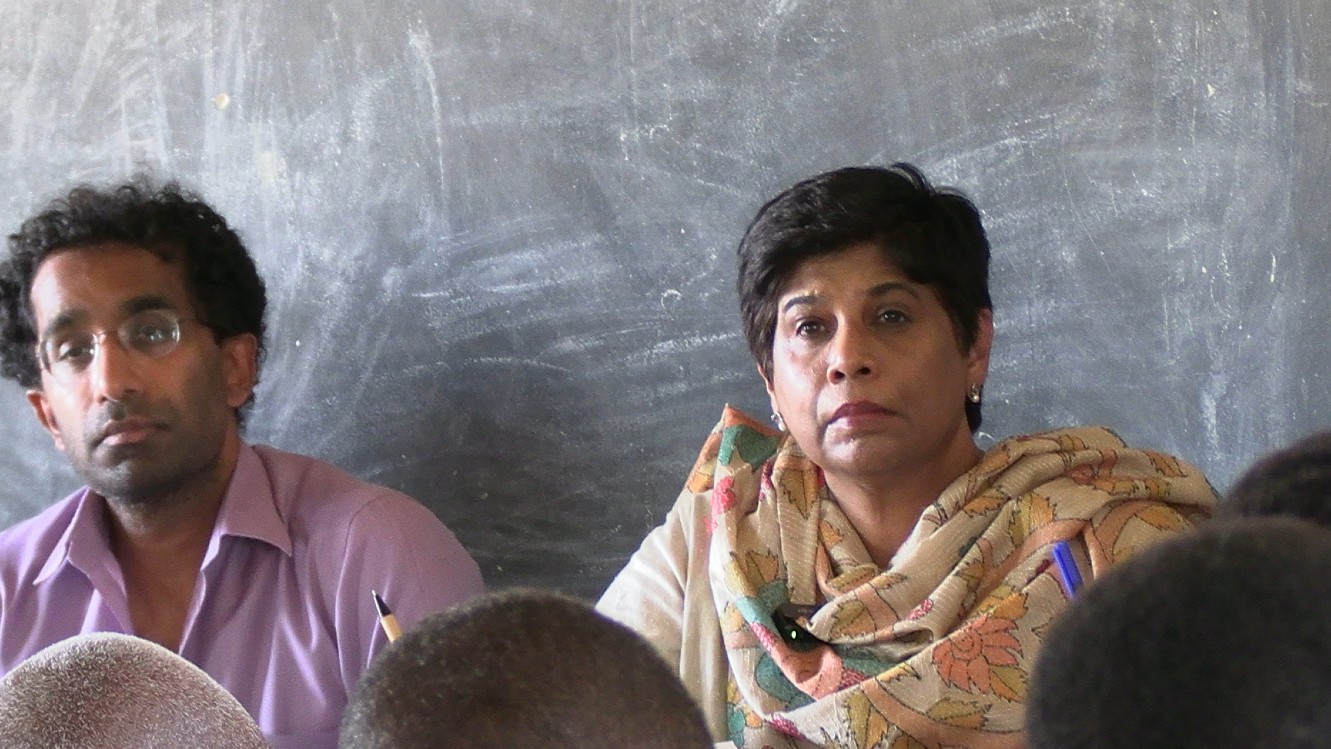
    The ongoing conflict in Sudan’s Darfur region has entered its third year of devastating violence, and the International Criminal Court (ICC) has announced a key milestone in its long-running investigation into alleged war crimes perpetrated by parties to the conflict. Speaking during a visit to refugee camps in neighboring Chad in an interview with the BBC, ICC Deputy Prosecutor Nazhat Khan confirmed Thursday that her team has secured a major investigative breakthrough, uncovering concrete evidence that directly connects ongoing atrocities on the ground to specific senior leaders.

  • Ukrainian agent accused of murdering Monaco bomb suspect changes story

    Ukrainian agent accused of murdering Monaco bomb suspect changes story

    ### High Security Court Appearance in Kyiv Holds Unprecedented Revelations
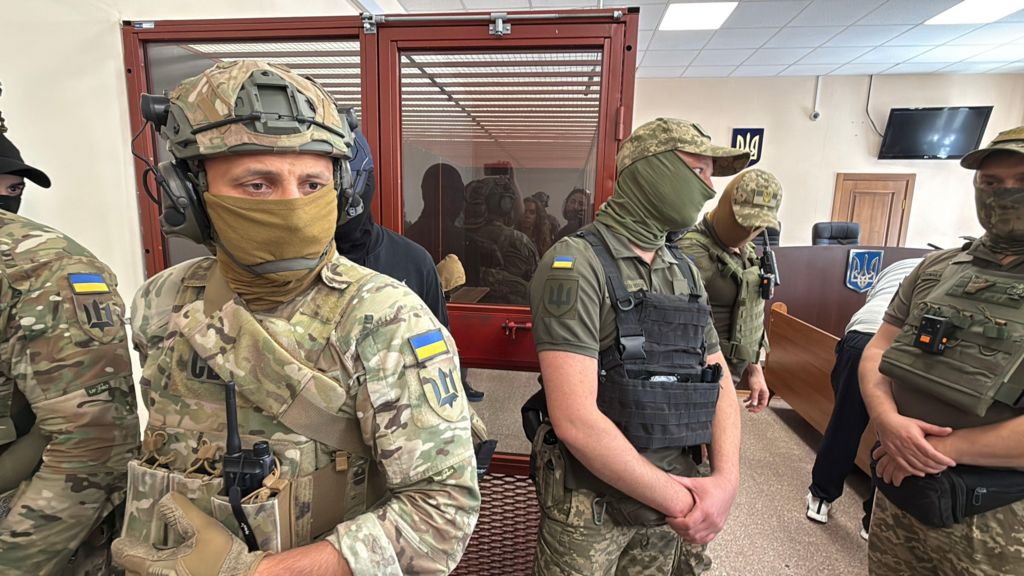
    On Thursday, a heavily fortified Kyiv courtroom played host to a custody hearing that has sent shockwaves through Ukraine’s national security establishment, centered on a tangled cross-border case that connects a foiled assassination attempt in Monaco to the mysterious killing of the suspected would-be assassin on Ukrainian soil.
    The defendant at the heart of the drama, 34-year-old Vladyslav Reut, is an active, decorated officer with Ukraine’s GUR military intelligence agency. Just days earlier, he had admitted to fatally shooting Anastasiia Berezovska, the 39-year-old woman identified as the prime suspect in last week’s bombing targeting sanctioned Ukrainian-born oligarch Vadim Yermolayev in Monaco. Reut even guided investigators to Berezovska’s hidden woodland grave west of Kyiv, concealed under a pile of tree branches. But in a dramatic reversal during Thursday’s hearing, Reut categorically denied pulling the trigger, shifting all blame to his co-defendant, 50-year-old Vitalii Zhykovych, a former officer with Ukraine’s SBU domestic security service.
    Reut told the court he had only helped Zhykovych pick up Berezovska after she crossed into Ukraine from Poland by bus, just two days after the Monaco explosion and before her name was linked to the attack. According to Reut’s revised testimony, the pair drove Reut’s BMW to meet Berezovska on the Kyiv highway, with Zhykovych claiming they needed to hide her amid an unspecified criminal matter. Reut said Zhykovych produced a modified Makarov pistol from his backpack during the drive, and when Reut questioned the weapon, Zhykovych dismissed it as a precaution against panic. When the three reached a forest path near the village of Yuriv, Reut claimed Zhykovych ordered him to shoot Berezovska, threatening “it’s either her or us.” In Reut’s account, Zhykovych ultimately fired four fatal shots himself, after which the pair dug a grave and disposed of the gun and Berezovska’s belongings in a nearby lake.
    Addressing why he initially confessed to the killing, Reut told the court he had acted out of fear: Zhykovych had threatened to harm his family if Reut did not take the blame, he claimed. “I have fought enemy combatants defending my country,” Reut emphasized to the court. “I would never intentionally murder an innocent civilian woman.”
    The co-defendant’s legal team immediately rejected Reut’s new narrative. Anatoliy Ivanov, Zhykovych’s lawyer, described his client as a decorated patriot who fought against Russian-backed forces in eastern Ukraine in 2014 and participated in the defense of the Kyiv region following Russia’s 2022 full-scale invasion. Ivanov dismissed Reut’s claim that a low-ranking former SBU officer could force a serving GUR officer to participate in a murder, arguing Reut was only lying to avoid imprisonment. “He does not want to be imprisoned. I understand,” Ivanov said, while insisting his client “did not kill” Berezovska. Ivanov also raised the unsubstantiated possibility of Russian involvement, noting that Moscow has recruited Ukrainian intelligence agents in the past, saying “We’ve had a lot of such rats, unfortunately.”
    Both suspects appeared in court heavily obscured: their hands were cuffed, they kept hoods pulled up over their heads and large masks covering most of their faces, leaving only their eyes visible. For the majority of the separate hearings, the pair sat hunched inside the courtroom’s fortified glass cage, their backs turned to assembled press cameras.
    Prosecutors confirmed that investigators tracked Reut and Zhykovych quickly after identifying Berezovska as a suspect, using the dead woman’s phone records to zero in on the two men, before uncovering cash and cryptocurrency transfers they had made to Berezovska’s accounts. Prosecutor Dmytro Tkachuk told reporters the two men are accused of acting “jointly and in a coordinated fashion” and have both been formally charged with premeditated murder. While one suspect has disclosed information about a potential motive, Tkachuk said releasing that detail publicly would damage the ongoing investigation, adding “all versions are being considered” — including theories ranging from Russian interference to organized crime and corruption.
    Yermolayev, the target of the Monaco bombing, made his fortune in the cognac and real estate industries, renounced his Ukrainian citizenship years ago, and was sanctioned by Kyiv for continuing business operations in Crimea after Russia’s 2014 annexation of the peninsula. To date, the full motive for the failed assassination attempt against him remains unconfirmed.
    Ukrainian President Volodymyr Zelensky acknowledged the high-profile case Thursday evening, saying he would release “additional relevant reports” in the coming days as the investigation progresses. The judge rejected bail requests for both defendants, remanding them into custody to await further progress in the probe. For now, the case remains tangled in contradictory testimony and unanswered questions, creating a sensitive political and institutional challenge for Kyiv’s wartime government.

  • Colombia’s court on the conflict with FARC rebels in limbo as president-elect vows to dismantle it

    Colombia’s court on the conflict with FARC rebels in limbo as president-elect vows to dismantle it

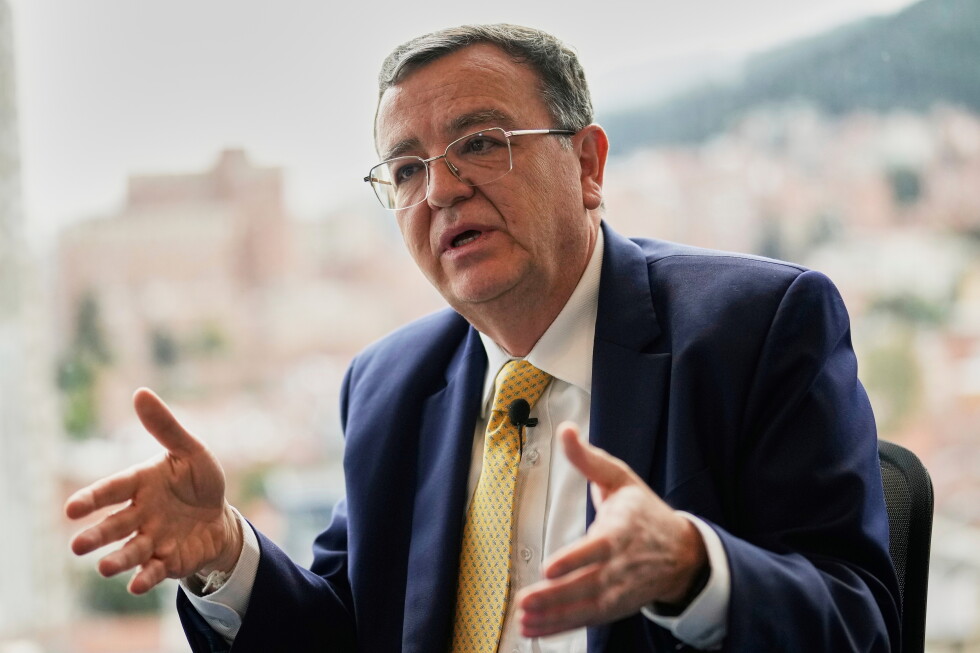
    Ten years after the Colombian government signed a landmark peace agreement that ended Latin America’s longest-running guerrilla insurgency, the specialized justice body created to investigate and prosecute conflict-related crimes stands at a crossroads, as incoming president Abelardo de la Espriella has pledged to dismantle it.

    Known officially as the Special Jurisdiction for Peace (SJP), the tribunal has been a source of deep national division since its creation, mirroring the longstanding political split over the 2016 peace deal with the now-disbanded Revolutionary Armed Forces of Colombia (FARC). De la Espriella, a conservative candidate endorsed by former U.S. President Donald Trump, has publicly labeled the SJP a “failed” institution. However, legal analysts and international law experts warn that dismantling the body is far from a straightforward process, as it is protected by both domestic constitutional safeguards and international legal frameworks.

    The SJP is enshrined in Colombia’s constitution and receives formal backing from the International Criminal Court (ICC). In 2021, the ICC closed its own 18-year preliminary investigation into the Colombian conflict, concluding that the country was meeting its international justice obligations largely due to the steady progress made by the SJP. Alejandro Ramelli, president of the tribunal, told the Associated Press that the ICC’s decision to close its probe was explicitly conditional on the SJP continuing its mandated work. An abrupt end to the tribunal, Ramelli warned, would push Colombia into violation of its international legal commitments to the global court.

    The SJP’s official mandate runs through 2028, with an additional five-year window set aside for completing ongoing trials, after which Colombia’s Congress will hold a vote on whether to extend the body’s authority for another five-year term. It began formal operations in 2018, and to date has opened cases involving more than 14,000 suspects accused of war crimes and crimes against humanity committed during the decades-long conflict. Of these suspects, approximately 70% are former FARC guerrillas, 29% are retired or former members of Colombian security forces, and the remaining 1% are civilians linked to conflict violence.

    Supporters of the tribunal frame it as a historic breakthrough for transitional justice, crediting it with creating the conditions for ending the insurgency and finally holding perpetrators of atrocities accountable to victims. Critics, meanwhile, have repeatedly argued that the court is structurally biased against former military personnel. In a seeming contradiction, the stance of de la Espriella’s own transition team has shifted slightly in recent weeks: Iván Cancino, the president-elect’s nominee for justice minister, told Colombia’s Caracol Radio this week that the administration does not plan to fully eliminate the SJP, but will instead push for faster results and launch a full review of the tribunal’s spending.

    Colombia’s outgoing president Gustavo Petro, who has himself expressed criticism of the SJP’s performance over his term, recently took to social media platform X to argue that the tribunal’s budget “must be strengthened,” emphasizing that “establishing the judicial truth about the conflict is fundamental to national reconciliation.” Even as political debate swirls around its future, Ramelli warned that budget cuts to the court would “seriously affect the fundamental right of access to justice” for millions of victims of the decades-long armed conflict, and that an abrupt termination of the SJP’s work would leave thousands of unresolved cases in legal limbo.

    Ramelli pointed to the court’s key landmark rulings to underscore its impact: the tribunal has convicted FARC’s former top leadership for their role in more than 21,000 kidnappings, and convicted a group of former military officials for over 100 documented extrajudicial killings. In both high-profile cases, the accused parties acknowledged responsibility, and were granted alternative non-custodial sentences that required them to complete community restitution projects directly benefiting victims of the crimes. The court has also handed down a 20-year prison sentence to a former soldier who rejected charges of involvement in extrajudicial killings.

    Ramelli emphasized that beyond convictions and sentencing, the tribunal has unlocked critical truth about the full scale of the conflict’s violence that was previously unknown to the Colombian public. “What is the value of the truths uncovered through the judicial process?” he said. “We now know the true scale of FARC kidnappings, the recruitment of more than 18,677 children, the sexual violence committed by the FARC and the extrajudicial killings carried out by security forces. The country simply did not know the full extent of these crimes.”

    Today, a decade after the original peace accord was signed, Colombia still struggles to break a persistent cycle of violence: armed groups including FARC dissident factions that rejected the 2016 deal, the National Liberation Army (ELN) guerrilla group, and the Clan del Golfo drug cartel continue to battle for control of lucrative illegal economies centered on drug trafficking and unregulated mining.

  • Khamenei’s body arrives in Mashhad for burial after week of processions

    Khamenei’s body arrives in Mashhad for burial after week of processions

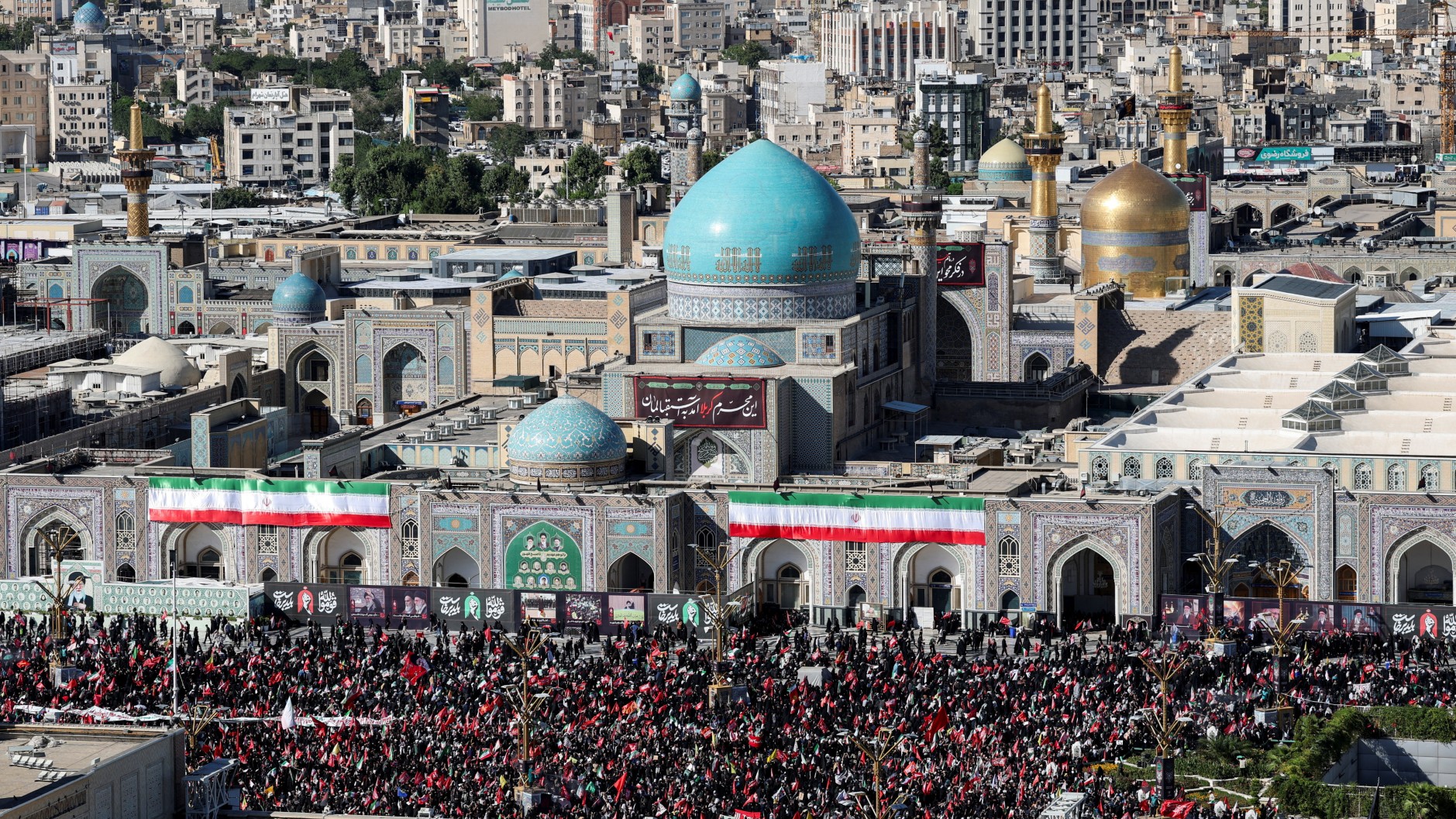
    Nearly five months after Iran’s former Supreme Leader Ayatollah Ali Khamenei was killed in a US-Israeli joint military airstrike, the final chapter of his national funeral process moved to his hometown of Mashhad this week, carrying with it rising regional tensions and unprecedented displays of public grief. After a week of cross-country and cross-border mourning ceremonies, Khamenei’s remains—along with the bodies of four of his family members killed alongside him in the February 28 assassination—were transported to Mashhad’s Shahid Hasheminejad Airport early Thursday. The special flight carrying the caskets was escorted by Iranian military fighter jets, a formal honor for the country’s decades-long top leader.

    Originally scheduled to take place at 6 a.m. local time, the burial service was pushed back eight hours to 2 p.m. local time, a last-minute change announced by official Iranian media just hours after the United States and Iran resumed exchange of air strikes following a brief temporary ceasefire. US airstrikes targeting railway infrastructure have damaged key bridges connecting the capital Tehran to Mashhad, disrupting overland travel between the two cities. However, senior Iranian officials have flatly rejected any connection between the delay and the renewed military attacks, instead attributing the postponement to an overwhelming influx of mourners that has strained the city’s security and logistics capacity.

    Mashhad, a city of deep religious importance to Shia Islam globally, draws millions of pilgrims annually to the shrine of Imam Reza, one of the faith’s most venerated figures. Khamenei, a native of the city, left explicit instructions before his death to be interred on the grounds of the holy shrine, according to Mohammad Mohammadi Golpayegani, head of the late supreme leader’s office. Tens of thousands of mourners have flooded into the city from across Iran and neighboring Iraq in the days leading up to the burial, filling public squares and thoroughfares surrounding the shrine. Many of the gathered mourners carried signs and chanted virulent anti-US and anti-Trump slogans, with placards reading “Kill Trump” and crowds calling out “Death to America” and threats against the former US president for his administration’s role in the assassination strike.

    Before Khamenei’s remains reached Iran’s northeastern holy city, they were taken to two of Shia Islam’s most sacred sites in Iraq: Najaf and Karbala, for multi-day mourning processions. Iraq’s prominent state-aligned paramilitary group Hashd al-Shaabi confirmed that more than 2.3 million people joined the procession held in Najaf alone, marking one of the largest public gatherings the country has seen in recent years. Iran’s sitting President Masoud Pezeshkian and senior commanders from the Islamic Revolutionary Guard Corps (IRGC) traveled to Iraq to take part in the memorial events.

    Notably absent from all public mourning events has been Mojtaba Khamenei, Ali Khamenei’s son and the newly sworn-in Supreme Leader of Iran. A recent report from The New York Times revealed that Mojtaba’s request to attend his father’s funeral processions was denied by Iranian security officials over persistent fears that he could also be targeted for assassination. Since assuming the country’s highest office just days after his father’s killing, the new supreme leader has not made any public appearances and remains completely out of public view.

    The funeral and burial come at a moment of extreme volatility across the Middle East, with the resumption of hostilities between Washington and Tehran raising fears of a broader regional conflict that could draw in neighboring powers and global stakeholders.

  • India loses another series and T20 crisis deepens after latest heavy defeat to England

    India loses another series and T20 crisis deepens after latest heavy defeat to England

    BRISTOL, England – Men’s Twenty20 cricket is facing a seismic shift in form, as reigning world champion India has plunged deeper into an unprecedented losing streak following a ninth-wicket, 6.1-over demolition by England in the fourth match of their five-game bilateral series Thursday. The defeat locked in an insurmountable 3-0 lead for England, marking the first time the host nation has ever claimed a head-to-head T20 series win over India.

    The result extends India’s miserable run of form to five consecutive defeats in completed T20 matches, a new unwanted milestone for the side that lifted the 2024 T20 World Cup. This slump began earlier this month with a shocking 2-0 series whitewash at the hands of Ireland, with only a weather-abandoned match between India and England breaking the string of losses.

    At Bristol’s County Ground, Indian captain Shreyas Iyer won the pre-match coin toss and elected to bat first, a decision that delivered mixed results at best. India stumbled early, collapsing to 3-48 within the opening powerplay, before a late middle-order rally lifted the side to a final total of 158 for 7 off 20 overs. The team’s 18-year-old rising prospect Vaibhav Sooryavanshi continued his underwhelming start to international cricket, scoring only 15 before being dismissed. Iyer anchored the innings with a hard-hitting 49-ball knock, which included four boundaries and five maximums. England’s fast bowling duo Jofra Archer and Josh Tongue led the host’s defensive effort, sharing four wickets between them to keep India’s total well below par.

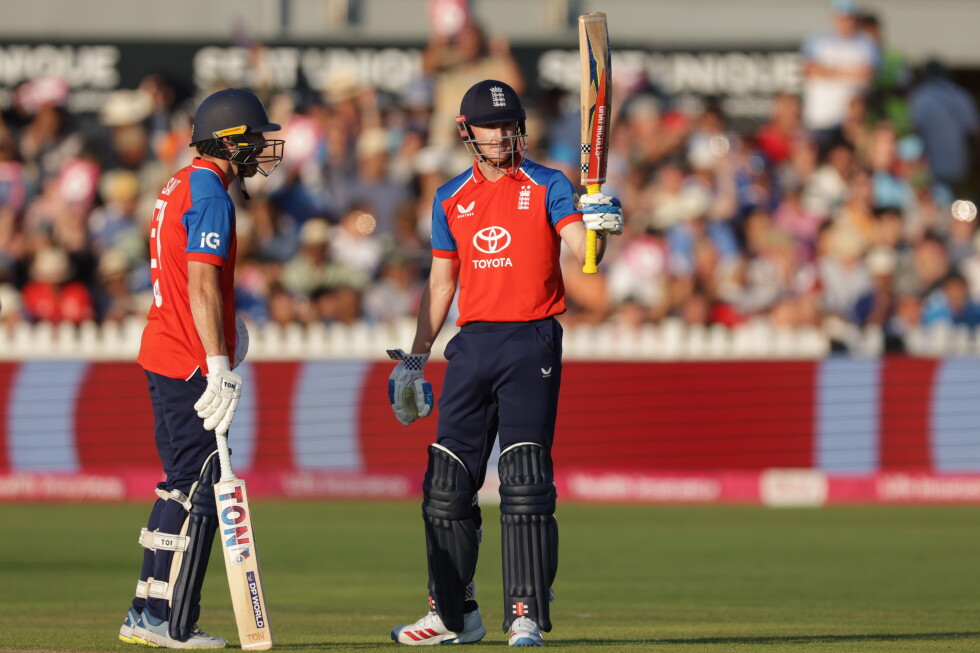
    England’s chase got off to a rocky start, when star wicketkeeper-batter Jos Buttler was caught behind off the bowling of Bhuvneshwar Kumar in the third over, leaving the host at 1 for 13. But a destructive unbroken partnership between opener Phil Salt and stand-in captain Harry Brook turned the match on its head. Brook, standing in for the rested Buttler, delivered a career-defining knock of 79 not out from just 35 balls, decorated with eight fours and four sixes. Salt finished the game unbeaten on 59 from 42 balls, guiding England over the finish line with more than six overs remaining. The win follows two lopsided English victories earlier in the series: in the third T20, England handed India its worst ever T20 defeat by a 125-run margin after bowling India out for only 76, while the second match saw England secure a four-wicket win. That second match marked Sooryavanshi’s international debut, where he became the youngest male player to represent India at 15 years and 99 days, scoring 14 runs off 10 balls. The teenage batter followed that debut with 13 runs in the third match and 15 in Thursday’s game, failing to post a significant score in his first three international outings.

    With the series already decided, only the fifth and final match remains to be played, with India looking to avoid a series whitewash and end its months-long run of poor T20 results.

  • Accused Charlie Kirk shooter confessed, roommate says in video  played in court

    Accused Charlie Kirk shooter confessed, roommate says in video played in court

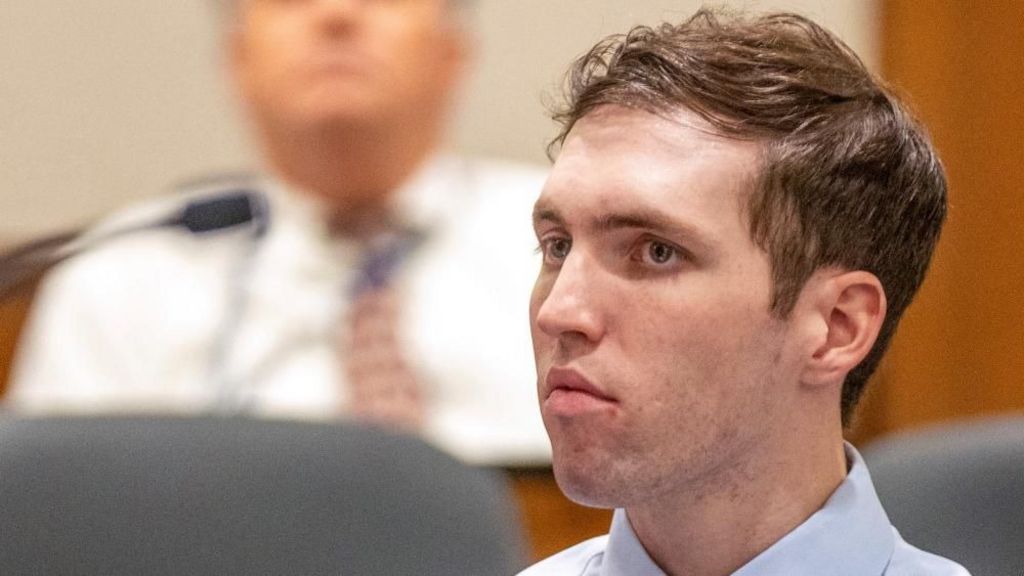
    A Utah preliminary court hearing for the accused killer of high-profile conservative activist Charlie Kirk unfolded dramatic new details Thursday, as prosecutors released recorded testimony from the defendant’s former roommate tying 23-year-old Tyler Robinson directly to the September 2025 shooting. This marked the fourth day of witness testimony in the high-profile capital case, where prosecutors are working to establish probable cause to move the case to a full trial.

    In a pre-recorded investigative interview played for the court, Lance Twiggs — who shared a St. George apartment with Robinson at the time of the killing — outlined a months-long timeline of clues that Robinson had been preparing for an attack, followed by an explicit confession to the crime after the shooting. Twiggs told investigators that in the months before Kirk was killed, Robinson asked to borrow an engraving tool, claiming he planned to etch bullets for a family hunting and camping trip. He also testified that Robinson regularly listened to political talk radio while commuting to his job as an electrician, mostly focusing commentary on former President Donald Trump and new legislative proposals, but that he never once heard Robinson mention Charlie Kirk’s name or discuss LGBTQ issues, the topic the activist often centered in his public speaking.

    On the morning of the shooting, Twiggs said Robinson left the apartment far earlier than his usual routine, departing around 4 a.m. Twiggs assumed he was traveling to a distant work site and thought nothing of it. Hours later, after news broke that Kirk had been fatally shot during a public university event in Orem, over three hours north of St. George, Robinson sent Twiggs a series of startling text messages. He first told Twiggs to stop what he was doing and check underneath his keyboard, then directly admitted to the killing when Twiggs pressed him for clarity. When Twiggs asked why he had carried out the attack, Robinson replied: “I’d had enough of his hatred. Some hate can’t be negotiated out.”

    Twiggs’ testimony also laid bare Robinson’s movements after the shooting. The defendant texted from near the campus, explaining he had stowed his rifle in bushes after changing clothes, and was waiting for an opportunity to retrieve the weapon without being seen by law enforcement. He complained about loud crickets, worried police sniffer dogs would locate the hidden firearm, and noted that a marked police squad car was parked near the drop site, forcing him to wait in his car scrolling social media for over an hour before abandoning the plan to retrieve the weapon. Robinson then told Twiggs he was driving back to their shared apartment from Orem. When Twiggs woke up the next morning, Robinson was already at the apartment, and again confirmed the confession when asked in person. Twiggs testified that Robinson cried, expressed deep regret for the killing, and spent the day distracting himself with routine tasks. Robinson also told his roommate he planned to turn himself in to authorities.

    That account aligns with previous testimony from Utah State Bureau of Investigation agent Brian Davis, who told the court Wednesday that Robinson arrived at the Washington County Sheriff’s Office around 9 p.m. that same day, accompanied by his parents and a family friend, to surrender to law enforcement.

    Portions of Twiggs’ recorded interview and the full set of text messages have been redacted, with some sensitive sections only shown to people inside the courtroom and barred from public release. A days-long legal debate preceded the release of the evidence, with attorneys for media outlets and Kirk’s surviving family, Erika Kirk, arguing for public access, while the defense pushed for tighter restrictions. Judge Tony Graf ultimately ruled that the redacted versions of the evidence could be released publicly.

    Robinson has not yet entered a formal plea in the case. Prosecutors are expected to wrap up presentation of all evidence against him by Friday, after which the judge will rule on whether sufficient probable cause exists to move the case forward to a full jury trial. If convicted, Robinson could face the death penalty. The defense has repeatedly objected to prosecution evidence throughout the preliminary hearing; earlier this week, after the prosecution presented an FBI forensic report linking Robinson’s DNA to a rifle, screwdriver and towel recovered near the crime scene, defense attorneys spent hours cross-examining the forensic analyst to question testing protocols, analytical interpretation and margins of error.