博客

  • UK, France mull social media bans for youth as debate rages

    UK, France mull social media bans for youth as debate rages

    A growing international movement to restrict youth access to social media platforms is gaining momentum across Western nations, with France and the United Kingdom actively considering measures inspired by Australia’s groundbreaking legislation. The Australian model, which prohibits individuals under 16 from accessing major platforms like Instagram, Facebook, TikTok, and YouTube, has ignited a complex global debate about digital protection versus personal freedom.

    This policy shift stems from escalating concerns regarding adolescent mental health deterioration. Prominent advocates, including American psychologist Jonathan Haidt, author of the influential book ‘The Anxious Generation,’ argue that excessive social media exposure is fundamentally rewiring developing brains and creating a mental health crisis. Haidt’s work, which has attracted significant political attention, posits that screen-based interactions are displacing crucial real-world experiences necessary for healthy development.

    However, the scientific community remains deeply divided on implementing blanket bans. Canadian psychologist Candice Odgers and other academics challenge the alarmist narrative, contending that Haidt’s conclusions lack robust scientific validation. This academic disagreement centers on the difficulty of isolating social media’s specific impact amid numerous factors influencing teen wellbeing.

    Research from the University of Queensland’s Michael Noetel suggests that while evidence of harm exists, the effects might be more nuanced than extreme positions indicate. Noetel describes supporting restrictive measures as ‘a bet worth making’ given potential benefits. Conversely, University of Adelaide researcher Ben Singh’s longitudinal study of over 100,000 Australian youth revealed a U-shaped relationship: both heavy usage (over two hours daily) and complete non-use correlated with poorer outcomes, while moderate engagement showed the best results. The study notably found gender differences, with excessive use most harmful for girls and complete deprivation most detrimental for older teenage boys.

    French psychiatrist Serge Tisseron acknowledges social media’s ‘appallingly toxic’ aspects but cautions that outright bans might be technologically circumvented by digitally-native youth while inadvertently relieving parents of supervisory responsibilities. He advocates for more sophisticated, nuanced regulatory approaches rather than polarized all-or-nothing solutions.

    As France debates legislation for under-15s and UK officials consult experts, many researchers suggest observing Australia’s implementation. Cambridge University’s Amy Orben notes that within a year, substantial data will emerge regarding the ban’s effectiveness and any unintended consequences, with Australia’s e-safety commissioner already reporting 4.7 million blocked underage accounts.
  • Blueprint seen as a boon for entire world

    Blueprint seen as a boon for entire world

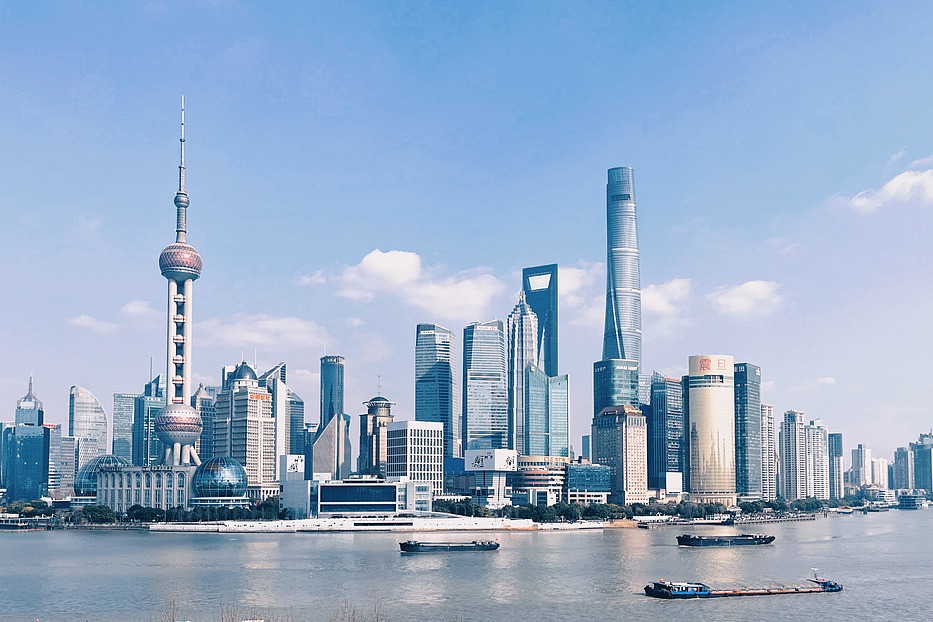
    China’s forthcoming 15th Five-Year Plan (2026-2030) has become a cornerstone of President Xi Jinping’s diplomatic engagements, positioning the development blueprint as a stabilizing force in an increasingly volatile global economy. During multiple high-level meetings with international leaders, including recent discussions with Irish Taoiseach Micheál Martin and newly appointed ambassadors to China, President Xi has consistently emphasized China’s commitment to deepened reforms and elevated opening-up policies.

    The strategic document, adopted during the fourth plenary session of the 20th Central Committee of the Communist Party of China, transcends domestic planning to address global economic challenges. President Xi has articulated that China’s modernization drive will generate substantial opportunities for international partners through enhanced trade cooperation, synchronized development strategies, and mutual prosperity initiatives.

    China’s recent economic performance underscores its global economic influence: maintaining position as the world’s largest trader in goods and second largest in services, attracting over $700 billion in foreign investment, and achieving consistent annual outbound investment growth exceeding 5%. The Belt and Road Initiative has evolved into a comprehensive international public good, establishing itself as a premier platform for global cooperation.

    Analysts highlight that China’s commitment to institutional opening-up arrives at a critical juncture for global economic governance. Zheng Haizhen of the China Institute of International Studies notes that China’s stable development provides crucial certainty amid rising global uncertainties, offering both economic stability and enhanced development governance.

    The Ministry of Commerce confirms that high-standard opening-up represents a strategic response to complex global changes, leveraging China’s substantial economic advantages including a massive consumer market of 1.4 billion people with over 400 million middle-income consumers. Concrete policy measures include streamlined foreign investment negative lists, expanded visa-free arrangements, and comprehensive zero-tariff treatment for least-developed nations.

    International observers recognize China’s approach as transformative rather than merely transactional. Nik Mohammad Nikmal, editor-in-chief of The Kabul Times, characterizes China’s stance as “an anchor of stability” against protectionist trends, while Professor Kong Qingjiang notes China’s evolution toward comprehensive institutional alignment with international economic norms, creating a new development paradigm that benefits global stakeholders.

  • Inequality and unease are rising as elite Davos event opens with pro-business Trump set to attend

    Inequality and unease are rising as elite Davos event opens with pro-business Trump set to attend

    DAVOS, Switzerland — The Alpine resort town of Davos transforms into a global power center this week as nearly 3,000 political leaders, corporate executives, and advocacy figures gather for the World Economic Forum’s annual meeting. This year’s assembly unfolds against a backdrop of profound geopolitical shifts, widening economic disparities, and growing skepticism about institutional leadership.

    U.S. President Donald Trump arrives with the largest American delegation in forum history, accompanied by multiple cabinet secretaries. His presence dominates preliminary discussions, particularly regarding his administration’s unconventional approaches to international relations—including ambitions regarding Greenland’s status, Venezuela’s oil resources, and confrontational tactics with Federal Reserve leadership.

    The forum’s programming director, Mirek Dušek, characterizes this moment as a critical geopolitical transition: “We’re seeing a more competitive, more contested landscape where traditional alliances are being reexamined.”

    Notably absent is forum founder Klaus Schwab, who recently stepped down after 55 years. New leadership from BlackRock’s Larry Fink and Roche’s Andre Hoffman oversees an agenda focused on artificial intelligence’s transformative impact, geo-economic conflicts, and eroding trust in institutions.

    Nvidia CEO Jensen Huang makes his inaugural appearance among 850 corporate leaders, while European Commission President Ursula von der Leyen and Chinese Vice Premier He Lifeng represent key counterweights to American influence on the opening day.

    Two landmark reports underscore the meeting’s context: Oxfam reveals billionaire wealth surged by $2.5 trillion in 2023—enough to eradicate extreme poverty 26 times over—while Edelman’s Trust Barometer documents record highs in trade war fears and institutional distrust across 28 nations.

    As storefronts along the Davos Promenade transform into corporate pavilions for Microsoft, TikTok, and national delegations, protesters gathered under banners reading “No Profit from War” and “World Economic Failure.” Swiss Young Socialists president Mirjam Hostettmann condemned the gathering: “The WEF will never bring peace, but will only fuel escalation.”

  • US futures sink after Trump warns of higher tariffs for 8 countries over Greenland issue

    US futures sink after Trump warns of higher tariffs for 8 countries over Greenland issue

    Financial markets experienced significant turbulence on Monday as U.S. stock futures declined sharply following President Donald Trump’s unexpected threat to impose additional 10% tariffs on imports from eight European nations. The unprecedented move came in response to European opposition to Trump’s aspirations regarding Greenland’s sovereignty.

    The targeted European countries—Denmark, Norway, Sweden, France, Germany, the United Kingdom, the Netherlands, and Finland—issued a strongly worded joint statement condemning the tariff threats as undermining transatlantic relations and potentially triggering a dangerous economic escalation. This represents the most forceful diplomatic rebuke from European allies since Trump’s return to the White House nearly one year ago.

    Market indicators showed substantial losses with S&P 500 futures dropping 0.8% and Dow Jones Industrial Average futures declining 0.7%. According to Stephen Innes of SPI Asset Management, these developments are testing the fundamental strategic alignment and institutional trust that underpin European support, which remains crucial as Europe serves as America’s largest trading partner and primary source of financing.

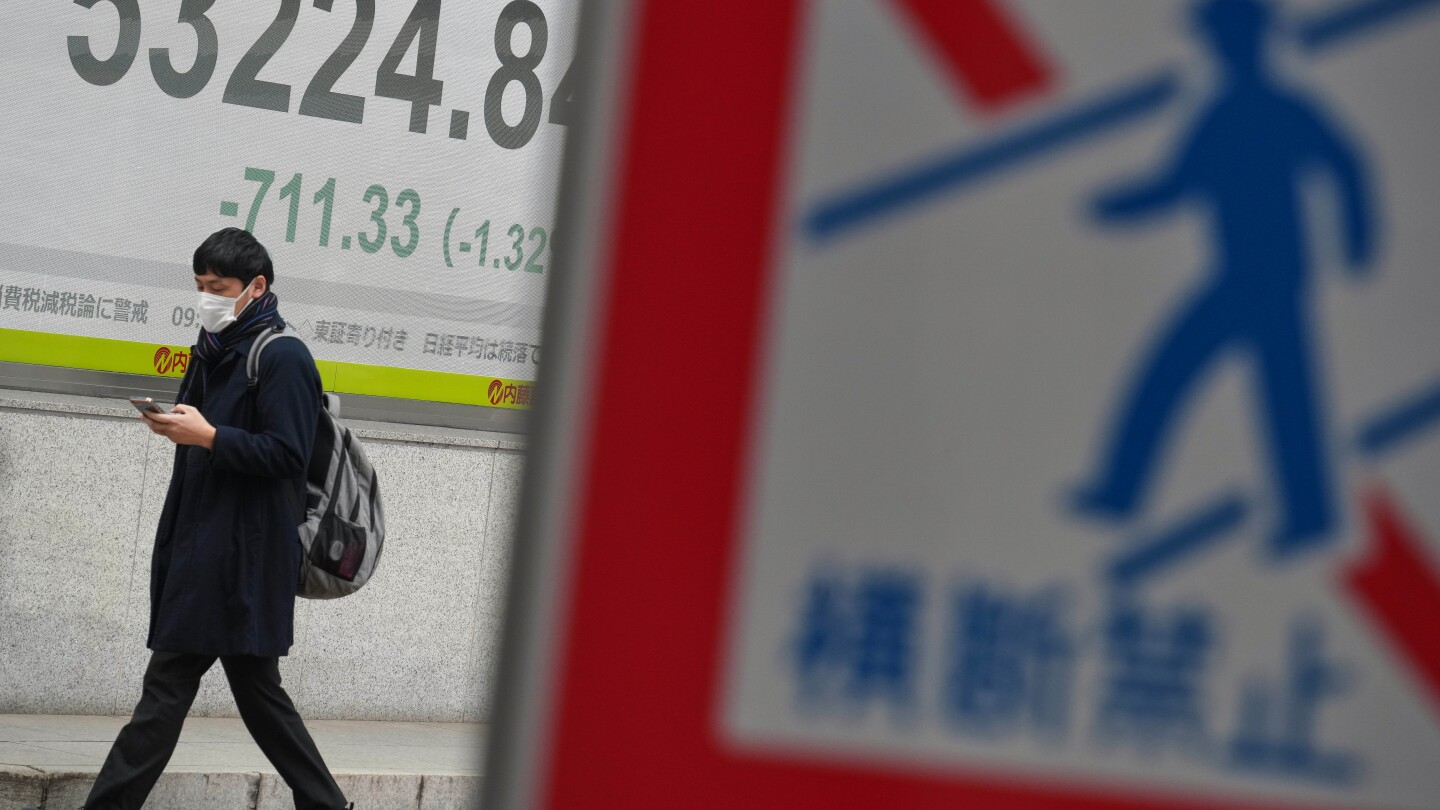
    Asian markets presented a mixed performance amid the global uncertainty. China reported 5% annual economic growth for 2025, though quarter-quarter expansion showed signs of deceleration. Hong Kong’s Hang Seng index declined 0.9% while Shanghai Composite gained 0.3%. Japan’s Nikkei 225 dropped 0.8% amid political developments suggesting potential parliamentary dissolution for snap elections. South Korea’s Kospi notably outperformed with a 1.4% surge to record territory, driven by robust technology sector performance.

    The broader market context reveals ongoing concerns about corporate earnings sustainability, particularly in technology sectors where artificial intelligence-driven valuations face increased scrutiny. This week’s economic calendar includes critical inflation data through the Personal Consumption Expenditures price index—the Federal Reserve’s preferred inflation metric—ahead of the central bank’s upcoming policy meeting where interest rates are expected to remain unchanged amid persistent inflation concerns.

    Commodity markets showed varied movements with crude oil prices experiencing modest declines while precious metals surged significantly, with gold advancing 1.7% and silver jumping 5.2% as investors sought safe-haven assets amidst growing geopolitical tensions.

  • US believes its power matters more than international law, UN chief tells BBC

    US believes its power matters more than international law, UN chief tells BBC

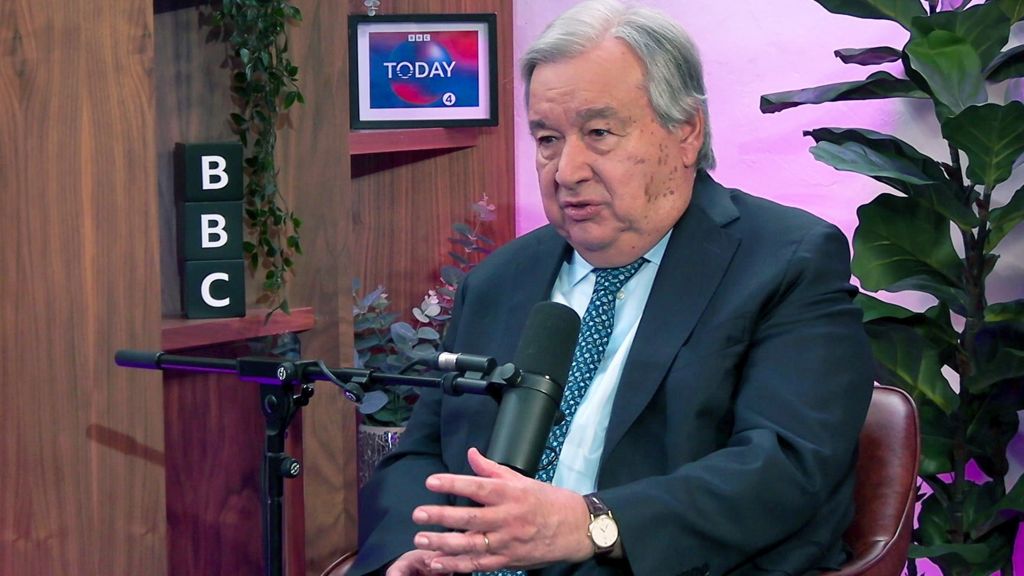
    In a striking critique of American foreign policy, United Nations Secretary-General António Guterres has declared that the United States is operating with impunity while prioritizing its own power over established international legal frameworks. During an exclusive interview with BBC Radio 4’s Today programme, Guterres expressed profound concern that Washington’s “clear conviction” now dismisses multilateral solutions as irrelevant, favoring instead the unilateral “exercise of U.S. power and influence, sometimes at the expense of international law norms.”

    The Secretary-General’s remarks arrive amidst escalating global tensions, including recent U.S. military actions in Venezuela and former President Donald Trump’s repeated threats to annex Greenland. Guterres identified these developments as symptomatic of a broader crisis threatening the foundational UN principle of member state equality.

    Guterres directly addressed Trump’s previous criticisms of the United Nations, acknowledging the organization’s struggle to enforce compliance with the UN Charter among member states. While insisting the UN remains “extremely engaged” in resolving major conflicts, Guterres conceded that the institution lacks leverage compared to powerful nations. He questioned whether this influence is being utilized to achieve lasting solutions or merely temporary fixes to complex international problems.

    The UN leader highlighted urgent need for institutional reform to address “dramatic problems and challenges” facing its 193 member states. He particularly criticized the UN Security Council’s structure, noting its ineffective representation of the modern world and the problematic veto power exercised by permanent members (France, China, Russia, the UK, and US), which has repeatedly obstructed resolutions on conflicts in Ukraine and Gaza.

    Guterres called for compositional changes to the Security Council to “regain legitimacy” and “give voice to the whole world,” including limitations on veto powers to prevent unacceptable “blockages” of international action. He specifically questioned why “three European countries” held permanent seats while other regions remained underrepresented.

    Regarding Gaza, Guterres countered allegations of UN ineffectiveness, explaining that aid distribution was impossible during periods when Israel blocked access to the territory. “Whenever Israel would not allow us to move into Gaza, we couldn’t move into Gaza,” he stated, adding that the UN was prepared to deliver aid “provided we had the conditions.”

    Despite acknowledging a world “brimming with conflict, impunity, inequality and unpredictability,” Guterres maintained an optimistic outlook. He emphasized the necessity of confronting powerful nations to create a better world, even as questions multiply about the decline of multilateralism and some leaders’ failure to defend international law.

  • Record gold price fails to stop ASX 200 from dropping after five-day rally

    Record gold price fails to stop ASX 200 from dropping after five-day rally

    Global financial markets experienced significant turbulence as former President Donald Trump’s unexpected trade policy announcement triggered a flight to safe-haven assets. Gold prices surged to an unprecedented $4,690.59 per ounce, while silver reached $94.12, marking historic highs in precious metal trading.

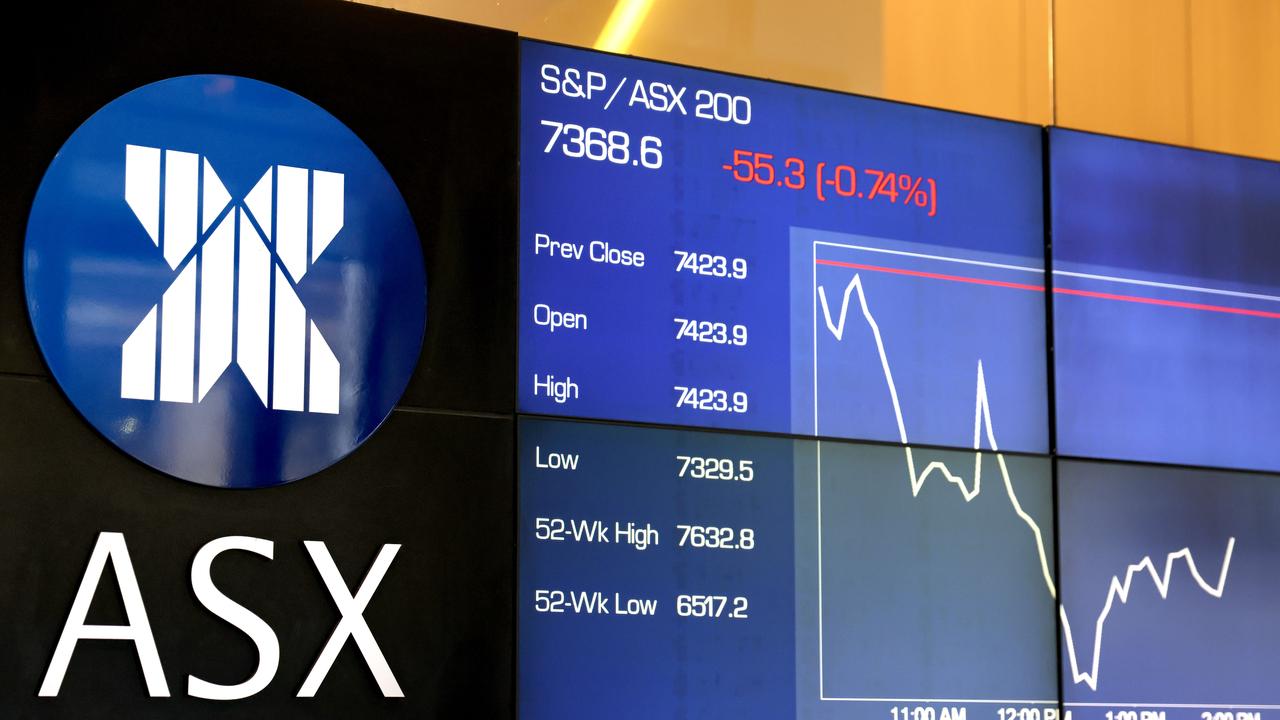
    The Australian sharemarket snapped its five-day winning streak despite the commodity rally, with the benchmark ASX 200 declining 29.40 points (0.33%) to close at 8,874.50. The broader All Ordinaries index similarly fell 31.80 points (0.34%) to 9,194.90. Market analysts attributed the divergence to sector-specific performances, where strengthening commodity prices were offset by substantial declines in technology, consumer discretionary, and financial stocks.

    Trump’s controversial proposal involved imposing 10% export tariffs on eight countries that opposed the United States’ attempted acquisition of Greenland, a largely autonomous Danish territory. This announcement reignited fears of potential trade conflicts between Europe and the United States, prompting investors to seek refuge in traditional safe-haven assets.

    Gold producers emerged as clear market winners, with Northern Star Resources jumping 3.17% to $27.68, Evolution Mining climbing 3.13% to $13.53, and Newmont Corporation adding 1.41% to $171.64. According to eToro market analyst Zavier Wong, “The outlook for precious metals remains positive, particularly for gold and silver. Structural forces are doing much of the heavy lifting, including sustained central bank buying, rising government debt levels and a world that looks increasingly fragmented geopolitically.”

    Technology stocks suffered significant losses, with WiseTech Global slumping 4.40% to $64.07, Xero declining 2.64% to $100.89, and TechnologyOne falling 1.43% to $13.15. Banking shares also retreated, with Commonwealth Bank sliding 0.67% to $153.25, Westpac falling 0.56% to $38.97, NAB slumping 1.05% to $42.22, and ANZ slipping 0.40% to $37.37.

    In corporate developments, A2 Milk shares plummeted 10.64% to $8.40 and entered a trading halt despite no negative financial disclosures. Market speculation suggested investor concerns might be linked to Chinese government data showing declining birth rates. Conversely, City Chic Collective shares jumped 3.57% to $0.14 after reporting $69.2 million in sales revenue for the 26 weeks to December 28. Treasury Wine Estate shares continued their upward trajectory, gaining 0.73% to $5.53 following European billionaire Olivier Goudet increasing his stake to 6.13% of the business.

    The Australian dollar edged higher to 66.96 US cents amid the mixed market performance, reflecting the complex interplay between commodity strength and broader market uncertainties.

  • China’s population falls again as births drop 17% a decade after the 1-child policy ended

    China’s population falls again as births drop 17% a decade after the 1-child policy ended

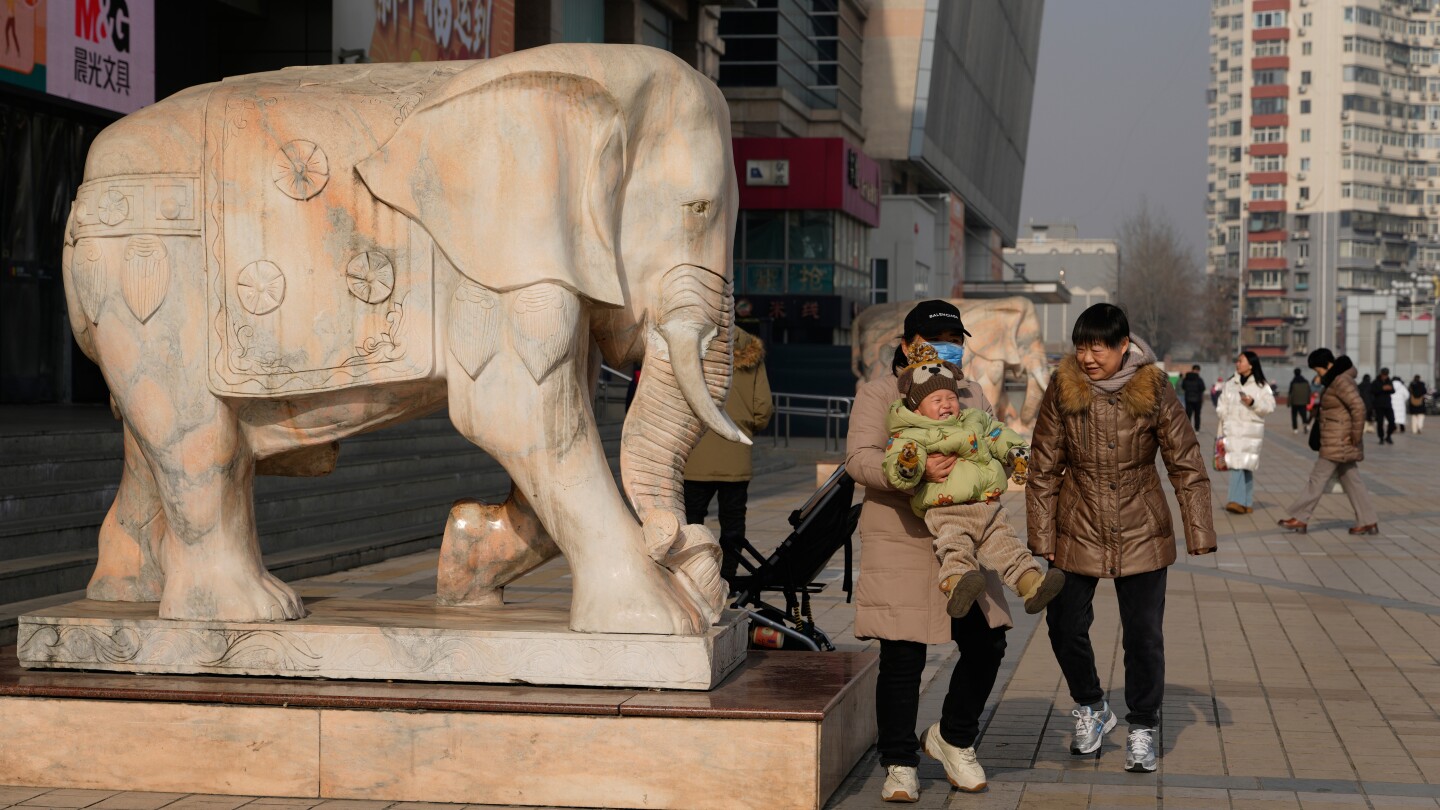
    A decade after dismantling its infamous one-child policy, China confronts an escalating demographic crisis as innovative pronatalist measures fail to reverse the nation’s persistent population decline. Recent statistics reveal China’s populace shrank for the fourth consecutive year in 2025, with the current tally standing at 1.404 billion—a reduction of 3 million from the preceding year.

    The most alarming data emerges from birth figures, which show merely 7.92 million newborns in 2025. This represents a dramatic 17% decrease (1.62 million fewer births) from previous counts, decisively countering the slight resurgence observed in 2024. This continuation of the downward trajectory marks the seventh year of declining births since 2023, when India surpassed China as the world’s most populous nation.

    Demographic experts estimate China’s fertility rate has plummeted to approximately 1.0—far beneath the 2.1 replacement level required for population stability. This critical shortage of new births compounds the nation’s existing demographic pressures, creating an inverted population pyramid with profound implications for future economic stability and social welfare systems.

    Despite implementing creative policy interventions—including direct cash subsidies of 3,600 yuan ($500) per child, tax exemptions for childcare services and matchmaking agencies, and the controversial imposition of a 13% value-added tax on contraceptives—authorities have achieved limited success in altering reproductive behaviors. Surveys indicate most families attribute their reluctance to expand to the exorbitant costs and intense pressures of child-rearing within China’s hyper-competitive society, exacerbated by ongoing economic uncertainties that strain household budgets.

    The government’s approach has evolved through multiple phases: transitioning from the one-child policy to a two-child limit in 2015, then expanding to three children in 2021. However, these incremental relaxations have proven insufficient to counteract deeply entrenched social and economic deterrents to larger families, leaving China grappling with a demographic challenge that threatens to reshape its global standing and domestic future.

  • China’s Buddha artisans carve out a living from dying trade

    China’s Buddha artisans carve out a living from dying trade

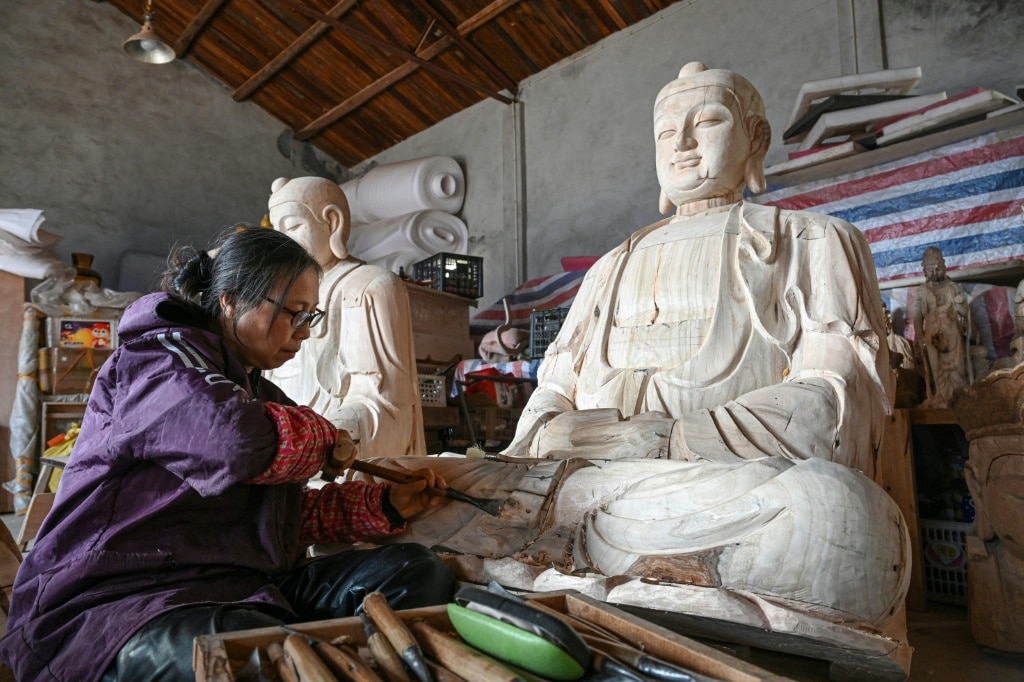
    In the dusty workshops of Chongshan village near Suzhou, a centuries-old tradition of sacred woodcarving stands on the brink of disappearance. Master craftsman Zhang meticulously shapes a block of wood into a divine foot beneath the silent gaze of dozens of unfinished life-sized Buddhist and Taoist statues, continuing a family legacy that spans multiple generations.

    This specialized craft, requiring five to six years of dedicated apprenticeship to master, faces an existential crisis as younger generations reject the demanding profession. Zhang, who learned the intricate art from his father during his teenage years, acknowledges the inevitable: ‘Once our generation retires, there will be no one left to carry on the tradition.’

    The decline stems from a combination of inadequate financial compensation and modern youth’s reluctance to invest the necessary time and energy. The village experienced a temporary resurgence in orders during the late 20th century when China relaxed religious restrictions, leading to a nationwide revival of temple construction and decoration.

    However, the market has now reached saturation point, with most temples across China already furnished with statues. At another workshop, 71-year-old artisan Gu recalls adapting to political pressures during the Cultural Revolution by producing secular handicrafts when religious expression was suppressed. Specializing in carving expressive Buddha heads, Gu demonstrates how each gilded figure conveys unique emotional depth – some smiling, others crying, with renowned monk Ji Gong sculptures even displaying contrasting expressions on each side of the face.

    While outsiders perceive these creators as artists, Zhang maintains a pragmatic perspective: ‘People look at us like we’re artists. But to us, we’re just creating a product.’ This disconnect between cultural significance and economic reality ultimately threatens the survival of one of China’s most spiritually significant artisanal traditions.

  • Libya signs $2.7bn deal to expand Misurata Free Zone, in diversification push

    Libya signs $2.7bn deal to expand Misurata Free Zone, in diversification push

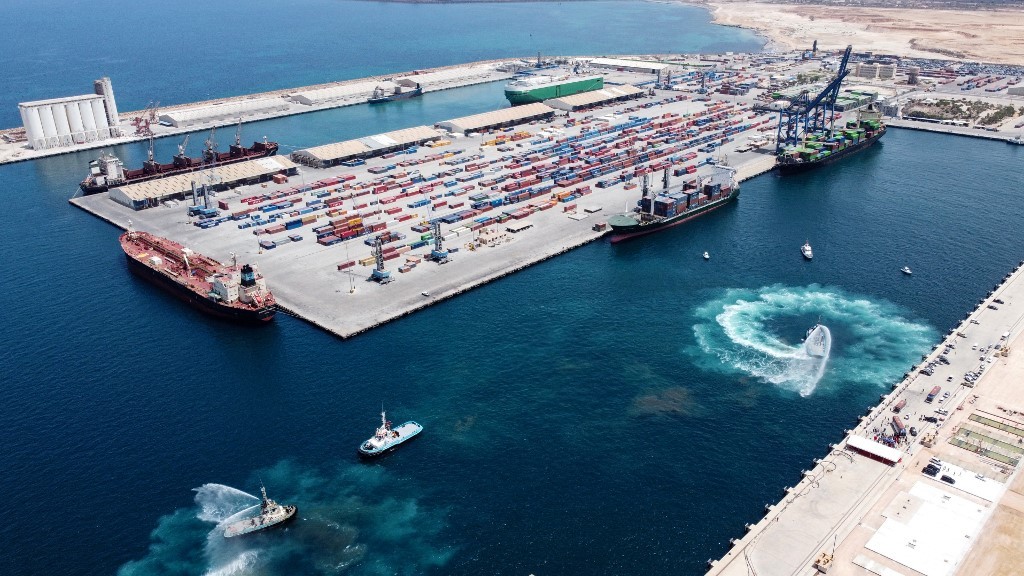
    In a significant economic development, Libya’s Government of National Unity has finalized a landmark strategic partnership with international firms to dramatically expand the Misurata Free Zone. Prime Minister Abdulhamid Dbeibah announced the agreements on Sunday, revealing the project is projected to attract approximately $2.7 billion in foreign investment—a crucial step toward diversifying the nation’s oil-dependent economy.

    The partnership brings together Terminal Investment Limited and Doha-based Maha Capital Partners, combining operational expertise with long-term capital investment. According to government projections, the expanded zone is expected to generate annual operating revenues of around $500 million while transforming the port into a competitive logistics hub connecting Africa, Europe, and the Middle East.

    Prime Minister Dbeibah emphasized the strategic importance of the project in a statement on social media platform X, noting that it “enhances Libya’s position among the region’s largest ports in terms of size and capacity” while relying on “direct foreign investment within a comprehensive international partnership.”

    The expansion represents a conscious effort to reduce Libya’s overwhelming dependence on hydrocarbons, which currently account for more than 95% of economic output. Officials envision the project as a catalyst for broadening the country’s economic base through modernized infrastructure and transformed state assets.

    Substantial employment benefits are anticipated, with the project expected to create approximately 8,400 direct jobs and roughly 60,000 indirect positions. The terminal’s capacity will be increased to handle four million containers annually, up from its current 190-hectare footprint.

    The signing ceremony at the Misurata Free Zone was attended by high-profile figures including Sheikh Mohammed bin Abdulrahman al-Thani and Antonio Tajani. Muhsin Sigutri, the free zone’s chairman, stated that the partnership reflects “Misurata’s determination to build modern, internationally competitive infrastructure that can unlock new industries, support local employment, and strengthen Libya’s position within regional and global supply chains.”

    This development occurs against the backdrop of prolonged instability following the 2011 NATO-backed uprising, which led to rival administrations emerging in eastern and western Libya in 2014, significantly complicating economic recovery efforts.

  • ‘Set the record’: Pauline Hanson claims Trump, Farage ‘followed’ her as One Nation vote surges to 22 per cent

    ‘Set the record’: Pauline Hanson claims Trump, Farage ‘followed’ her as One Nation vote surges to 22 per cent

    In a stunning political realignment, Pauline Hanson’s One Nation party has eclipsed the Coalition in the latest Newspoll, capturing an unprecedented 22% of the primary vote following a seven-point surge over two months. The controversial leader framed this seismic shift as public endorsement of her longstanding nationalist agenda while pointing to recent violent incidents as catalysts for awakening Australian consciousness.

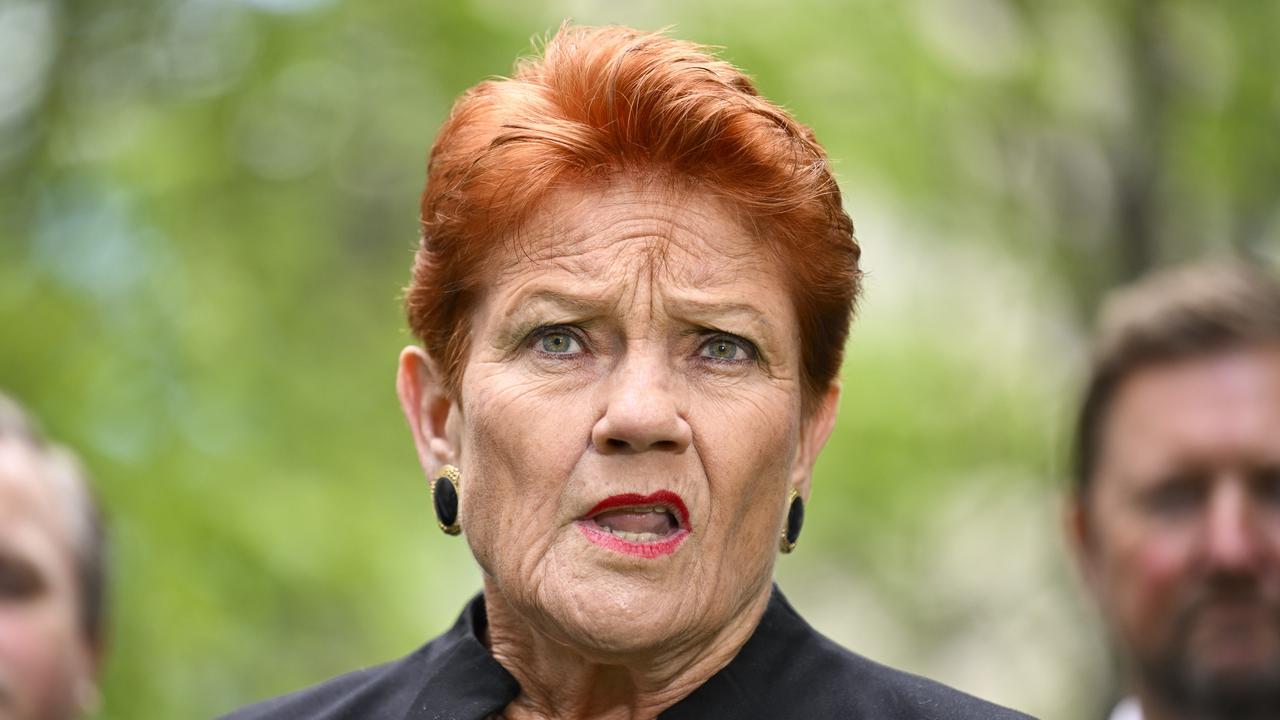
    Addressing media at Parliament House, Senator Hanson positioned herself as the original architect of global right-wing populism, asserting her ideological precedence over figures like Nigel Farage and Donald Trump. ‘I’ve set the record—I stand up for what I believe in and don’t back away from anything,’ she declared, characterizing her consistency as the cornerstone of her appeal.

    The One Nation leader specifically referenced the alleged assassination attempt on American commentator Charlie Kirk and the Bondi Beach terror attack as pivotal moments that galvanized public support. She described these events as ‘wake-up calls’ that exposed systemic failures in national security and immigration policy. ‘Mass migration has been a huge issue for Australians calling out to government,’ Hanson stated, linking housing shortages, job insecurity, and cost-of-living pressures to uncontrolled immigration.

    Her commentary extended to defending her notorious 2017 burqa stunt in Parliament, which resulted in her exclusion from recent Senate condolence proceedings. ‘It wasn’t a stunt—I was standing my ground,’ she insisted, maintaining that the gesture highlighted security concerns about full-face coverings in public spaces.

    The party’s momentum was further amplified by defector Barnaby Joyce, who joined One Nation after fracturing with the Nationals. The former deputy prime minister rejected characterization of the party as radical, asserting ‘It is not radical if it’s the truth.’ Joyce criticized performative political empathy without substantive action, questioning the value of ’empathetic self-aggrandisement.’

    As Liberal Senator Jonathon Duniam acknowledged the polling indicates ‘we’ve got our work cut out for us,’ Hanson revealed ambitions beyond protest politics. ‘You bet I want to form government,’ she stated, confirming active recruitment strategies for Queensland lower house seats while recognizing the formidable challenge of maintaining record polling numbers.