博客

  • Spain train crash survivors describe ‘absolutely terrifying’ scene

    Spain train crash survivors describe ‘absolutely terrifying’ scene

    Passengers aboard a regional commuter service in Andalusia are sharing chilling accounts of survival following a violent rail collision near the southern coast of Spain. The incident occurred shortly after dusk on Sunday along the corridor connecting Málaga and the national capital Madrid, resulting in numerous injuries though miraculously no fatalities.

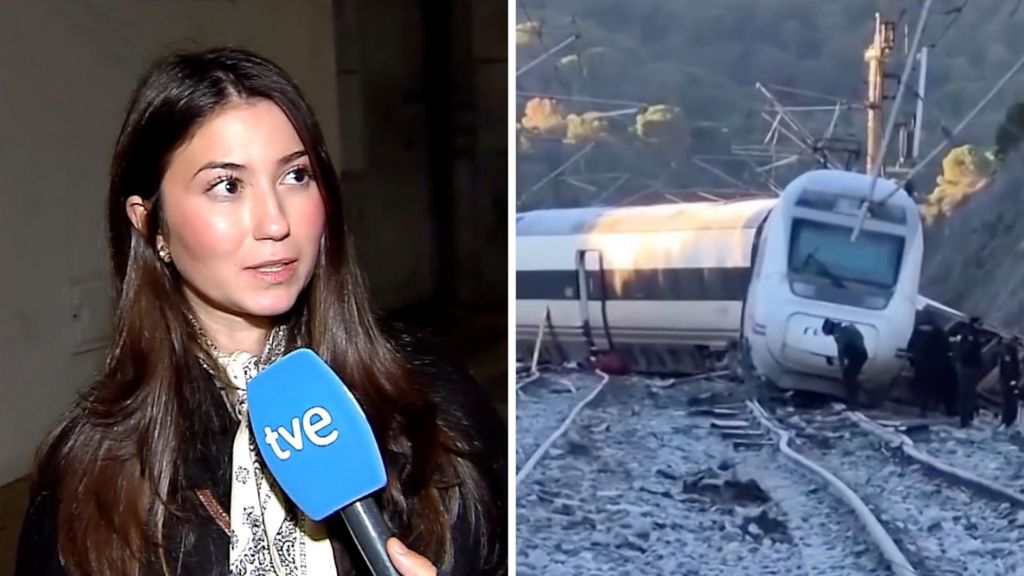
    Eyewitness testimony describes a scene of sudden impact and chaos as the two trains made contact outside Málaga. ‘It was absolutely terrifying—a deafening crash followed by screams and the smell of burning,’ recounted one passenger still shaken hours after the emergency. ‘The carriage jerked violently sideways, and for one horrible moment we thought we might derail completely.’

    Emergency response teams from multiple municipalities mobilized rapidly to the accident site, establishing a coordinated rescue operation that extended well into the night. Medical personnel triaged passengers along the trackside while structural engineers worked to secure the damaged rolling stock. Spanish rail authorities have initiated a full investigation into the circumstances surrounding the collision, with preliminary reports suggesting signaling issues may have contributed to the accident.

    The affected line serves as a critical transportation artery for both local commuters and tourists traveling between Costa del Sol beaches and central Spain. Service disruptions continued through Monday as infrastructure repairs commenced, with alternative transportation arrangements implemented for stranded travelers.
  • Trump says world ‘not secure’ until US has Greenland

    Trump says world ‘not secure’ until US has Greenland

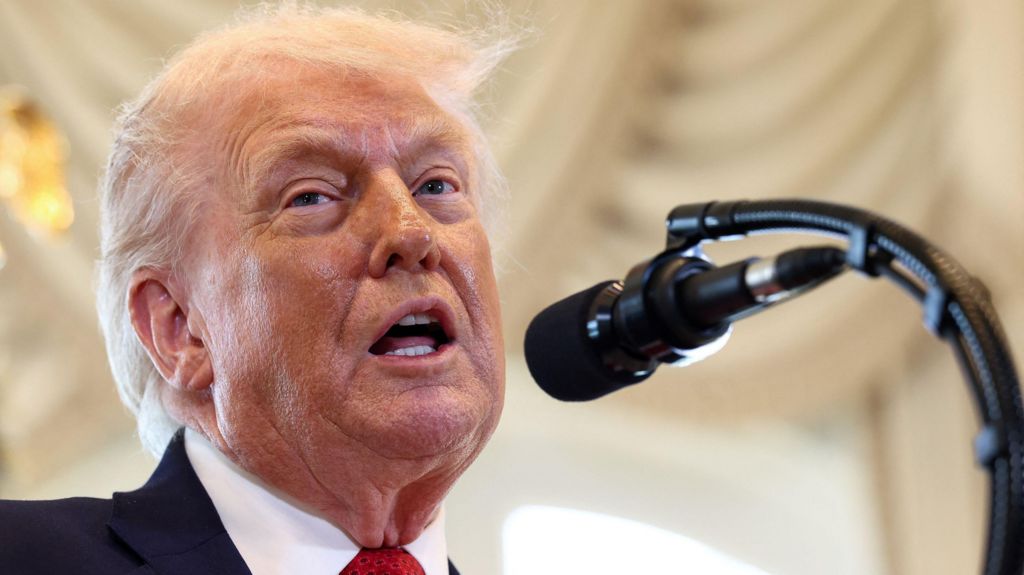
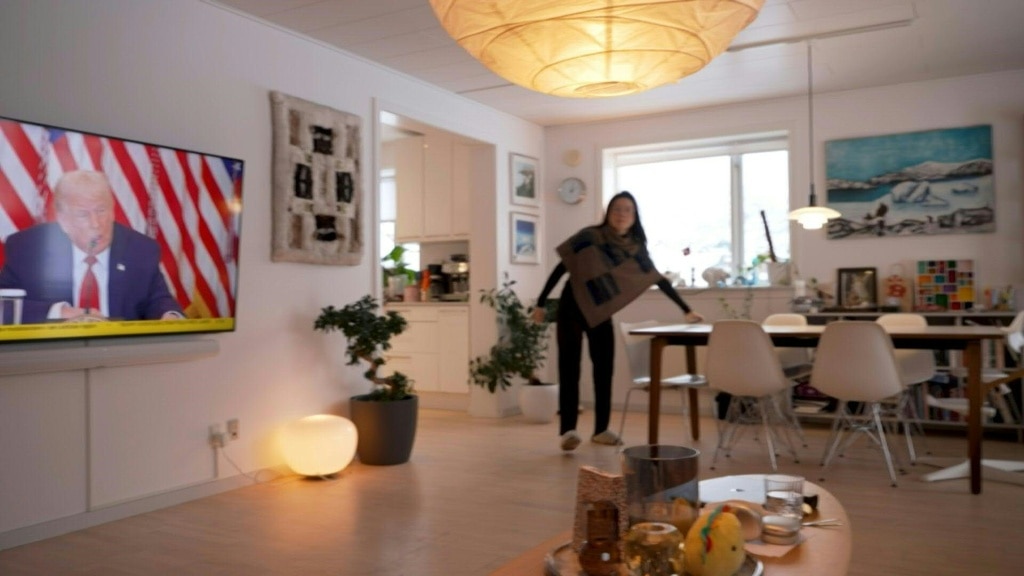
    A severe diplomatic crisis is unfolding across the Atlantic as former U.S. President Donald Trump intensifies his campaign to acquire Greenland, declaring that global security is contingent on Washington exercising ‘Complete and Total Control’ over the vast Arctic territory. The escalating situation has prompted European leaders to close ranks and prepare economic countermeasures against what they condemn as outright ‘blackmail.’

    In a message to Norwegian Prime Minister Jonas Gahr Store, published Monday and authenticated by his office, Trump asserted that the world ‘is not secure unless we have Complete and Total Control of Greenland.’ He further revealed a shift in his geopolitical philosophy, stating, ‘I no longer feel an obligation to think purely of Peace,’ a sentiment he attributed to his failure to win the Nobel Peace Prize. While peace would remain ‘predominant,’ he declared his priority is now ‘what is good and proper for the United States of America.’

    The confrontation deepened over the weekend when Trump threatened to impose a 10 percent tariff—with potential for escalation—on all goods from Denmark, Norway, Sweden, France, Germany, the UK, the Netherlands, and Finland starting February 1, targeting nations opposing his Arctic designs. German Vice Chancellor Lars Klingbeil and French Finance Minister Roland Lescure jointly denounced the tactic as ‘unacceptable blackmail between allies of 250 years.’

    In response, the European Union has called an emergency summit for Thursday to coordinate its strategy. Although the bloc’s stated priority is to ‘engage not escalate,’ it is preparing a three-pronged retaliatory strategy: pausing the current U.S.-EU tariff deal, reinstating suspended EU tariffs on American imports, and deploying legal instruments against ‘economic blackmail.’ The announcement rattled European stock markets as British Prime Minister Keir Starmer warned a ‘trade war is in no one’s interest.’

    On the ground, Greenland’s population of 57,000 is asserting its sovereignty. Prime Minister Jens-Frederik Nielsen stated on Facebook, ‘We will not be pressured… Greenland is a democratic society with the right to make its own decisions.’ In a symbolic rebuke, the island’s dogsled federation disinvited the new U.S. Arctic envoy, Jeff Landry, from its annual race.

    Meanwhile, the strategic justification for the acquisition continues. Trump claims the mineral-rich island is vital for ‘national security,’ arguing that Denmark cannot protect it from rivals like Russia or China—a claim Denmark disputes, noting ongoing efforts with NATO allies to ‘increase military presence and training activity in the Arctic and the North Atlantic.’

  • What to know about the annual World Economic Forum meeting in Davos

    What to know about the annual World Economic Forum meeting in Davos

    DAVOS, Switzerland — The Alpine town of Davos transforms this week into the epicenter of global power and influence as nearly 3,000 distinguished participants from governmental, corporate, and institutional sectors assemble for the World Economic Forum’s 54th annual gathering. This exclusive congregation, set against the pristine snowscapes of eastern Switzerland, represents one of the most significant diplomatic and economic convenings on the international calendar.

    Established in 1971 by visionary economist Klaus Schwab, the forum has evolved dramatically from its origins as a modest gathering of business executives. Today, it addresses an expansive agenda encompassing economic disparity, climate change, technological transformation, and global governance challenges. The 2024 edition features over 200 sessions examining critical issues shaping our collective future.

    The attendee roster reflects unprecedented geopolitical weight, with a record nearly 400 top political leaders including more than 60 heads of state and government. The American delegation commands particular attention, featuring President Donald Trump’s scheduled address alongside key Cabinet members including Secretary of State Marco Rubio and Treasury Secretary Scott Bessent.

    European representation remains robust with French President Emmanuel Macron and European Commission President Ursula von der Leyen, while global perspectives are represented by figures including Syrian President Ahmad al-Sharaa, Canadian Prime Minister Mark Carney, Congolese President Felix Tshisekedi, Chinese Vice Premier He Lifeng, and Ukrainian President Volodymyr Zelenskyy. The assembly further includes 55 finance ministers, 33 foreign ministers, 34 trade ministers, and 11 central bank governors.

    Technology leadership forms another critical pillar of the conference, with NVIDIA’s Jensen Huang, Microsoft’s Satya Nadella, Google DeepMind’s Demis Hassabis, and Mistral AI’s Arthur Mensch contributing to discussions about artificial intelligence’s transformative potential. International institutions are represented by figures including NATO Secretary-General Mark Rutte and WTO Director-General Ngozi Okonjo-Iweala.

    This year’s forum occurs against an exceptionally complex geopolitical backdrop, with Trump’s unconventional approaches to Venezuela, Greenland, and Iran—coupled with aggressive tariff policies—creating unprecedented uncertainty about America’s global role. Simultaneously, artificial intelligence emerges as both tremendous opportunity and existential concern, with business leaders examining efficiency applications while labor advocates warn of employment disruptions and policymakers seek balance between innovation and regulation.

    Under the thematic banner ‘A Spirit of Dialogue,’ organizers have structured conversations around five pillars: cooperation, growth, human investment, innovation, and prosperity building. Despite this ambitious framework, critics maintain that the forum prioritizes discussion over concrete action to address pressing global inequalities and environmental challenges.

  • Trump links Greenland dispute to not getting Nobel Peace Prize

    Trump links Greenland dispute to not getting Nobel Peace Prize

    In a remarkable diplomatic escalation, former US President Donald Trump has issued threats against NATO allies while explicitly linking his foreign policy decisions to his failure to receive the Nobel Peace Prize. The controversy emerged through a text message exchange with Norwegian Prime Minister Jonas Gahr Støre, where Trump declared he no longer feels “obliged to think purely of Peace” after Norway’s Nobel committee awarded the prize to Venezuelan opposition leader María Corina Machado instead of him.

    The message, obtained and verified by major US media outlets, reveals Trump’s renewed insistence on US control of Greenland, which he claims is essential for global security. “The World is not secure unless we have Complete and Total Control of Greenland,” Trump stated in his communication with the Norwegian leader.

    Prime Minister Støre confirmed receiving the message on Sunday in response to a joint communication he had sent with Finland’s president expressing concern over proposed tariff increases related to the Greenland dispute. Støre emphasized that the Norwegian government plays no role in Nobel Prize selections, which are determined by an independent committee.

    Trump has threatened to impose escalating tariffs—starting at 10% in February and potentially rising to 25% by June—on eight NATO allies unless they support his proposed takeover of the strategically significant Arctic territory. The sparsely populated but resource-rich island has become a focal point in Trump’s national security strategy due to its value for early warning systems and regional monitoring.

    The former president has not ruled out military action against a NATO member to acquire Greenland and has questioned Denmark’s historical claim to the territory, suggesting American explorers had equal historical presence. Trump framed his demands within the context of NATO reciprocity, stating, “I have done more for NATO than any other person since its founding, and now, NATO should do something for the United States.”

    International response has been swift, with UK Prime Minister Sir Keir Starmer asserting that Greenland’s status “belongs to the people of Greenland and the Kingdom of Denmark alone” and condemning the use of tariffs against allies as “wrong.” Danish and Greenlandic officials are scheduled to meet with NATO Secretary General Mark Rutte to address the escalating situation.

    The Nobel Foundation has clarified that Peace Prize medals cannot be “passed on or further distributed,” despite Machado’s recent meeting with Trump at the White House where she reportedly gave her medal to him. This development follows Trump’s non-endorsement of Machado after US forces removed Venezuelan president Nicolás Maduro, instead backing Maduro’s vice-president as interim leader.

  • Why did Harry and Meghan leave the Royal family?

    Why did Harry and Meghan leave the Royal family?

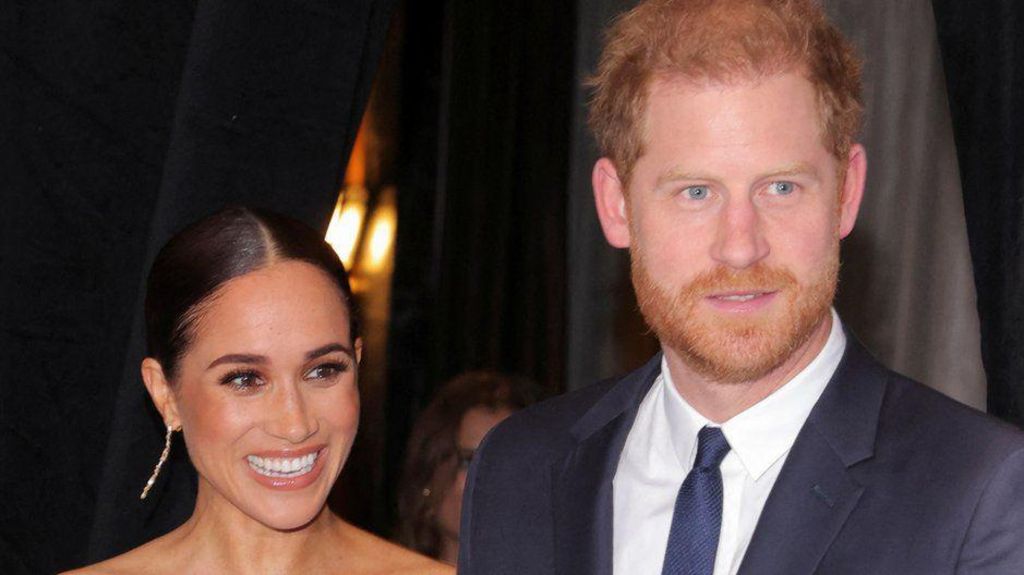
    The Duke of Sussex appeared in London’s High Court on Monday, January 19th, as a key witness in a major legal battle against Associated Newspapers Ltd, publisher of the Daily Mail. The case represents the latest chapter in Harry’s ongoing confrontation with British media over alleged unlawful information gathering practices.

    The legal action, which includes prominent figures such as Sir Elton John, Liz Hurley, and Baroness Doreen Lawrence as co-plaintiffs, accuses the media group of obtaining private information through illicit means. Associated Newspapers has vigorously denied what it characterizes as “preposterous allegations.”

    This court appearance marks another significant moment in the Duke’s transformation from senior royal to independent public figure. Since relocating to California with Meghan, Duchess of Sussex, in June 2020, the couple has established a new life through various commercial ventures and philanthropic initiatives. Their Archewell Foundation has evolved into Archewell Philanthropies, while they maintain lucrative production deals with Netflix and podcast platforms.

    The couple’s departure from royal duties in January 2020 was precipitated by frustrations with media intrusion and restrictions on developing their “SussexRoyal” brand. Though they retained their Duke and Duchess titles, they no longer use the HRH style and were required to vacate their UK residence, Frogmore Cottage, which had been a gift from the late Queen Elizabeth.

    Harry’s relationship with the institution he left remains complex. His recent visits to Britain have included brief meetings with his father, King Charles, including a 45-minute meeting following the monarch’s cancer diagnosis announcement in February 2024. However, the Duke confirmed he does not expect to meet with the King during this current visit for legal proceedings.

    Security concerns continue to shadow Harry’s UK visits. In May 2025, he lost a legal bid to reinstate full police protection while in Britain, prompting him to state that he cannot safely bring his family to the country. Despite this, he has expressed desire for reconciliation with the Royal Family, identifying security arrangements as the primary obstacle.

    The outcome of this case could have significant implications for media practices and privacy rights in the United Kingdom, potentially setting new precedents for how public figures interact with the press.

  • Train tickets for 2026 chunyun go on sale, with 539m trips expected

    Train tickets for 2026 chunyun go on sale, with 539m trips expected

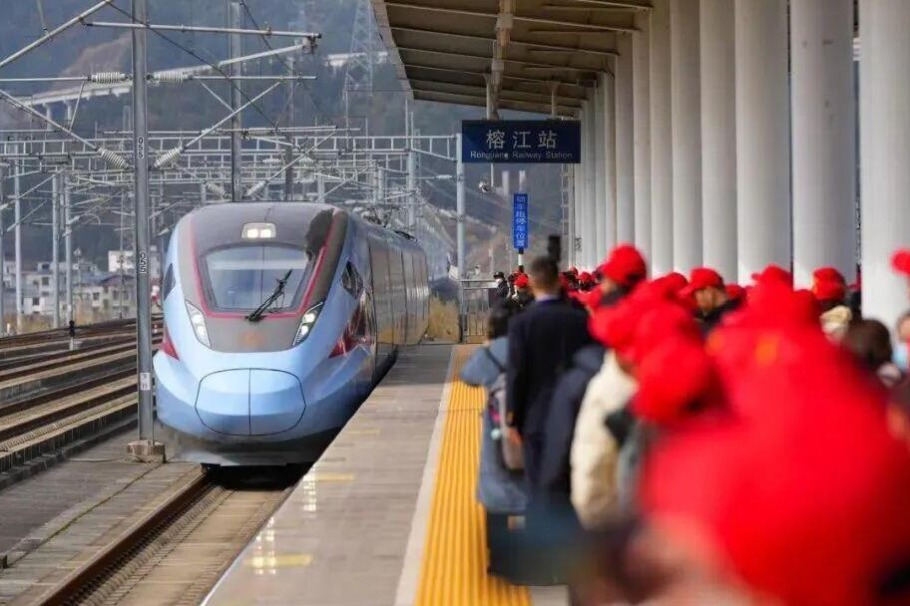
    China’s monumental Spring Festival travel period commenced on Monday with the launch of ticket sales for the 2026 chunyun season, setting the stage for what officials project to be 539 million passenger journeys across the nation’s railway network. The annual migration, recognized as the world’s largest periodic movement of people, will officially span from February 2 to March 13, 2026, according to China State Railway Group Co., Ltd.

    The anticipated volume represents a significant 5% increase compared to the 2025 travel rush, reflecting growing mobility as millions of Chinese citizens working or studying away from their hometowns prepare to reunite with families for the Lunar New Year celebrations. This year’s Spring Festival falls on February 17, creating a concentrated travel window that traditionally tests China’s transportation infrastructure.

    In response to the massive demand, railway authorities have implemented several service enhancements designed to improve the passenger experience. Notable improvements include a limited-time free refund policy for mistakenly purchased tickets, expanded availability of ‘quiet carriage’ options for travelers seeking reduced noise environments, and continued discounted fare programs for student travelers.

    The chunyun phenomenon encapsulates both the cultural significance of family reunion in Chinese tradition and the practical challenges of managing unprecedented passenger volumes. Railway operators have developed sophisticated forecasting models and operational plans to accommodate the surge while maintaining safety and service standards across the world’s most extensively used rail network.

  • Bridging East and West for a cure

    Bridging East and West for a cure

    Hong Kong is strategically advancing its role as an international nexus for the modernization and global integration of Traditional Chinese Medicine (TCM), leveraging its unique position as a bridge between Eastern medical traditions and Western healthcare standards. The movement gains momentum as patients worldwide increasingly seek integrative approaches to healthcare, particularly following the COVID-19 pandemic.

    Case studies demonstrate TCM’s practical benefits: individuals like Chris Li, who experienced persistent long COVID symptoms despite negative test results, found significant relief through TCM treatments tailored to specific symptom patterns. Such successes illustrate the growing recognition of TCM’s complementary advantages alongside Western medical approaches.

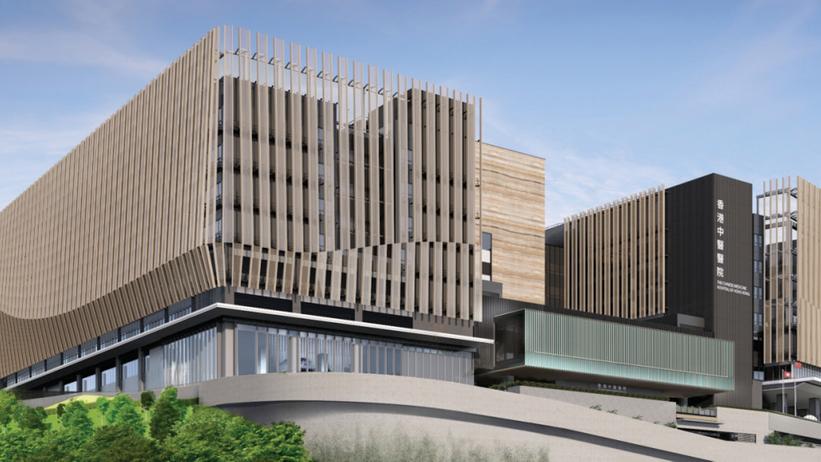
    The Hong Kong Special Administrative Region government has implemented substantial policy measures to support this development. Chief Executive John Lee Ka-chiu’s 2025 Policy Address introduced the Chinese Medicine Hospital of Hong Kong and the permanent Government Chinese Medicines Testing Institute facility, representing over 60,000 square meters of dedicated infrastructure that commenced initial operations last month.

    Concurrently, the government launched the Chinese Medicine Development Blueprint, outlining comprehensive short, medium, and long-term strategies for industry advancement. This document represents Hong Kong’s first dedicated policy framework for TCM development, emphasizing enhanced regulatory standards and global healthcare integration.

    Modernization efforts focus on technological innovation, including AI-driven data analysis for treatment optimization, advanced extraction methods for rare medicinal materials, and digital transformation of traditional practices into evidence-based frameworks. Experts like Shen Qianyi note that modernization encompasses not only technological advancements but also evolving public perception and growing cultural confidence in TCM’s relevance.

    The Greater Bay Area collaboration emerges as a critical catalyst, with streamlined registration processes for Hong Kong and Macao medicines on the mainland and policies encouraging cross-border practice by TCM professionals. Market data reveals the mainland accounts for over 70% of Hong Kong’s proprietary Chinese medicine exports, representing a market exceeding 450 billion yuan ($64.49 billion).

    Despite these advancements, challenges remain in achieving global recognition, particularly regarding differences between TCM’s theoretical frameworks and Western evidence-based medicine standards. Hong Kong’s internationally recognized healthcare standards and new specialized facilities position the city to address these challenges while facilitating TCM’s global dissemination.

  • School bus crash in South Africa kills at least 13 children, police say

    School bus crash in South Africa kills at least 13 children, police say

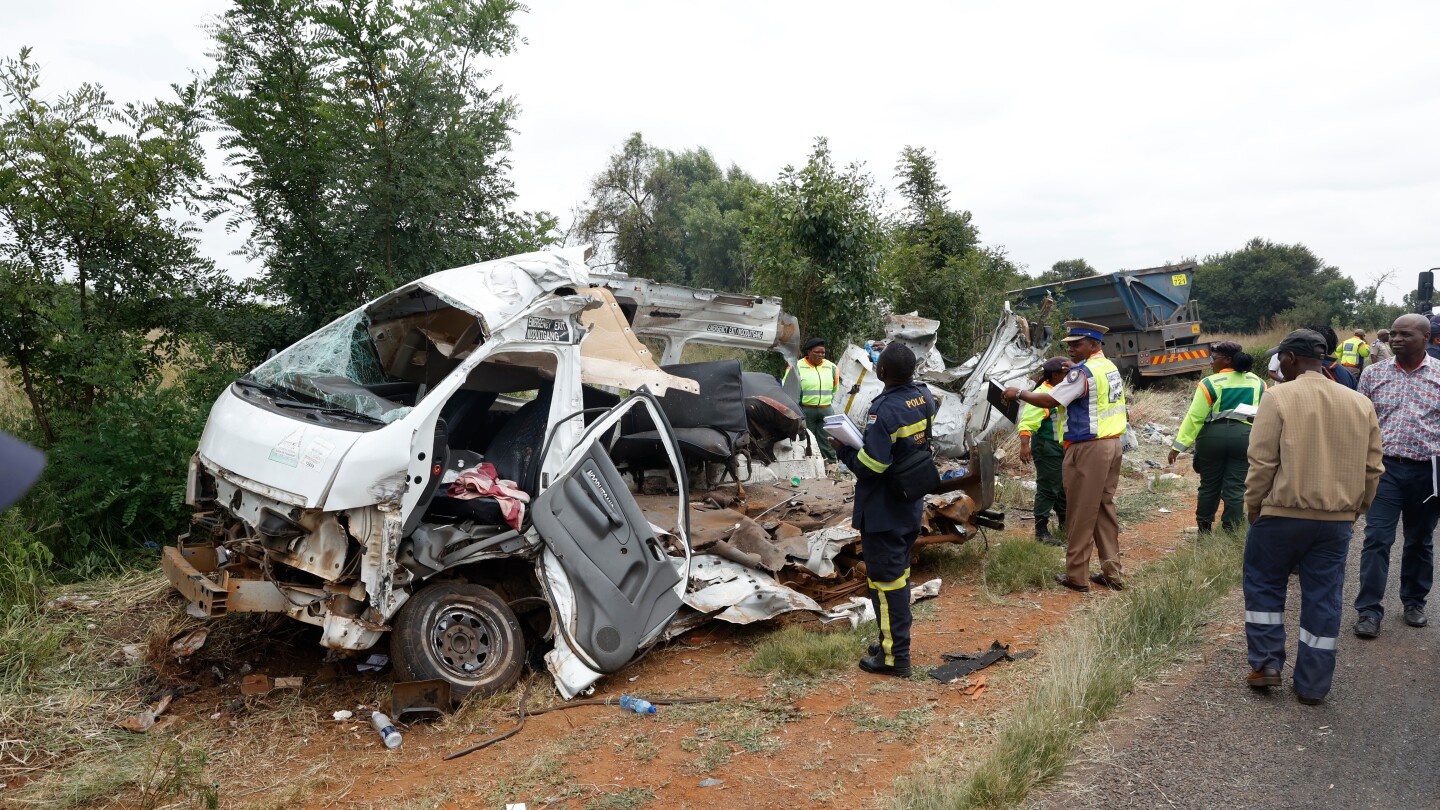
    A devastating head-on collision between a school minibus and a truck in Gauteng province has resulted in the tragic deaths of 13 schoolchildren, marking one of South Africa’s most severe educational transport accidents in recent memory. The catastrophic incident occurred approximately at 7 a.m. on Monday during morning transportation operations in the southwestern region of Johannesburg.

    According to preliminary investigations by emergency response teams, 11 children lost their lives immediately at the accident scene, while two additional students subsequently succumbed to critical injuries after emergency medical transfers to nearby healthcare facilities. The private minibus was actively engaged in transporting students to multiple primary and secondary educational institutions when the collision transpired.

    Eyewitness accounts provided to law enforcement officials indicate the school transport vehicle was attempting to overtake stationary traffic when it directly collided with the oncoming truck. Gauteng Emergency Medical Services coordinated the immediate response, transporting five critically injured patients to Sebokeng Hospital and two others to Kopanong Hospital for specialized trauma care. The minibus driver, who also sustained injuries in the catastrophic impact, remains under medical supervision.

    Provincial Education Department Minister Matome Chiloane confirmed both drivers will face comprehensive investigations, with particular scrutiny directed toward potential reckless operation of the school transport vehicle. Concurrent police investigations are examining all contributing factors to the tragic collision.

    Distressing scenes unfolded at the accident location as grief-stricken parents arrived, with many overcome by emotional devastation. Emergency personnel were observed recovering scattered educational materials and personal belongings from the crash site.

    President Cyril Ramaphosa issued an official statement expressing profound national sorrow, emphasizing that “our children represent the nation’s most precious assets” while calling for enhanced road safety measures and improved transportation standards. The national government has committed to providing comprehensive psychosocial support services to affected families, schools, and communities.

    Basic Education Minister Siviwe Gwarube highlighted concerning patterns in school transport safety, noting that numerous accidents result from driver error while urging the Transportation Department to intensify vehicle roadworthiness verification processes for all educational transport providers.

  • A look at some of Europe’s deadliest train accidents in recent years

    A look at some of Europe’s deadliest train accidents in recent years

    A catastrophic high-speed train derailment in southern Spain has resulted in at least 39 fatalities and over 150 injuries, marking one of Europe’s deadliest rail disasters in recent years. Spanish authorities confirmed the death toll while continuing rescue operations, with concerns that additional victims may be discovered in the wreckage.

    This tragedy has reignited critical discussions about rail safety across Europe, where train travel remains a popular, affordable, and generally reliable transportation method for millions of commuters and tourists. While European Union statistics indicate a downward trend in major railway accidents since 2010, the Spanish incident serves as a stark reminder of the potentially devastating consequences when safety systems fail.

    The accident has prompted rail safety experts to examine historical precedents across the continent. Europe has witnessed several significant rail disasters in the past decades, including:

    – The 2013 Santiago de Compostela derailment in Spain (80 fatalities) caused by excessive speed
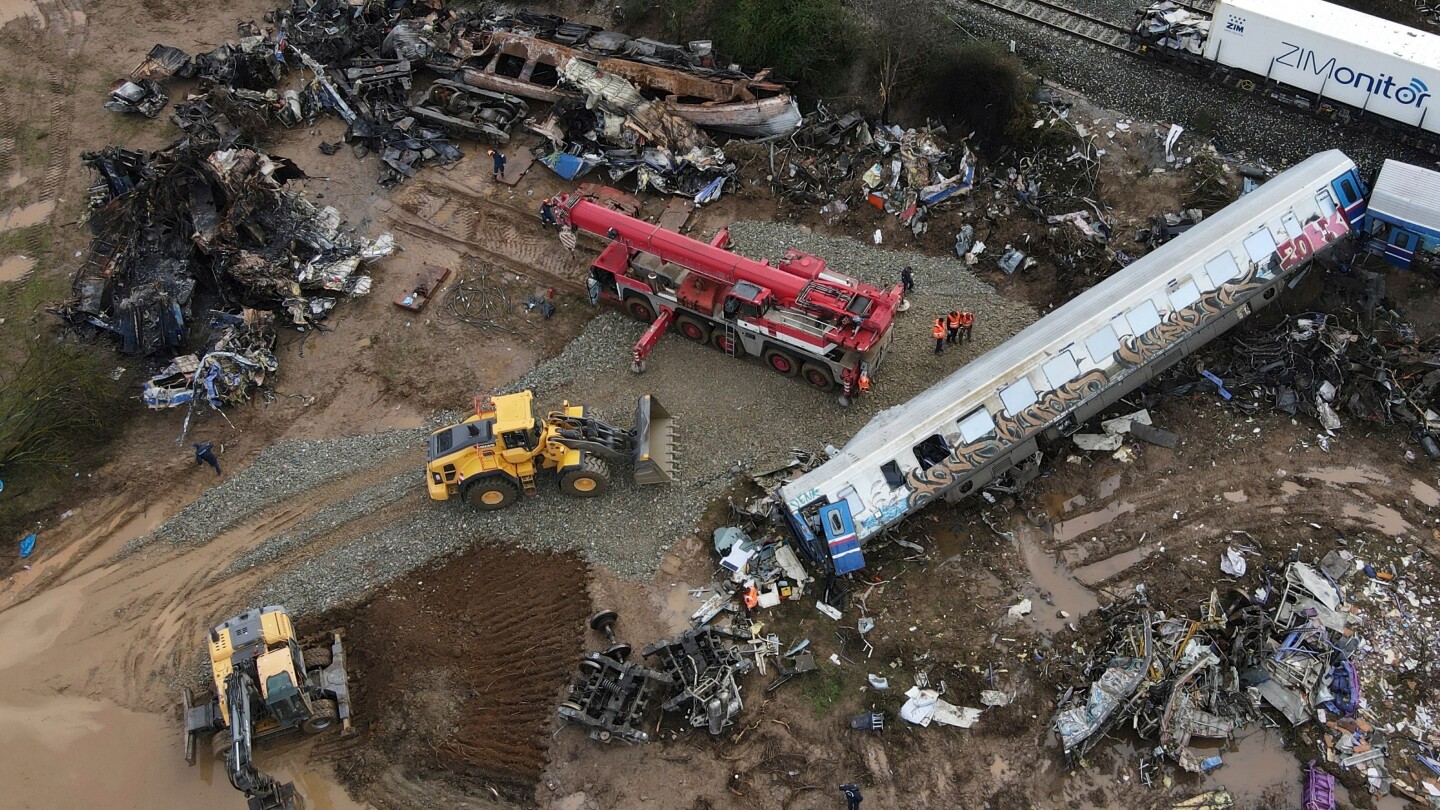
    – The 2023 Greek train collision (57 deaths) attributed to human error and outdated infrastructure
    – Germany’s 1998 Eschede disaster (101 fatalities), the country’s deadliest postwar rail accident
    – The 2006 Valencia subway crash (43 deaths) resulting from safety negligence
    – Belgium’s 2010 rush hour collision (19 fatalities) caused by a signal violation

    These incidents, along with others in Italy, Portugal, and Montenegro, demonstrate recurring themes of human error, infrastructure deficiencies, maintenance failures, and systemic safety shortcomings. The Spanish investigation will likely examine similar factors while the European Transport Safety Council has already called for an urgent review of safety protocols across EU rail networks.

  • What we know about the Spain train crash

    What we know about the Spain train crash

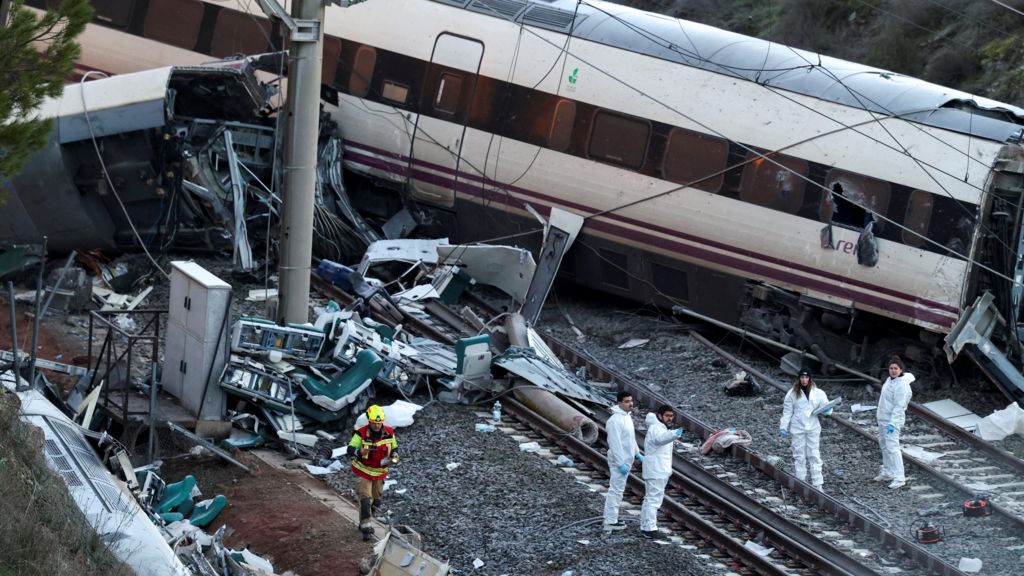
    A catastrophic collision between two high-speed trains in southern Spain has resulted in at least 39 fatalities and left dozens injured, marking the nation’s most severe rail disaster in over ten years. The tragedy unfolded near the city of Córdoba on Sunday evening at approximately 19:45 local time.

    According to Spain’s Transport Minister Óscar Puente, the sequence of events began when one train, operated by Alvia and traveling from Málaga to Madrid, mysteriously derailed. It subsequently veered onto the opposite track, directly colliding with an oncoming Iryo service en route from Madrid to Huelva. The impact forced the second train into a nearby embankment. Minister Puente confirmed that the majority of casualties were concentrated in the front carriages of the Huelva-bound train.

    The precise cause of the initial derailment remains shrouded in uncertainty, prompting officials to characterize the incident as profoundly perplexing. An official investigation has been initiated, though authorities caution that determining the exact circumstances may require at least one month. Minister Puente publicly expressed the government’s bewilderment, noting that consulted railway experts are ‘extremely baffled’ by the unprecedented nature of the accident.

    Rescue operations faced extreme challenges due to the severe structural damage. Francisco Carmona, head of Córdoba’s firefighters, described the grim scene to RTVE, explaining that twisted metal entrapped victims, necessitating complex extraction efforts where responders even had to remove deceased individuals to reach survivors.

    State-owned operator Renfe reported approximately 400 passengers and staff were aboard both trains during the collision. While rescue teams remain on site, it remains unclear whether individuals are still trapped within the wreckage. As of Monday morning, emergency services confirmed 112 people had received medical treatment, with 48 requiring ongoing hospitalization—including five minors and eleven adults in intensive care. The identification process for the 39 victims is ongoing, with officials cautioning that the death toll may not yet be final.