博客

  • Hungary MPs pass constitutional tweak to oust Orban-allied president

    Hungary MPs pass constitutional tweak to oust Orban-allied president

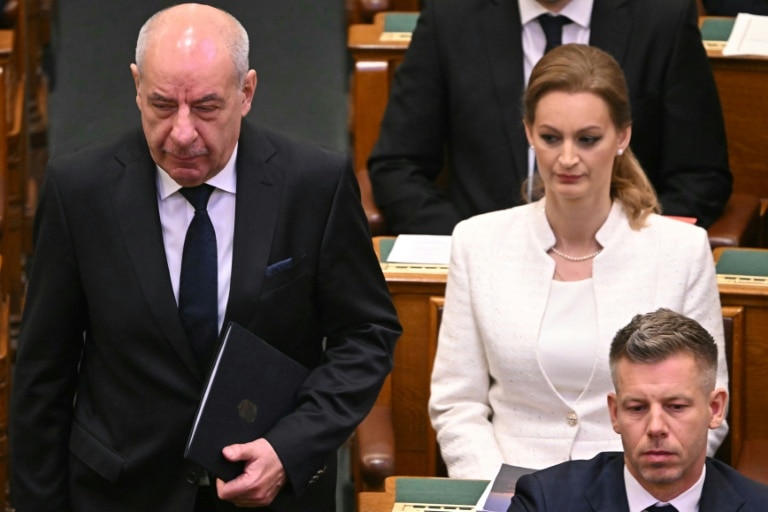
    In a major shakeup of Hungary’s post-Orban political landscape, the country’s national parliament passed a constitutional amendment Monday that clears the way for the removal of President Tamas Sulyok, a close ally of long-serving nationalist former Prime Minister Viktor Orban. The vote comes as new Prime Minister Peter Magyar, who took office after a landslide electoral victory in April, follows through on his core campaign pledge to dismantle the power structure Orban built over 16 years of what he called ‘illiberal’ rule.

    Magyar, who leads the pro-European conservative Tisza party, has repeatedly framed Sulyok as one of Orban’s unelected ‘puppets’ holding onto power from the previous regime, arguing the 70-year-old president is unfit to serve in the new government. Tisza holds a two-thirds supermajority in parliament, giving the party enough votes to unilaterally amend the constitution without support from opposition factions. The final vote saw 139 lawmakers back the amendment and only six vote against it, after which Tisza legislators held a brief 30-second standing ovation to mark the moment.

    Following the vote, Magyar declared that his administration had completed the first major step of dismantling the constitutional framework put in place by the Orban regime. Now, all attention turns to Sulyok, who has five days to either resign voluntarily or sign the amendment into force. Magyar has made clear there is no middle ground: if Sulyok fails to act within the deadline, impeachment proceedings will immediately be launched in parliament. Legal experts note that while the Hungarian presidency carries largely ceremonial duties, Sulyok holds the power to veto legislation and refer bills to the constitutional court — though he cannot block a constitutional amendment. Still, political analysts warn a refusal to step down could trigger a unprecedented constitutional crisis in the central European nation.

    Sulyok has pushed back against the move, accusing Magyar of spreading false information to manipulate public opinion. Orban’s Fidesz party, the long-ruling opposition faction, boycotted the entire parliamentary session to protest the amendment, labeling the 12-point reform package ‘autocratic’ — an accusation that was frequently leveled against Orban during his time in office. In a Facebook post published Monday, Orban, who was out of the country attending the FIFA World Cup in the United States ahead of the vote, warned that setting this precedent puts every public figure at risk: ‘Today they’re targeting the president, but tomorrow they could do the same to anyone.’

    The measure has also drawn criticism from international human rights watchdogs. Amnesty International has argued that Sulyok is guaranteed the right to due process, while Human Rights Watch said the rushed constitutional amendment is eerily reminiscent of the power-grabbing tactics Fidesz employed during its time in government. Yet the move enjoys broad popular support: a May 2025 poll conducted by the 21 Research Center found that 67 percent of Hungarian voters support Sulyok’s removal from office.

    Some domestic legal figures have defended Magyar’s approach, even as they acknowledge the extraordinary nature of the measure. Andras Baka, a former chief justice of Hungary’s Supreme Court, whose own term was cut short by similar legislative action in 2011 after he spoke out against Fidesz’s judicial reforms, told reporters that the tactics are justified if they lead to the establishment of a new, rights-respecting constitutional order. ‘In a country properly governed by the rule of law, such extraordinary measures cannot be used, but Hungary became a captured state under Orban,’ Baka explained.

    Beyond removing Sulyok, the constitutional amendment includes several other sweeping changes. It introduces a 12-year cumulative term limit, capped at three terms, for all members of parliament, a change that will bar multiple high-profile opposition politicians — including senior Fidesz lawmaker Gergely Gulyas, who resigned his post as parliamentary party leader in protest this week, from running for re-election in 2030. The amendment also establishes a new National Asset Recovery and Protection Office, which will be granted broad investigative and enforcement powers to root out the systemic corruption that human rights groups and international observers have described as endemic during Orban’s tenure.

    Magyar reaffirmed his long-term plan after the amendment passed: the government will launch a nationwide public consultation process to draft an entirely new national constitution, one that he says will be built with input from as broad a cross-section of Hungarian society as possible, fulfilling another core campaign promise to break fully with the Orban era.
  • Hungary passes constitutional amendment to remove Orbán-era president

    Hungary passes constitutional amendment to remove Orbán-era president

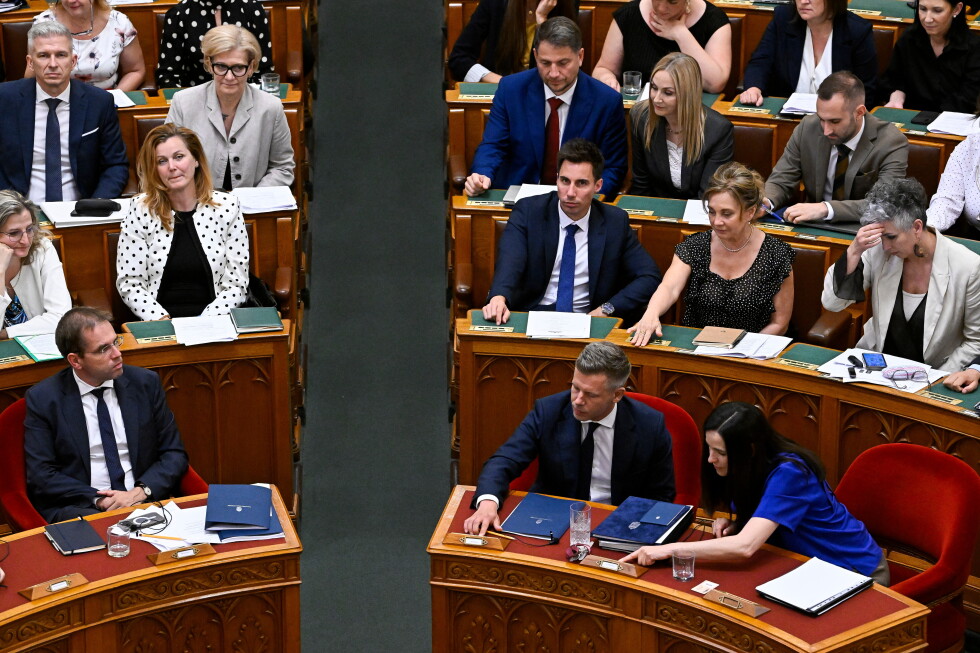
    In a historic parliamentary vote that marks the most significant shift in Hungarian politics in nearly two decades, Hungary’s 199-member national legislature approved a sweeping constitutional amendment on Monday to remove incumbent President Tamás Sulyok from office and advance a slate of political reforms designed to unwind the autocratic political system built by longtime former Prime Minister Viktor Orbán.

    The measure passed with overwhelming support, tallying 139 votes in favor and just six opposed. The outcome was all but guaranteed after current Prime Minister Péter Magyar’s pro-European center-right Tisza party secured a two-thirds parliamentary supermajority in an April landslide election, a mandate that gives the party full power to rewrite the country’s constitution and roll back 16 years of Orbán-era policy. Following the vote announcement, Tisza lawmakers erupted in a standing ovation, while all members of Orbán’s far-right Fidesz party boycotted the entire legislative session in protest.

    Under Hungarian legislative rules, Sulyok — an appointee of the previous Orbán administration — has five days to sign the amendment into law. He has not yet publicly stated whether he will comply with the parliament’s decision, but Tisza leadership has already vowed to initiate impeachment proceedings against the sitting president if he refuses to sign. Magyar has long argued that Sulyok failed to uphold his constitutional duty as head of state by refusing to check Orbán government’s antidemocratic overreach during his tenure. Removing Sulyok was a central campaign promise for Magyar, and the prime minister has framed his party’s landslide election win as a clear voter mandate to follow through on that pledge. Sulyok has repeatedly rejected calls to resign voluntarily.

    In a post-vote press conference, Magyar framed the amendment’s passage as a pivotal turning point for Hungarian democracy. “With this vote today, we have closed an era,” he said, confirming that the new government had formally “started the transformation of the Orbán legal system.” Beyond removing Sulyok — which clears the way for parliament to elect a new head of state aligned with the current government’s agenda — the amendment includes a package of structural reforms: it introduces new judicial oversight, establishes a special anti-corruption body tasked with investigating financial misconduct during the Orbán administration, and imposes a 12-year cumulative term limit for members of parliament.

    Fidesz has decried the amendment as an “unprecedented” attack on Hungary’s democratic foundations. Last week, the party organized a public protest against the changes that drew roughly 3,000 attendees, though Orbán himself did not make an appearance at the rally. On the day of the vote, Orbán shared a provocative post to his Facebook page featuring a photo of Magyar with the ominous subtitle “Democratic Hungary: 1990-2026,” referencing the timeline of Hungary’s post-communist transition. The former prime minister was traveling to the United States on Monday to attend the final three matches of the World Cup, and has made limited public comments on the legislative push since the election.

    While Hungary’s presidency is largely a ceremonial role, the position holds key constitutional powers: the president is responsible for signing all parliamentary legislation into law and can send passed bills to the Constitutional Court for judicial review. Tisza supporters have long raised concerns that Sulyok could use these powers to systematically block the new government’s reform agenda, making his removal a critical early priority for the administration.

    Since taking office in May, Magyar’s government has moved rapidly to dismantle what the prime minister has labeled Orbán’s “mafia state,” removing dozens of political appointees and institutional leaders tied to the previous autocratic regime. The administration has already suspended the news division of Hungary’s public television and radio outlets, which Magyar argues operated as a state-run “propaganda factory” for Fidesz, and permanently closed the country’s controversial Sovereignty Protection Office — a body widely criticized by Orbán’s opponents as a tool to harass government critics and censor independent media.

    Ahead of Monday’s vote, Fidesz caucus leader Gergely Gulyás claimed the amendment “breaks up the legal system, undermines the rule of law and restricts democracy.” Gulyás also announced he would step down from his position as caucus leader, as the new 12-year term limit would bar him from running for re-election in the next national parliamentary vote. Following the vote, Fidesz supporters organized a candlelight vigil outside the parliament building in Budapest to protest what they described as the “tyranny” of Magyar’s incoming reform government.

  • UAE Fifa official ‘solely’ responsible for overturning Balogun ban

    UAE Fifa official ‘solely’ responsible for overturning Balogun ban

    A bombshell report from The Times of London has thrown global football governance into chaos, after revealing that a single Emirati member of FIFA’s disciplinary committee acted alone to overturn a mandatory suspension for United States forward Folarin Balogun in an unprecedented World Cup decision.

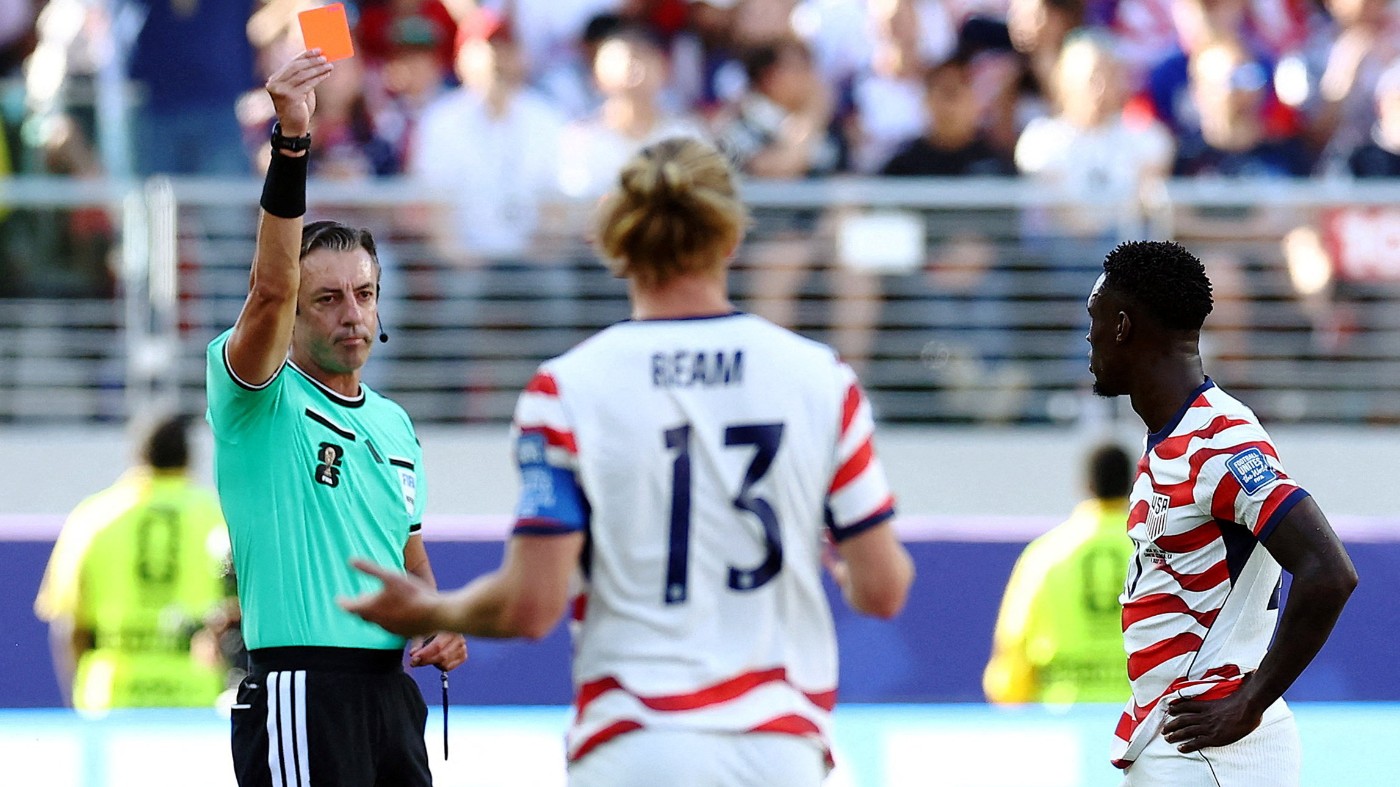
    Balogun was sent off during the United States’ Round of 32 knockout match against Bosnia and Herzegovina, which under standard World Cup rules triggered an automatic one-match suspension that would have forced him to miss the Americans’ next clash against Belgium. But just days after senior U.S. officials – including then-President Donald Trump – reached out to FIFA leadership, the governing body reversed the suspension using Article 27 of its Disciplinary Code, a provision that is almost never invoked to overrule automatic red card penalties.

    Trump later confirmed he had contacted FIFA president Gianni Infantino to request a review of the red card, arguing that the original sending-off was unfair, but denied placing any formal pressure on the global football body to reverse the ban. Contrary to FIFA’s initial statement that the decision was handled by an independent judicial panel, The Times’ reporting confirms that Mohammad al-Kamali, the chairman of FIFA’s disciplinary committee, made the call entirely on his own, without consulting any of the committee’s 17 other members.

    The revelation has sparked new questions about potential conflicts of interest, coming shortly after the U.S. government announced a major loosening of export controls on the United Arab Emirates, a close U.S. diplomatic ally. The relaxed rules open the door for easier exports of sensitive military hardware, commercial satellites, advanced artificial intelligence chips, and unmanned aerial vehicles to the Gulf state.

    Additional reporting from the Financial Times further undercuts claims of collective procedural fairness, revealing that 110 of the disciplinary committee’s most recent published decisions were also issued solely by al-Kamali. Notably, the Balogun decision itself has never been made public, a departure from standard transparency protocols. When contacted by the BBC for comment on the case over the weekend, al-Kamali declined to answer any questions.

    This decision marks the first time an automatic red card suspension has been reversed since the rule was introduced for World Cup play, a break with precedent that has sparked fierce backlash across European football. UEFA, the European governing body for the sport, issued a rare public rebuke, calling the overturn “unprecedented, incomprehensible and unjustifiable.” For his part, Infantino acknowledged that Trump had reached out about the case but maintained that the process was handled independently by competent FIFA bodies.

    Despite the reprieve that allowed Balogun to play against Belgium, the United States ultimately exited the tournament after a lopsided 4-1 defeat to the European side. Many football commentators have noted that the controversial decision appeared to galvanize the Belgian squad, who channeled public anger over the ruling into their dominant on-pitch performance.

  • One person killed in shooting involving federal agents in Maine, official says

    One person killed in shooting involving federal agents in Maine, official says

    A deadly shooting involving U.S. Immigration and Customs Enforcement (ICE) agents has left one person dead in Biddeford, Maine, according to the state’s highest-ranking legislative official. House Speaker Ryan Fecteau confirmed the fatality and the agency’s involvement in a public Facebook post Monday, adding that Maine State Police have secured the incident site and the Federal Bureau of Investigation will lead an independent probe into the circumstances.

    Local law enforcement has described the event as an ongoing active investigation and has declined to publicly confirm the death to date. The BBC has reached out to both the Department of Homeland Security (DHS) and ICE for official comment on the incident, but no statement has been released as of yet.

    Monday’s fatal encounter comes just one week after ICE agents shot and wounded a man during a routine vehicle stop in Texas, where officials later acknowledged the individual was not the target of their enforcement operation. Few concrete details have been made public about the Maine incident, with local police confirming that a formal press briefing will be held to disclose additional information once it is gathered.

    Multiple Maine elected officials have confirmed they are monitoring the situation closely. U.S. Representative Chellie Pingree wrote on social platform X Monday that she had been notified of the fatal shooting and the suspected ICE involvement, noting that her staff is working to obtain full details and will release updates as they become available. Maine Governor Janet Mills also confirmed she has received an official briefing on the incident, acknowledging that “situations like these are frightening and alarming” for local communities.

    The shooting has reignited public and political scrutiny of DHS, the federal agency that oversees ICE, which is currently led by Secretary Markwayne Mullin. Mullin took over the top DHS role in March following the dismissal of former Secretary Kristi Noem. Noem’s ouster came after a series of high-profile fatal encounters involving ICE officers that resulted in the deaths of multiple U.S. citizens, including Alex Pretti and Renee Good.

    Those deaths occurred after the Trump administration announced widespread immigration enforcement surges across Minnesota and other U.S. states. Earlier this year in January, federal officials launched a similar targeted enforcement operation in Maine codenamed Operation Catch of the Day. The operation and broader surge in aggressive enforcement tactics have already drawn legal pushback, with multiple national and local civil rights organizations filing a federal lawsuit against the administration over the practices used by immigration officers during these actions.

  • Watch: Horses evacuated as fire approaches riding centre near Paris

    Watch: Horses evacuated as fire approaches riding centre near Paris

    A massive wildfire of what local officials call ‘exceptional scale’ has burned through Fontainebleau Forest outside Paris for a second consecutive day, forcing emergency responders to evacuate dozens of horses from a nearby equestrian riding centre as advancing flames threaten the facility.

    The iconic Fontainebleau Forest, a popular recreational and ecological site located approximately 50 kilometres southeast of the French capital, has been consumed by the out-of-control blaze, which has already scorched hundreds of hectares of woodland. As of Tuesday local time, fire crews have been working around the clock to contain the spread, but dry conditions and unseasonably warm winds have hampered containment efforts, allowing the fire to expand closer to populated and recreational areas.

    Images and video footage released by emergency services show teams of first responders and equestrian volunteers leading horses away from the at-risk riding centre, moving the animals to safer locations far from the fire line. Local officials have issued warning notices to nearby communities, urging residents to stay alert and follow evacuation orders if issued.

    Officials have stressed that the fire’s size and intensity are unusual for the region at this time of year, linking the extreme fire conditions to ongoing climate change patterns that have increased drought and elevated wildfire risk across much of Western Europe. At the time of this update, no casualties have been reported, but containment efforts are expected to continue for days as crews work to bring the blaze under full control.

  • McCullum says sorry to England fans after being axed as test coach

    McCullum says sorry to England fans after being axed as test coach

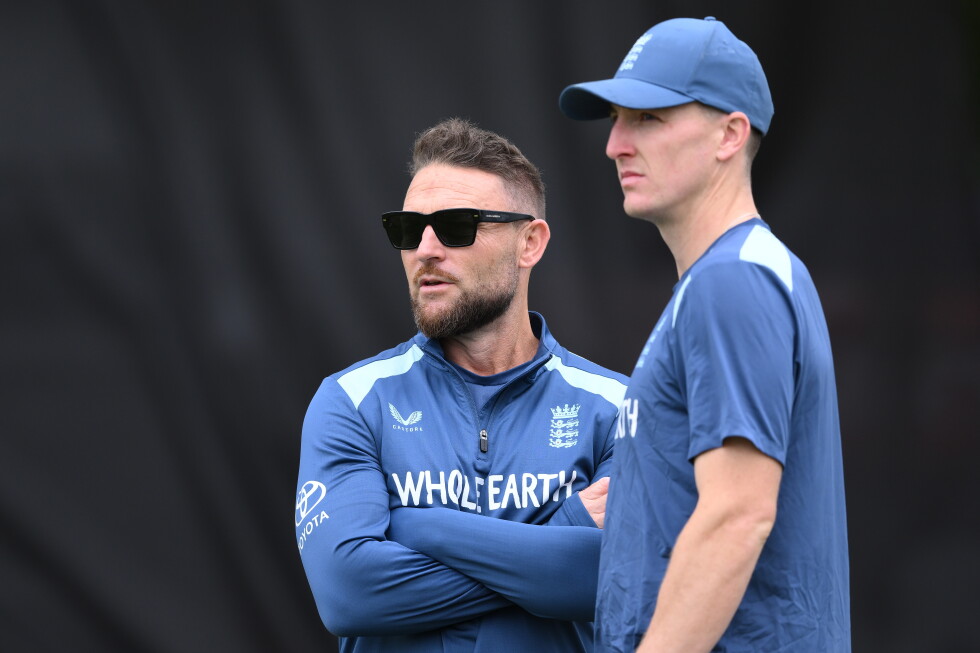
    BIRMINGHAM, England – In a high-profile shakeup to England’s senior men’s cricket setup, former Test team head coach Brendon McCullum has publicly apologized to English cricket supporters after being removed from his red-ball coaching role, while confirming he will retain his position leading the national side’s limited-overs formats.

    The New Zealand-born coach, who revolutionized England’s Test playing style with the high-risk, aggressive approach nicknamed “Bazball” alongside captain Ben Stokes, was relieved of his Test duties on Sunday, just under three years after taking the post in 2022. McCullum pushed back on an earlier statement from the England and Wales Cricket Board (ECB) that implied he stepped down voluntarily, confirming publicly on Monday at Edgbaston that he was dismissed from the role.

    “Yeah, I got a tap on the shoulder,” McCullum told reporters, speaking 24 hours before England was set to kick off a one-day international series against India at the same ground. “I was disappointed but at the same time I fully respect the decision. We’re in a results business and fundamentally our results weren’t good enough. It’s time for someone else to have a go.”

    McCullum’s tenure as Test coach got off to a historic, explosive start: his aggressive batting philosophy re-energized global interest in the five-day format, and England notched 10 wins in his first 11 matches at the helm, bringing immediate acclaim to both McCullum and Stokes. For two years, Bazball was hailed as a game-changing shift that injected new life into stagnant Test cricket.

    However, as key veteran players retired from the international side, results declined sharply over the final stretch of McCullum’s tenure. England dropped seven of its last nine Test matches, including a 2-1 series defeat to New Zealand last month – the result that directly led to Ben Stokes’ surprise retirement from Test cricket. Beyond the late losing streak, McCullum’s side never managed to secure a win in major flagship series against the world’s top two ranked sides, Australia and India: England drew both home series 2-2, and lost on the road against both nations.

    As the figurehead leading the team’s strategy and culture, McCullum said he takes full responsibility for the underwhelming results, and issued a direct apology to fans. “We just weren’t quite able to win those big series, against India and Australia. For that I guess I can only say sorry,” he said. “I was the leader of that group. I was in charge of the team culturally, in charge of the team tactically, in charge of the team results-wise as well. I’ve been around this game for 20-odd years and I know if you aren’t getting the results someone else needs an opportunity. I put my hand up for that and accept it wasn’t good enough.”

    McCullum noted there was a poetic symmetry to the timing of his exit, coming less than two weeks after Stokes’ emotional farewell from Test cricket at Trent Bridge. He shared that he had received warm messages from his former captain, framing their joint departure as a fitting end to their partnership that redefined English Test cricket. “I got some nice messages from Stokesy,” he said. “I guess, in a romantic kind of way there’s something about Stokesy and me going out together. We started it together and we go out together, and I have no problem with that.”

  • Peter Nygard found guilty in Montreal sexual assault case – reports

    Peter Nygard found guilty in Montreal sexual assault case – reports

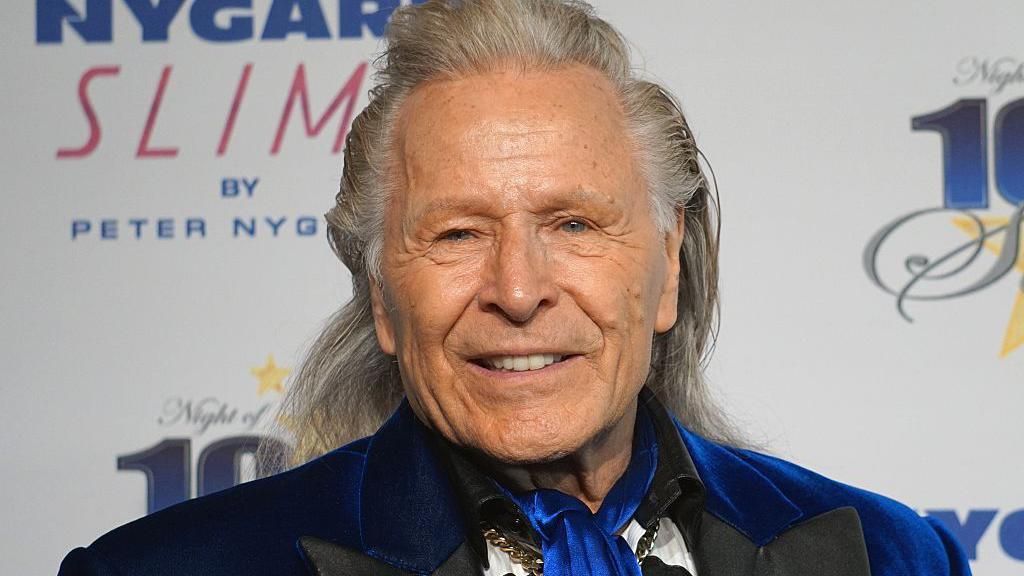
    One of Canada’s most high-profile former fashion industry leaders has received another major guilty verdict in a long-running series of sexual assault cases that have spanned decades and two countries. On Monday, 84-year-old Peter Nygard, once the head of global apparel giant Nygard International, was found guilty of sexual assault and forcible confinement by a Montreal judge, in a case connected to alleged crimes committed in the city during the 1990s, Canadian national media has confirmed.

    The conviction marked an unexpected turn in the proceedings: Nygard’s legal team confirmed he would not present any defensive evidence on the first day of the scheduled 10-day trial. The charges against Nygard in this Quebec case were originally laid by provincial prosecutors back in 2022.

    This is not the first conviction the 84-year-old has faced in recent years. In 2024, he was sentenced to 11 years in federal prison after being found guilty of sexually assaulting four different women in Toronto between the late 1980s and 2005. Earlier this year, Ontario’s appellate court rejected his attempt to overturn that conviction, leaving the original sentence intact.

    Nygard’s legal history also includes other unresolved or dismissed charges: last year, a judge in Winnipeg, Manitoba stayed additional historical sexual assault charges connected to Nygard, ruling that police failures to preserve older investigative records violated his constitutional right to a fair trial. The BBC has reached out to Nygard’s current legal representation for additional comment on the new Montreal conviction, but has not yet received a response.

    The allegations against Nygard stretch back decades, with prosecutors and accusers claiming the former mogul used his substantial wealth, industry influence, and corporate power to carry out a systematic pattern of sexual assault and sex trafficking of women across both Canada and the United States during his tenure leading Nygard International. The corporate empire collapsed in 2020: just weeks after U.S. law enforcement raided the company’s New York headquarters, Nygard stepped down as board chairman, and the firm filed for bankruptcy shortly after.

    Once all current Canadian legal proceedings against Nygard are finalized, U.S. authorities have confirmed they intend to extradite him to face additional charges south of the border. American prosecutors allege Nygard engaged in a 30-year pattern of criminal sexual misconduct that victimized at least 12 people across multiple countries. According to Canadian public broadcaster Radio-Canada, Nygard’s lawyer confirmed Monday that the former fashion executive plans to petition Canada’s justice minister to block the extradition request, citing his advanced age and declining health as core justifications for the request. Nygard has repeatedly denied every allegation brought against him since the investigations first began.

  • Erdogan gifts Trump gold-plated revolver during Nato summit

    Erdogan gifts Trump gold-plated revolver during Nato summit

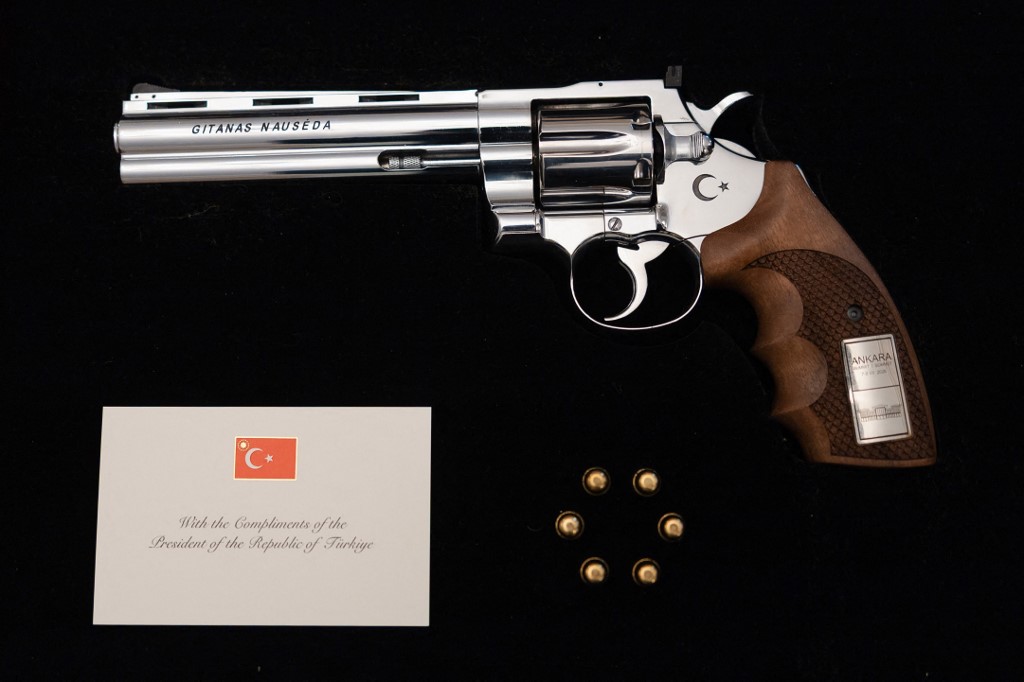
    Multiple sources with direct knowledge of the exchange have confirmed to independent outlet Middle East Eye that Turkish President Recep Tayyip Erdogan presented former U.S. President Donald Trump with a one-of-a-kind gold-plated personalized revolver during Trump’s attendance at last week’s NATO summit held in Ankara.

    While Erdogan extended similar customized Turkish-made revolvers to every NATO head of state in attendance at the gathering, Trump’s firearm is the only one confirmed to feature the special gold finish, the sources add. The weapon matches the specifications of the Gumusay .357 Magnum, the first domestically produced revolver manufactured in Turkey, and arrived housed in a polished wooden case emblazoned with both the Turkish national flag and the official NATO emblem. An inscribed placard inside the case explicitly labels the gun as “the first revolver-type handgun produced in our country.” The only modification made to Trump’s version, insiders note, is the gold plating applied to the revolver’s grip. As of press time, the White House has not issued any comment in response to Middle East Eye’s requests for clarification about the gift.

    This high-profile gift exchange unfolds against a backdrop of steadily warming bilateral ties between the Erdogan administration and Trump’s White House. A senior U.S. official recently characterized the personal dynamic between the two leaders as marked by “special chemistry,” a rapport that has paved the way for deeper cooperation between Washington and Ankara.

    In the coming months, the Trump administration is widely expected to roll back economic sanctions imposed on Turkey under the Countering America’s Adversaries Through Sanctions Act (CAATSA). Those penalties were levied in 2019 after Ankara purchased Russia’s advanced S-400 air defense missile system, a deal that sparked months of friction between the NATO ally and the United States. To resolve the long-running dispute permanently, Trump is also preparing to move forward with an agreement that would see Turkey transfer or sell the S-400 system to a third-party Gulf state, with the United Arab Emirates emerging as the leading candidate for the purchase.

    The diplomatic push aligns with both warming U.S.-Turkey relations and Ankara’s broader strategic goal of expanding Turkish defense exports as a core pillar of its foreign policy. Data from the Geneva-based Small Arms Survey, cited by Reuters, shows that between 2019 and 2024, Turkey ranked as the world’s third-largest exporter of small arms globally, trailing only the United States and Italy, with total exports reaching roughly $3 billion over the five-year period.

    Under existing U.S. federal ethics regulations, any gift from a foreign government valued at more than $525 automatically becomes property of the U.S. federal government, unless the recipient pays the government the full appraised value of the item to retain it. This means Trump will either be required to turn the custom revolver over to federal authorities or cover its assessed cost if he wishes to keep the unique gift in his personal possession.

    The gold-plated revolver has drawn extra public interest due to Trump’s widely documented preference for gold-colored finishes and luxury decor. During his first term in office, Trump oversaw a high-profile renovation of the Oval Office that incorporated multiple gold-toned ornamental and decorative elements. This is also not the first time a foreign leader has gifted Trump a gold-plated firearm: in 2019, then-Czech Prime Minister Andrej Babis presented Trump with a limited-edition gold-plated CZ 75 pistol engraved with the year of Trump’s birth.

  • Roaming charges scrapped and faster airport checks in UK-Switzerland deal

    Roaming charges scrapped and faster airport checks in UK-Switzerland deal

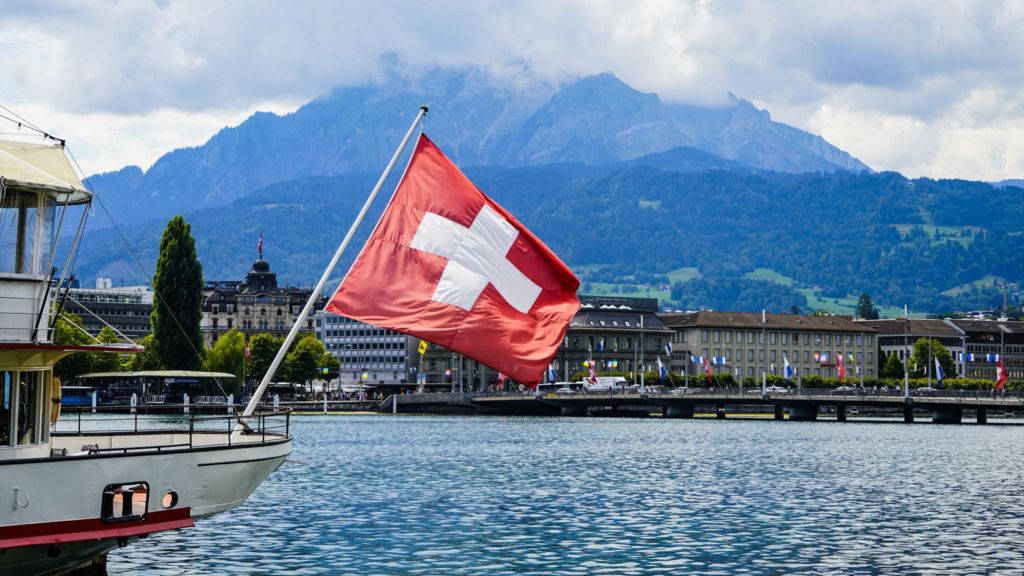
    The United Kingdom has locked in a landmark new bilateral trade agreement with Switzerland that delivers sweeping improvements for British business professionals and leisure travelers, while cementing deeper economic ties between the two nations after Brexit. This deal, labeled by UK Trade Secretary Peter Kyle as the most consequential services trade agreement the country has ever negotiated, brings a series of tangible benefits that touch both everyday travel and long-term commercial growth.

    One of the most immediate changes for UK travelers will be streamlined airport processing: starting as early as the end of 2026, holders of British passports will gain access to automated e-gates at Zurich Airport, with Basel and Geneva airports expected to confirm their own rollout timelines in the near future. Swiss travelers have already been able to use e-gates at UK airports for some time, making this change a reciprocal upgrade that cuts wait times for visitors. In addition to faster border clearance, the deal permanently eliminates mobile roaming charges for tourists and business travelers moving between the two countries, ending unexpected extra costs that plagued cross-border trips in previous years.

    For businesses and professional services providers, the agreement locks in long-term certainty that previous temporary arrangements did not offer. A prior services mobility framework that allowed providers to work for up to 90 days in each country without a work permit was scheduled to expire in 2029, but the new deal makes this arrangement permanent. UK employees transferring to Swiss offices will also be able to work in the country for up to five years without undergoing strict economic needs testing, a regulatory change that is expected to benefit a wide range of professional sectors including law, accounting, and architecture, according to UK government officials.

    On the macroeconomic front, the UK government projects that the new deal will boost annual British exports to Switzerland by £5.2 billion in the long term. Switzerland already stands as the UK’s sixth-largest export market for services, with total bilateral services trade hitting more than £30 billion in 2025. Roughly 800,000 British nationals travel to Switzerland for leisure and business each year, meaning a large share of travelers will directly benefit from the deal’s travel-focused reforms.

    Officials emphasize that the new e-gate arrangement for UK travelers in Switzerland is independent of Switzerland’s alignment with the European Union’s upcoming Entry/Exit System (EES), a separate border reform that will also grant UK citizens access to EU e-gates. In a related development, UK Transport Secretary Heidi Alexander held talks with European Commissioner for Sustainable Transport and Tourism Apostolos Tzitzikostas this week to coordinate on the rollout of the EU’s EES ahead of the busy 2026 summer travel season. The two sides agreed to work closely together to ensure border checks run as smoothly as possible for travelers during the peak period.

    The new Switzerland agreement marks the latest in a series of independent trade deals struck by the UK following its exit from the European Union, joining previously completed agreements with the United States, India, the Gulf Cooperation Council, South Korea, and the EU. The deal comes as outgoing UK Prime Minister Keir Starmer enters his final weeks in office, ahead of the planned transition to incoming Prime Minister Andy Burnham. In a statement on the agreement, Starmer framed the deal as a win for both economic growth and everyday people.

    “Whether you’re growing a business or travelling for work, this agreement is about making life easier and creating more opportunity for people across the UK,” Starmer said. “It means British firms will find it easier to sell their expertise in one of our most important markets in Europe, supporting jobs and investment here at home.”

  • Trump pushes for Lindsey Graham’s sister as replacement after senator’s death from aortic tear

    Trump pushes for Lindsey Graham’s sister as replacement after senator’s death from aortic tear

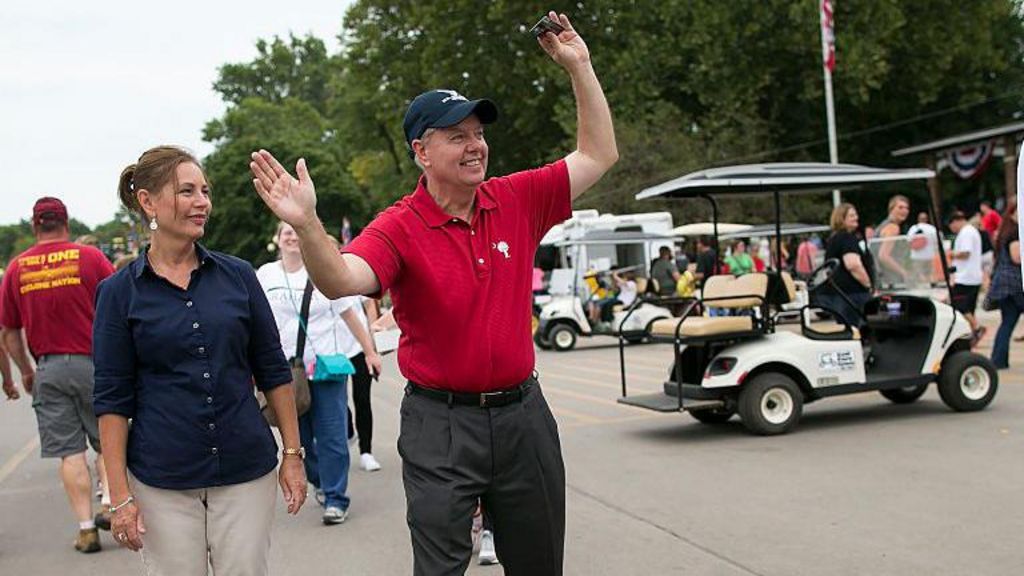
    Long-serving South Carolina Republican Senator Lindsey Graham died Saturday at the age of 71 from a life-threatening aortic tear, leaving a sudden vacancy in the U.S. Senate that has sparked a process to fill the seat ahead of November’s general election. Graham, who had already secured the Republican Party’s nomination to run for another term this fall, built a deeply close lifelong bond with his younger sister, Darline Nordone, shaped by an early family tragedy that tied the two together forever.

    When the siblings were still young, their parents passed away within just 15 months of one another. At the time, Graham was 22 years old, while Nordone was only 13. As he went on to build his career through law school, service in the U.S. Air Force, and decades of public office, he remained her closest guardian, eventually legally adopting her to ensure she could access his military benefits if anything unexpected happened to him. In a 2015 interview with *The New York Times*, Nordone described Graham as “a brother, a father and a mother rolled into one”, reflecting the unique, all-encompassing role he played in her life. A mother of two who currently works to connect people with disabilities to stable employment, Nordone has stood by her brother through every step of his decades-long political career; Graham even once joked that she would serve as his first lady if he had won the presidency.

    Following Graham’s passing, former U.S. President Donald Trump has publicly thrown his support behind Nordone to serve as the interim senator filling the vacancy until the newly elected senator takes office in January. On his social platform Truth Social, Trump released a post Monday stating that he had recommended Nordone to South Carolina Governor Henry McMaster, who holds the constitutional authority to appoint a temporary replacement for the vacant seat. “This would be a fabulous tribute to Lindsey, who loved her dearly,” Trump wrote in his post.

    Trump’s endorsement is not the only one backing Nordone for the temporary role: South Carolina’s other sitting Republican Senator Tim Scott has also publicly expressed his support, telling CBS News that she “would be a wonderful placeholder” for the seat ahead of November’s vote. Multiple other Republican candidates have already publicly announced their intention to run for the full Senate term in the upcoming general election, following Graham’s unexpected passing.

    Governor McMaster has scheduled a formal news conference for 16:00 EDT Monday, where he plans to first reflect on Graham’s life and decades of public service, before officially announcing his appointment to fill the ongoing Senate vacancy. As of Monday afternoon, Nordone has not released any public statement responding to her brother’s death or the proposal to appoint her to the interim Senate seat.