博客

  • Ex-Canada MP arrested after police seize 439 guns and antique cannon from his home

    Ex-Canada MP arrested after police seize 439 guns and antique cannon from his home

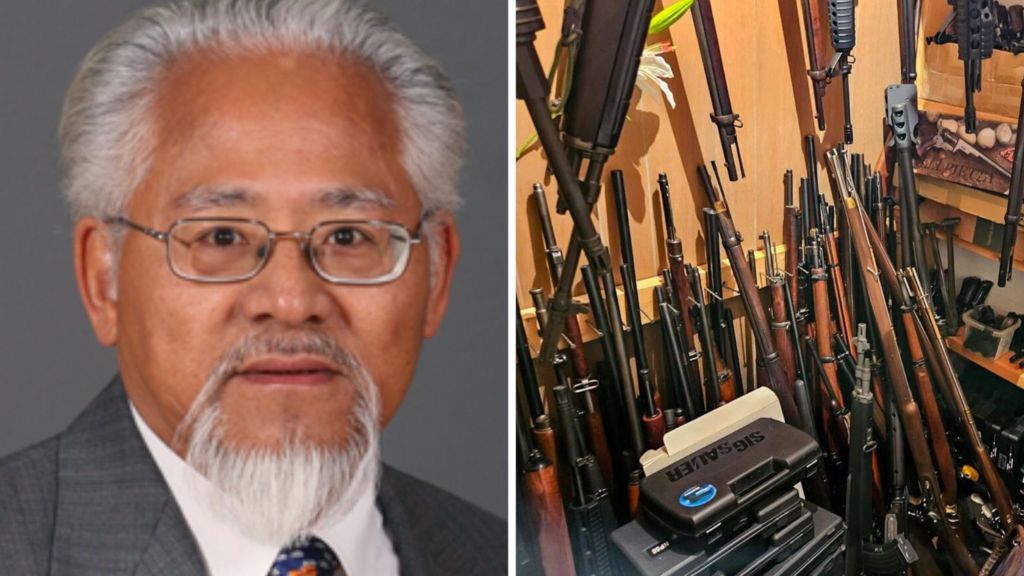
    A former long-serving Canadian Member of Parliament and small-town mayor is facing a dozen criminal charges after Royal Canadian Mounted Police (RCMP) investigators seized nearly 450 firearms, an antique cannon, and more than C$300,000 in cash from his rural Manitoba property.

    The 78-year-old Inky Mark, who represented the Dauphin-Swan River-Neepawa region at both municipal and federal levels for more than 15 years, was taken into custody on July 7 during a search warrant execution as part of an ongoing cross-border firearms trafficking probe. Authorities confirmed Tuesday that investigators recovered 439 firearms from Mark’s home near Dauphin, with at least three confirmed to be tied to illegal trafficking. One weapon was also found to have its serial number intentionally altered, a key red flag for illegal gun circulation.

    Mark faces multiple charges including formal firearms trafficking, possession of unauthorized firearms-related devices, and unsafe storage of weapons. RCMP officials have emphasized that the illicit activities uncovered in the raid pose a direct threat to public safety across the region.

    The investigation traces back to March of this year, when RCMP received notice of pending firearms charges filed in the United States against a separate man from the Dauphin area. Follow-up inquiries connected that case to Mark, leading investigators to the cache of weapons that police say were never processed through legal transfer channels. Alongside the hundreds of guns, officers also found an antique cannon and the C$300,000 in cash (equivalent to roughly £158,000).

    While Mark has a documented history as a firearms collector, investigators have not yet confirmed a clear motive for the alleged trafficking activity. Manitoba RCMP Corporal Barry Kirby told reporters Monday: “We know he’s a firearm collector, but that’s really all that we know at this stage.”

    RCMP Assistant Commissioner Scott McMurchy, commanding officer for the Manitoba division, released a formal statement on the case stressing the severity of the charges. “The illegal trafficking of prohibited weapons is a serious offence that threatens public safety,” McMurchy said. “We thank the many RCMP officers who are working on this case for their tireless efforts in targeting individuals who are trafficking these dangerous and illegal weapons and bringing them to justice.”

    Officials noted that processing and cataloging the hundreds of seized items will take investigators several additional weeks, as they work to sort legally held property from illegally possessed firearms and confirm the full scope of the alleged trafficking network.

    Following his initial court appearance last week, Mark was released from custody on a series of undiclosed conditions. A veteran of Canadian federal politics, Mark was first elected mayor of Dauphin in 1994, holding that municipal seat until he lost re-election in 2010. He moved to federal politics in 1997, representing his rural Manitoba constituency until stepping down from the House of Commons in 2010. Over his political career, he was a member of the Reform Party of Canada, the Canadian Alliance, and the Conservative Party of Canada, before running unsuccessfully for re-election as an independent candidate in 2015.

    The arrest comes amid an ongoing national debate over gun policy in Canada. While Manitoba is bound by Canada’s strict federal gun control regulations, the provincial government has openly pushed back against additional federal firearms restrictions, and recreational shooting has long held deep cultural roots in rural regions of the province.

  • Calls for boycott of The Odyssey over filming in occupied Western Sahara

    Calls for boycott of The Odyssey over filming in occupied Western Sahara

    As blockbuster director Christopher Nolan prepares to release his highly anticipated new film *The Odyssey* to global audiences this Friday, a growing movement of Sahrawi activists, journalists and filmmakers is demanding a widespread audience boycott, sparked by Nolan’s decision to shoot key scenes in Dakhla, a city located in Morocco-occupied Western Sahara.

    For nearly 50 years, Morocco has maintained military and political control over Western Sahara, a disputed territory where the indigenous Sahrawi population has long campaigned for full self-determination. Activists argue that Nolan’s production choice actively normalizes Morocco’s decades-long occupation, turning a contested, occupied homeland into a scenic backdrop for a Hollywood blockbuster without any acknowledgment of the territory’s fraught political reality.

    Mamine Hachimi, a Sahrawi journalist and documentary filmmaker who is leading the boycott call, emphasized that the campaign is not an attack on artistic expression — it is a demand for ethical accountability from global cultural creators. Hachimi co-directed *Three Stolen Cameras*, a 2017 short documentary that chronicled the risks faced by independent Sahrawi media collective Equipe Media as they documented human rights abuses against local populations under Moroccan rule. The film was pulled from its scheduled Beirut premiere after the Moroccan government applied diplomatic pressure, and multiple Equipe Media members have faced ongoing arrest and harassment from Moroccan authorities.

    Hachimi pointed to the ongoing incarceration of two of his colleagues as evidence of the stark double standard at play: Abdallah Lhafaouni is serving a life sentence, while Bachir Khadda is serving a 20-year sentence, both detained solely for documenting human rights violations in occupied Western Sahara. “It is deeply disturbing that while Sahrawi journalists are imprisoned for exposing abuses, an international film production can use our homeland as a cinematic backdrop without addressing the reality of the occupation,” he said.

    While much of the mainstream public conversation around *The Odyssey* has centered on manufactured controversy stirred up by far-right online trolls targeting lead actor Lupita Nyong’o’s casting as Helen of Troy — a controversy Nolan has dismissed as irrelevant — Sahrawi activists insist this is a distraction from the far more substantive ethical scandal of the film’s production location. They note that the same Moroccan security forces responsible for routine violence and repression against Sahrawi pro-independence campaigners directly facilitated Nolan’s shoot in Dakhla. Moroccan Culture Minister Mohamed Mehdi Bensaid has even publicly embraced the production, posing for selfies with Nolan and saying he hopes the film will raise Dakhla’s profile as a global filming and tourism destination.

    Despite a high-profile open letter from global public figures including Oscar-winner Javier Bardem, legendary filmmaker Pedro Almodovar and climate activist Greta Thunberg calling for all Dakhla-shot scenes to be cut from the final film, Nolan has refused to publicly address the demands. Requests for comment from Universal Pictures and Nolan’s production company Syncopy Inc. have also gone unanswered.

    Mohamedsalem Werad, a Sahrawi documentary filmmaker who gained international acclaim for his work on the life of iconic Sahrawi singer Mariem Hassan, called Nolan’s silence deeply disappointing. “Choosing to film in occupied Western Sahara was not a politically neutral production decision — it meant operating with the permission of the occupying power in a territory where the indigenous Sahrawi people have long been denied the opportunity to exercise their right to self-determination,” he explained. For Werad, a widespread audience boycott is the only clear way to send a message that creators cannot expect viewers to ignore choices that legitimize illegal occupation.

    Another Sahrawi filmmaker, Abidin Mohamed Hamudi, went further, accusing the entire *The Odyssey* production team of complicity in the subjugation of the Sahrawi people. He framed Hollywood’s choice as the most extreme expression of a longstanding pattern: capitalist Western economies exploiting the land and resources of the Global South for profit. “Shame on them — history will put everyone in the place they deserve, and they will be in the dustbin of history, remembered as nothing but cultural parasites,” Hamudi said.

    With a reported $250 million production budget and riding high on the critical and commercial success of Nolan’s Oscar-winning *Oppenheimer*, *The Odyssey* is projected to be one of the summer’s biggest blockbusters, set to draw millions of viewers looking to escape into a mythic world of ancient gods, epic battles and fantasy. But behind the glitz and marketing hype, Sahrawi activists say, lies a stark, underreported reality that both Hollywood and the international community have chosen to ignore for decades.

    The Western Sahara International Film Festival (FiSahara), which is hosted annually in Sahrawi refugee camps in southwestern Algeria — where hundreds of thousands of displaced Sahrawis have lived since being forced from their homeland by Moroccan forces — has emerged as a key organizer of the boycott. FiSahara Executive Director Maria Carron pointed out that Nolan’s crew relied on security support from the same Moroccan military and police forces that routinely target Sahrawi filmmakers and activists just kilometers from the Dakhla filming location. Local resisters face beatings, arbitrary arrest, and confiscation of equipment for simply documenting daily life under occupation, Carron noted. During filming last year, FiSahara and a coalition of Sahrawi creators and activists publicly protested, urging Nolan and Universal to suspend production, leave the territory, and refuse to include Dakhla footage without the explicit consent of the Sahrawi people. Their appeals were rejected.

    “FiSahara calls for a general audience boycott of the film and for Nolan to be held accountable for personally benefiting from an illegal occupation by collaborating with Moroccan authorities to enter and film the territory and then by using images of Western Sahara without the consent of their rightful and legal owners, the Sahrawi people — an act that amounts to plunder,” Carron said.

  • AFP release full list of 62 childcare centres linked to accused Hamish Tait

    AFP release full list of 62 childcare centres linked to accused Hamish Tait

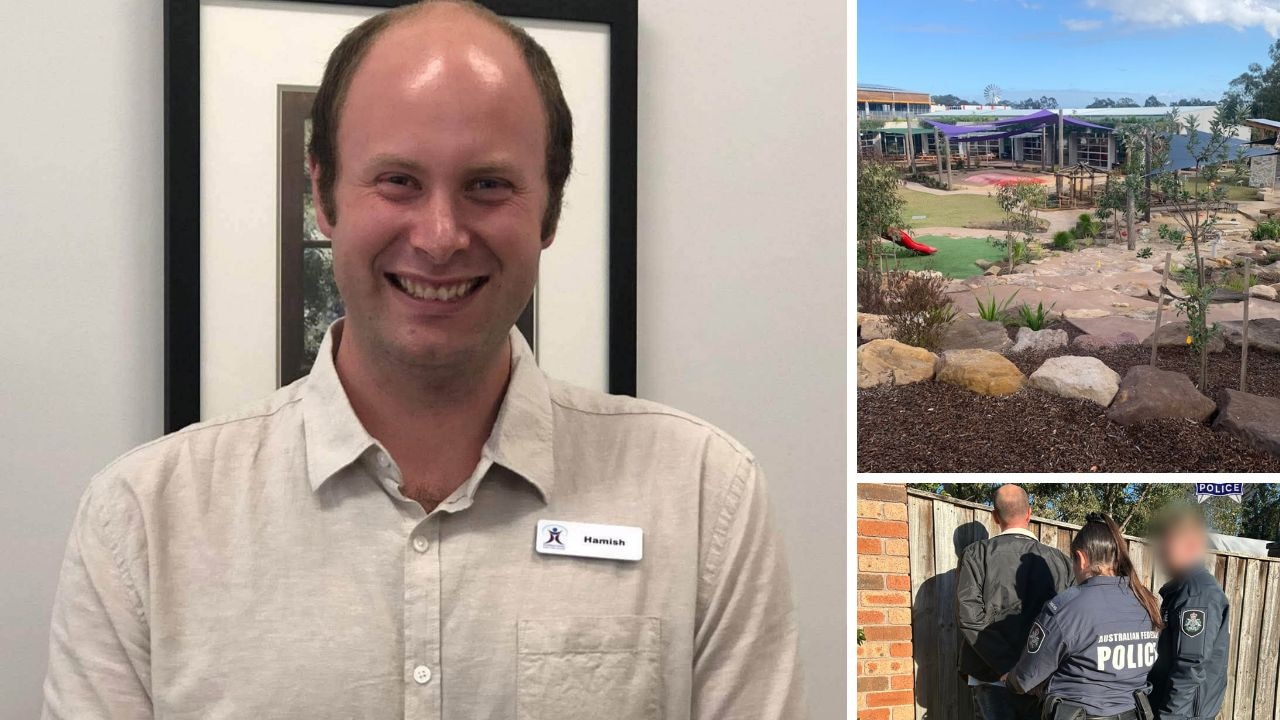
    A former Sydney childcare worker accused of being one of Australia’s worst alleged child predators has been publicly identified after a court rejected his bid to keep his name secret, with police releasing the full list of 62 early education facilities where he worked over a 16-year period of alleged offending.

    Thirty-five-year-old Hamish Tait was already facing dozens of child abuse-related charges when prosecutors added more than 100 new counts last week, bringing his total number of charges to 329. Australian Federal Police (AFP) allege Tait produced child abuse material while employed at childcare centres across North West Sydney between 2009 and 2025. Tait had argued in court for a non-publication order to suppress his identity, but a Sydney judge ruled against his application on Monday, siding with the AFP, prosecutors, and media outlets that all opposed the request for secrecy.

    To date, investigators have connected 136 children across 121 Sydney locations as alleged victims of Tait’s abuse, but law enforcement officials confirm they are still working to identify an additional 22 unaccounted-for victims. Acting Commander Luke Needham of the AFP confirmed that families of already identified victims have already been contacted by investigators. The AFP has now published the full names and locations of all 62 centres Tait worked at during his 16-year career, marking five of those facilities as specific locations where police allege offending directly occurred. These high-risk locations are marked with an asterisk: Fit Kidz Learning Centre Box Hill, Fit Kidz Learning Centre Putney, Fit Kidz Learning Centre Rouse Hill, Fit Kidz Learning Centre Warrawee, and Wild Earthlings Glenorie.

    Beyond offences committed at Australian childcare centres, the AFP further alleges Tait shared child abuse material with recipients overseas on three separate occasions. However, Commander Needham clarified that there is currently no evidence to suggest Tait uploaded any illegal content to the dark web. The vast majority of alleged offences are concentrated in New South Wales, though Needham noted there is also limited evidence of offending in one other Australian state.

    Due to the multi-decade span of the alleged abuse, some of Tait’s victims may now be adults, police said. Commander Needham urged members of the public and communities across Sydney to visit the official AFP website to review information about the case and share any details that could help investigators locate and identify the remaining 22 unknown victims. “There are 22 victims who we are yet to positively identify and that’s why I would point the community to our website … We would ask the community to consider what they might be able to share with the AFP which we hope goes some way in assisting us in identifying those other 22 (alleged) victims,” Needham said.

  • Storm’s finals hopes in tatters with Cameron Munster set for knee surgery

    Storm’s finals hopes in tatters with Cameron Munster set for knee surgery

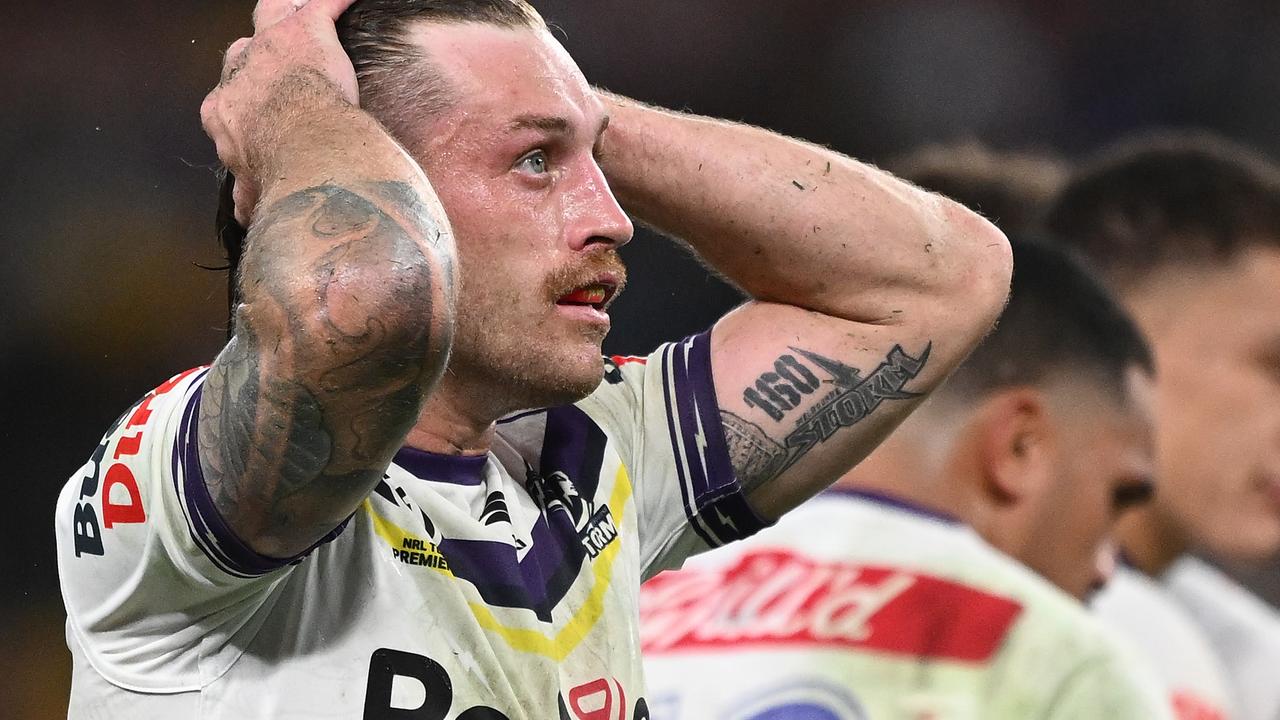
    For more than a decade, the Melbourne Storm have been a constant presence in the NRL finals, a streak stretching all the way back to 2010, when salary cap penalties wiped their competition points and kept them out of the postseason. Now, that unprecedented run looks all but certain to end after the club confirmed its star playmaker Cameron Munster will miss 4 to 6 weeks of action to undergo knee surgery for a cartilage injury.

    Munster was already a late scratch from the Storm’s Round 19 win against the Gold Coast Titans on Sunday night, and early Tuesday, the club released an official statement confirming the extent of the five-eighth’s injury. “Melbourne Storm can confirm Cameron Munster will undergo surgery on his knee after sustaining a cartilage injury,” the statement read. “Munster will begin his rehabilitation with Storm medical staff and is expected to be sidelined for at least 4-6 weeks.”

    Even in the best-case scenario, Munster would not return to the field until Round 25, when the Storm face the reigning premiers Penrith Panthers. That timeline leaves Melbourne without its most influential playcaller for the bulk of its remaining seven regular season fixtures, a stretch that already looked grueling even with a full-strength squad. Four of Melbourne’s remaining games are against teams currently ranked in the top eight, with three of those opponents sitting in the top four of the competition ladder.

    The injury is the latest devastating setback for a Storm side that has fought through a turbulent 2024 campaign. After dropping seven consecutive matches – the longest losing streak in the club’s modern history – Melbourne clawed its way back into fringe finals contention, entering Round 20 just two wins behind the eighth-placed team on the ladder. The back-to-back beaten grand finalists have already been forced to adjust for long-term season-ending injuries to key players including Eli Katoa, Xavier Coates and Tui Kamikamica, leaving the side with little depth to cover another superstar absence.

    Utility Tyran Wishart, who is set to join the North Queensland Bears next season, is widely expected to slot into the halves for Melbourne’s upcoming Friday night clash against the Sydney Roosters. The shift will still disrupt the Storm’s bench rotation, however, as Wishart has carved out a valuable role as an impact substitute bringing speed through the middle of the park. With Munster sidelined, halfback Jahrome Hughes, the side’s other starting playmaker, will be forced to take on an even greater offensive workload, while star hooker Harry Grant has already carried the club through much of its 2024 struggles. Analysts note even Grant’s elite form can only go so far with so many key starters already ruled out for the year.

    To secure a finals spot, Melbourne will need to win five of its seven remaining matches – a feat that most rugby league pundits now see as nearly impossible without Munster. Should the Storm fall short, it will mark the first time the club has missed the postseason since that 2010 salary cap scandal, closing the book on one of the most dominant eras of consistency in Australian rugby league history.

  • Israeli teen threatened with suspension over call to refuse military service

    Israeli teen threatened with suspension over call to refuse military service

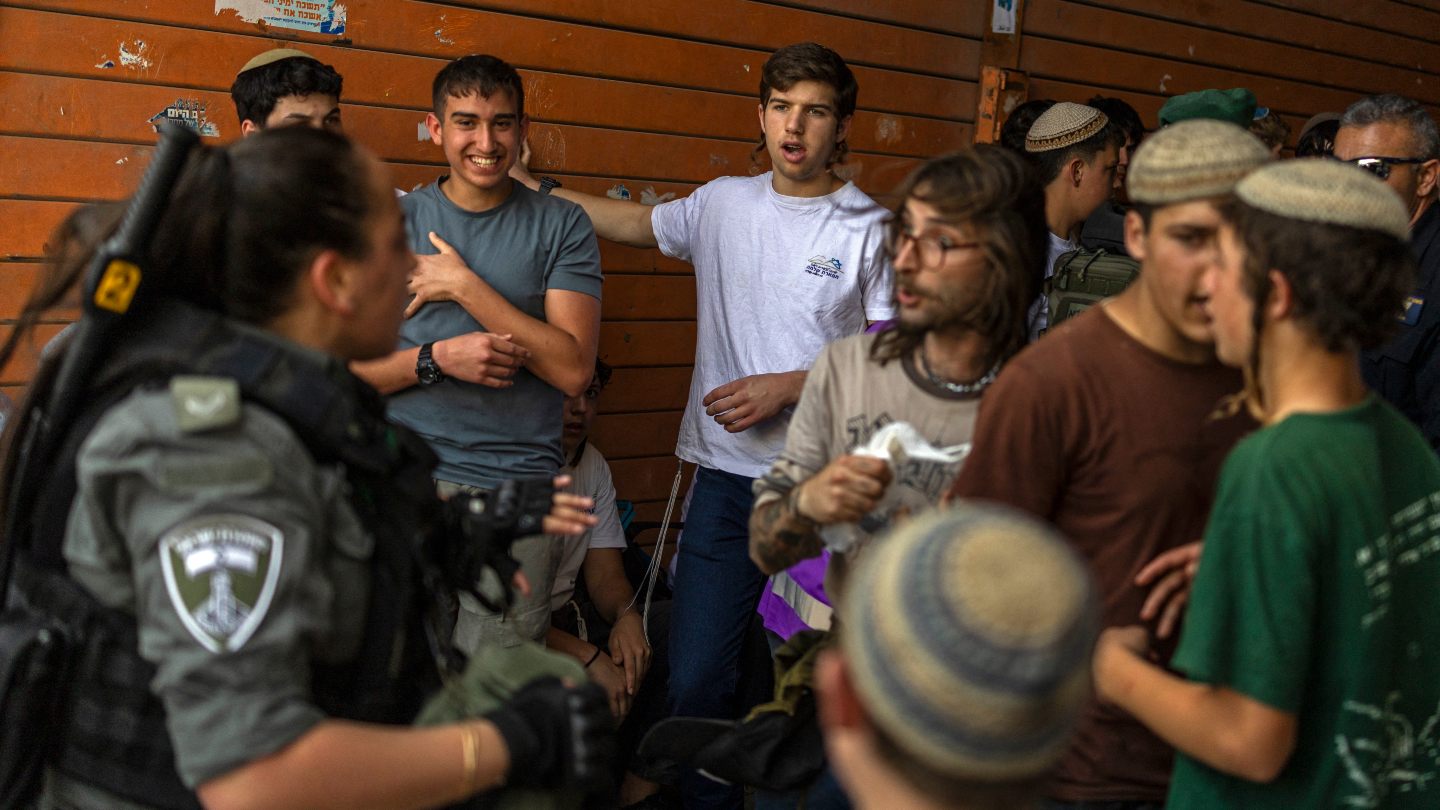
    A wave of grassroots conscientious objection among young Israelis has sparked a disciplinary clash after an 11th-grade student at Ramat Gan’s Ohel Shem High School, a campus just outside Tel Aviv, was summoned for official punishment over distributing leaflets that urge peers to reject mandatory military service over Israel’s documented atrocities in Gaza and ongoing ethnic cleansing in the occupied West Bank. Leading Israeli daily Haaretz first reported the incident, which has pulled back the curtain on deep political tensions around military conscription and free speech within Israeli educational institutions.

    The student was not immediately suspended, but school officials informed her that disciplinary action, including a suspension starting in the upcoming academic year, remains on the table. The teen was one of three young organizers who circulated the leaflets, titled “We Hereby Refuse,” just outside the Ohel Shem High School campus, per the Haaretz report.

    The document directly calls on teens approaching conscription age to sign a pledge committing to refuse enlistment in the Israel Defense Forces, citing widespread war crimes committed by the military in occupied Palestinian territories that have continued since the outbreak of hostilities in October 2023. “We, teenagers slated for conscription in the Israeli Army, hereby refuse to take part in its crimes and to serve the dictatorial government’s interests,” the leaflet reads in part.

    To date, organizers confirm that roughly 130 students have added their signatures to the refusal pledge. The campaign is backed by Mesarvot, an Israeli grassroots organization that provides support to young people who choose to refuse mandatory military service on conscientious and political grounds. The group has long criticized Israel’s education system for normalizing militarism, arguing that schools intentionally embed a pro-military worldview into daily student life from an early age.

    The refusal letter expands on this critique, noting: “The schools prepare us for the army by embedding militaristic discourse. The truth is that the army is not a preordained fate – no one is born a soldier.” It adds that even with a temporary ceasefire in place in Gaza, “genocide, ethnic cleansing, and war crimes continue,” highlighting that Israeli military forces and civilian settlers in the occupied West Bank are actively advancing a state-backed policy of ethnic cleansing. “We refuse to take part in moral wrongdoings,” the statement continues, adding that signatories refuse to “collaborate with a fascist government” and “continue the cycle of bloodshed.”

    During the disciplinary meeting, Ohel Shem principal Israel Vilozny told the student that distributing activism materials focused on education or climate change would have been treated as a far less severe offense, according to the student’s account. The teen’s parents have hit back against the school’s action, accusing administrators of selective enforcement of campus rules and targeting their daughter for political persecution.

    Vilozny has defended his handling of the case, arguing that the student broke campus policies by distributing unauthorized political materials on school grounds. The Ramat Gan municipality, which has oversight over the public high school, has issued a full statement backing the principal’s decision, framing mandatory military service as “a sacred value” at the core of Israeli civic life. While the municipality acknowledged that it supports open political dialogue on campus, it maintains that all political materials require advance approval from school leadership before they can be distributed.

    In a controversial comparison, the municipality drew a parallel between the anti-conscription leaflets and the spread of racist ideology by followers of the extremist Kahanist movement, a far-right Jewish nationalist faction classified as a terrorist organization by multiple governments. “Tomorrow another student could show up with two Kahanists to spread racist poison,” the municipality’s statement warned. Officials also pushed back against messaging aligned with the International Court of Justice’s recent rulings on Israeli actions in Gaza, warning that the campus would not tolerate “propaganda in support of” those ICJ findings.

    Mandatory military service remains one of the most central and widely accepted institutions in mainstream Israeli society, especially in urban centers like Ramat Gan, despite growing reporting of rising influence for extremist settler and ultranationalist factions within the Israeli military. Official Israeli military data published in February 2024 underscores this broad acceptance: 84 percent of eligible men from Ramat Gan enlist in the armed forces, with 38 percent serving in frontline combat roles. At Ohel Shem High School specifically, enlistment rates are even higher, with 93 percent of eligible male students joining the military and nearly half serving in combat units, the data shows.

    The disciplinary incident comes as Gaza continues to grapple with widespread destruction from Israel’s military campaign, and Israeli media has documented a sharp, alarming rise in anti-Palestinian sentiment among young Israelis across the country’s educational system. An earlier Haaretz report published in the same month found that more than one-third of students in Israeli secular schools believe Palestinian citizens of Israel do not deserve equal rights or membership in Israeli society.

  • Yemen’s Houthis say Sanaa airport bombed

    Yemen’s Houthis say Sanaa airport bombed

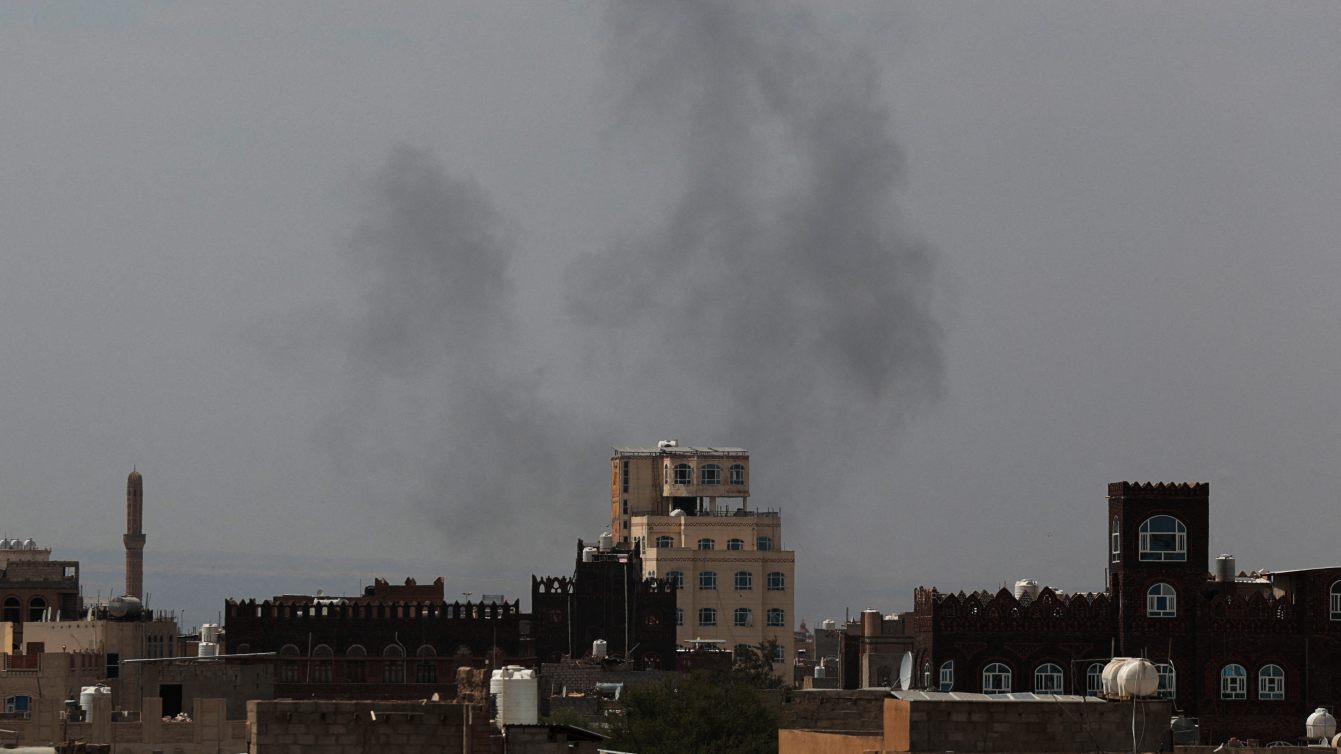
    In a sudden shift that risks unraveling years of tentative calm in Yemen, the Houthi movement announced Sunday it was formally ending its de-escalation agreement with Saudi Arabia, pledging swift retaliation over what it claims was an unprovoked Saudi airstrike on Sanaa International Airport.

    Yahya Saree, the official spokesperson for Houthi-aligned Yemeni armed forces (officially known as Ansar Allah), confirmed that the alleged strike marks the end of all bilateral efforts to maintain a ceasefire between the two warring parties. “The targeting of Sanaa Airport ends the de-escalation phase,” Saree stated in a public address, emphasizing that “the strike will not pass without retribution.”

    As of Sunday evening, Saudi authorities had not issued any immediate public response to the Houthi allegations or confirmation of the reported airstrike. Additional layers of complexity emerged alongside the escalation, with Reuters reporting that Yemen’s internationally recognized Information Minister Moammar al-Eryani has accused Houthi forces of detaining an International Committee of the Red Cross aircraft and its flight crew at Sanaa Airport. The Houthis have not yet commented on this accusation.

    In a formal statement from its foreign ministry, the Houthi movement held Saudi Arabia fully accountable for restarting open hostilities in the country. “Saudi Arabia has announced the start of the war and bears full responsibility for it and for any consequences of this step,” the ministry said. The group added that the alleged airstrike was carried out “without any justification”, characterizing it as both a violation of Yemeni national sovereignty and a clear breach of the 2022 ceasefire agreement that paved the way for de-escalation talks.

    The sudden escalation comes just days after a Houthi delegation returned from Iran, where members attended funeral ceremonies for Iran’s late former President Ebrahim Raisi (correction from original text context: Iran’s current Supreme Leader is Ali Khamenei, the late official was Raisi). Houthi-affiliated media circulated footage showing senior Houthi official Nasr al-Din Amer aboard an Iranian Mahan Air flight prior to departure from Tehran. The Houthi movement claims Saudi Arabia attempted to block the aircraft from landing in Yemeni territory, though separate video footage later confirmed the plane touched down safely at Hodeidah Airport along Yemen’s Red Sea coast.

    This breakdown in calm threatens to erase progress made under a United Nations-backed truce that has held for nearly two years, drastically cutting cross-border attacks and opening a pathway for negotiations to end Yemen’s nearly decade-long civil war. The Houthis form a core component of Iran’s “Axis of Resistance”, an alliance of regional armed and political groups that includes Lebanon’s Hezbollah and pro-Iran factions in Iraq, and has long positioned itself as a key military ally of Tehran in regional standoffs with the United States and Israel.

    The latest breakdown in Yemen comes against a backdrop of rapidly escalating tension across the broader Middle East. Over the past week, the U.S. and Iran have exchanged targeted airstrikes following a series of attacks on commercial and military shipping in and near the Strait of Hormuz. Iranian forces have also launched recent drone and missile strikes targeting U.S.-affiliated military assets in the Persian Gulf and commercial shipping transiting the strategic strait.

    This report was compiled from independent on-the-ground and regional sourcing, consistent with open Middle East reporting standards.

  • Syrian Druze chief suggests Sweida integration into Israel

    Syrian Druze chief suggests Sweida integration into Israel

    Five months after the collapse of Bashar al-Assad’s decades-long authoritarian regime, Syria remains trapped in a cycle of sectarian fragmentation and political instability, with a provocative new proposal from a senior Druze spiritual leader throwing the country’s already fragile territorial status into question.

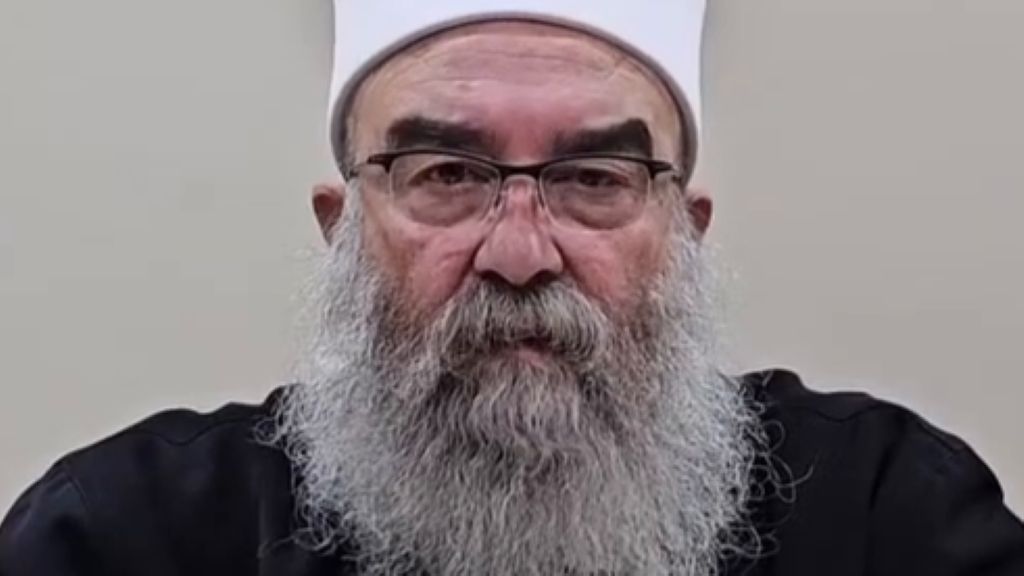
    Speaking at a memorial marking one year since brutal sectarian violence erupted in the southern Syrian province of Sweida, Hikmat al-Hijri, the most prominent pro-Israel figure among Syria’s Druze community, has publicly floated the idea that Sweida could maintain its local autonomy under Israeli protection — or even formal integration as part of the Israeli state.

    “Our core goal is to protect Sweida’s autonomy so our people can live in freedom and build a model of governance that works for this region,” al-Hijri told attendees at the event. “We will never forget those who have stood with us in our darkest hours. Given our geographic proximity, we give special recognition to the State of Israel. We extend respect to all who respect us, and we build on their support to secure lasting safety for our community.”

    Syria’s fractured post-Assad landscape has been defined by recurring intercommunal violence since Assad was ousted by opposition forces in December 2024. While new interim President Ahmed al-Sharaa has formally pledged to protect all minority communities across the country, deep-seated mistrust persists. Al-Sharaa previously led the al-Nusra Front, an al-Qaeda-affiliated group that carried out large-scale sectarian massacres targeting Druze communities during Syria’s 13-year civil war, leaving many minorities fearing targeted reprisals from the new government’s security forces.

    Sectarian bloodshed has already shaken multiple regions since the regime change. Last year, armed clashes between suspected Assad loyalists and government forces in Latakia, the coastal heartland of Assad’s Alawite sect, escalated into mass violence that left at least 1,500 Alawites dead. A Reuters investigation later traced most of the civilian casualties to operations ordered by senior security officials based in Damascus.

    In Sweida, the violence that broke out one year ago began as clashes between local Druze factions and Bedouin militias, and ultimately escalated into one of the deadliest episodes of intercommunal violence in post-civil war Syria. The UK-based Syrian Observatory for Human Rights records that more than 2,000 people were killed in the fighting, including 789 Druze civilians. As the violence unfolded, Israel launched multiple air strikes across Sweida and even on the outskirts of Damascus, framing the intervention as a protective measure for the Druze minority.

    Opinions on Israel remain deeply divided within Syria’s Druze community, and al-Hijri’s comments mark the most public and extreme stance yet from his pro-Israel faction, which controls armed militias in parts of Sweida and has repeatedly welcomed Israeli military intervention in the province.

    The political chaos in Syria has been compounded by the controversial launch of the country’s new transitional parliament, which held its inaugural session on Sunday. In his opening address, al-Sharaa hailed the new body as the start of a “new chapter” for Syria, urging lawmakers to “serve as models of responsibility and competence, to build a culture of dialogue, uphold the rule of law, and respect for state institutions.”

    But the structure of the new parliament has drawn widespread criticism from pro-democracy activists who had hoped for inclusive reform after Assad’s ouster. Al-Sharaa directly appointed one-third of the body’s seats, while the remaining two-thirds were selected by local committees stacked with government appointees. Critically, the selection process completely excluded representatives from Sweida, as well as from the Kurdish-majority northeast, where 32 parliamentary seats remain vacant.

    Interim government officials defend the process, arguing that competitive popular elections are logistically impossible in the aftermath of a 13-year conflict that left hundreds of thousands of Syrians dead and millions more displaced inside the country and across the border. But critics say the undemocratic selection process has cemented the same pattern of authoritarian, top-down rule that defined Assad’s regime, leaving marginalized regions and communities even more alienated from the central government in Damascus.

  • UK effectively bans Iran’s IRGC as terrorist organisation

    UK effectively bans Iran’s IRGC as terrorist organisation

    The United Kingdom is moving forward with a landmark and divisive plan to formally label Iran’s Islamic Revolutionary Guard Corps (IRGC) a national security threat, using a sweeping new anti-state threat law that entered into force just last week.

    UK Home Secretary Shabana Mahmood will leverage the newly enacted National Security (State Threats) Bill to outlaw all public and organized support for the IRGC, a core institutional branch of Iran’s national armed forces that answers directly to Iran’s Supreme Leader. This action marks the UK’s official full proscription of the group, which British authorities accuse of carrying out death threats and systematic intimidation campaigns against targets on British soil.

    In a formal written statement released to parliament, Mahmood detailed that nearly any form of support for the IRGC – from public expressions of favorable opinion to logistical or practical assistance – will now count as a criminal offense in the UK, carrying a maximum penalty of 14 years imprisonment.

    The new legislation will also be used to target two additional groups: Harakat Ashab al-Yamin al-Islamiya (Hayi), a faction British authorities claim is aligned with Iran and has been linked to antisemitic attacks across the UK, and the volunteer wing of Russia’s foreign military intelligence agency, the GRU.

    While the UK has not formally joined any open US-Israeli military conflict against Iran, it has already permitted the United States to access British military bases to launch offensive strikes against Iranian targets, aligning London with Washington’s regional pressure campaign against Tehran.

    The path to this proscription action began in April, when current UK Prime Minister Keir Starmer pledged to fast-track the State Threats Bill through parliament. With the bill now law, official draft regulations for the proscription designation are ready to be laid before parliamentary representatives for formal process.

    Critically, the new legislation grants Mahmood broad, unchecked authority to designate any state-affiliated organization as a national security threat if she judges it runs counter to the UK’s “safety and interests.” It criminalizes any individual found to “support, assist and obtain material benefits” – including information sharing – from groups listed as terrorist or threat-aligned organizations.

    Independent experts who review UK terrorism legislation have issued stark warnings about the bill’s broadly worded provisions, noting that the vague language creates a major risk of criminalizing journalists and non-governmental organization workers who engage in routine contact with designated organizations, potentially exposing them to the same 14-year prison sentences applied to group supporters.

    Home Office Minister Angela Eagle defended the proscription in an official statement, arguing the IRGC’s role far outpaces that of a conventional military force. “The Islamic Revolutionary Guard Corps is a central component of the Iranian state’s security apparatus, answerable directly to Iran’s Supreme Leader. Its role extends far beyond that of a conventional military force. It encompasses intelligence activity, the use of proxy actors, and the projection of influence designed to advance Iranian state objectives,” Eagle said.

    Prime Minister Starmer framed the move as a necessary step to protect domestic security, stating: “We will never let Britain be a playground for states who want to spread fear, division and violence on our streets. We have already taken tough action against the Iranian regime and those linked to it, and against Russian operatives and networks targeting our country. These new powers will make it easier to prosecute and lock up anyone carrying out their dirty work here in Britain.”

    As of the announcement, independent news outlet Middle East Eye has reached out to the Home Office to request additional comment and clarification on how the IRGC proscription will operate in practical terms, with no further details released publicly to date.

  • Grateful dog owner describes mountain rescue after canine apparently ingests cannabis

    Grateful dog owner describes mountain rescue after canine apparently ingests cannabis

    On a July hike up Britain’s tallest peak, Ben Nevis, an experienced dog trainer faced every pet owner’s worst nightmare when her 5-year-old black Labrador retriever, Tokyo, suddenly became incapacitated mid-climb – a crisis later traced back to accidental cannabis ingestion that has become a growing public safety concern for animals across the U.K. and U.S.

    Christina Bluhme, a canine professional with 25 years of industry experience, had hiked for more than three hours and was nearing the 1,345-meter summit alongside her son and two dogs when Tokyo began showing alarming symptoms. The dog swayed uncontrollably as if heavily intoxicated, before quickly losing the ability to stand or walk at all. What started as a clear, pleasant hiking day shifted abruptly to cold, rainy conditions, with temperatures plummeting to just 5 degrees Celsius, turning the already steep rocky trail into a hazardous slippery slope.

    Bluhme immediately called off the summit attempt and alerted emergency services for help, initially unsure what had caused her beloved dog’s sudden collapse. Police initially indicated they were unable to dispatch a dedicated rescue team, but fortune intervened: an all-volunteer crew from the Lochaber Mountain Rescue Team was already descending the peak after completing a separate mission to assist an injured hiker airlifted by helicopter. The team quickly loaded the 25-kilogram dog into a rescue stretcher and navigated the treacherous terrain at speed, reaching the trailhead in roughly an hour. Bluhme later recalled being stunned by the team’s agility and urgency, saying “they were almost running” down the mountain, with her clinging to the stretcher through the descent.

    Veterinary staff from Crown Vets in nearby Fort William had been alerted ahead of time and were standing by when the group arrived. Initial assessments suspected a serious spinal injury, but a senior veterinarian narrowed the cause to a neurological toxin after observing Tokyo’s fluctuating consciousness. A consultation with a pet poison control center confirmed the diagnosis: all of Tokyo’s symptoms aligned perfectly with acute cannabis intoxication. After treatment with activated charcoal to absorb the toxin, the dog made a full recovery by the next morning, appearing completely back to normal as if no incident had occurred.

    Bluhme, who traveled to the Scottish Highlands from her home in southern England, said she was still shaken by the experience despite Tokyo’s quick recovery. She noted the £1,000 (roughly $1,335) veterinary bill was well worth the cost to save her dog, calling the entire incident “very terrifying.”

    Tokyo’s near-tragedy is far from an isolated case. While reports of cannabis toxicity in pets are climbing across the U.K., the problem is far more pronounced in the U.S., where recreational or medical marijuana has been legalized in a majority of states. In 2023, marijuana and other recreational drugs entered the American Society for the Prevention of Cruelty to Animals’ (ASPCA) top 10 list of the most common pet toxins for the first time. Data from the ASPCA Poison Control Center shows calls related to potential marijuana ingestion rose 10% year-over-year in 2022, and have increased nearly threefold over the past five years as legal access expands.

  • Trump watches IndyCar pit stop outside White House

    Trump watches IndyCar pit stop outside White House

    In a unique public event staged on the grounds just outside the White House, former President Donald Trump stood in as an on-site observer for a demonstration IndyCar pit stop, a showcase that served as an advance preview for an upcoming race. This preview event traced its origin back to an executive order Trump signed back in January, which authorized the organization and promotion of the open-wheel racing competition. The outdoor demonstration brought elements of professional motorsports directly to the nation’s most prominent political address, drawing on-site attention from reporters and attendees gathered for the unusual cross between presidential politics and professional auto racing. Pit stops are a critical make-or-break component of IndyCar competition, where teams work at high speed to change tires, refuel vehicles, and make adjustments to cut down on time lost in the pits, so staging the demonstration outside the White House offered a one-of-a-kind look at the sport for political and public audiences.