博客

  • The Indian Army’s first woman boxer is now chasing Commonwealth gold

    The Indian Army’s first woman boxer is now chasing Commonwealth gold

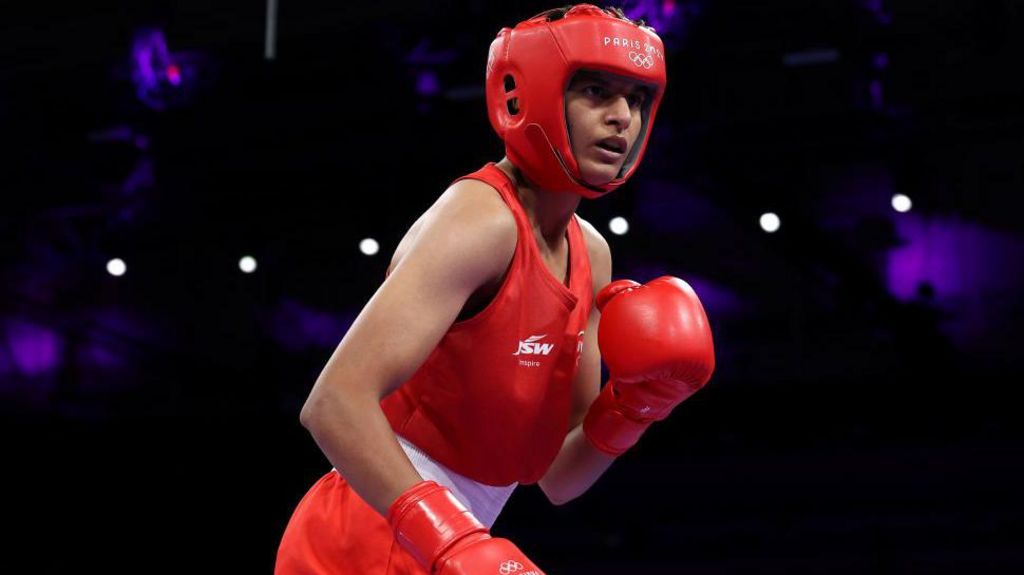
    As the 2026 Glasgow Commonwealth Games approaches, all eyes in Indian boxing are turning to 24-year-old Jaismine Lamboria, the reigning 57kg world champion who enters the tournament as one of the nation’s top gold medal prospects, hungry to upgrade the bronze medal she earned at the 2022 Birmingham Games.

    For Lamboria, calm under pressure is the key to unlocking gold – a mindset she has intentionally cultivated by looking to one of India’s most beloved sporting legends, former cricket captain MS Dhoni. “He earned the nickname Captain Cool for a reason, and I strive to bring that same level-headed composure to every bout,” the soft-spoken athlete explained. This steely focus has already proven transformative: after a disappointing first-round exit at the 2024 Paris Olympics, Lamboria turned the setback into a catalyst for growth, reshaping both her physical conditioning and mental approach to the sport.

    That Paris defeat came in the 57kg division, a weight class Lamboria had only recently returned to after nearly three years competing at 60kg. The move to drop back down ultimately paid massive dividends in 2025, a breakout year that saw her claim World Cup gold medals in Astana and Delhi before defeating Paris Olympic silver medallist Julia Atena Szeremeta of Poland to take the world championship title in Liverpool. Today, she trains full-time at the Indian Army’s Army Sports Institute in Pune, where she credits technical coaches for boosting her physical strength and a dedicated sports psychologist for sharpening her mental resilience.

    Lamboria made history back in 2022, when she became the first female boxer inducted into the Indian Army, joining the Corps of Military Police. Now training under the Army’s elite Mission Olympics Wing, she sees her trailblazing role as more than an honor – it is a responsibility to lift up the next generation of female athletes. “It means the world to be the first, but I know I won’t be the last,” she said, pointing to the early success of the Army’s 2024 Girls Sports Company initiative, which already counts an Asian Championship gold medal-winning teenage boxer among its trainees. The program, which recruits girls aged 12 to 16 to train in four Olympic sports including boxing, creates a formal pathway to elite competition and future Army service – a framework Lamboria calls a game-changer for young women across India.

    Boxing is in Lamboria’s blood, long before she joined the Army. Born in Haryana’s Bhiwani, a city nicknamed India’s “Mini Cuba” for its outsized contribution to the nation’s boxing talent, she comes from a family deeply rooted in the sport. Her great-grandfather, Hawa Singh, was a pioneer of Indian boxing, winning back-to-back Asian Games gold medals in 1966 and 1970 and co-founding the iconic Bhiwani Boxing Club that later produced Olympic medallist Vijender Singh. What Lamboria remembers most about her great-grandfather, however, is not his medal haul, but his quiet humility – a trait she carries with her today. She began training seriously at 14, first under her great-grandfather’s son Sanjay Sheoran, then under her uncles Sandeep and Parvinder Singh, who first introduced her to competitive boxing.

    Growing up in a household of modest means – her father works as a home guard and her mother is a homemaker – Lamboria says her family’s unwavering support allowed her to become the first young woman in her immediate family to pursue sport professionally. Over the course of her career, she has drawn inspiration from a wide range of sporting icons: Olympic medallists MC Mary Kom and Vijender Singh, fellow Army boxers Amit Panghal and Manish Kaushik, javelin Olympic champion Neeraj Chopra, sprint legend Milkha Singh, and American swimming great Michael Phelps. She also counts senior Indian boxers Nikhat Zareen, Lovlina Borgohain and Pooja Rani as key mentors, crediting them for paving the way for younger female athletes.

    Today, Lamboria is stepping into that mentor role herself, working to challenge long-held stereotypes that frame boxing as a male-dominated sport. Women’s boxing only made its Commonwealth Games debut in 2014, 84 years after the sport was added to the program, and Lamboria is eager to use her platform in Glasgow to inspire more young women to step into the ring. Her goal for the Games is simple: to stand on the top podium, hear the Indian national anthem play, and recreate the feeling she experienced when she won her world title in Liverpool last year. “That’s what I’ve trained every single day for,” she said. “That’s the moment I’m here to create.”

  • Investigation after man’s body found in recycling centre

    Investigation after man’s body found in recycling centre

    A suspicious death investigation is now underway in the Republic of Ireland after the body of a 35-year-old homeless man was recovered at a Clondalkin recycling facility in west Dublin late last week.

    Local law enforcement with An Garda Síochána confirmed that Andrew Haire’s remains were located at the site at approximately 9:00 PM local time on Friday, July 25, two days before the official announcement of the investigation. In the week leading up to his death, Haire had traveled repeatedly between three Irish counties, moving between settlements in Cork, Kilkenny, and Dublin, according to reporting from Ireland’s national public service broadcaster RTÉ.

    Initial forensic testing has not yielded a clear cause of death, with RTÉ citing official sources that note post-mortem examination results remain inconclusive. Investigators have outlined a working theory that Haire may have climbed inside a waste bin for shelter before the container was emptied and transported to the Clondalkin recycling center, though this line of inquiry remains unconfirmed.

    Law enforcement officials confirmed that Haire had recently accessed government welfare support and emergency housing services for unhoused people in both Dublin and Cork city centers, indicating he was engaged with existing support systems in the weeks before his death. A dedicated family liaison officer has already been assigned to support Haire’s next of kin as the investigation progresses.

    To coordinate the probe, investigators have set up a dedicated incident room at Lucan Garda Station, and senior officers have issued a public appeal for any information connected to Haire’s movements or activities in the week before his body was discovered. Members of the public with any details that could assist the investigation are urged to contact the incident room directly.

  • Keiko Fujimori’s party wins Senate presidency in Peru ahead of presidential inauguration

    Keiko Fujimori’s party wins Senate presidency in Peru ahead of presidential inauguration

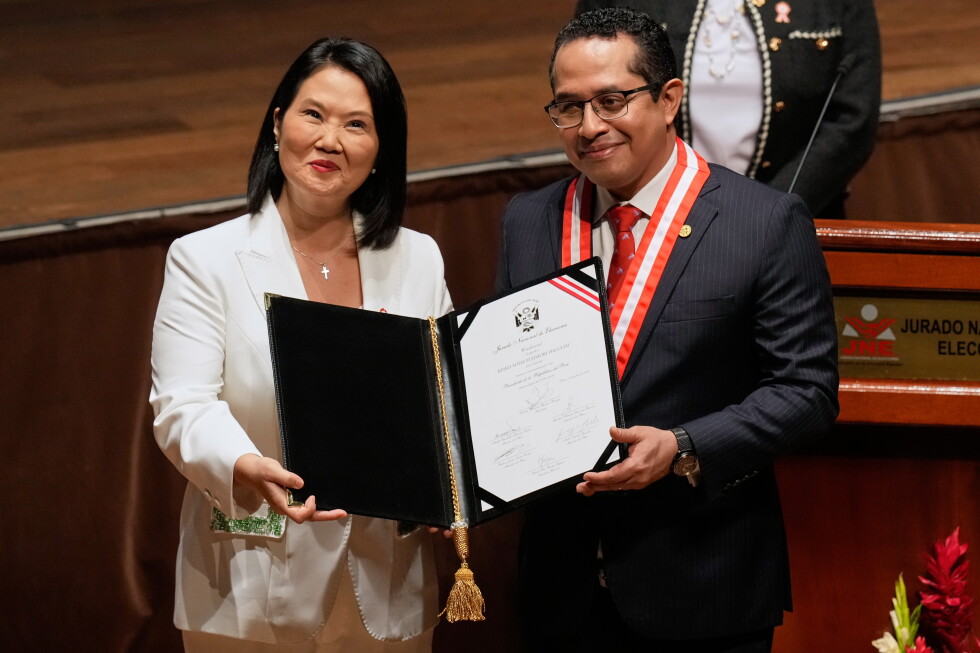
    LIMA, Peru — Just two days before President-elect Keiko Fujimori is set to take office for the 2026–2031 presidential term, the conservative leader’s Popular Force party has secured control of the Senate presidency through a new right-wing alliance, clearing a critical early hurdle for the incoming administration.

    Miguel Torres, a seasoned lawyer and legislator who also holds the title of Peru’s second vice president-elect, won the top Senate post in a 30-to-60 vote Sunday. The victory came via an alliance between Popular Force and the right-wing Popular Renewal party, whose member Alejandro Muñante claimed the Senate’s first vice presidency as part of the power-sharing deal.

    This leadership vote marks a historic milestone for Peru, which has reinstated a bicameral congressional system for the first time in more than 30 years. The newly restructured Congress is still finalizing its full leadership structure: voting to select leadership for the 130-seat lower chamber was expected to conclude in the hours following the Senate result, and the new legislative body is scheduled to launch its first annual session on Monday.

    In his remarks after being sworn in, Torres outlined a moderate, trust-focused agenda for the Senate, saying the body would work toward building a “more prudent” state and repairing the fractured relationship between Peruvian political institutions and the public they serve.

    The new bicameral Congress inherits a steep set of challenges, starting with the deep, long-running governance crisis that has shaken the Andean nation over the past decade. The instability of this period is reflected in an extraordinary political turnover: eight different presidents have held office in Peru since 2014, a pattern of constant upheaval that has eroded public confidence in government across the country. Complicating legislative work further, no single political bloc holds a majority in either chamber of the new Congress, meaning cross-party cooperation will be required to advance any major policy.

    Torres will serve a one-year term as Senate president, having been elected alongside Fujimori and first vice president Luis Galarreta in the country’s recent presidential contest. The incoming administration, led by Fujimori — who secured victory in a tight presidential runoff — will be inaugurated on July 28, when it formally takes power to address Peru’s ongoing political and social challenges.

  • Trump’s move to restore direct Lebanon flights raises diaspora hopes

    Trump’s move to restore direct Lebanon flights raises diaspora hopes

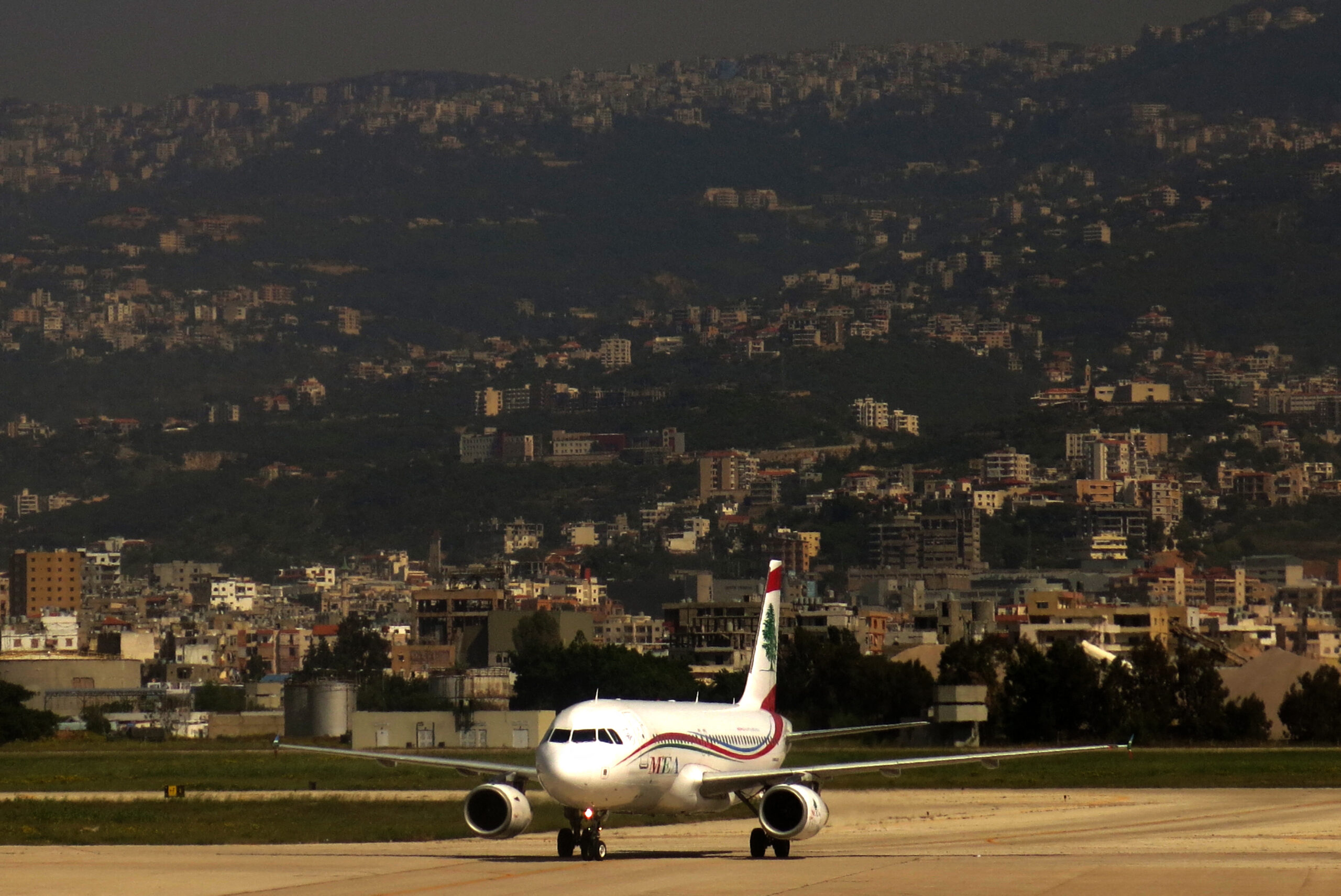
    For more than four decades, the skies between the United States and Lebanon have lacked direct commercial air connections, a decades-long restriction born from the 1985 hijacking of TWA Flight 847 that left a U.S. Navy diver dead during a 17-day hostage standoff.

    This suspension has outlived nearly every major shift in Lebanon’s modern history: it survived the end of the country’s 15-year civil war, multiple rounds of political normalization efforts between Washington and Beirut, and the explosive growth of large, vibrant Lebanese diaspora communities across Canada and the United States. Today, that long-locked door may finally be creaking open.

    Shortly after Lebanese President Joseph Aoun completed a high-profile visit to the White House this week, former U.S. President Donald Trump announced he had directed his administration to greenlight U.S. carriers to resume direct flights to Lebanon — a first since the Reagan administration first grounded the routes in 1985.

    “After meeting with the President of Lebanon, Joseph Aoun, who has done a remarkable job working to transform his Country, I am hereby directing my Administration to allow all U.S. airline carriers to fly directly to Lebanon so that Americans can easily visit this beautiful land,” Trump posted on his social platform Truth Social, closing the announcement with a cheerful “Enjoy!”

    U.S. Transportation Secretary Sean Duffy quickly confirmed the administration’s compliance, responding simply: “You got it, Mr. President.”

    The announcement marks one of the clearest, most tangible deliverables from Aoun’s Washington trip, which Lebanese officials framed as a mission to secure visible U.S. backing for the country at a fragile geopolitical moment. Aoun’s visit came as Beirut seeks American support for a U.S.-brokered stability framework with neighboring Israel, and as the Lebanese government works to demonstrate that diplomatic engagement with Washington can deliver concrete, actionable benefits for the Lebanese public.

    Despite the major political significance of the announcement, aviation industry leaders have been quick to emphasize that direct flights will not take off immediately. The process of restoring service will require months of technical and diplomatic groundwork first.

    Captain Mohammad Aziz, director general of Lebanon’s Civil Aviation Authority, explained the timeline in an interview with Middle East Eye, noting that officials must first assess whether new direct routes are commercially viable and technically feasible. “We need one or two months to conduct a feasibility study,” Aziz said.

    Once the study is complete, the next step will be launching formal bilateral negotiations between the two countries’ civil aviation bodies. “The first step after which we can say that this track has entered the practical phase is the formation of negotiating delegations between the two countries to discuss the bilateral agreement,” Aziz told MEE. He added that the 1985 suspension was itself a presidential decision that led to the termination of the original bilateral aviation agreement between the two nations, so a new formal agreement is required to move forward.

    The U.S. Federal Aviation Administration has confirmed it will coordinate with U.S. airlines and other federal agencies to carry out Trump’s directive. Still, for Lebanon, the announcement is already being viewed as a critical initial step toward rolling back one of the longest-running barriers connecting the country to North America’s large Lebanese diaspora.

    Aziz pointed out that the global aviation landscape looks drastically different today than it did in 1985, when Lebanon’s national carrier Middle East Airlines operated direct flights to New York, which was then the hub of the U.S. Lebanese community. “Back then, Middle East Airlines used to fly directly to New York, where the largest Lebanese presence was. Today, the circumstances have certainly changed,” he said.

    For Lebanese officials, one of the most exciting potential outcomes of the U.S. decision extends beyond a new Beirut-New York route: it could clear the way for direct flights to Canada, which is home to one of the largest Lebanese diaspora communities outside the Middle East. Official counts vary: the Canadian government estimates the community numbers between 200,000 and 400,000 people, while Statistics Canada’s 2021 census recorded 210,605 people identifying as having Lebanese ethnic or cultural origin.

    “This step would certainly make possible what Lebanon wants, which is to open a direct route to Canada,” Aziz said. “Lebanon had previously concluded a bilateral agreement with Canada, but it was blocked by the United States. This is something that could be achieved if the American decision takes its course all the way to the end.”

    For Lebanese expatriates living across North America, the change would have a deeply personal impact, affecting how often they can return home to visit family and maintain cultural ties to their home country. Marwan Ayan, a Lebanese student studying in Montreal, told MEE he greeted news of the potential resumption with “great enthusiasm.”

    “Visiting Lebanon is usually only a yearly plan because of the long commute,” he said. “I am a student, and I can only visit my family when I have a long vacation. If a direct flight opened and I could reach my hometown in less than a day, it would definitely increase my visits, as I am sure it would for thousands of Lebanese living here.”

    Currently, nearly all travelers flying from North America to Beirut must route through connecting hubs in Europe, the Gulf, or other regional airports. This requirement adds hours of travel time, pushes up ticket prices, and leaves journeys far more vulnerable to disruption — especially during periods of conflict or instability across the Middle East.

    If direct flights are ultimately launched, analysts say the move could provide a meaningful boost to Lebanon’s struggling tourism sector, increase the flow of remittances (a critical lifeline for the country’s economy), and strengthen connections between the state and its far-flung diaspora, which remains central to Lebanon’s social and financial stability.

    Even so, the path forward remains uncertain. Restoring full service requires completing new legal agreements between civil aviation authorities, conducting thorough security assessments, securing buy-in from commercial airlines, and finalizing route planning. Lebanese officials also acknowledge that the commercial case for direct routes today is very different from it was in the 1980s, when the Beirut-New York route served a different travel market and a different geographic distribution of the Lebanese diaspora.

    For now, Trump’s announcement has reopened a door that has remained closed since 1985. Whether it will ultimately lead to regularly scheduled direct flights will depend on the success of the technical, commercial, and political work that lies ahead.

  • The Middle East after the American imperium

    The Middle East after the American imperium

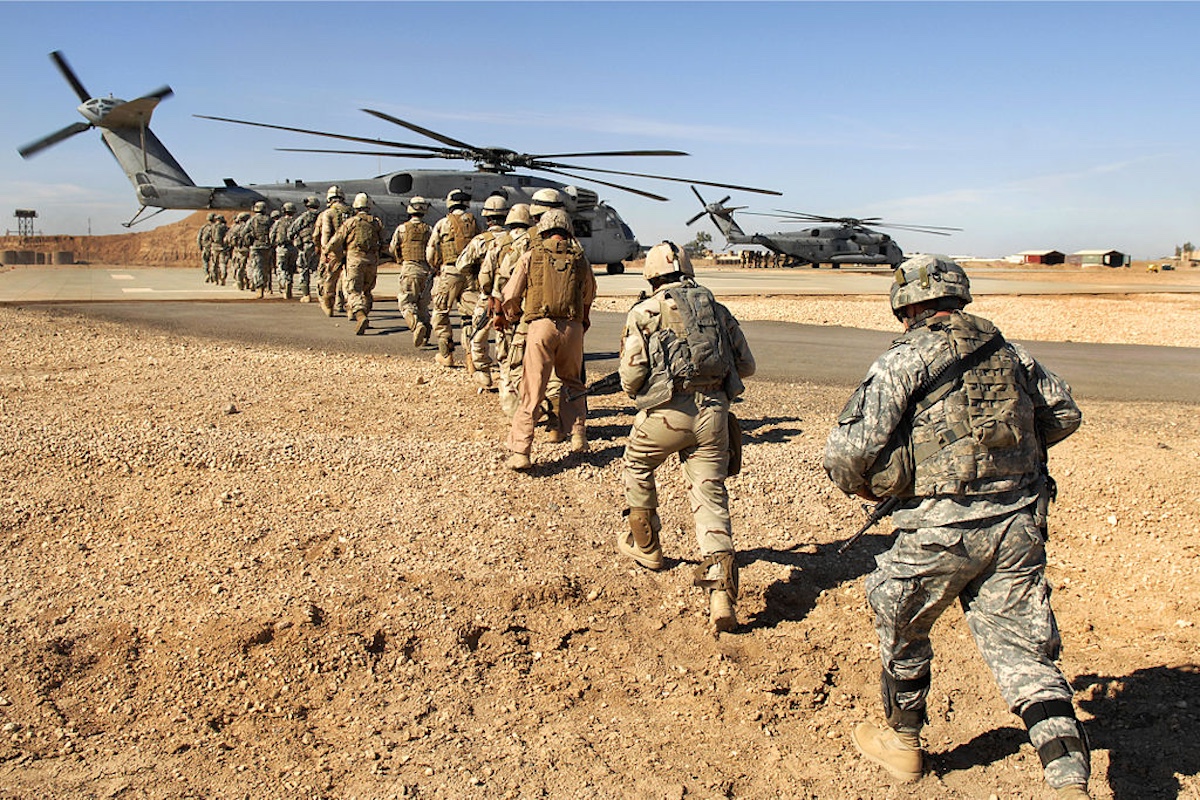
    For 75 years, the political and military architecture of the Middle East was structured around an American-led framework. While Washington never claimed exclusive influence over the region, it served as the ultimate reference point for all regional action: its naval fleets, military bases, and outsized diplomatic clout set hard limits on what rival regional powers could do to one another, acting as the de facto guarantor of the existing status quo.

    This framework is not entirely collapsed, but its authority has eroded dramatically. What is taking shape in its wake is not a neatly structured new regional order, but the return of a long-dormant dynamic: an authentic multipolar competition between core regional powers, strategic hedging by outside global actors, and a United States that now intervenes selectively rather than presiding over the region continuously.

    ### Debunking the “Power Vacuum” Myth

    It has become a common trope to frame American strategic retrenchment in the Middle East as creating a “power vacuum.” Yet this metaphor is fundamentally misleading. By definition, vacuums are quickly filled, and the space abandoned by a retreating hegemon is never claimed evenly. Instead, it is carved up unevenly by whichever regional actors hold the greatest capacity and clearest strategic interests in the moment.

    In this post-hegemonic Middle East, this dynamic has played out not as a transition to a single successor order, but as three overlapping, simultaneous contests for influence.

    The first is a competition for economic and diplomatic primacy in the Gulf region. Over the past decade, Saudi Arabia and the United Arab Emirates have built independent foreign policies that often diverge openly from Washington’s preferences. This shift includes de-escalating tensions with Iran, pursuing deeper economic and strategic ties with China, and sourcing military arms from whichever global power offers the most favorable terms.

    This shift should not be misread as anti-American sentiment. It aligns exactly with what realist international relations theory predicts: when a patron power’s security guarantees become less reliable, capable regional states will naturally seek to diversify their strategic dependencies to reduce risk.

    The second contest centers on Iran’s future role in the region. This struggle unfolds not through direct, open war between states, but through proxy conflicts, targeted sabotage operations, and occasional overt military strikes. The core unresolved question hanging over this competition is whether an economically squeezed, internationally isolated Iran will retrench within its own borders, or double down on building its deterrent architecture—most notably nuclear latency, which becomes a more, not less, attractive strategic asset as Iran’s conventional military capabilities weaken relative to its rivals.

    The third contest is a reordering of Israel’s regional diplomatic relationships. This process has seen Israel move toward normalization with multiple Arab states, even as the core conflict over the Palestinian question remains unresolved and has arguably worsened. This fundamental contradiction is one that outside powers have largely chosen to manage rather than resolve, because a final resolution of the Palestinian issue was never actually required for normalization talks to move forward.

    Notably, none of these shifts required a full American withdrawal from the region. All that was needed was for regional actors to stop assuming that Washington’s ability to veto regional outcomes would last forever.

    ### Clarifying What Post-Hegemony Actually Means

    It is critical to draw clear lines around what has not changed in the region. The United States still maintains more military capacity in and around the Middle East than any other outside power, and it has repeatedly demonstrated its willingness to deploy that power—through aircraft carrier strike group deployments, targeted airstrikes, and sweeping sanctions regimes that most global economies still cannot fully evade.

    Post-hegemony does not mean American absence from the region. What it does mean is the end of the long-held presumption—shared for decades by both Washington and regional capitals—that all major regional outcomes would ultimately be arbitrated by the United States.

    The core realist critique of the old American hegemonic project was never that U.S. power was insufficient to stabilize the region. Instead, it argued that the project itself—attempting to stabilize the Middle East through permanent forward military deployment, open-ended security guarantees, and periodic wars of choice—generated more instability than it resolved, at a cost far out of proportion to any actual core American national interest.

    The 2003 invasion and subsequent occupation of Iraq is the textbook example of this failure, while the intervention in Libya and decades-long entanglement in Syria serve as supporting footnotes to the same argument. A superpower that ties its global credibility to outcomes it cannot fully control will eventually find its credibility held hostage to local actors—client states, insurgent movements, rival powers—that have far more at stake regionally than Washington does globally.

    ### Why China and Russia Are Not Rival Hegemons

    Much mainstream American commentary frames Gulf states’ strategic hedging with China and Russia as evidence that a new rival hegemonic order is displacing American influence in the region. This reading overstates both China’s appetite for a leading security role and Russia’s current capacity to fill such a position.

    Beijing has consistently prioritized commercial access and energy security in the Middle East, and has shown almost no interest in taking on the security guarantor role that the United States has occupied for decades. China has no network of permanent military bases in the region, no mutual defense treaties with core Gulf states, and no willingness to referee long-running disputes between Sunni and Shia factions or between Arab states and Israel.

    Russia, meanwhile, has been severely degraded by its ongoing war in Ukraine. It retains limited influence through arms sales and its military foothold in Syria, but lacks the spare economic and military capacity to guarantee the security of any regional state during a major crisis.

    What both China and Russia offer regional states is not a replacement for the American security patronage, but valuable negotiating leverage against the incumbent hegemon. This is exactly the kind of strategic diversification that any rational middle power will pursue once it doubts the long-term reliability of its existing patron.

    ### The Uncomfortable Realistic Path Forward

    The most likely trajectory for the region in coming years is not the emergence of a stable new equilibrium, but a far rockier, more costly, and more ad-hoc form of regional politics. Conflicts will be managed rather than prevented, deterrence relationships will shift with every new crisis, and outside powers—including the United States—will be drawn back into conflicts episodically rather than maintaining continuous control.

    This is not a comforting picture, but it is the most realistic one. Honest assessments of the new regional context are a far better foundation for policy than the nostalgic fantasy that American primacy in the Middle East was ever cost-free, or that its gradual erosion is a crisis that must be reversed, rather than a new reality that must be managed.

    For American policymakers, the core question is no longer how to restore the old American-led framework. Instead, it is whether Washington can define a narrow set of genuine core national interests—including nonproliferation of nuclear weapons, freedom of navigation in international waterways, and preventing any single power from gaining exclusive control over Gulf energy exports—and pursue those goals without re-assuming the role of universal security guarantor for every other regional dispute.

    This narrow, targeted approach is a harder discipline than either full withdrawal or full-scale re-engagement. But for realist analysts, it is also the only approach that is likely to be sustainable in the long term.

  • Berlin Pride attack suspect shot and killed during police operation

    Berlin Pride attack suspect shot and killed during police operation

    The vibrancy and celebration of one of Europe’s largest annual Pride events in Berlin turned to horror and chaos on Saturday night, when a 21-year-old radicalized attacker launched what German authorities have confirmed was an Islamist terror attack that left one dead and 29 others injured.

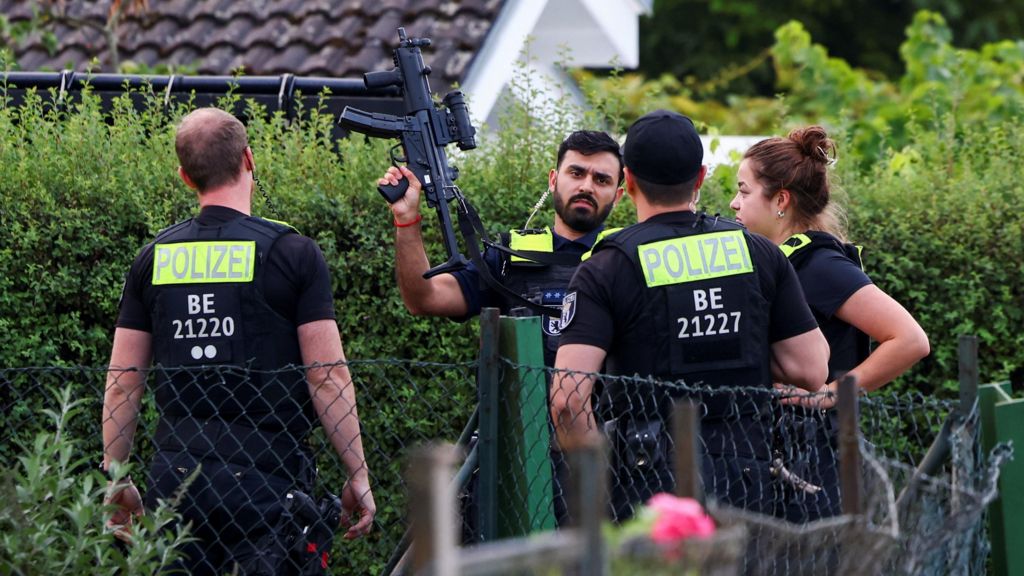
    The violence unfolded shortly before 10 p.m. local time near Tiergarten park, along Ahornsteig, a tree-lined pathway cutting through the popular green space that sits on the route of Berlin’s annual Christopher Street Day Pride celebration. The suspect, identified as Abdul Ballout — a German citizen of Lebanese heritage with a long record of prior offenses and confirmed radicalization — drove a white van directly into a dense crowd of attendees. After the vehicle ramming, Ballout launched a secondary stabbing assault that left additional people wounded, before fleeing the scene and triggering a massive, city-wide manhunt.

    That manhunt came to a violent end on Sunday afternoon, when Berlin police located Ballout at an allotment in the western borough of Spandau. Law enforcement officials confirmed that officers opened fire on the suspect after he charged at them with a knife, killing him at the scene.

    Details of Ballout’s extensive criminal and extremist history emerged in the hours after the attack, released through official statements from Germany’s interior ministry and Berlin’s public prosecutor’s office. Long before the Pride attack, Ballout had already been identified as a threat connected to the global Islamist extremist network. In May 2025, he traveled from Germany through Turkey to Lebanon, with the explicit goal of crossing into Syria to join the Islamic State (IS) terror group, prosecutors confirmed. While in Lebanon, he attempted to connect with individuals he believed to be IS members, and was arrested by local authorities just two months later. He served three months in a Lebanese prison on charges of inciting religious and sectarian conflict before being deported back to Germany in November 2025.

    Upon his arrival at Berlin Brandenburg Airport, German authorities took Ballout into pre-trial detention. In May 2026, he was convicted of preparing a serious act of state-endangering violence, and sentenced to one year and 10 months in prison. In a decision that has since come under implicit scrutiny, the sentencing judge deferred the prison term for six months and released Ballout into the community under the supervision of a parole officer. Prior to his 2025 IS-related arrest, Ballout had already been convicted of robbery in 2020 and assault and additional robbery charges in 2022.

    Addressing reporters on Sunday, German Interior Minister Alexander Dobrindt confirmed that all available evidence points to the attack being a premeditated Islamist terror act. Dobrindt announced that Germany would raise its national terror threat level in response to the attack, and has advised all regional state authorities to review and strengthen existing security protocols for all upcoming large-scale public events.

    German Chancellor Friedrich Merz visited the attack site in Tiergarten Park on Sunday, and spoke to mourners after a commemorative church service for the victims. He reaffirmed the nation’s commitment to resisting extremist ideology, stating: “These extremists have no place in our society. We will defend the freedom and openness of our lives, and we will not allow the poison of terrorism to corrode our social fabric.”

    As of Sunday, local German media reported that all of the injured victims are no longer in life-threatening condition, a small moment of relief amid the national shock over the attack. The violence cut short what had been a day of celebration for hundreds of thousands of attendees at Christopher Street Day, the annual event that commemorates the 1969 Stonewall Uprising in New York City’s Christopher Street, widely recognized as the catalyst for the modern global LGBTQ+ rights movement.

    In the wake of the attack, city officials canceled all scheduled follow-up events, including a planned Sunday morning breakfast market and a post-Pride park clean-up in Tiergarten. Later that day, however, members of Berlin’s LGBTQ+ community gathered spontaneously near the iconic Brandenburg Gate to hold an impromptu vigil for the victim and injured.

    Speakers at the vigil used the moment to condemn all forms of violent extremism, but also directed criticism at the German federal government, highlighting recent budget cuts to queer community organizations that advocates say have weakened support and safety infrastructure for LGBTQ+ events. For many attendees, the resolve to continue the fight for LGBTQ+ rights remained unbroken. Armin Duenhoelter, a drag artist who was backstage at the Pride main stage when the attack unfolded, told reporters he remained deeply shaken by the violence, but vowed to return for next year’s celebration. “We won’t let it beat us down,” he said.

  • Exclusive: UK told Karim Khan it would not back him as ICC prosecutor before removal vote

    Exclusive: UK told Karim Khan it would not back him as ICC prosecutor before removal vote

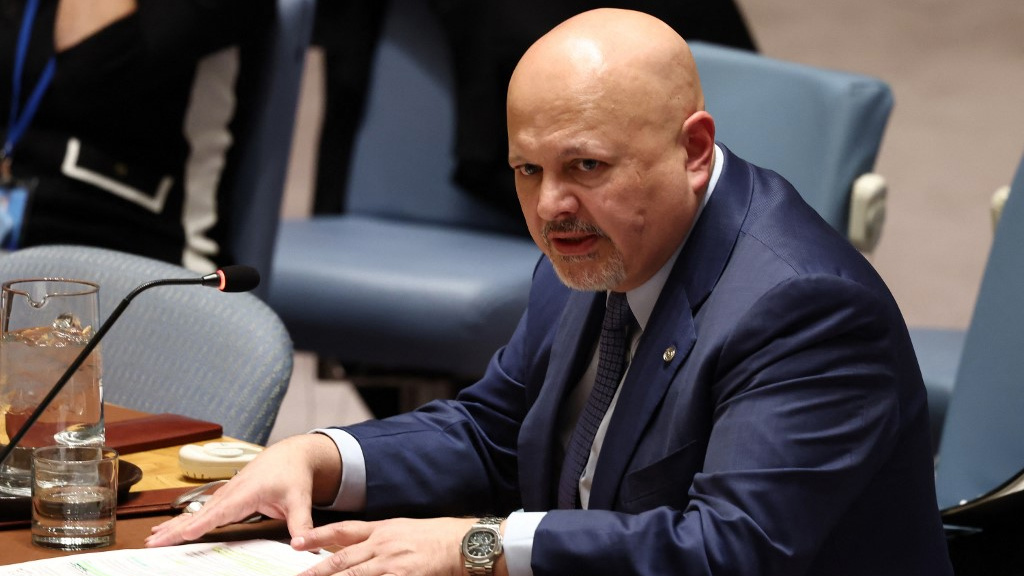
    In a historic and deeply controversial secret ballot held Friday at United Nations headquarters in New York, 82 of the International Criminal Court’s 125 member states voted to dismiss British chief prosecutor Karim Khan from his post over unproven sexual misconduct claims, after the United Kingdom privately withdrew its backing for Khan and refused him a meeting with senior government ministers, exclusive reporting from Middle East Eye confirms.

    The dismissal caps an 18-month disciplinary process that critics, including Palestinian rights advocates, former ICC judges, and Khan’s own legal team, have labeled as a politically motivated effort to undermine the court’s ongoing investigation into war crimes committed during the Gaza conflict. The sequence of events begins in March 2024, when an independent panel of judges appointed by the ICC’s governing Assembly of State Parties (ASP) bureau unanimously cleared Khan of all wrongdoing, finding that findings from a prior UN investigation into the allegations “do not establish misconduct or breach of duty under the relevant framework.”

    Khan has continuously denied all allegations against him, rejecting claims of a sexual relationship with the complainant and refuting her core assertion of non-consensual sexual conduct. Despite the independent panel’s full acquittal, a coalition of largely Western and European ASP bureau members voted to set aside the judges’ ruling and issue its own adverse finding against Khan based on the original UN report. Last month, the bureau concluded that a sexual relationship had occurred, arguing that the power imbalance inherent in the connection made the relationship inherently inappropriate – a conclusion that directly contradicted the independent judicial review.

    Contested summary documents distributed by the bureau to all member states ahead of the vote compounded this irregular process. While the UN investigation never issued formal factual findings confirming the allegations, the bureau’s summaries presented the unsubstantiated claims as confirmed fact, skewing the information available to voting delegates.

    As a founding signatory of the Rome Statute, the ICC’s governing charter, the UK’s position on the vote carried outsize influence. According to sources with direct knowledge of internal discussions, a UK government official notified Khan on June 17 that the British government would not support his retention in office, despite having backed his election to the role in 2021. The official confirmed the UK’s decision was made after reviewing the same bureau-distributed summaries that misrepresented the allegations as proven fact. When Khan requested a meeting with a senior British minister to personally brief officials on his side of the case, the request was formally denied on July 1, the sources confirmed. The dismissal unfolded amid a rapid change in UK leadership, occurring days after Andy Burnham succeeded Keir Starmer as prime minister and appointed Ed Miliband as the new foreign secretary. Miliband has framed his tenure as a commitment to upholding democratic values and international law on the global stage, though he has not commented publicly on the UK’s position in the vote.

    Critics across the global human rights community have already drawn a clear connection between Khan’s ouster and his office’s groundbreaking decision to issue arrest warrants for Israeli Prime Minister Benjamin Netanyahu and former defense minister Yoav Gallant on war crimes charges related to the 2023-2024 Gaza conflict. United Nations Special Rapporteur for the Occupied Palestinian Territories Francesca Albanese summarized the widespread concern in a post on X Saturday, noting that “Khan’s removal lines up neatly with the fight to neutralise Netanyahu’s arrest warrant. Coincidence is a luxury intl law can no longer afford.”

    Israeli media confirmed Friday that an official lobbying task force led by Israeli Foreign Minister Gideon Saar actively pressured ICC member states to vote against Khan. Saar welcomed the dismissal as “long-delayed” in a public statement following the vote, and called on the ICC to abandon the arrest warrants against Israeli leaders immediately.

    The pressure campaign against Khan predates the disciplinary process, as documented by Middle East Eye in 2024. After Khan’s office requested the arrest warrants for Netanyahu and Gallant in May 2024 – which the court ultimately issued that November – the United States imposed formal sanctions on Khan, his two deputy prosecutors, and multiple ICC judges. U.S. Secretary of State Marco Rubio reaffirmed Washington’s aggressive stance earlier this month, stating that the U.S. would “dismantle the ICC – brick by brick, if necessary.”

    Tayab Ali, Khan’s lead defense lawyer, released a statement Friday expressing deep regret over the ASP’s decision to ignore repeated warnings about due process from more than 180 global human rights groups and legal experts. “The decision is unsupported by any lawful or properly reasoned finding that Mr Khan KC committed misconduct or breached his duties as prosecutor,” Ali said.

    In a development that underscores the irregularity of the final vote, the complainant gave her first public interview on the case to CNN last week, reaffirming her allegation of non-consensual conduct – but member states never held a vote to confirm or reject this specific claim.

    The UK’s opposition to Khan also aligns with previously reported threats against the ICC. In June 2024, Middle East Eye revealed that then-UK Foreign Secretary David Cameron called Khan in April 2024, weeks before the prosecutor submitted his request for the Israeli arrest warrants, and threatened to cut UK funding and withdraw the country from the court entirely if the warrants were issued. The UK Foreign Office has repeatedly refused to comment on the call, despite repeated calls from cross-party members of Parliament for an official investigation and a formal inquiry by the House of Commons Foreign Affairs Select Committee.

    Middle East Eye, which first broke the story of the UK’s behind-the-scenes opposition to Khan, provides independent, in-depth coverage of the Middle East, North Africa, and global human rights issues.

  • Waves of settler attacks target mosques, homes and businesses across West Bank

    Waves of settler attacks target mosques, homes and businesses across West Bank

    On a Sunday in late July 2026, Israeli settlers carried out a coordinated wave of violent attacks spanning multiple districts across the occupied West Bank, leaving two mosques destroyed, infrastructure damaged, and dozens of Palestinian residents terrorized. Palestinian officials confirm the assaults were conducted under the direct protection of Israeli military forces, marking one of the broadest single-day settler offensives targeting Palestinian communities in recent months.

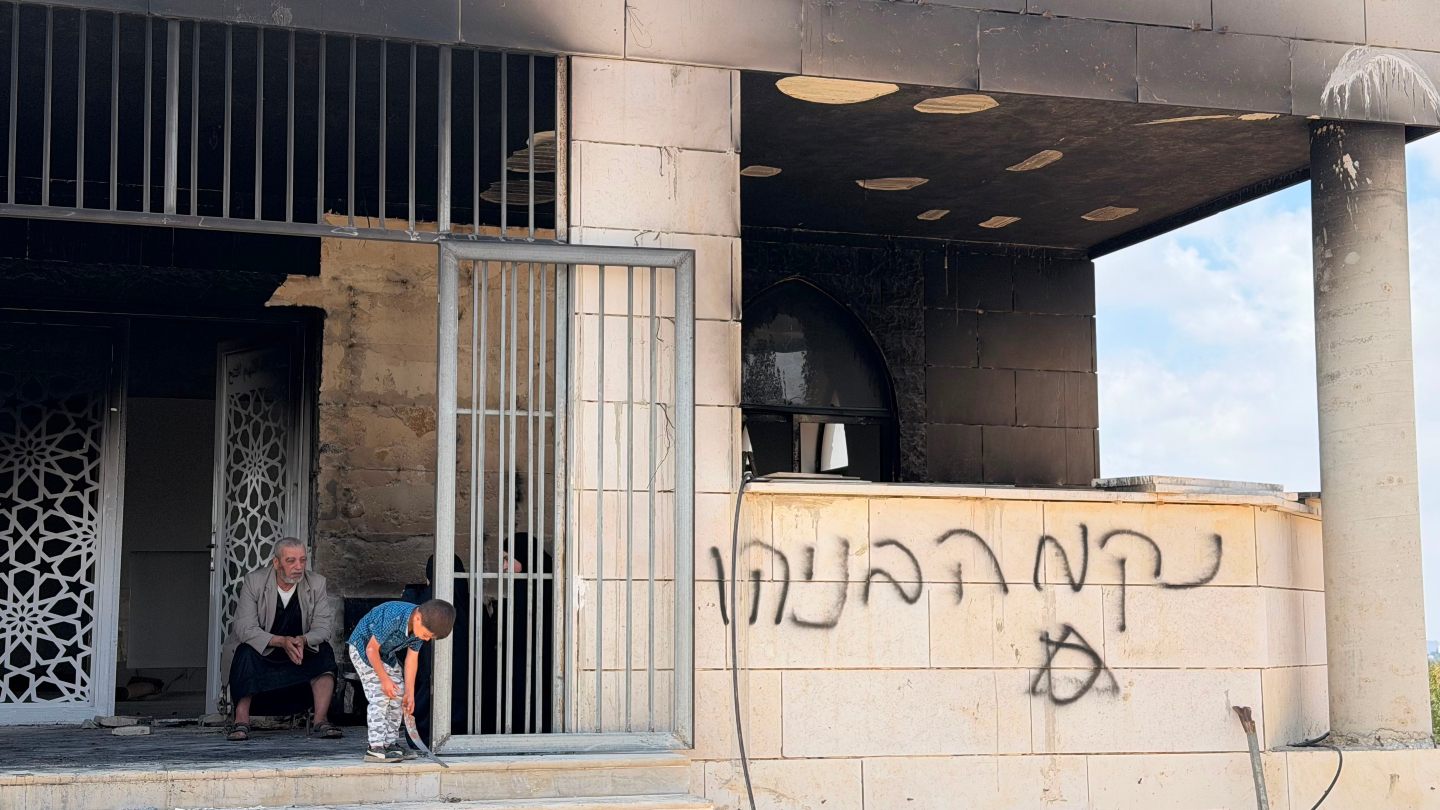
    The most destructive attacks targeted places of worship, in what Palestinian religious leaders call a deliberate attempt to inflame religious tensions. In the village of Qusra, located south of Nablus, settlers set large portions of the newly completed al-Rahma Mosque ablaze. Local activist Abdul-Azim Wadi told Middle East Eye that he was alerted to the arson at 2:30 a.m., when residents rushed to the scene to battle the fire before fire crews could gain access. Just one day prior, villagers had finished renovating and recarpeting the mosque in preparation for its official opening in the coming days. The blaze left extensive damage, including partial collapse of several interior walls. Investigating the site after the attack, residents found racist Hebrew-language slogans spray-painted across the mosque’s outer walls, including phrases reading “Israel will be established with blood” and “Mosques will not frighten us.” The graffiti made clear the arson was carried out as revenge for the recent killing of settlers in the nearby Tell area. Wadi added that Qusra has been a repeated target of settler aggression: in 2011, settlers burned another village mosque, in 2023 they killed six Palestinian residents in a single day of violence, and in 2024 they set fire to 47 residential and agricultural structures across the village.

    A second mosque was attacked in the village of Kur, south of Tulkarm, where settlers also set the building on fire and left revenge-themed racist graffiti on its walls.

    Beyond religious sites, settlers targeted Palestinian economic infrastructure and private property across eight additional West Bank governorates: Ramallah, Hebron, Salfit, Qalqilya, Jericho, and Jerusalem. In the Ain Samia region, northeast of Ramallah, assailants raided a privately owned Palestinian stone quarry, setting more than 10 pieces of heavy industrial equipment including excavators, bulldozers, and transport trucks on fire. Quarry owner Abdel Samad Abdel Aziz estimates total damages at 2 million Israeli shekels, equal to roughly $666,000. The assault left three security guards injured after settlers beat them and attacked them with pepper spray. Abdel Aziz noted that while his quarry has been targeted by vandalism in the past, this was the first large-scale arson attack. He added that the Israeli military delayed entry for Palestinian fire crews, allowing the fires to burn uncontrolled for hours and significantly worsen the total damage.

    Across other West Bank communities, the violence extended to civilian infrastructure and residents: in Beitillu, northwest of Ramallah, multiple Palestinian-owned vehicles were set ablaze. In Beit Furik, east of Nablus, settlers attempted to burn down a private home after spray-painting inciting slogans on its exterior, but were forced to flee by alerted local residents. Near the Karnei Shomron settlement, built on expropriated Palestinian land east of Qalqilya, settlers blocked and attacked an ambulance transporting a critically ill patient, forcing the vehicle to turn back to its point of origin. Near Mitzpe Yericho, southwest of Jericho, settlers stoned passing Palestinian civilian cars. In Bani Na’im, east of Hebron, assailants blocked a key access road to the desert region east of Yatta with piles of excavated soil. East of Jerusalem, armed settlers opened live fire on residents of a Bedouin community near the village of Jaba’, before setting a residential home and a civilian vehicle on fire. Along the Wadi Qana highway connecting Salfit and Qalqilya, settlers stoned passing Palestinian vehicles, while simultaneously establishing a new unauthorized settlement outpost on privately owned Palestinian land belonging to the village of Deir Istiya, according to Palestinian officials.

    Palestinian authorities have issued widespread condemnation of the attacks. The Palestinian Higher Fatwa Council called the assaults part of a deliberate, systematic campaign targeting Palestinian religious sites. “The burning of al-Rahma Mosque in Qusra and the mosque in Kur represents a new crime that falls within the systematic and dangerous policy of the Israeli occupation targeting holy sites and places of worship,” the council said in an official statement. The body also warned that repeated attacks on holy sites, including repeated incursions into the Al-Aqsa Mosque compound in East Jerusalem, carry a severe risk of escalating regional tensions across the entire Middle East.

    The Palestinian Ministry of Foreign Affairs echoed the condemnation, framing the violence as organized state-backed settler terrorism. “Targeting mosques and other places of worship, and writing racist and inciting slogans on their walls, reflects the true face of the racist, settler-colonial occupation and its ongoing attempts to transform the political conflict into a religious one, in order to fuel hatred and justify its crimes against the Palestinian people,” the ministry said. The statement emphasized that the attacks are the direct result of a long-standing policy of impunity for settler violence, where Israeli forces provide protection for assaults and do not hold perpetrators accountable. The ministry called on the international community, the United Nations, and all relevant global bodies to implement binding practical measures to halt the violence, designate armed settler groups operating in the West Bank as terrorist organizations, and impose harsh deterrent sanctions on settler perpetrators and their backers to ensure accountability for crimes against Palestinian civilians.

    Data collected by Palestinian advocacy groups shows that this recent wave of violence is part of a rapidly escalating trend of settler aggression in 2026. The Wall and Settlement Resistance Commission reports that Israeli forces and settlers carried out roughly 11,074 separate attacks against Palestinian communities in the West Bank during the first half of 2026 alone. The Palestinian Information Center documented 6,856 separate violations of Palestinian rights just in the month of June. Currently, approximately 750,000 Israeli settlers reside in the occupied West Bank, distributed across 141 officially recognized Israeli settlements and 224 unauthorized outposts, built on expropriated Palestinian land. Roughly 250,000 of these settlers live in settlements east of Jerusalem, amid daily attacks targeting Palestinian residents, their agricultural land, and their private property.

  • A Hong Kong democracy activist’s long-awaited London reunion may be cut short

    A Hong Kong democracy activist’s long-awaited London reunion may be cut short

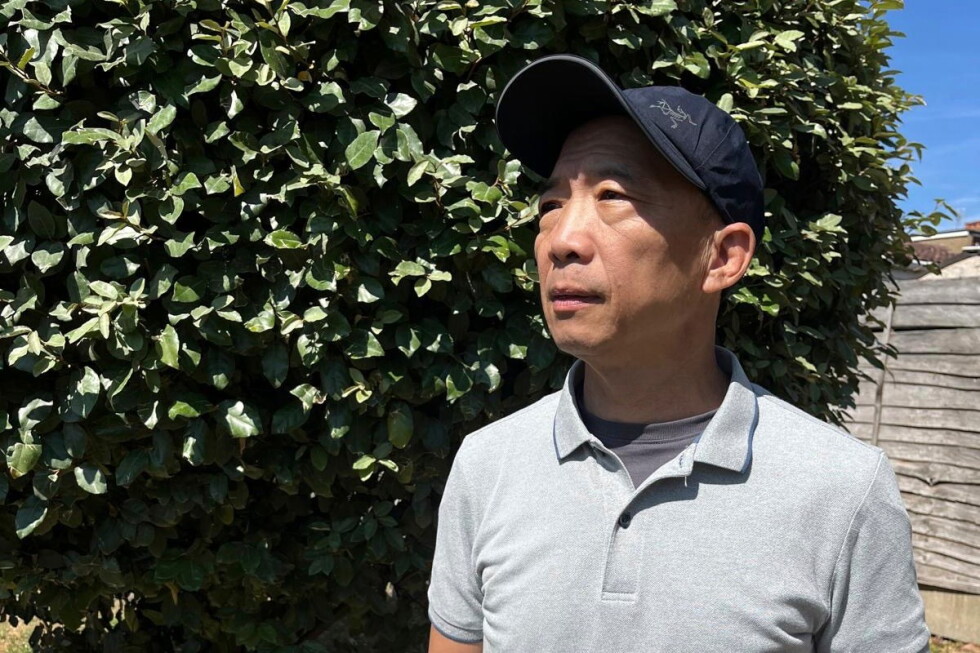
    LONDON/HONG KONG – For former Hong Kong pro-democracy lawmaker Wu Chi-wai, the long-awaited embrace of his wife and son in London last week marked the end of more than five years behind bars and the first in-person reunion with his family in years. The emotional meeting, filled with tears of joy after years of separation, has now been cut drastically short, as the ex-opposition leader faces deportation back to Hong Kong as early as this week, far sooner than anyone involved planned.

    Wu, who once led the Democratic Party – Hong Kong’s formerly largest pro-democracy opposition bloc – was among the 47 high-profile activists charged in 2021 in the city’s biggest national security case stemming from the sweeping national security law imposed by Beijing on Hong Kong in 2020, a legislation that effectively dismantled the city’s once-vibrant pro-democracy movement. In 2024, he was convicted of conspiracy to commit subversion over his participation in an unofficial pro-democracy primary election held in 2020, and sentenced to four years and five months in prison. He was granted release last month, and immediately arranged travel to the UK to reunite with his family, who relocated to the country in 2022.

    Anticipating potential complications from his criminal record, Wu coordinated with the British consulate in Hong Kong ahead of his departure to smooth entry. But upon landing in London last Wednesday, UK border officials raised questions about his intentions, including speculation that he planned to pursue long-term residency in the country, Wu told the Associated Press in an interview. After processing, authorities granted Wu entry only on a seven-day immigration bail, meaning he is scheduled to be removed from the UK this coming Wednesday. The unexpected timeline has scrapped months of planned family time the 62-year-old had looked forward to after years of separation.

    Wu, who has denied seeking asylum in the UK and says his only long-term goal is to reunite permanently with his family, says he now fears the immigration black mark will damage his ability to travel to see his loved ones in the future. He is calling on the UK Home Office to reverse the deportation order and grant him an extended stay. “I am very worried about whether I have the ability or a chance to secure re-entrance to the UK to meet with my family again,” Wu said in the interview.

    In a response to reporters on Sunday, a Home Office spokesperson said the department does not typically comment on individual immigration cases, but reaffirmed that the UK government remains “steadfast in supporting Hong Kongers in the UK.” As of Sunday, neither the Home Office nor the airline that changed Wu’s return flight – originally booked for November – had responded to requests for comment on the case.

    Wu’s situation unfolds against a backdrop of mass emigration from Hong Kong in the wake of the national security law’s implementation. Tens of thousands of residents, including many families and young professionals, have left the territory for countries including the UK, which launched a special visa scheme for Hong Kongers in 2021. Official UK government data shows more than 230,000 Hong Kong residents have secured visas through the scheme, which allows holders to live, work, and study in the UK, and apply for permanent settlement after five years. More than 9,800 visa holders have already been granted full permanent residency to date.

    Beijing and Hong Kong government officials have long maintained the national security law was a necessary measure to restore stability to the territory after widespread 2019 pro-democracy protests. But the legislation has led to sweeping political changes that have gutted Hong Kong’s pro-democracy infrastructure: the Legislative Council Wu once served in is now entirely dominated by pro-Beijing loyalists following a 2021 electoral overhaul that restricted opposition participation; dozens of pro-democracy civil society groups, including Wu’s former Democratic Party, have disbanded; and independent pro-democracy media outlets such as the Apple Daily have been forced to shut down, with its founder Jimmy Lai currently serving a 20-year prison term under the same national security law.

    These changes have eroded many of the autonomous freedoms guaranteed to Hong Kong under the Sino-British Joint Declaration, when the territory returned to Chinese rule in 1997. For Wu, who lost both of his parents while he was imprisoned – and was only allowed to attend their funerals for brief, supervised visits – the experience of incarceration has shifted his priorities entirely. He said that when he was locked up, he was only permitted a 10-minute phone call with his wife and son once a month, and mailed letters took roughly a month to travel between Hong Kong and the UK and receive a reply.

    “Even if you can’t bear to let go, you still have to,” Wu said of the disbandment of his former party. “Prison taught me that life is short. If at such a moment you are unable to see your parents off for the last time, the psychological blow is actually significant.” Wu says he has no plans to engage in political activity moving forward, and only wants to rebuild his life with his family. “Start afresh and cherish the time I have to reunite with my family,” he said. “I feel this is my most important task in the near future.”

  • Displaced from wildfires in Spain share their stories of uncertainty and narrow escapes

    Displaced from wildfires in Spain share their stories of uncertainty and narrow escapes

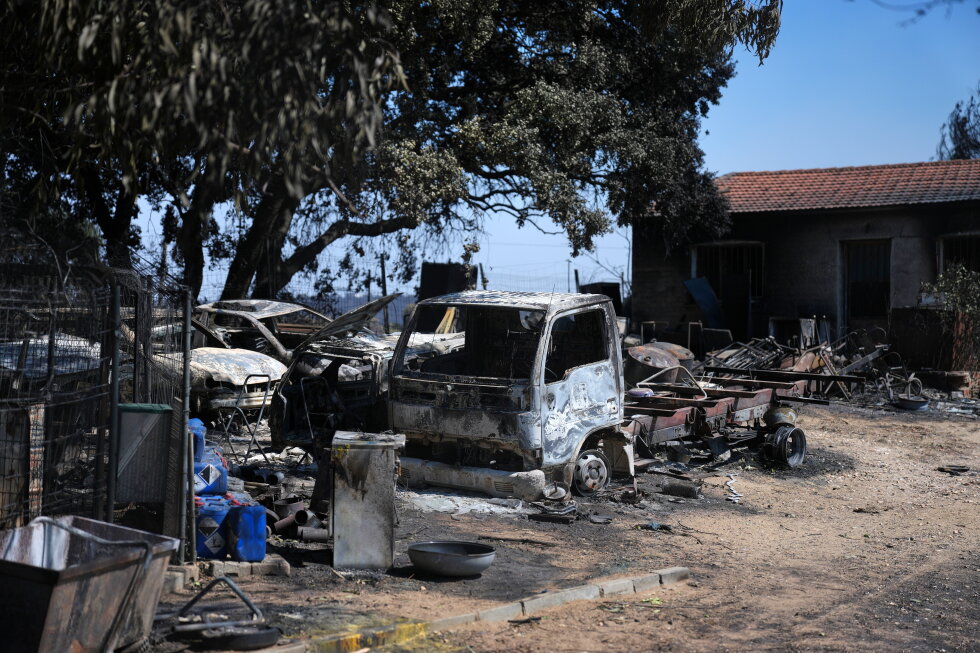
    Across the Iberian Peninsula, out-of-control wildfires have carved a path of destruction through central Spain and southwestern France’s Bordeaux wine region, displacing nearly 340,000 people and leaving thousands of properties reduced to ash. For survivors sheltering in temporary evacuation facilities, the question of what awaits when they return to their hometowns hangs heavy, casting a dark shadow over a nation that just days earlier was gripped by World Cup celebration.

    Seventy-nine-year-old retiree Elvira Menéndez counts herself among the lucky. Her home in Chapinería, a small town west of Madrid, remains standing, unlike hundreds of others consumed by the rapidly spreading flames. But her relief is tempered by concern for neighbors who lost everything: a young family with three children that lives down the street from her son lost their entire home to the blaze. “They have been left with nothing,” Menéndez told the Associated Press from her temporary shelter.

    Menéndez is one of nearly 90,000 people forced to evacuate across three central Spanish provinces after a series of merging blazes created an unprecedented wildfire event. On Friday afternoon, two large wildfires burning in the area surrounding Madrid merged into one fast-growing inferno, which later combined with a third fire already burning in Ávila, north of the capital. The unprecedented scale of the blaze pushed the Spanish government to declare its first national-level fire emergency in history. Flames have since spread further into the southwestern province of Toledo, with a total of 77,000 hectares — an area roughly equivalent to 297 square miles — already scorched across central Spain alone. Across the border in France, more than 250,000 people have fled their homes as wildfires tear through the major Bordeaux wine growing region.

    Evacuated just hours before flames reached her neighborhood, Menéndez was spending her third consecutive night on Sunday at a makeshift shelter set up in a sports complex in Villaviciosa de Odón, a 40-minute drive from her home. She is staying at the shelter alongside her entire family and their pet dog, and says she is clinging to small mercies in an uncertain time: “At least we’re all together.”

    Her anxiety and loss are shared by dozens of other survivors staying at the same shelter. Rocío Domínguez, a 35-year-old unemployed resident who fled with her parents and siblings, escaped with nothing more than the clothes on her back and an emergency kit for her two dogs. “All the clothes, all the memories, everything, everything, everything,” were left behind as she rushed to evacuate, she said. Every item she has now — from her daily clothing to food and basic toiletries — has been donated by aid workers at the shelter. Domínguez still vividly recalls the chaos of the evacuation, describing the scene as apocalyptic: “It was madness with cars going up and down, traffic jams in the village streets as people tried to get out. You couldn’t see anything. Everything was covered in ash, and you could see all the burned animals.”

    Spanish King Felipe VI and Queen Letizia met with displaced survivors on Sunday during a visit to a second evacuation shelter in Villamartín, 45 kilometers west of Madrid, where they heard firsthand accounts of loss and uncertainty. Following the meetings, Queen Letizia told reporters that centering survivors’ experiences was critical: it was important “to hear how they feel and how they recount their hasty departure from their home. How they have felt the sadness they describe, the anguish, the uncertainty, and those questions they leave hanging in the air.”

    The disaster is far from over. Spanish Minister of Ecological Transition Sara Aagesen has warned that more evacuations are likely to be ordered in the coming days as flames continue to spread through dry, warm conditions.

    The wildfire disaster has dramatically shifted the national mood in Spain, just one week after millions of Spaniards filled streets across the country to celebrate the men’s national football team’s second World Cup title, won in a final against Argentina in New Jersey. As the cheers of celebration faded, members of the champion team have stepped up to support displaced fire survivors. Luis de la Fuente, head coach of the World Cup-winning squad, visited evacuees at a sports center in Las Rozas, where the Spanish Football Federation (RFEF) has its national headquarters. The RFEF has opened the national team’s training facilities, normally used by the newly crowned champions, to house vulnerable evacuated families.

    De la Fuente told public broadcaster TVE that the entire nation is standing with wildfire survivors, echoing the unity the team felt during their World Cup run. “All of Spain is watching over them,” he said. “They have the support of the entire country, the same support we have when we play soccer. It’s exactly the same.”