博客

  • Future ready education at Al Yasat Private School

    Future ready education at Al Yasat Private School

    In an innovative educational shift, Al Yasat Private School has strategically integrated esports into its academic curriculum, transforming competitive gaming into a legitimate pathway for developing essential 21st century skills. This forward-thinking approach, implemented as of January 2026, represents a significant departure from traditional perceptions of gaming as mere recreation.

    The school’s esports program operates alongside established specialized pathways including aviation, engineering, artificial intelligence, drone technology, and video production. The initiative extends far beyond competitive gameplay, serving as an immersive learning environment that cultivates critical cognitive abilities. Students engage in complex problem-solving scenarios that require rapid information evaluation, strategic adaptation, and collaborative decision-making under pressure.

    Each esports match functions as a dynamic classroom where participants continuously analyze opponents’ strategies, assess evolving game situations in real-time, and adjust their tactical approaches accordingly. This process systematically builds competencies in critical thinking, teamwork, and rapid response formulation—skills directly transferable to professional environments these students will eventually enter.

    The program’s implementation reflects Al Yasat’s commitment to preparing students for a rapidly evolving global landscape that demands individuals capable of navigating complex challenges both independently and as part of collaborative teams. By embracing esports as an educational tool rather than merely recreational activity, the institution demonstrates its dedication to developing lifelong learners equipped with practical abilities for future success.

    This educational innovation strengthens school communities while providing high-engagement learning experiences that directly support the institution’s core mission of comprehensive student development in alignment with emerging global demands.
  • Ajyal Al Falah’s bilingual literacy model shows strong early years success

    Ajyal Al Falah’s bilingual literacy model shows strong early years success

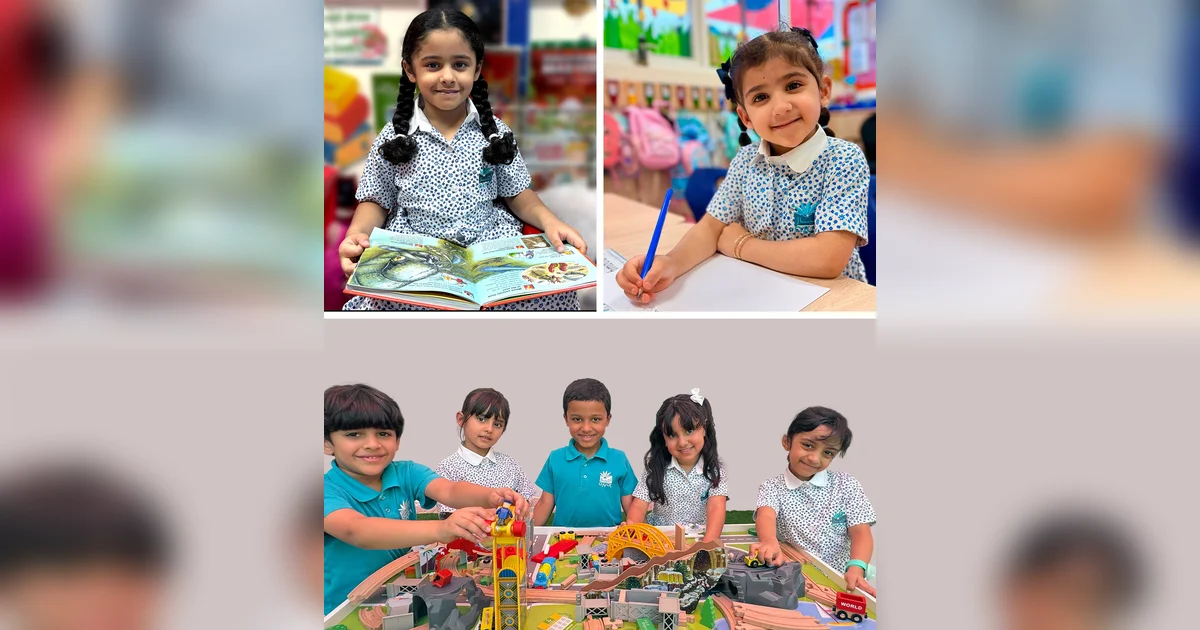
    A pioneering educational approach at Ajyal Al Falah International School in Abu Dhabi is transforming early childhood language acquisition through an innovative bilingual literacy framework. The institution’s methodology, which has garnered substantial parental endorsement, integrates a comprehensive Bilingual Literacy Curriculum with Content and Language Integrated Learning (CLIL) principles and translanguaging pedagogy.

    This educational model enables young learners to develop simultaneous proficiency in both Arabic and English while engaging with academic content. Early-years educators have masterfully blended language instruction with play-based activities, creative construction, and subject-specific learning. The approach follows a constructivist pedagogical philosophy, recognizing that children learn most effectively through inquiry, peer interaction, and guided exploration.

    Principal Dr. Antoinette Brown, in collaboration with kindergarten teachers, developed a five-step language development strategy based on qualitative phenomenological research. Teacher reflections revealed their active involvement in curriculum design, incorporating technology, culturally responsive resources, and subject-specific vocabulary to support literacy development.

    Critical findings indicate that the CLIL and translanguaging methodology significantly enhanced student receptiveness and confidence in both languages. Children demonstrated improved vocabulary comprehension through peer dialogue, increased participation, and deeper engagement with children’s literature. The model successfully maintains Arabic’s academic and social prestige in alignment with UAE Ministry of Education standards, preventing marginalization of the native language.

    Classroom implementation strategies included:
    – Deployment of specialized bilingual resources and modeling of bilingual phrases
    – A “repair and talk” technique to scaffold student dialogue
    – Strategic technology integration
    – Cross-curricular vocabulary practice through meaningful play-based activities

    Researchers noted that emotional and social readiness substantially contributes to successful language acquisition. Teachers observed elevated levels of well-being, motivation, and self-expression during student-directed activities compared to teacher-centered instruction. Notably, Arabic-speaking students naturally employed ‘amiya (spoken Arabic) to support peers through translanguaging, fostering collaborative comprehension across languages.

    The school’s kindergarten program establishes that early investment in Arabic-English integration through play and dialogue creates essential foundations for advanced academic success. By embedding bilingual education, CLIL, and translanguaging into daily practice, Ajyal Al Falah sets a new standard for early childhood pedagogy while providing the cognitive and academic groundwork for future educational achievement.

    Admissions are currently available from Pre-KG through Grade 12 for the 2026–2027 academic year.

  • Danish PM thanks Starmer for support over Greenland

    Danish PM thanks Starmer for support over Greenland

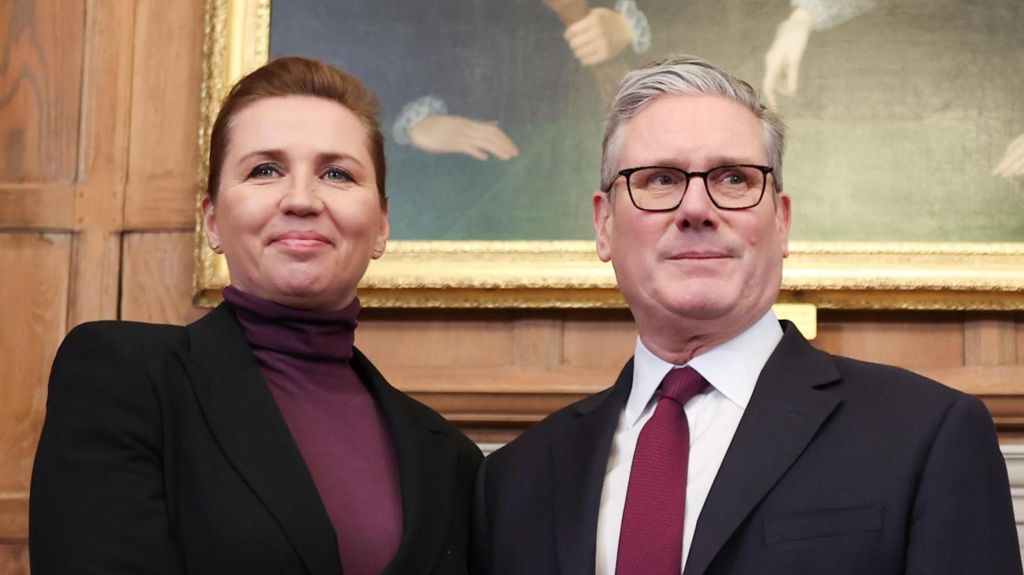
    In a significant diplomatic development, Danish Prime Minister Mette Frederiksen has expressed gratitude to UK Prime Minister Sir Keir Starmer for his unwavering support during recent tensions over former US President Donald Trump’s threats to annex Greenland. The leaders met at Chequers, the British prime minister’s country estate, where they celebrated the successful resolution of what Frederiksen described as “a difficult time” for European solidarity.

    The crisis emerged when Trump renewed calls for the United States to take control of Greenland, a Danish autonomous territory rich in strategic resources and geopolitical significance. This prompted immediate concern across NATO allies and triggered fears of potential trade wars. However, following intensive diplomatic efforts, including discussions between Trump and NATO Secretary General Mark Rutte at the World Economic Forum in Davos, the former president abandoned his threat to impose 10% import tariffs on eight countries, including the UK.

    Prime Minister Starmer welcomed the de-escalation, noting that “the threat of tariffs against the United Kingdom was lifted” and emphasizing the importance of Arctic security for global stability. “Now we can start the hard yards of finding a way forward on security in the Arctic, which may seem remote but actually matters to all of us in terms of safety and security,” Starmer stated during his Hertfordshire visit.

    The resolution emerged from what Downing Street characterized as “serious behind-the-scenes diplomacy,” with the UK maintaining constant communication with the US administration and coordinating closely with NATO leadership. The agreement includes developing a new framework for NATO’s role in enhancing Arctic security, though specific details remain limited.

    Foreign Secretary Yvette Cooper clarified that the agreement focuses on establishing an “Arctic sentry” initiative rather than addressing Greenland’s mineral resources. She emphasized that the climbdown resulted from the UK’s “determined diplomacy” and “very coordinated approach across allies,” despite Trump’s attempts to pressure the UK through criticism of the Chagos Islands agreement with Mauritius.

    The diplomatic victory highlights the effectiveness of what Frederiksen praised as the “British way” of diplomacy—pragmatic, fact-based, and principled. The Danish leader even referenced The Beatles, noting that sometimes nations need to “get by with a little help from our friends” in challenging situations.

  • Why Chile’s wildfires are spreading faster and burning hotter

    Why Chile’s wildfires are spreading faster and burning hotter

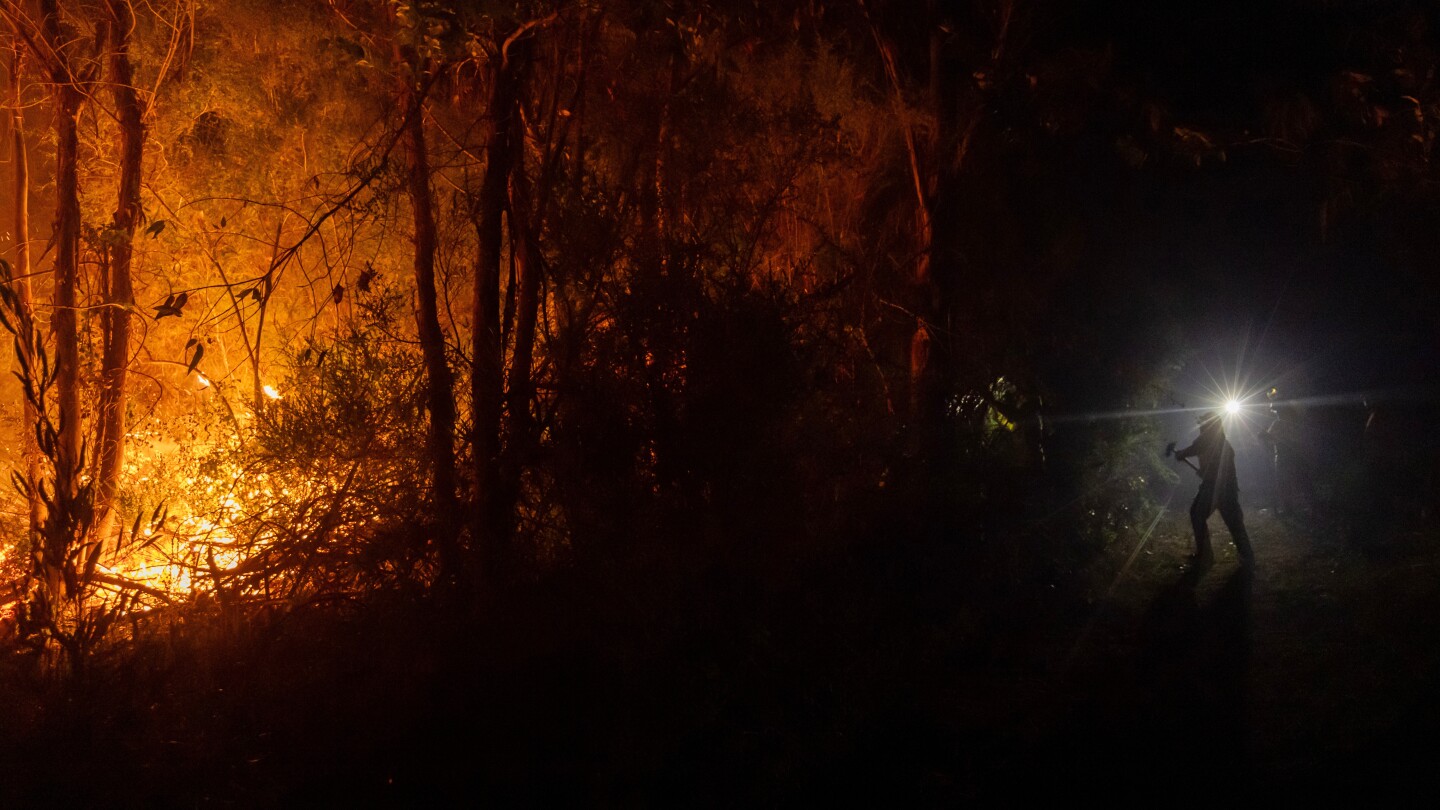
    Chile faces one of its most devastating wildfire emergencies in recent history, with central and southern regions experiencing unprecedented destruction. The blazes, which ignited in mid-January in Biobio and Nuble regions approximately 500 kilometers south of Santiago, have claimed at least 20 lives and displaced over 50,000 residents. The government has declared a state of catastrophe, enabling military coordination in firefighting operations.

    Fire scientists identify a dangerous convergence of factors driving the catastrophe: extreme heat, prolonged drought exceeding a decade, erratic winds, and human-shaped landscapes. Miguel Castillo, Director of the Forest Fire Engineering Laboratory at the University of Chile, notes that while fire numbers remain within normal ranges, the burned area has nearly tripled—indicating fewer ignitions are causing exponentially greater damage.

    The crisis exhibits characteristics increasingly common in global extreme wildfire seasons. Virginia Iglesias, Director of Earth Lab at University of Colorado Boulder, describes the emergency as involving multiple simultaneous fires advancing toward communities. Mark Cochrane, fire ecologist at University of Maryland’s Center for Environmental Science, explains how drought transforms vegetation into abundant fuel, while winds oxygenate fires and accelerate combustion.

    Industrial plantations covering vast areas of central and southern Chile significantly exacerbate fire behavior. Pine and eucalyptus plantations feature high fuel loads, continuous tree coverage, and vertical “ladder” structures that enable flames to reach crown levels. These non-native species are highly flammable and generate wind-blown embers that ignite new fires behind containment lines, creating insurmountable challenges for firefighters in steep terrain.

    Nearly all Chilean wildfires originate from human activity—whether intentional or negligent—with ignitions occurring through power lines, recreation, and infrastructure. The environmental impacts extend beyond immediate destruction: smoke degrades air quality across regions, post-fire soils become water-repellent increasing flood risks, and intense burns facilitate invasive species regeneration that perpetuates fire cycles.

    Researchers emphasize that climate projections indicate these conditions will intensify. Alejandro Miranda of Chile’s Center for Climate and Resilience Research notes that recent extreme fire seasons coincide with record temperatures and rainfall deficits exceeding 30% below historical averages.

    Looking forward, experts stress that while firefighting remains crucial, prevention strategies must prioritize reducing ignitions, managing fuels, addressing climate change, and implementing community redesign with defensible spaces around homes.

  • Oscars 2026: Nominees list in full

    Oscars 2026: Nominees list in full

    The Academy of Motion Picture Arts and Sciences has unveiled its nominations for the 98th Academy Awards, setting the stage for Hollywood’s most anticipated night on March 15th. In a historic achievement, the musical drama ‘Sinners’ dominated the field with an unprecedented 16 nominations, breaking the long-standing record previously held by ‘All About Eve’ (1950), ‘Titanic’ (1997), and ‘La La Land’ (2016).

    The epic war drama ‘One Battle After Another’ followed closely with 13 nominations, while ‘Marty Supreme,’ ‘Frankenstein,’ and ‘Sentimental Value’ each secured nine nods. The Shakespearean adaptation ‘Hamnet’ rounded out the top contenders with eight nominations.

    Notable acting categories feature intense competition. The Best Actor race includes Timothée Chalamet for ‘Marty Supreme,’ Leonardo DiCaprio for ‘One Battle After Another,’ and Michael B. Jordan for ‘Sinners.’ The Best Actress category showcases Jessie Buckley (‘Hamnet’), Rose Byrne (‘If I Had Legs I’d Kick You’), and Emma Stone (‘Bugonia’).

    Behind the camera, directing honors will be contested among Paul Thomas Anderson (‘One Battle After Another’), Ryan Coogler (‘Sinners’), and Chloé Zhao (‘Hamnet’), among others. The international feature category includes powerful entries like ‘The Voice of Hind Rajab’ and ‘Sirât,’ while animation contenders range from ‘Zootopia 2’ to ‘KPop Demon Hunters.’

    Comedian Conan O’Brien will host the ceremony, which promises to celebrate a diverse year in cinema spanning blockbuster franchises, intimate dramas, and groundbreaking international productions. The nominations reflect both commercial successes and critical darlings, with technical categories highlighting achievements in visual effects, sound design, and production across various genres.

  • US military starts moving Islamic State prisoners from Syria to Iraq

    US military starts moving Islamic State prisoners from Syria to Iraq

    In a significant strategic shift, the United States military has commenced the transfer of Islamic State group (ISIS) prisoners from detention facilities in northeastern Syria to Iraqi-controlled locations. The operation, announced by US Central Command on Wednesday, involves approximately 150 detainees moved from a Hasakah province facility, with potential plans to relocate up to 7,000 ISIS members ultimately.

    This development occurs against the backdrop of Syrian government forces expanding their control over territories previously administered by Kurdish-led Syrian Democratic Forces (SDF). Recent days have witnessed Syrian military advances into northeastern regions following collapsed negotiations and ceasefires between the SDF and Damascus government.

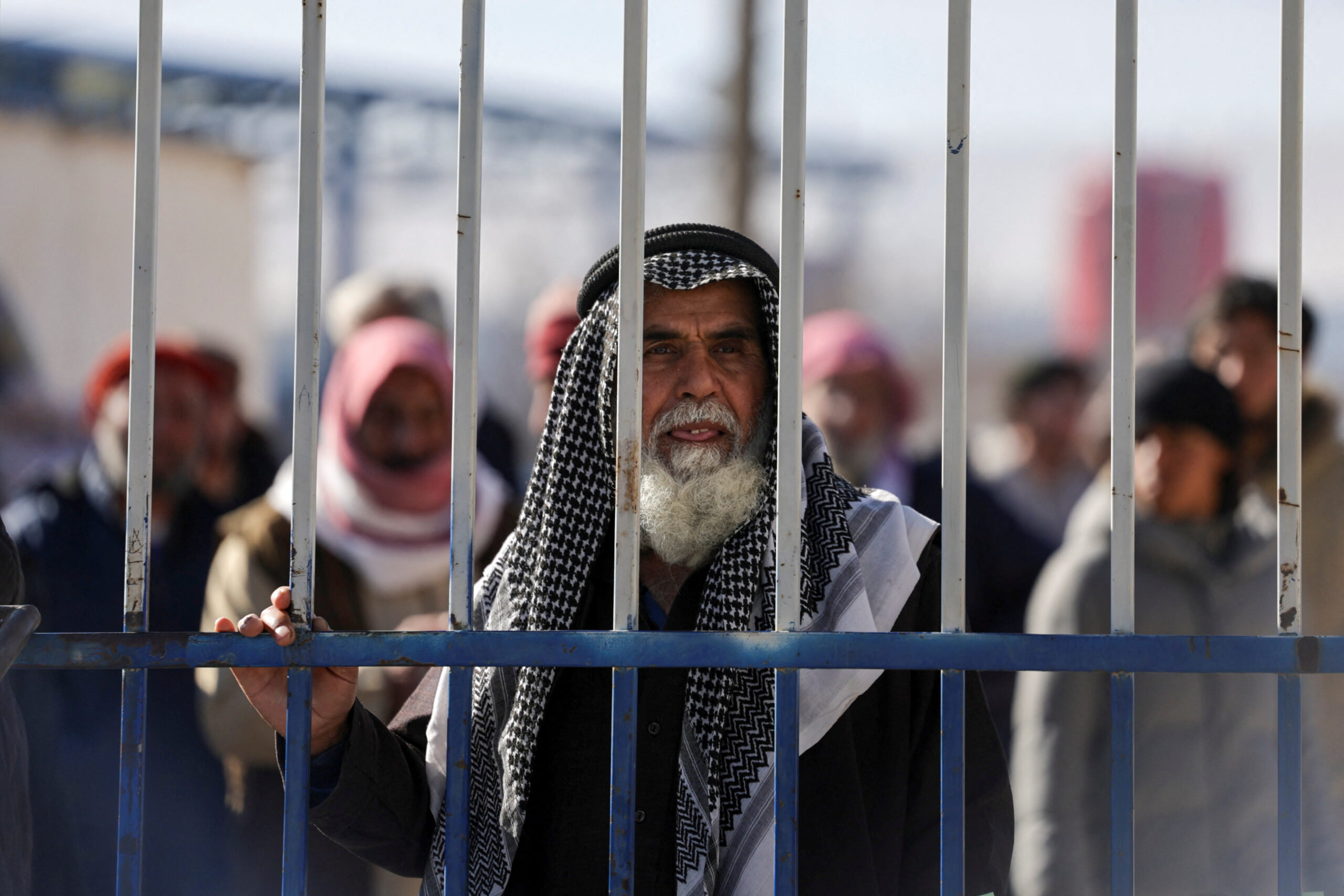
    The Syrian army has assumed control of critical facilities including al-Hol camp, which houses approximately 24,000 individuals—primarily women and children associated with ISIS, including 14,500 Syrians and nearly 3,000 Iraqis. Government forces also secured al-Shaddadi prison earlier this week after allegations from Damascus that the SDF deliberately released detainees as “political blackmail”—a claim vehemently denied by the Kurdish forces.

    US officials emphasized the security imperative behind the prisoner transfers, stating that “facilitating the orderly and secure transfer of ISIS detainees is critical to preventing a breakout that would pose a direct threat to the United States and regional security.” An Iraqi intelligence official revealed the multinational composition of transferred detainees, including approximately 240 Tunisians alongside nationals from Tajikistan, Kazakhstan, and other countries.

    The geopolitical landscape appears fundamentally altered as US envoy Tom Barrack declared the security partnership between Washington and the SDF has “largely expired,” indicating the Syrian government would now serve as America’s primary counter-ISIS partner. This represents a dramatic realignment given the SDF’s instrumental role in the territorial defeat of ISIS in 2019 and their subsequent management of detention facilities.

    A renewed ceasefire agreement reached Tuesday provides the SDF four days to develop integration mechanisms with government forces, including the transfer of prisons, detention camps holding ISIS affiliates, and critical infrastructure such as oil fields. According to a US State Department report, an estimated 9,000 alleged ISIS members remain in SDF-controlled detention, including 1,600 Iraqis and 1,800 foreign nationals.

  • Ministry to optimize the structure and scale of university enrollment

    Ministry to optimize the structure and scale of university enrollment

    China’s Ministry of Education has unveiled a comprehensive strategy to reshape the nation’s higher education enrollment system, prioritizing disciplines critical to technological advancement and national security while strengthening exam integrity measures. The 2026 gaokao reforms will channel resources toward undergraduate programs in foundational sciences, cutting-edge interdisciplinary fields, and high-demand specialties directly aligned with China’s innovation and industrial modernization goals.

    The policy directive requires universities to develop enrollment plans through multidimensional assessment of economic needs, industry requirements, institutional capacity, and graduate employment outcomes. This systematic approach aims to bridge the gap between academic preparation and labor market demands while supporting national objectives in technological self-reliance.

    Concurrently, education authorities will implement enhanced security protocols for China’s high-stakes college entrance examination. Provincial departments must safeguard all exam phases—from question development to grading—through advanced surveillance technology and inspection equipment designed to prevent sophisticated cheating methods. The ministry also pledged to intensify crackdowns on exam-related fraud and tighten supervision of preparatory institutions.

    The reforms maintain commitment to regional educational equity through specialized enrollment initiatives for rural and underdeveloped areas. Authorities will simultaneously combat ‘gaokao migration’ practices where students attempt to gain unfair advantages by falsifying registration locations to test in less competitive regions.

  • Germany expels a Russian diplomat after a suspect is arrested in an espionage case

    Germany expels a Russian diplomat after a suspect is arrested in an espionage case

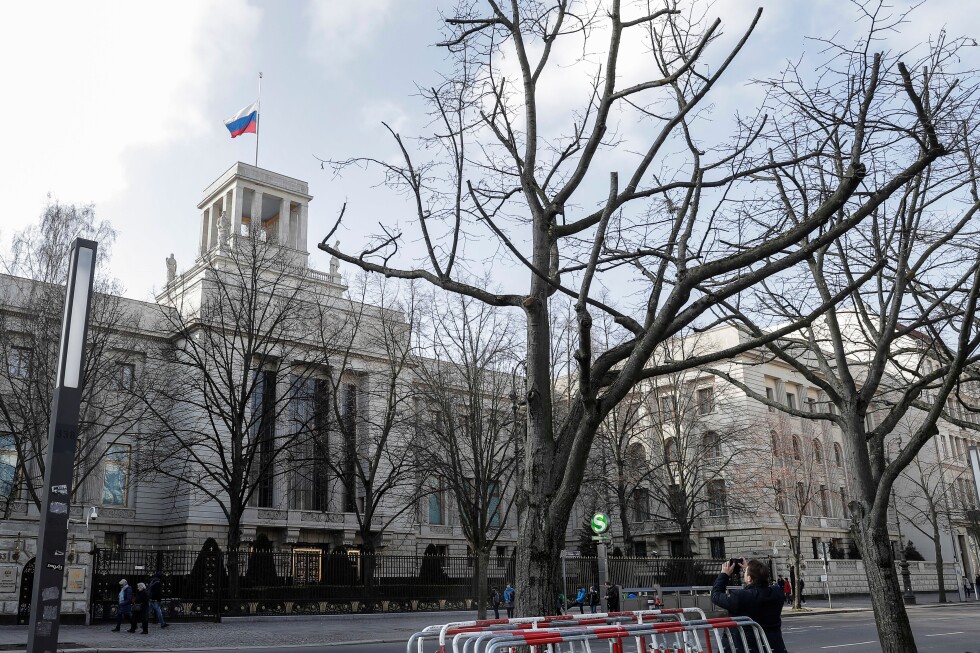
    BERLIN — In a significant diplomatic escalation, Germany has declared a Russian diplomat persona non grata following the arrest of a dual national suspected of conducting espionage operations for Russian intelligence. The German Foreign Ministry announced the expulsion on Thursday, stating unequivocally that espionage activities, particularly those masquerading under diplomatic cover, will not be tolerated on German soil.

    The case centers on a German-Ukrainian woman apprehended in Berlin on Wednesday by federal prosecutors. Investigation documents reveal she maintained regular contact since late 2023 with an operative from Russia’s embassy who was identified as an intelligence officer. According to prosecutors, the suspect provided sensitive information related to military support for Ukraine, including details about defense industry facilities, experimental drone testing programs, and planned deliveries of unmanned aerial vehicles to Ukrainian forces.

    Furthermore, the suspect allegedly facilitated her Russian contact’s infiltration of political events in Berlin using false identities, enabling intelligence gathering operations. The investigation has expanded to include two former German military employees, one recently retired officer, suspected of leaking classified information to the primary suspect. The Defense Ministry confirmed its active cooperation with the ongoing probe into these security breaches.

    The Russian ambassador was formally summoned to receive notification of the diplomat’s expulsion, underscoring Germany’s firm response to what it characterizes as unacceptable intelligence operations exploiting diplomatic channels.

  • After fatal rail accident, a missing dog that captivated Spain is found

    After fatal rail accident, a missing dog that captivated Spain is found

    In a heartening development amid national tragedy, Spanish forest firefighters successfully located and returned Boro, a dog who went missing following Sunday’s catastrophic train collision in southern Spain. The black-and-white pet’s disappearance had captured national attention after his owner, Ana García, made an emotional public appeal while visibly injured from the accident that claimed 43 lives.

    The breakthrough came Thursday morning when emergency personnel announced the successful rescue operation via social media platform X. “At this time of the morning, we share some good news: Boro, the missing dog, has been found,” officials announced, triggering nationwide celebration.

    Boro’s story emerged as an unexpected symbol of resilience for a nation grappling with consecutive rail disasters. For days, Spanish citizens had mobilized through digital channels, amplifying García’s plea and circulating photographs of the medium-sized dog with distinctive white eyebrows. The collective effort saw viral sharing of contact information and interview footage showing García’s desperate search for her companion.

    Social media erupted with relief as users shared images of the reunited owner and pet. One commentator described the moment as “A picture of hope in Adamuz. Boro is returning home to his family.”

    The 26-year-old García and her pregnant sister had been traveling with Boro via high-speed train from their hometown of Malaga to Madrid when their carriage derailed under circumstances still under investigation. The catastrophic collision resulted in dozens of fatalities and over 150 injuries, with rescue teams extracting the sisters from the wreckage. It was during this chaotic evacuation that Boro reportedly escaped in panic.

    In her initial tearful statement to reporters, García had pleaded: “Please, if you can help, look for the animals. We were coming back from a family weekend with the little dog, who’s family, too.”

    Family representatives confirmed the successful reunion via text message to The Associated Press, noting that while Boro was safely recovered, García’s sister remains hospitalized receiving medical treatment.

  • Ugandan MP and Bobi Wine ally arrested over election violence

    Ugandan MP and Bobi Wine ally arrested over election violence

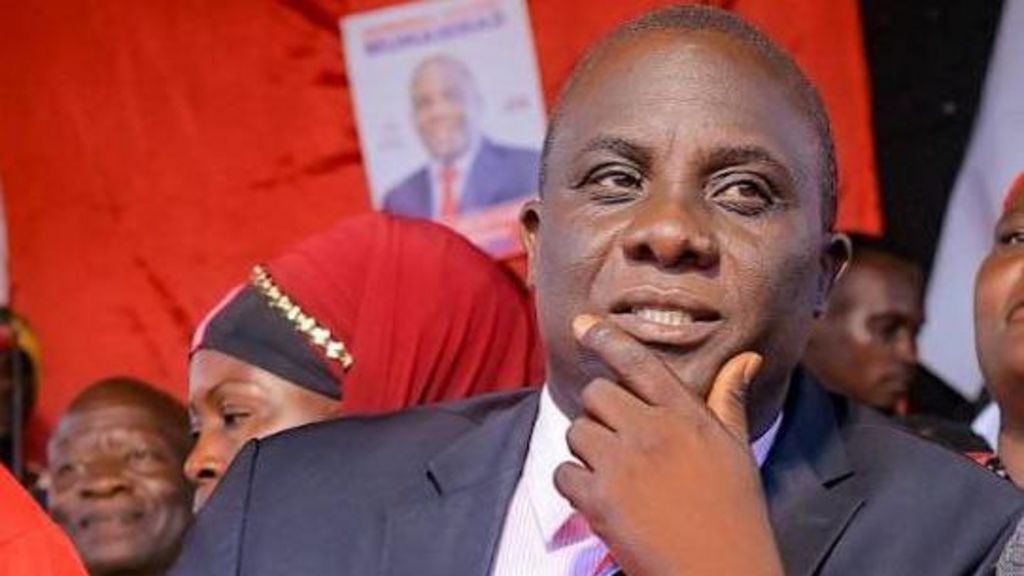
    Ugandan authorities have taken into custody Muwanga Kivumbi, a prominent opposition parliamentarian and key associate of opposition leader Bobi Wine, regarding alleged involvement in recent electoral violence. The arrest intensifies political strains following President Yoweri Museveni’s controversial re-election to an unprecedented seventh term.

    Kivumbi, serving as deputy leader of Wine’s National Unity Platform (NUP), faces accusations of orchestrating assaults on police facilities and vote-processing centers after his party’s electoral defeat—charges the NUP vehemently denies. The Uganda Police Force announced via social media platform X that Kivumbi would face judicial proceedings, characterizing his detention as connected to “recent incidents of political violence.”

    Conflicting narratives emerge regarding casualty figures. Official police reports indicate seven fatalities during the disturbances, while Kivumbi presents a contradictory account alleging ten individuals were killed at his residence while awaiting parliamentary election outcomes.

    President Museveni, during his victory address, specifically cautioned opposition elements including Kivumbi about alleged coordinated plans to target polling stations. He detailed that security forces neutralized seven individuals in Butambala district, outside Kampala, when groups reportedly armed with machetes attempted violent attacks.

    The political climate remains volatile with Bobi Wine—Museveni’s primary electoral opponent—currently in hiding after fleeing a post-election raid on his residence. Wine has repudiated the election results as fundamentally “fake” due to systematic electoral fraud, and alleges an ongoing “silent massacre” targeting political activists.

    Further complicating the situation, Uganda’s military commander General Muhoozi Kainerugaba—who is both Museveni’s son and presumed successor—disclosed that security forces eliminated 22 opposition supporters during election-related clashes. This contrasts with Wine’s unverified social media assertion of over 100 election violence fatalities.

    Authorities have reportedly detained dozens of youths in Kampala on various election-related charges, signaling a broader crackdown. Uganda, which has never experienced peaceful presidential transition since independence, continues under Museveni’s rule that began in 1986 and could extend to 45 years by 2031.