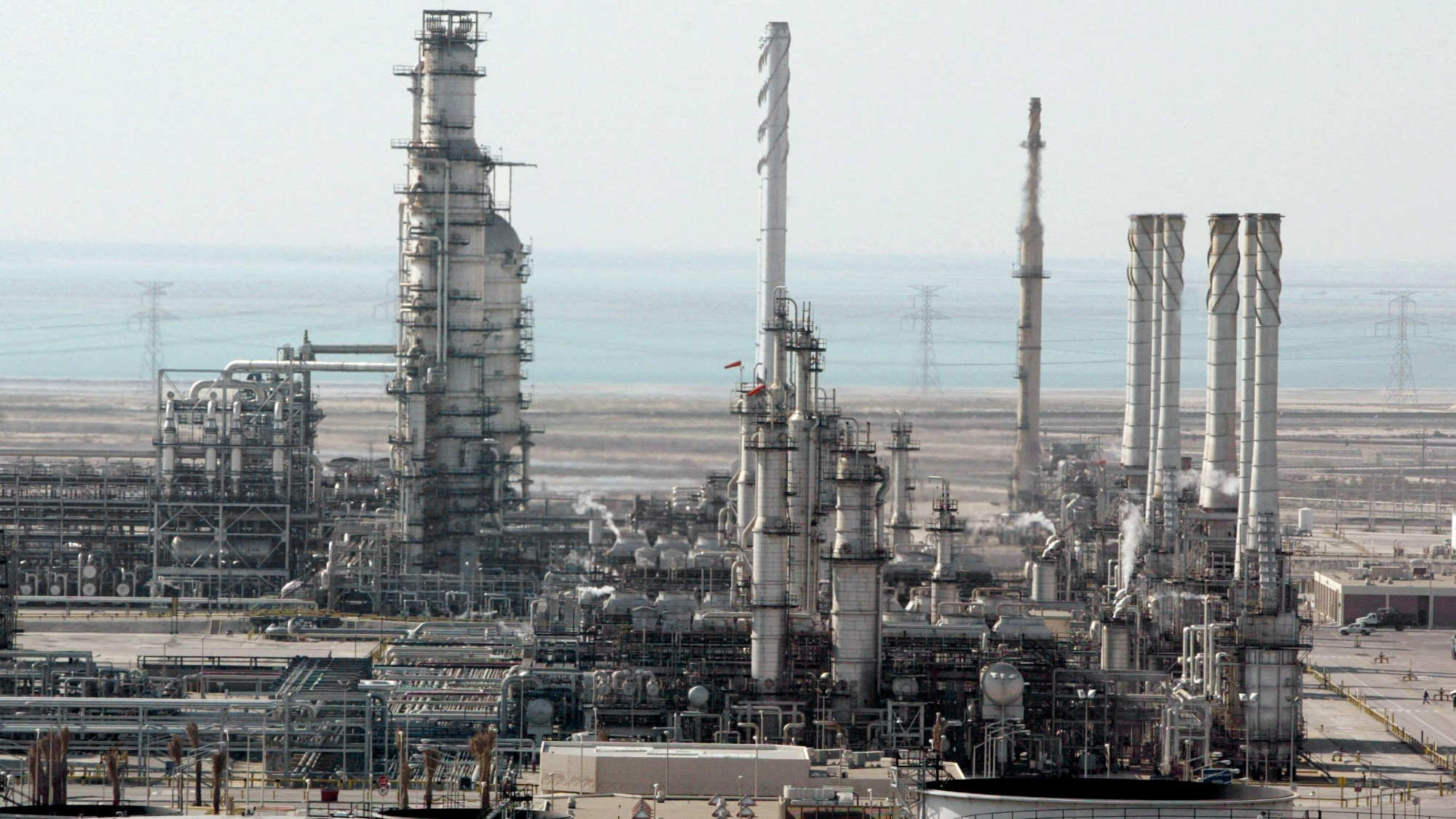
Saudi Arabian and Kuwaiti energy infrastructure came under attack on Monday, raising regional security concerns and triggering significant volatility in global oil markets. According to the Saudi defense ministry, two drones targeted the critical Aramco refinery complex in Ras Tanura. Ministry spokesperson Turki al-Maliki confirmed to Al Arabiya that both unmanned aerial threats were successfully intercepted by defense systems. The ministry attributed a subsequent limited fire at the facility to falling debris from the intercepted drones, emphasizing that no civilian casualties resulted from the incident. Saudi Arabia’s energy ministry quickly assured markets that the fire was contained and confirmed the attack caused no disruption to oil supply chains, though the refinery was temporarily shut down as a precautionary measure. The Ras Tanura complex represents one of the Middle East’s most significant energy hubs, boasting refining capacity of 550,000 barrels per day and serving as one of the world’s largest oil export terminals. Simultaneously, Kuwait experienced security incidents as witnesses reported smoke rising above a power plant in the country’s northern region. The Kuwait National Petroleum Company confirmed that debris fell on the Mina Al-Ahmadi refinery—another major processing facility—resulting in injuries to two workers while maintaining that operations continued uninterrupted. These coordinated events immediately impacted global energy markets, with Reuters reporting oil prices surging approximately 9% amid investor concerns that escalating regional tensions could disrupt Middle Eastern supply flows.
博客
-
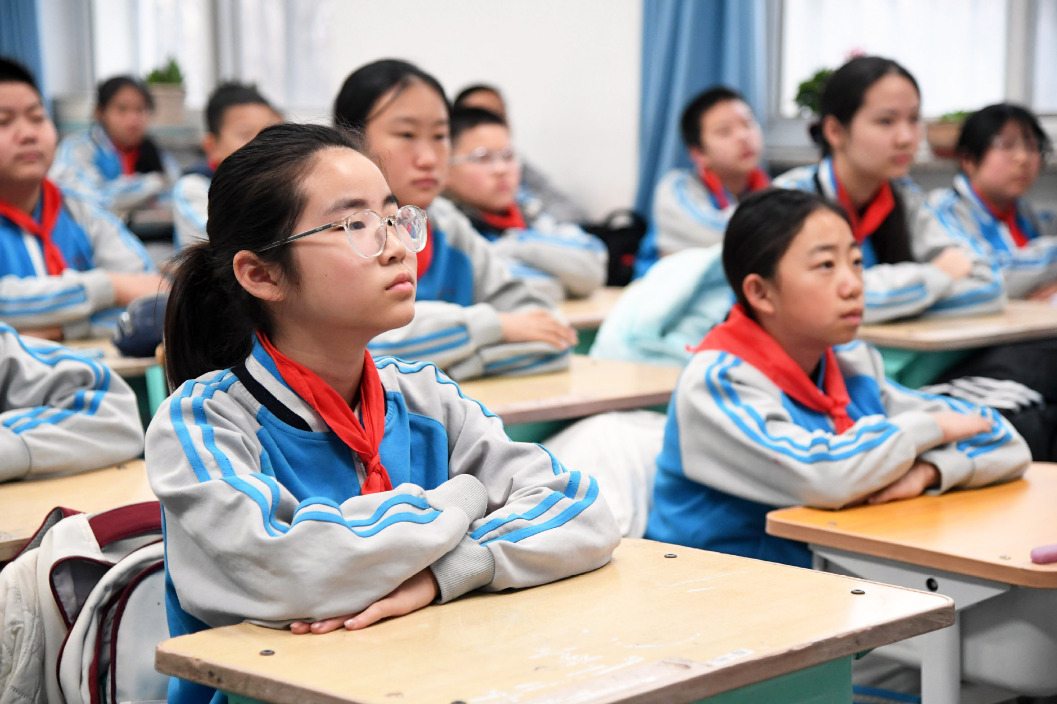
New semester kicks off for primary, secondary schools in many parts of China
Educational institutions across China marked the commencement of the 2026 spring semester on March 2nd, with primary and secondary schools reopening their gates to millions of students. The academic resurgence witnessed coordinated operations from Beijing to various provincial districts, signaling the return to structured learning environments following winter breaks.
In Beijing’s Pinggu District, educational facilities demonstrated meticulous preparedness as students engaged in inaugural classroom sessions. Photographic documentation captured the vibrant atmosphere of scholastic renewal, showing learners actively participating in educational activities designed to stimulate intellectual curiosity and academic engagement.
This nationwide educational reactivation represents more than mere administrative scheduling—it embodies China’s sustained commitment to maintaining educational continuity and pedagogical development. The synchronized reopening across multiple regions reflects the comprehensive infrastructure supporting China’s academic calendar, ensuring uniform educational standards while accommodating regional variations where necessary.
Educational authorities have implemented comprehensive measures to guarantee smooth transitional phases, incorporating both academic readiness and psychological adjustment protocols. The semester inauguration follows established patterns of China’s educational system organization, which emphasizes balanced development between academic rigor and student well-being.
-
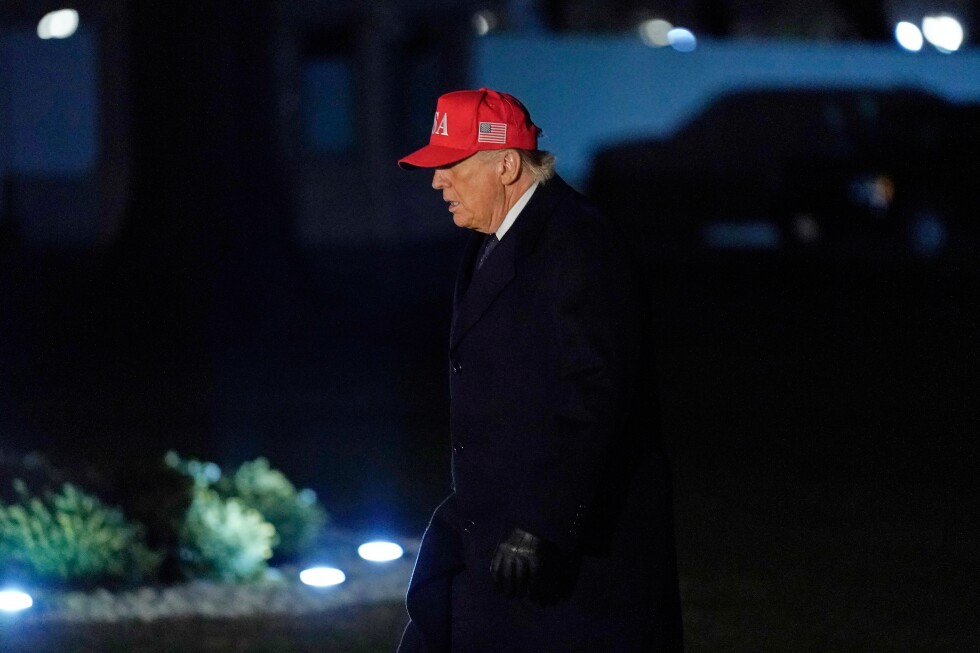
Trump will award Medal of Honor to three US Army service members in White House ceremony
In a solemn ceremony at the White House on Monday, three distinguished U.S. Army soldiers received the nation’s highest military honor, the Medal of Honor, with two awards granted posthumously. President Donald Trump presided over the event, continuing the presidential tradition of recognizing extraordinary valor in combat.
The honorees spanned multiple generations of military service. Retired Command Sgt. Maj. Terry P. Richardson was recognized for heroic actions during the Vietnam War that directly saved approximately 85 fellow service members from certain death. Staff Sgt. Michael H. Ollis received the medal posthumously for his ultimate sacrifice in Afghanistan in 2013, where he displayed exceptional bravery during combat operations that claimed his life. Master Sgt. Roderick W. Edmonds, who passed away in 1985, was honored for his remarkable leadership and resistance while enduring captivity as a prisoner of war in Germany during World War II.
The Medal of Honor represents the pinnacle of military recognition, awarded by the President in Congress’s name to service members who demonstrate exceptional courage and self-sacrifice far beyond normal call of duty. These awards highlight the enduring legacy of military heroism across different conflicts and generations, serving as a powerful reminder of the extraordinary sacrifices made by members of the armed forces throughout American history.
-
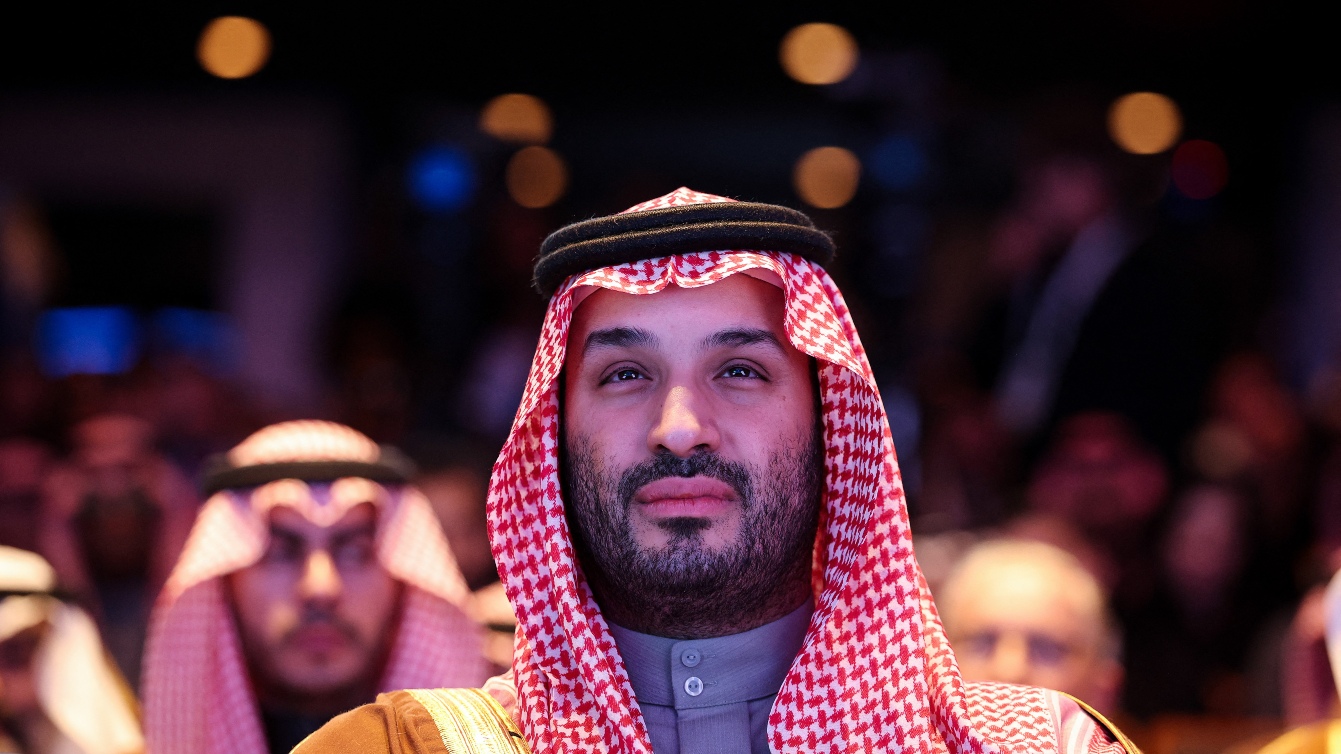
Saudi Arabia says it backed talks with Iran, not military action
Saudi Arabia has officially refuted claims that it lobbied the Trump administration to initiate military action against Iran, firmly stating its consistent support for diplomatic resolutions. The denial comes amidst escalating tensions in the region following coordinated U.S. and Israeli strikes on Iranian targets.
Fahad Nazer, spokesperson for the Saudi Embassy in Washington, explicitly denied recent media reports alleging Saudi pressure on the Trump administration. “At no point in all our communication with the Trump Administration did we lobby the President to adopt a different policy,” Nazer stated in a social media post. “The Kingdom of Saudi Arabia has been consistent in supporting diplomatic efforts to reach a credible deal with Iran.”
The rebuttal responds to conflicting reports from major news outlets. The Washington Post had reported that Crown Prince Mohammed bin Salman advocated for military action during multiple phone conversations with former President Trump. Conversely, Middle East Eye reported that U.S. Senator Lindsey Graham traveled to Saudi Arabia in late February to convince the crown prince to support potential strikes.
Regional tensions have intensified significantly following joint U.S.-Israeli operations that resulted in the deaths of several high-profile Iranian figures, including Supreme Leader Ayatollah Ali Khamenei and numerous military officials. Civilian casualties have mounted, with approximately 150 girls reported killed in a school strike in southern Iran last Saturday.
European powers have entered the fray, with France, Germany, and the United Kingdom announcing their readiness to protect their interests and those of Gulf allies through “defensive action” if necessary. This development occurs alongside Iran’s continued retaliatory measures, including missile and drone attacks on Israeli and U.S. assets throughout the region.
Analysts warn that prolonged conflict could fundamentally reshape regional alliances. Firas Maksad of Eurasia Group noted that “Iran is forcing the GCC up the escalation ladder,” suggesting Gulf states may need to consider enhanced responses or grant the U.S. greater operational freedom.
The UAE’s Minister of State for International Cooperation, Reem Al Hashimy, indicated the possibility of opening airspace and military bases to support U.S. operations if Iranian retaliatory strikes continue. This marks a potential significant shift in regional security cooperation.
Iran has announced new leadership following the recent targeted killings and has vowed revenge against participating nations. Among the confirmed casualties are several senior military figures, including Mohammad Pakpour, commander of the Islamic Revolutionary Guard Corps, and Defence Minister Aziz Nasirzadeh.
-
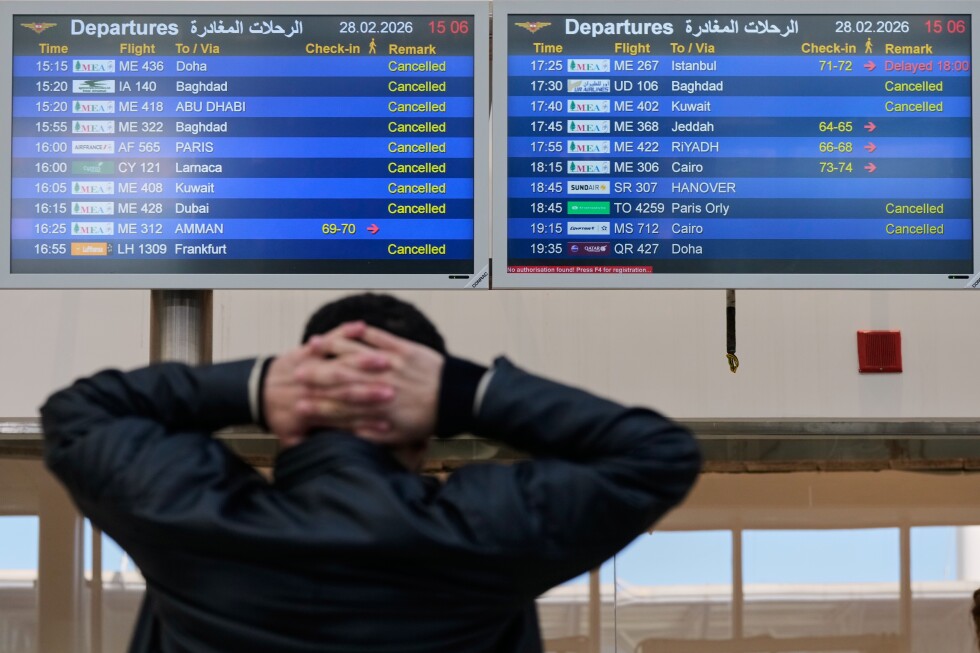
Europe defends military bases and struggles to evacuate citizens as it is drawn into the war on Iran
BRUSSELS (AP) — European nations are being reluctantly drawn into the escalating Middle East conflict between the U.S.-Israel alliance and Iran, despite having no direct involvement in initiating hostilities. The continent now finds itself compelled to implement defensive measures to safeguard military installations and coordinate evacuation operations for thousands of citizens trapped in conflict zones.
The strategic importance of the Middle East to European interests cannot be overstated. The region serves as a critical trading partner and contains vital maritime routes essential for global commerce. Significant European populations reside in cities including Beirut, Dubai, and Jerusalem, while substantial Middle Eastern communities have established roots across European nations. This deep interconnection means European countries inevitably face consequences from a conflict they did not authorize.
Britain, France, and Germany have declared their intention to collaborate with the United States in countering Iranian offensive capabilities, while explicitly avoiding direct combat participation. Notably, the United Kingdom has authorized American forces to utilize British military bases for operations targeting Iranian missile launch sites.
The conflict’s proximity to Europe became alarmingly evident when a Shahed-type drone—an Iranian-developed weapon previously deployed by Russia in Ukraine—struck a British air base in Cyprus, the current holder of the EU’s rotating presidency. The incident forced Cypriot officials to publicly deny involvement in the hostilities. Consequently, several European nations have heightened security at transportation hubs including airports and rail stations.
European leadership remains predominantly supportive of the U.S.-Israeli military campaign against Iran, viewing it as targeting a regime that has repeatedly arrested European citizens and challenged European economic interests. Spain emerged as a notable exception, with Prime Minister Pedro Sánchez condemning the military intervention as “unjustifiable, dangerous and outside of international law.”
Beyond immediate security concerns, Europe faces substantial economic vulnerabilities. Iran has threatened maritime traffic through the Strait of Hormuz, a critical choke point through which approximately 20% of globally traded oil passes. In response, France is deploying additional warships to reinforce Operation Aspides, the EU’s naval mission protecting commercial shipping in the Red Sea and Gulf of Aden. Discussions are underway regarding potential enhancements to the operation’s mandate and rules of engagement.
The European Union prioritizes preventing regional escalation that could trigger oil price surges and unpredictable migration patterns. EU foreign policy chief Kaja Kallas is scheduled to convene a meeting with Gulf Cooperation Council foreign ministers to reassure regional partners and coordinate diplomatic efforts. The EU remains committed to preventing Iranian nuclear weapon acquisition despite the collapse of the nuclear agreement following the U.S. withdrawal.
Regarding Iran’s political future, European officials expressed solidarity with the Iranian people’s aspirations for human rights and fundamental freedoms, while acknowledging it is premature to endorse specific leadership candidates. The EU has explicitly ruled out engagement with any leadership influenced by Iran’s Revolutionary Guard, which was recently added to the bloc’s terror list.
-
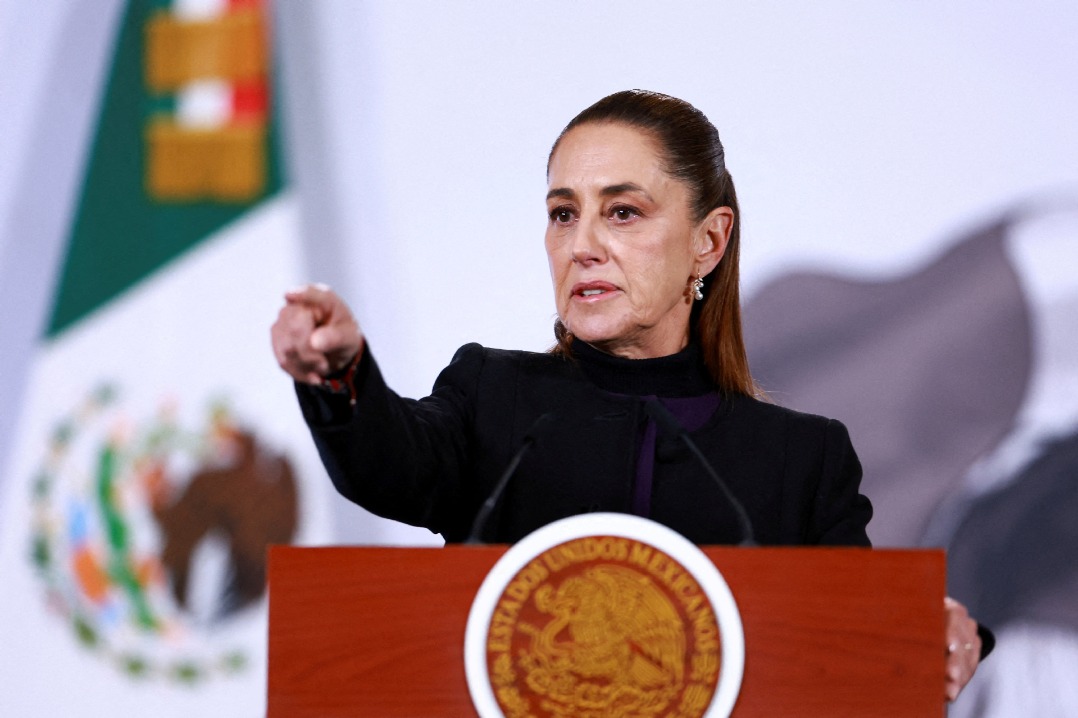
Mexican president calls for world peace amid Middle East escalation
Mexican President Claudia Sheinbaum has issued a strong call for global peace during a period of heightened military conflict in the Middle East. Speaking at a public event in Baja California Sur on Sunday, Sheinbaum reaffirmed Mexico’s constitutional commitment to peaceful foreign policy principles amid escalating tensions between Western powers and Iran.
The President emphasized that Mexico’s diplomatic approach remains guided by three fundamental principles: respect for national self-determination, strict non-intervention in other nations’ affairs, and peaceful resolution of international disputes. This statement came in direct response to recent large-scale airstrikes conducted by the United States and Israel against Iranian targets, which triggered retaliatory missile and drone attacks from Tehran against Israeli territory and US military installations throughout the Gulf region.
Sheinbaum’s declaration represents a significant diplomatic positioning by Mexico as global tensions escalate. ‘Mexico will always advocate for world peace, which is very necessary at this time,’ the President stated, highlighting the urgency of peaceful conflict resolution mechanisms during this period of international military confrontation. The Mexican government’s stance aligns with its historical tradition of maintaining neutral and principled foreign policy, particularly during periods of global conflict where diplomatic solutions are increasingly critical.
-
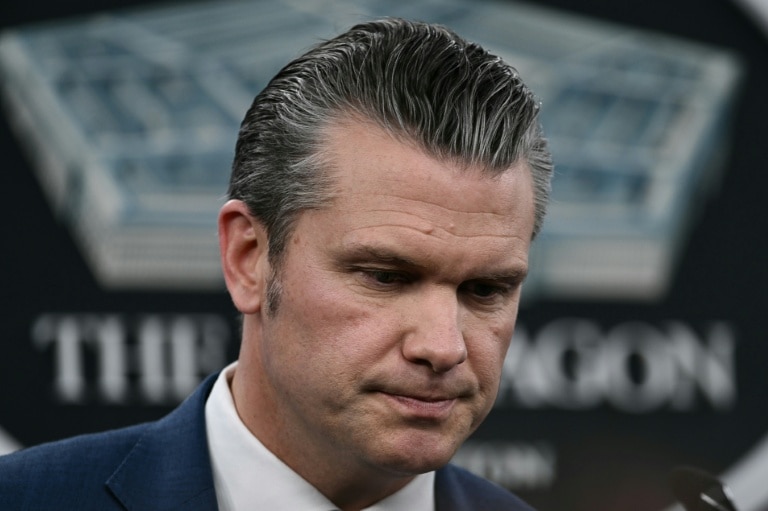
Pentagon chief refuses to rule out ‘boots on ground’ in Iran
In a significant development in the escalating Middle Eastern conflict, U.S. Defense Secretary Pete Hegseth has explicitly refused to eliminate the possibility of deploying American ground forces in Iran. During a Pentagon press briefing on Monday, Hegseth emphasized a strategy of strategic ambiguity, stating the U.S. would pursue its military objectives without predetermined constraints on scope or duration.
The military campaign, initiated this past Saturday through coordinated airstrikes with Israel, has targeted hundreds of strategic sites across Iran. These operations have systematically degraded key components of Iran’s military infrastructure, including its missile arsenals, naval capabilities, and critical command-and-control networks.
When pressed on the potential for ‘boots on the ground,’ Secretary Hegseth declined to specify operational details, asserting, ‘No, but we’re not going to go into the exercise of what we will or will not do. We’ll go as far as we need to go.’ He criticized previous administrations for publicly outlining military limitations, arguing such transparency benefits adversaries.
Regarding the conflict’s timeline, Hegseth presented a fluid projection, suggesting operations could continue for two to six weeks, with flexibility based on evolving circumstances. Most notably, he drew sharp distinctions between current operations and prolonged U.S. engagements in Iraq and Afghanistan, explicitly rejecting nation-building or democracy promotion as objectives.
‘No stupid rules of engagement, no nation building quagmire, no democracy-building exercise. No politically correct wars. We fight to win and we don’t waste time or lives,’ Hegseth declared, echoing President’s previous characterization of nation-building wars as ‘dumb.’
Adding military context, General Dan Caine, the nation’s top military officer, confirmed that U.S. forces have successfully established local air superiority over Iran. This achievement, he noted, significantly enhances force protection and enables the continuation of military operations with reduced risk. Both officials emphasized that the campaign’s objectives are narrowly focused on protecting U.S. interests and allies rather than transformative societal change.
-
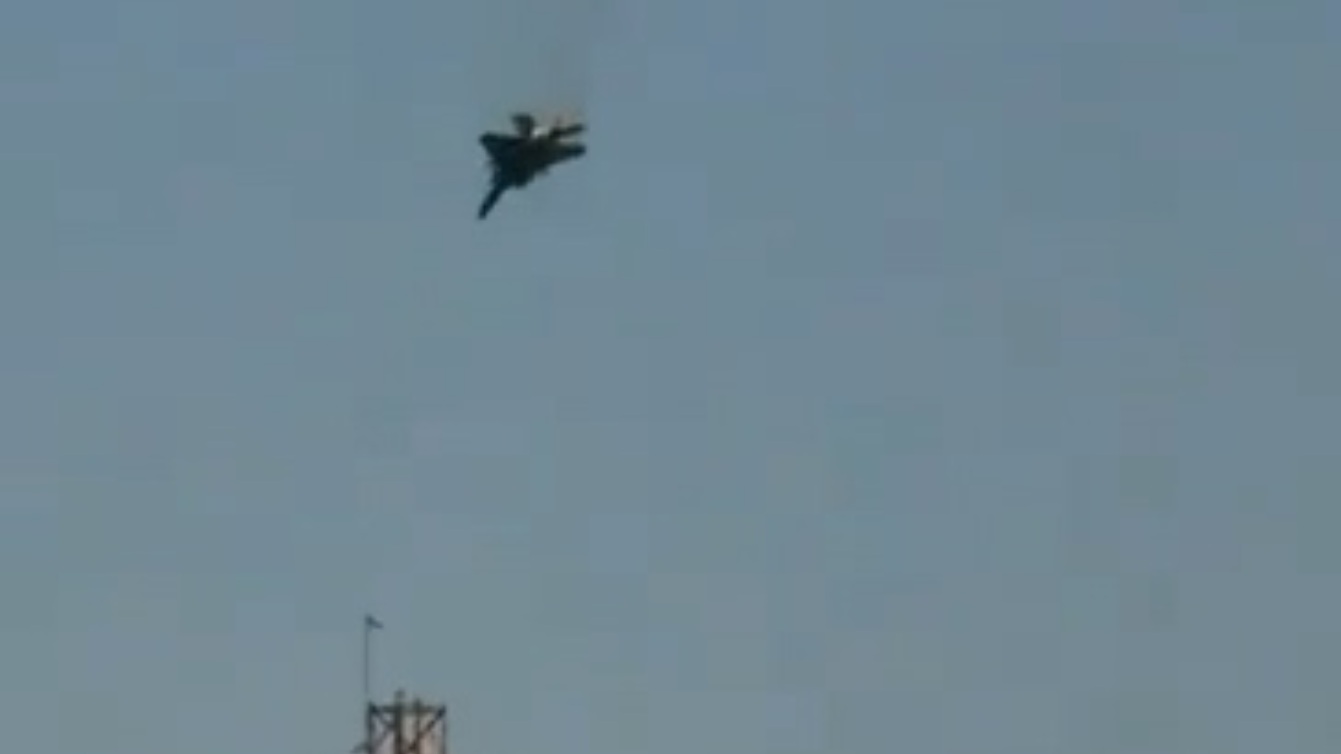
US fighter jet crashes in Kuwait
An F-15 fighter jet crashed in western Kuwait near Al Jahra on March 2, 2026, with both pilots successfully ejecting from the aircraft and surviving the incident. Preliminary reports indicate the crash occurred approximately 4.5 miles from Highway 70, though neither U.S. nor Kuwaiti authorities have immediately confirmed details about the aircraft’s origin or the nationality of its crew.
Unverified sources suggest the pilots may have been American or Israeli, but independent verification remains unavailable. Video evidence geolocated by open-source investigators shows one pilot descending by parachute near the crash site, confirming the ejection sequence was successfully activated.
The incident occurs against a backdrop of heightened military activity throughout the Gulf region. Earlier the same day, Kuwait’s Air Defense Force reported intercepting multiple ‘hostile’ drones approaching areas near the capital city. Brigadier General Mohammad al-Mansouri stated that defense personnel neutralized a majority of these drones in the Salwa and Hawally districts.
These developments follow joint U.S.-Israeli strikes against Iranian targets that resulted in the death of Supreme Leader Ayatollah Ali Khamenei and several senior Iranian military figures, including IRGC commander Mohammad Pakpour and Defense Minister Aziz Nasirzadeh. Iran has vowed retaliation and continues launching missile and drone attacks against Israeli and U.S. assets throughout the region.
European powers have entered the fray, with France, Germany, and the United Kingdom expressing readiness to protect their interests and those of Gulf allies through defensive measures. The UK has specifically authorized the U.S. to utilize British bases for targeting Iranian missile sites ‘at source,’ though British forces have not participated directly in offensive operations against Iran.
Regional analysts warn that prolonged conflict may push Gulf Cooperation Council states toward closer alignment with U.S. military objectives. Firas Maksad of Eurasia Group noted that ‘Iran is forcing the GCC up the escalation ladder,’ potentially necessitating greater operational freedom for U.S. forces operating from regional bases. UAE Minister of State for International Cooperation Reem Al Hashimy similarly suggested potential support for U.S. operations if Iranian retaliatory strikes continue.
The cause of the F-15 crash remains undetermined, with possibilities ranging from mechanical failure to hostile action amid the complex regional conflict.
-
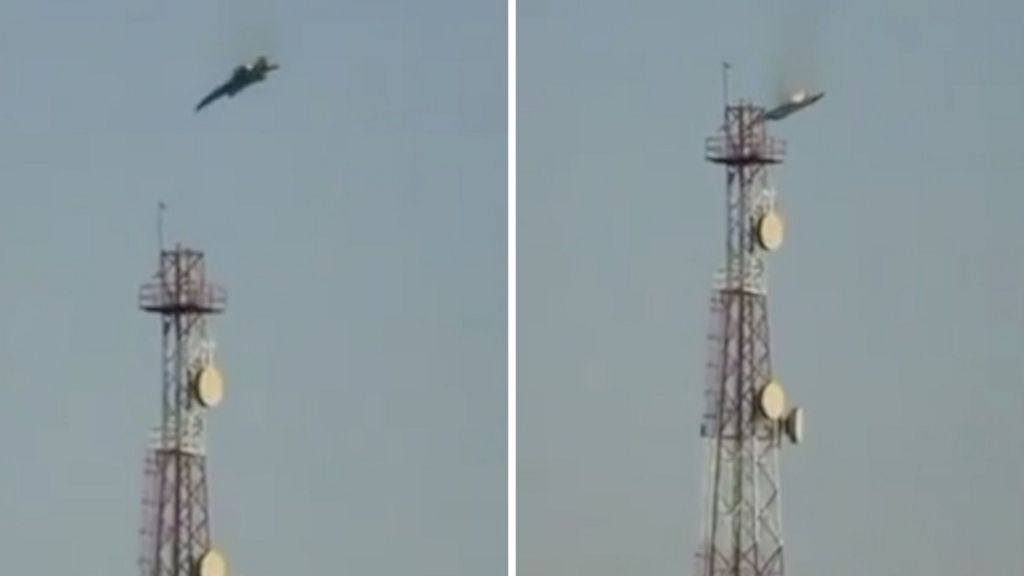
US jets shot down over Kuwait in ‘apparent friendly fire incident’, officials say
A significant friendly fire incident resulted in the downing of three US F-15 fighter jets over Kuwait on Monday, according to an announcement from US Central Command (Centcom). Preliminary reports indicate the aircraft were mistakenly engaged by Kuwaiti air defense systems during a mission in support of ongoing US-Israeli military operations against Iran. All six crew members successfully ejected and were safely recovered without life-threatening injuries. Centcom has confirmed an immediate investigation into the precise circumstances surrounding the tragic incident.
This event occurred against the backdrop of intensifying regional violence. Centcom also reported the death of a fourth US service member on Monday, who succumbed to wounds sustained during Iran’s initial retaliatory strikes. This follows the previously announced deaths of three Americans on Sunday, with five others seriously wounded in the conflict.
The joint US-Israeli operation, dubbed ‘Epic Fury’ by defense officials, commenced on Saturday with targeted strikes that resulted in the death of Iranian Supreme Leader Ayatollah Ali Khamenei and other senior Iranian figures. During a press conference, Defense Secretary Pete Hegseth characterized the operation not as ‘regime change’ but stated the regime had ‘surely changed and the world is better off for it.’
Regional conflict continues to escalate dramatically. The Iranian Red Crescent Society reported 555 fatalities across more than 130 Iranian cities. Meanwhile, hostilities expanded into Lebanon, where Israeli strikes on Beirut and southern targets, purportedly against Hezbollah, killed at least 31 people and injured 149 according to Lebanon’s health ministry. Retaliatory missile strikes on the Israeli city of Beit Shemesh killed at least nine. Apparent Iranian strikes were also reported in Bahrain, Dubai, and a Saudi oil refinery was set ablaze.
Amid the turmoil, diplomatic prospects appear bleak. President Trump, who had previously warned of potential American casualties, suggested in interviews that joint strikes with Israel could continue for weeks. Iran has firmly denied Trump’s suggestions that it is prepared to enter into fresh negotiations with the United States.
-

Spring snow blankets red plum blossoms in Guangping county, Hebei
The recent spring snowfall in Guangping county, Handan city of Hebei province, has transformed the landscape into a breathtaking natural masterpiece reminiscent of classical Chinese paintings. On Sunday, the unexpected meteorological phenomenon created a stunning visual spectacle at Donghu Park where vibrant red plum blossoms stood in dramatic contrast against the freshly fallen snow.
The delicate floral structures demonstrated remarkable resilience as they supported delicate layers of snow while maintaining their brilliant crimson coloration. This rare convergence of seasonal transitions—where winter’s final embrace meets spring’s early bloom—resulted in an extraordinary photographic opportunity that attracted both local residents and nature enthusiasts.
Architectural elements within the park, including traditional pavilions and ornamental towers, provided additional visual interest as their structures became partially dusted with snow while framing the snow-adorned plum trees. The scene embodied the poetic beauty often depicted in traditional Asian art, where natural elements interact in harmonious balance.
Meteorological officials noted that such late-winter snow events, while uncommon during the early spring bloom period, can create particularly striking visual displays due to the temperature differential between the warm soil supporting blossom development and cold air masses producing precipitation. The phenomenon typically lasts only briefly before warmer temperatures return, making documented occurrences especially valuable to photographers and nature observers.