博客

  • US mother’s mental health was getting ‘worse and worse’ before her children’s  murders, ex-husband says

    US mother’s mental health was getting ‘worse and worse’ before her children’s murders, ex-husband says

    The closely watched murder trial of Lindsay Clancy, a Massachusetts woman accused of killing her three young children in January 2023, has begun with starkly conflicting narratives about her mental state in the months leading up to the tragedy. The case, which is scheduled to unfold over several weeks, has already sparked debate over mental health care access and postpartum complications, after Clancy’s legal team launched an insanity defense centered on claims of severe psychosis.

    Clancy, 32, faces three counts of first-degree murder for the deaths of 5-year-old Cora, 3-year-old Dawson, and 8-month-old Callan. She has pleaded not guilty to the charges, and does not dispute that she caused the children’s deaths, but argues she was not criminally responsible due to her mental condition at the time. If convicted, she will be sentenced to life in prison without the possibility of parole.

    The first witness called to the stand was Patrick Clancy, Clancy’s ex-husband, who delivered emotional testimony about his wife’s gradual mental decline in the months before the killings. Patrick told jurors that Clancy had long struggled with anxiety and depression, and had intermittently sought treatment from medical providers while taking multiple psychiatric medications. He recalled that Clancy had shared growing suicidal thoughts with him, and that her condition steadily deteriorated despite efforts to adjust her care, including switching to a new psychiatrist when her original treatment failed to improve her symptoms.

    By December 2022, one month before the children’s deaths, Patrick said Clancy’s mental health entered a severe downward spiral. “She started to lose a lot of weight, and she became very depressed, and she was having a really hard time,” he testified, adding that watching her struggle was an incredibly stressful experience. “She kept getting worse and worse.”

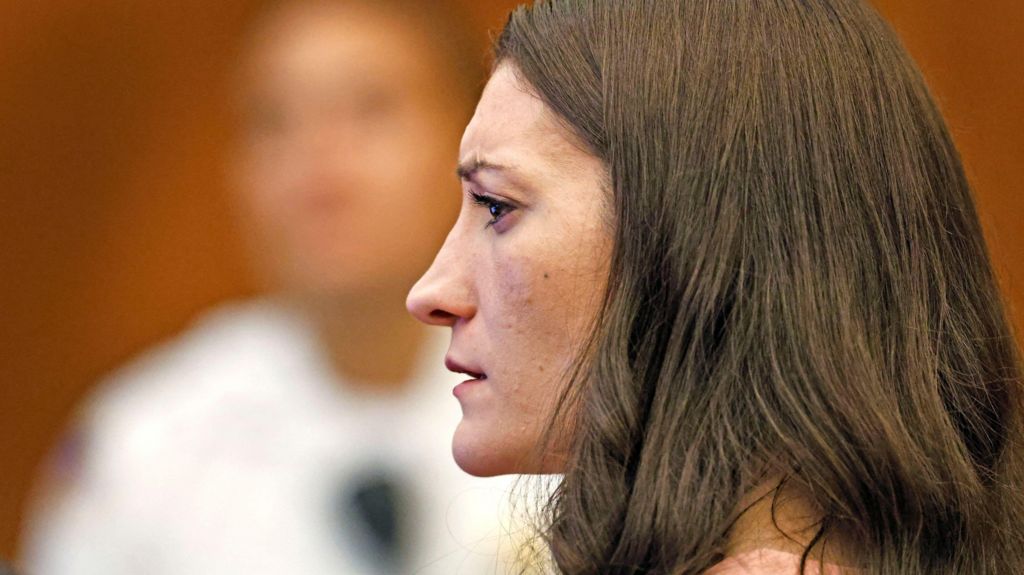
    Prosecutors have rejected the defense’s framing of the tragedy, arguing that Clancy made a deliberate, calculated choice to kill her children and was fully aware of her actions when she carried out the attack. In opening remarks, Assistant District Attorney Shanan Buckingham told the 12-member jury that Clancy acted “intentionally, rationally, and swiftly to accomplish a very specific goal – to kill.” “She is criminally responsible for the murders, because the evidence will prove to you that she knew exactly what she was doing,” Buckingham said, prompting a visible emotional reaction from Clancy, who shook and cried in the courtroom as the prosecution described her children.

    The defense has pushed back aggressively against the prosecution’s narrative, painting Clancy as a loving, involved mother who had no motive to harm her children, and whose breakdown was the result of untreated severe postpartum psychosis – a rare, life-threatening emergency that impacts approximately 1 in 1,000 new mothers after childbirth, according to the UK National Health Service. Symptoms of the condition include delusions, hallucinations, extreme mood swings, and cognitive confusion, and Clancy’s legal team argues that she was completely overcome by psychosis at the time of the killings.

    “This is a woman that did not get the medication, did not get the medical treatment, that she so deserved,” defense attorney Kevin Reddington told the jury. While prosecutors asked jurors not to frame the trial as a broader debate on women’s mental health care, Reddington pushed back on that framing, telling the court “It sure as hell is,” arguing that the core question of the trial is what was happening in Clancy’s mind at the time of the deaths. In opening arguments, the defense displayed graphic evidence of Clancy’s subsequent suicide attempt, including photos of her self-inflicted wounds, the weapon she used, and images of her intubated in a hospital bed after the attack.

    Over the coming weeks, both sides will call a wide range of witnesses, including law enforcement officers, first responders, family members, friends, and psychiatric experts, to build their cases for the jury. The case has already drawn widespread attention for its disturbing details, and for its focus on gaps in mental health care for postpartum people, a leading public health advocacy topic across the United States.

    A public warning accompanies all coverage of the case: this story includes distressing details of violence, child death and suicide. Anyone experiencing suicidal thoughts or mental distress is encouraged to reach out to a local medical provider or a global support organization such as Befrienders Worldwide, which maintains a directory of support services across the world at www.befrienders.org.

  • China asks US to remove unilateral tariffs

    China asks US to remove unilateral tariffs

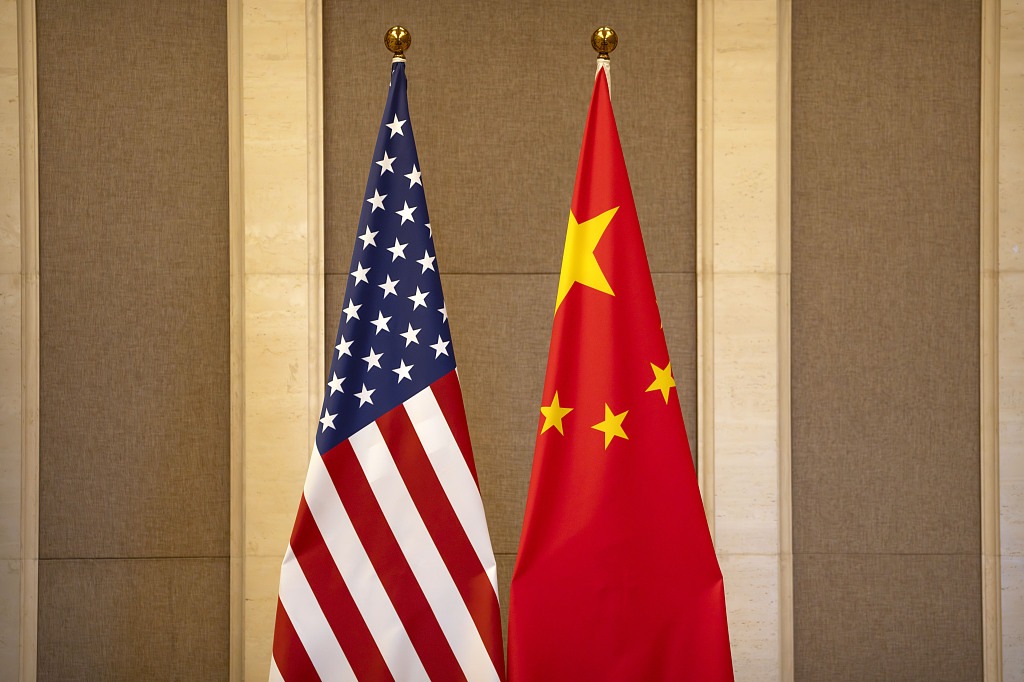
    In a formal statement released Monday, China’s Ministry of Commerce has called on the United States to immediately withdraw all unilateral tariff measures targeting Chinese goods, following Washington’s recent implementation of a new 12.5 percent additional tariff under Section 301 of the 1974 U.S. Trade Act.

    A ministry spokesperson emphasized that the U.S. move, framed under the false pretext of addressing so-called “forced labor”, represents a textbook example of unilateral protectionist trade policy that Beijing firmly rejects. The spokesperson pushed back against Washington’s politicized claims, noting that China has long maintained a comprehensive, robust legal framework regulating labor practices and has enacted strict enforcement measures to prevent and crack down on forced labor globally. In contrast, the spokesperson pointed out that the U.S. has never ratified the 1930 International Labour Organization’s Forced Labour Convention, and has a long track record of politically manipulating the forced labor issue for geopolitical and trade gains.

    The spokesperson further clarified that Washington introduced the new Section 301 tariffs to replace two earlier sets of duties that were invalidated by the U.S. Supreme Court: tariffs imposed under the International Emergency Economic Powers Act, and a separate import surcharge enacted under Section 122 of U.S. trade law. During previous rounds of China-U.S. economic and trade consultations, U.S. negotiators explicitly made a binding commitment that any replacement tariffs placed on Chinese goods would not exceed a 20 percent rate, a threshold the new 12.5 percent tariff currently falls under.

    Despite this, Beijing’s existing countermeasures in response to the U.S.’s earlier rounds of tariffs over fentanyl policy and reciprocal trade measures remain fully in effect, the spokesperson confirmed. The ministry added that Chinese trade authorities will continue to closely monitor any further trade actions from the U.S., conduct full impact assessments, and retain all legal rights to implement additional necessary countermeasures if Washington escalates trade tensions.

    “China urges the U.S. to correct its erroneous practices and revoke all relevant unilateral tariff measures,” the spokesperson said, adding that Beijing remains open to continued dialogue and consultation with Washington on bilateral trade issues, so long as discussions are rooted in the principles of mutual respect, equality, and shared benefit. China also called on the U.S. to work alongside Beijing to uphold the consensuses already reached during previous trade talks, resolve outstanding disagreements, expand the scope of mutually beneficial cooperation, and lay the groundwork for a constructive China-U.S. relationship defined by long-term strategic stability.

  • ‘Almost certain’: Key figure every Aussie household should watch

    ‘Almost certain’: Key figure every Aussie household should watch

    Australian mortgage holders already grappling with elevated borrowing costs are bracing for fresh financial pressure, with top economists warning that stronger-than-expected inflation data due Wednesday could trigger another Reserve Bank of Australia (RBA) interest rate increase as early as August. The warning comes as spillover effects from the US-Iran conflict continue to ripple through global supply chains and domestic price pressures, complicating the central bank’s long-running fight to bring runaway inflation back to target.

  • Wildfires ‘stark reminder’ of extreme climate challenge, says William

    Wildfires ‘stark reminder’ of extreme climate challenge, says William

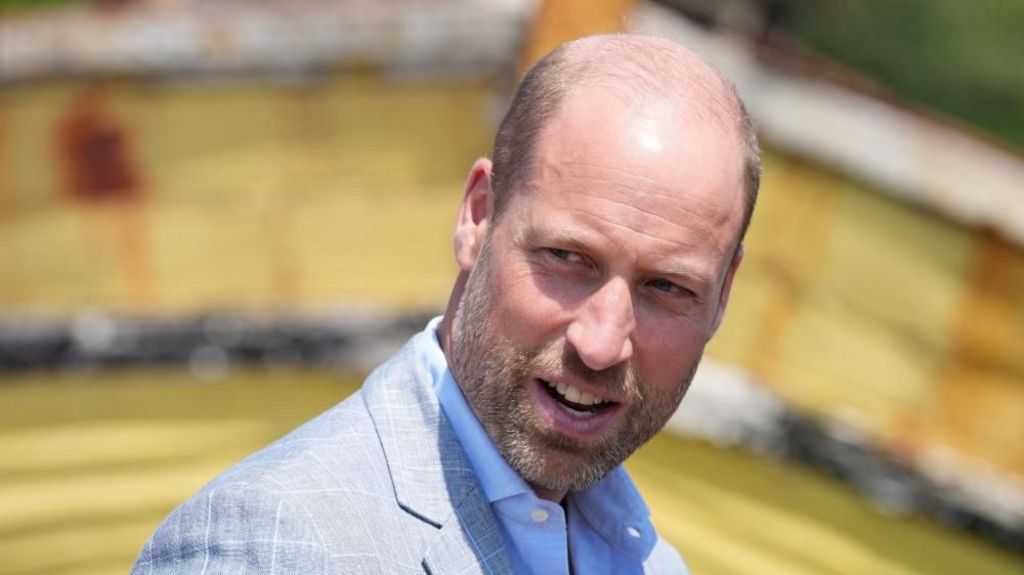
    As ferocious wildfires scorch large swathes of Western Europe and the United Kingdom, and a new intense heatwave builds on the horizon, Prince William, the Prince of Wales, has highlighted that these ongoing disasters are a clear wake-up call for the growing threat of climate-driven extreme weather.

    Across France and Spain, the wildfire crisis has already forced more than 300,000 residents to evacuate their homes as blazes continue to spread unchecked. Spain has recorded its most destructive wildfires in the Madrid region’s modern history, while France is facing its worst fire season in 20 years.

    In the UK, the scale of the crisis is already significant. A full major incident was declared over the weekend for an out-of-control wildfire burning across the Cairngorms in Scotland, while dozens of smaller blazes have ignited across the nation. In north Wales, a major wildfire burning across the Rhinogydd mountains produced plumes of smoke thick enough to be detected from satellite imagery, and two people had to be rescued after they put themselves at risk to capture drone footage of the blaze. On the Isle of Wight, a single fire, believed to have been sparked by an unattended campfire, burned an area equivalent to nearly 13 standard football pitches over five days. Over the weekend alone, London Fire Brigade responded to more than 1,300 fire-related incidents, including hundreds of grass and property fires, alongside rescue operations. The UK’s Met Office has warned that hot, parched conditions across southeast England, eastern England and London could lead to catastrophic wildfire outbreaks by Wednesday, and has issued amber heat health alerts for most of eastern England as a fourth annual heatwave approaches the region. Provisional temperature data shows July 2026 is already running 3°C above the long-term average across the UK, putting it on track to become one of the hottest Julys ever recorded.

    In a public post on the social platform X, Prince William shared his solidarity with communities impacted by the blazes. “Our thoughts are with everyone affected by the devastating wildfires across France, Spain and the UK,” he wrote. “We are deeply grateful to the firefighters, emergency services and volunteers working tirelessly in extraordinarily difficult conditions. These events are a stark reminder of the challenges posed by an increasingly extreme climate and the importance of protecting both people and nature.”

    Long-term climate data confirms the urgency of this warning. Europe is warming at twice the average global rate, according to the European Union’s Copernicus Climate Change Service, making it the fastest-warming continent on Earth. This rapid warming has directly fueled a sharp rise in the frequency and intensity of summer heatwaves, strained regional water supplies, and created far more dangerous conditions for devastating wildfires to ignify and spread. London Fire Brigade has issued a public appeal for people to avoid using disposable barbecues in dry open areas, properly dispose of cigarette waste, and take litter home rather than leaving it in natural areas to reduce the risk of accidental wildfire ignition.

    Prince William has continued the decades-long environmental advocacy work of his father, King Charles III. In 2020, he launched the Earthshot Prize, a 10-year global initiative that awards £1 million in funding annually to five innovators developing scalable solutions to climate and environmental challenges facing the planet.

  • ‘Do the right thing’: Savannah Guthrie makes another plea to mom’s kidnappers

    ‘Do the right thing’: Savannah Guthrie makes another plea to mom’s kidnappers

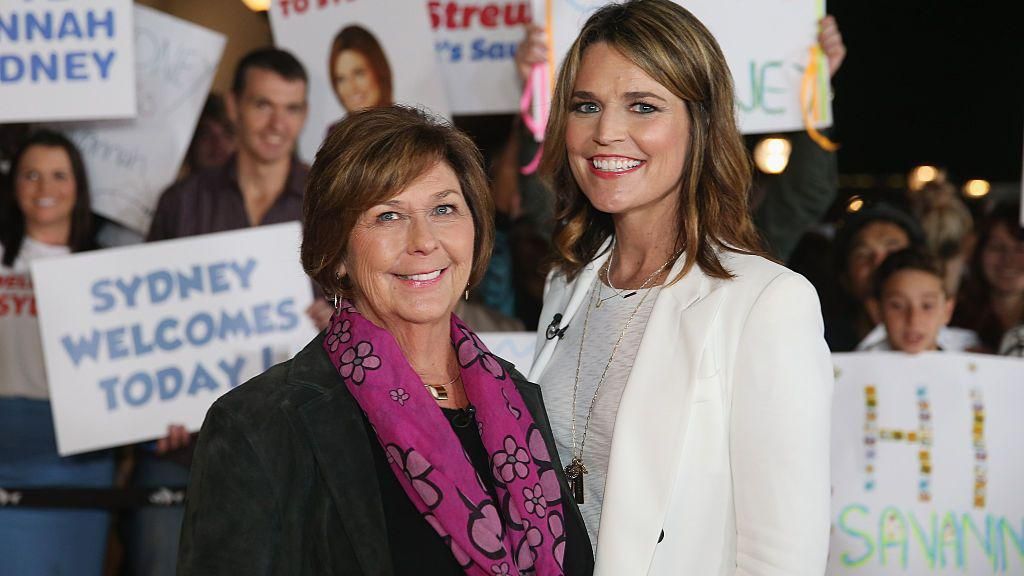
    Six months have passed since 84-year-old Nancy Guthrie vanished from her Tucson-area home against her will, and her daughter – prominent US television host Savannah Guthrie – has issued a urgent new emotional appeal directly to the people responsible for her abduction, begging for information that could lead to Nancy’s recovery.

    In a video posted to social media this week, Guthrie laid bare the unending pain her family has endured since Nancy’s disappearance in late January. “It has been months since our mom was taken from us,” Guthrie said in the video address. “Our family is in agony. We are trapped in a nightmare that will not end. Nothing about our situation has changed. We have done everything in our power to find her, and we will never stop looking. We will always ache for her and carry that empty hole in our hearts forever.”

    Looking directly at the camera, she issued a plea to anyone holding information about her mother’s location: “I’m asking you, begging you, to do the right thing now. Help us find her – tell us where to look for her. Help us bring this suffering to an end. For all of us, no matter where we’ve been and what we’ve done, I believe there is always a chance to make things right. Please make the right choice.”

    Investigators with the Pima County Sheriff’s Department and the FBI have been working the high-profile case for six months, but the investigation has hit a dead end with no suspects arrested and no clear publicly disclosed motive for the abduction. Nancy, who requires daily prescription medication, was dropped off at her home by relatives on the evening of January 31. When she failed to arrive at a friend’s home the next morning to join a virtual church service, family members raised the alarm.

    Authorities previously released surveillance images of an armed, masked suspect who was captured disabling the front door security camera at Nancy’s home shortly before she disappeared. Multiple ransom notes have been sent to the family and leaked to news outlets, two of which law enforcement have deemed credible. The first, sent the day after Nancy’s disappearance, demanded a multi-million dollar ransom paid in Bitcoin for her safe release – it included specific, accurate details about the layout of her home, her bedroom and the surrounding property, according to law enforcement statements to CBS. A second credible note sent days later claimed the 84-year-old had already died. Savannah Guthrie has previously acknowledged that some other ransom communications were confirmed to be hoaxes, and has gone on public record saying she accepts her mother may no longer be alive.

    Law enforcement requested that media outlets delay publishing details of the ransom notes during the early stages of the investigation, a request that major US outlets including CBS honored. The Pima County Sheriff’s Department has declined to publicly confirm the contents of the notes, but confirmed in a statement that the investigation “remains active and ongoing” more than half a year after Nancy was taken.

  • HIV progress in ‘real danger’ as global funding plummets

    HIV progress in ‘real danger’ as global funding plummets

    As the 26th International AIDS Conference opens in Rio de Janeiro, global public health leaders are sounding an urgent alarm: decades of progress in the fight against HIV are now at serious risk, driven by a dramatic, unprecedented collapse in international donor funding that began after the Trump administration returned to power in the U.S. and was followed by sweeping cuts from major European nations.

    Beatrice Grinsztejn, president of the International AIDS Society, opened the gathering by highlighting the severity of the crisis, noting that donor funding has never contracted as far or as quickly as it did in 2025, with the world’s most vulnerable communities already bearing the cost of these cuts. “This conference comes at a moment of real danger for the global battle against HIV,” Grinsztejn said.

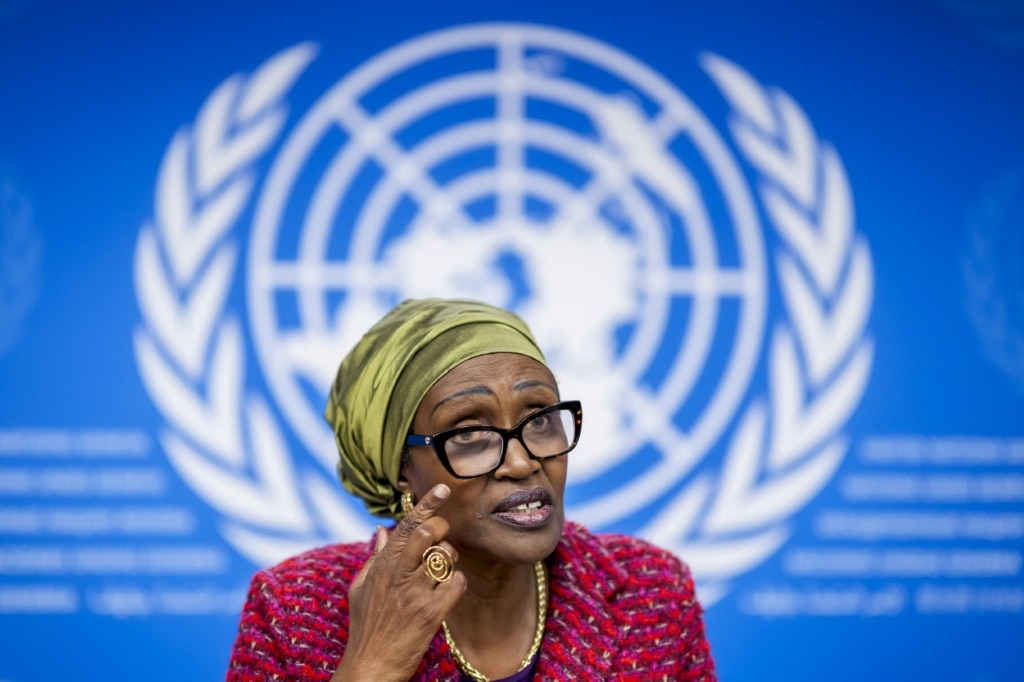
    The paradox at the heart of the current crisis is hard to overstate: scientific advances have never been more promising, turning what was once a universally fatal diagnosis into a manageable chronic condition for millions of people around the world. UNAIDS chief Winnie Byanyima emphasized that ending AIDS as a public health threat is no longer held back by a lack of scientific progress — researchers have already delivered the tools needed to turn the tide. Instead, the barrier is political failure and deep systemic inequality.

    “We are living through one of the most exciting moments in the history of HIV science,” Byanyima explained, pointing to new prevention medications that offer effectiveness on par with many vaccines. But even with these game-changing tools available, millions of people at risk still cannot access them. “When prevention disappears, infections rise. When treatment is interrupted, people die. We know exactly how this story ends if we fail to act now,” she warned.

    New data released by UNAIDS at the conference lays bare the scale of the funding collapse. In 2025 alone, international HIV financing directed to developing nations dropped by 18%. Since 2011, total HIV funding from European donor countries has plummeted by 58%, a decline that has shifted the bulk of the global funding burden to the United States. Even with the Trump administration’s deep cuts last year, the U.S. still accounts for 74% of all donor government funding for HIV programs worldwide.

    Against this backdrop of shrinking international support, low- and middle-income countries hardest hit by HIV — most of them in sub-Saharan Africa — have stepped up their own domestic investments. Domestic funding for HIV responses rose by 4% in 2025, and now makes up nearly 60% of total global spending on HIV. But Byanyima cautioned that this increase still amounts to “a drop in the ocean” compared to the total resources needed to meet global targets. For many low-income African nations, up to 90% of their HIV response still relies on international aid, leaving them extremely vulnerable to donor cuts.

    Experts note that the full impact of the 2025 funding cuts will not be visible for some time, but early warning signs are already emerging. While global new HIV infections and AIDS-related deaths dropped to their lowest levels in over 30 years in 2025, new infections have already started rising in 21 countries. The world remains far off track from meeting its 2030 goal of ending AIDS as a public health threat: the report found that nearly half of all children living with HIV still do not have access to life-saving antiretroviral treatment, falling short of the target to reach 20 million people on treatment.

    The conference is also shining a light on ongoing efforts to expand access to breakthrough new HIV medications, with public health advocates and global health bodies pushing major pharmaceutical companies to lower prices and expand generic manufacturing access. Ahead of the Rio conference, U.S. pharma giant Merck announced a landmark plan to permit generic manufacturers in Africa and India to produce cheaper versions of its once-monthly antiretroviral pill alimatravir, which is still awaiting final regulatory approval.

    But activists are calling for more action from other drug makers. Last week, Doctors Without Borders (MSF) issued a public call to U.S. pharmaceutical firm Gilead Sciences to expand access to lenacapavir, a long-acting preventative HIV drug that has been hailed as a game-changer because it only requires two injections per year. MSF pointed out that several countries where lenacapavir clinical trials were conducted — including Brazil, Argentina, Mexico and Peru — are currently excluded from existing agreements that allow generic production of the drug. Independent research shows lenacapavir can be manufactured for just $40 per patient per year, but in the U.S., the drug costs up to $28,000 annually per patient, a price tag that puts it out of reach for nearly all low-income nations.

  • US walks out on France at UN meeting to protest ally’s criticism of America’s human rights record

    US walks out on France at UN meeting to protest ally’s criticism of America’s human rights record

    In an extraordinary display of public discord between long-standing Western allies at the United Nations Headquarters in New York, United States diplomats staged an abrupt walkout on Monday mid-speech by French representatives, after Paris harshly condemned the Trump administration’s human rights track record.

    The unprecedented protest unfolded during a regularly scheduled UN Security Council session focused on the conflict in Ukraine, and came just days after a high-stakes vote over the future of the UN’s top human rights role. The incident is the most visible public rift yet in a growing pattern of strained relations between the Trump White House and European capitals, with tensions simmering across a range of policy and geopolitical issues.

    The controversy traces back to a General Assembly vote held last Friday on whether to reappoint incumbent UN High Commissioner for Human Rights Volker Türk to a second four-year term. Türk secured overwhelming backing from the global body, with 144 member states voting in favor, just 10 voting against, and 13 abstentions. The U.S. was among the small group of nations opposing his reappointment, a position that drew immediate sharp criticism from France. France’s UN mission in Geneva took to social media to slam the U.S. opposition, writing that “The US used to be a beacon of human rights. Not anymore. Today, it stands alongside North Korea, Nicaragua, Mali & Russia, isolated. And the world no longer listens to it.”

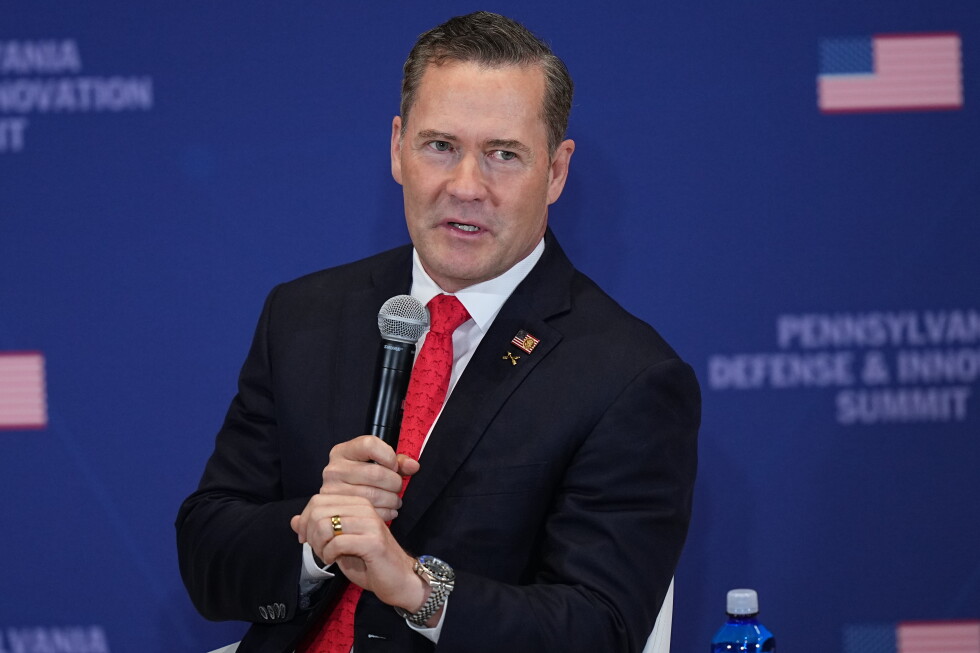
    U.S. officials quickly pushed back against the rebuke. US Ambassador to the UN Mike Waltz responded on the social platform X, accusing France of coddling “some of the worst human rights abusers” and supporting a human rights chief who regularly lectures free, sovereign democracies including the U.S., United Kingdom and Israel while building friendly ties with the world’s most oppressive regimes.

    The role of UN High Commissioner for Human Rights is inherently politically fraught: the position requires the officeholder to publicly call out human rights violations committed by any UN member state, regardless of geopolitical alignment. During his first term, Türk has drawn both praise and criticism for speaking out against multiple major powers, including sharp condemnation of Russia’s 2022 full-scale invasion of Ukraine and criticism of Israeli military operations in Gaza. He has also previously called for a “massive rethink” of U.S. immigration policy, raising concerns over racial profiling, expanded surveillance practices and immigration enforcement rules.

    Monday’s walkout marked a dramatic escalation of the row. After U.S. diplomats left the chamber mid-address, Deputy U.S. Ambassador Dan Negrea issued a scathing statement accusing France of performing disingenuous “moral outrage” and seeking to lecture the global community on every issue, from human rights to geopolitics. Negrea argued that the U.S. has stood alongside France in every conflict where French freedom was threatened, and had tolerated France’s theatrical political posturing “out of a sense of camaraderie and mutual respect” — but that era has ended.

    “Today, I remind them that it is the United States that remains the beacon of liberty for the world,” Negrea told the Security Council. “As such, we will not be affording them the benefit of listening to their politicized drivel until they renounce their condescending and disrespectful rhetoric and behave in a manner commensurate with their seat on this council.”

    When France’s UN Ambassador Jerome Bonnafont was invited to respond to the U.S. accusations at the close of the meeting, he made no direct mention of the walkout, opting instead for a measured, principled response. Bonnafont noted that France, which provided critical military and diplomatic support to the American colonies during their war for independence, just joined in global celebrations of the United States’ 250th Independence Day on July 4. He reaffirmed France’s commitment to the core founding mission of the United Nations, which was established to advance international peace and security, human rights and global development. “All of that forms the spirit in which France works within the United Nations … to preserve this institution, its independence, its ability to act in service of the charter and act to serve human rights and peace,” Bonnafont said.

    Beyond the immediate dispute over Türk’s reappointment and human rights criticism, the public confrontation lays bare deeper rifts between the Trump administration and Europe that have been building for years. Tensions have already flared over Trump’s repeated questioning of U.S. commitment to the NATO collective defense alliance, proposals to revise U.S. troop deployment levels across Europe, and even Trump’s public interest in gaining U.S. control over Greenland, an autonomous territory that is part of NATO member Denmark. Trump has also repeatedly complained that European powers failed to consult with the U.S. and offer support during conflicts related to Iran. Against this backdrop of growing transatlantic friction, Macron has led European efforts to expand the continent’s independent military capabilities and maintain an independent European nuclear deterrent, alongside the continent’s other nuclear power, the United Kingdom.

  • Cracker Barrel chief executive steps down a year after rebrand chaos

    Cracker Barrel chief executive steps down a year after rebrand chaos

    One year after a controversial rebrand effort sparked nationwide public outrage, the top leader of iconic American restaurant chain Cracker Barrel is stepping down from her post. The company announced in a public statement Monday that current chief executive Julie Masino will officially depart the organization in August, with industry veteran David Deno — former CEO of Bloomin’ Brands, the parent company of chains including Outback Steakhouse — set to take over the top role. Masino will remain with the business through October to support a smooth leadership transition.

    The leadership shakeup follows a period of intense turmoil for the 60-year-old Tennessee-based chain, which operates nearly 660 country-themed restaurant and retail locations across 44 U.S. states. Last year’s plan to simplify Cracker Barrel’s classic vintage logo and modernize the interior design of its locations triggered fierce pushback from the chain’s generations of loyal customers. Critics argued the changes erased the brand’s signature nostalgic Southern charm, even labeling the updated rebrand “soulless” and “generic” in widespread public criticism. The backlash drew high-profile attention, with former President Donald Trump joining critics to urge the company to reverse the changes and restore its original branding. Cracker Barrel ultimately walked back the rebrand, a move Trump later publicly praised.

    This was not the first controversy to roil the brand during Masino’s tenure. In 2022, the chain faced similar online backlash from a segment of its customer base after adding plant-based sausage options to its breakfast menu, a decision framed by critics as a departure from the brand’s traditional identity.

    These repeated controversies underscore a persistent, high-stakes challenge facing legacy consumer brands: how to update their offerings and image to attract younger, newer audiences without alienating the core, long-time customer base that forms their financial foundation.

    Jo-Ellen Pozner, an associate professor of business at Santa Clara University’s Leavey School of Business, framed the leadership change as a reflection of deep cultural polarization across American society today. She noted that leaning hard into traditional conservative values to win back vocal, upset loyal customers may provide short-term relief, but it ultimately limits the chain’s future growth. “Changing anything about the menu, decor, or branding at this point is dangerous, so there are few levers to attract new customers,” Pozner explained.

    Per Cracker Barrel’s official 8-K filing with U.S. securities regulators, Masino will receive an estimated $4.6 million severance package as part of her departure agreement. The company declined to provide additional comment beyond the filing when reached by the BBC. Masino herself has not released any public statement regarding her resignation, though company management issued a generic thank-you for her service during her tenure.

    Beyond public scrutiny, Cracker Barrel has faced mounting financial pressure in recent quarters. Following Monday’s leadership announcement, the chain’s shares dropped more than 2% in trading, and are currently down roughly 20% compared to this time last year. The stock decline has come amid slowing customer traffic and falling same-store sales, all while the broader restaurant industry grapples with soaring food and labor costs. The chain also faces cutthroat competition from rivals including Denny’s and IHOP, which have been aggressively targeting budget-conscious diners seeking classic American comfort food in a bid to capture additional market share.

    In his inaugural statement following the announcement of his new role, incoming CEO Deno emphasized his commitment to honoring the chain’s long-standing identity, highlighting Cracker Barrel’s “deep connection with guests across generations.”

  • Ahead of Israel’s elections, Bennett rejects two-state solution as Eisenkot surges in polls

    Ahead of Israel’s elections, Bennett rejects two-state solution as Eisenkot surges in polls

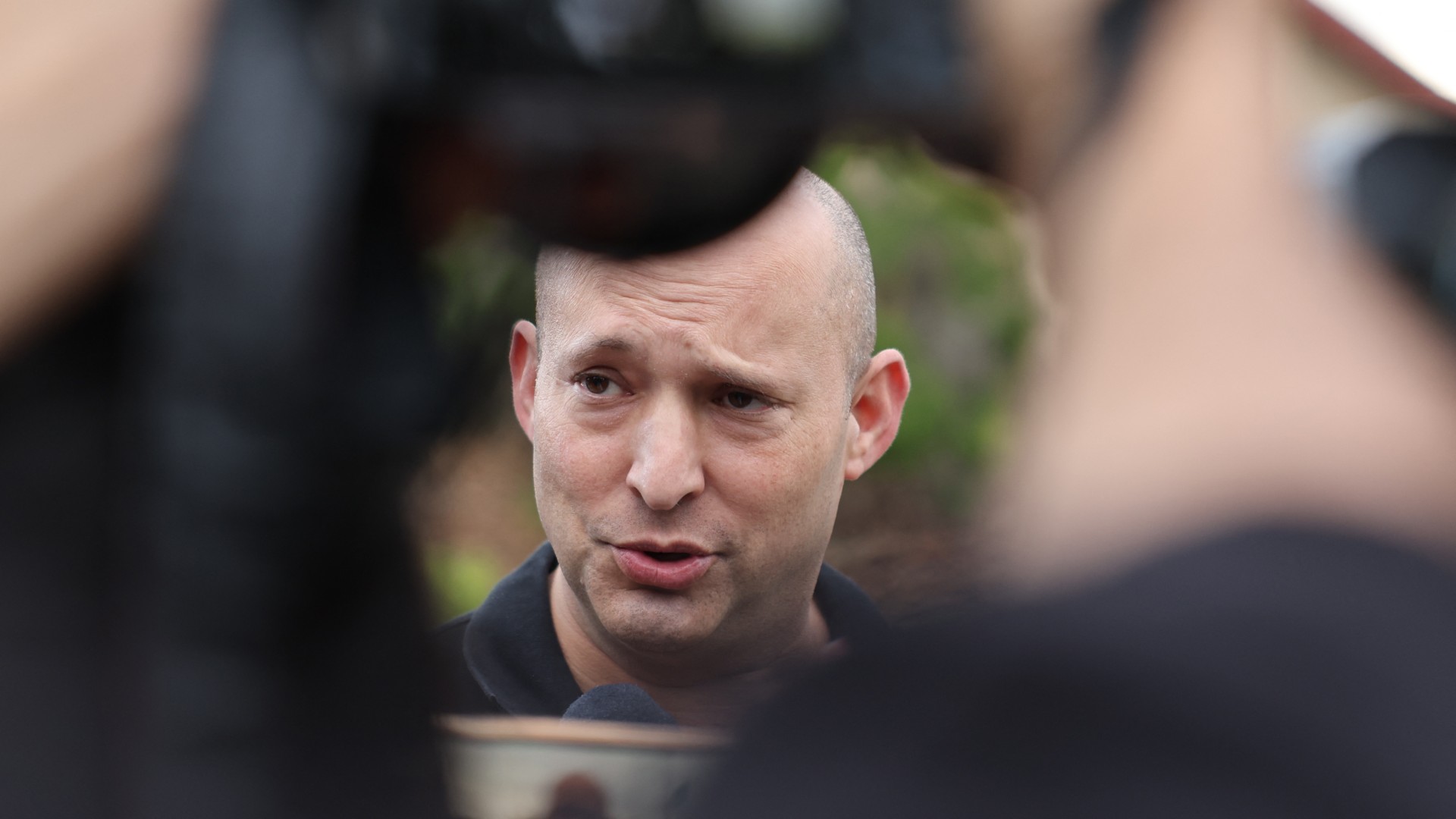
    As Israel prepares for one of the most consequential general elections in its modern history on October 27, opposition figure and former Prime Minister Naftali Bennett has drawn a sharp line in his policy platform, stating he will block the creation of an independent Palestinian state even if it derails potential normalization agreements with Saudi Arabia. In an exclusive interview with Israeli Channel 12, Bennett doubled down on his long-held hardline stance, saying plainly, “I am not giving up territory, period.”

    The upcoming election is widely framed as a referendum that could end the decade-long tenure of incumbent Prime Minister Benjamin Netanyahu and his right-wing Likud Party, as shifting polling numbers show opposition factions gaining momentum ahead of the vote. A recent survey published by Israeli daily Maariv puts Netanyahu’s Likud in second place with a projected 20 seats in parliament, trailing former Israeli army chief Gadi Eisenkot’s Yashar Party, which hit a record high of 23 projected seats. Bennett’s own Together party sits third in current polling with 17 projected seats, positioning him as a key power broker in any post-election coalition negotiations.

    Bennett used the interview to position himself as the only leader capable of sweeping institutional reform in Israel, declaring, “I am the most suitable person to lead the historical correction that needs to be made here in the State of Israel.” Beyond his foreign policy stances, Bennett outlined his top domestic priority: advancing sweeping reforms to integrate ultra-Orthodox Haredi communities into the national workforce and end their long-standing exemption from compulsory military service. The exemption has been one of the most contentious domestic political issues in Israel for decades, as successive governments have failed to reach a consensus on reform amid growing Haredi population growth. Netanyahu has consistently protected the exemption to preserve his political alliance with Haredi political parties, a position both Bennett and Eisenkot have publicly criticized.

    During the interview, Channel 12’s presenter repeatedly pressed Bennett on his refusal to answer questions about the Palestinian statehood issue and whether his 2021–2022 coalition government with centrist former Prime Minister Yair Lapid was a failure, accusing Bennett of dodging key questions. Bennett deflected the criticism, reiterating that his sole focus is overhauling Israeli leadership and advancing long-stalled domestic reforms that have not been addressed since the country’s founding.

    Bennett’s opposition to a two-state solution is consistent with his long political record: he has spent decades advocating for policies that block Palestinian statehood. In 2018, while serving in a previous government, he went as far as to say that if he held the defense minister post, he would implement a “shoot-to-kill” policy for all Palestinians attempting to cross the Gaza-Israel border. When pressed on whether that policy would extend to children, Bennett infamously replied, “They are not children. They are terrorists.”

    Unlike Bennett, who has held multiple senior cabinet positions including prime minister, defense minister, economy minister and education minister, Eisenkot hails from an exclusively military background, serving as the Israel Defense Forces Chief of Staff from 2015 to 2019. Born to Moroccan immigrants, Eisenkot is best known as the architect of the controversial “Dahieh doctrine,” an Israeli military strategy that calls for the use of disproportionate force against civilian infrastructure in areas where armed groups are believed to operate. Eisenkot has gained widespread public sympathy across Israel after his son and two nephews were killed serving in the Israeli military during offensives in Gaza.

    On foreign policy, Eisenkot has broken with Bennett, publicly pushing for closer diplomatic and security ties with Saudi Arabia, which has not yet joined the U.S.-backed Abraham Accords normalization agreements between Israel and Arab states. A two-state solution to the Israeli-Palestinian conflict remains a core requirement for any Saudi normalization with Israel, making Bennett’s hardline stance a potential major barrier to a future coalition that advances normalization talks. Eisenkot has said Israel is willing to share intelligence with Riyadh to counter what both parties frame as Iranian regional aggression.

    Eisenkot currently faces a critical political dilemma as he works to build a coalition majority. While he needs the parliamentary support of Israeli Arab parties to secure a governing majority, inviting those parties into a coalition would almost certainly alienate his centrist and right-wing base of voters. The shifting dynamics of the election leave Israel at a crossroads, with the outcome set to reshape both the country’s domestic policy and its regional diplomatic prospects for years to come.

  • Watch: Police officers free owl tangled in football net

    Watch: Police officers free owl tangled in football net

    A remarkable story of quick compassion and careful action unfolded recently in Avon, Ohio, when two local police officers stepped in to save a wild owl that had become dangerously entangled in a football net.

    The incident, which was captured on camera, shows the two law enforcement members approaching the distressed bird with deliberate calm, well aware that a sudden or clumsy move could worsen the animal’s injuries. Working slowly and with great focus, they used cutting tools to carefully snip away the netting that had wrapped around the owl’s body and wings, taking care not to nick the creature’s skin or damage its feathers.

    Once the last strands of netting were removed, the owl was gently released. To the relief of the officers and any onlookers present, the bird showed no visible signs of harm, and immediately stretched its wings and took flight back into the surrounding wild.

    This heartwarming rescue highlights the often unseen acts of care that public safety officials carry out beyond their regular law enforcement duties, extending their protection to vulnerable wildlife in the community.