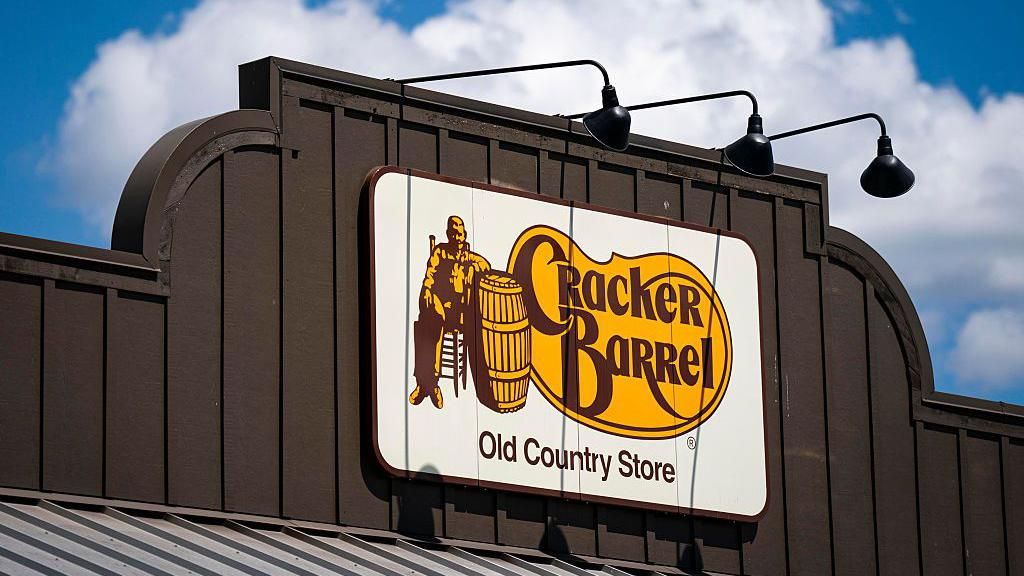
One year after a controversial rebrand effort sparked nationwide public outrage, the top leader of iconic American restaurant chain Cracker Barrel is stepping down from her post. The company announced in a public statement Monday that current chief executive Julie Masino will officially depart the organization in August, with industry veteran David Deno — former CEO of Bloomin’ Brands, the parent company of chains including Outback Steakhouse — set to take over the top role. Masino will remain with the business through October to support a smooth leadership transition.
The leadership shakeup follows a period of intense turmoil for the 60-year-old Tennessee-based chain, which operates nearly 660 country-themed restaurant and retail locations across 44 U.S. states. Last year’s plan to simplify Cracker Barrel’s classic vintage logo and modernize the interior design of its locations triggered fierce pushback from the chain’s generations of loyal customers. Critics argued the changes erased the brand’s signature nostalgic Southern charm, even labeling the updated rebrand “soulless” and “generic” in widespread public criticism. The backlash drew high-profile attention, with former President Donald Trump joining critics to urge the company to reverse the changes and restore its original branding. Cracker Barrel ultimately walked back the rebrand, a move Trump later publicly praised.
This was not the first controversy to roil the brand during Masino’s tenure. In 2022, the chain faced similar online backlash from a segment of its customer base after adding plant-based sausage options to its breakfast menu, a decision framed by critics as a departure from the brand’s traditional identity.
These repeated controversies underscore a persistent, high-stakes challenge facing legacy consumer brands: how to update their offerings and image to attract younger, newer audiences without alienating the core, long-time customer base that forms their financial foundation.
Jo-Ellen Pozner, an associate professor of business at Santa Clara University’s Leavey School of Business, framed the leadership change as a reflection of deep cultural polarization across American society today. She noted that leaning hard into traditional conservative values to win back vocal, upset loyal customers may provide short-term relief, but it ultimately limits the chain’s future growth. “Changing anything about the menu, decor, or branding at this point is dangerous, so there are few levers to attract new customers,” Pozner explained.
Per Cracker Barrel’s official 8-K filing with U.S. securities regulators, Masino will receive an estimated $4.6 million severance package as part of her departure agreement. The company declined to provide additional comment beyond the filing when reached by the BBC. Masino herself has not released any public statement regarding her resignation, though company management issued a generic thank-you for her service during her tenure.
Beyond public scrutiny, Cracker Barrel has faced mounting financial pressure in recent quarters. Following Monday’s leadership announcement, the chain’s shares dropped more than 2% in trading, and are currently down roughly 20% compared to this time last year. The stock decline has come amid slowing customer traffic and falling same-store sales, all while the broader restaurant industry grapples with soaring food and labor costs. The chain also faces cutthroat competition from rivals including Denny’s and IHOP, which have been aggressively targeting budget-conscious diners seeking classic American comfort food in a bid to capture additional market share.
In his inaugural statement following the announcement of his new role, incoming CEO Deno emphasized his commitment to honoring the chain’s long-standing identity, highlighting Cracker Barrel’s “deep connection with guests across generations.”