博客

  • Japan’s lower house formally dissolved

    Japan’s lower house formally dissolved

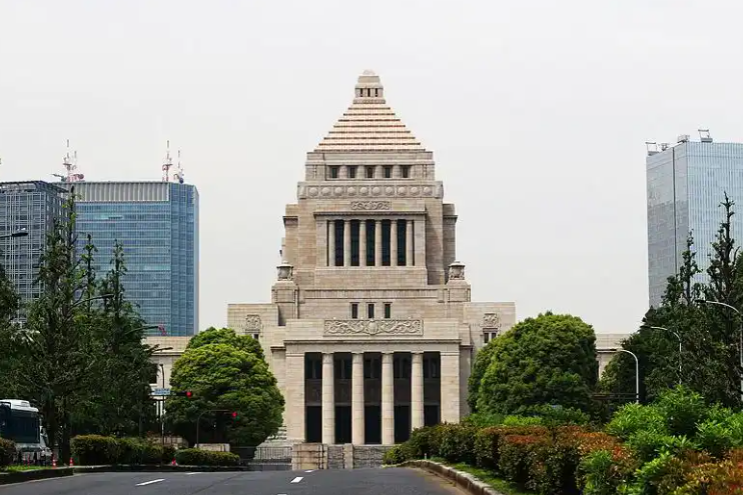
    Japan’s political arena entered a period of significant transition on January 23, 2026, as the nation’s lower legislative chamber was formally dissolved, setting the stage for an unexpected snap election. This constitutional procedure marks a pivotal moment in Japan’s democratic processes, effectively terminating the current parliamentary session and compelling all 465 sitting representatives to seek renewed electoral mandates.

    The dissolution ceremony, presided over by Speaker Hiroyuki Hosoda in a solemn proceeding, saw legislators receive their official notices of termination amid the traditional shouts of ‘Banzai’ that characterize Japanese parliamentary conclusions. This procedural dissolution paves the way for what political analysts anticipate will be a fiercely contested electoral battle, with campaigning expected to commence immediately ahead of the projected polling date.

    This political development occurs against a complex backdrop of both domestic and international challenges, including economic pressures, regional security concerns, and ongoing global supply chain disruptions. The election outcome will determine the composition of Japan’s legislative body at a particularly consequential juncture in East Asian geopolitics, with implications for everything from trade policy to national security strategy.

    The dissolution mechanism, embedded in Japan’s post-war constitution, represents a fundamental aspect of the country’s parliamentary democracy, allowing for fresh electoral mandates and potential shifts in governmental direction. As candidates prepare to hit the campaign trail, observers worldwide will be monitoring how Japan’s electorate responds to the competing policy visions presented by the various political factions vying for parliamentary dominance.
  • US braces for ‘extremely dangerous’ winter storm

    US braces for ‘extremely dangerous’ winter storm

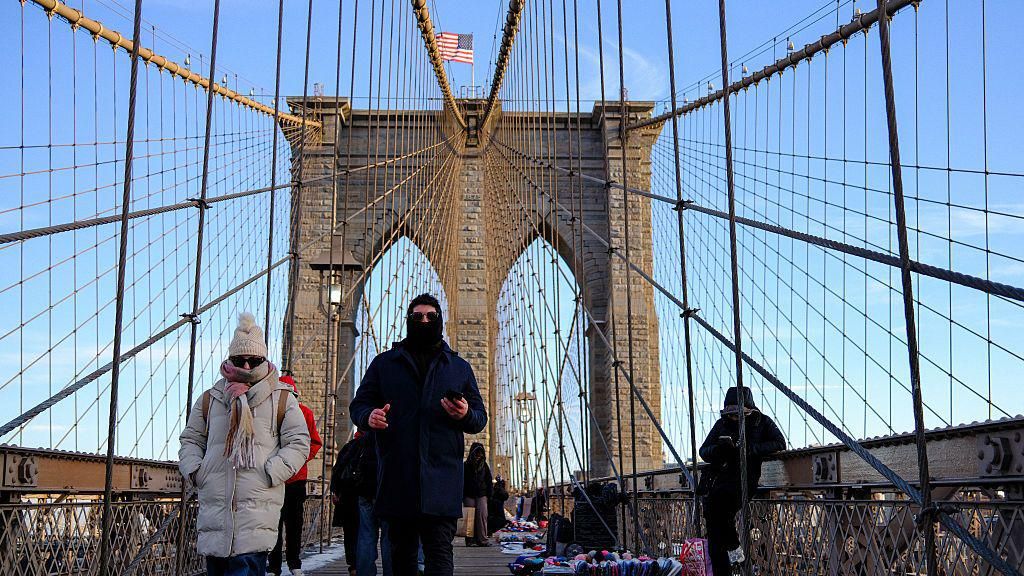
    A formidable winter storm system is poised to unleash unprecedented Arctic conditions across the United States, placing over 160 million Americans under severe weather alerts starting Friday. The National Weather Service (NWS) has issued grave warnings about this meteorological event originating from the High Plains and Rockies, predicting its eastward trajectory will generate life-threatening wind chills dipping below -50°F (-46°C) in northern regions.

    The storm’s slow-moving nature will deposit substantial snowfall from the Southern Rockies through the Mid-Atlantic into the Northeast, with projections exceeding one foot of accumulation from Colorado to Boston. Major metropolitan areas including Memphis, Nashville, Washington DC, Baltimore, Philadelphia, and New York are anticipated to experience significant snow accumulation and freezing rains.

    Transportation networks face severe disruption as airport authorities nationwide report anticipated cancellations and delays. Multiple airlines have proactively implemented flexible rebooking policies to accommodate travelers. Meteorological experts Rich Otto and Tony Fracasso emphasize that vehicular travel will become ‘nearly impossible’ during the storm’s peak intensity.

    Governors in Arkansas, Georgia, Texas, and both Carolinas have preemptively declared states of emergency, mobilizing National Guard units and emergency response teams. The NWS emphasizes the particular danger of frostbite and hypothermia from even brief skin exposure to the extreme conditions.

    The meteorological phenomenon extends into Canada, where eastern and Atlantic provinces are already experiencing severe freezing temperatures with additional snowfall expected early next week according to Environment Canada meteorologists.

  • TikTok establishes joint venture to end US ban threat; Trump thanks Xi for approving deal

    TikTok establishes joint venture to end US ban threat; Trump thanks Xi for approving deal

    In a landmark resolution to a prolonged geopolitical standoff, TikTok has successfully established a majority American-owned joint venture to continue operating its US business, effectively neutralizing the threat of a nationwide ban. The newly formed entity, TikTok USDS Joint Venture LLC, will serve the platform’s massive American user base of over 200 million users and 7.5 million businesses while implementing rigorous new protocols for data security, algorithmic transparency, and content moderation.

    The corporate restructuring directly responds to legislation passed during the Biden administration that mandated Chinese parent company ByteDance divest its US operations or face prohibition in its largest market. The complex agreement, which largely confirms an outline presented to staff last month, stipulates that ByteDance will retain a 19.9 percent stake in the venture—strategically remaining below the critical 20 percent threshold specified by US law.

    Significant American investment firms form the venture’s backbone, with Silver Lake, Oracle, and Abu Dhabi’s AI investment fund MGX each acquiring 15 percent stakes. Additional investors include Dell Family Office, affiliates of Susquehanna International Group, General Atlantic, and several other established financial institutions. Notably, Oracle’s executive chairman Larry Ellison, a longtime ally of former President Donald Trump, plays a pivotal role in the arrangement.

    The joint venture will maintain autonomous decision-making authority over all US trust and safety policies and content moderation, while TikTok’s global entities will continue managing international product integration and commercial activities including advertising and e-commerce. Under the new structure, all US user data will be securely housed within Oracle’s cloud environment, subject to independent cybersecurity audits and strict adherence to federal standards.

    Governance will be administered by a seven-member board with American majority representation, including TikTok CEO Shou Chew and executives from major investment firms. TikTok veteran Adam Presser has been appointed CEO of the new entity, with Will Farrell assuming the role of chief security officer.

    The resolution prompted immediate political reactions, with former President Trump publicly thanking Chinese President Xi Jinping for approving the arrangement. ‘I am so happy to have helped in saving TikTok!’ Trump declared in a post on Truth Social. ‘I would also like to thank President Xi, of China, for working with us and, ultimately, approving the Deal.’

    The 2024 legislation emerged from longstanding bipartisan concerns among US policymakers that China could potentially exploit TikTok to harvest American user data or exert influence through its powerful algorithm. However, Trump, who has credited the platform with bolstering his appeal among younger voters, repeatedly delayed enforcement through executive orders, most recently extending the deadline to January 22.

  • KT must-reads: A community garden we can feel good about

    KT must-reads: A community garden we can feel good about

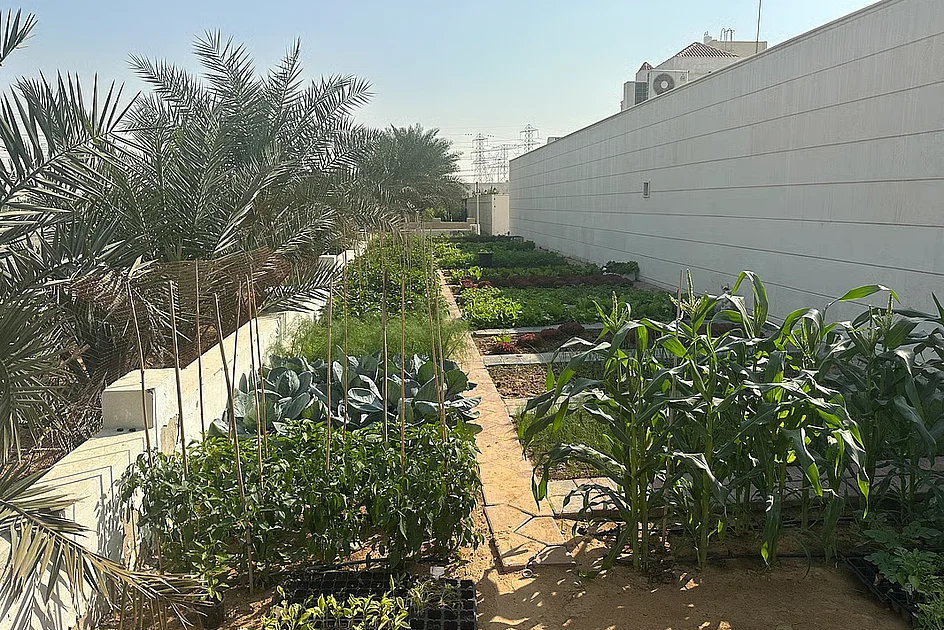
    In an era dominated by negative news cycles and attention-seeking media tactics, a heartwarming initiative in the United Arab Emirates demonstrates the power of community-focused storytelling. Emirati national Mohammed Al Hashemi has transformed his personal home farm into a thriving community garden that serves as both food source and educational hub for his neighborhood.

    Beginning his project in 2000, Al Hashemi gradually converted his property into an organic agricultural haven that now provides fresh vegetables, herbs, and essential produce to neighbors and those in need. The garden operates as an open pantry where community members, including domestic helpers, can freely harvest fresh cilantro, basil, peppers, parsley, and other crops.

    What makes this initiative particularly noteworthy is its sustainable approach. Al Hashemi deliberately avoids chemical fertilizers, relying instead on manure and occasional fish-based organic supplements to maintain soil health. His methods have proven so successful that he now conducts gardening workshops and shares his expertise through social media channels, reaching thousands of interested learners.

    The project gained significant attention after being featured in Khaleej Times, with journalist Ruqayya Al Qaydi documenting both the operational details and visual evidence of the garden’s bounty. The positive response to this story highlights audience appreciation for constructive, community-oriented journalism that focuses on solutions rather than problems.

    This initiative represents a growing trend in media organizations prioritizing meaningful content that reflects the authentic experiences of UAE residents—both Emiratis and expatriates. Rather than employing fear-based or anger-driven tactics to capture audience attention, this approach demonstrates how media can highlight inspirational stories that strengthen community bonds and promote sustainable living practices.

  • Gulf’s hospitality renaissance: From mega-projects to intimate experiences

    Gulf’s hospitality renaissance: From mega-projects to intimate experiences

    The Gulf Cooperation Council (GCC) region is undergoing a profound transformation in its tourism strategy, shifting from large-scale urban developments to curated, experience-driven hospitality offerings. This strategic evolution marks a significant departure from the region’s previous focus on skyscrapers and mega-projects toward immersive, authenticity-focused travel experiences.

    Economic indicators demonstrate the sector’s accelerating growth trajectory. Travel and tourism contributed approximately $247 billion to GCC GDP in 2024, representing a 32% increase over 2019 levels. Projections indicate this figure will reach $371.2 billion by 2034, accounting for 13.3% of the region’s total economy. Visitor spending shows parallel growth, expected to climb from $135-136 billion in 2023 to $224 billion within the next decade.

    Saudi Arabia’s AlUla region exemplifies this ‘slow luxury’ approach, positioning itself as a high-yield niche destination rather than pursuing mass tourism. The Royal Commission for AlUla reports hosting over 260,000 visitors in 2023—a 40% year-on-year increase—with targets set for two million annual visitors by 2035. Development focuses on eco-conscious properties like Habitas AlUla and Banyan Tree AlUla, featuring tented villas and canyon-view suites that prioritize heritage preservation.

    The architectural marvel Sharaan Resort, designed by Jean Nouvel within the Sharaan Nature Reserve, will incorporate 38 rock-carved suites alongside wellness facilities, representing a groundbreaking approach to landscape-integrated architecture.

    Ras Al Khaimah and Oman are capitalizing on their natural landscapes to establish themselves as premier outdoor destinations. Ras Al Khaimah achieved record tourism in 2024 with 1.28 million visitors and 12% revenue growth, while Oman welcomed approximately 4 million international visitors, generating $5.5 billion in tourism revenue. Both destinations are developing mountain lodges, desert camps, and sustainable beach resorts that cater to adventure tourism and wellness-seeking travelers.

    Qatar has successfully transitioned from an events-focused market to a cultural tourism destination, surpassing five million visitors in 2024—a 25% increase over 2023. The country’s strategy integrates cultural landmarks like the Museum of Islamic Art with island-based resorts such as Rixos Premium Qetaifan Island North, which combines luxury accommodations with waterpark facilities and private beaches.

    This tourism evolution represents a fundamental component of Gulf economic diversification strategies. The sector is projected to generate 1.3 million new jobs by 2034, with intra-GCC tourism growing significantly—19.3 million tourists traveled within the bloc in 2024, constituting over 25% of all international visitors to GCC states. The proposed unified GCC tourism visa and improved connectivity将进一步 enhance regional tourism integration, enabling multi-destination itineraries that combine cultural, mountain, and coastal experiences across Gulf nations.

  • Trump withdraws invite for Canada’s Carney to join ‘Board of Peace’

    Trump withdraws invite for Canada’s Carney to join ‘Board of Peace’

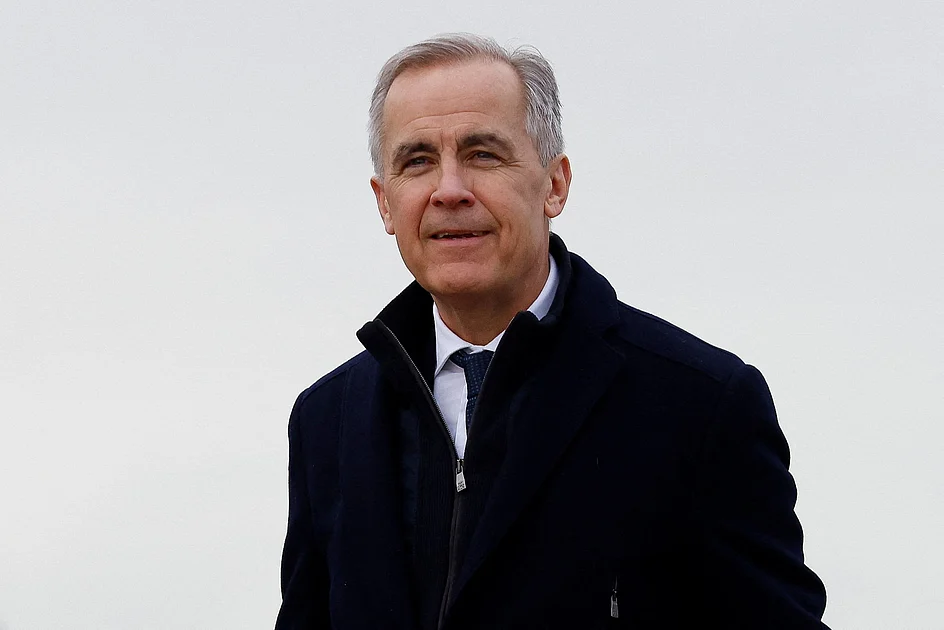
    A notable diplomatic confrontation has emerged between the United States and Canada following contentious exchanges between President Donald Trump and Canadian Prime Minister Mark Carney. The dispute originated at the World Economic Forum in Davos, Switzerland, where Trump asserted that “Canada lives because of the United States.” Carney delivered a robust response during a national address in Quebec City, declaring: “Canada doesn’t live because of the United States. Canada thrives because we are Canadian,” while simultaneously acknowledging the longstanding partnership between the neighboring nations.

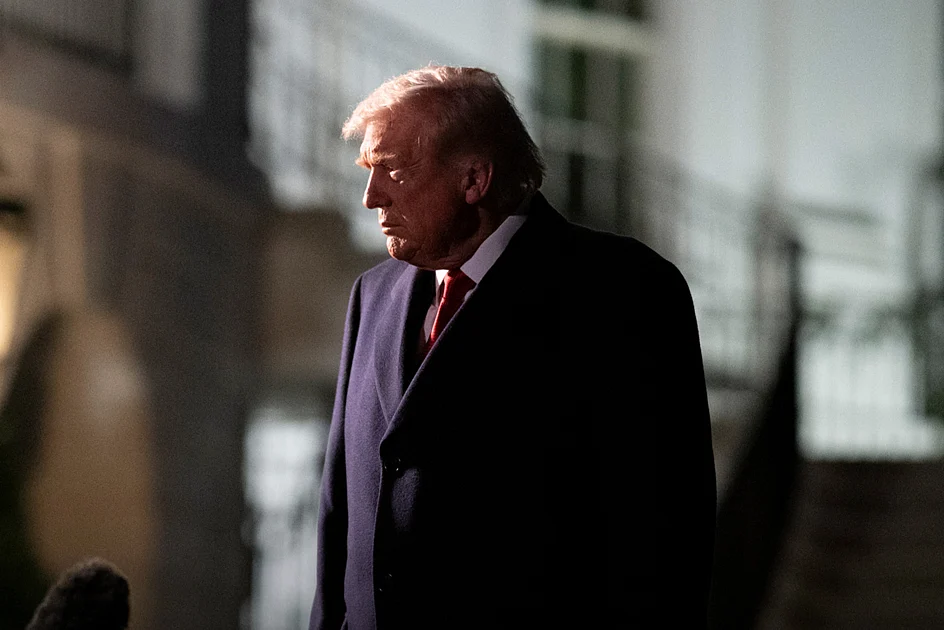
    In retaliation, Trump utilized his Truth Social platform to withdraw Canada’s invitation to join his proposed ‘Board of Peace’—a billion-dollar conflict resolution initiative. Government sources revealed that Canada had previously indicated it would not financially contribute to participate in this board, despite Carney’s willingness to accept membership.

    This diplomatic friction occurs against the backdrop of Carney’s widely acclaimed Davos address, where he received a standing ovation for his candid assessment of a ‘rupture’ in the US-led global order. Although not explicitly naming Trump, the speech was broadly interpreted as commentary on the former president’s disruptive influence on international affairs. Carney emphasized that middle powers like Canada must recognize that compliance alone cannot shield nations from major power aggression in the current geopolitical climate.

    The escalating tensions carry substantial economic implications, as Canada remains heavily dependent on trade with the United States, which receives over three-quarters of Canadian exports. Key industries including automotive, aluminum, and steel have already been affected by Trump’s global sectoral tariffs. With negotiations to revise the North American free trade agreement scheduled to commence this year, Trump’s repeated assertions that the United States doesn’t require access to Canadian products suggest potential sweeping consequences for Canada’s economy.

    Adding to the diplomatic strain, Trump has previously threatened annexation of Canadian territory and recently circulated a social media image depicting Canada, Greenland, and Venezuela covered by the American flag. In response, Carney emphasized Canada’s commitment to defending its sovereignty and securing its borders, while positioning the nation as a democratic beacon during an era of global uncertainty.

  • US withdraws from the World Health Organisation, sparking financial crisis for WHO

    US withdraws from the World Health Organisation, sparking financial crisis for WHO

    In a landmark decision with profound global health implications, the United States has formally terminated its membership with the World Health Organisation (WHO). The withdrawal, effective as of Thursday, culminates a year-long process initiated by an executive order from President Donald Trump on his first day in office in 2025. The administration cites significant failures in the UN agency’s handling of the COVID-19 pandemic as the primary catalyst for its departure.

    The exit triggers an immediate financial crisis for the WHO, which has historically relied on Washington for approximately 18% of its total funding. The agency has been compelled to implement severe austerity measures, including reducing its management team by half and planning to shed a quarter of its total staff by mid-year. Budgets for critical programs are being scaled back globally.

    A contentious legal and financial dispute has emerged surrounding the withdrawal. While U.S. law typically requires a one-year notice and the settlement of all outstanding fees—estimated at $260 million for 2024 and 2025—before departure, the State Department contests this obligation. A spokesperson asserted, ‘The American people have paid more than enough,’ indicating the administration’s refusal to pay the outstanding sum. The Department of Health and Human Services confirmed the cessation of all future funding contributions, with a spokesperson alleging the WHO had ‘cost the U.S. trillions of dollars.’

    The move has been met with widespread concern from global health leaders and philanthropists. WHO Director-General Tedros Adhanom Ghebreyesus had recently urged a reconsideration. Bill Gates, chair of the Gates Foundation, a major WHO funder, expressed disappointment at the World Economic Forum in Davos, stating, ‘The world needs the World Health Organisation.’ He acknowledged a short-term return was unlikely but vowed to continue advocacy for reinstatement.

    Health experts warn the withdrawal poses significant risks to international pandemic preparedness. Kelly Henning of Bloomberg Philanthropies noted, ‘The U.S. withdrawal from WHO could weaken the systems and collaborations the world relies on to detect, prevent, and respond to health threats.’ The U.S. government stated it would pursue direct partnerships with individual nations on disease surveillance, forgoing multilateral cooperation through the WHO. The American flag was removed from WHO headquarters in Geneva, symbolizing the formal severance of a 73-year relationship.

  • Liz Hurley and Anna Wintour among mourners at Valentino’s funeral in Rome

    Liz Hurley and Anna Wintour among mourners at Valentino’s funeral in Rome

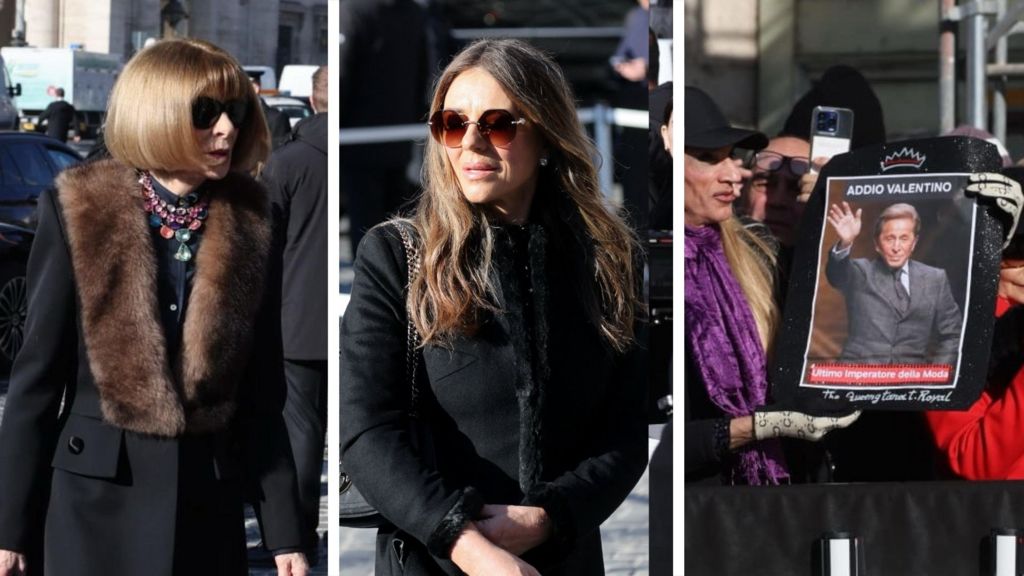
    The global fashion community converged upon Rome to pay final respects to the legendary Italian couturier Valentino Garavani, who passed away at 93. The solemn funeral service, held in the Italian capital, became a gathering of international luminaries from the worlds of fashion, film, and celebrity culture. Among the distinguished mourners were actress and model Elizabeth Hurley and Vogue’s editorial director Anna Wintour, both emblematic figures whose careers intersected with Valentino’s enduring influence on haute couture. The ceremony reflected the designer’s monumental impact on fashion, drawing both industry insiders and public admirers who gathered to commemorate his life’s work. Valentino’s death marks the conclusion of an extraordinary 70-year career that redefined elegance and established an unmistakable aesthetic of sophistication and luxury. His legacy includes dressing generations of royalty, Hollywood stars, and style icons, cementing his status as one of fashion’s most transformative figures. The gathering in Rome represented not just a farewell to an individual designer, but the closing of a significant chapter in fashion history.

  • US ‘America First’ reshapes transatlantic ties

    US ‘America First’ reshapes transatlantic ties

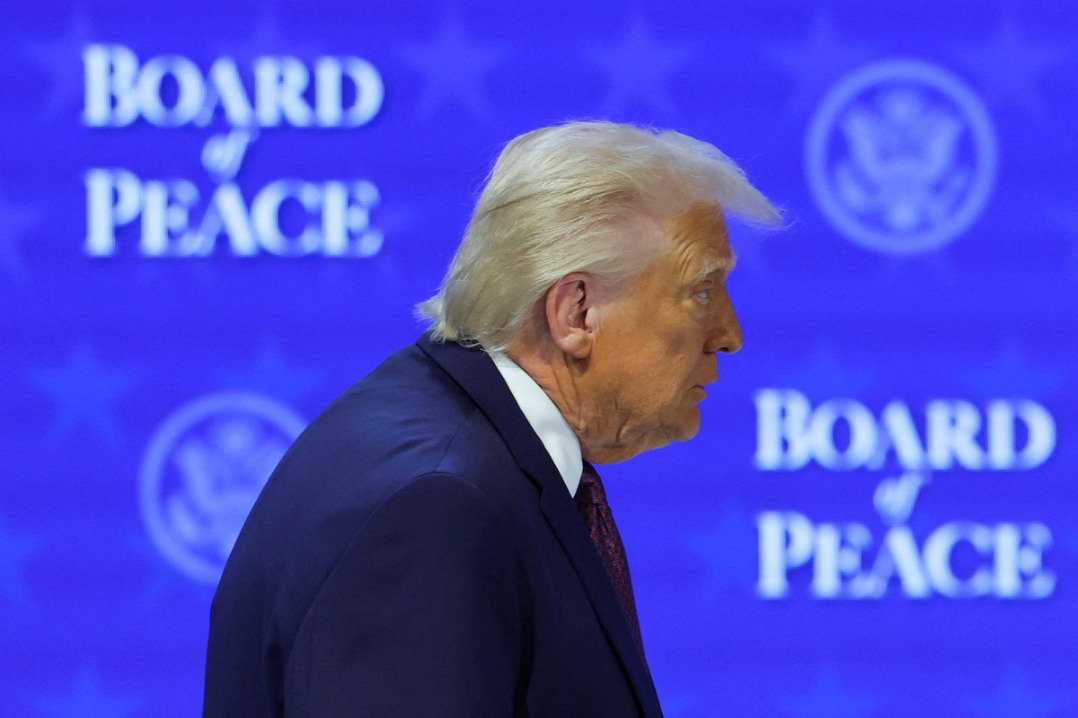
    DAVOS, Switzerland – President Donald Trump’s appearance at the World Economic Forum has underscored a fundamental realignment of international relationships driven by his ‘America First’ doctrine. The inauguration of his Board of Peace initiative, focused initially on Gaza reconstruction, drew participation from fewer than 20 nations, with conspicuous absences from traditional allies including France, the United Kingdom, and Israel.

    The diplomatic developments occurred alongside Trump’s announcement of a framework agreement with NATO concerning Greenland, further illustrating how domestic political priorities are recalibrating longstanding transatlantic partnerships. This strategic pivot has created unexpected opportunities for expanded international cooperation, particularly with China.

    Policy experts from prominent think tanks have analyzed the profound implications of these shifts. Matthew Kroenig of the Atlantic Council warned that Trump’s confrontational approach has ‘destroyed much of the domestic political space in Europe’ for those advocating accommodation with the United States, potentially causing enduring damage to transatlantic relations.

    Chatham House analysts examining the Greenland situation emphasized that European nations must accelerate ‘strategic autonomy to stop a hemorrhage of sovereignty,’ suggesting the Anti-Coercion Instrument could emerge as a significant tool in this new geopolitical landscape.

    Forum participants noted China’s increasingly central role amid these transformations. Kimberley Botwright of the WEF highlighted China’s ‘systemic relevance’ in global value chains and clean technology sectors, observing that Chinese perspectives on shared priorities are receiving substantial international attention.

    Academic Tom Harper from the University of East London characterized China as a ‘stabilizing force’ during this period of American institutional withdrawal, advocating for strengthened European-Chinese relations. WEF Managing Director Gim Huay Neo pointed to China’s 5% economic growth and its 15th Five-Year Plan as generators of ‘new opportunities for global businesses and cooperation.’

    Chinese Vice-Premier He Lifeng reiterated China’s commitment to World Trade Organization reforms that enhance inclusivity for Global South nations, while cautioning against ‘rising unilateralism and protectionism’ in international affairs.

  • Malawi rolls out cholera vaccines as rains and floods raise the threat of deadly outbreaks

    Malawi rolls out cholera vaccines as rains and floods raise the threat of deadly outbreaks

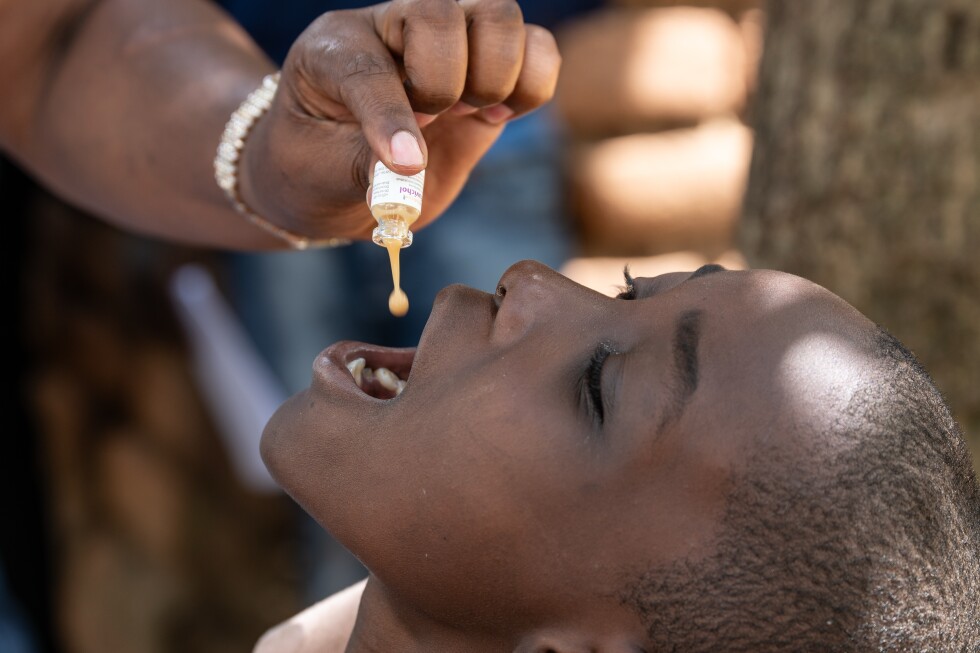
    BLANTYRE, Malawi — Facing a mounting public health emergency, Malawi has initiated an urgent cholera vaccination campaign targeting high-risk communities following devastating floods that have contaminated water sources across the southern African region.

    The three-day immunization drive, concluding Friday, focused on densely populated areas including Chilomoni township in Blantyre, where at least 17 confirmed cholera cases and one death have been reported in recent weeks. Health authorities warn of a concerning national uptick in infections linked to contaminated water sources.

    Dr. Gift Kawalazira, Blantyre District Health Office director, identified the Muluda stream—polluted with human and animal waste—as a primary transmission source. Impoverished residents who cannot afford clean water (priced at 5 cents per 20 liters) frequently use the contaminated waterway for drinking, cooking, and washing.

    Malawi aims to distribute 24,000 oral vaccines initially, targeting vulnerable populations first. This effort comes against the backdrop of Africa’s worst cholera toll in 25 years, with cases exceeding 300,000 in 2022 according to Africa CDC data.

    The current crisis has been exacerbated by unusually heavy seasonal rains that have caused severe flooding across southern Africa, particularly impacting Mozambique where over 500,000 people face compromised access to safe water and food. UNICEF has warned of “a lethal combination” of waterborne diseases and malnutrition in flood-affected regions.

    Globally, cholera vaccine stocks reached critically low levels in 2022 due to overwhelming demand and limited production capacity. This shortage particularly affected developing nations like Malawi, where a recent major outbreak claimed nearly 2,000 lives.

    In response to recurring cholera threats, African nations are pursuing vaccine self-sufficiency. A South African pharmaceutical company began trials in November for what could become the continent’s first domestically produced cholera vaccine.

    While health workers emphasize community cooperation as crucial to outbreak containment, residents like Noel Kanjere argue for sustained preventive education alongside emergency response measures.