博客

  • Iran betting Gulf pain will force Trump to seek a deal

    Iran betting Gulf pain will force Trump to seek a deal

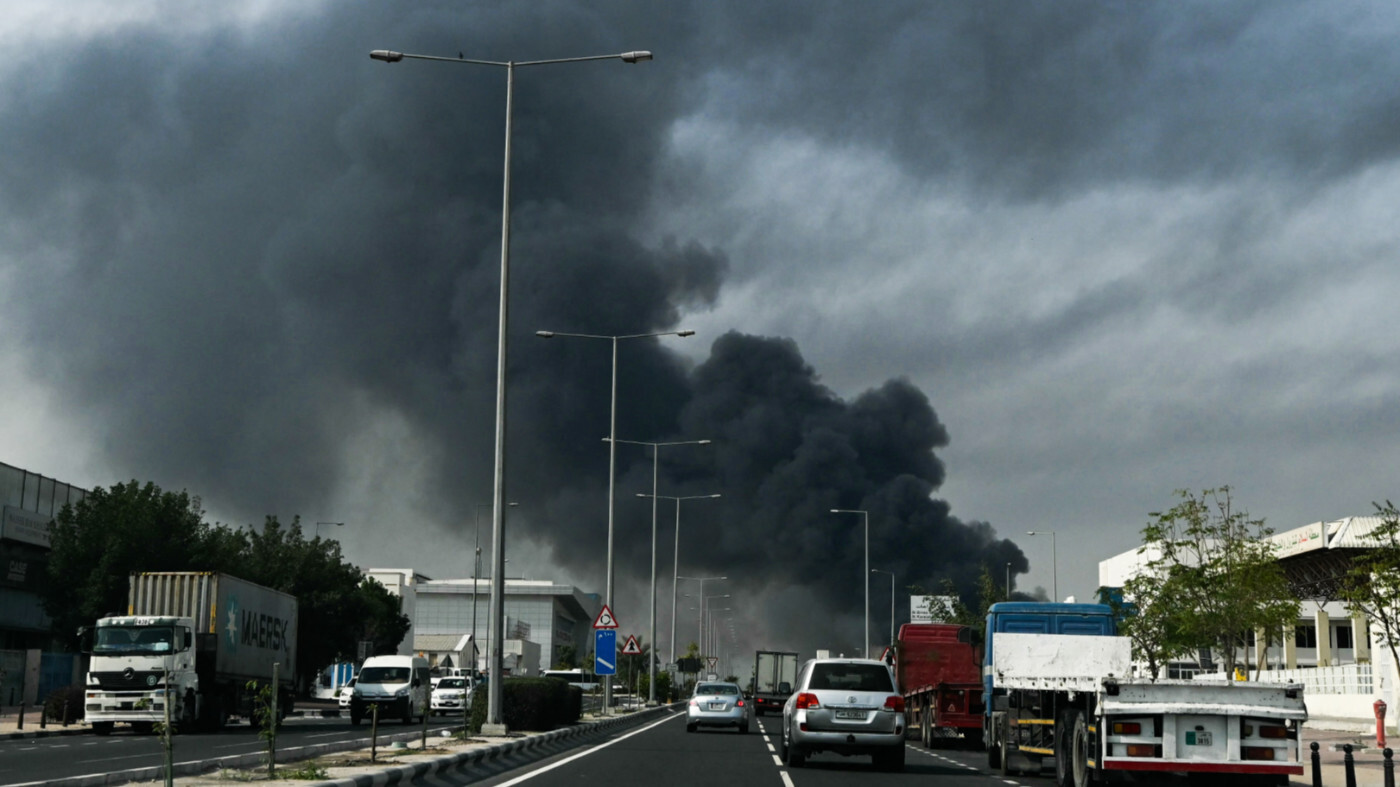
    Persian Gulf allies of the United States now confront a scenario they had meticulously avoided—becoming primary targets in a rapidly expanding Middle Eastern conflict. All six Gulf Cooperation Council nations (Bahrain, Kuwait, Oman, Qatar, Saudi Arabia, and the UAE) have experienced retaliatory strikes from Iran following joint U.S.-Israeli military operations dubbed “Operation Epic Fury.”

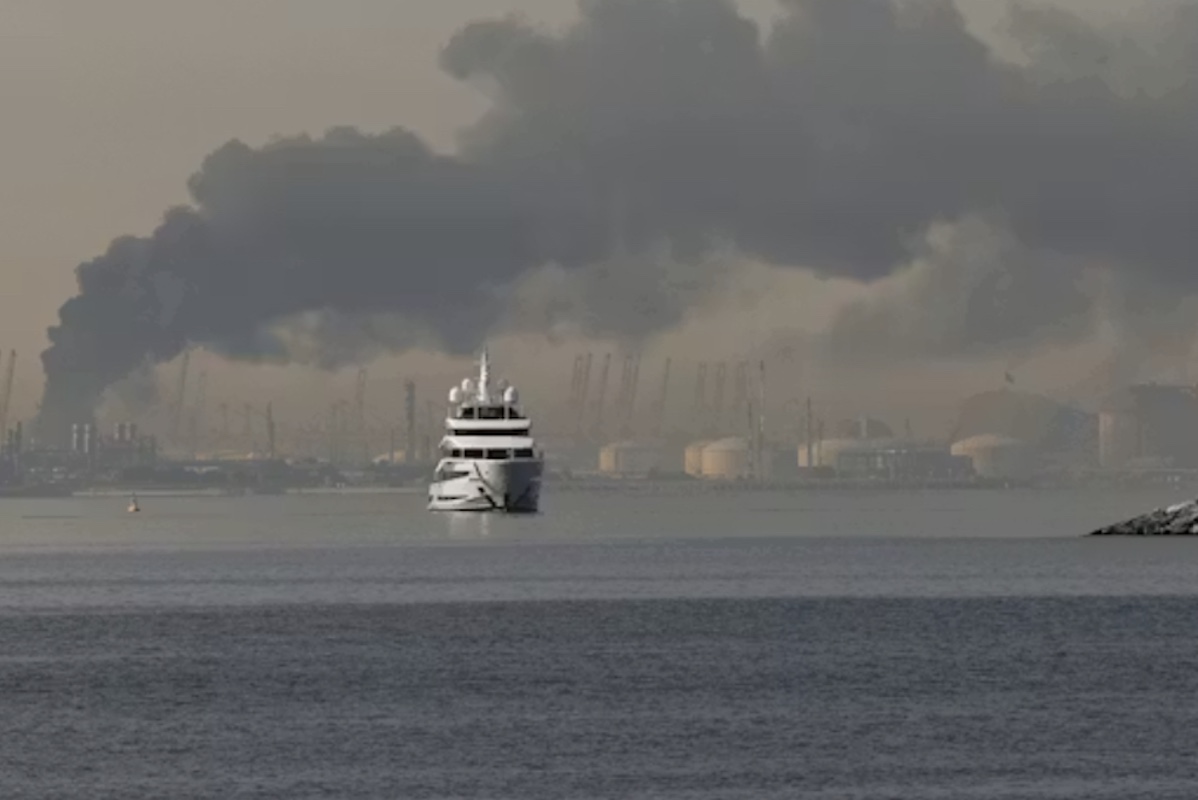
    Unlike previous limited engagements, Iran’s current campaign represents a dramatic escalation in both scale and strategy. Military installations across the region have been struck alongside deliberate targeting of civilian infrastructure including international airports, commercial ports, and luxury hotels. This shift marks a departure from Tehran’s comparatively restrained response during the June 2025 conflict, when it limited strikes to a single Qatari military base after providing advance warning.

    Regional experts interpret Iran’s aggressive posture as that of a cornered regime fighting for survival. The Islamic Republic, lacking capability to strike the U.S. mainland directly, has turned to targeting American military assets concentrated throughout the Gulf region. Iranian forces have launched approximately 390 ballistic missiles and 830 drones toward Gulf states in the conflict’s initial phase alone—far exceeding the 14 missiles deployed in last year’s solitary strike on Qatar’s Al-Udeid air base.

    While Gulf air defense systems have successfully intercepted most projectiles, the psychological impact on these carefully cultivated hubs of global commerce may prove more damaging than physical destruction. Cities like Dubai, Abu Dhabi, and Doha have built their international reputations as oases of stability and security—an image now severely compromised by sustained attacks.

    The economic consequences are already materializing through closed airspaces creating the largest disruption to global travel since COVID-19, interrupted shipping through the critical Strait of Hormuz, and rising oil prices. Particularly concerning for regional leaders is the potential targeting of desalination plants that provide fresh water to these arid nations.

    Iran’s strategy appears calculated to pressure Gulf governments into lobbying Washington for conflict resolution. However, this approach risks backfiring by driving regional partners closer to the United States after a period of diplomatic distancing. The situation represents the most significant regional peril since the 1990-91 Gulf War, with implications extending far beyond the Middle East.
  • Trump says US Navy will protect ships in Middle East ‘if necessary’

    Trump says US Navy will protect ships in Middle East ‘if necessary’

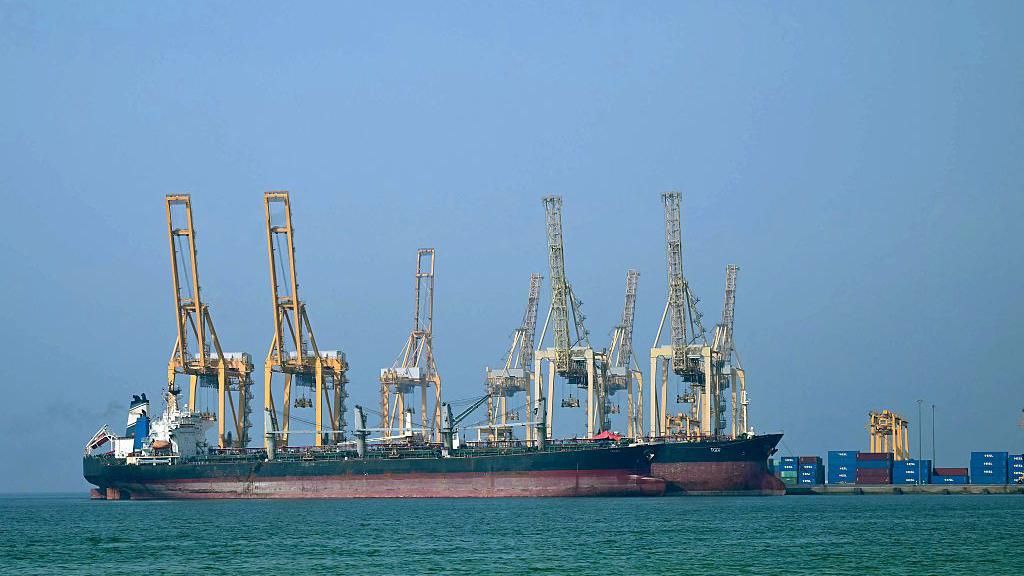
    In response to escalating tensions in the Middle East, U.S. President Donald Trump has announced a dual strategy of military protection and financial guarantees to secure vital energy shipments through the Strait of Hormuz. The strategic waterway, which handles approximately 20% of global oil and gas transit, has become a flashpoint following Iranian threats to target commercial vessels.

    President Trump declared via social media that the U.S. Navy stands ready to provide military escorts ‘if necessary’ to ensure the uninterrupted flow of energy resources. Simultaneously, he directed the United States Development Finance Corporation to offer political risk insurance to shipping companies at ‘very reasonable prices’ for all maritime trade, particularly energy transportation, in the Gulf region.

    This announcement comes as Lloyd’s List Intelligence reports approximately 200 crude oil and product tankers are currently stranded in the Gulf area. Insurance providers have significantly increased premiums following incidents of Iranian forces firing upon several vessels and explicit threats from Iranian officials to ‘set fire’ to any ship attempting passage through the strait.

    While global oil prices momentarily retreated after Trump’s statement, industry experts remain skeptical about the effectiveness of these measures. Richard Meade, Editor-in-Chief of Lloyd’s List, noted that previous military interventions failed to fully reassure shipping companies during Houthi attacks in the Red Sea, with many opting for longer, costlier alternative routes despite protection offers.

    Analysts warn that prolonged disruption could drive crude prices above $100 per barrel, significantly impacting consumer fuel costs worldwide. Even the United States, which has historically been somewhat insulated from global price fluctuations due to substantial domestic production, would face considerable economic pressure.

    Defending the ongoing conflict with Iran, Trump acknowledged potential short-term price increases but predicted a dramatic price decline once tensions resolve: ‘As soon as this ends, those prices are going to drop, I believe lower than even before.’

  • European allies rush to bolster Cyprus defences after drones target British base

    European allies rush to bolster Cyprus defences after drones target British base

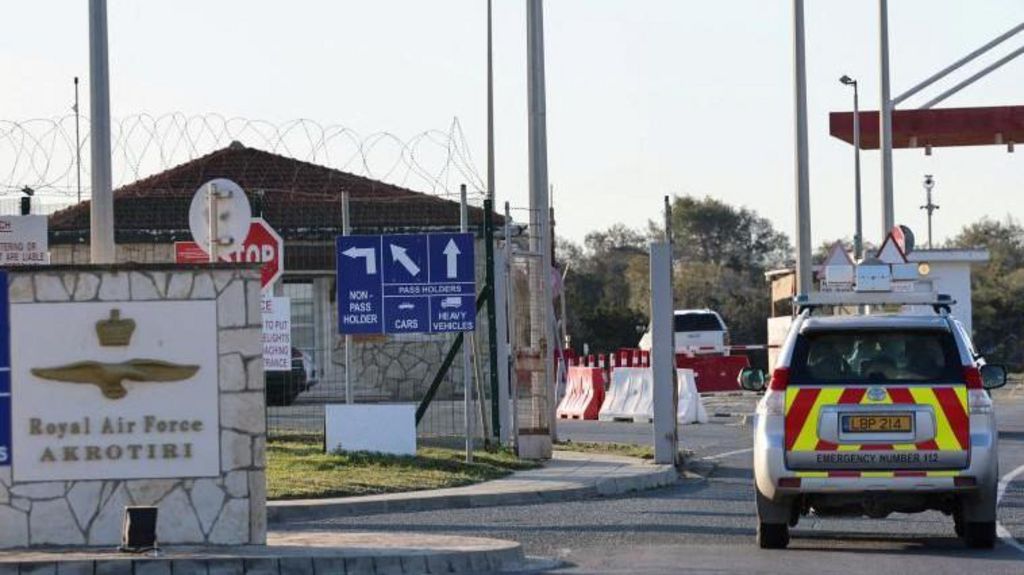
    A multinational European security deployment is underway in Cyprus following a drone incursion at the British RAF Akrotiri airbase over the weekend. The Eastern Mediterranean nation has become an unexpected focal point in regional tensions stemming from U.S.-Israeli operations against Iranian interests.

    The United Kingdom has dispatched HMS Dragon, a Type 45 air defense destroyer, alongside helicopters equipped with advanced counter-drone capabilities. French President Emmanuel Macron confirmed the imminent arrival of the frigate Languedoc, while Greece has committed four F-16 fighter jets and two frigates, including the Psara equipped with the specialized Centauros anti-drone system.

    Greek Defense Minister Nikos Dendias, during his visit to Nicosia, emphasized his nation’s commitment: “Greece is present, and will continue to be present to assist in any way in the defence of the Republic of Cyprus.”

    Military analysts note the strategic significance of these deployments. Former strategist Mikey Kay observed that the Type 45 destroyer represents “very expensive equipment” that is “highly capable,” though questions remain about its effectiveness against potential swarm attacks using lower-cost Iranian Shahed 136 drones.

    The incident has triggered operational responses beyond Cyprus. RAF F-35 jets operating over Jordan have engaged and destroyed an Iranian drone, according to UK Ministry of Defence statements. Meanwhile, the drone scare has prompted evacuations of both British military families and local Cypriot residents near the base.

    Cyprus has explicitly distanced itself from the broader Middle East conflict, with government spokesmen criticizing initial ambiguities regarding the base’s usage. The nation emphasized that British installations should serve exclusively humanitarian purposes and reaffirmed that Cyprus itself is not a target in regional tensions.

    The British military presence in Cyprus, covering nearly 3% of the island’s territory, represents a colonial legacy dating to the 1960 independence agreement. This marks the first significant attack on RAF Akrotiri since pro-Libyan militants struck the base in 1986.

  • Irish government to charter flight for citizens stranded in Middle East

    Irish government to charter flight for citizens stranded in Middle East

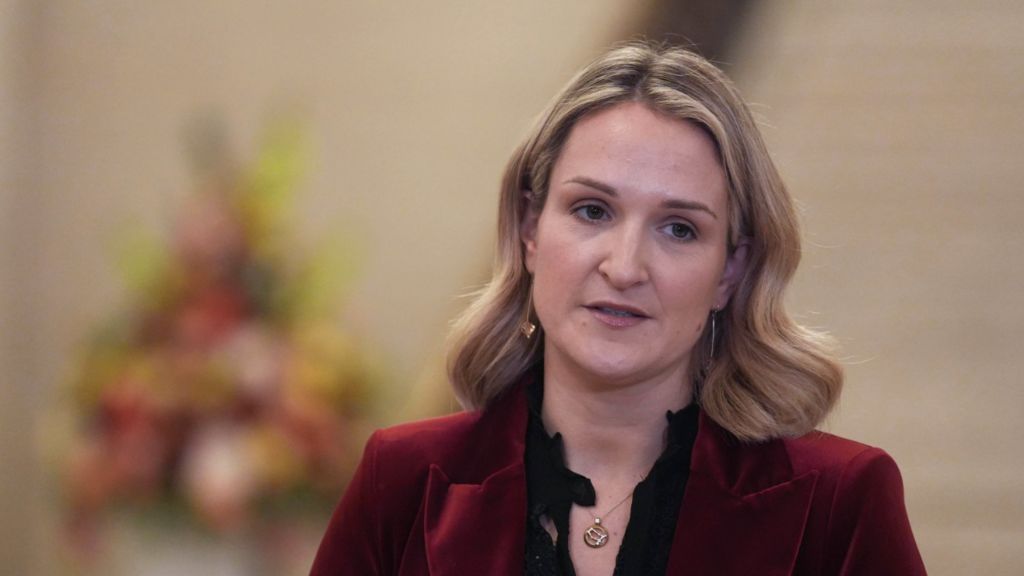
    The Irish government has initiated emergency evacuation procedures for its citizens stranded in the Middle East following escalating regional conflicts. Foreign Affairs Minister Helen McEntee announced a charter flight operation from Oman with capacity for approximately 280 passengers, prioritizing the most vulnerable Irish nationals currently in the United Arab Emirates.

    The evacuation effort represents the first phase of Ireland’s crisis response, with authorities directly contacting citizens deemed most urgently requiring assistance. Minister McEntee emphasized the selective nature of this initial operation, acknowledging that thousands of registered citizens would necessitate multiple flights. “I appreciate when you talk about the thousands who are there, that is a fraction of the number of people that may want to get home at the same time,” McEntee stated during an interview with Irish broadcaster RTÉ.

    The flight’s departure remains contingent on airspace accessibility and security conditions, with no specific timeline confirmed. The minister urged patience as authorities implement their phased evacuation strategy while maintaining full consular support for all Irish citizens in the region.

    This development occurs against the backdrop of severe aviation disruptions across the Middle East, with thousands of flights canceled since Saturday. The transportation crisis follows recent military actions involving US and Israeli strikes against Iran, which resulted in the death of Iran’s supreme leader and subsequent retaliatory measures throughout the region.

    The Irish evacuation parallels similar efforts by other nations, including the United Kingdom, which announced comparable charter flights from Muscat prioritizing vulnerable British nationals. Both governments have emphasized the challenges of large-scale citizen extraction during active regional conflict and airspace instability.

  • Trump says ‘someone from within’ Iranian regime might be best choice to lead once war ends

    Trump says ‘someone from within’ Iranian regime might be best choice to lead once war ends

    In a significant departure from his previous stance, President Donald Trump indicated on Tuesday that an internal figure from within Iran’s existing power structure might constitute the most suitable leadership option once military operations conclude. This marks a notable evolution from his weekend call for citizens to seize control of their government following the U.S.-Israel campaign that eliminated Supreme Leader Ali Khamenei and numerous senior officials.

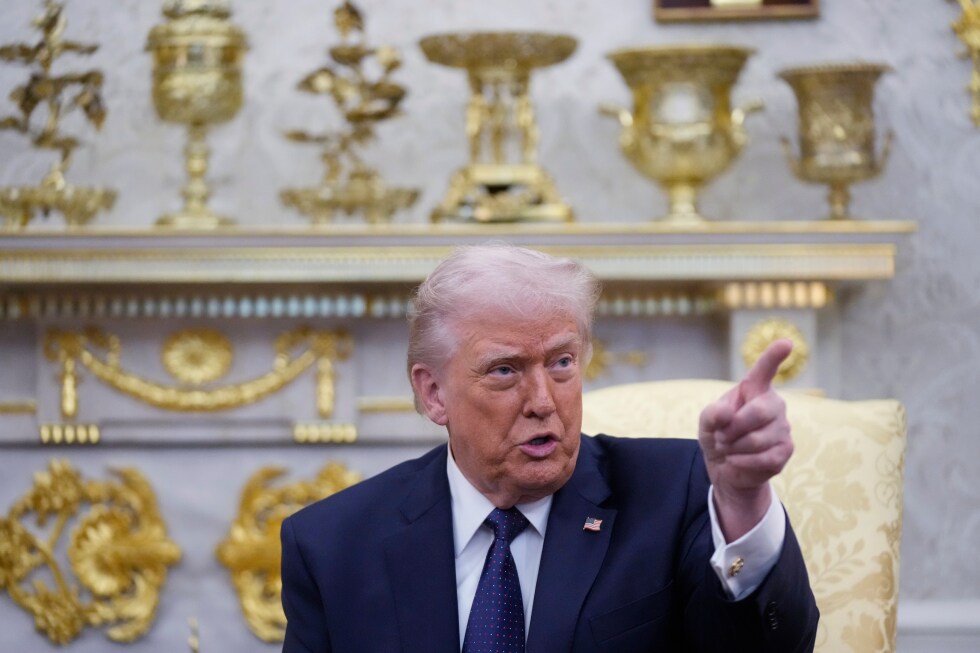
    Speaking during German Chancellor Friedrich Merz’s Oval Office visit—the first foreign leader engagement since hostilities commenced—Trump revealed that most potential successors previously identified by his administration had perished in the ongoing conflict. “Most of the people we had in mind are dead,” the president stated. “Now we have another group, they may be dead also, based on reports. So you have a third wave coming. Pretty soon we’re not going to know anybody.”

    The administration explicitly dismissed Reza Pahlavi, the exiled crown prince seeking to position himself for a potential return, as a serious contender. Instead, Trump suggested that “somebody from within maybe would be more appropriate,” particularly “somebody that’s there, that’s currently popular, if there is such a person.” He emphasized concerns about installing leadership equally problematic as the previous regime, warning against a scenario where “in five years you realize you put somebody in who was no better.”

    Concurrently, the White House intensified efforts to justify its decision to initiate hostilities, revealing through an anonymous senior official that negotiators Jared Kushner and Steve Witkoff had believed an enhanced version of the Obama-era nuclear agreement was achievable, though potentially requiring months of additional diplomacy. Despite this assessment, they reportedly advised Trump that Iran remained unwilling to meet U.S. demands satisfactorily.

    The president simultaneously escalated tensions with European allies, threatening to sever all trade with Spain after it denied U.S. access to jointly operated bases for strikes not sanctioned by the UN charter. He additionally criticized British Prime Minister Keir Starmer’s initial reluctance to permit base usage, sarcastically noting “this is not Winston Churchill that we’re dealing with.”

    Trump further contradicted Secretary of State Marco Rubio’s assertion that the U.S. acted preemptively due to anticipated Israeli action, insisting instead that he “might have forced Israel’s hand” based on intelligence suggesting an imminent Iranian attack.

    Chancellor Merz emphasized Germany’s interest in collaborating on a post-conflict strategy, noting the conflict’s damaging impact on global oil prices. Trump acknowledged temporary energy price increases but predicted they would ultimately fall “lower than even before” once hostilities cease.

  • Bumbling car thieves fall flat during clumsy escape

    Bumbling car thieves fall flat during clumsy escape

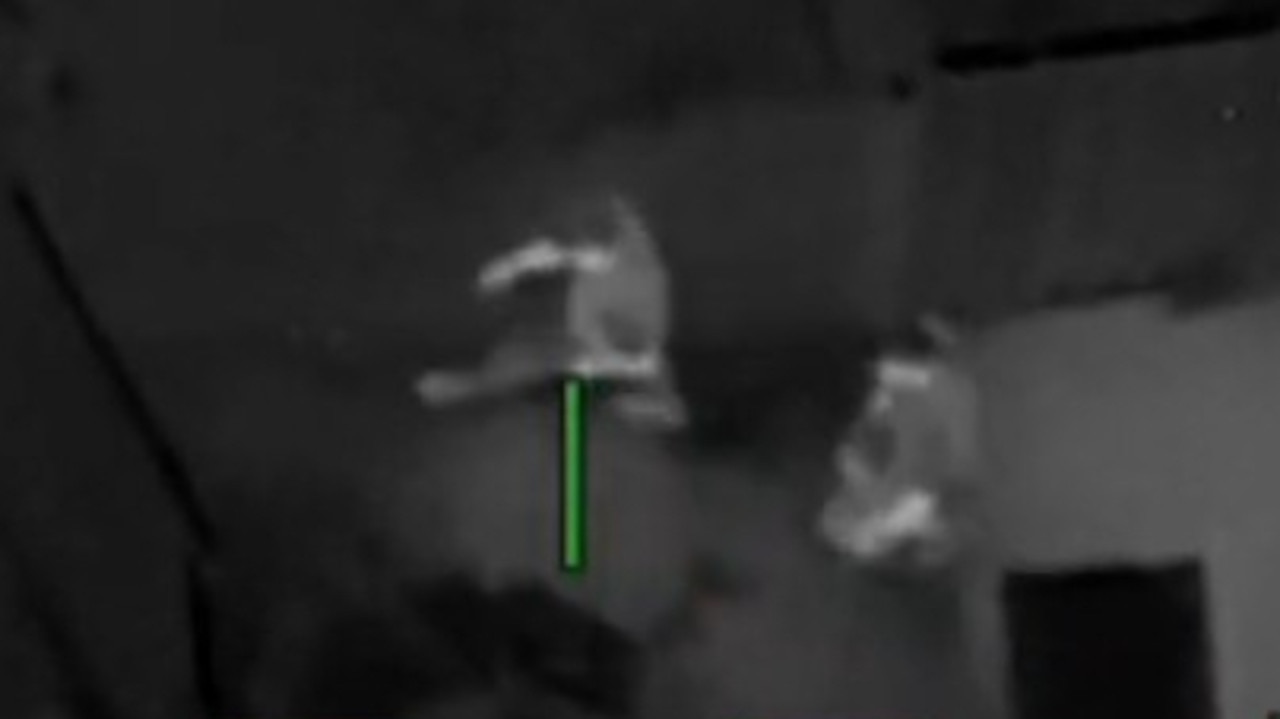
    Victoria Police have released compelling aerial footage documenting the comically failed escape attempt of two suspected car thieves in Melbourne’s eastern suburbs last Friday evening. The incident unfolded when police air wing units identified an allegedly stolen Toyota HiLux traveling along Ferntree Gully Road in Glen Waverley approximately 28 kilometers from Melbourne’s central business district.

    Authorities tracked the vehicle as it entered a railway station parking lot around 9:00 PM, where ground officers deployed tire-deflation devices that successfully punctured all four tires when the suspects attempted to flee. Despite the compromised tires, the determined thieves continued their escape attempt, creating a dramatic trail of sparks as the damaged rims made contact with the road surface.

    The pursuit reached its climax when the suspects abandoned the still-moving vehicle on Doncaster Road and proceeded to flee on foot. The police footage captures the moment both men attempted to scale a perimeter fence in a desperate bid to escape. In a particularly humiliating turn of events, one of the suspects lost his balance during the climbing attempt and fell face-first into the ground upon landing.

    Both 36-year-old men were apprehended immediately following their botched fence-crossing attempt. The driver faces multiple criminal charges including motor vehicle theft and possession of methylamphetamine, resulting in his remand to appear before Moorabbin Magistrates’ Court. The passenger received charges for vehicle theft, drug possession, and handling stolen goods, subsequently being released on bail for a future court appearance.

    According to police reports, the HiLux had been stolen earlier that day from Narre Warren railway station. These arrests formed part of Operation Advance, a broader weekend law enforcement initiative targeting residential burglaries, automotive theft, and dangerous driving behaviors across the region.

  • Dior’s Jonathan Anderson finds his stride with a garden of earthly delights at Paris Fashion Week

    Dior’s Jonathan Anderson finds his stride with a garden of earthly delights at Paris Fashion Week

    PARIS — The historic Tuileries Garden served as an illuminated runway on Tuesday as Jonathan Anderson presented his fall-winter 2026 collection for Dior, bathing the designs in a golden light reminiscent of Impressionist masterpieces. The glass-walled catwalk created an immersive experience where Parisian strollers became unintended spectators to fashion’s elite gathering.

    Celebrity attendees including Anya Taylor-Joy, Charlize Theron, Jisoo, Priyanka Chopra, Willow Smith, Emily Ratajkowski, and Macaulay Culkin observed from walkways surrounding the garden’s octagonal basin, artfully decorated with artificial water lilies paying homage to Monet’s iconic works. This setting perfectly complemented Anderson’s floral and aquatic-inspired collection that explored the art of public presentation.

    Anderson revealed his conceptual inspiration stemmed from the tradition of promenade dressing and his perspective as a relative newcomer to Paris. The resulting collection marked his most cohesive women’s offering for Dior to date, featuring deconstructed frock coats, peplum jackets, and bustle skirts rendered in candied almond hues, Chantilly lace, and metallic jacquards.

    The floral theme manifested through sophisticated silhouette manipulation rather than literal applications. Crinkled cardigans evoked flower corollas, while asymmetrically fastened skirts and dresses suggested unfolding petals. Even crystal detailing on embroidered jeans carried subtle botanical references.

    Notable technical achievements included elongated interpretations of Dior’s legendary Bar jacket in Donegal tweed, cloud-like soft pleated fabrics recalling previous couture creations, and trompe-l’oeil techniques that created three-dimensional illusions through houndstooth patterns and hand-pleated elements. The collection also featured unexpected pieces such as ivory hammered silk track pants with bridal buttons and plain robe coats repurposed as dresses.

    The show’s location held historical significance, continuing Dior’s partnership with the Louvre Museum to restore one of Paris’s oldest public gardens—originally commissioned by Queen Catherine de’ Medici and redesigned for Louis XIV as a venue for social spectacle. Anderson’s designs demonstrated his evolving interpretation of this centuries-old tradition of public display, presenting a increasingly clear vision through his fifth collection for the iconic house.

  • Commercial flight to ferry Aussies out of Dubai as Iran conflict escalates

    Commercial flight to ferry Aussies out of Dubai as Iran conflict escalates

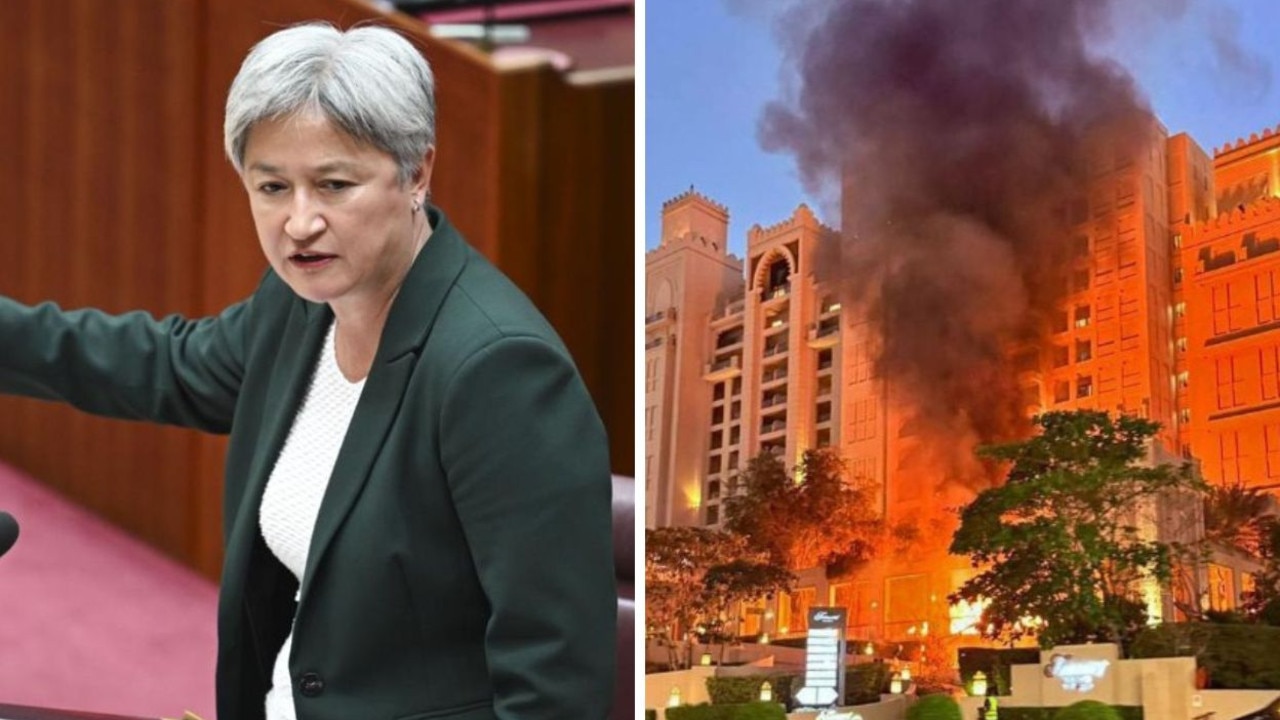
    The Australian government is executing contingency plans to evacuate its citizens from Dubai as escalating military exchanges between Iran and Israel create dangerous conditions across the Gulf region. Foreign Minister Penny Wong confirmed the arrangement of a commercial Emirates flight (EK 414) scheduled to depart Dubai at 2:00 AM local time (9:00 AM AEDT) bound for Sydney, despite the volatile security situation.

    This emergency measure comes as Iranian rocket fire has targeted areas within the United Arab Emirates, including strategic locations such as the Fairmont Hotel in Palm Jumeirah and the iconic Burj Al Arab hotel, which sustained damage during intercepted drone attacks. The offensive represents Iran’s retaliation for joint U.S.-Israeli operations against Iranian targets.

    Minister Wong acknowledged the substantial challenges in organizing evacuations given the geographical distance and the unprecedented scale of conflict expansion throughout Middle Eastern transport hubs. With approximately 115,000 Australian citizens currently sheltering throughout the region—the majority concentrated in the UAE—the government is exploring all viable options to ensure their safe return.

    While the scheduled flight offers hope for stranded Australians, the situation remains fluid. Another planned repatriation flight to Christchurch (EK 412) has already been canceled, highlighting the unpredictability of air operations during active hostilities. The Australian government continues to work around the clock, prioritizing the resumption of commercial flights, even if only intermittently, to facilitate the large-scale evacuation effort.

  • Is the UK’s intervention in Iran war legal?

    Is the UK’s intervention in Iran war legal?

    In the aftermath of coordinated US-Israeli offensive strikes against Iran and subsequent Iranian retaliatory measures targeting US installations in the Gulf region, British Prime Minister Keir Starmer has articulated a dual-strategy approach to the escalating conflict. Addressing Parliament on March 1, 2026, Starmer emphasized that the United Kingdom would maintain a defensive posture while supporting regional allies through targeted military cooperation.

    The UK’s intervention framework comprises two principal components: first, the interception of Iranian drones and missiles to protect non-combatant states in the region; second, permitting US forces to utilize British military installations for ‘specific and limited’ defensive operations against Iranian missile sites that have targeted Gulf partners. Starmer explicitly stated that Britain would not participate in offensive actions but would focus exclusively on defensive measures to ‘destroy the missiles at source’ while preventing further escalation.

    The Prime Minister justified these actions as necessary to protect British interests and citizens, asserting that such measures represent ‘the best way to eliminate the urgent threat’ and facilitate a return to diplomatic solutions. However, this position has raised significant legal questions regarding its compliance with international law, particularly the United Nations Charter.

    Middle East Eye consulted five distinguished international law experts to examine the legality of Britain’s stance. The central legal argument presented by the UK government maintains that its actions constitute lawful, proportionate collective self-defense at the formal request of Gulf states. Officials issued a legal summary describing Iran’s actions as ‘reckless’ and ‘indiscriminate,’ requiring coordinated defensive response to restore regional security.

    Legal scholars present divergent interpretations regarding the legitimacy of Iran’s initial response to US-Israeli strikes. Professor Janina Dill (University of Oxford) acknowledged Iran’s right to self-defense against aggressor states, while Professor Marko Milanovic (University of Reading) argued that Iran’s retaliation exceeded permissible boundaries by targeting civilian infrastructure in neutral territories. The debate extends to whether Gulf states genuinely possess the right to collective self-defense given the complex chain of escalation.

    Further legal complications emerge regarding Britain’s authorization of US base usage. Professor Oona Hathaway (Yale Law School) noted that UK assistance might inadvertently prolong unlawful US-Israeli operations against Iran, creating obligations for Britain to demand cessation of the original aggression. Professors Adil Haque (Rutgers University) and Ben Saul (University of Sydney) contended that facilitating US strikes constitutes participation in ongoing unlawful campaigns, regardless of defensive framing.

    The legal consensus indicates that Britain’s actions exist in a gray area of international law, where determinations of legality depend on interpretations of necessity, proportionality, and the inseparable nature of defensive and offensive operations in active conflict scenarios.

  • ‘They will get me killed’: Mothin Ali slams Starmer and Tory MP over smears in parliament

    ‘They will get me killed’: Mothin Ali slams Starmer and Tory MP over smears in parliament

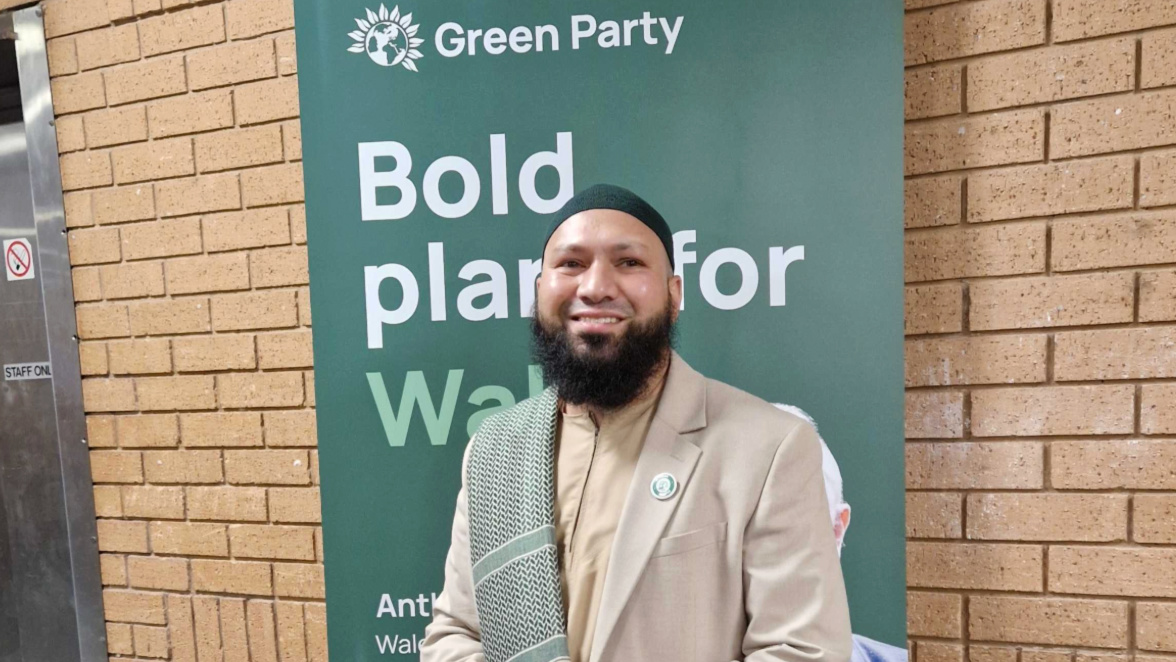
    Mothin Ali, co-deputy leader of the Green Party, has revealed he fears for his safety after receiving approximately twenty death threats. This alarming development follows controversial remarks made in Parliament by Conservative MP Alec Shelbrooke, which were subsequently endorsed by Prime Minister Keir Starmer.

    During Monday’s parliamentary session, Shelbrooke falsely alleged that Ali had been ‘protesting in support of the ayatollah’ at a recent anti-war demonstration. The event, organized by Stop the War Coalition, was primarily focused on protesting US-Israeli military actions against Iran. Shelbrooke further claimed that Ali had whipped up ‘hatred and fear’ throughout Leeds, describing the councillor’s alleged actions as ‘a disgrace.’

    Prime Minister Starmer responded by expressing shock at the Green Party official’s behavior, adding that he was ‘perhaps not surprised, given that party’s recent turn of direction.’

    Ali, who enjoys no parliamentary protection against defamation, told Middle East Eye that the MP’s privileged position enabled him to make damaging claims without legal consequence. ‘They will get me killed,’ Ali stated, emphasizing the real-world impact of political rhetoric. He challenged Shelbrooke to repeat the allegations outside Parliament, where standard defamation laws would apply.

    The Green Party councillor clarified that his attendance at the demonstration was motivated by humanitarian concerns following a strike on a school in Iran that reportedly killed more than 153 people, including numerous children. ‘A whole load of little girls had just been blown to bits,’ Ali explained. ‘I’m not supposed to feel anything about that?’

    Green Party leader Zack Polanski condemned the Prime Minister’s response as ‘blatant Islamophobia’ and characterized the incident as an establishment attack on ‘a calm, kind, thoughtful gardener who happens to be a Muslim man in politics.’

    Neither Downing Street nor Shelbrooke’s office responded to requests for comment or clarification regarding the allegations.