博客

  • Singapore fines French teen $465 for viral straw-licking stunt

    Singapore fines French teen $465 for viral straw-licking stunt

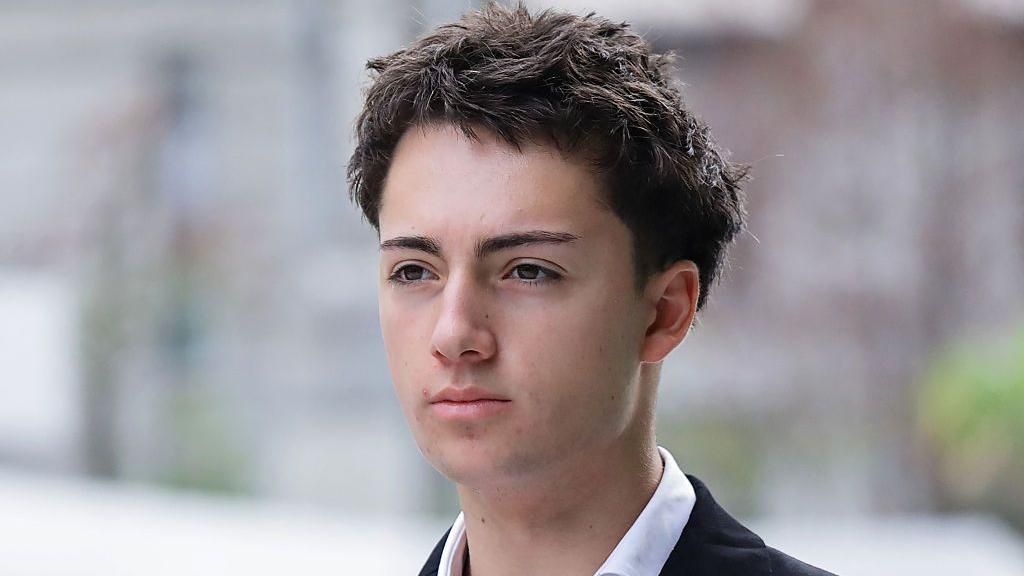
    A 19-year-old French student studying in Singapore has been ordered to pay a S$600 fine (equivalent to approximately US$465 and £348) after pleading guilty to a public nuisance charge over a reckless social media stunt that sparked widespread public anger. Didier Gaspard Owen Maximilien committed the act back on March 12 at an iJooz vending machine located in Goldhill Centre, an upscale neighborhood in Singapore, shortly after finishing a boxing training session, according to reporting from Channel News Asia.

    Following the incident, Maximilien uploaded a video of himself licking an unused straw taken from the vending machine’s dispenser before placing it back with the rest of the straws. He captioned the post “city is not safe”, which quickly spread beyond his original followers after being reposted to a local community page and picked up by mainstream Singaporean news outlets. Thousands of social media users expressed sharp disgust at the irresponsible act, which put hundreds of other consumers at potential risk of exposure to germs and illness.

    In response to the incident, iJooz — the company that operates the popular vending machine chain, which sells freshly squeezed orange juice for S$2 per cup and has machines placed across Singapore in shopping districts, train terminals, and public housing estates — took immediate precautionary action. The firm replaced all 500 straws stored in the affected machine’s dispenser to eliminate any public health risk.

    Under Singaporean law, convictions for public nuisance carry a maximum penalty of up to S$2,000 in fines, three months of imprisonment, or both. In this case, both prosecution and defense legal teams agreed that a fine was the appropriate sentencing for the first-time offender. Speaking on behalf of her client, Maximilien’s defense lawyer told The Straits Times that the student has expressed deep regret for his actions. “He is truly sorry for having caused all this trouble,” the lawyer stated, adding that Maximilien now recognizes what he initially thought was a harmless prank has turned into a serious incident with far-reaching consequences.

    The case has reignited public conversation in Singapore about social media stunts, personal responsibility, and the potential for reckless acts to create unnecessary harm and disruption for the wider community.

  • Recovery operations continue in Kumamoto after quake

    Recovery operations continue in Kumamoto after quake

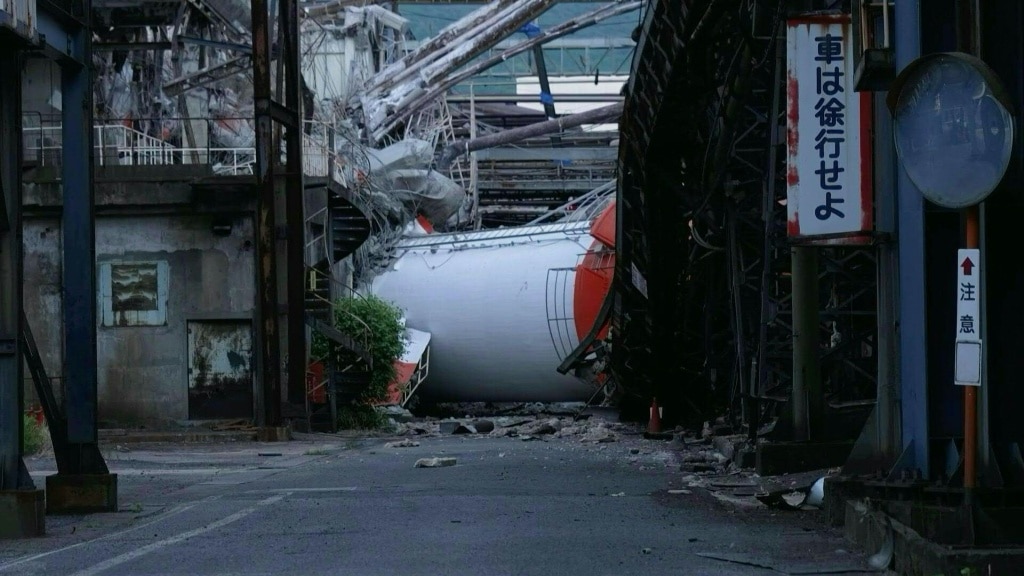
    Days after a powerful earthquake shook southwestern Japan’s Kumamoto region, recovery and cleanup operations are still ongoing as local authorities and private stakeholders work to assess full damage and restore normalcy to affected communities. Among the hardest-hit sites are two major local economic hubs: the popular Aeon shopping mall and a large production facility operated by Nippon Paper Industries. Both locations have been confirmed to have sustained substantial structural damage that has disrupted operations and displaced workers and shoppers. While full damage assessments are still being compiled, early reports indicate that the impact to both properties will require significant repair work before they can reopen to the public and resume regular operations. Local emergency management teams have prioritized clearing debris from affected areas, inspecting adjacent infrastructure for safety, and supporting businesses as they navigate the path to recovery. The earthquake, which struck without warning, has underscored the ongoing seismic risk that Japan faces, and has prompted renewed calls for updated infrastructure resilience plans across high-risk regions. As recovery work continues, residents and business owners are working alongside emergency crews to rebuild what was damaged, with many hoping for a swift return to daily life.

  • South Korea’s women web sleuths fight AI deepfake porn

    South Korea’s women web sleuths fight AI deepfake porn

    As a global leader in advanced technology manufacturing, South Korea has built its international reputation on cutting-edge innovation in smartphones and semiconductor production. But behind this widely celebrated tech success story lies a devastating underbelly: a growing epidemic of digital sexual violence against women, with AI-generated deepfake pornography emerging as the newest and fastest-spreading threat. Today, a team of dedicated women digital investigators are on the front lines of this fight, working tirelessly to remove illegal non-consensual content from the internet and support survivors of this abuse.

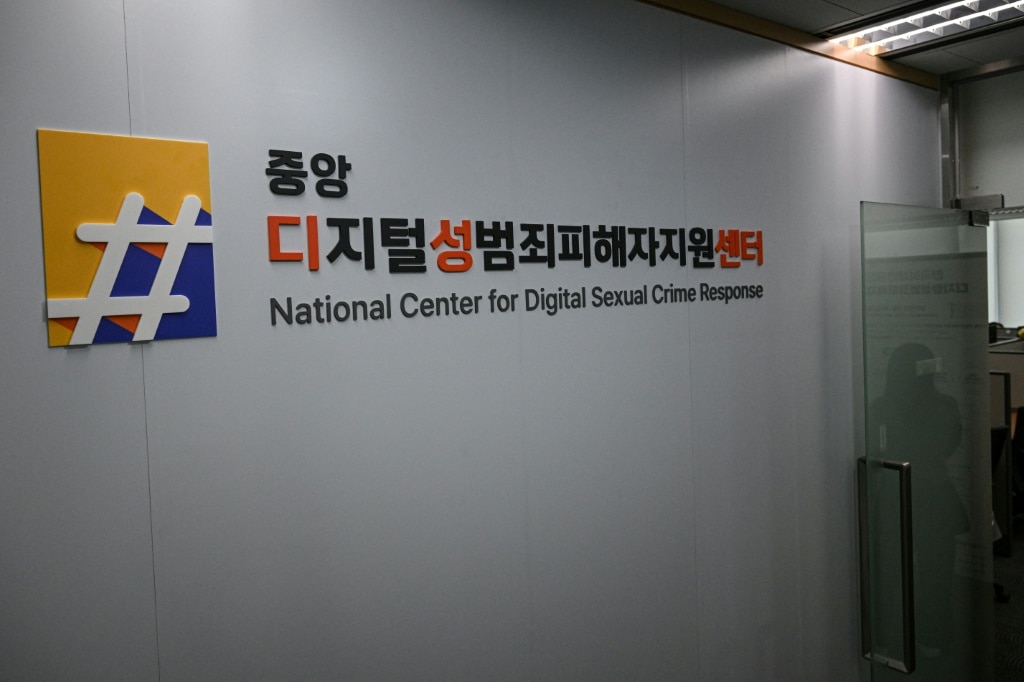
    Based in a sunlit Seoul office, the National Center for Digital Sexual Crime Response employs 23 trained specialists who scour the web to identify exploitative deepfake content, spycam footage, and non-consensually shared intimate imagery, then file formal removal requests backed by the threat of legal prosecution. Founded in 2018 in response to mass anti-spycam protests that drew tens of thousands of women demanding government action, the center expanded to 17 regional branches, offering additional support including legal guidance, emotional counseling, and evidence collection for criminal prosecutions.

    In 2023 alone, the organization removed more than 318,000 pieces of illegal exploitative content on behalf of 10,600 survivors, 75% of whom are women and girls. Center director Kim Mi-soon told AFP that South Korea’s faster policy response compared to other nations stems from two key factors: digital sex crimes became widespread earlier here, and South Korean women mobilized quickly and forcefully to demand change.

    For survivors, the center’s support has been life-changing. A 33-year-old military service member, who requested to be identified only by her surname Kim, said deepfakes of her were shared on encrypted messaging apps that were initially outside the center’s reach. Even so, she said the center’s help made an enormous difference for someone navigating abuse alone. The organization provided financial assistance to obtain a formal trauma diagnosis for court proceedings, a support that left her feeling validated and relieved. “Navigating the whole legal procedure alone while suffering trauma would have been impossible,” she explained.

    The threat of digital sexual violence has evolved rapidly over the past five years. The 2020 “Nth Room” scandal shocked the nation when it was revealed that hundreds of men were exploiting dozens of women and girls in paid “sextortion” chatrooms, where victims were coerced into producing extreme explicit content. After that crackdown, sexual deepfakes emerged as the dominant new threat. Global data from web safety firm Security Hero shows that circulation of deepfake content surged 550% between 2019 and 2023, with nearly 98% of all deepfake content being non-consensual pornography of women, and more than half of all global victims located in South Korea.

    While high-profile K-pop idols have been among the most high-profile targets, police data shows digital sex crimes now account for 40% of all sexual offenses in the country, and ordinary women are increasingly targeted. Deletion specialist Kim Yun-hee noted that the trend has shifted sharply: “Since last year, we’ve seen more and more deepfakes of ordinary women and girls — with the images becoming way more sophisticated than before and victims getting younger and younger.” To keep pace, the center has developed its own AI tools, including a continuous monitoring system that can detect exploitative material and grooming messages targeting children.

    For the specialists who do this emotionally heavy work, the impact makes the effort worthwhile. “This job is not easy,” 31-year-old Kim Yun-hee said. “But it feels really rewarding whenever our clients say our service is a true life-saver.”

    South Korea has implemented strict legal penalties to curb the crisis: deepfake pornography is explicitly illegal, with creators facing up to seven years in prison and even possessors can be sentenced to up to three years behind bars. Penalties were strengthened in 2024, after a major scandal uncovered a network of Telegram chatrooms where users shared deepfakes of female classmates, colleagues, acquaintances, and relatives, often made by stealing photos from victims’ public social media profiles.

    International experts say South Korea’s holistic response has positioned it as a global leader in addressing this emerging harm. Clare McGlynn, a law professor at Durham University in the UK and a leading expert on image-based sexual abuse, called South Korea’s approach a model for the rest of the world, noting that it “is leading the way on providing holistic support services and investing in the latest technology to try to reduce the harm.”

    Even with these advances, campaigners warn that technical and legal responses alone cannot solve the crisis. Activists point to patriarchal cultural norms that frame women as sexual objects without inherent dignity as the root cause of the epidemic. Kim Yeo-jin, head of the nonprofit Korea Cyber Sexual Violence Response Center, argues that online harm requires offline change. “Unless we tackle this fundamental cause by fostering more gender equality in wider society and strengthening gender equality education at school, no amount of removal efforts will be enough,” she said.
  • Hope dwindles for rescue in southwestern Japan quake as death toll climbs to 23

    Hope dwindles for rescue in southwestern Japan quake as death toll climbs to 23

    Two full days after a devastating magnitude 7.1 earthquake tore through rural communities on Japan’s Kyushu Island, rescuers are locked in a race against the clock to locate trapped survivors, as the official death toll from the disaster rose to at least 23 by Thursday. The powerful tremor, which struck Tuesday afternoon in Kumamoto Prefecture, triggered a string of catastrophic secondary damage: it sparked an explosion at a crowded regional shopping mall, toppled a factory chimney, and reduced hundreds of residential structures to rubble, leaving dozens injured and hundreds unaccounted for. The Kumamoto prefectural government confirmed that at least 63 people sustained injuries in the quake, five of whom are in critical condition, though the full number of people missing across the affected region has not yet been confirmed. For those who escaped the initial collapse of their homes, the immediate aftermath was marked by frantic efforts: many survivors described returning to flattened properties to dig through debris with their bare hands to pull trapped family members out, with dozens rushed to area hospitals for emergency treatment. Thousands of displaced residents have been forced to seek emergency shelter in large public facilities including community gymnasiums across the region, with many spending a second frigid night away from their homes on Wednesday. Many properties remain cut off from running water and power, while even homeowners with structurally intact homes say they are too afraid of aftershocks to return to their properties. Japan is globally recognized for its strict, earthquake-resistant building codes, developed in response to the country’s frequent seismic activity, but the affected region is home to a large number of older traditional Japanese homes, which lack the modern reinforcement needed to withstand powerful tremors, leaving them disproportionately vulnerable to collapse. The worst single loss of life occurred at the Aeon Mall in Kashima Town, a popular retail hub that was packed with thousands of shoppers when the quake hit in the late afternoon. Company officials confirmed that roughly 3,000 customers were successfully evacuated to an open parking lot before an explosion struck a less crowded section of the mall where maintenance and retail staff were still working. The quake caused the mall’s second floor to cave in, trapping multiple people who had not yet exited the building. Kumamoto local authorities confirmed that as of early Thursday, six of the 11 people pulled from the mall’s wreckage have been declared dead. In sweltering, humid conditions, anxious family members of people still unaccounted for have gathered near the ruined mall, wandering the perimeter waiting for updates on their loved ones with little information to go on. Another major disaster unfolded at a Nippon Paper Industries factory in Yatsushiro, where a large factory chimney toppled during the tremor. Disaster response teams confirmed that 10 workers were pulled from the rubble alive, but eight workers were killed, and one remains missing. As of Thursday, more than 22,800 homes across the prefecture remain without power, and more than 10,000 people are sheltering in roughly 400 emergency evacuation centers. Response teams have been working to install additional power capacity at the shelters to run air conditioning, as residents cope with unseasonably hot weather in the aftermath of the disaster. Associated Press writer Yuri Kageyama contributed reporting from Tokyo, Japan.

  • Fauci to face contempt vote after refusing to answer Covid questions in Congress

    Fauci to face contempt vote after refusing to answer Covid questions in Congress

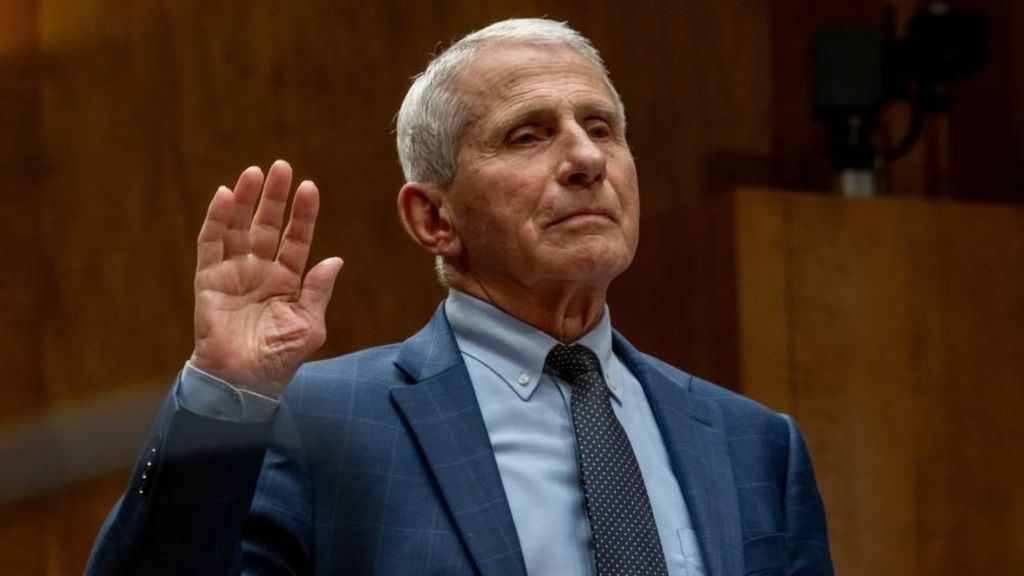
    A high-stakes, confrontational Senate hearing focused on former White House chief medical adviser Anthony Fauci’s handling of the COVID-19 pandemic has erupted into a major political and legal firestorm, after the nation’s one-time top infectious disease expert declined to answer more than 100 questions by invoking his U.S. Constitutional Fifth Amendment right against self-incrimination.

    The hearing, led by Senate Homeland Security and Governmental Affairs Committee Chairman Rand Paul, a Republican from Kentucky, ended with Paul issuing a stark warning: Fauci faces a very real possibility of criminal prosecution for his refusal to testify. Paul, who has spent years leveling accusations that Fauci covered up COVID-19’s origins and improperly funded gain-of-function research at China’s Wuhan Institute of Virology, confirmed the committee will hold a vote next week on a resolution to hold Fauci in criminal contempt of Congress. If the committee approves the measure, it will move to the full Senate for a vote, where supporters would need 60 votes to advance — a steep hurdle that would require bipartisan support from Democratic lawmakers, a outcome widely seen as a longshot. Should the resolution pass the Senate, it would be referred to the District of Columbia’s top federal prosecutor for potential criminal proceedings.

    Fauci, who previously led the National Institute of Allergies and Infectious Diseases, told the committee he was acting on the explicit advice of his legal counsel when he invoked the Fifth Amendment. Legal experts note that invoking this constitutional protection is not an admission of guilt, and is a standard practice used by individuals across all tiers of U.S. legal proceedings, even in non-criminal investigations. Notably, former President and current White House occupant Donald Trump himself invoked the Fifth Amendment dozens of times during a 2022 civil deposition connected to investigations into his business, the Trump Organization.

    A key complicating factor in any potential prosecution is the pre-emptive pardon former President Joe Biden granted Fauci before leaving office, covering all federal crimes Fauci may have committed between 2014 and 2025. Even so, legal questions remain unresolved: the pardon does not cover actions after 2025, including Fauci’s refusal to comply with Wednesday’s hearing, and presidential pardons only apply to federal offenses, not state-level investigations. Paul acknowledged the unclear scope of the pardon, saying the question of whether it grants Fauci immunity from current proceedings is a legal issue that may ultimately need to be settled by the courts. Already, Florida’s top attorney James Uthmeier has announced his office will launch an investigation into Fauci, though he has yet to release specific details about the alleged misconduct under review.

    Paul’s allegations against Fauci center on longstanding claims that COVID-19 leaked from the Wuhan Institute of Virology, a theory that received CIA backing last year. During Wednesday’s hearing, Paul pointed to a discrepancy between Fauci’s public statements and private writings: while Fauci publicly supported the theory that the virus originated naturally via animal-to-human spillover, his personal diaries suggest he privately believed the virus emerged from a laboratory accident. Committee Republicans also questioned Fauci on the shifting COVID-19 public health guidance rolled out during the pandemic, changes that public health officials have long defended as necessary adjustments as new scientific information about the virus emerged. Fauci has repeatedly denied any wrongdoing connected to pandemic response or coronavirus research funding.

    The hearing quickly split along partisan lines, with multiple Democratic lawmakers rushing to Fauci’s defense. Senator Maggie Hassan of New Hampshire called the proceeding a deliberate political stunt designed to entrap Fauci. Former President Trump, who has clashed repeatedly with Fauci even as he awarded the former official a presidential commendation for work on the Operation Warp Speed vaccine program in 2021, also waded into the controversy on social media, labeling Fauci “crazy” and claiming Fauci had long intentionally lied about the virus’s origins to protect China.

    The global scientific community remains divided on COVID-19’s origins. The World Health Organization confirmed last year that the natural spillover theory remains the best supported by current available evidence, but added that the question remains inconclusive until additional data is uncovered. For Fauci personally, the hearing marks the latest escalation of years of targeted political attacks: the former official has received hundreds of death threats during and after the pandemic, and Trump last year ordered the removal of the federal security detail assigned to protect him.

    As the country awaits next week’s contempt vote, legal and political observers note that the outcome remains highly uncertain, with the pardon, partisan split in the Senate, and unclear jurisdiction over potential charges all creating major barriers to any formal prosecution.

  • Tickets for Christopher Nolan’s The Odyssey cancelled by IMAX after reseller discovery

    Tickets for Christopher Nolan’s The Odyssey cancelled by IMAX after reseller discovery

    When Christopher Nolan’s latest blockbuster *The Odyssey* landed in cinemas, it sparked unprecedented demand for a very special screening experience that can only be found one place in the entire Southern Hemisphere: IMAX Melbourne, the only venue down under equipped to project the film on pristine 70mm IMAX film. That exclusive access has turned into a ticket frenzy, with fans traveling from as far as Europe just to secure a seat at the iconic venue, and has now led to a major crackdown on unauthorized ticket scalping that has left hundreds of resold tickets void.

    The saga began earlier this week, when a Reddit user sparked widespread joking and frustration by posting a screenshot of a massive Facebook resale listing, quipping that Melbourne IMAX had effectively “outsourced ticket sales to a fella on FB.” The listing revealed a staggering cache of almost 100 tickets for September screenings, including blocks of two, four, and six seats, and an eye-popping 88 seats reserved for the 1:50 pm showing on Monday, September 14 – nearly an entire auditorium held by resellers looking to flip tickets at marked-up prices.

    Unlike standard film releases, IMAX Melbourne classifies these 70mm *The Odyssey* screenings as special limited events, with no discount vouchers accepted for entry. Tickets are priced as high as $70 per seat, and the venue has already sold more than 88,000 tickets across the run, racking up over $3.95 million in gross box office revenue. Every single screening through September 23 is currently sold out, a level of demand that has created the perfect conditions for scalpers to attempt to profit off desperate fans who missed out on official sales.

    After the viral Reddit post brought the large-scale unauthorized resale operation to the venue’s attention, IMAX Melbourne moved quickly to shut down the scheme. In an official update posted to Instagram, the cinema confirmed that all tickets purchased through third-party platforms are invalid, have been canceled, and will be considered fake on the day of the screening. “All tickets sold on third-party websites have been cancelled or are fake tickets and are not valid for any session,” the statement read.

    The extreme difficulty of securing official tickets has already drawn comparisons to some of the most competitive live event sales in recent memory, with one commenter online noting, “Why was it easier to get Eras tour tickets than it was to get tickets to this movie?” For now, the venue’s crackdown has blocked the scalpers’ profit scheme, though the intense demand for the exclusive 70mm screening experience leaves many fans still waiting for a chance to see Nolan’s blockbuster on the format it was made for.

  • The once destroyed community that’s now a global energy giant

    The once destroyed community that’s now a global energy giant

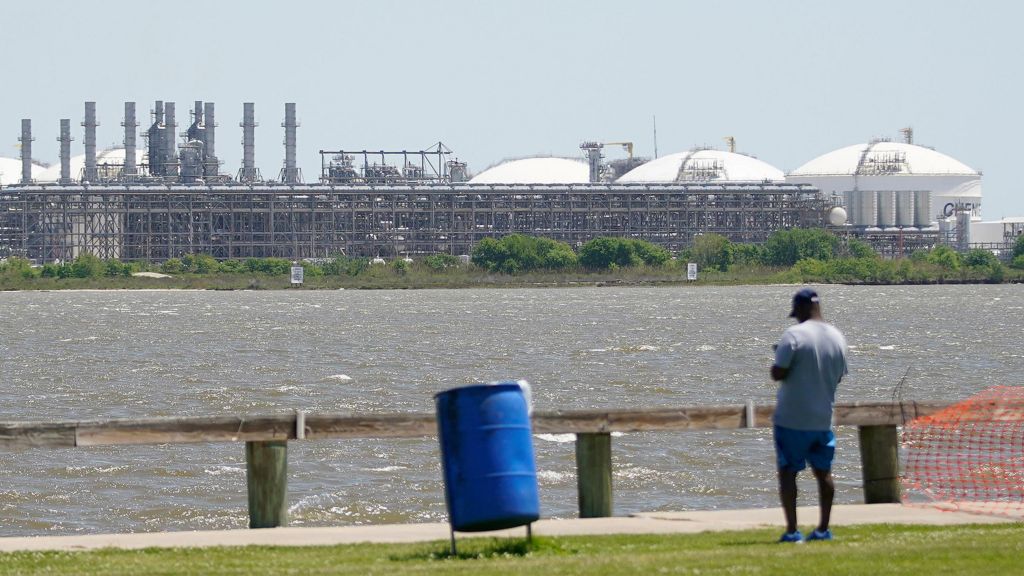
    Two decades ago, a catastrophic hurricane left a small coastal Louisiana community in ruins. Today, that same region stands at the center of a global energy shift that is reshaping both local fortunes and international energy markets. The transformation of Cameron Parish, driven by the explosive growth of U.S. liquefied natural gas (LNG) exports, offers a striking case study in how a changing energy landscape can create unexpected prosperity even as it sparks new challenges across continents.

  • ‘The next year or two’: Craig Bellamy drops major coaching hint as Cameron Munster responds to PNG rumours

    ‘The next year or two’: Craig Bellamy drops major coaching hint as Cameron Munster responds to PNG rumours

    One of the National Rugby League’s most high-profile player-coach relationships has taken center stage this week, with Melbourne Storm star Cameron Munster confirming his long-term club future hinges entirely on the tenure of legendary head coach Craig Bellamy. The bombshell update comes just months after Bellamy gave the star five-eighth full permission to explore a potential move to the newly-formed Pacific Tigers (formerly Chiefs), who are building out their roster ahead of their NRL debut in 2028, most recently adding established St George Illawarra star Zac Lomax.

    Munster, who is set to turn 32 in the coming weeks, was originally scheduled to travel to Papua New Guinea with Lomax last weekend to meet with expansion franchise officials, but pulled out of the trip. Citing a current injury and Melbourne’s uncharacteristic poor season form that is all but guaranteed to end the club’s 13-year streak of NRL finals appearances dating back to 2010, Munster said the moment was not right for off-contract talks.

    Speaking at a sporting event in Brisbane this week, the Storm veteran opened up about what will drive his next contract decision, revealing his deep loyalty to the only NRL head coach he has ever played for. “Craig has been the only NRL coach that I’ve had,” Munster said. “I don’t want to say too much about it, but I’m not sure what his coaching future looks like. If he stays, I’ll stay, so there’s a bit of pressure on your back, ‘Bellyache’.”

    While Munster stressed that family and long-term financial security will ultimately guide his choice – noting he has already taken multiple salary cuts throughout his career to stay with the Storm – he made clear his desire to remain in Melbourne as long as Bellamy is in charge. “I’ve got to make sure it’s right for me and my family,” he explained. “If he’s not sure what he wants to do, sometimes you’ve got to make decisions for your family and you can’t wait for someone else when you’re making decisions for your family. I love Craig and I love the Melbourne Storm. I’m not saying I’m not going to stay, but November 1 comes around and I’ve got to make sure I do the right thing for me and my family. Footy’s not everything, and it’s not always a long-term prospect. I’ve got to work after footy, so I want to make sure I’m financially stable for myself and my kids.”

    Bellamy, whose own future has been uncertain after he revealed a diagnosis of a neurodegenerative disorder earlier this year, responded to Munster’s pledge with a clear timeline for his own departure from the game. The Hall of Fame-bound coach confirmed he expects to retire from coaching within the next one to two years, and said he would fully support whatever decision Munster makes for his family and career. “The next year or two is when I’ll be finishing up, so he’ll end up older than me if I stop counting my age,” Bellamy joked. “I’d love to go through my entire coaching career with him ending at the same time, but he’s got a decision to make. He’ll make the right decision for what’s right for his family, and he’s got the right do to that.”

    Beyond contract talk, the Storm are facing immediate pressure this weekend as they prepare for a must-win round clash against the Canterbury Bulldogs, without their star captain and hooker Harry Grant. Grant is set to miss the next several weeks with a hamstring injury, forcing Bellamy to turn to fringe forward Trent Toelau and rookie utility Hayden Watson to fill the gap left by the club’s leader. “Any team losing their captain, that’s a big loss,” Bellamy said. “But Harry especially is always in the middle of the play, whether it’s with the ball or without the ball. He’ll be a loss for us, but when someone misses out, someone else gets a chance. We’ll deal with that tomorrow night, and hopefully some of the young blokes can do a good job for us.”

  • Up to 23 feared dead in Japan quake

    Up to 23 feared dead in Japan quake

    Two days after a powerful 7.1-magnitude tremor rocked Japan’s southwestern Kyushu island, disaster response authorities warned Thursday that as many as 23 people may have lost their lives to the disaster. As rescue teams continue combing through the flattened rubble of a destroyed shopping mall for trapped survivors, four bodies have already been recovered from the wreckage, where a massive suspected gas explosion tore through the structure shortly after the initial quake.

    According to the latest official update from Kumamoto’s disaster management office, 17 people have already been confirmed dead, with an additional six showing no vital signs. Five more people remain in critical condition across the affected region.

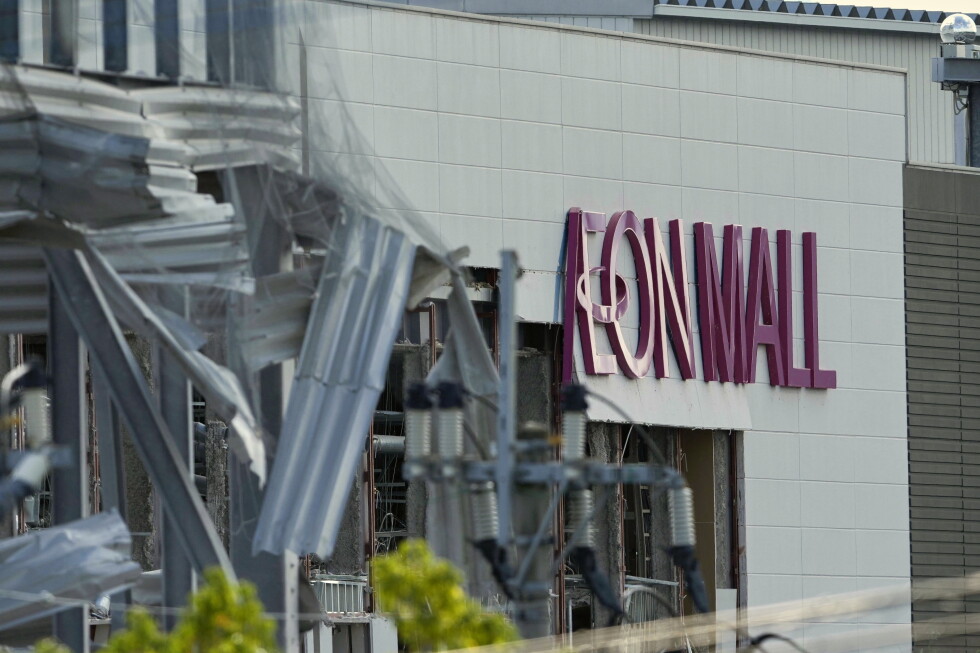
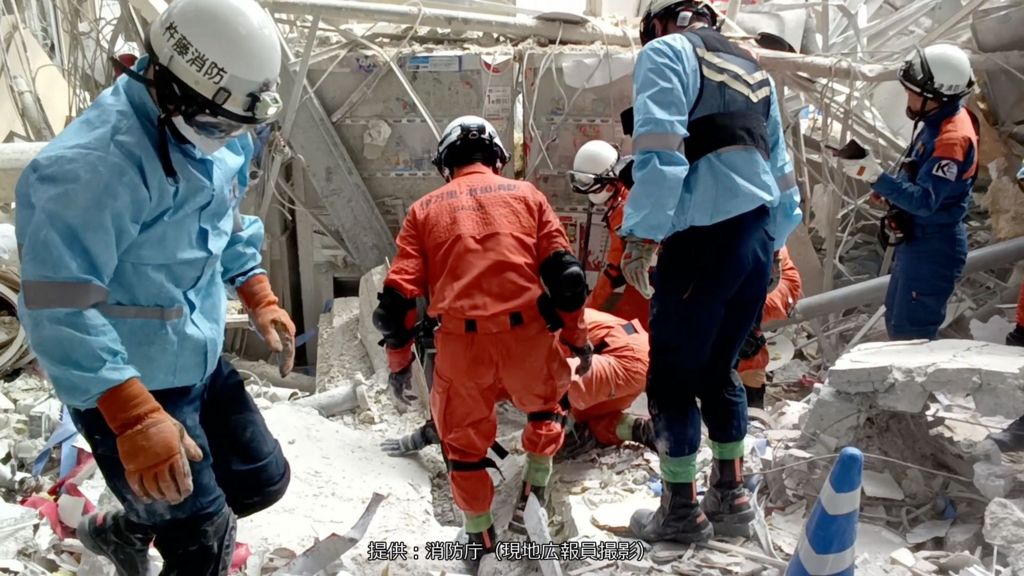
    Hundreds of rescue workers spent a second consecutive day Thursday working to reach potential survivors trapped under the debris of the Aeon shopping mall, located in the city of Kashima, Kumamoto Prefecture. A disaster management official confirmed to Agence France-Presse that 10 people have been pulled from the mall so far: four confirmed dead, one with no vital signs, and five others with injuries ranging from severe to minor.

    The 7.1-magnitude quake, which struck Tuesday, left a trail of widespread destruction across Kyushu: dozens of residential structures have been flattened, critical transport infrastructure including bridges sustained heavy damage, multiple fires were triggered by shifting ground, and tens of thousands of local residents have been cut off from power and clean water supplies. A 35C heatwave forecast for Thursday has prompted official heatstroke warnings, and repeated aftershocks have compounded the fear and disruption for already displaced local communities.

    Though the mall was evacuated immediately after the initial earthquake, a massive explosion gutted the entire building roughly 50 minutes later, when an unknown number of employees were still inside the facility. For 56-year-old local resident Fumihiko Matsuura, the destruction hits close to home — he had watched the latest *Toy Story* film at the mall just one week before the disaster. “I was here. I was just here,” he told AFP. “It’s like I narrowly escaped the danger.”

    Drone and on-site footage captured by news outlets shows rescue crews in orange overalls and white helmets navigating a chaotic landscape of twisted steel framing, dangling electrical cables and fallen chunks of concrete ceiling to search for signs of life. Separate damage at a Nippon Paper Industries factory in Yatsushiro City has added to the death toll: a government official confirmed Wednesday that five people were killed at the site when a large red-and-white smokestack collapsed, with four more still unaccounted for.

    As of Thursday morning, more than 22,600 households and public facilities remain without electricity. Water service disruptions were still affecting roughly 84,000 homes as of Wednesday, and broadcast footage has shown local residents queuing for hours to access emergency supplies of bottled drinking water and petrol.

    Notably, the U.S. Geological Survey recorded the quake’s magnitude at 6.8, a lower reading than the 7.1 magnitude officially reported by Japanese seismic monitoring agencies.

    Japan sits at the intersection of four major tectonic plates along the Pacific Ocean’s geologically active “Ring of Fire, making it one of the most seismically active countries on Earth. The country of 125 million people experiences roughly 10 percent of the world’s total seismic activity every year, with hundreds of small to medium tremors recorded annually. While most quakes are mild, the risk of catastrophic large events remains a persistent national threat. Kumamoto Prefecture itself experienced two devastating major earthquakes in 2016 that killed 273 people and injured more than 2,800. The worst modern disaster in Japanese memory remains the 9.0-magnitude undersea quake of 2011, which triggered a massive tsunami that killed or left missing nearly 18,500 people and caused the catastrophic meltdown of the Fukushima Daiichi nuclear power plant.

  • AstraZeneca reverses decision to pull lifesaving cancer and endometriosis drug Zoladex

    AstraZeneca reverses decision to pull lifesaving cancer and endometriosis drug Zoladex

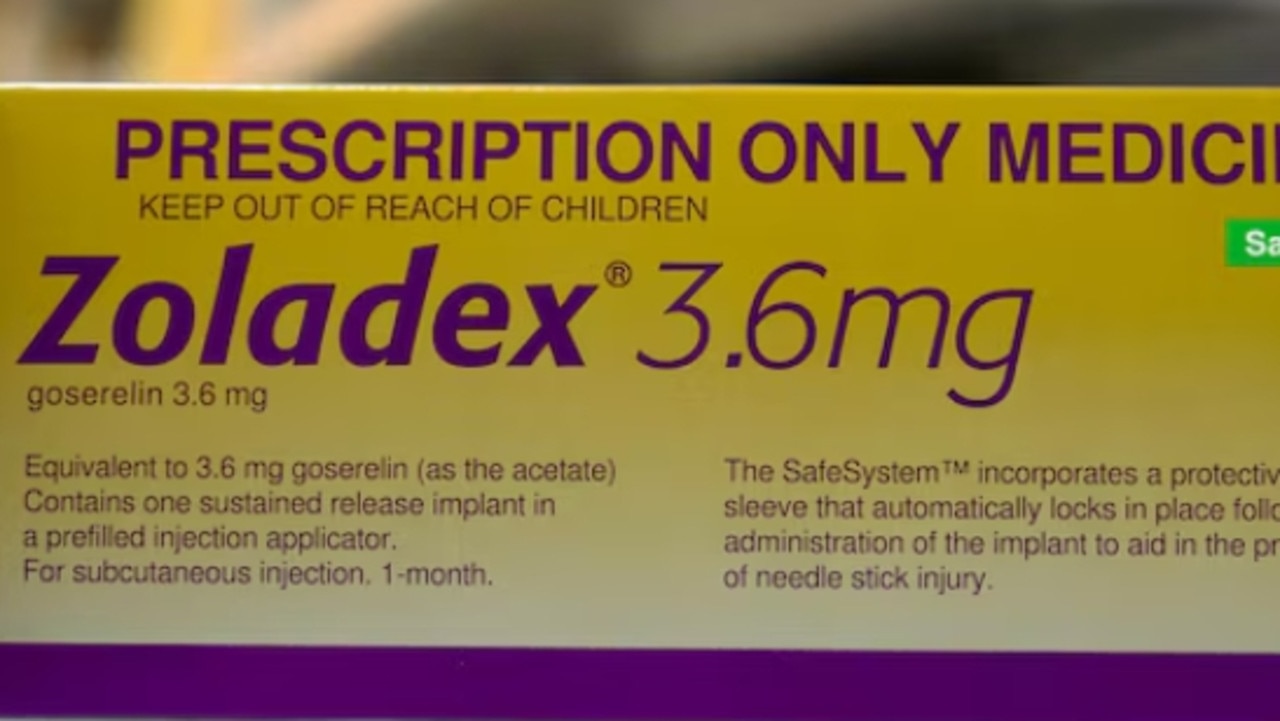
    Following intense public and patient advocacy that gathered tens of thousands of signatures, pharmaceutical giant AstraZeneca has reversed its plan to fully pull the monthly 3.6mg dose of lifesaving drug Zoladex from the Australian market, announcing Friday it will provide the hormone-suppressing treatment free of charge to eligible patients starting November 2026.

    Zoladex, generic name goserelin, is a core treatment for multiple serious conditions: it lowers sex hormone levels to slow the growth of prostate cancer in men, and treats breast cancer and severe endometriosis in women. The 3.6mg monthly implant, which delivers a steady dose of the drug via a small pellet injected under the skin, was previously listed on Australia’s Pharmaceutical Benefits Scheme (PBS), the federal government’s subsidized drug program that makes critical medications affordable for patients.

    In a statement explaining the original planned withdrawal, AstraZeneca noted that the current pricing structure of the PBS made continued supply of the 3.6mg dose through the scheme financially unsustainable, as the subsidized price offered by the program was too low to support ongoing production and distribution. The company had initially scheduled the dose to be removed from both the PBS and the private Australian market entirely this November, a decision that sparked immediate and widespread outrage from patients, clinicians and cancer advocacy groups.

    Patients launched a public Change.org petition demanding AstraZeneca reverse its withdrawal and create a clear transition plan for people relying on the drug for ongoing care. The petition quickly went viral, racking up more than 40,000 signatures and more than 20,000 shares across social media. “No one should find out through the news that a medication forming part of their treatment plan may be taken away,” the petition read. “No patient should be left wondering whether their care will be interrupted. No doctor should be forced into rushed treatment changes because of a corporate decision.”

    The pressure campaign pushed AstraZeneca to revise its plan. Under the new continuity program, patients who do not have a suitable alternative treatment pathway will still be able to access the 3.6mg monthly implant for free starting November 2026. While the reversal has been welcomed by patients, key cancer advocacy groups and clinical leaders warn the arrangement is not a permanent or sustainable solution.

    Breast Cancer Network Australia (BCNA), one of the country’s leading patient advocacy organizations, issued a statement noting that critical questions around long-term access, administrative practicality and long-term cost stability remain unanswered, creating ongoing uncertainty for thousands of vulnerable patients. “While this update offers some guidance on how eligible patients might continue accessing the monthly option once it is off the PBS, it isn’t a long-term fix,” the group said.

    Currently, a higher 10.8mg dose of Zoladex, which only needs to be administered once every three months, is available on the private market, but it is not covered by PBS subsidies. Following the public backlash over the 3.6mg withdrawal, AstraZeneca has submitted an application to add the higher 10.8mg dose to the PBS scheme. Even so, clinical leaders argue that the entire situation highlights the risk of allowing global corporate commercial decisions to undermine evidence-based best practice care for Australian patients.

    Jenny Gilchrist, an experienced breast oncology nurse, praised the unified advocacy efforts of clinicians and BCNA that pressured AstraZeneca to revise its plan, but emphasized the changes remain unacceptable for patients. “After the announcement that Zoladex 3.6mg was being withdrawn from the market, clinicians and Breast Cancer Network Australia stood together, moved quickly and spoke with one clear united voice. This is unacceptable,” Gilchrist said. “Global commercial decisions must not be allowed to undermine best practice care here in Australia.”