博客

  • China moves to set out clear standards for premade dishes

    China moves to set out clear standards for premade dishes

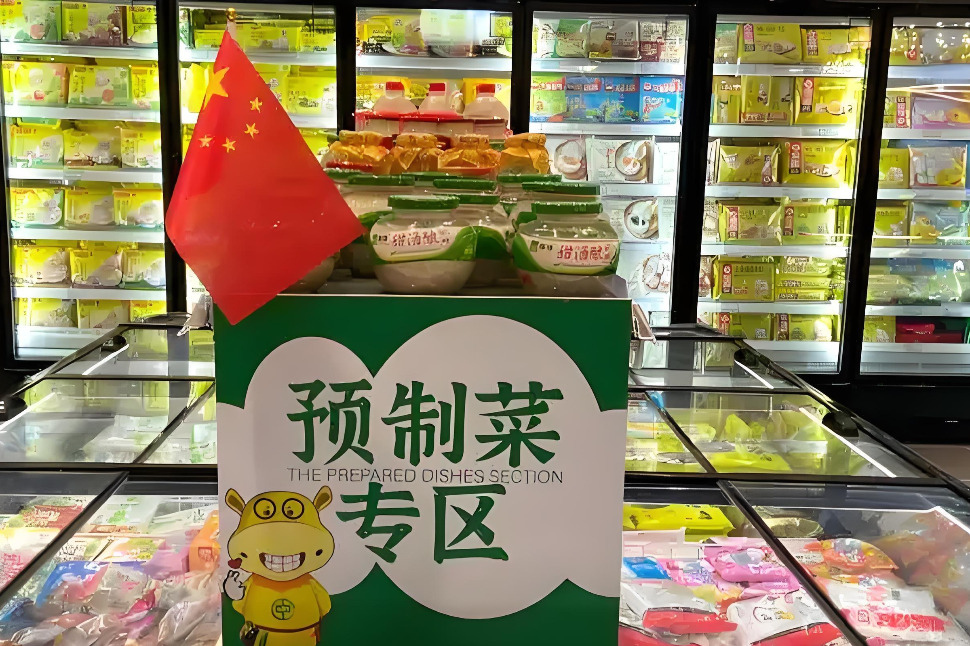
    China is implementing comprehensive national standards for pre-made dishes following growing public concern over restaurant transparency and pricing practices. The new regulatory framework, developed jointly by the State Council’s Food Safety Office, National Health Commission, and State Administration for Market Regulation, aims to address the significant gap between consumer expectations and industry practices.

    The drafted documents—National Food Safety Standards for Pre-Made Dishes and Terminology and Classification for Pre-Made Dishes—represent a substantial upgrade from 2024 regulations that initially defined pre-made dishes as prepackaged foods while creating a notable exemption for chain restaurants using central kitchen models. This exemption allowed restaurants to market semi-prepared ingredients as freshly cooked dishes while charging premium prices.

    The regulatory movement follows a high-profile controversy involving Xibei, a national restaurant chain that faced significant backlash after influencer Luo Yonghao exposed their extensive use of pre-prepared ingredients. The revelation triggered widespread consumer outrage and resulted in substantial revenue losses for the chain, ultimately leading to the closure of 102 outlets nationwide.

    Authorities have also collaborated with the Ministry of Commerce to draft a circular encouraging voluntary disclosure of food preparation methods. The new standards will undergo public consultation before formal implementation, marking a significant step toward greater transparency in China’s dining industry.

    Industry experts note that consumer frustration stems not from the use of pre-made dishes themselves, but from the perception of deception and the premium pricing of items marketed as freshly prepared. The debate highlights three fundamental concerns: clear definition of food preparation methods, consumer right to prior knowledge, and overall food safety standards.

    The Xibei case has become a focal point in China’s ongoing conversation about food transparency, demonstrating the growing disconnect between culinary marketing and kitchen reality. As the industry responds to these changes, restaurants nationwide are expected to adopt more transparent practices regarding food preparation and pricing.


  • Kosovo authorities arrest over 100 people over alleged ballot manipulation in December vote

    Kosovo authorities arrest over 100 people over alleged ballot manipulation in December vote

    Kosovo’s political landscape faces renewed turmoil as authorities announced the detention of 109 individuals on Friday in connection with extensive electoral fraud allegations. The scandal has prompted a nationwide recount of December’s parliamentary elections, casting doubt on the integrity of the democratic process in the Balkan nation.

    Prosecutors from the southern municipality of Prizren revealed that suspects face serious charges including election result falsification, coercion through threats, and systematic bribery. Chief Prosecutor Petrit Kryeziu disclosed that the alleged manipulation affected a staggering 68,017 ballots in Prizren alone, representing significant electoral interference.

    The Central Election Commission mandated a comprehensive recount earlier this week following evidence of widespread irregularities. Despite the scale of suspected fraud, officials indicate the overall election outcome remains unchanged, though individual candidate results within specific parties may be altered.

    Prime Minister Albin Kurti’s Vetevendosje (Self-Determination) party had secured a decisive victory with approximately 51% of votes in the December snap election. This political force had previously dominated February’s polls but failed to form a governing coalition, triggering months of political paralysis that necessitated the December revote.

    The unfolding crisis threatens to prolong Kosovo’s governmental instability, potentially delaying parliamentary formation and budget approval. With a critical presidential election deadline approaching in early March, failure to meet constitutional requirements could force yet another snap election, further destabilizing the young democracy.

    Kosovo, which gained independence from Serbia in 2008 following the 1998-99 conflict, continues to grapple with economic challenges as one of Europe’s poorest nations. The current political impasse complicates its aspirations for European Union integration alongside other Western Balkan states.

  • AVATR expands UAE presence with new showroom and AVATR 07 launch

    AVATR expands UAE presence with new showroom and AVATR 07 launch

    AVATR is significantly expanding its operational footprint in the United Arab Emirates through a strategic trifecta of market initiatives: a new premium showroom, the imminent launch of its AVATR 07 model, and a comprehensive aftersales support network. This expansion responds to the rapidly accelerating consumer demand for premium new-energy vehicles (NEVs) in the region.

    The brand’s elevated market presence is now anchored by a newly inaugurated flagship showroom on Dubai’s prestigious Sheikh Zayed Road. Located at Safa 1, 22A Street, this luxurious space transcends traditional automotive retail by creating an immersive environment where customers can experience AVATR’s fusion of intelligent mobility solutions, sophisticated design, and next-generation electric technology firsthand.

    Scheduled for February 12, 2026, the official regional debut of the AVATR 07 at Atlantis The Royal represents a pivotal product milestone. This Range-Extended Electric Vehicle (REEV) model is engineered to bridge the gap between high-performance electric driving and practical usability. Its technological architecture features a 39.05 kWh battery pack that enables an exceptional combined range of 900 kilometres, addressing range anxiety concerns prevalent among EV adopters. Performance specifications include a robust 500 horsepower and 595 Nm of torque, delivering responsive acceleration and intelligent driving dynamics suitable for both urban commuting and extended journeys.

    Complementing its consumer-facing expansion, AVATR has established substantial aftersales infrastructure through its partnership with Smart Mobility International (SMI). The collaboration has produced the UAE’s largest and most advanced NEV service facility in Al Quoz. This center provides lifecycle support through specialized services including high-voltage battery maintenance, smart repairs, OEM-approved technical updates, nano-ceramic tinting, and comprehensive paint protection films.

    This integrated approach—combining premium retail experiences, technologically advanced vehicles, and extensive post-purchase support—demonstrates AVATR’s strategic commitment to establishing itself as a definitive leader in the UAE’s premium electric mobility sector, offering consumers a complete ownership ecosystem rather than merely selling vehicles.

  • Spanish track was fractured before high-speed train disaster, report finds

    Spanish track was fractured before high-speed train disaster, report finds

    A preliminary investigation into Spain’s deadliest rail accident in over a decade has revealed that a critical track fracture occurred prior to the passage of a high-speed train that derailed near Adamuz last Sunday, resulting in 45 fatalities. The catastrophic incident occurred at approximately 19:45 local time when an Iryo-operated train traveling from Málaga to Madrid experienced a derailment of its final three carriages, which subsequently collided with an oncoming state-run Renfe service bound for Huelva.

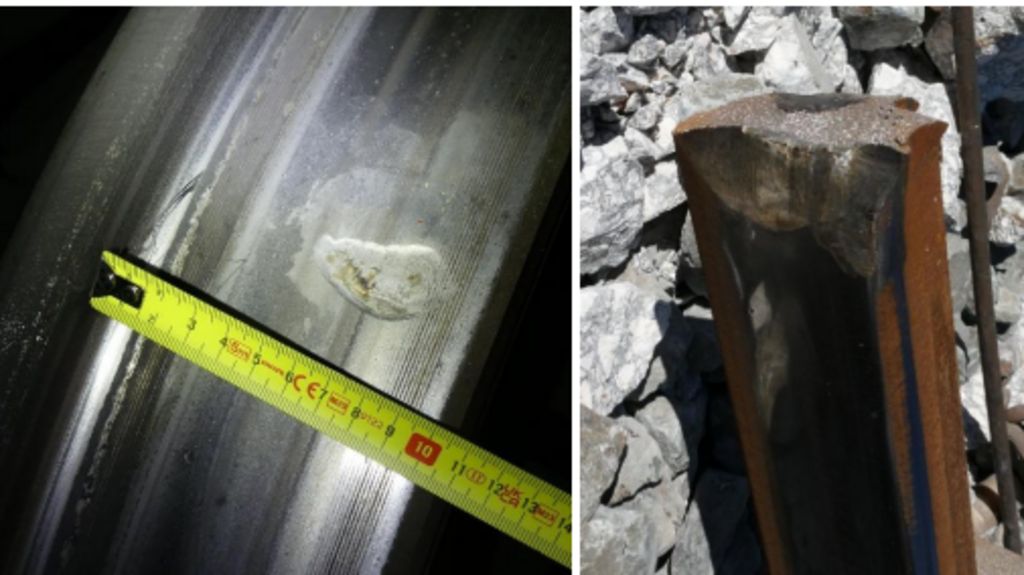
    The Commission for Railway Accident Investigations (CIAF) has identified a 40-centimeter gap in the track as the central focus of their inquiry. Critical evidence emerged when investigators discovered distinctive grooves on the wheels of multiple trains that had traversed the same section of track before the disaster. These markings were found not only on the Iryo train’s carriages that remained on the rails but also on three preceding trains that passed over the compromised track at 17:21, 19:01, and 19:09 on Sunday evening.

    The technical report indicates that ‘these notches in the wheels and the deformation observed in the track are compatible with the fact that the track was cracked’ before the derailment occurred. Particularly telling was the discovery of a groove on the outer edge of carriage five—the final carriage that did not derail—suggesting the rail was already tilting outward before carriage six completely lost contact with the tracks.

    Spanish Transport Minister Óscar Puente has characterized the CIAF report as a ‘working hypothesis’ requiring further detailed analysis. While acknowledging that definitive answers remain premature, Minister Puente indicated that if the track fracture proves to be the primary cause, it likely developed in the immediate hours preceding the accident and would have been undetectable by existing monitoring systems.

    This tragedy represents Spain’s most severe rail disaster since the 2013 Galicia derailment that claimed 80 lives and injured 140 passengers. The investigation continues as authorities work to determine the exact sequence of events and implement preventive measures for the future.

  • How sneaker culture is reshaping fashion in the UAE and Saudi Arabia

    How sneaker culture is reshaping fashion in the UAE and Saudi Arabia

    The Middle East is undergoing a remarkable fashion transformation as sneaker culture redefines luxury retail across the region. The United Arab Emirates and Saudi Arabia have emerged as dominant forces in the global sneaker market, creating a multi-faceted ecosystem where athletic footwear has evolved into both status symbol and investment asset.

    This cultural shift stems from a convergence of demographic advantages and economic factors. With disproportionately young populations, high disposable incomes, and extensive exposure to international fashion trends through social media, GCC consumers have embraced sneakers as essential lifestyle products. What began as niche interest has exploded into mainstream phenomenon, with limited-edition releases selling out within minutes and secondary market values frequently surpassing original retail prices.

    Dubai and Jeddah have become epicenters of this movement, hosting exclusive pop-up events and cultivating vibrant collector communities. The transformation extends beyond mere consumption—premium sneakers now represent curated investments, with enthusiasts building portfolios based on release calendars, authenticity verification, and long-term value appreciation.

    Market dynamics reflect this sophistication. Buyers prioritize verified authenticity, limited availability, and pristine condition when acquiring premium footwear. The emphasis on deadstock preservation—maintaining original packaging and storage conditions—demonstrates how collectors treat sneakers with the same reverence traditionally reserved for luxury watches or handbags.

    Specialized marketplaces like Dubai-based Mad Kicks have responded with luxury-grade authentication protocols, implementing multi-stage verification processes that examine materials, stitching, labeling, and SKU consistency. These platforms have expanded across GCC markets, including Saudi Arabia, Qatar, and Kuwait, establishing new standards for quality control and transaction security.

    Several structural factors underpin the region’s emergence as a sneaker hub. Tourism plays a crucial role, with Dubai and Abu Dhabi’s premium shopping experiences attracting international sneaker enthusiasts. Saudi Arabia’s retail expansion under Vision 2030 has accelerated market growth through new malls, entertainment districts, and improved access to global brands.

    The future points toward continued maturation. Online platforms are enhancing pricing transparency and global inventory access, while regional collaborations and exclusive releases will drive collector demand. Marketplaces are evolving beyond transactions to offer educational content, valuation insights, and comprehensive market reporting—further professionalizing the ecosystem.

    With robust consumer demand, improving infrastructure, and growing global relevance, the GCC sneaker market shows no signs of deceleration. The region has firmly established itself as a significant contributor to the global sneaker economy, blending fashion, investment, and cultural expression in unprecedented ways.

  • Accelerationist State: China’s biopharma revolution

    Accelerationist State: China’s biopharma revolution

    China’s pharmaceutical sector has undergone a remarkable transformation that demands global attention from innovation investors. This seismic shift represents one of the most significant yet under-discussed policy narratives of our time, fundamentally altering the dynamics of drug development and approval worldwide.

    The historical context reveals a dramatic reversal. For decades following World War II, the global pharmaceutical industry operated as a Western-dominated monologue, with the United States FDA and NIH serving as the world’s primary research laboratory. China initially entered this ecosystem as a manufacturing hub focused on volume rather than innovation, hampered by a severe regulatory lag that created a 5-7 year delay in drug availability compared to Western markets.

    This ‘drug lag’ era has conclusively ended through deliberate statutory and industrial restructuring rather than organic market evolution. The pivotal moment came with the 2019 revision of China’s Drug Administration Law, which embedded expedited regulatory pathways directly into statute rather than leaving them to administrative discretion. This legal framework established binding timelines, explicit review duration caps, and mandatory statutory review periods including a revolutionary 60-day silent approval provision for clinical trial applications.

    The results have been staggering. In 2024, China’s NMPA approved 83 new drugs (excluding traditional Chinese medicine), representing a 12% year-on-year increase that significantly outpaced the FDA’s 50 novel medicine approvals. Among these, 46 were classified as truly innovative drugs not previously marketed anywhere, while 48 qualified as first-in-class by mechanism of action. Perhaps most impressively, average review times collapsed from 663 days in 2017 to approximately 105 days in 2024—an 84% reduction.

    This acceleration stems from four key expedited pathways that have become the system’s default rather than exception: Priority Review (130-working-day timeline), Breakthrough Therapy Designation, Conditional Approval, and Special Approval for emergencies. These mechanisms now cover over 90% of novel drug approvals, creating what analysts term an ‘Accelerationist State’ where speed is a legal obligation rather than discretionary privilege.

    Critical to this success was China’s strategic approach to capacity building. Between 2014-2024, the Center for Drug Evaluation expanded its workforce from under 200 to over 1,300 full-time staff—a 550% increase that included recruitment of PhDs from US and EU biopharma. The organization simultaneously underwent structural modernization, evolving from four generic divisions to twelve specialized centers organized by therapeutic area with dedicated teams for cutting-edge fields like cell therapy and AI-discovered drugs.

    China’s integration into global standards through ICH membership enabled acceptance of foreign clinical data, transforming drug development from sequential regional rollout to simultaneous global trials. The number of Chinese-origin drugs in global multi-regional clinical trials exploded from just 2 during 2015-2017 to 48 during 2018-2024.

    The comprehensive reform extends beyond regulation to encompass aligned incentives across reimbursement, pricing, capital, and manufacturing policies. Fast-track insurance coverage, premium pricing protection for innovative drugs, massive venture funding increases, and advanced CDMO infrastructure have created an end-to-end innovation ecosystem.

    China has particularly embraced AI as sovereign infrastructure, with 2022 technical guidelines providing clear frameworks for AI-generated data in drug submissions. This forward-thinking approach enabled breakthroughs like Insilico Medicine’s rentosertib—the first AI-discovered drug to reach clinical validation.

    The implications are profound: Chinese biotechs now operate within a system explicitly engineered to compress time-to-market, giving them strategic advantages in the hypercompetitive global pharmaceutical landscape. While questions about accelerated approval risks remain valid, China has positioned its industry to operate at the tempo that modern drug discovery technology permits, potentially establishing ‘China-first’ as the new competitive default in global pharmaceuticals.

  • China Coast Guard saves 13 Filipino sailors after cargo ship capsizes

    China Coast Guard saves 13 Filipino sailors after cargo ship capsizes

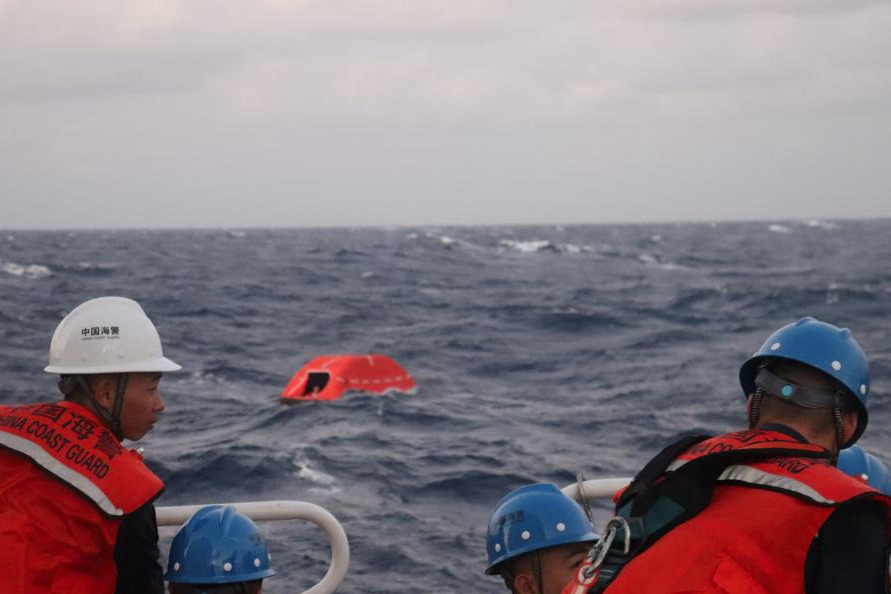
    In a swift maritime rescue operation on January 23, 2026, China Coast Guard personnel successfully saved all 13 Filipino crew members from a capsized cargo vessel in the South China Sea. The incident occurred approximately 55 nautical miles northwest of Huangyan Island, within China’s territorial waters.

    The emergency response was initiated when the Sansha City maritime search and rescue center in Hainan Province reported the distressed vessel at 1:34 AM local time. China Coast Guard units immediately deployed to the coordinates provided, navigating challenging sea conditions to reach the accident site.

    Upon arrival, rescue teams discovered the foreign-flagged cargo ship completely overturned and already partially submerged. Using advanced rescue equipment and employing professional maritime salvage techniques, the coast guard personnel successfully extracted all thirteen Filipino sailors from the dangerous situation. The rescued crew members received immediate medical attention and were transported to safety.

    This operation demonstrates China’s ongoing commitment to maritime safety and international humanitarian responsibilities in the South China Sea region. The successful rescue highlights the effectiveness of China’s maritime emergency response systems and inter-agency coordination capabilities.

    The China Coast Guard has emphasized its continued dedication to protecting lives at sea and maintaining safety standards in accordance with international maritime protocols, regardless of the national origin of those in distress.

  • Russia, Ukraine and the US are holding peace talks in Abu Dhabi. They’re coming at a key moment

    Russia, Ukraine and the US are holding peace talks in Abu Dhabi. They’re coming at a key moment

    In an unprecedented diplomatic development, senior envoys from Ukraine, Russia, and the United States convened in Abu Dhabi on Friday, marking the first confirmed trilateral engagement facilitated by the Trump administration to address Moscow’s protracted invasion of Ukraine now entering its fourth year.

    The high-stakes negotiations emerge amid intensified diplomatic movements across Europe, though substantial hurdles persist regarding territorial sovereignty. While Ukrainian President Volodymyr Zelenskyy indicated during Davos discussions that a peace agreement appeared ‘nearly ready,’ critical disputes concerning territorial control remain fundamentally unresolved.

    This dialogue distinguishes itself through both its location in the United Arab Emirates capital and Washington’s direct participation. Previous encounters between Russian and Ukrainian officials occurred without American mediation, making this trilateral format a significant evolution in diplomatic efforts. The engagement follows closely timed bilateral meetings: Zelenskyy’s hour-long closed-door discussion with President Trump in Switzerland, which both leaders characterized as productive, and an extensive four-hour nocturnal Kremlin meeting between Russian President Vladimir Putin and U.S. envoys Jared Kushner and Steve Witkoff.

    The Ukrainian delegation features National Security and Defense Council head Rustem Umerov, Chief of General Staff Andrii Hnatov, and Presidential Office head Kyrylo Budanov. Russia’s representation is led by military intelligence chief Admiral Igor Kostyukov, accompanied by Defense Ministry officials and presidential envoy Kirill Dmitriev.

    Central to the negotiations is the incendiary issue of territorial concessions, particularly regarding the Donbas region. Zelenskyy identified this as the pivotal obstacle, while Kremlin officials emphasized that lasting resolution remains impossible without addressing territorial claims. Russia demands Ukrainian withdrawal from eastern territories it annexed in 2022, despite never establishing full military control. Meanwhile, Ukraine seeks binding security guarantees from Western nations to prevent future aggression.

    The talks occur against a backdrop of continued military action, with Russia maintaining offensive operations against Ukrainian energy infrastructure during winter months. Although Moscow has achieved significant territorial gains since initiating hostilities in 2014, these advances have come at substantial economic and military costs due to international sanctions and determined Ukrainian resistance.

    The Abu Dhabi negotiations are scheduled to conclude Saturday, with parallel economic discussions occurring between Witkoff and Dmitriev alongside the primary security dialogue.

  • Egyptian Nightjar returns to UAE’s Wadi Wurayah Reserve, 5 years after 2021 sighting

    Egyptian Nightjar returns to UAE’s Wadi Wurayah Reserve, 5 years after 2021 sighting

    In a significant ecological development, the Egyptian Nightjar (Caprimulgus aegyptius) has been successfully documented returning to Fujairah’s Wadi Wurayah Biosphere Reserve after completing a five-year migration cycle. The remarkable rediscovery occurred in January 2026 during routine environmental surveillance operations conducted by conservation specialists.

    The individual specimen was originally captured and ringed with identification markers in 2021 as part of an extensive avian research initiative. During the initial documentation, researchers recorded comprehensive biological metrics including wing morphology, body mass, and physiological characteristics before releasing the bird to monitor its migratory behavior.

    The Fujairah Environment Authority’s long-term monitoring program proved instrumental in verifying the bird’s identity upon its return. This recapture event demonstrates the effectiveness of sustained ringing programs in tracking avian movement patterns across extended temporal scales. The discovery provides invaluable insights into species fidelity to specific habitats and migration chronology.

    Nestled within the Hajar Mountain range, the UNESCO-recognized biosphere reserve serves as a critical sanctuary for nocturnal and migratory bird species. The protected area’s unique ecosystem—characterized by permanent freshwater pools, undisturbed gravel plains, and secluded wadi formations—provides essential resources for species navigating arid regional migration corridors.

    The Egyptian Nightjar, a crepuscular and ground-nesting species, exhibits particular sensitivity to anthropogenic disturbances. Its consistent return to Wadi Wurayah underscores the reserve’s conservation significance and the species’ preference for pristine habitats within the eastern Arabian Peninsula. Wildlife authorities continue to monitor multiple species dependent on the reserve’s permanent water sources and protected ecosystems.

  • Hubei’s intangible cultural heritage charts a course for global influence

    Hubei’s intangible cultural heritage charts a course for global influence

    Hubei Province is orchestrating a sophisticated campaign to elevate its diverse intangible cultural heritage to international prominence, transforming traditional art forms into powerful instruments for global cultural exchange. This strategic initiative leverages the region’s rich cultural portfolio to foster meaningful dialogue across international borders.

    Central to this global outreach are immersive cultural performances designed to build bridges of understanding. Acclaimed troupes specializing in Han Opera, Huangmei Opera, and indigenous folk traditions such as the Tujia Hand-Waving Dance have embarked on extensive international tours. These performances are complemented by interactive community workshops that facilitate direct engagement between artists and global audiences, creating dynamic cultural conversations.

    The movement extends beyond performance to tangible cultural products. Master artisans like Han Embroidery inheritor Wang Ziyi are gaining international recognition, with their exquisite artworks representing Hubei’s craftsmanship in global forums. These cultural assets, ranging from traditional operas to textile arts, are being systematically positioned as vehicles for sharing Hubei’s unique cultural narrative with the world.

    This comprehensive approach demonstrates how regional cultural heritage can transcend geographical boundaries when supported by strategic promotion and cultural diplomacy. The province’s methodical transformation of traditional art forms into exportable cultural commodities provides a replicable model for other regions seeking global cultural influence while preserving their distinctive heritage.