博客

  • Uefa has ‘lost confidence’ in Infantino’s Fifa leadership

    Uefa has ‘lost confidence’ in Infantino’s Fifa leadership

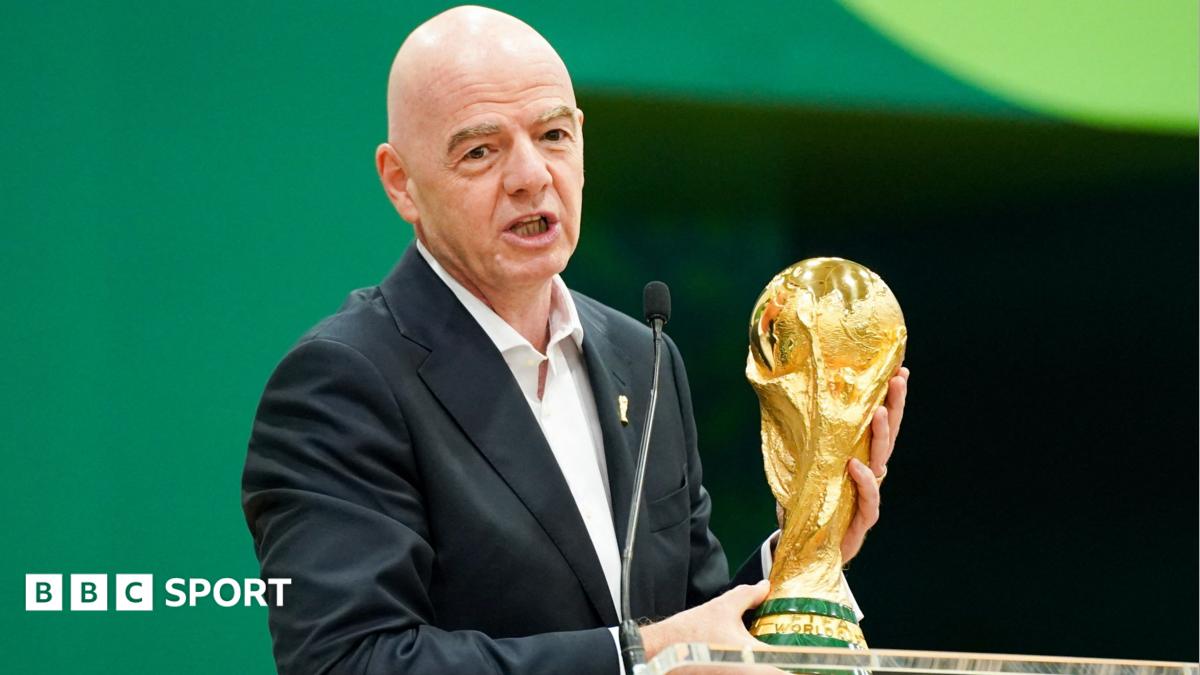
    The rift at the top of global football has deepened dramatically after European football’s governing body Uefa announced it has lost all confidence in Fifa president Gianni Infantino, in the wake of the abrupt scrapping of a controversial private investment plan for the body’s top competitions.

    Infantino, who has held the role of Fifa president since February 2016 and is currently seeking a fourth term in office ahead of the Fifa Congress scheduled for next March, confirmed on Saturday that the governing body would no longer move forward with the proposal to sell minority stakes in a new commercial subsidiary that would manage Fifa’s flagship tournaments including the men’s World Cup. The plan, which was first leaked to media earlier the same week, would have created Fifa Forward Enterprise (FFE), allowing external private investors to acquire non-controlling shares in the entity.

    Behind the proposal, developed with analysis from investment bank JP Morgan, was the argument that the World Cup – the world’s most widely viewed global sporting event – was currently under-monetized by Fifa. The plan projected that expanded tournaments would deliver an increased payout of up to €24 million (£20.5 million) per member association by the 2035-2039 cycle. Critics quickly pointed out that the proposal made no mention of investment or development for the women’s game, and the lead investor group was set to be led by Thrive Eternal, an American venture capital firm founded by Joshua Kushner, brother of former US President Donald Trump’s son-in-law Jared Kushner. The New York Post, which first broke the news of the plan’s withdrawal, reported that the entire ordeal had become a “brand nightmare” for Kushner.

    Opposition to the proposal spread rapidly across global football confederations within days. Uefa held a vote on Thursday, announcing it would boycott all future World Cups if the plan moved forward, stating that the World Cup “cannot be treated as an investment product”. Concacaf, the governing body for North, Central American and Caribbean football which hosted the 2024 men’s World Cup this summer, confirmed its members rejected the plan, with anonymous sources adding that the vast majority of regional associations had already lost confidence in Infantino. The Asian Football Confederation also joined the opposition, voicing solidarity with Uefa and Concacaf.

    Internal opposition also grew inside Fifa itself. Chief operating officer Kevin Lamour admitted that the governing body’s own administration had been “deceived” about the project. Carlos Cordeiro, Infantino’s senior adviser on global strategy and governance, resigned in protest, calling the proposal “a bad deal for football” that would “mortgage football’s future”.

    Shortly after Fifa confirmed the plan’s withdrawal, Uefa released a scathing, lengthy statement that marked one of the most severe public attacks ever launched against a sitting Fifa president. While the body welcomed the scrapping of the plan as “a victory for the whole game”, it went on to withdraw its confidence from Infantino’s entire leadership, noting that the move reflected the views of many other members of the global football family beyond Europe.

    Uefa directly called out Infantino for breaking 2016 campaign promises he made when first running for Fifa president, when he pledged that Fifa would operate with full transparency, and that Fifa’s funds belonged to member associations and must only be used for the development of global football. “On both these promises, he has failed to deliver. The shabby, back room, opaque deal he hatched and tried to force through were anything but transparent,” the statement read.

    The European body added that it would not tolerate “secret schemes of fast-track timescales cooked up by faceless individuals and of dubious benefit to the game”, calling for all individuals responsible for the proposal to be identified and held accountable. Uefa also announced it would work with member associations and other confederations to implement new safeguards to prevent similar attempted deals from moving forward in the future, and will propose reforms to Fifa’s existing Forward resource distribution programme to unlock idle funds held in Fifa’s bank accounts for grassroots football development. “We don’t need to sell off the family silver to pay for it,” the statement noted. “This is a victory for the whole game. But it must not be the end of the story. The proposal has gone. The task of rebuilding trust in Fifa has only just begun.”

    Chief football reporter Simon Stone notes that any hope Infantino held of limiting reputational damage from the failed plan has been entirely destroyed by Uefa’s open attack. While the Asian Football Confederation framed its criticism in more diplomatic terms, Uefa’s rebuke was unvarnished and harsh, using language like “shabby” and “opaque” to condemn the process. As of Monday morning, Fifa and Infantino have not issued any public response to Uefa’s statement. With the 2026 presidential election just months away, Infantino is now facing unprecedented pressure, with no visible public support rising to counter the widespread opposition across the sport’s leading governing bodies.
  • Migrants depart Spain’s N. Africa enclave as EU tightens borders

    Migrants depart Spain’s N. Africa enclave as EU tightens borders

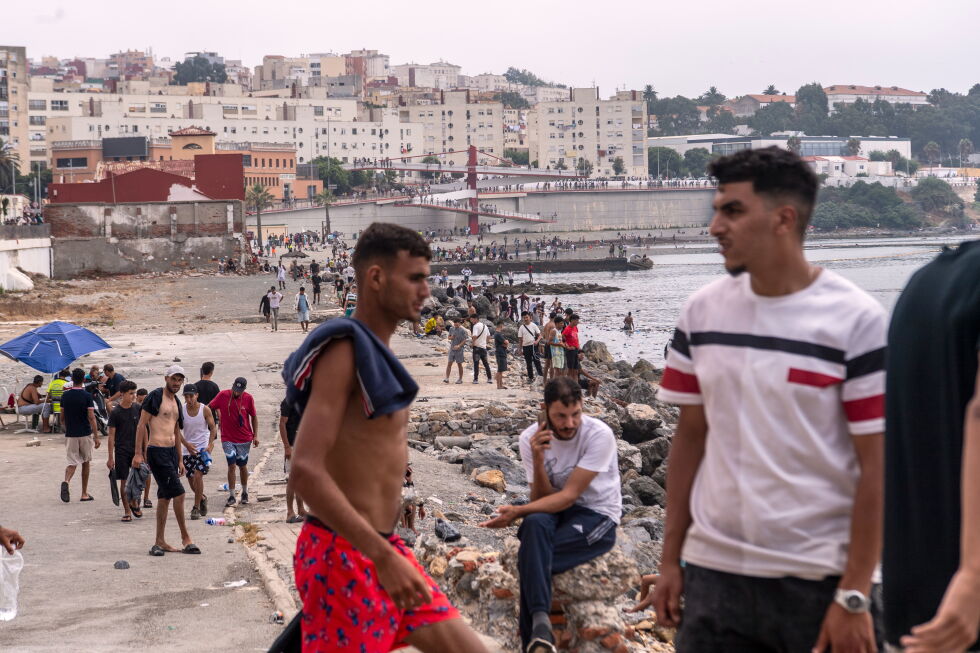
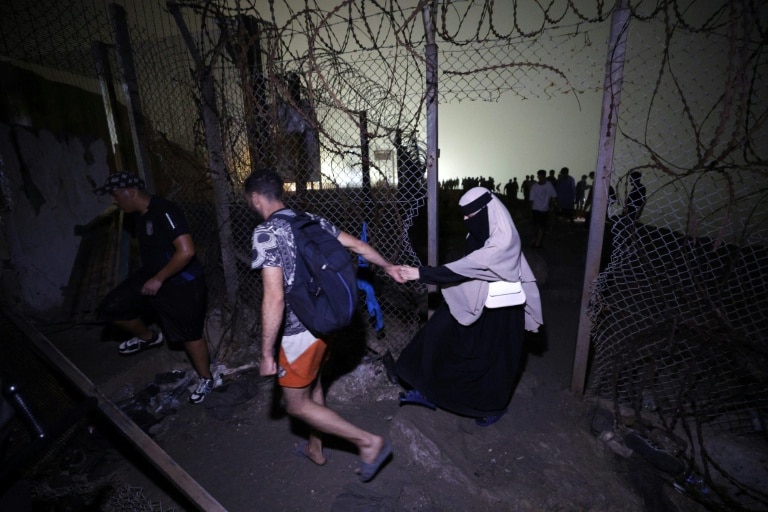
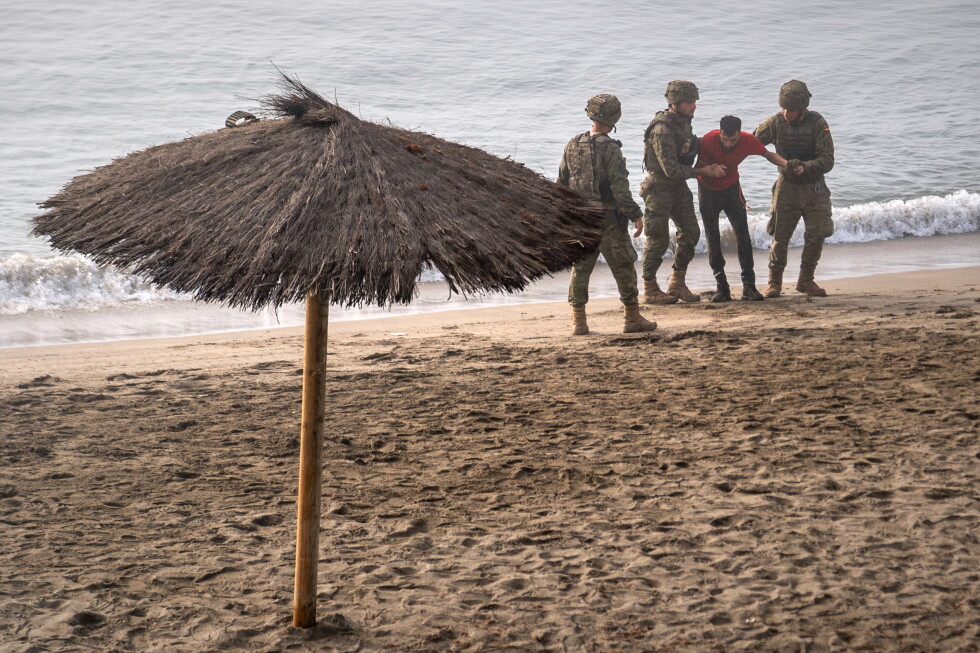
    A sudden, unprecedented wave of migration into Spain’s North African territory of Ceuta has sparked political upheaval across the European Union, with most of the 60,000 new arrivals having returned to neighboring Morocco by the end of the first week of the crisis. The mass crossing, which unfolded over just a few days, has reignited long-simmering divisions over EU border policy and exposed rifts between member states over how to handle irregular migration. By Friday evening, Spanish interior ministry data confirmed that more than 48,000 migrants had already crossed back into Morocco, with remaining arrivals steadily escorted out by Spanish security forces over the following day. AFP correspondents on the ground observed Spanish soldiers and police monitoring the border crossings closely, guiding any migrants who lingered on coastal paths back across the boundary without incident. To enter Ceuta, the vast majority of migrants swam around a small, partially submerged border barrier that extends into the Mediterranean Sea. The dangerous crossing claimed at least 34 lives, according to official tallies. For many of the migrants, the journey was driven by a desperate search for opportunity or family reunion. Nineteen-year-old Senegalese migrant Souleil Boyan told AFP that his only goal was to reach mainland Europe to find work and build a stable life. “We all know that in Africa there isn’t much opportunity,” Boyan explained as he waited for processing at a Ceuta migrant center alongside dozens of other sub-Saharan African arrivals. Forty-two-year-old Moroccan migrant Soufian, who works 12-hour daily shifts as a security guard for just 10 euros ($12) a day, said he crossed to see his ill mother who lives in Madrid. “Even though there’s no food, nothing at all, I’ll endure anything to see my mother,” he said, adding that for most migrants, the draw of a better future that is unavailable in their home countries is motivation enough to attempt the dangerous crossing. Soufian added that crossing took mere minutes after he learned the border had become passable from a friend, as his coastal hometown of Martil sits less than 40 kilometers from Ceuta. The unexpected mass influx triggered immediate political panic across the EU, with several member states moving quickly to tighten their own border controls with Spain. France ramped up checks along its shared border with Spain, announcing it would increase its police and gendarme presence fivefold to 334 officers by Saturday. Italy went further, suspending its participation in the Schengen Area’s visa-free free movement agreement with Spain for a period of one month. Multiple EU governments have even floated proposals to suspend Spain’s full membership in the Schengen zone in response to the crisis, though Spanish Foreign Minister Arancha González Laya has insisted the integrity of the border-free zone remains fully guaranteed. Spanish Prime Minister Pedro Sánchez blasted what he called the “selfish” response from some EU member states in a formal letter sent to the leaders of the European Commission and European Council, and called for an emergency video summit of the bloc’s interior ministers to address the crisis. Spain had already deployed hundreds of additional troops, police officers, drones, patrol boats, and divers to the centuries-old Spanish outpost to manage the surge. In the overnight hours leading into Saturday, AFP journalists saw dozens of migrants sleeping on Ceuta’s beaches and wandering the city’s coastal streets after crossing. At the border crossing, many departing migrants bid casual “adios” to Spanish officers before crossing back into Morocco. Scattered buoys and flippers left behind by migrants who swam the border still littered the shoreline and floated in shallow water near the fence, while security personnel patrolled the fog-shrouded coastal waters in rigid inflatable boats. To prevent future unauthorized crossings, Spanish authorities have already installed a new 500-meter pneumatic barrier near the main border post to reinforce perimeter security. The root cause of the sudden mass migration surge remains unclear, as Moroccan authorities have yet to release an official statement on the event. Ceuta, which spans just 18.5 square kilometers, and the nearby Spanish enclave of Melilla make up the EU’s only two land borders with the African continent. Past mass migration surges into Ceuta have coincided with diplomatic tensions between Spain and Morocco, including a 2021 incident that saw more than 10,000 migrants cross into the enclave over just 48 hours.

  • Death toll in Spain-Morocco border crisis in Ceuta reaches 67

    Death toll in Spain-Morocco border crisis in Ceuta reaches 67

    CEUTA, Spain – A devastating cross-border migration crisis between Spain and Morocco has entered a deadlier phase, with Spanish authorities confirming Saturday that the total number of fatalities has climbed to 67. The crisis unfolded earlier this week when tens of thousands of irregular migrants successfully breached the border defenses of Ceuta, a small Spanish autonomous territory located on the North African coast. In response to the unprecedented influx that has strained local resources and security capabilities, the Spanish government has announced urgent defensive measures: the construction of a new containment barrier along the breakwater fence that extends out into the adjacent sea. This barrier is designed to prevent additional unauthorized entries into the territory, as regional officials work to manage the ongoing humanitarian and security fallout from one of the most significant border events in the region in recent years.

  • Search resumes for missing climbers after avalanche on Pakistan’s Broad Peak

    Search resumes for missing climbers after avalanche on Pakistan’s Broad Peak

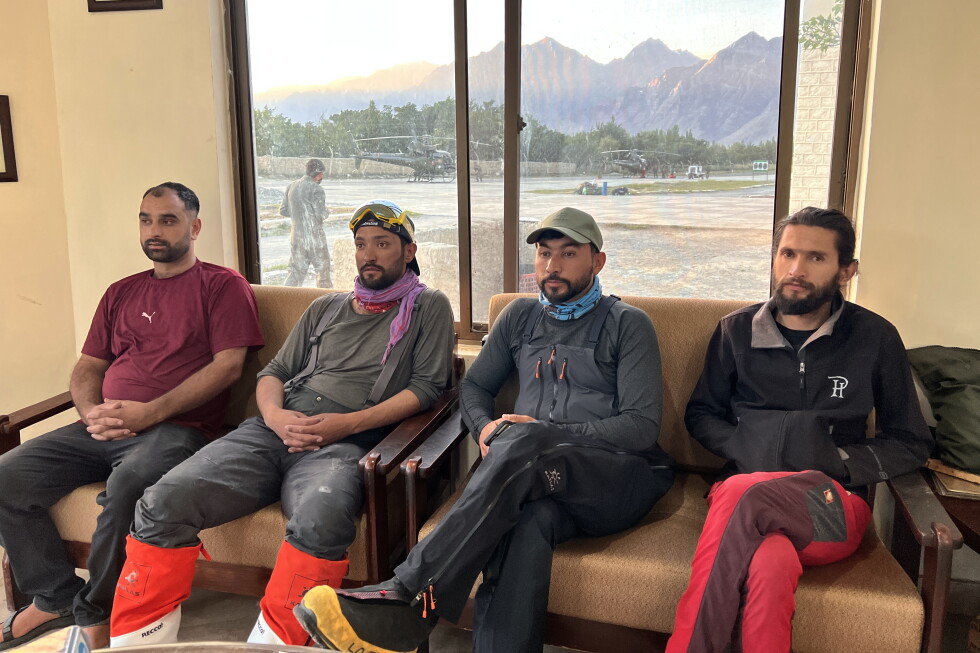
    ISLAMABAD, Pakistan – Rescue teams supported by military aviation assets have restarted search operations for six missing mountaineers who were swept away in a sudden avalanche on Pakistan’s Broad Peak, officials confirmed Saturday. The recovery effort comes one day after three of the four fatalities located so far were extracted from the disaster site, deepening a tragedy that has hit the global mountaineering community.

    Local law enforcement official Tahir Khan outlined the status of victim identification and transport Saturday. The remains of Omani climber Nathira Ahmed are being airlifted to Pakistan’s capital, Islamabad, for final processing and repatriation. Meanwhile, the bodies of American climber Mallory Geis and Nepalese climber Bahadur Gurung are currently held at a medical facility in Skardu, the primary urban hub for expeditions in Pakistan’s northern Gilgit-Baltistan region.

    Despite the continuation of ground and air search efforts, officials have acknowledged that optimism for finding the missing climbers alive is rapidly diminishing. Karrar Haidri, vice president of the Alpine Club of Pakistan, shared that the entire 10-member expedition lost all contact with its base camp on Thursday, moments after the avalanche hit the team as they were ascending the 8,051-meter mountain, one of the world’s 14 peaks over 8,000 meters.

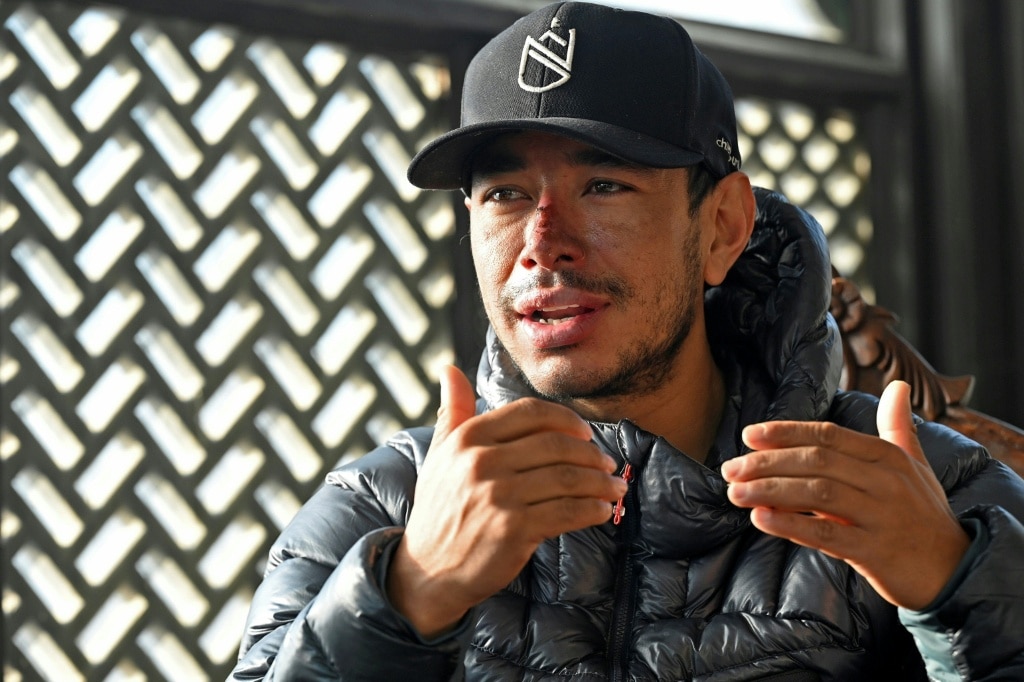
    The full expedition roster, released by the Alpine Club, includes five Nepalese climbers, the Omani and American climbers, Pakistani climber Sohail Sakhi, a Chinese climber identified publicly only by the surname Wang, and a sixth foreign member whose identity has not yet been released to the public. The expedition was organized under the leadership of famed high-altitude mountaineer Nirmal Purja, a Nepal-born former British Army soldier known widely to the climbing community as Nims Dai. Purja earned global acclaim in 2019 when he completed ascents of all 14 of the world’s 8,000-meter peaks in a groundbreaking 189 days, a feat that was later chronicled in the popular Netflix documentary *14 Peaks: Nothing Is Impossible*. Purja’s record was ultimately broken in 2023 by another climber.

    Pakistan-based adventure travel firm Moving Mountains announced the expedition’s departure in late April, sharing that the team had departed for the remote starting town of Askole and extending well wishes for a safe summit bid. According to the company’s public profile of the team, the Broad Peak attempt marked Geis’ first effort to summit an 8,000-meter peak in Pakistan. For Sakhi, the expedition was planned to be his final major climb before retirement. A veteran guide for Moving Mountains, Sakhi is also an accomplished geographer and high-altitude photographer who has already summited many of the world’s most iconic high peaks.

    High-altitude climbing in northern Pakistan carries inherent and persistent risk: avalanches, falling rock and ice, extreme altitude sickness, and rapidly shifting weather patterns make accidents a regular occurrence for expedition teams operating in the region. Multiple experienced climbing teams are assisting military personnel in the ongoing search for the six missing climbers, with army helicopters conducting regular aerial scans of the avalanche path to locate any signs of the missing team members.

  • Teen allegedly showered driver with pepper spray during attempted robbery

    Teen allegedly showered driver with pepper spray during attempted robbery

    A violent attempted car theft targeting a rideshare driver in suburban Perth has left one 15-year-old boy facing multiple serious criminal charges, with Western Australia Police still hunting for a second suspect involved in the Thursday afternoon attack.

    According to official statements from WA Police, the incident unfolded when the driver picked up two young male passengers from the suburb of Balga, located in Perth’s northern corridor. As the trip progressed, the pair began threatening the driver, with the 15-year-old suspect brandishing oleoresin capsicum (OC) pepper spray during the confrontation.

    The driver managed to escape the vehicle when the group stopped at a service station in the nearby suburb of Greenwood. But law enforcement alleges the teen suspect did not stop there: he followed the fleeing driver out of the car and deployed the pepper spray directly against him, leaving the driver physically affected by the chemical irritant.

    After the attack, both suspects fled the scene on foot. However, police tactical and patrol units quickly established a search perimeter, and the 15-year-old was taken into custody only a short distance away in Balga, within hours of the incident.

    The teen has been formally charged with four criminal offenses: aggravated armed robbery, attempted theft of a motor vehicle, criminal threats to commit an unlawful act, and administering a harmful poison. He was scheduled to make his first court appearance at the Perth Children’s Court on Saturday.

    Investigations remain active, as police have not yet located the second male suspect connected to the attack. WA Police have issued a public appeal for any community members who may have witnessed the incident, or who hold private dashcam, CCTV or phone footage from the Balga and Greenwood areas on Thursday afternoon, to contact Crime Stoppers immediately with any information that could help advance the case.

  • Search resumes for missing climbers from Pakistan avalanche

    Search resumes for missing climbers from Pakistan avalanche

    In the harsh, glaciated terrain of northern Pakistan’s Karakoram Range, rescue operations have restarted for seven climbers missing following a devastating avalanche that hit an international expedition on Broad Peak, one of the world’s highest 8,000-metre mountains. As of Saturday, three bodies have been recovered from the avalanche site, with more suspected visible in aerial drone footage. The disaster unfolded on Thursday, when the 10-member expedition, led by acclaimed British-Nepali climber Nirmal Purja, was ascending to the summit of the 8,047-metre peak at roughly 6,600 metres above sea level. Contact with the full team was lost immediately after the avalanche struck, and Purja is among the seven still unaccounted for. The three remains recovered so far, airlifted by military helicopter for formal identification, include an American woman, an Omani woman, and a Nepali man, per a statement released late Friday by the regional Government of Gilgit-Baltistan. Severe, unpredictable high-altitude weather forced rescue teams to suspend search efforts on Friday, but operations resumed Saturday for a second consecutive day of searching. High-altitude porters, local specialized rescuers, and Pakistani army personnel are leading the operation, supported by military helicopters that have been scouring the avalanche-prone slope. Rescue teams stayed overnight at Broad Peak’s base camp to maintain progress on the mission, and officials confirmed that drone imagery has already detected additional suspected bodies on the mountainside. “The rescue operation is being conducted under extremely challenging terrain and high-altitude weather conditions by the Pakistani army in coordination with local high-altitude climbers and rescuers,” the regional government statement noted. According to data from the climbers’ personal tracking devices, the force of the avalanche swept the missing climbers hundreds of metres down the slope, explained Naila Kiani of Pakistan’s Alpine Club in an interview with French outlet Le Monde. The expedition included 10 members from five countries: Purja himself, five Nepali climbers, one Pakistani, one Omani, one American, and one climber from China. The team made their last confirmed contact with outside parties on Thursday morning, and news of the avalanche began to circulate later that same day. For 43-year-old Purja, the expedition was part of a historic climbing quest: he had announced publicly on social media platform X earlier this week that he was on the cusp of becoming the first person to summit all 14 of the world’s 8,000-metre “super peaks” twice without using supplemental oxygen. “Broad Peak, I ask for nothing but safe passage up and back down,” he wrote in his final post before the avalanche. Before becoming a full-time professional mountaineer and expedition guide, Purja served 10 years in the British military, including service with the Brigade of Gurkhas and the Royal Marines’ Special Boat Service. Since turning to professional climbing, he has broken dozens of mountaineering records, most famously his 2019 expedition that saw him summit all 14 8,000-metre peaks in just six months and six days – a feat that set a new world record at the time. Broad Peak, first successfully summited by an Austrian expedition in 1957, ranks as the 12th highest mountain on Earth. It is widely regarded by the climbing community as one of the most technically challenging and dangerous of all 8,000-metre ascents, prone to sudden avalanches and unpredictable severe weather.

  • Russian attacks on Kyiv kill 9, wound more than two dozen

    Russian attacks on Kyiv kill 9, wound more than two dozen

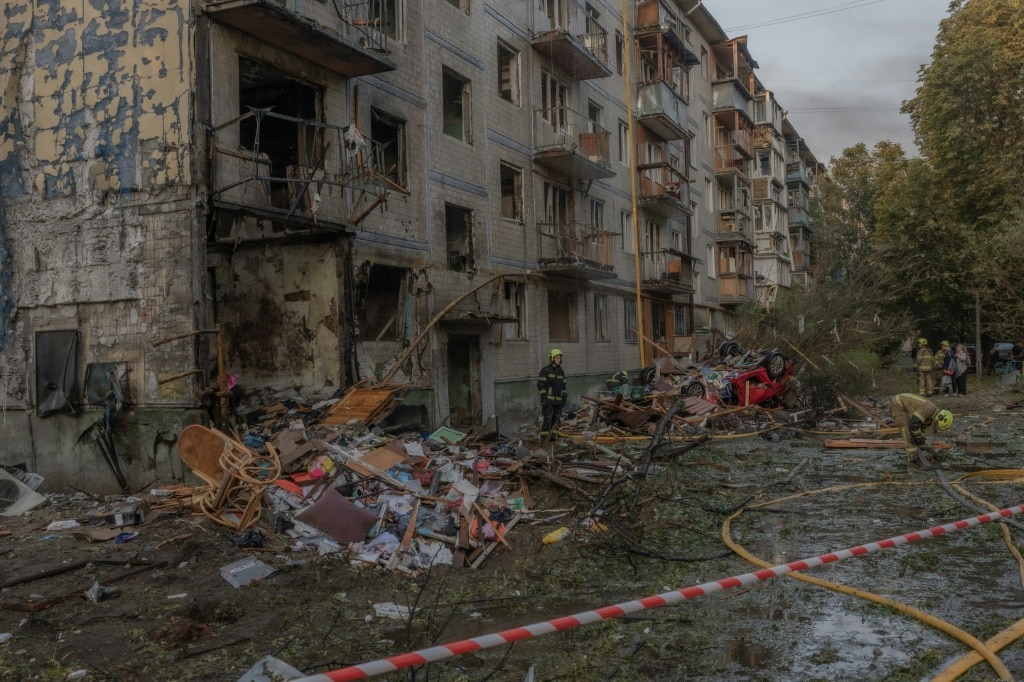
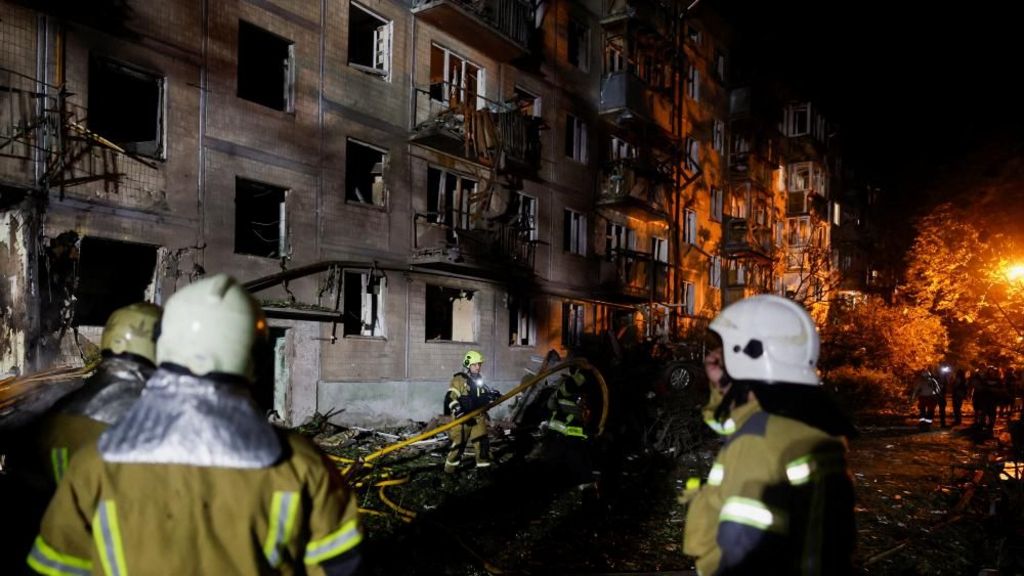
    Fresh Russian ballistic missile strikes on Ukraine’s capital Kyiv have left at least nine civilians dead and 28 others injured, including four children, in one of the deadliest single attacks on the city in recent weeks, Ukrainian emergency authorities confirmed Saturday. The assault, which Russia’s defense ministry confirmed was a “massive strike” targeting military infrastructure, spread damage and chaos across five districts of Kyiv, leaving residential buildings destroyed, vehicles incinerated, and residents displaced just months into an escalating cycle of cross-border attacks that has intensified since the start of 2025.

    Kyiv Mayor Vitali Klitschko issued an immediate public warning via Telegram early Saturday, writing, “Explosions in the city. Kyiv is under ballistic missile attack. Stay in shelters!” Reporters from Agence France-Presse on the ground recorded more than 10 consecutive explosions that echoed across the city, triggering blaring car alarms across residential streets and sending residents scrambling for underground safety.

    The toll was heaviest in Kyiv’s Darnytsky district, where seven civilians were killed and 14 more wounded. In Solomiansky district, two additional civilians died and eight were injured after a strike directly hit a five-story residential apartment block, reducing units to rubble and blowing out windows across the entire neighborhood. Seventy-five-year-old Kateryna Kravchenko, a lifelong resident of the damaged building, described the shock of the attack to AFP. “Everything was smashed, the windows, everything,” she said. “I can barely stand. I don’t know how I’m going to get through all this.” Forty-six-year-old Oksana, another resident whose home was damaged, told reporters she planned to flee Kyiv immediately. “You can’t stay here after something like this,” she said. “What guarantee is there that it won’t happen again?”

    Russian defense officials stated the strike was aimed exclusively at “military-industrial complex enterprises and logistics centers” supporting Ukraine’s war effort, but the damage overwhelmingly impacted civilian residential infrastructure. By Saturday morning, Ukraine’s State Emergency Service announced it had pulled 105 survivors from rubble and damaged buildings across the attack zones, with search and rescue operations continuing into the afternoon.

    The latest assault comes amid a sharp escalation of hostilities between Moscow and Kyiv that has stretched across the past four months, after nearly four and a half years of full-scale war. As Russia has stepped up long-range missile and drone strikes across Ukrainian population centers, Ukraine has pushed its Western allies to deliver more advanced air defense systems to shield civilian infrastructure. Data from the United Nations confirms June 2025 was the deadliest month for Ukrainian civilians since April 2022, when Russian forces were pushed back from northern Ukraine early in the full-scale invasion.

    Ukraine has matched Russia’s escalation with its own series of deep strikes inside Russian territory, targeting military infrastructure and key economic sites in an effort to increase pressure on Moscow to enter substantive peace negotiations. Overnight Saturday, Russia’s defense ministry claimed its air defense systems intercepted and destroyed 275 Ukrainian drones launched across multiple regions of Russia. One of the highest-profile recent Ukrainian strikes hit a logistics warehouse owned by Wildberries, Russia’s largest online retail giant, in the southern city of Volgograd, which caught fire Friday after an overnight attack. Kyiv has long accused Wildberries of storing drone components for the Russian military and supporting Moscow’s war effort, a charge the company has repeatedly denied.

    The attack on Kyiv comes just days after Ukrainian President Volodymyr Zelensky held high-stakes talks with U.S. President Donald Trump in Washington. Following the meeting, Zelensky announced Trump had agreed to license domestic production of Patriot air defense missiles in Ukraine—a critical capability that would allow Kyiv to replenish its interceptor stockpiles independently. But Trump walked back that commitment Friday, telling reporters Washington would have to be “very careful” before approving the production license.

    Speaking Saturday following the Kyiv strikes, Ukrainian Foreign Minister Andrii Sybiha reiterated the country’s urgent plea for additional defense support. “Russia’s attacks show that Ukraine urgently needs additional air and missile defense systems and interceptors,” he said. “It is the battle for the skies that will define the trajectory of this war. The stronger the air shield over Ukraine, the closer peace becomes.”

  • Columbia University student workers’ union withdraws Israel divestment demand

    Columbia University student workers’ union withdraws Israel divestment demand

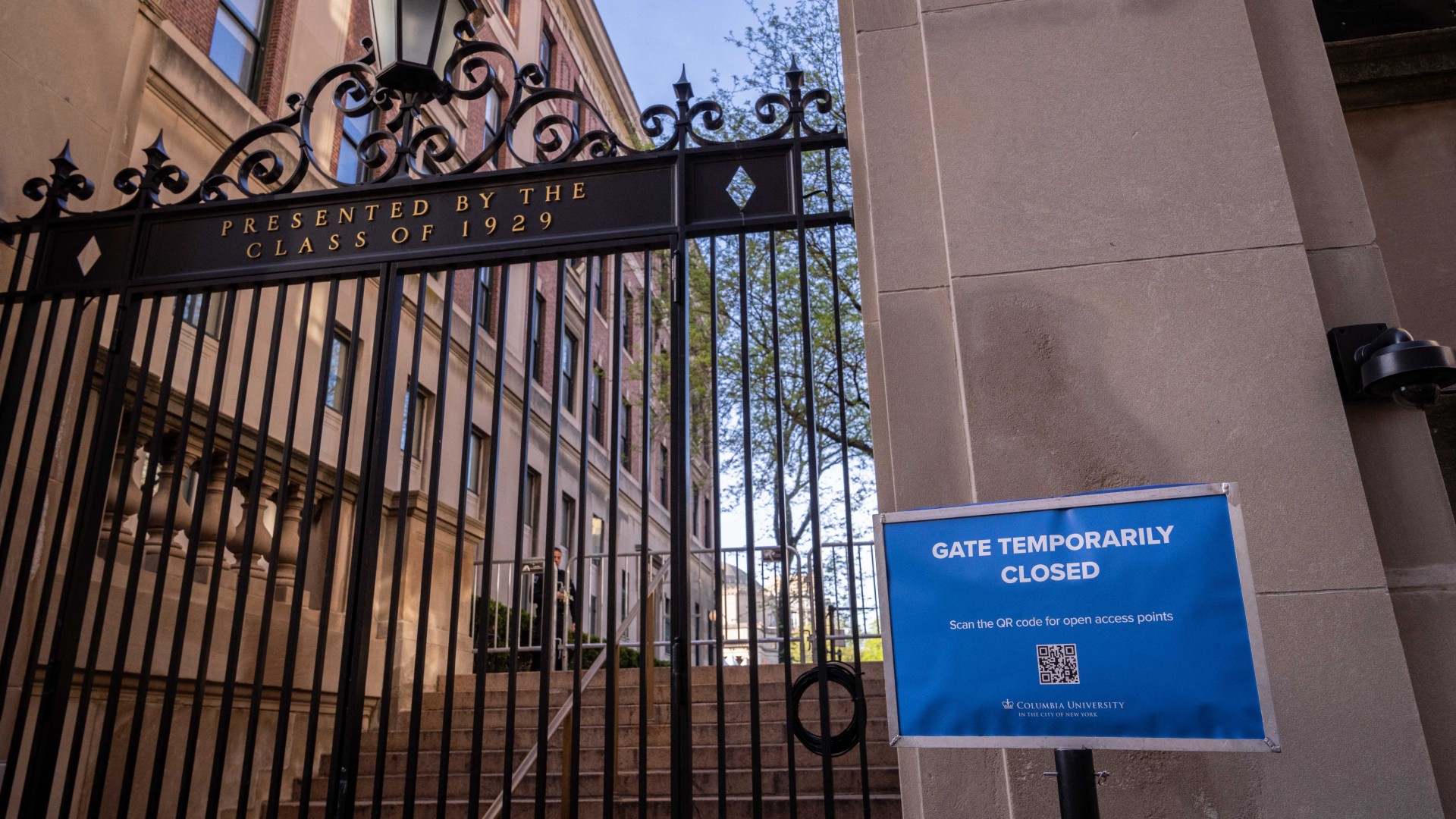
    In a move that marks a stark shift in the union’s political priorities, the 3,000-strong Student Workers of Columbia-United Auto Workers (SWC-UAW) has voted to withdraw its landmark demand that Columbia University divest all financial ties linked to Israel, during a collective bargaining session this week. The decision to pull the controversial contract proposal, formally titled “Obligations Under International Law,” came out of a general body vote held Monday by the union, which represents both undergraduate and graduate student workers at the Ivy League institution.

    The withdrawn proposal had carried far-reaching demands beyond divestment. It sought to force the university to cut financial ties with any companies and state actors the United Nations or International Criminal Court deemed to violate international law, require Columbia to publish full details of all its direct and indirect investments twice every fiscal year, and grant the union the right to submit a formal list of entities the university must divest from, complete with the union’s own documentation of alleged international law violations. The union had long justified the proposal on the grounds that its members, who generate core academic and operational value for Columbia, deserve a formal say in how the institution invests its endowment and institutional funds.

    This withdrawal represents a major strategic reversal for the union, which has been a central institutional backer of Columbia’s pro-Palestinian student movement since the outbreak of the Israel-Gaza war in October 2023. The conflict, which began after Hamas carried out cross-border attacks on southern Israel that killed approximately 1,200 people and took 240 hostages, has left more than 73,000 people dead in Gaza according to Gaza’s Ministry of Health, sparking widespread protests across college campuses in the United States and around the world. For Columbia’s pro-Palestinian movement, financial divestment from Israel has remained the top policy demand, after activists set up the high-profile “Gaza Solidarity Encampment” and occupied the university’s Hamilton Hall in April 2024. Those actions drew national attention, prompting two NYPD sweeps to clear the encampment and re-take the occupied building.

    In the months following the 2024 campus protests, SWC-UAW cemented its alignment with the pro-Palestinian movement: it passed a June 2024 resolution endorsing the Boycott, Divestment, and Sanctions (BDS) movement against Israel, called on Columbia to end its dual degree program with Tel Aviv University, and pushed to scrap plans for a new Columbia global center in Tel Aviv. The union also passed a separate “Cops off Campus” resolution the same month, calling for a permanent ban on NYPD officers from the university’s Morningside Heights campus.

    The divestment demand withdrawal comes as SWC-UAW and Columbia administration have remained deadlocked in negotiations over a new collective bargaining contract, which the union originally expected to finalize by June 2025, when its first contract was set to expire. Talks have stalled over a fundamental disagreement: what counts as a permissible “workplace issue” for collective bargaining under the existing 2018 framework that governs negotiations between the two parties.

    To date, the union has put forward 34 separate contract articles covering everything from wage increases and healthcare benefits to job security protections amid growing adoption of artificial intelligence in academic work. But Columbia administration has refused to negotiate on the majority of these proposals, arguing they fall outside the bounds of the 2018 bargaining framework, which restricts negotiations to narrow workplace issues rather than academic or operational institutional policy. Under the U.S. National Labor Relations Act, both parties are only legally required to bargain over mandatory subjects such as wages and working conditions, leaving policy-focused proposals like divestment outside of mandatory bargaining requirements.

    As negotiations continue, Columbia is still on track to open its long-planned Tel Aviv global center this coming summer, a milestone that pro-Palestinian activists have repeatedly sought to block.

  • ‘I just want a chance’: Moroccans sought better future in collective crossing to Spain territory

    ‘I just want a chance’: Moroccans sought better future in collective crossing to Spain territory

    The Spanish North African enclave of Ceuta was recently overwhelmed by an unprecedented surge of migrant crossings, an event that has laid bare the deep economic desperation driving many Moroccans to risk everything for a chance at a new life in the European Union. What unfolded over 24 hours between Thursday and Friday was one of the largest mass border movements the territory has ever seen, with more than 60,000 people crossing into the small territory that is home to just around 85,000 permanent residents.

    For many migrants, the journey was rooted in years of unmet hope and limited economic opportunity at home. Twenty-one-year-old aspiring teacher Abdulah Buji was among the first to rush toward the border after word spread that fence lines had been breached. Riding his motorbike from his home in northern Morocco, Buji joined thousands of other people who swam across the water into Ceuta, clinging to the belief that reaching Spanish soil would open the door to a better future than what Morocco could offer. “I am a talented boy. I just want a chance,” Buji told reporters, explaining that after 14 years of education, the only work available in his home country would force him to work 12-hour days for extremely low pay. But his optimism quickly faded once he arrived. Spanish authorities had already moved to seal off any onward travel to mainland Spain, and ordered all new arrivals to return to Morocco or face forced expulsion and detention. Having already lost all his belongings and savings during the crossing, Buji ultimately chose to head back to Morocco, disappointed that the opportunity he sought was nowhere to be found. He is far from alone: more than 50 migrants died while attempting the swim around Ceuta’s border fence during this mass crossing event.

    By the end of the first full day after the surge began, roughly 45,000 of the 60,000 arrivals had returned to Moroccan territory. The remaining thousands spent the night sleeping on Ceuta’s streets, surrounded by armed Spanish police and military personnel deployed to restore order, as shocked local residents adjusted to the sudden influx that equaled 70% of the enclave’s entire population. Local officials urgently called for additional security personnel to manage the crisis, and residents expressed growing unease as thousands of mostly young migrant men wandered the streets with no clear destination. This event marks a far larger humanitarian emergency than a similar 2021 incident, when Moroccan authorities temporarily lifted border controls and allowed several thousand migrants to enter Ceuta over two days.

    As word of the initial crossings spread across social media, thousands more people across Morocco headed toward the Ceuta border, crowding train stations in major cities including the capital Rabat and Casablanca, Morocco’s largest urban center. Local media footage showed Moroccan police blocking many would-be migrants from boarding trains and buses bound for the northern border region. Researchers note that the mass movement was heavily amplified by social media, where posts encouraging crossings and sharing practical tips for entering Ceuta circulated widely in the days before the surge. “It isn’t clear what triggered the influx, but social media was awash with posts encouraging Moroccans to try to enter Ceuta days before it began,” explained Myriam Cherti, a senior migration researcher at the University of Oxford’s Centre on Migration, Policy and Society. Cherti added that many of the migrants she has interviewed have attempted to cross the border dozens of times, driven not by recklessness but by deep desperation. “They’re doing it out of despair, they’re doing it because they’ve tried other ways to build a life and failed, they’re doing it because they feel the obligation that they want to help their families and support them,” she said. “And that’s possible if they make it to Spain and not necessarily possible if they stay” in Morocco.

    Thirty-three-year-old Ahmed Karim, who successfully crossed into Ceuta, echoed that sentiment, noting that widespread unemployment and strict border restrictions leave most Moroccans with no legal path to travel to Europe or North America. “They don’t have the opportunity,” he said.

    Not all of those who crossed into Ceuta came to stay; many arrived searching for missing loved ones who had attempted the crossing and had not been heard from. Ikrra Khai, a 33-year-old who regularly holds a temporary work permit to harvest crops on Spanish farms, was in Ceuta searching for the brother of a close friend. “I don’t know if he is dead or alive,” she said. “I have his residency card. But I don’t know where he is. I’m searching.”

    The reporting for this story was led by Joseph Wilson from Barcelona, Spain, with additional contributions from Danica Kirka in London and Akram Oubachir in Fnideq, Morocco.

  • Russian strikes on Kyiv kill at least four, Ukraine officials say

    Russian strikes on Kyiv kill at least four, Ukraine officials say

    Early Saturday morning, emergency response teams raced across Kyiv after a Russian ballistic missile strike tore through residential areas of the Ukrainian capital, leaving at least four people dead and 15 others injured, city officials confirmed. Among those wounded were two teenage boys, aged 13 and 17, adding a tragic personal dimension to the latest escalation of Russian airstrikes on urban centers in Ukraine. Kyiv Mayor Vitali Klitschko confirmed the casualties, while the Kyiv City Military Administration formally verified the four fatalities. According to Agence France-Presse, more than 10 separate explosions echoed across the city in the early hours of the attack. Blazes broke out at multiple locations, with local power grids knocked offline in several districts. A multi-story apartment building in Kyiv’s Shevchenkivskyi neighborhood suffered partial structural collapse, leaving an unknown number of residents trapped under rubble as firefighters worked frantically to reach them. Separately, a large commercial warehouse in the Darnytskyi district was fully engulfed in flames by the time first responders arrived.

    This strike marks the latest in a sharp uptick of deadly Russian ballistic missile assaults targeting Kyiv, a surge that has pushed Ukrainian air defenses to their breaking point and left President Volodymyr Zelensky pleading for urgent supplies of air defense interceptors. The Saturday attack came just 48 hours after a suspected Russian cruise missile, fired during another nationwide wave of strikes that killed eight people across Ukraine, crashed across the border into Poland. That earlier attack on Ukraine claimed the lives of six members of a single family in a village near Kryvyi Rih, underscoring the growing civilian toll of the ongoing air campaign.

    The urgency of Ukraine’s interceptor shortage comes as Zelensky met recently with U.S. President Donald Trump in Washington D.C. to lobby for a U.S. license that would allow Ukraine to manufacture its own Patriot interceptor missiles, the only weapon system currently in Ukraine’s arsenal that can successfully intercept incoming Russian ballistic missiles. During a cabinet meeting held at the Camp David presidential retreat on Friday, Trump addressed the ongoing negotiations, telling reporters that the U.S. had not yet approved Ukraine’s request to produce Patriots, though discussions remain active. “We have to be very careful about letting somebody build them,” Trump said, framing the decision to share the advanced U.S. missile technology as a high-stakes step that requires cautious consideration. Trump’s current stance marks a shift from his position just weeks earlier, when he indicated he was open to granting Ukraine the production rights.

    As Russia ramps up its airstrike campaign to overwhelm Ukrainian air defenses, stockpiles of the critical Patriot interceptors have dwindled rapidly, leaving large swathes of Ukrainian territory vulnerable to attack. In recent months, Ukraine has responded with escalating retaliatory strikes targeting Russian logistics infrastructure. Recent attacks have targeted multiple retail warehouses operated by Wildberries, Russia’s largest e-commerce platform. Ukrainian officials have confirmed these strikes are intended to disrupt Russian military supply chains, noting that the logistics hubs are used to source and distribute equipment for frontline Russian troops.