博客

  • ‘Transcended football’: Blues on the hunt for a new coach after Laurie Daley stands down following famous win

    ‘Transcended football’: Blues on the hunt for a new coach after Laurie Daley stands down following famous win

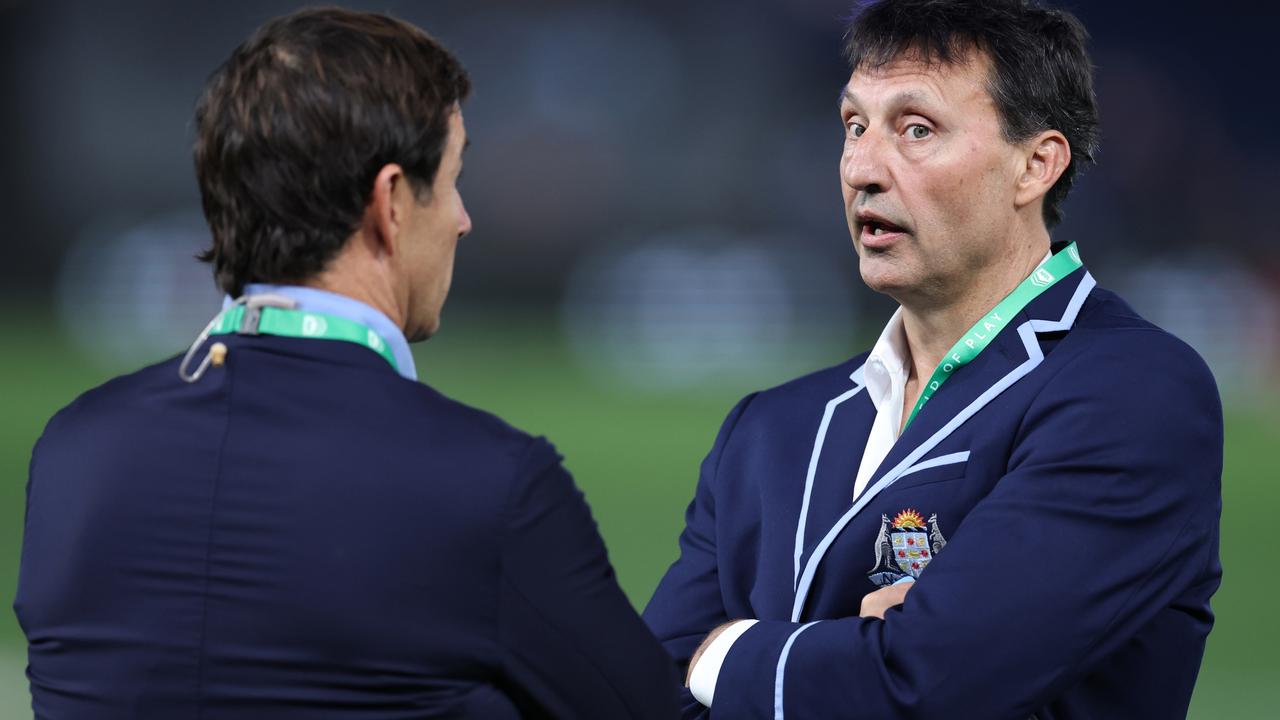
    Weeks after delivering a landmark State of Origin series victory for New South Wales at Brisbane’s Suncorp Stadium, Laurie Daley has formally announced his departure from the role of NSW Blues head coach, leaving NSW Rugby League (NSWRL) officials with a pivotal decision to make on his replacement.

    Daley, one of the most iconic figures in NSW rugby league history, bows out of the top job at the peak of his coaching tenure, wrapping up a decorated association with the Blues that spans decades as both a player and a leader. His playing career saw him make history as the first NSW captain to secure three consecutive State of Origin series wins between 1992 and 1994, and he carried that winning legacy into coaching. He first took the helm in 2014, where he ended Queensland’s record-breaking eight-year consecutive series winning streak – a triumph still regarded as one of the greatest upsets in Origin history. After a short break, Daley returned for a second coaching stint last year, facing widespread scrutiny from fans and pundits alike after NSW lost a home decider in 2024. Criticism followed him into the 2026 series, with analysts questioning his player selection strategies and bench management tactics. But Daley brushed off the backlash to lead the under-pressure Blues to a decisive game three victory in Brisbane, cementing his place in Origin folklore: he is the only NSW representative to claim an away series win at Suncorp Stadium as both a captain and a coach.

    In a statement confirming his departure, Daley spoke of his lifelong pride in representing his home state. “I’ve always considered it an absolute honour and privilege to be involved with the NSW Blues State of Origin team, whether that was as a player or a coach, and I’ve always been ready to answer the call for my state whenever they needed me,” he said. “We faced plenty of challenges in the 2026 series and I’m proud of the way the players banded together to overcome them and save their best performance for game three in Brisbane to secure a memorable series win. I thank the fans for their passion and their support, and I can’t think of a better way to move on with the shield back where it belongs in NSW.”

    Daley added that he was grateful for the opportunity to work alongside a talented cohort of players, coaching staff and administrators throughout his tenure. “The dedication, resilience and care they showed for each other and for the jersey is something I will always be proud to have witnessed,” he said.

    NSWRL chief executive David Trodden, who faced heavy criticism for choosing to re-appoint Daley last year, said the 2026 series win vindicated that decision, adding that the organisation owed Daley a profound debt of gratitude for his decades of service. “NSWRL owes a massive debt of gratitude to Laurie for the service he has given to his state as both a player and a coach,” Trodden said. “He is widely regarded as one of the greatest players to have ever pulled on a sky blue jumper. He has also led NSW to arguably two of the greatest Origin series wins of all time as a coach after ending Queensland’s eight-year winning streak in 2014 and overcoming adversity to steer the Blues home in 2026. Those wins transcended football. They lifted and reinvigorated the whole state. He deserves to leave the NSW Origin arena as the hero that he is.”

    Now, NSWRL officials face the task of selecting a new head coach to carry on Daley’s legacy, with two high-profile former Blues stars emerging as the early frontrunners. Former Blues captain Boyd Cordner, who served as an assistant coach under Daley during the 2026 series, is widely tipped as the top candidate to take over for the next campaign. Cordner, who represented NSW 16 times throughout his playing career, has already built a strong coaching resume through his successful work leading the Sydney Roosters’ youth development pathways program.

    Fellow former Blues forward and current assistant coach Matt King is the second leading contender for the role. Penrith Panthers head coach Ivan Cleary, who is set to finish his tenure with the Panthers next year, has been heavily linked to the job despite publicly ruling himself out of the running for 2027. Many rugby league observers continue to push for Cleary to take over the role immediately, with a potential move to the Blues job in 2028 already flagged if he declines an earlier appointment. Should the top two frontrunners and Cleary decline the opportunity, Andrew and Matthew Johns are considered long-shot outsider candidates for the role.
  • 60yo man shot in home invasion at South Wentworthville, Sydney

    60yo man shot in home invasion at South Wentworthville, Sydney

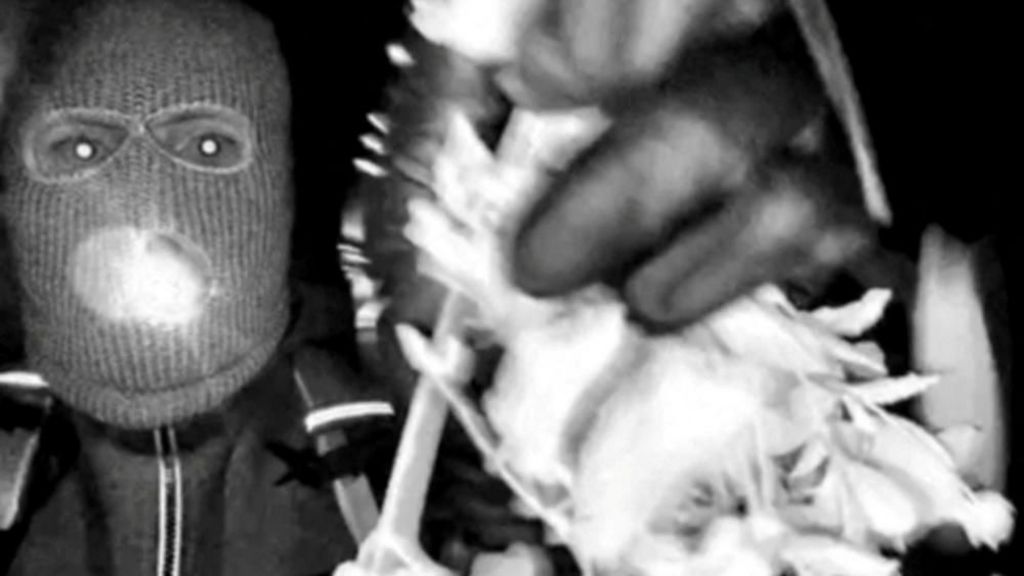
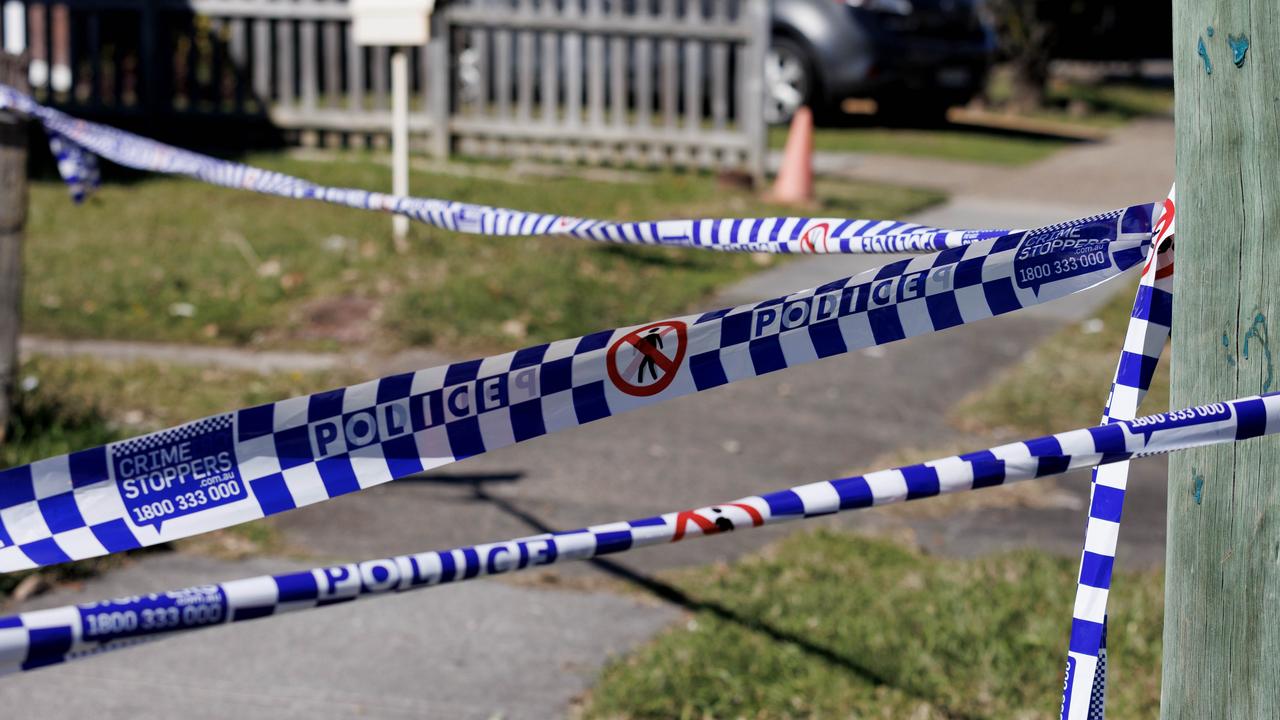
    A violent late-night home invasion has left a 60-year-old resident injured in South Wentworthville, western Sydney, after two attackers disguised in balaclavas broke into his property and opened fire. Emergency services responded to reports of the shooting on Boronia Street just after 9:10 PM on Sunday, rushing the wounded man to hospital for urgent treatment.

    According to initial statements from New South Wales Police, the two assailants gained entry to the residential property before shooting the man and fleeing the area immediately after the attack. Hospital officials confirmed that while the victim is being treated for a gunshot wound, his injuries are not classified as life-threatening, and he remains in a stable condition as he receives care.

    Law enforcement officers have now cordoned off the property to establish a formal crime scene, where forensic teams are processing evidence to identify the attackers and determine a motive for the assault. Investigators have issued a public appeal for any witnesses, or members of the local community who noticed suspicious activity on Boronia Street around the time of the incident, to contact police with any information that could assist the ongoing inquiry.

  • Ariana Grande pulls out of musical for break from ‘endless’ scrutiny

    Ariana Grande pulls out of musical for break from ‘endless’ scrutiny

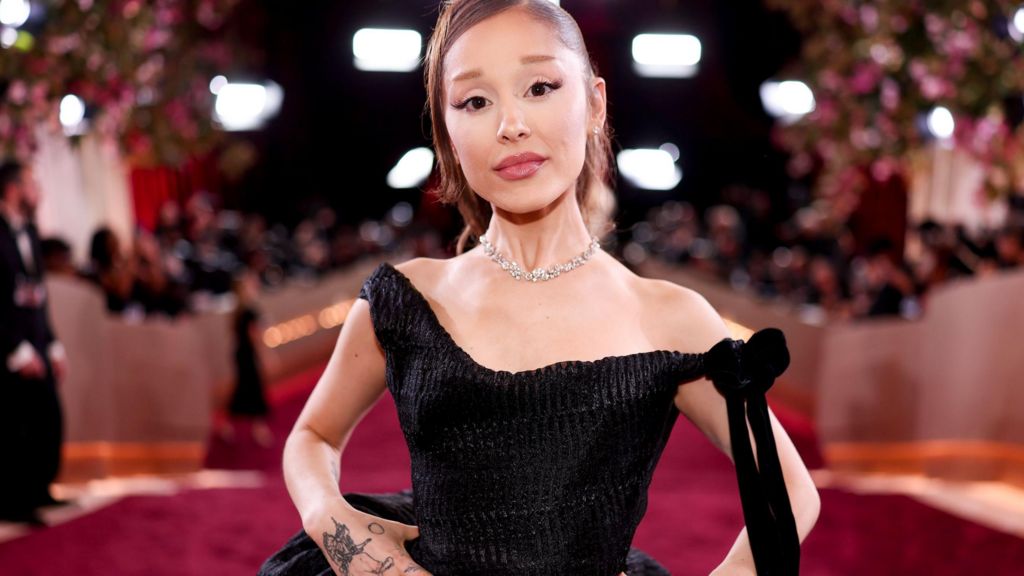
    Global pop superstar Ariana Grande has announced she will step away from the public eye and exit a highly anticipated West End musical production once her current world tour wraps up, ending months of growing speculation over her well-being amid relentless public attention.

    The 33-year-old Grammy-winning singer, whose latest studio album *Petal* dropped just two days ago, has faced heightened online and tabloid scrutiny over her physical appearance and personal health in recent years. That speculation exploded in recent days after promotional materials for the new record sent social media discussions about her body trending. A spokesperson for Grande confirmed the star’s plans to *People* magazine, noting that she will pull back from public visibility following the conclusion of her *Eternal Sunshine* tour next month, a break prompted by what the representative called “endless, ongoing public scrutiny.”

    Grande was originally attached to star as Dot in a major 2027 revival of Stephen Sondheim’s beloved 1984 musical *Sunday in the Park with George*, scheduled to run at London’s iconic Barbican Centre. She was set to share the stage with her *Wicked* movie co-star Jonathan Bailey, who would portray the iconic pointillist painter Georges Seurat in the production. On the heels of Grande’s public break announcement, the show’s producing team, Empire Street Productions, confirmed her exit and expressed full backing for her decision.

    “Following this evening’s announcement from Ariana Grande’s team, we can confirm that she has decided to step back from *Sunday in the Park with George*,” a representative for the production told the BBC. “We know this cannot have been an easy decision, and she makes it with our complete understanding and support. We wish her nothing but the best.” The production will move forward with a new casting search to fill Grande’s role, the team confirmed.

    Grande’s representative pushed back against harmful speculation about the singer’s health, emphasizing that she remains in good shape as she finishes the final leg of her demanding tour. The *Thank U, Next* and *7 Rings* hitmaker’s *Eternal Sunshine* tour is a physically demanding production that requires high-level athletic performance night after night, and the representative confirmed she has consistently delivered successful, healthy shows throughout the run. The star looks forward to wrapping the tour “on a high note, both healthily and happily” before beginning her planned break from public life, they added.

    The BBC has reached out to Grande’s representatives for additional comment following the announcement, which has drawn widespread support from fans across social media who have echoed calls for less invasive scrutiny of celebrities’ personal lives and bodies.

  • ‘They almost killed my child’: Women in Syria’s Roj camp describe night of gunfire and fear

    ‘They almost killed my child’: Women in Syria’s Roj camp describe night of gunfire and fear

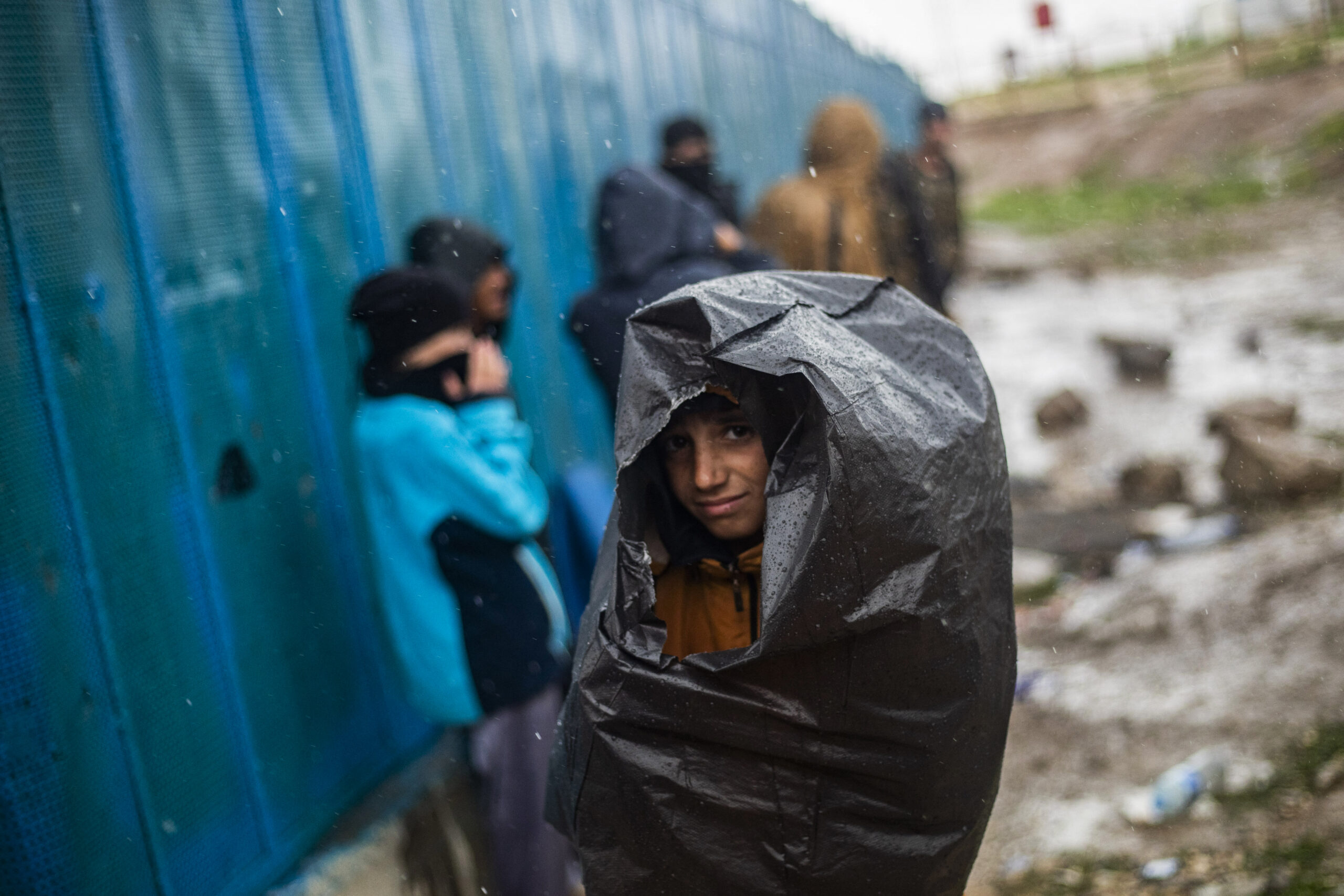
    On a Friday evening in northeastern Syria, gunfire rang out across the sprawling Roj detention camp, a facility that holds thousands of foreign women and children linked to suspected Islamic State fighters, leaving detainees trapped in a night of terror that has renewed global scrutiny of the camp’s long-troubled conditions. Multiple firsthand testimonies collected by Middle East Eye (MEE) confirm that Kurdish-led Syrian Democratic Forces (SDF) opened fire during a confrontation with protesting detainees, with bullets piercing through fabric tents where children were sheltering. While no casualties were reported in the incident, detainees describe widespread psychological trauma from the episode, which capped off several days of peaceful demonstrations by camp residents demanding an end to systemic abuse and urgent repatriation to their home countries.

    MEE has verified visual and audio evidence from inside the camp, including footage showing the immediate aftermath of the clash: scenes of panicked women and children fleeing for cover, and recordings capturing the crack of gunfire echoing across the facility. The unrest was not spontaneous: it grew out of months of escalating mistreatment, culminating in an early-week night raid where guards beat a Russian detainee who refused to surrender her personal cash and mobile phone, according to Dalal, a Bosnian detainee who requested anonymity for her safety. Dalal, who has been held in the camp since 2017 with her two children after her husband was killed in the conflict, said the violent assault was the final breaking point for residents who had endured repeated night raids, arbitrary beatings, and theft of personal belongings for years.

    “That night they hit her so hard that it echoed through the camp,” Dalal told MEE. “That night the women gathered their courage for the first time, and everyone came out to see what was happening. Since then we haven’t let them enter the camp.”

    According to multiple accounts, the Friday confrontation unfolded around 6 p.m., when SDF personnel entered the camp in armored vehicles and set up a defensive cordon on the camp’s main road. When curious women gathered to question the incursion, they were ordered to return to their tents immediately. Tensions boiled over when detainees challenged the SDF’s presence, leading forces to open fire, detainees say. Hoda Muthana, a high-profile detainee held in Roj, told MEE that the entire incident was a deliberate provocation designed for propaganda purposes.

    “The Kurds provoked the women for their own propaganda. The women then reacted, and the Kurds began to shoot in the air, but one soldier shot through the tent,” Muthana said. The bullet passed through a neighboring tent belonging to an Indonesian family before coming within feet of Muthana’s own young son, who had been lying in his tent at the time. “If the shot had been one or two feet lower, it would have hit my child,” she added. “I couldn’t move from fear. We were only a few feet apart. They almost killed my child.”

    Muthana and other detainees accuse the SDF of orchestrating the clash to frame the camp’s residents as dangerous and radical, in order to justify their continued detention and deter international pressure for repatriation. She said soldiers recorded the women’s panicked reactions on their mobile phones to craft a false narrative for international audiences. “The administration in Roj camp is propaganda con artists,” she said. “They are always thinking of ways to make us look inhumane and radical so the public and governments don’t sympathize with us.” Muthana added that the stand-off lasted roughly four hours, and several women who were closest to the guards were beaten during the clash.

    One anonymous detainee, who spoke to MEE on condition of anonymity for security reasons, emphasized that the women who confronted the SDF were unarmed and overwhelmingly vulnerable, with many suffering from untreated chronic illnesses and injuries. “Those moms in the camp, the majority are sick – no medical attention for years – or [have] had injuries from before, overweight and unarmed,” she said. “All they do is just gather to protect a child and to speak with the soldiers.” She described the wave of fear that swept through the camp after gunfire broke out, noting that her 7-year-old daughter ran to hide under a plastic chair, and that decades of conflict and prolonged detention have left nearly all camp residents living with post-traumatic stress disorder. “It’s a moment you can’t control, especially when your whole family is already living with PTSD,” she said. “We are humans, and those innocent children have rights too. For a decade we’ve been seeing our children live in extreme danger. Please react before it’s too late.”

    Detainees link the recent escalation of tensions to shifting political dynamics in northeastern Syria, as the Syrian government in Damascus gradually reasserts its authority over regions previously controlled by Kurdish-led forces. Many detainees believe that Kurdish-led administration officials are venting their frustration over the political transition on the vulnerable camp population. “I can tell the PKK [Kurdish Workers Party] and YPJ [Women’s Protection Units] are extremely angry with the coalition and the new government, and they take it out on unarmed, sick women and children,” one detainee told MEE.

    Muthana echoed that analysis, arguing that the incident was deliberately staged to reinforce a narrative that justifies the SDF’s continued control of the camp. “They want to provoke us to create reactions, and these reactions are then shown to countries or the Syrian government to keep us under their control,” she said. She also condemned what she described as the collective punishment of all detainees, regardless of their individual circumstances. “The Kurds use a blanket judgement on us all and treat us inhumanely because they believe we came here to commit genocide against their people. I was 20 when I came to Syria and had never even heard of the Kurdish race before. Many younger women have said the same,” she said.

    This is not the first reported incident of SDF forces opening fire on detainees at Roj. Human Rights Watch documented a nearly identical incident in January of this year, when security forces fired weapons in the air outside a detainee’s tent and forced women out into freezing temperatures.

    Located in Syria’s Hasakah province near the Iraqi border, Roj camp is administered by the Democratic Autonomous Administration of North and East Syria and guarded by the SDF. It currently holds roughly 2,300 detainees, most of them foreign women and children who are relatives of suspected IS fighters, and became the country’s primary detention facility for this population after the larger al-Hol camp was dissolved in January. A 2024 report from Sweden-based advocacy group Repatriate the Children, which drew on testimony from more than 40 detainees between January and May, found that human rights violations inside the camp had increased “significantly in both frequency and severity” since the start of the year. Rights groups have repeatedly raised alarms about conditions at Roj and called for urgent international intervention to resolve the crisis.

    As the Syrian government works to expand its control across northeastern Syria, most detainees in Roj say they now view Damascus as their best path out of unbearable conditions, and overwhelmingly support a transfer of authority for the camp to the Syrian state. “If the devil offered us a safe haven away from the Kurds, we would take it,” Muthana said. “All we want is to go home and be with our families.”

    MEE reached out to the SDF for comment on the incident ahead of publication, but received no response by the time of reporting.

  • Israeli finance minister calls for building settlements near Gaza amid ongoing Israeli offensive

    Israeli finance minister calls for building settlements near Gaza amid ongoing Israeli offensive

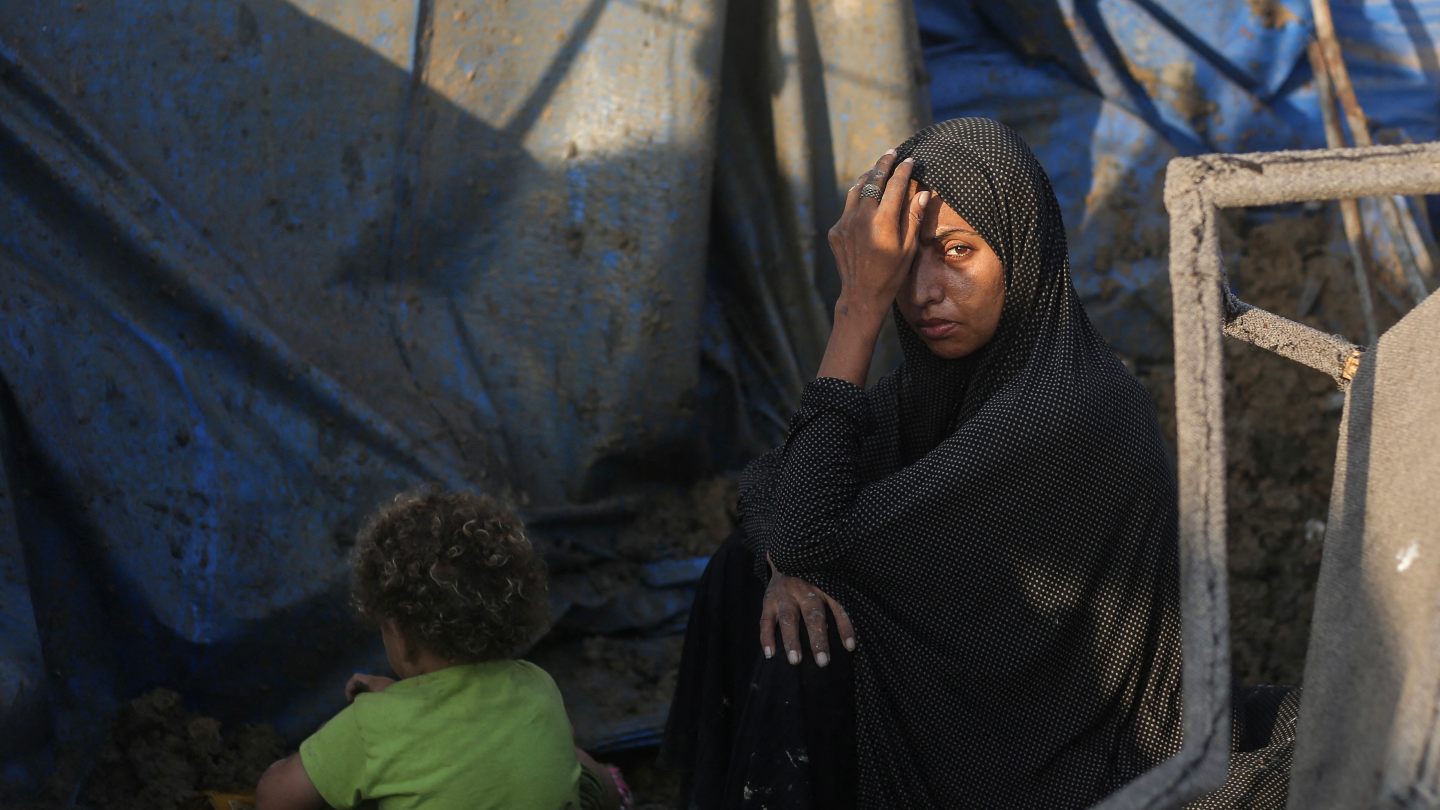
    Against a backdrop of unrelenting Israeli military operations across Gaza and the occupied West Bank — violations of a ceasefire deal reached last October — Israel’s far-right Finance Minister and head of the country’s Settlements Administration Bezalel Smotrich announced a provocative push on Sunday for three new Israeli settlements to be built along Gaza’s northern border fence.

    In a public post on the social platform X, Smotrich openly called on Israeli Prime Minister Benjamin Netanyahu to immediately greenlight the proposal. “The Settlements Administration under my leadership is prepared to establish 3 settlements in the northern sector of the Gaza Strip, and I call on the Prime Minister to give the green light to the move,” Smotrich wrote.

    The far-right leader framed the plan as part of a broader push to “return” Israelis to communities evacuated in 2005, when then-Prime Minister Ariel Sharon implemented a unilateral disengagement plan that withdrew all Israeli military forces and settlers from the Gaza Strip, dismantling every Israeli settlement in the enclave alongside four additional settlements in the occupied West Bank. Smotrich added that the expansion would extend far beyond Gaza, with a wave of new settlement construction planned for the occupied West Bank’s northern Samaria region. “Alongside the four settlements to which we are returning, we will establish a long line of new settlements in northern Samaria. On Mount Ebal, in the Dothan Valley, and in more than 10 additional points, we will strengthen and fortify the settlement,” he said.

    Smotrich’s announcement comes as the death toll from ongoing Israeli attacks continues to climb, even after the October 2024 ceasefire entered into force. Data from Gaza’s Palestinian Ministry of Health, released over the weekend, recorded six Palestinian deaths and 23 injuries from Israeli strikes in the 24-hour period ending Sunday morning. Cumulatively, the ministry reports that at least 73,356 Palestinians have been killed and 174,185 wounded since Israel launched its military campaign in Gaza in October 2023. Since the ceasefire took effect, an additional 1,230 Palestinians have been killed and more than 4,000 wounded, the ministry confirmed.

    Local on-the-ground reports have revised death tolls even higher. Al Jazeera Arabic reported that nine Palestinians, including three children, were killed in Israeli strikes across Gaza from dawn Sunday alone. Later updates from local media raised the death toll to 11 after an Israeli airstrike targeted a civilian vehicle in Deir al-Balah, a city in central Gaza.

    The Israeli military has confirmed a number of targeted strikes over the past two days. On Saturday, it announced it had killed Salem Jamal Abdelrahman Abu Labad, a man it identified as a commander in Hamas’s Nukhba special forces unit, in an airstrike in southern Gaza. Israeli officials claim Abu Labad took part in the October 2023 attack on Kibbutz Nir Oz. A separate strike in central Gaza on Friday killed Muhammad Abdelnasser Muhammad Khatib, who the military identified as a commander with Hamas’s Maghazi Battalion.

    Parallel to ongoing military operations, diplomatic efforts to reach a lasting truce remain mired in deadlock. Following U.S. President Donald Trump’s announcement that a U.S.-led “Board of Peace” had secured an agreement for the full disarmament of all Palestinian armed factions in Gaza, Hamas clarified Friday that any deal to disarm Palestinian groups would be conditional on both Washington and Tel Aviv fully honoring existing commitments under the 2024 ceasefire agreement.

    Israeli officials have publicly pushed back against Trump’s announcement, making clear that the Israeli government rejects the framework. Former Israeli Ambassador Alon Pinkas told Al Jazeera that Israel was “absolutely not” satisfied with the arrangement. “Israel is presented with a situation where the U.S. president says there’s an agreement, but there isn’t really an agreement, and so I am extraordinarily skeptical that this is going to work out,” Pinkas said. He added that Netanyahu views the proposed deal as a “colossal failure,” and noted that Israel has refused to implement core obligations outlined in the framework, including withdrawing Israeli forces to the pre-agreed “Yellow Line” buffer zone, allowing unimpeded entry of humanitarian aid into Gaza, and halting all offensive military operations.

    Amid rising tensions, reports have emerged of expanding U.S. military support for Israel. Israeli outlet Ynet, citing unnamed Israeli security officials, reported that the U.S. plans to deploy an additional 10 aerial refueling aircraft to Israel in the coming days. The aircraft will join more than 30 U.S. refueling planes already stationed at Tel Aviv’s Ben Gurion Airport, according to the report.

    Conflict has also escalated in the occupied West Bank, where Israeli forces carried out new raids over the weekend. Palestinian news agency Wafa reported that Israeli troops detained five Palestinians during operations in Bethlehem and Nablus. During the raids, forces raided multiple private homes and posted threatening notices on the exterior walls of Bethlehem’s Salah al-Din Mosque. The latest raids come one week after a sharp escalation of violence that saw armed Israeli settlers launch attacks on Palestinian villages near Nablus, leaving four Palestinians and two Israelis dead.

    In diplomatic developments over the weekend, a Hamas delegation led by Zaher Jabarin met with leaders from Palestinian Islamic Jihad in Cairo on Saturday to discuss coordinated efforts to end Israeli attacks on Gaza and address recent developments in the occupied West Bank and East Jerusalem. Following the meeting, both factions released a joint statement stressing the need to force a full Israeli withdrawal from all of Gaza and calling for deeper unity and coordination between all Palestinian political and armed groups.

  • Brazil’s Lula, 80, says ‘in great shape’ as he launches fourth term bid

    Brazil’s Lula, 80, says ‘in great shape’ as he launches fourth term bid

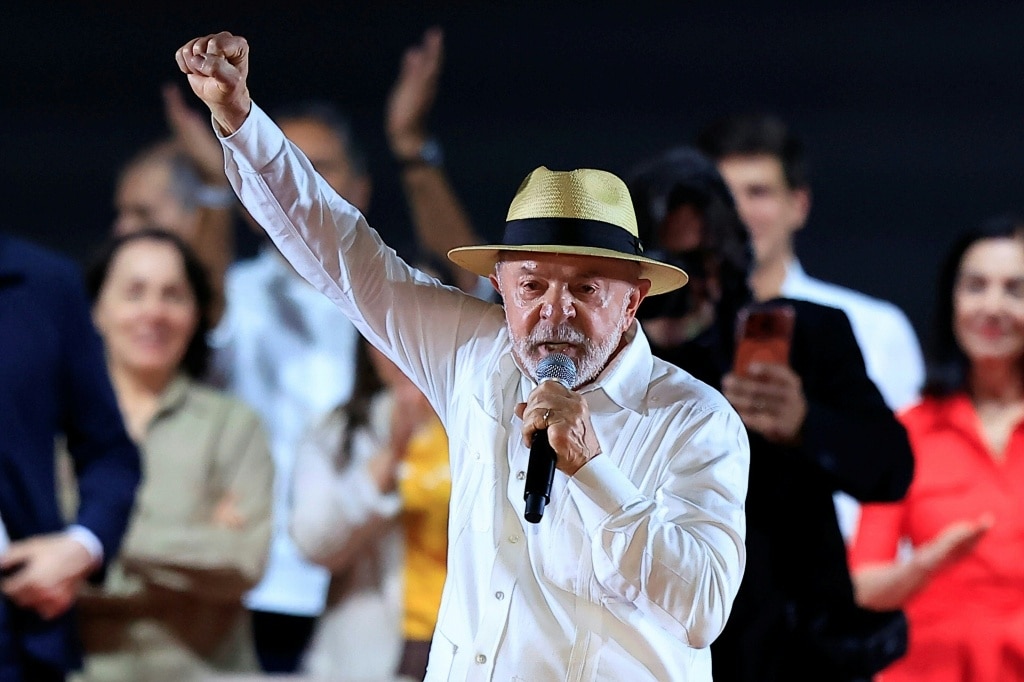
    At 80 years old, Brazil’s sitting President Luiz Inacio Lula da Silva officially launched his campaign for a fourth presidential term Sunday at the Workers’ Party (PT) convention in Sao Paulo, declaring he remains “in great shape” to lead the nation through a period of global and domestic political upheaval.

    A towering figure of Latin America’s progressive left, Lula has framed his 2024 October election campaign as a fight to defend Brazilian sovereignty against external interference and stem the rising tide of far-right politics across the globe. While US President Donald Trump was never named directly during the convention’s proceedings, Lula and other senior leftist speakers centered their message on shielding Brazil from outside threats, a reference to ongoing trade and diplomatic tensions between Brasilia and the Trump White House.

    “I want to be prepared so that no one invades this country,” Lula told assembled party members, while calling for increased public investment in Brazil’s national defense. He also pushed back against widespread speculation about his age and fitness for office, noting that his consistent exercise routine and active lifestyle keep him ready to serve. “I want to fight against old age. I don’t want to be shuffling along,” he added.

    Lula’s political career is one of the most dramatic comeback stories in modern Latin American politics. A former metalworker and union organizer, he first held the presidency from 2003 to 2010, before a controversial set of corruption convictions saw him jailed and barred from politics. Those convictions were eventually annulled, and he reclaimed the presidency in 2022, returning to power after years on the political sidelines. Today, he remains one of Brazil’s most polarizing figures: supporters credit his signature social programs with lifting millions of Brazilians out of poverty and expanding access to housing and social services, while critics point to persistent issues of violent crime and systemic corruption, and note that the PT has held the presidency for 17 of the last 24 years.

    For many of Lula’s base supporters, his policies have been transformative. “I’m here today because Lula’s policies changed my life and my family’s. Thanks to him, we own our own home today,” 51-year-old social worker Cristiane Rosa Julho told AFP on the sidelines of the convention.

    Brazil’s electoral rules allow presidents to serve two consecutive terms, and permit a return to candidacy after a break in service with no lifetime cap on total terms. Lula has stressed that this campaign will be his last, saying that after a fourth term, he and his wife 59-year-old Rosangela will retire to focus on personal life. “We’re going on vacation to focus on romance for another 20 years,” he joked.

    Lula’s leading challenger in the upcoming race is 45-year-old Senator Flavio Bolsonaro, eldest son of far-right former Brazilian President Jair Bolsonaro. Flavio stepped into the presidential race after his father was convicted of orchestrating a coup attempt to block Lula’s 2023 inauguration. The entire Bolsonaro family maintains close political alliances with Donald Trump, who has already thrown his support behind several winning far-right candidates across Latin America, as well as Argentina’s libertarian President Javier Milei.

    Tensions with Washington have been a key flashpoint in the early days of the campaign. In July, the Trump administration imposed two new rounds of tariffs on Brazilian exports, citing claims of unfair trade practices. Last year, the Bolsonaro family publicly welcomed earlier tariffs the Trump administration put in place as retaliation for Jair Bolsonaro’s criminal trial; those duties were largely rolled back after diplomatic negotiations. Lula has made clear he will not tolerate foreign meddling in Brazil’s politics or its natural resources, which hold massive reserves of critical rare earth minerals that are in high demand globally. “In Brazil, we do not accept anyone sticking their nose where it does not belong,” Lula said last week, adding at the convention: “neither the Chinese, nor the Americans, nor the French are going to get their hands on our rare earths.”

    Speaking at the convention, Lula’s running mate Vice President Geraldo Alckmin took aim at the Bolsonaro camp’s longstanding questioning of Brazil’s electronic voting system, concerns that Flavio repeated publicly just last week. “Anyone who doesn’t believe in the popular vote shouldn’t even run for president. The electronic voting machine is so competent that it won’t accept votes from Argentines or Americans,” Alckmin said, in a veiled jab at foreign influence on the Brazilian race.

    Recent polling from the Datafolha institute shows the race remains extremely tight: the poll finds 48% of likely voters would back Lula in a head-to-head second round runoff, compared to 43% who would support Flavio Bolsonaro, leaving the race far from settled ahead of the October vote.

  • Japan’s Kuwaki wins women’s British Open to clinch first major title

    Japan’s Kuwaki wins women’s British Open to clinch first major title

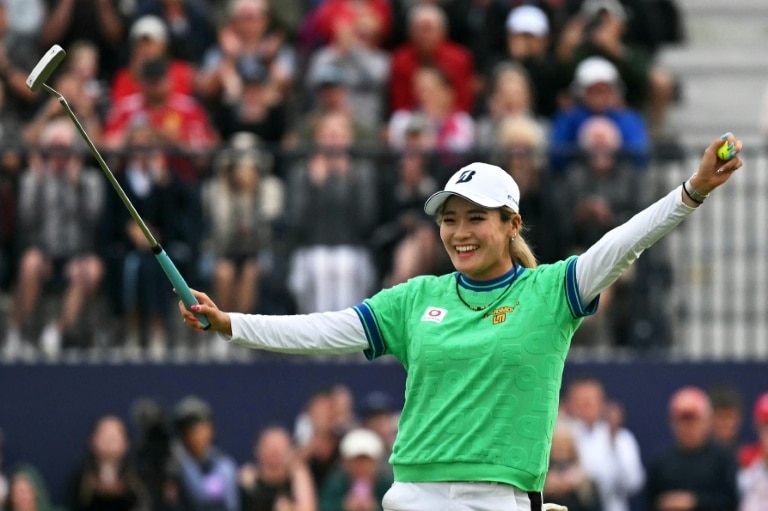
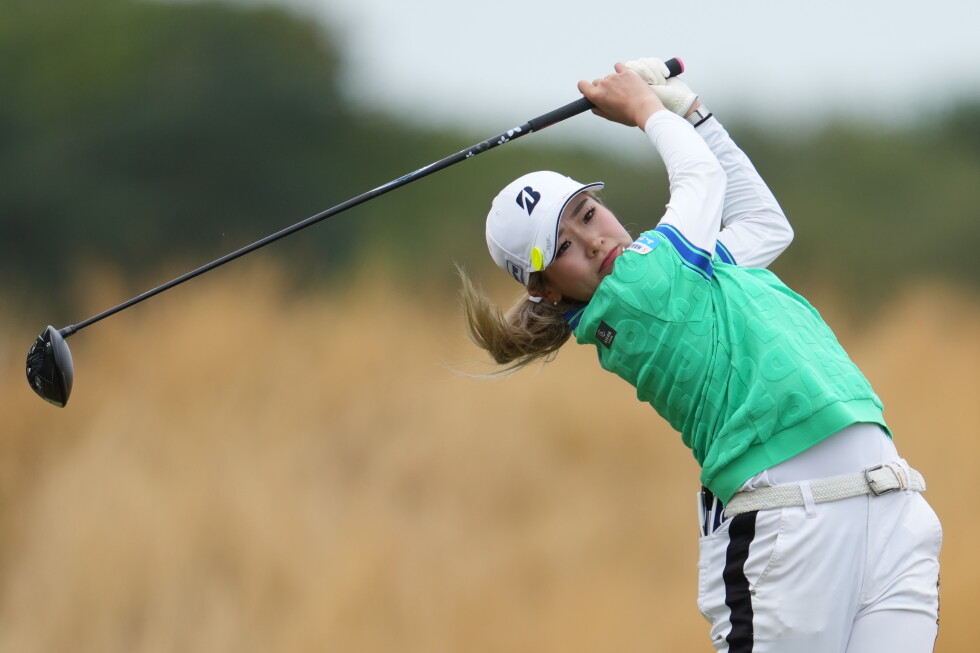
    On a sun-baked, tension-charged weekend at Royal Lytham & St Annes, 23-year-old Japanese golfer Shiho Kuwaki etched her name into golf history, clinching her first-ever major championship title at the 50th edition of the Women’s British Open. The victory came after a nerve-wracking two-hole playoff against Germany’s Esther Henseleit, capping a pulsating finale that lived up to the tournament’s milestone anniversary.

    Kuwaki entered the final day of regulation play locked in a tight battle for the top spot, wrapping up four rounds at an impressive five under par. It was Henseleit who forced the overtime showdown, sinking a stunning long-range birdie putt on the 18th green to match Kuwaki’s final score, sending the crowd into a frenzy and setting the stage for the dramatic playoff.

    The first extra hole ended with both players tied: Kuwaki landed a precise wedge shot to secure par, while Henseleit’s 15-foot title-winning putt rolled just wide of the cup. On the second playoff hole, a costly miscue derailed Henseleit’s bid: her tee shot deflected off a course marshal and landed deep in thick gorse bushes, leaving her with an impossible recovery that only resulted in a bogey. Kuwaki stayed calm under pressure, rolling in a short putt to seal the historic win.

    This breakthrough comes as a stunning rise for the young Japanese pro, who only turned professional in 2021. Her previous best finish at a major was a tie for 14th place at this year’s Women’s US Open, and she missed the halfway cut in her only prior Women’s British Open appearance last year. Ahead of the tournament, she already claimed one title in 2024, winning the Japan LPGA Tour Championship Ricoh Cup. Renowned for her bold fashion choices, Kuwaki turned heads all week in a bright mint green top paired with a luminous green golf ball—an eye-catching look that matched her standout performance on the course.

    With the win, Kuwaki extends Japan’s recent dominance at the Women’s British Open, becoming the second consecutive Japanese golfer to lift the trophy after Miyu Yamashita’s 2023 victory in Porthcawl. She is also the fourth Japanese woman to claim the title overall, following Ayako Okamoto and Hinako Shibuno alongside Yamashita. Beyond the glory of the major title, Kuwaki also takes home a tournament record $1.5 million in prize money, a payout that pales in comparison to the achievement for the rising star.

    In the wake of her win, Kuwaki took a moment to send support to her home country, which recently faced a devastating earthquake that killed at least 36 people. “Recently we had an earthquake in Japan and I’d like to wish people a speedy recovery and best wishes,” she told reporters after the win, adding, “It’s an amazing feeling to win again as a Japanese player. I hope as team Japan we can continue to light up the golf world.”

    Overnight leader Yealimi Noh saw her three-shot lead slip away on Sunday, finishing the tournament in third place at four under par. World number one Nelly Korda, who was chasing a historic third major title of 2025 after winning the Chevron Championship and Women’s US Open earlier this year, settled for a share of fourth place alongside Thailand’s Jeeno Thitikul at two under par. South Korea’s Ryu Hae-ran, also vying for a third 2025 major title after clinching the Women’s PGA Championship and Evian Championship, finished tied for sixth at one under par.

    Speaking after her win, Kuwaki shared she stayed focused on one shot at a time throughout the tense final round and playoff. “I just can’t believe it. To be on a stage like this is an honour and every hole I was just focused on shot by shot. I just tried to enjoy it as much as I could,” she said, capping a transformative trip to the UK that confirms her status as one of golf’s most exciting rising stars.

  • Australia name 16-strong under-19 squad for multi-format tour of India

    Australia name 16-strong under-19 squad for multi-format tour of India

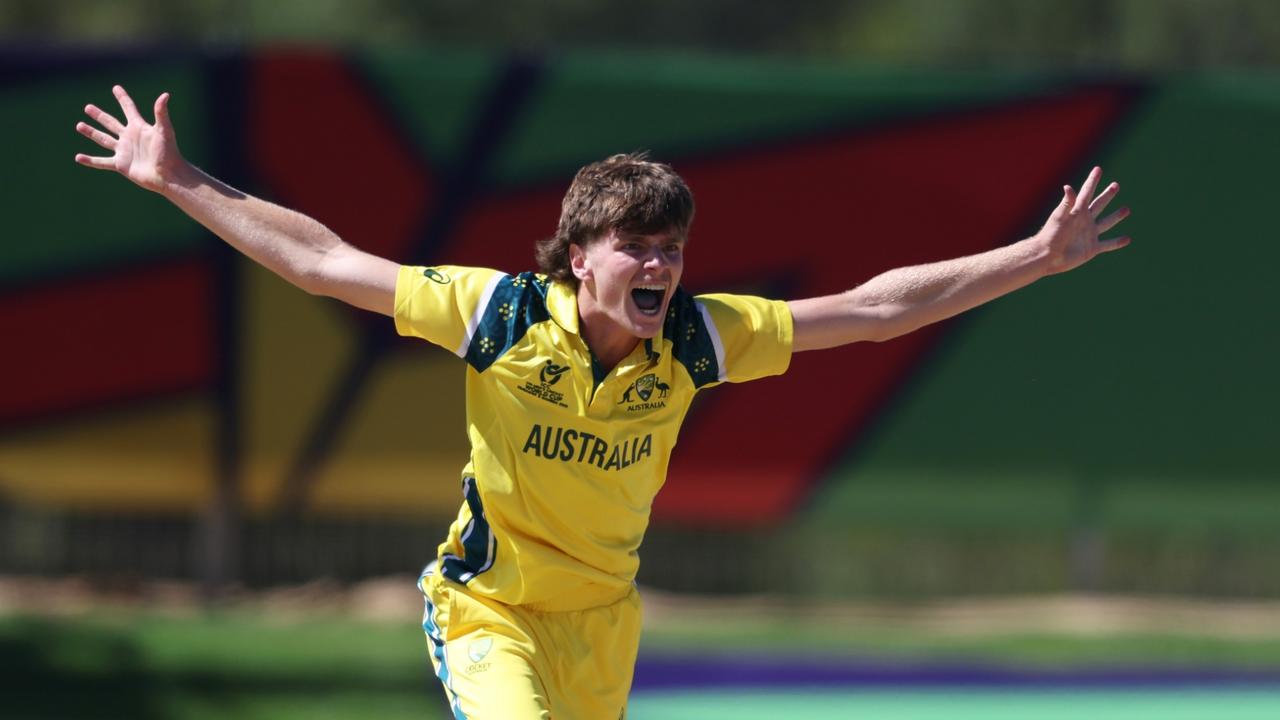
    One of cricket’s most demanding environments is about to become a critical training ground for Australia’s most promising young cricket talent, as Cricket Australia has confirmed a 16-player under-19 squad will travel to the Indian subcontinent next month for a high-stakes bilateral series against India’s age-group side.

    Scheduled to run from September 13 through October 9, the series will split across two host cities – Rajkot and Ahmedabad – and pit the young Australians against their Indian counterparts in three 50-over contests and two four-day red-ball matches. The tour will be led by experienced Australian cricket coach Tim Nielsen, who already guided this core group of players to a semi-final finish at last summer’s Under-19 Cricket World Cup, a resume that officials say makes him the ideal leader for the developmental trip.

    Regular tours of India for under-19 squads have long been a core part of Cricket Australia’s youth development strategy, designed to expose the nation’s top emerging players to the unique subcontinent conditions – from spinning pitches to high heat and humidity – that test even the most seasoned international cricketers. This year’s squad brings a mix of proven youth talent and comeback stories: pace bowlers Will Byrom and Kasey Barton are tapped to lead the Australian bowling attack, while New South Wales batter Neel Patel is expected to anchor the top of the batting order. One of the most compelling narratives surrounds Victorian batter Jack Czosnek, who missed all of last domestic summer recovering from a major ACL injury, but has worked his way back to full fitness and found form in Darwin grade cricket during the Australian winter to earn his spot in the side.

    Sonya Thompson, Head of National Development at Cricket Australia, emphasized that the tour is far more than just a series of exhibition matches – it is a foundational step in building the next generation of Australian senior international cricketers. “We believe this group has the talent, resilience and character to represent Australia strongly, and this tour will provide an outstanding opportunity for our players to continue their development,” Thompson said in a statement announcing the squad. “Touring India will be a valuable experience for these aspiring cricketers. Playing against high-quality opposition in challenging conditions will test our players both technically and mentally across formats.”

    Thompson also highlighted the unique value Nielsen brings to the program, pointing to his long track record of player development and prior success at the international level as a senior Test coach and most recently with the under-19 program. “We are also delighted to have Tim Nielsen leading the program. Tim brings a wealth of coaching experience and has a deep understanding of player development with him,” Thompson added.

    The full 16-player squad for the tour is: Kasey Barton (TAS/Mosman CC), Hayden Barbulovic (SA/Tea Tree Gully DCC), Eli Brain (QLD/Northern Suburbs District Cricket Club), Will Byrom (NSW/Northern District CC), Blake Cattle (NSW/Keira CC, Illawarra), Jack Czosnek (VIC/Richmond CC), Spencer Green (QLD/Toombul District Cricket Club), Connor Gregory (SA/Sturt DCC), Charlie Henderson (QLD/University of Queensland Cricket Club), Zed Hollick (WA/Scarborough CC), Matthew Lough (WA/Claremont Nedlands Cricket Club), Neel Patel (NSW/University of NSW Cricket Club), Jacob Pietz (VIC/Camberwell Magpies CC), Patrick Sullivan (VIC/Geelong CC), Theo Tsingos (QLD/Sandgate Redcliffe District Cricket Club), Thomas Vaseo (QLD/Redlands Tigers Cricket Club).

  • Shiho Kuwaki of Japan wins the Women’s British Open on second playoff hole

    Shiho Kuwaki of Japan wins the Women’s British Open on second playoff hole

    At the iconic Royal Lytham & St. Annes links in Lytham St. Annes, England, Japanese golfer Shiho Kuwaki secured the biggest win of her professional career on Sunday, outlasting Germany’s Esther Henseleit in a dramatic sudden-death playoff to claim her first major championship at the Women’s British Open.

    Kuwaki entered the final round positioned to contend for the title, and she delivered a steady final round carding a 1-under-par 70. For much of the final 18 holes of regulation play, it appeared her consistent performance would be enough to seal an outright victory. However, Henseleit produced a moment of incredible clutch putting on the 18th green: sinking a 40-foot birdie putt to also finish with a round of 70, which forced the playoff after both players ended regulation tied at 5-under-par 279 overall.

    The first extra hole brought a stroke of good fortune for Henseleit, as Kuwaki found herself in thick deep rough just short of a greenside bunker. Left with no clear path to the putting surface, Kuwaki was forced to lay up well short of the green, setting up what looked to be an easy opportunity for Henseleit to claim the title. But Kuwaki responded under pressure, hitting a crisp wedge shot that left her ball within 3 feet of the hole, allowing her to save par and extend the playoff. When Henseleit narrowly missed a 15-foot birdie putt that would have given her the win, the two competitors moved on to the second extra hole.

    There, Kuwaki once again held her nerve and carded a par to secure the major crown, capping off a memorable week of golf at one of the sport’s most prestigious venues.

  • How ransom notes could help catch Nancy Guthrie’s kidnapper

    How ransom notes could help catch Nancy Guthrie’s kidnapper

    Half a year after 84-year-old Nancy Guthrie, mother of prominent American news anchor Savannah Guthrie, was abducted from her Arizona residence, law enforcement has taken a new step to generate leads in the stalled investigation: releasing two authenticated ransom notes linked to the kidnapping, hoping distinctive linguistic patterns in the documents will help identify the perpetrators.

    Guthrie went missing from her Tucson-area home in January this year, launching a months-long probe that has yielded little in the way of solid leads or persons of interest. The two notes, both sent to local Tucson television stations in early February, carry conflicting core claims: the first, sent February 2, demands a multi-million dollar ransom paid in Bitcoin, assures the Guthrie family that Nancy was alive but unhurt, and threatens to kill her if payment is not received by a specified deadline. The second, dated February 6, claims Guthrie died of an undiagnosed heart-related issue shortly after being taken, and states her body was buried in an unmarked natural location. Local authorities have not independently confirmed Guthrie’s death as of the release date.

    Investigators are pinning new hope on forensic linguistic analysis of the notes, arguing that every individual carries a unique “language fingerprint” — called an idiolect — that can distinguish their writing from that of any other person, even when the writer attempts to hide their natural style. William Eggington, a retired Brigham Young University linguistics professor and veteran forensic consultant, broke down key clues hidden in the short documents for the BBC.

    Eggington’s analysis identifies multiple revealing patterns in the first note. The writer’s consistent reliance on passive voice and structured “if-then” sentence construction suggests they have at least a high school education, and may have completed some post-secondary schooling. A notable inconsistency also appears: the writer correctly spells “received” in one sentence, but misspells it later in the text. Eggington says this inconsistency indicates either a lack of familiarity with the word’s correct spelling, or that the writer failed to closely proofread the final document before sending it.

    In the second note, Eggington points out that the writer refers to Guthrie exclusively in the third person, framing her death as the result of her own unaddressed health issues rather than a consequence of the kidnapping. This, he argues, works to dehumanize Guthrie and deflect responsibility for her death from the kidnappers. The note also uses unusually formal, restricted academic phrasing that may not reflect the writer’s natural voice, indicating a likely attempt to disguise their idiolect to avoid detection.

    Despite the potential for disguise, Eggington confirms one key finding: the same person wrote both notes. He cites consistent stylistic quirks, most notably the repeated habit of using a comma where a full stop is grammatically required to separate two independent clauses, as clear evidence of a single author.

    Forensic teams will use these small, unique details to build a behavioral and linguistic profile of the kidnapper. Once a person of interest is identified — either through investigative work or a tip from the public — investigators can compare the suspect’s known writing samples to the ransom notes to find a match. This method has led to successful arrests in high-profile cases before: in 1995, the Unabomber Theodore Kaczynski was identified after his brother recognized his unique writing style in the manifesto Kaczynski forced major publications to publish.

    Still, some criminology experts are skeptical that the notes will break the case open. Jeffrey Adler, a University of Florida professor who studies the history of American crime, points out that kidnapping is an extremely rare offense in the U.S., with most incidents involving internal family custody disputes rather than stranger abductions for ransom. With six months already passed and no solid leads to work from, Adler calls the odds of identifying the kidnapper via the notes “a stretch.”

    Police confirmed they consulted extensively with the Guthrie family before agreeing to release the redacted ransom notes to the public. Hours after the release, Savannah Guthrie issued an emotional public appeal for information, saying her family is desperate for answers and urging anyone who recognizes the writing style, or has any information related to the abduction, to come forward to authorities.