
A wave of investor optimism sparked by reports of ongoing US-Iran peace negotiations under former President Donald Trump has delivered a sharp boost to Australia’s benchmark stock index, pushing the ASX 200 to its highest level in five months. The key index climbed 126.50 points, a 1.40% gain, to close at 9145.80 on Tuesday, while the broader All Ordinaries index followed suit with a 1.45% jump of 133.50 points, finishing the trading session at 9311.90. The Australian dollar also strengthened against the US dollar, rising to 70.19 US cents by market close. Nearly all sectors recorded gains on the day, with 10 out of 11 industry groups finishing in positive territory, led by triple-digit growth in technology, healthcare and financial stocks. Tech stocks led the rally: logistics tech firm WiseTech Global rose 3.05% to $37.86, cloud accounting platform Xero gained 3.49% to hit $73.80, and data centre operator Next DC climbed 4.15% to close at $14.04. Healthcare stocks also posted robust gains: vaccine manufacturing giant CSL added 3.64%, medical imaging firm Pro Medicus outperformed many peers with a 4.94% rise to $172.82, and cochlear implant producer Cochlear gained 1.31% to reach $122.32. Australia’s four largest national banks all contributed to the financial sector’s 1.93% overall jump. National Australia Bank (NAB) led the pack with a 3.00% bounce to $42.85, ANZ rose 2.36% to $38.17, Westpac gained 1.70% to $38.82, and the Commonwealth Bank of Australia closed up 1.59% at $180.72. Tuesday’s bullish trading on the Australian exchange followed a positive overnight session on Wall Street, which rallied after Trump announced that negotiations to end escalated conflict with Iran and reopen the strategically critical Strait of Hormuz were underway. Tony Sycamore, senior market analyst for global financial services firm IG, noted that market participants have reacted strongly to signals of de-escalation in the Middle East. “The ASX200 hit the turbochargers today,” he explained, adding that the local exchange benefited not just from a solid Wall Street lead, but also from more stable market positioning after last week’s sharp sell-off in tech stocks, combined with easing geopolitical tension following Trump’s decision to pause planned military strikes on Iran. While de-escalation typically puts downward pressure on oil prices, Brent crude edged up slightly to near $85 a barrel on Tuesday, a small recovery following a sharp price drop the previous trading day. Samara Hammoud, international economics foreign exchange strategist for the Commonwealth Bank, explained that the modest oil gain came even as Trump offered Iran what he described as a “last chance” for diplomacy after calling off what he said would have been the largest military attack on the country since World War II. Hammoud also noted that Iran has denied holding direct negotiations with the US, but confirmed that talks mediated by Oman to reopen the Strait of Hormuz – currently closed to commercial shipping – are making progress. The small uptick in crude prices helped lift the energy sector, with major Australian producer Woodside Energy gaining 1.38% to $32.95 and competitor Santos adding 0.91% to $7.76. Not all stocks recorded gains on the session. Debt collection firm Credit Corp fell 6.98% to $12.79, despite reporting a 12% rise in quarterly profits driven by strong growth in its US debt-buying division. Investors sold off the stock over concerns that its recent rapid price growth was unsustainable. Mining giant BHP recorded a modest 0.33% drop to $60.52, after trade unions confirmed planned 48-hour strike action set for August 8 and 9 over an ongoing pay dispute. Infrastructure firm Atac Arteria also slipped 0.79% to $5.05 after the company announced it was abandoning plans to sell its German motorway assets.
博客
-

Charity cyclist, 82, dies a day after 3,300 mile ride across Australia
An 82-year-old Australian cyclist who dedicated years of his life to raising funds for motor neurone disease (MND) research and support has passed away peacefully just 24 hours after crossing the finish line of his final cross-continental charity challenge. Bob Montgomery, a long-time MND advocate, wrapped up what he called his ‘One Last Ride’ on Sunday, completing a grueling 3,300-mile journey stretching from the coastal town of Broome in Western Australia all the way to Bowral, a regional town in New South Wales southwest of Sydney. He completed the entire six-week trek alongside his 18-year-old grandson, Tom Malcolm. When the pair rolled into Bowral, they were greeted by thunderous applause from hundreds of local community members who had gathered to celebrate their incredible achievement.
In a statement shared on social media following Montgomery’s passing, his family confirmed that his death was unexpected but entirely peaceful, with his wife of 59 years, Jenny, by his side when he passed. The family added that even just hours before he died, Montgomery was still actively and passionately spreading awareness about MND and the work of his chosen charity, MND NSW. This cross-country ride marked Montgomery’s sixth major fundraising cycling event for the organization, a cause that held deeply personal meaning for him. He first took up charity cycling for MND after losing his own cousin to the progressive neurodegenerative disease, and had already watched multiple close family members and friends battle the condition over the years. ‘It’s heartbreaking,’ he shared on his official fundraising page, explaining what drove him to take on these grueling challenges.
By the end of the ‘One Last Ride’, Montgomery and Malcolm had raised approximately A$105,000 (equivalent to around $74,000 USD or £55,000 GBP) for MND NSW. When combined with the funds he raised during his five previous charity rides, Montgomery’s total contributions to the organization across his cycling career now push close to A$300,000 – a sum that will fund critical research, patient support services, and advocacy work for those affected by MND across New South Wales. In an interview with Australia’s national public broadcaster ABC shortly after finishing the ride, Montgomery said what kept him going through the six weeks on the road was the connections he made with people along the route, and the simple joy of stopping for a cold beer at each stopover. He added that he was continuously moved by the generosity of strangers he met along the way, who consistently dug into their own pockets to add to his fundraising total.
After the finish line celebrations in Bowral on Sunday, Malcolm continued on to Sydney on Monday, where the entire extended Montgomery family had planned a larger gathering to mark the historic achievement. But shortly after the celebration concluded, Montgomery suffered a sudden unexpected medical event, according to MND NSW chief executive Liam O’Meara. O’Meara paid tribute to Montgomery this week, remembering him as a cherished friend to everyone at the organization and an unwavering, tireless supporter of the MND community across Australia. ‘We are deeply saddened by his passing,’ O’Meara said, highlighting the indelible impact Montgomery’s fundraising and advocacy has left on the organization and the people it serves.
-
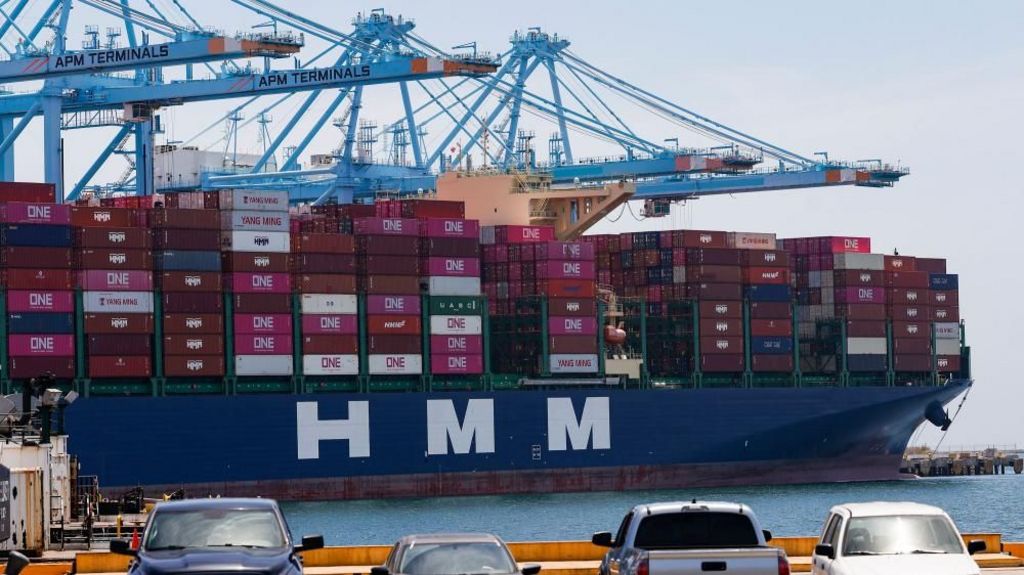
US states sue to block Trump tariffs impacting dozens of countries
In a direct legal challenge to the Trump White House’s latest trade agenda, a coalition of 25 Democratic-led U.S. states filed a lawsuit Monday against the administration over sweeping new tariffs imposed on trading partners across the globe. The levies, which set rates between 10% and 12.5%, went into effect last month, and the White House has defended the measures as a necessary response to the failure of major economies including the European Union, the United Kingdom, and China to crack down on forced labor in global supply chains.
The legal filing, reviewed by the BBC, argues that the Trump administration’s tariff decision is “arbitrary, capricious, and contrary to law.” The coalition goes further, accusing the White House of using forced labor concerns as a pretext to advance an illegal tariff scheme that exceeds the scope of existing U.S. trade legislation. According to the complaint, the breadth of the tariffs — which cover 99.4% of all U.S. imports, per data from the Office of the U.S. Trade Representative — directly undermines the stated goal of targeting forced labor and renders the underlying 1974 Trade Act Section 301 authority the administration invoked meaningless.
New York Governor Kathy Hochul, one of the lead voices behind the lawsuit, framed the measures as an unlawful tax that falls squarely on everyday American households. Oregon Attorney General Dan Rayfield echoed that criticism, noting that both working families and domestic Oregon businesses are bearing the cost of the administration’s trade chaos, rather than the foreign governments the tariffs are meant to pressure.
In an official response, White House spokesman Kush Desai defended the policy, emphasizing that the U.S. is acting within its lawful authority to address unfair trade practices that harm American businesses. Desai added that allowing goods produced with forced labor to enter U.S. markets is unreasonable, and the administration is right to take action to curb the practice.
The legal challenge comes amid growing international pushback against the new tariffs. Governments of Brazil and Japan have each labeled the measures unjustified, while China’s foreign ministry spokesperson Mao Ning dismissed the forced labor framing as an excuse for political manipulation. The new tariffs come amid a long-running tit-for-tat trade war between Washington and Beijing that has been paused for months.
Industry and trade analysts have also raised critical questions about the policy. Alex Capri, a business lecturer at the National University of Singapore, told the BBC the lawsuit poses a formidable challenge to the administration’s levies. Capri also noted that there is a lack of credible evidence supporting the administration’s claims that trading partners have harmed U.S. firms by failing to enforce forced labor regulations, and he expects the scope of the tariffs will gradually be narrowed through exemptions and rollbacks that reduce their economic impact.
This latest legal fight is the continuation of a pattern of trade policy clashes that have followed Trump’s return to the Oval Office in January 2025. Earlier this year, the U.S. Supreme Court struck down the broad “Liberation Day” tariffs Trump rolled out in April 2025, a decision that required the government to issue tens of billions of dollars in refunds to U.S. companies that had paid the levies. After those tariffs were struck down, the administration replaced them with a temporary 10% levy on all global imports that expired in July, clearing the way for the current round of tariffs now facing legal challenge.
Trump has consistently argued that tariffs are a critical tool to protect American workers and strengthen the U.S. economy. Looking ahead, more trade friction may be on the horizon: the administration is currently conducting investigations into 16 countries over allegations of manufacturing overcapacity, which could pave the way for additional tariffs in the coming months.
-

Heat kills 16 in South Korea this summer: interior ministry
South Korea is grappling with one of the most brutal summer heatwaves in its recorded history, with the country’s interior ministry confirming Tuesday that the extreme high temperatures have claimed 16 lives since the start of the hot season.
According to official government data, from May 20 through August 2, more than 2,000 people across the nation were treated for heat-related illnesses, including heat stroke and severe dehydration, with the 16 fatalities accounting for the most heat-related deaths in South Korea in several years. The crisis has accelerated over the past seven days, as the country toppled its all-time national heat record three times in quick succession. The latest and still-standing high temperature mark was hit on Sunday in Yangsan, a southeastern city, where the thermometer climbed to 42.5 degrees Celsius.
On Tuesday, the entire capital city of Seoul was placed under the country’s highest tier of heat emergency, a severe heatwave warning. Forecasters warned that temperatures would again surge near the 40-degree Celsius mark across the Seoul metropolitan area, calling the ongoing conditions a life-threatening event for vulnerable populations including the elderly, unhoused people, and outdoor workers. Photographs from Seoul’s streets showed even police officers relying on umbrellas to block the relentless sun as they carried out their duties. The South Korea Meteorological Administration extended its extreme heat advisory for most of the country through mid-week, urging residents to stay hydrated, avoid unnecessary outdoor activity, and check on at-risk neighbors.
-

Ariana Grande says decision to step back ‘was not reactive or impulsive’
Global pop superstar Ariana Grande has broken her silence after her team confirmed over the weekend that she will step away from the public eye once her *Eternal Sunshine Tour* wraps up next month, addressing anxious fans directly during a recent Chicago performance and clearing up speculation around her planned break.
Returning to the stage Monday night for the first of three back-to-back shows at Chicago’s United Center, Grande opened up to the packed crowd about the decision to step back, pushing back against rumors that her choice was triggered by recent negative press or public criticism. She told the audience that the plan to take a break after wrapping her tour had been in the works for a long time, developed quietly and intentionally rather than being a last-minute reaction to outside pressure.
Acknowledging that fans had grown worried that uninvited public negativity had pushed her to step away, Grande emphasized that this assumption could not be further from the truth. “Boundaries need to be set, human beings do need a break sometimes,” she told the crowd, reading from pre-written notes to avoid forgetting her message out of nervousness. She stressed that her decision to take time off came from a place of intentional, empowered self-reflection, not distress.
Grande also pushed back against distorted secondhand narratives around her break, noting that off-the-record announcements from third parties are often blown out of proportion in public discourse. Reaffirming her connection to supporters, she told the audience that no outside noise could ever overshadow the love she shares with fans, adding that outside criticism and speculation is not something she carries with her.
In a statement to *People* magazine earlier this week, a representative for the star expanded on the break, confirming that the time off is well-earned, coming after years of endless, ongoing public scrutiny of the singer-actress. Grande has faced persistent uninvited speculation about her physical appearance and personal health in recent years, a pattern that has drawn widespread criticism from celebrity wellness advocates.
The *Eternal Sunshine Tour* is set to conclude on September 1, following a 10-show residency at London’s O2 Arena starting August 15, which Grande described as one of the most healing, beautiful, correct and special experiences of her entire career. Following the weekend’s announcement of her upcoming break, fans flooded social media with messages of support and concern for the star, with the hashtag #weloveyouariana trending globally across platforms.
The planned time off will also force Grande to step back from a previously announced high-profile theater role: she was set to star opposite her *Wicked* co-star Jonathan Bailey in a new production of Stephen Sondheim’s *Sunday in the Park with George* at London’s Barbican Centre next year. A spokesperson for the Barbican confirmed the news Monday, saying the venue sincerely hopes to welcome Grande when the timing is right for her, and that new casting updates will be shared with the public in the near future.
-

Arson suspect arrested as US northwest battles wildfires
As wildfire crews raced against the clock to contain a trio of destructive blazes that have displaced tens of thousands of people across Spokane, Washington, U.S. law enforcement announced the arrest of an arson suspect linked to the largest of the three fires on Monday.
Supercharged by years of extreme drought and record-shattering heat waves that have dried out vegetation across the U.S. Pacific Northwest, the wildfires have swept through thousands of acres of land surrounding the northwestern city, destroying hundreds of residential and commercial structures and leaving evacuees uncertain of when they will be able to return to their homes. A striking image of an untouched Virgin Mary statue standing in front of a completely incinerated home in Spokane’s Balboa neighborhood has underscored the uneven, devastating destruction of the blazes.
Spokane County Sheriff John Nowels told reporters late Monday that 37-year-old Aaron Farinacci had been taken into custody on first-degree arson charges in connection with the Old Trails fire, the largest of the three active blazes. The suspect was initially detained near the fire’s starting point on Saturday, but was released before investigators connected him to the ignition of the blaze. A witness reportedly saw Farinacci kneeling near the patch of dry grass where the fire first ignited. When he was rearrested, law enforcement found waterproof matches and a butane lighter in his possession, which investigators believe were used to start the fire. Nowels added that Farinacci has a prior manslaughter conviction on his criminal record, and he is currently being held on $1 million bail. Investigators have found no evidence linking him to the other two large fires burning in the Spokane area.
As of Monday, preliminary aerial damage assessments conducted by authorities estimate that between 700 and 1,100 structures have been destroyed by the blazes, which broke out over the weekend. Federal interagency fire tracking system InciWeb reports that the three fires have together burned 8,026 acres (3,248 hectares) of land across the Spokane region. Fortunately, firefighters have been able to make “significant gains” in containing two of the three blazes, taking advantage of a temporary window of cooler temperatures, higher humidity, and reduced wind speeds that have slowed fire spread. As of Monday, no injuries have been reported, though authorities have been unable to contact 14 people who were in the fire zone; officials have not yet labeled them as missing.
Roughly 65,000 people have been evacuated from high-risk areas across Spokane, a massive displacement event that Sheriff Nowels called unprecedented for the region. Spokane Mayor Lisa Brown announced that crews are currently conducting block-by-block assessments of damage and checking for hot spots that could trigger reignition, and warning that evacuees may not be able to return to their homes for weeks. Washington Governor Bob Ferguson called the event “likely the worst natural disaster in Spokane’s history”, and declared a state of emergency on August 1, noting that long-term drought and extreme heat have turned much of the region into tinder.
Climatologists say the increasing frequency and intensity of wildfires across the western U.S. are directly tied to human-caused climate change, which has driven rising average temperatures, extended severe drought periods, and created a warmer atmosphere that draws more moisture out of organic vegetation, turning it into fuel for wildfires. UCLA climatologist Daniel Swain noted that the Spokane fires come on the heels of “one of the warmest winters on record for eastern Washington”, which led to a severe snow drought that left vegetation far drier than normal going into the summer wildfire season.
The Spokane blazes are just one part of what state officials have called an extraordinary wildfire season for Washington. David Upthegrove, head of Washington’s Department of Natural Resources, confirmed that 16 major blazes are currently burning across the state, burning a collective 262,000 acres of land. As of late Monday, local utility company Avista reported that more than 3,700 customers across the region were still without power, after the Old Trails fire jumped the Spokane River Saturday afternoon and spread into the city’s urban core.
The temporary period of cooler conditions that aided firefighters Tuesday is expected to be short-lived, with forecasts calling for temperatures to climb back into the mid to high 90s Fahrenheit (mid-30s Celsius) by the middle of the week, creating dangerous conditions again for fire spread. For evacuees like Spokane resident Geoff Beadles, who fled his home with his fiancée and two dogs, the scope of the destruction is almost unimaginable: “Just driving around looking at the homes — it’s just one of the most heartbreaking things I’ve ever seen in my life,” he told reporters.
-

Sri Lanka closes some schools as heavy rains trigger floods and mudslides, killing 5
Five people have been confirmed dead and three injured after intense monsoon rains unleashed catastrophic floods and mudslides across Sri Lanka, prompting emergency authorities to shut down schools in the island nation’s mountainous tea-growing heartland this Tuesday. The downpour, which has hammered the country for 48 consecutive hours, has left a trail of destruction, submerging residential neighborhoods, agricultural fields and critical transport links, according to official updates. The Disaster Management Center (DMC), Sri Lanka’s government-led emergency response agency, reports that the worst damage is concentrated in the island’s central highland zone.
DMC spokesperson Pradeep Kodippili confirmed that the five fatalities all occurred when mudslides crashed into two separate residential properties in the central region. Along with the three injured, two additional residents remain unaccounted for as of Tuesday’s update. Preliminary damage assessments show that 129 homes have been partially or fully destroyed by the extreme weather, and more than 1,900 displaced residents have been evacuated to emergency safety shelters across the affected area.
In response to the crisis, the Sri Lankan government has deployed both navy and army personnel to carry out search and rescue operations for residents trapped by floodwaters and mudflows. Local broadcaster Hiru TV released on-the-ground footage showing service members and civilian volunteers pulling trapped residents out of inundated homes, as teams work to clear hazards ahead of expected additional rain. Footage from other local outlets also documented blocked arterial roads in central Sri Lanka, where boulders dislodged by mudslides, mud deposits and downed power poles have cut off access to multiple hard-hit communities.
This latest natural disaster comes as Sri Lanka is still grappling with the long-term recovery from the catastrophic damage inflicted by Cyclone Ditwa in November 2023. That storm killed nearly 640 people, displaced more than two million across the island, and caused an estimated $4.1 billion in infrastructure and property damage. Sri Lanka’s Central Province, which is currently bearing the brunt of the current flood and mudslide crisis, was also the worst-hit region during the November cyclone, and the national government has faced persistent challenges funding full reconstruction of damaged roads, railways and housing in the area.
For Sri Lanka, flood and mudslide events are an annual hazard that repeatedly threaten lives and livelihoods across the island. The country’s central hill regions are particularly vulnerable to deadly mudslides during the monsoon season, when heavy saturated soil gives way on steep slopes, while low-lying coastal and riverine areas face widespread flooding. These seasonal events routinely force thousands of residents to abandon their homes each year, putting repeated strain on the nation’s already stretched emergency response infrastructure.
-

Britain’s Royal Mint strikes gold in electronic waste
Nestled behind barbed-wire perimeters and encrypted security gates just outside Cardiff, Wales, Britain’s historic state-owned Royal Mint—best known for producing the UK’s circulating coins and official commemorative medals—is breaking new ground in circular economy innovation. What was once a facility solely dedicated to minting currency is now home to a pioneering project that turns discarded electronic devices into a new source of precious gold for luxury jewellery.
The operation focuses on recovering hidden gold reserves trapped in the circuit boards of discarded electronics, starting with decommissioned Bank of England office telephones. Each device is manually disassembled before components are processed, a departure from the bulk melting techniques common to many e-waste recycling operations. After disassembly, copper, tantalum, and circuit board plastics are sorted separately and sold to industry-specific recycling partners, while gold is extracted through a proprietary, low-impact process developed by Canadian firm Excir.
Traditional gold recovery from e-waste relies on either high-temperature smelting or corrosive acid baths that generate toxic hazardous waste, creating new environmental risks even as they recover the valuable metal. In contrast, the Royal Mint’s process dissolves gold at room temperature, requiring no external energy input to trigger the reaction. The chemical solution used in the process can be reused repeatedly across hundreds of processing batches, drastically cutting waste and energy consumption compared to conventional methods. Each decommissioned Bank of England telephone holds roughly 30 milligrams of gold, equal to around £3 ($4) at current market rates, while a single modern smartphone holds roughly the same value of the metal.
Launched two years ago, the 4,000-tonne annual capacity processing facility extracts approximately 400 kilograms of refined gold each year. After purification, the recycled gold is used exclusively for the Royal Mint’s “886” luxury jewellery line—named for the year the institution was first founded. The Mint also incorporates recycled silver sourced from discarded medical radio equipment supplied by British hospitals into its pieces. Veteran craftsman John Powell, who previously worked in the Mint’s high-volume coin-pressing halls, now polishes recycled gold rings in the quiet jewellery workshop, noting that once refined, there is no detectable difference between recycled and newly mined gold.
This initiative arrives amid a growing global crisis of e-waste mismanagement. A 2022 United Nations report found that only 22.3% of all electronic waste generated worldwide is properly collected and recycled. Unregulated disposal and improper processing often leach lead, mercury, and microplastics into soil and water systems, contributing to ecosystem damage and accelerating climate change. At the same time, recent volatility in global gold prices, which hit an all-time high of nearly $5,600 per ounce in late January 2025 amid widespread economic uncertainty, has made e-waste gold extraction commercially viable even for small, specialized operations.
Jason Hallett, professor of sustainable chemical technology at Imperial College London, explains that elevated gold prices eliminate one of the biggest barriers to adopting more sustainable extraction methods. “When the price of gold is really high, the cost of processing the waste to recover the gold is irrelevant, making alternative solutions commercially viable,” he noted. Hallett added that if the process avoids spiking energy use or greenhouse gas emissions, the model represents a clear win-win: it diverts toxic e-waste from landfills and unregulated processing facilities while reducing demand for newly mined gold, which carries its own heavy environmental footprint.
For the centuries-old Royal Mint, the project represents a new chapter in institutional adaptation, turning one of the world’s fastest-growing waste streams into a valuable, sustainable resource for its consumer product lines.
-
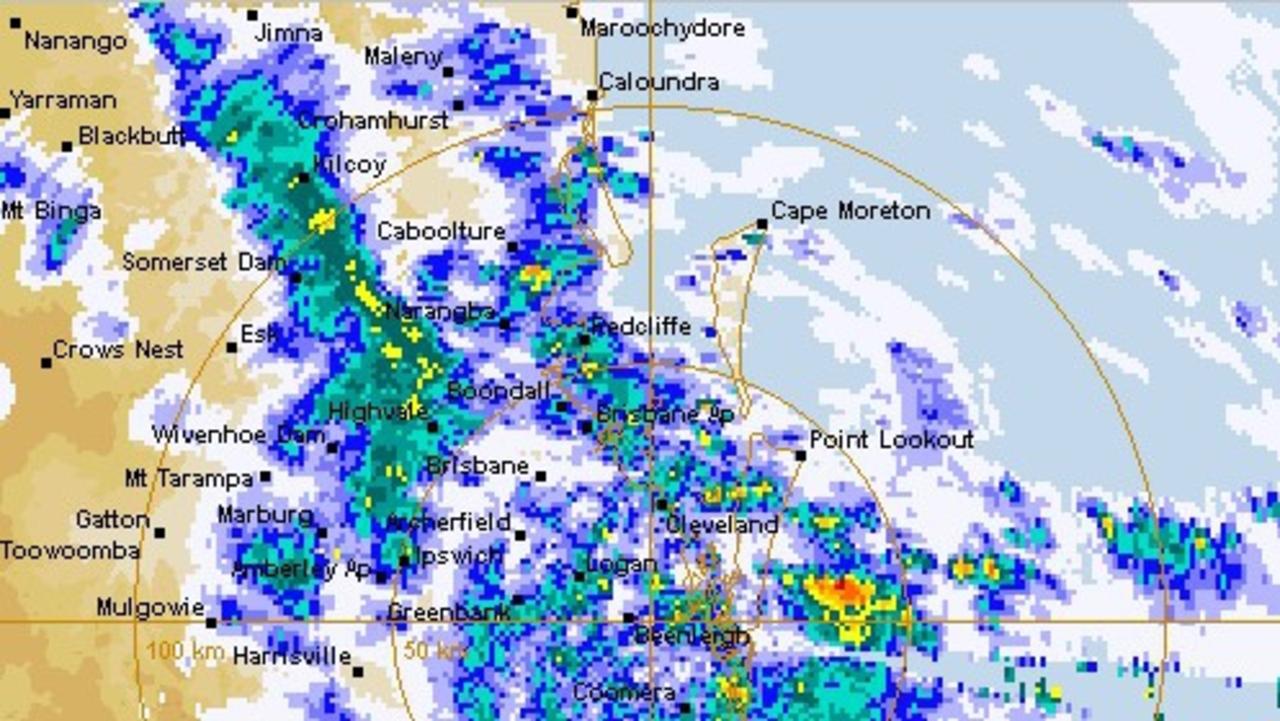
Bureau of Meteorology to face independent review months after $96m website launch disaster
Almost a year after a high-profile, heavily criticized rollout of its AU$96 million upgraded website, Australia’s Bureau of Meteorology (BOM) will undergo a wide-ranging independent probe, the nation’s Environment Minister Murray Watt has confirmed. The review comes in the wake of intense public backlash that followed the October 2025 launch of the site, a core component of a broader AU$800 million technology modernization initiative that was already plagued by COVID-19-related construction delays and significant cost overruns.
The independent assessment was formally commissioned by BOM Chief Executive Dr. Stuart Minchin, who assumed leadership of the national weather agency in November 2025, following coordination with Minister Watt. While the review’s official mandate does not explicitly single out the problematic website, BOM’s public statement confirms the process will deliver critical input to shape the agency’s long-term organizational strategy, and ensure it continues to deliver tangible public value amid a rapidly changing national climate.
“The daily work carried out by BOM personnel is inherently complex, and our team faces growing pressure on multiple fronts,” Senator Watt explained in a statement Tuesday. “This independent review will bring an outside perspective to evaluate the full suite of services we deliver, and identify how that public value can be strengthened for decades to come.”
Watt emphasized that upholding public trust in BOM, and guaranteeing the reliability and effectiveness of the agency’s climate and weather data, has never been more critical for national safety. “BOM’s core mission – keeping Australians safe, informed, and prepared as our climate shifts – is more vital today than at any point in our history,” he said. “Millions of Australians rely on BOM data to make daily decisions: for farm management, for workplace planning, and for personal safety during severe weather events. We are all committed to making sure future services align with what the public needs and expects.”
The review will lead directly into the development of BOM’s next strategic operating plan, which is scheduled to take effect in the second half of 2027. Heading the independent probe will be Phillip Glyde, former chief executive of the Murray Darling Basin Authority, who will work alongside a dedicated expert panel to examine multiple core areas of BOM’s operations. The panel’s mandate includes assessing the alignment of BOM’s current service offerings with existing and future community needs, identifying opportunities to rebuild public reputation and boost organizational resilience, evaluating ongoing strategic challenges, and mapping gaps in unmet customer demand.
Additionally, the panel will conduct a formal review of the effectiveness of BOM’s public communication practices, as well as its outreach to key stakeholder groups including Australia’s large agricultural sector. The panel is required to submit its final findings and recommendations by March 31, 2027.
Dr. Minchin framed the review as a critical opportunity to refocus BOM’s priorities around the needs of the Australian public. “Our next strategic plan is a significant opportunity to take a fresh look at what matters most to the Australian community, and ensure this agency is well positioned to meet all future challenges and opportunities,” he said. “We deeply value the trust that the Australian public and our partners place in this organization. Our work underpins essential public services, national economic activity, environmental health, and community wellbeing for every Australian every single day – so it is essential that we get this right.
“This review will help BOM better understand current and future customer needs, and ensure our strategy and services are squarely focused on the priorities of the Australian community, our customers, and our partners. The end goal is simple: to ensure BOM remains a trusted, modern, and responsive organization that continues to meet the needs and expectations of a changing world.”
The botched website launch last year triggered sharp political backlash, with critics labeling the entire broad technology upgrade a “nightmare case study in contract failure” and a “failure of leadership” marked by “completely unacceptable and unethical behaviour by large consulting contractors.” Appearing before a Senate estimates hearing last year, Watt sought to attribute responsibility for the website debacle to the former Coalition national government.
During that same hearing, Dr. Minchin confirmed that the full technology modernization program was originally budgeted at AU$788 million, before ultimately running roughly 15 per cent over budget at approximately AU$800 million. Just 10 per cent of that total final budget was allocated to the controversial website upgrade. He also explained that the full-scale technology transformation was deemed necessary after a major cyber intrusion and widespread system outages hit BOM in 2015 and 2016, leaving the agency with no choice but to completely rebuild its outdated digital infrastructure.
-

NRL team lists: Cameron Murray and two other stars return for the Rabbitohs as the Cowboys suffer a major finals blow
With the NRL regular season winding down and finals spots up for grabs, round-to-round lineup changes have swung the momentum of several title-contending clubs, bringing both critical boosts and devastating setbacks just weeks before post-season play begins.
One of the biggest pieces of positive news comes for the South Sydney Rabbitohs, who are clinging to a top-eight position and fending off hungry challengers closing in on their spot. Head coach Wayne Bennett’s side has landed three game-changing inclusions at the perfect time ahead of their Saturday clash against the Parramatta Eels. Club captain Cameron Murray and forward Tallis Duncan are both back in the starting lineup after recovering from injury layoffs, while powerhouse forward David Fifita has been cleared to return following a two-match suspension. This timing comes as a major relief for the Bunnies, who are still without star centre Latrell Mitchell – who has not played since Round 11 and remains in serious doubt to return at all this season due to a lingering nerve injury.
Over at the Panthers, young utility Blaize Talagi has earned a recall to the first-grade squad just one week after being dropped to the NSW Cup over persistent defensive gaps. While he has been named on the extended bench for the club’s away match in New Zealand, analysts suggest his actual game time remains uncertain. Jack Cogger, who stepped into Talagi’s spot in the halves and delivered a standout performance in the Panthers’ win over Canberra, has retained his position in the lineup. In other Panthers changes, centre Izack Tago has been named to replace Casey McLean, who will miss multiple weeks of play with a hand injury. Key first-team players Dylan Edwards and Mitch Kenny remain sidelined with their ongoing injury issues. For their opposition, the New Zealand Warriors, fullback Taine Tuaupiki is also named on an extended bench, set to return from a foot injury that kept him out of the club’s recent impressive win over the Titans.
The North Queensland Cowboys, another club still in finals contention, have suffered a major blow ahead of their upcoming match: star edge forward Jeremiah Nanai will miss the next two to three weeks with a hamstring strain. Kai O’Donnell will step into Nanai’s starting back row position as the Cowboys look to bounce back from a humiliating 70-point home loss in their last outing. On the opposite side, the Gold Coast Titans have made a key change of their own, with Lachlan Ilias stepping in to replace starting halfback Zane Harrison, who is sidelined with a hamstring injury.
The Sydney Roosters have welcomed two key players back to availability: captain and fullback James Tedesco has overcome a recent ankle injury and will return to the starting side, while Queensland State of Origin forward Lindsay Collins has been named on the interchange bench, marking his return from an extended break following a concussion. The Roosters face an in-form Canterbury Bulldogs side, who are boosted by the return of former Roosters forward Sitili Tupouniua from his own hamstring injury layoff.
The Melbourne Storm, who have endured a far tougher season than their usual championship-contending standard, have secured a significant late-season boost: star five-eighth Cameron Munster has been medically cleared to return from a knee injury that kept him sidelined for multiple weeks, as the club looks to close out the year with a string of positive results. Munster will partner rookie half Hayden Watson, who made his first-grade debut last week and earned a new contract extension keeping him at the club through 2030. Forward Jack Howarth has also returned to the Storm lineup, with Tyran Wishart named at hooker for their upcoming match in Perth against Manly Sea Eagles, who will again be without star fullback Tom Trbojevic.
In other round lineup changes: The Brisbane Broncos have had to adjust at halfback, with Tom Duffy stepping in for Adam Reynolds, who entered concussion protocols following last week’s play. Prop Xavier Willison has still been named in the Brisbane side despite suffering a nasty cut in their loss to the Newcastle Knights. Simi Sasagi returns to the Canberra Raiders squad this week, while for the Cronulla Sharks, Mawene Hiroti will step in to replace KL Iro, who is currently sidelined under concussion protocols.