博客

  • Getting to ‘no’: Europe’s leaders find a way to speak with one voice against Trump

    Getting to ‘no’: Europe’s leaders find a way to speak with one voice against Trump

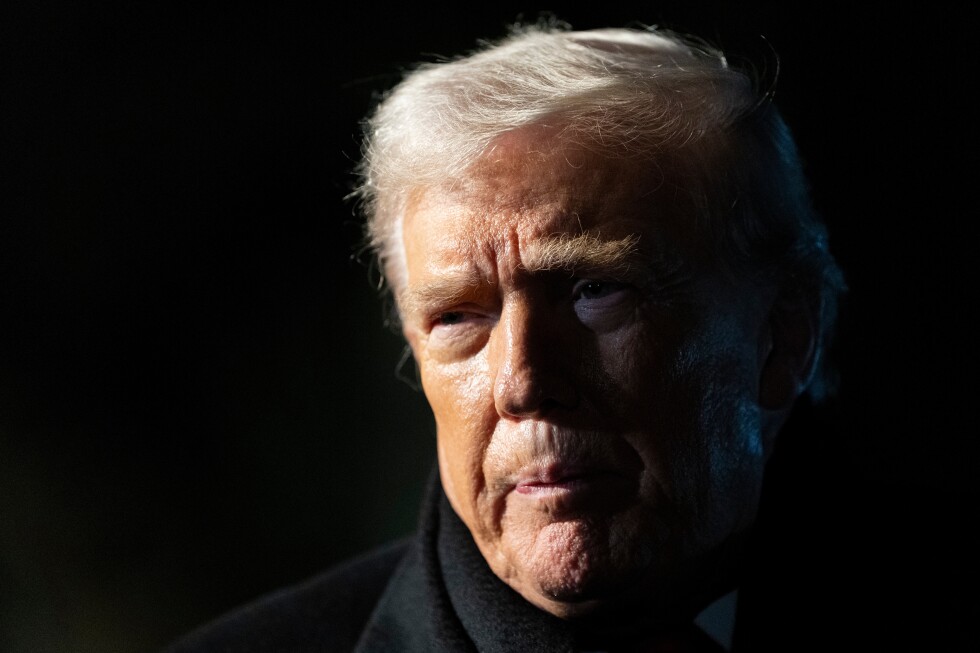
    LONDON — European diplomacy has undergone a radical transformation in its approach to dealing with President Donald Trump, shifting from appeasement tactics to firm opposition. The catalyst for this dramatic change emerged when Trump renewed demands for U.S. acquisition of Greenland, a semi-autonomous territory under Denmark’s sovereignty and NATO ally.

    The previously accommodating European leaders have abandoned their flattering approaches and royal treatment diplomacy. Instead, they’ve established clear boundaries against what they perceive as Trump’s disregard for international norms and territorial sovereignty. British Prime Minister Keir Starmer declared that ‘Britain will not yield’ on supporting Greenland’s sovereignty, while Norwegian Prime Minister Jonas Gahr Støre emphasized that ‘threats have no place among allies.’

    This diplomatic hardening occurred during the World Economic Forum in Davos, Switzerland, where multiple European nations collectively rejected Trump’s demands regarding Greenland and his proposed ‘Board of Peace’ initiative. Danish Prime Minister Mette Frederiksen noted the significance of European unity: ‘When Europe is not divided, when we stand together and when we are clear and strong also in our willingness to stand up for ourselves, then the results will show.’

    Trump responded to the resistance with economic threats, proposing a 10% import tariff on goods from eight European nations—Denmark, Norway, Sweden, France, Germany, the United Kingdom, the Netherlands and Finland—with potential escalation to 25% if no Greenland purchase agreement materialized by June 1.

    Political analysts observe that European leaders have undergone a significant learning curve in dealing with Trump’s transactional approach to international relations. Mark Shanahan, University of Surrey associate professor of political engagement, noted: ‘In Trump’s first term, Europe didn’t know what to expect and tried to deal with him using the old rules of diplomacy… It’s very hard for other leaders who deal with each other through the niceties of a rules-based system.’

    Despite initially standing firm, Trump eventually backtracked on his most aggressive demands, canceling threats of using ‘force’ for Greenland’s acquisition and announcing a framework agreement that would make tariff threats unnecessary. However, European leaders maintained their position, with Frederiksen reiterating: ‘We cannot negotiate on our sovereignty.’

    The confrontation signals a potential fundamental shift in transatlantic relations, with Canada’s Mark Carney suggesting that the alliance has experienced a ‘rupture’ rather than a transition, requiring European countries to build collective power against what he characterized as ‘bully’ behavior.


  • Can UAE employees complain against incompetent manager? What the law says

    Can UAE employees complain against incompetent manager? What the law says

    In the United Arab Emirates, employees seeking legal action against managers perceived as incompetent face specific limitations under current employment legislation. While Federal Decree Law No. 33 of 2021 mandates employers to provide a safe and appropriate working environment, there exists no explicit legal provision permitting complaints based solely on managerial inadequacy or deficient leadership capabilities.

    Legal experts clarify that managerial inefficiency alone does not constitute grounds for legal action unless it manifests as conduct violating specific provisions of UAE Employment Law. Actionable complaints require demonstration of workplace harassment, discriminatory practices, abuse of authority, or the creation of hostile work environments.

    The legal framework specifically prohibits sexual harassment, bullying, or any form of verbal, physical, or psychological violence against employees by employers, managers, or colleagues under Article 14(2) of the Employment Law. In such instances, employees may escalate concerns through internal grievance procedures, HR channels, or whistleblowing mechanisms established by their organizations.

    When internal resolution attempts prove unsuccessful, employees retain the right to file formal complaints with the Ministry of Human Resources and Emiratisation (MoHRE). This escalation pathway remains available exclusively for matters involving statutory violations rather than subjective assessments of managerial competence.

    Legal professionals emphasize that while employee dissatisfaction with management quality is understandable, the UAE’s legal system distinguishes between professional incompetence and legally actionable misconduct. Employees are advised to document specific incidents that potentially violate legal standards rather than general complaints about managerial capabilities.

  • Who was Alex Pretti, the intensive care nurse shot dead in Minneapolis?

    Who was Alex Pretti, the intensive care nurse shot dead in Minneapolis?

    Minneapolis is grappling with conflicting narratives surrounding the fatal shooting of 37-year-old intensive care nurse Alex Pretti by federal agents last Saturday. Identified by his grieving family, Pretti was an avid outdoorsman and a dedicated healthcare professional at the Minneapolis Veterans Affairs hospital.

    The incident occurred amidst heightened tensions following the earlier police shooting of Renee Good, 37, by an Immigration and Customs Enforcement (ICE) agent. Pretti had reportedly joined subsequent protests expressing outrage over both immigration policies and environmental regulation rollbacks under the Trump administration.

    The Department of Homeland Security asserts their agent acted in self-defense against an armed individual resisting disarmament. This official account faces direct challenge from multiple eyewitnesses, community officials, and Pretti’s family, who maintain visual evidence shows he was not holding a weapon when apprehended.

    Described by colleagues and neighbors as a compassionate caregiver and enthusiastic mountain biker, Pretti held a concealed carry permit but was never known to carry his legally owned handgun according to those closest to him. His background check revealed no criminal history beyond minor traffic violations.

    The victim’s parents revealed their final conversation with their son focused on home repairs and his generous $100 tip to a Latino worker—a gesture they found particularly meaningful given current community tensions. As makeshift memorials emerge across Minneapolis, colleagues remember Pretti as someone who ‘bonded over mountain biking trails’ rather than political confrontation.

    Medical colleague Dr. Dmitri Drekonja expressed outrage at suggestions Pretti posed any threat, stating: ‘The notion that this helpful, smiling joking guy was being labelled a terrorist? It’s galling.’ The family has issued pleas for accurate representation of their son’s character amid what they call ‘sickening lies’ from authorities.

  • Syria extends ceasefire with Kurdish forces by 15 days

    Syria extends ceasefire with Kurdish forces by 15 days

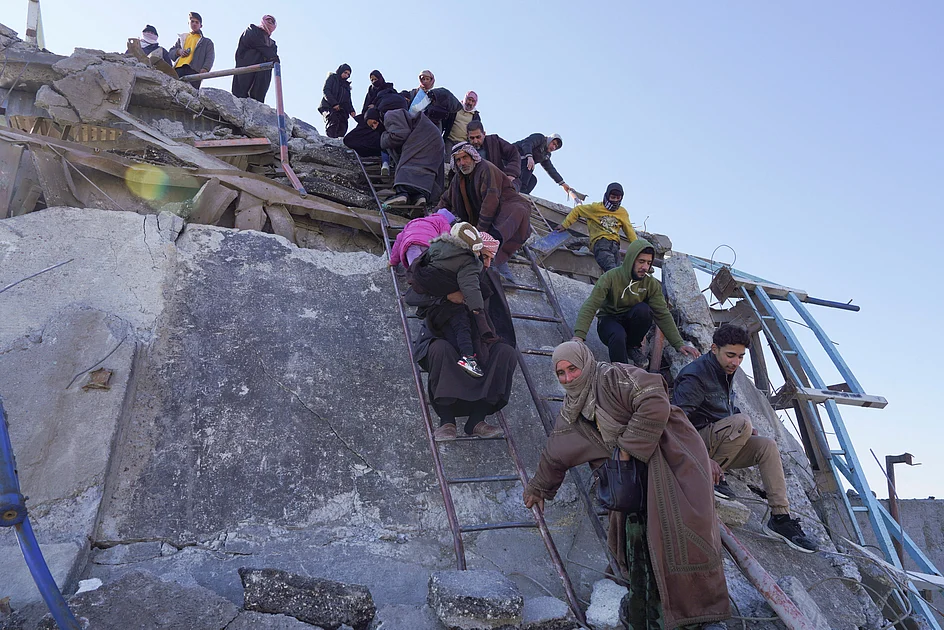
    In a significant development for Middle Eastern stability, Syria has prolonged its temporary truce with Kurdish-led forces for an additional 15 days following intensive international mediation efforts. The ceasefire extension, which took effect at 11:00 PM local time on Saturday, provides a crucial breathing space amid escalating military tensions in northern and eastern territories.

    The Syrian Democratic Forces (SDF) confirmed the arrangement through an official statement, noting that ‘dialogue with Damascus continues’ despite previous deadlocks. This diplomatic breakthrough comes after government troops under President Ahmed al-Sharaa captured substantial territories from Kurdish forces in recent weeks, dramatically shifting the regional power balance.

    The extension emerged through complex international diplomacy, with the United States actively mediating between the parties. Washington’s engagement aims to establish a lasting ceasefire and facilitate the integration of the SDF—formerly America’s primary Syrian partner—into the state apparatus led by Sharaa, who overthrew longtime ruler Bashar al-Assad in late 2024.

    Western powers including France have expressed grave concerns about potential humanitarian consequences, urging restraint to prevent mass abuses against Kurdish civilians. These apprehensions are heightened by previous sectarian violence that claimed nearly 1,500 lives from minority communities last year.

    Concurrently, the U.S. military is conducting large-scale transfers of detained ISIS combatants from SDF-run facilities in northeastern Syria to Iraqi detention centers—an operation that influenced Syria’s decision to extend the ceasefire.

    This temporary resolution culminates a year of mounting tensions between Damascus and Kurdish authorities, who have maintained autonomous governance in northeastern regions for the past decade. The current standoff represents the most critical challenge to Kurdish autonomy since Sharaa assumed power.

  • ‘Historic’ US storm leaves 160,000 without power, forces over 13,000 flight cancellations

    ‘Historic’ US storm leaves 160,000 without power, forces over 13,000 flight cancellations

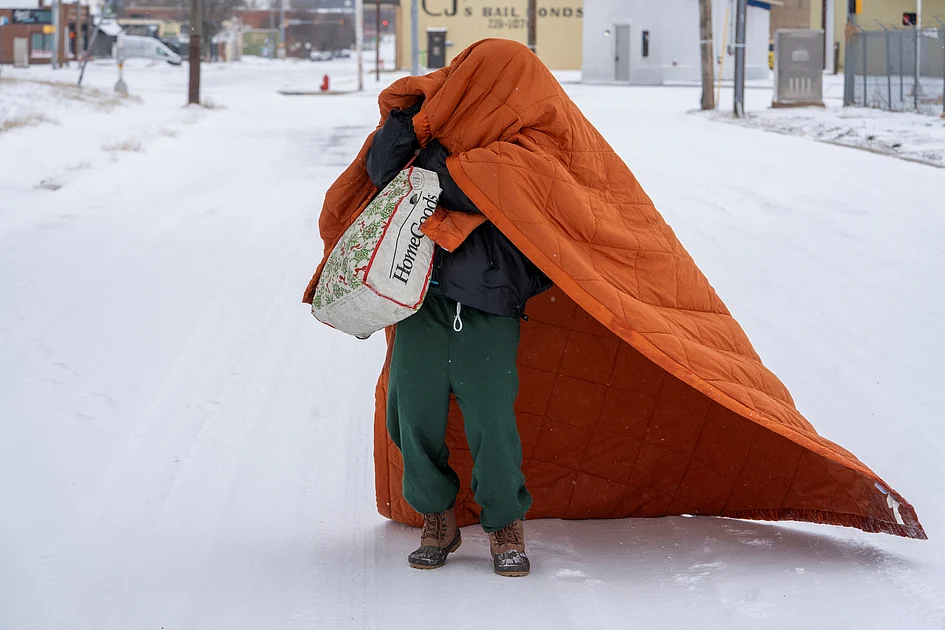
    A catastrophic winter storm of historic proportions has plunged large portions of the United States into chaos, leaving approximately 160,000 households without electricity and triggering the cancellation of over 13,000 flights across the nation. The severe weather system, characterized by heavy snowfall, freezing rain, and dangerously frigid temperatures, continues to sweep across the eastern two-thirds of the country with potentially crippling consequences.

    In response to the escalating crisis, President Donald Trump approved federal emergency disaster declarations for multiple states including South Carolina, Virginia, Tennessee, Georgia, North Carolina, Maryland, Arkansas, Kentucky, Louisiana, Mississippi, Indiana, and West Virginia. The President emphasized ongoing monitoring of the situation through his Truth Social platform, urging citizens to ‘Stay Safe, and Stay Warm.’

    The Department of Homeland Security confirmed that seventeen states alongside the District of Columbia have declared weather emergencies. Secretary Kristi Noem reported tens of thousands of residents in southern states experiencing power losses, with utility crews working tirelessly to restore electricity. PowerOutage.com data revealed the majority of outages concentrated in Louisiana and Texas as of Saturday evening.

    The aviation sector experienced unprecedented disruptions with FlightAware reporting over 4,000 Saturday flights cancelled and approximately 9,400 Sunday flights preemptively scrapped. Major carriers including Delta Air Lines, JetBlue, and United Airlines implemented extensive schedule adjustments, with Delta relocating cold-weather experts to southern airports to support de-icing operations and baggage handling.

    The National Weather Service issued grave warnings regarding widespread heavy ice accumulation across southeastern regions, anticipating ‘crippling to locally catastrophic impacts.’ Forecasters predicted record-breaking cold temperatures and dangerous wind chills extending into the Great Plains by Monday.

    Energy infrastructure faced severe strain as the Department of Energy authorized emergency measures for Texas’s Electric Reliability Council to deploy backup generation resources at critical facilities including data centers. Dominion Energy warned that current ice forecasts could produce one of the most significant winter events ever to affect their Virginia operations, which support the world’s largest concentration of data centers.

    Officials urged residents to stock up on essential supplies including fuel and food, emphasizing community resilience in facing the prolonged extreme weather conditions.

  • Anthony Albanese’s plea for unity on Australia Day

    Anthony Albanese’s plea for unity on Australia Day

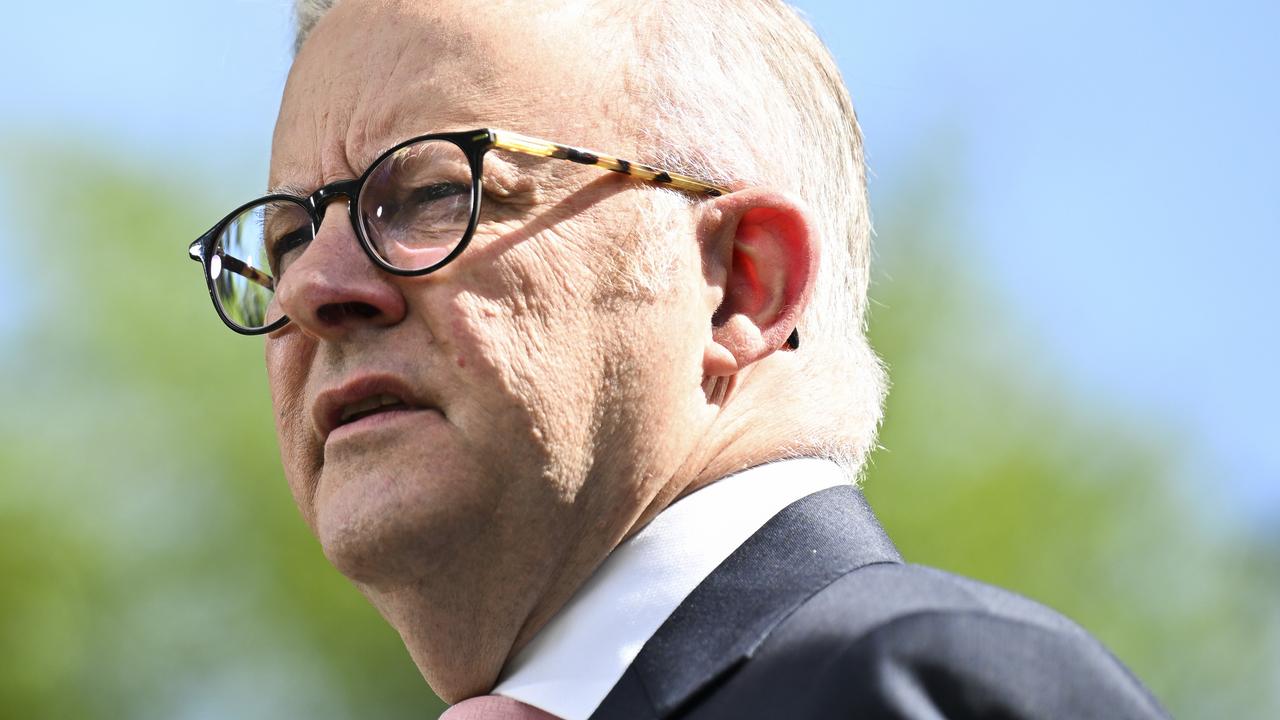
    In the wake of a devastating terrorist attack that shook the nation, Australian Prime Minister Anthony Albanese has delivered a poignant Australia Day address emphasizing resilience and national unity. The December 14 Bondi Beach massacre, which claimed 15 lives, created a period of national turmoil that tested the country’s social fabric throughout the summer months.

    Addressing the nation, Prime Minister Albanese acknowledged the profound challenges faced by Australians while highlighting the characteristic courage and compassion that emerged in response to the tragedy. He asserted that Australia’s distinctive national character isn’t accidental but has been deliberately cultivated through generations of collective service and mutual care.

    ‘This summer has tested our nation once again,’ Albanese stated, ‘but as ever in the worst of times, we have witnessed the very best of the Australian character.’ The Prime Minister encouraged citizens to approach the coming year with renewed pride in their country and strengthened faith in one another, emphasizing the ‘collective responsibility’ to build a ‘stronger and fairer’ Australia for future generations.

    Echoing this sentiment, Opposition Leader Sussan Ley delivered a complementary message during her Australia Day appearance in Corowa, historically recognized as the birthplace of Federation. Ley emphasized that unifying elements among Australians significantly outweigh divisive factors, describing the nation as ‘the best country in the world.’

    Both leaders reflected on how the Bondi tragedy had imbued this year’s Australia Day with deeper significance. Ley noted that the attack had ‘shaken the nation to its core’ while simultaneously revealing the powerful resilience of the Australian spirit. She highlighted how ordinary citizens demonstrated extraordinary bravery by rushing toward danger to assist strangers and comforting the wounded during the crisis.

    The coordinated messages from both government and opposition figures represent a concerted effort to strengthen social cohesion following a period of national trauma, reinforcing values of community solidarity and shared national identity.

  • Mark Tully, the BBC’s ‘voice of India’, dies aged 90

    Mark Tully, the BBC’s ‘voice of India’, dies aged 90

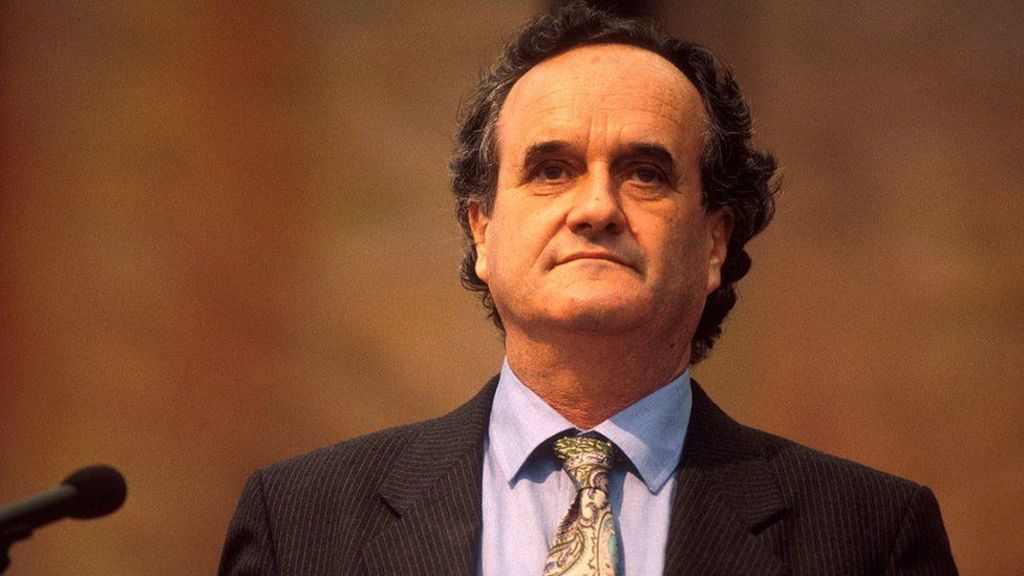
    Sir Mark Tully, the legendary British broadcaster celebrated as the BBC’s definitive “voice of India,” has passed away at 90. His distinctive baritone delivery and profound insights made him an institution across international airwaves for decades, covering pivotal moments in South Asian history including wars, famines, political assassinations, the Bhopal industrial disaster, and Operation Blue Star at Amritsar’s Golden Temple.

    Born in Calcutta during the British Raj in 1935, Tully embodied a unique cultural duality. Despite his English upbringing and education at Cambridge, he developed an extraordinary connection with India that transcended typical foreign correspondence. His fluency in Hindi—a rarity among Delhi’s foreign press corps—earned him both respect and affection, with many Indians affectionately calling him “Tully sahib.”

    The journalist faced grave danger during his coverage of the 1992 Babri Masjid demolition in Ayodhya, where he was threatened by a mob chanting “Death to Mark Tully” before being rescued by local authorities. He later described the ensuing communal violence as independent India’s “gravest setback” to secularism.

    Tully’s career began unexpectedly when he arrived as a BBC administrative assistant in 1965, eventually rising to become the corporation’s Delhi bureau chief for over two decades. His reporting extended beyond India to landmark events across South Asia, including Bangladesh’s liberation war, Pakistan’s military regimes, Sri Lanka’s civil conflict, and the Soviet-Afghan war.

    Despite his professional success, Tully grew increasingly critical of BBC’s corporate direction, culminating in his 1994 resignation following public criticism of the broadcaster’s management culture. He continued his spiritual exploration through BBC Radio 4’s “Something Understood,” returning to the theological interests that initially shaped his career path.

    Uniquely honored by both nations, Tully received India’s Padma Shri and Padma Bhushan civilian awards alongside British knighthood in 2002—an honor he described as recognition of India’s importance. He maintained dual cultural citizenship, living modestly in South Delhi while producing numerous books on Indian society, often in collaboration with partner Gillian Wright.

  • UK plans to create ‘British FBI’ to bring national investigations under single police force

    UK plans to create ‘British FBI’ to bring national investigations under single police force

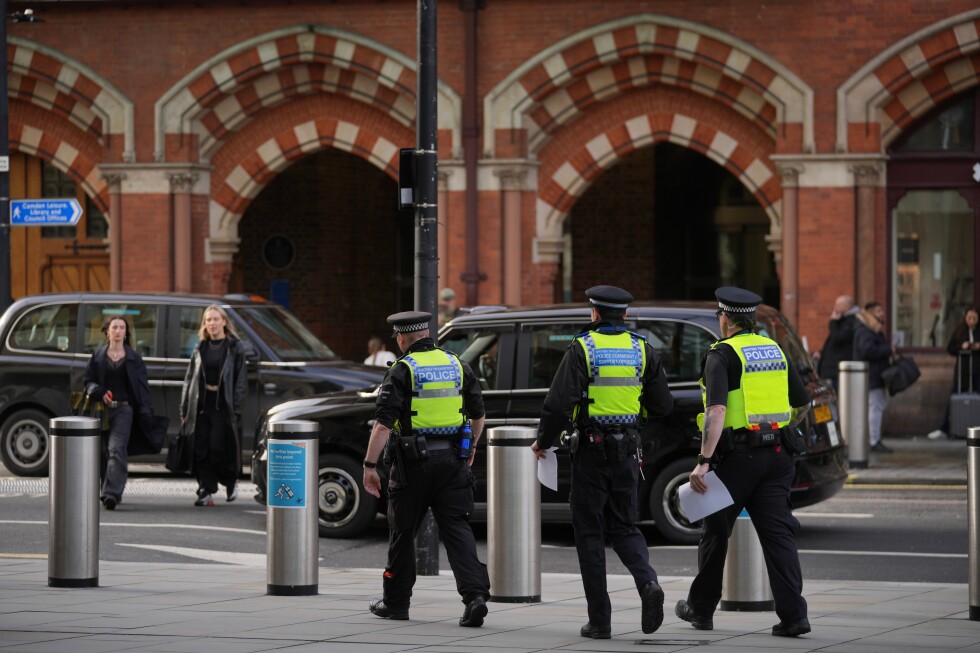
    The British government has revealed groundbreaking plans to establish a comprehensive National Police Service, colloquially termed the ‘British FBI,’ designed to oversee intricate criminal investigations spanning counterterrorism, digital offenses, and organized crime. This transformative initiative, announced on Sunday by Home Secretary Shabana Mahmood, represents the most significant overhaul of British policing in decades.

    The newly proposed agency will consolidate multiple specialized units under a single command structure, incorporating counterterrorism operations, regional organized crime task forces, police aviation resources, and road policing functions across England and Wales. This consolidation aims to address critical gaps in local law enforcement capabilities while creating a centralized framework for complex criminal investigations.

    Home Secretary Mahmood emphasized that the current policing model, established generations ago, has become increasingly inadequate against sophisticated modern criminal networks. ‘Many local constabularies lack either the specialized expertise or necessary resources to effectively combat evolving threats such as cyber-enabled fraud, online child exploitation, and transnational criminal organizations,’ Mahmood stated.

    The restructuring will fundamentally redefine policing responsibilities, enabling regional forces to concentrate exclusively on community-level crimes while the national service handles cross-jurisdictional and technically complex cases. The unification is projected to generate substantial operational efficiencies through centralized procurement processes and attract elite investigative talent through enhanced career development opportunities.

    Additional reforms expected alongside the national service implementation include potential consolidation of England and Wales’ 43 regional police forces and modernization of officer recruitment and management protocols. The Metropolitan Police Service, which currently leads counterterrorism efforts, has expressed strong support for the centralized approach, acknowledging the necessity of adapting to contemporary security challenges.

  • Protests and anger after man shot dead by immigration agents in Minneapolis

    Protests and anger after man shot dead by immigration agents in Minneapolis

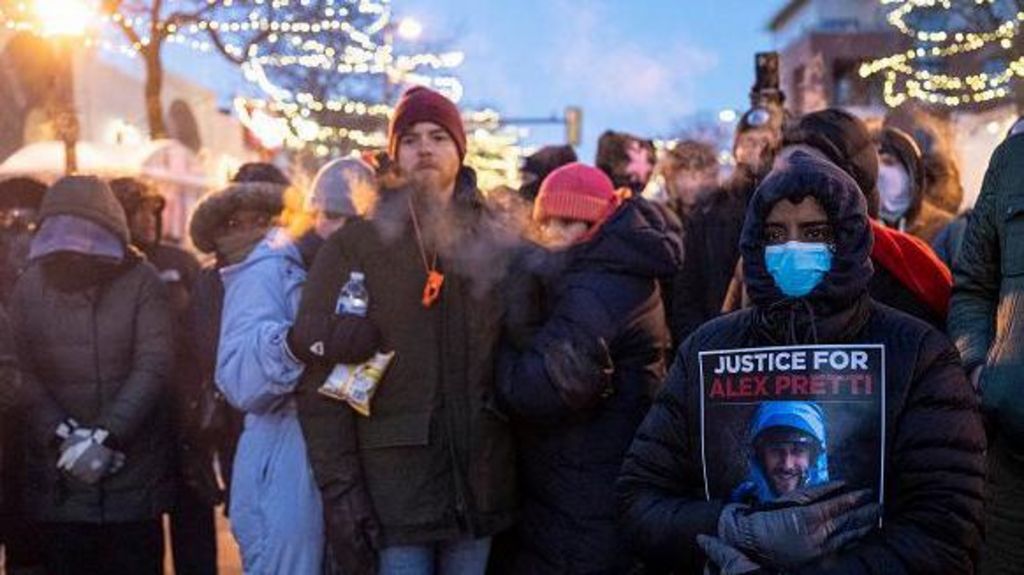
    Minneapolis has become the epicenter of national outrage following the fatal shooting of Alex Pretti, a 37-year-old intensive care nurse, by federal immigration agents during a Saturday morning confrontation. The incident, which occurred at approximately 09:05 local time near Nicollet Avenue and 26th Street, has ignited fierce protests and exposed a deep rift between state and federal authorities.

    Multiple video recordings from the scene depict a volatile altercation between Pretti and officers from Immigration and Customs Enforcement (ICE). The footage shows Pretti filming the agents with his phone during protests against ongoing immigration raids. After an agent is seen shoving a woman to the ground, Pretti moves between them, raising an arm in a defensive gesture before being pepper-sprayed. Several agents then wrestle him to the pavement. Critical moments show an officer emerging from the scuffle holding what appears to be a firearm, immediately followed by another agent opening fire on Pretti as he lies on the ground.

    The Trump administration’s Department of Homeland Security has characterized the event starkly differently. Secretary Kristi Noem and Border Patrol Commander Greg Bovino described Pretti as a ‘domestic terrorist’ who approached agents with a 9mm semi-automatic handgun, forcing an agent to fire ‘defensive shots’ in fear for his life. They claimed he intended to ‘perpetrate violence’ and ‘massacre’ law enforcement.

    This official narrative has been vehemently rejected by Minnesota Governor Tim Walz, who denounced the federal account as ‘nonsense and lies.’ After reviewing multiple video angles, Governor Walz stated the footage was ‘sickening’ and demanded the immediate withdrawal of thousands of federal officers from the state. Minneapolis Mayor Jacob Frey and Police Chief Brian O’Hara joined these calls, with O’Hara clarifying that Pretti was a lawful gun owner with no criminal record beyond traffic violations.

    The shooting marks the second fatal incident involving ICE agents in Minneapolis within three weeks, following the death of Renee Good during an enforcement action earlier this month. As hundreds of demonstrators braved freezing temperatures to hold vigils and chant Pretti’s name, armed and masked agents deployed tear gas and flashbang grenades against protesters, further escalating tensions. Pretti’s parents, Michael and Susan, remembered their son as a ‘kind-hearted soul’ who wanted to ‘make a difference,’ expressing they were both ‘heartbroken but also very angry’ and pleading for the truth to be told.

  • Macron pushes for fast-track ban on social media for children under 15

    Macron pushes for fast-track ban on social media for children under 15

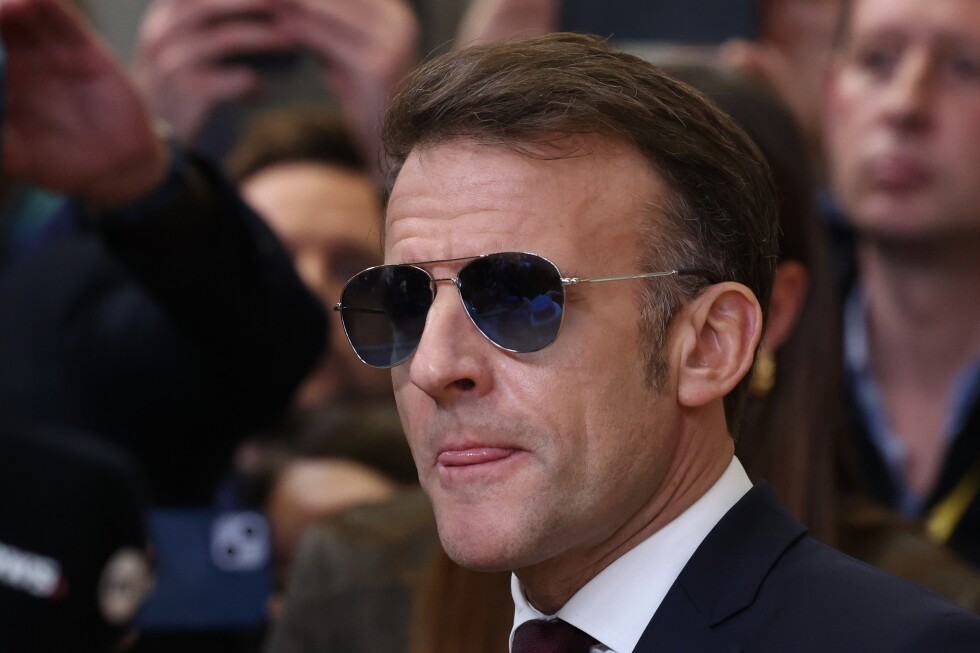
    President Emmanuel Macron has directed the French government to expedite legislation that would prohibit social media access for children under 15, targeting implementation by September’s new school year. The announcement, made in a Saturday evening broadcast on BFM-TV, signals a aggressive stance against what Macron characterized as the exploitation of youth by foreign technology platforms.

    ‘The cognitive development and emotional well-being of our youth are not commodities to be traded or manipulated,’ Macron asserted. ‘This applies equally to American digital platforms and Chinese algorithmic systems.’

    The French initiative emerges alongside similar considerations in the United Kingdom, where authorities are evaluating social media restrictions for adolescents as part of broader child protection measures against harmful content and excessive screen engagement.

    Supporting the regulatory push, recent data from France’s national health authority reveals concerning usage patterns: approximately 90% of adolescents aged 12-17 access internet services daily via smartphones, with 58% actively engaged on social platforms. Half of French teenagers dedicate between two to five hours daily to their mobile devices.

    December’s comprehensive health assessment highlighted multiple detrimental effects associated with youth social media consumption, including diminished self-esteem and increased exposure to content promoting self-harm, substance abuse, and suicidal behavior. Several French families have initiated legal proceedings against TikTok, alleging platform content contributed to teenage suicides.

    The presidential administration clarified that Macron’s video statement addressed legislator Laure Miller, who is sponsoring the bill scheduled for parliamentary examination this Monday. ‘We’re establishing unambiguous boundaries: social media prohibition for under-15s and mobile phone restrictions in secondary schools,’ Macron stated. ‘This creates clarity for adolescents, families, and educators alike.’

    Globally, Australia’s implementation of similar restrictions for users under 16 has resulted in social media companies disabling approximately 4.7 million accounts identified as belonging to minors. The Australian experience has sparked international dialogue balancing technological access, privacy considerations, and youth mental health protection.