博客

  • Libya reels from assassination, oil strikes and central bank turmoil

    Libya reels from assassination, oil strikes and central bank turmoil

    Libya, a hydrocarbon-rich North African nation long fractured by political division and armed conflict, has entered a new phase of widespread instability this week, rocked by three consecutive major disruptions: a deadly car bomb assassination of a top eastern military intelligence official, repeated drone attacks on the country’s largest operating oil refinery, and the abrupt resignation of the nation’s central bank governor.

    The first blow struck on Monday night in Benghazi, Libya’s second-largest city located in the country’s eastern region. Fawzi al-Mansouri, military intelligence chief for the Libyan National Army (LNA) — the powerful faction led by renegade commander Khalifa Haftar that controls much of eastern Libya — was leaving a local mosque when an explosive device pre-fixed to his vehicle detonated. The LNA confirmed the attack in an official statement released Tuesday.

    Khaled Haftar, son of Khalifa Haftar and a prominent leader within the LNA, announced that security authorities had launched a full criminal investigation into the killing. In a public statement, he characterized the attack as a “despicable terrorist tactic,” adding that terrorism does not target Libya alone, but poses a threat to the entire broader region. To date, no armed or extremist group has claimed responsibility for the bombing.

    Hamish Kinnear, principal Middle East and North Africa analyst at global risk intelligence firm Verisk Maplecroft, noted that the assassination undermines a core goal of the Haftar-led bloc: projecting an image of consolidated stability in eastern Libya after years of ongoing conflict. “It is a reminder that security in eastern Libya remains fragile despite the domination of Khalifa Haftar’s LNA,” Kinnear explained. The LNA has responded by reiterating its commitment to rooting out extremist threats, saying in a statement that it “will not cease fighting terrorism and will continue our struggle for the stability and security of Libya, as well as for the unification of its institutions.”

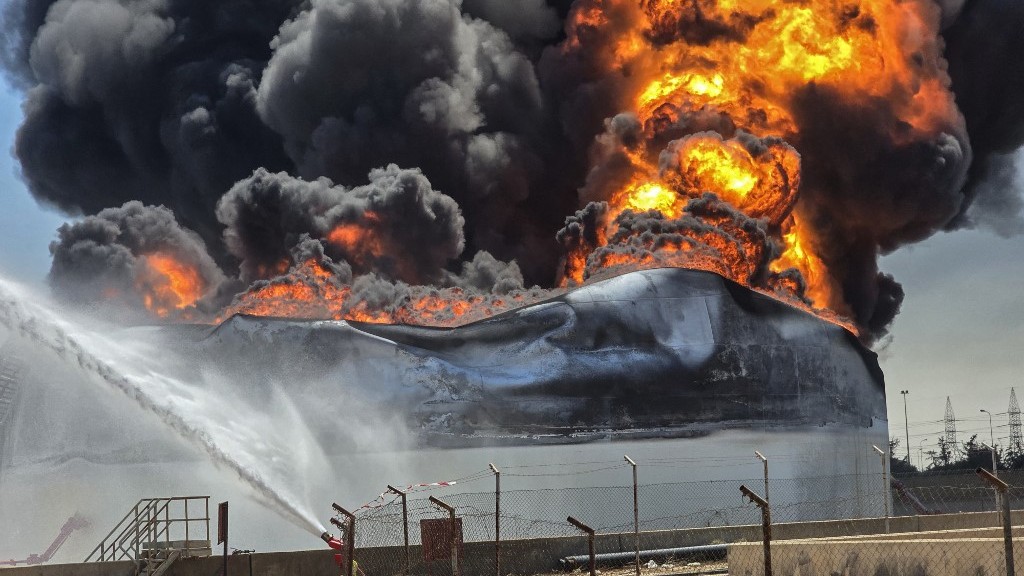
    While security forces in the east grappled with the aftermath of the assassination, emergency responders in western Libya were working desperately to contain a large blaze at the Zawiya oil refinery, 45 kilometers west of the capital Tripoli. The fire broke out Monday evening after a drone strike hit the facility, marking the third attack on the refinery in just 48 hours.

    Libya’s National Oil Corporation confirmed that the drone struck a storage tank holding approximately 4.5 million liters of fuel. The impact of the blast and subsequent fire caused the entire tank to collapse, and the corporation issued a stark warning that additional attacks on key energy infrastructure could force a full suspension of refinery operations. While emergency services confirmed no fatalities or critical injuries from the attack, several first responders and workers received medical treatment for smoke inhalation.

    As Libya’s largest fully operational refinery, Zawiya has a daily processing capacity of 120,000 barrels of crude oil, making it a critical asset for the country’s energy-dependent economy. Kinnear noted that while no group has claimed the drone attacks, they coincide with ongoing armed clashes between rival militias in the Zawiya region. The strikes, he said, are almost certainly intended to exert political pressure on the internationally recognized Government of National Unity led by Prime Minister Abdul Hamid al-Dbeibah.

    The wave of turmoil deepened later this week when a resignation letter attributed to Naji Issa, Governor of the Central Bank of Libya, began circulating widely across social media platforms and local Libyan news outlets. Addressed to the leaders of Libya’s House of Representatives and High State Council, the letter confirmed Issa’s intention to step down from his senior post. The governor has declined to publicly share details of his decision, only citing the “extreme sensitivity” of his reasons for leaving.

    Taken together, the three events that unfolded within a single 24-hour period underscore just how rapidly Libya’s already brittle political and security order can unravel. “Drone attacks on oil infrastructure in Zawiya, a car bomb assassination in Benghazi and the resignation of one of Libya’s top officials underline how quickly Libya’s fragile political and security situation can deteriorate,” Kinnear summarized.

    For more than a decade, Libya has remained split between two competing governing blocs: the internationally recognized Government of National Unity based in Tripoli, and a parallel eastern administration backed by Haftar’s LNA. Despite boasting large oil reserves and currently producing more than 1.3 million barrels of crude per day, the country continues to grapple with widespread systemic failures, including prolonged, frequent national electricity cuts. These persistent blackouts have already sparked mass public protests across Tripoli, Zawiya, Misrata and other major population centers, where demonstrators are demanding reliable access to power and calling for Prime Minister Dbeibah to resign.

    Kinnear added that targeting energy infrastructure has become a common tactic in Libya’s internal power struggles, as it offers a low-cost, high-impact way to force political concessions. “Libya’s energy infrastructure often becomes the target in these confrontations, as it is the easiest means by which pressure can be placed on political leaders and concessions demanded,” he explained.
  • Iran’s new Security Council shake-up reveals growing divisions over US deal

    Iran’s new Security Council shake-up reveals growing divisions over US deal

    Weeks after Iranian and American negotiators finalized a historic Memorandum of Understanding to put an end to months of escalating cross-border hostilities in late June, Iran’s top security body, the Supreme National Security Council (SNSC), publicly threw its weight behind the breakthrough agreement in an official statement. The statement carried the signature of Mohammad Bagher Zolghadr, a former hardline general from the Islamic Revolutionary Guard Corps (IRGC) who stepped into his role after the killing of prominent moderate Ali Larijani. Larijani, a vocal backer of a diplomatic deal with Washington, was killed in a joint US-Israeli airstrike on March 17.

    In Iran’s political structure, the SNSC secretary – a role appointed by the sitting president – holds no voting power on the council. But Zolghadr had simultaneously been named as supreme leader Ali Khamenei’s personal representative to the body, a post that grants full voting authority, putting him in a unique position to formally back the deal.

    Zolghadr’s public endorsement of the agreement caught Iran’s ultraconservative principlist faction completely off guard. Unprepared for the turn of events, the hardline bloc launched a sustained smear campaign against Zolghadr, even circulating unsubstantiated claims that his son resides in Austria to discredit him.

    Days after the SNSC released its statement, Iran’s new supreme leader Mojtaba Khamenei released his own public remarks, revealing that he held “in principle” opposition to the agreement while placing full responsibility for the deal squarely on the negotiating team. Political analysts say the statement effectively abandoned negotiators to backlash, emboldening ultraconservatives to ramp up their attacks against the agreement, the reformist-leaning government led by President Masoud Pezeshkian, the negotiating team, and Zolghadr personally.

    According to two anonymous sources within Iran’s conservative camp, Zolghadr penned a direct letter to Khamenei following the supreme leader’s statement, voicing clear dissatisfaction with the move. Zolghadr argued that Khamenei had already been fully briefed on all details of the agreement prior to its public announcement, and submitted his formal resignation from his posts on the council.

    Citing insider accounts, the sources confirm Khamenei accepted Zolghadr’s resignation nearly immediately. The departure marks a highly unusual moment in Iranian politics: it is rare for a senior government official to resign in explicit protest of a direct decision from the supreme leader.

    Principlist lawmakers and allies have publicly framed Zolghadr’s exit as a removal, arguing he was ousted for aligning with President Pezeshkian and backing the deal instead of opposing it. But reporting from Middle East Eye, speaking to multiple conservative sources with direct knowledge of the episode, directly contradicts that narrative.

    The sources confirm that President Pezeshkian lobbied heavily to convince Khamenei to reject the resignation and keep Zolghadr in his role as SNSC secretary, noting Zolghadr’s broad alignment with the government’s goal of securing a diplomatic deal with the United States. Pezeshkian’s efforts ultimately fell short, however.

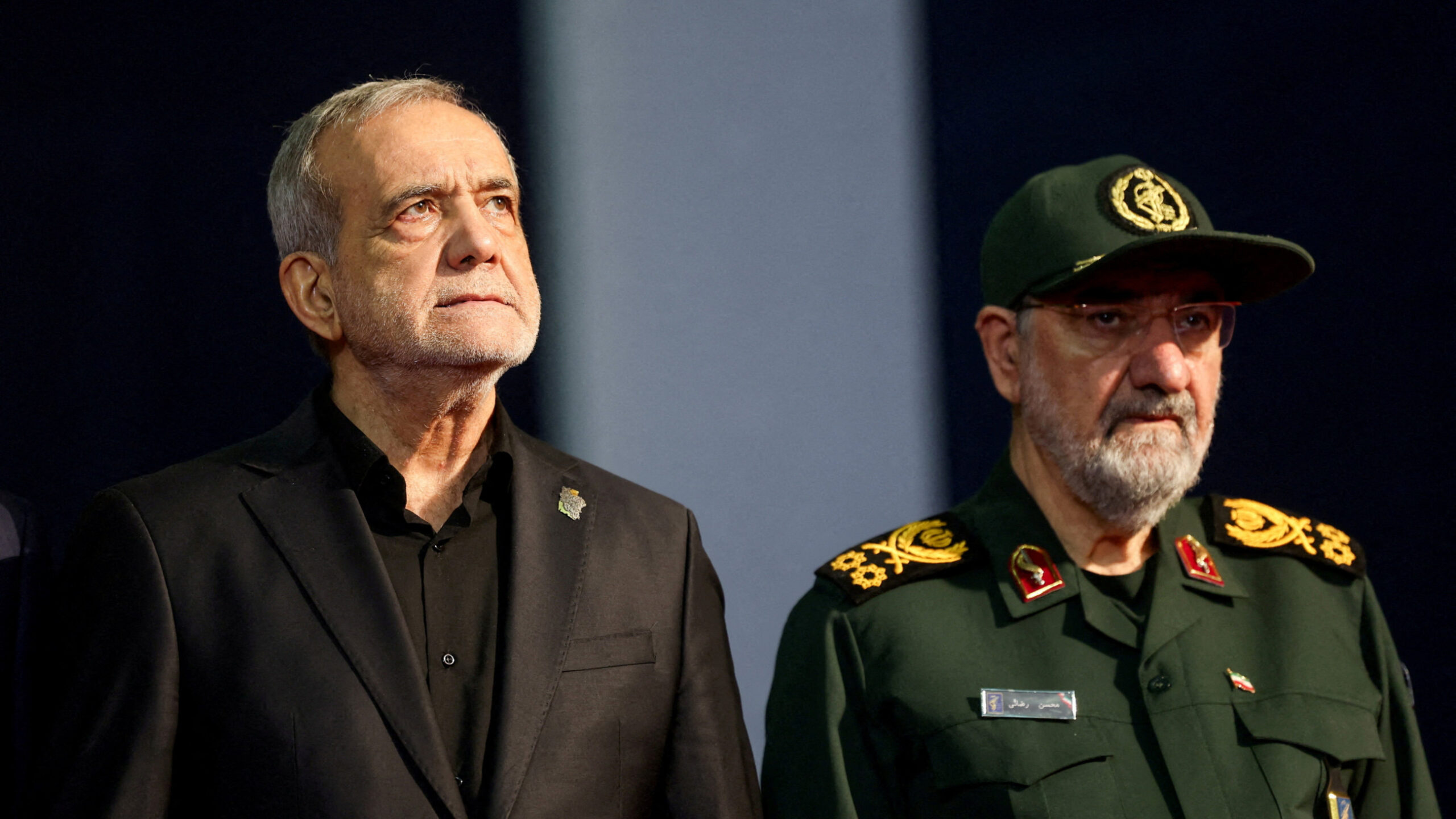
    In Zolghadr’s place, Khamenei appointed former IRGC commander Mohsen Rezaei as his new representative to the SNSC. The appointment effectively forced President Pezeshkian to name Rezaei as SNSC secretary, despite the president’s initial resistance to the pick, which he only signed off on at the eleventh hour.

    At 71 years old, Rezaei has been a core figure in the Islamic Republic’s military, security, and political establishment for nearly 50 years. In the aftermath of the 1979 Islamic Revolution, he helped build the IRGC’s intelligence apparatus, and became the IRGC’s commander at just 27 years old. He held the top IRGC post for 16 years, leading the force through the entirety of the 1980s Iran-Iraq War.

    Rezaei was already involved in behind-the-scenes diplomacy with the United States as early as the mid-1980s, during the Iran-Contra affair, a scandal that saw the US secretly sell weapons to Iran to fund anti-government Contra rebels in Nicaragua. Former Iranian President Akbar Hashemi Rafsanjani once told local media that his nephew Ali Hashemi, a key go-between for contacts with Ronald Reagan’s White House, briefed both him and Rezaei on meetings with US officials.

    Per Rafsanjani’s account, Rezaei encouraged the backchannel talks, telling him “Keep going. We need weapons.” Rafsanjani also recalled that Rezaei instructed him to hand off his contacts to allies Rezaei named to keep the process moving forward, and confirmed after a second round of negotiations that Ayatollah Ruhollah Khomeini, the founder of the Islamic Republic, was fully aware of the secret talks. As the contacts progressed, Rafsanjani and two IRGC officials even traveled to Washington for closed-door negotiations.

    In the 1990s, Rezaei’s eldest son relocated to the United States, where he sought asylum and became a public critic of the Islamic Republic. He eventually returned to Iran, but died years later under suspicious circumstances in a Dubai hotel.

    By the end of the 1990s, Rezaei sought to transition from his military career to a more prominent political and policy role. He enrolled in economics studies at the University of Tehran, completed a doctorate, and increasingly focused his work at the Expediency Discernment Council on macroeconomics, national development planning, and broad institutional policy priorities. He has launched multiple campaigns for the Iranian presidency, but never secured victory. In September 2021, the late President Ebrahim Raisi appointed Rezaei as vice president for economic affairs and secretary of the Supreme Economic Coordination Council of the Heads of the Three Branches of Government. Rezaei stepped down from the vice presidency in June 2023, but retained his post as secretary of the economic coordination council at Raisi’s request.

    In comments on April 6, Rezaei argued that the US naval blockade of Iran was “vulnerable” and amounted to little more than psychological warfare, saying it would not shift Iran’s negotiating position. “I do not personally support extending the ceasefire. It should happen only if a final agreement is reached and our rights are secured,” he stated. He also added that Washington has no coherent strategy to end the ongoing conflict, noting that the US tests one approach, fails, and then pivots to another. He laid out two possible outcomes: that the US is coming to terms with its defeat, or that former US President Donald Trump would so severely damage US global standing that he would eventually be removed from office.

    On July 7, just days after the MoU was finalized, Rezaei said: “Those opposed to negotiations should wait. The Americans themselves will derail these talks.”

    Despite Rezaei’s increasingly harsh public rhetoric against the current negotiations, a senior Iranian political source familiar with his thinking told Middle East Eye that Rezaei is personally a pragmatist who has long favored restoring diplomatic relations with the US and ending the long-running conflict. The source added, however, that Rezaei’s long-standing political calculations and his commitment to retaining his place in Iran’s power structure have consistently led him to “go with the flow,” shifting his public positions to align with changing political tides. The source described this adaptability as one of the defining traits of Rezaei’s decades-long political career. The source added that it will soon become clear whether Rezaei’s hardline rhetoric reflects genuine opposition to the ongoing negotiations, or is simply a political tactic to undermine the current negotiating team because he was excluded from the core of the current process.

    Middle East Eye provides independent, in-depth coverage and analysis of the Middle East, North Africa, and surrounding regions.

  • Turkey’s cross party Kurdish peace coalition makes history with PKK clemency law

    Turkey’s cross party Kurdish peace coalition makes history with PKK clemency law

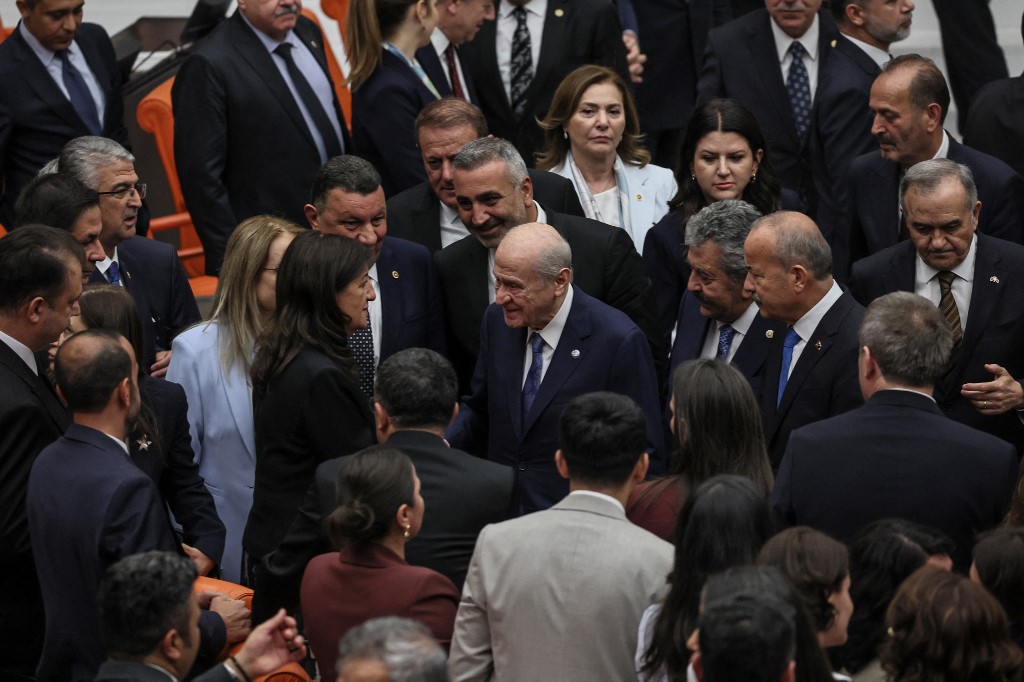
    Three years ago, the sight of Turkish ruling coalition lawmakers posing alongside pro-Kurdish and other opposition legislators after passing a partial clemency bill for Kurdistan Workers’ Party (PKK) members would have been unthinkable. Yet this extraordinary scene became reality this week, following a landmark parliamentary vote that marks the first formal government effort in modern Turkish history to end nearly 40 years of armed conflict with the PKK.

    The PKK launched its guerrilla campaign against the Turkish state in the early 1980s, a conflict that has claimed the lives of thousands of civilians and security force personnel. Initially organized to demand full Kurdish independence, the group has in recent decades shifted its goals to push for greater political and cultural autonomy for Turkey’s Kurdish population. After two years of quiet negotiations with imprisoned PKK leader Abdullah Ocalan, President Recep Tayyip Erdogan’s Justice and Development Party (AKP) and its nationalist coalition partner, the Nationalist Movement Party (MHP), moved forward with the peace legislation. What makes the process even more remarkable is that it was initiated by MHP leader Devlet Bahceli, a long-time hardline opponent of the PKK who once repeatedly called for Ocalan’s execution, in an October 2024 speech where he unexpectedly positioned himself as a champion of negotiations.

    Following months of deliberations by a special parliamentary committee focused on the Kurdish question, and extended talks involving Ocalan, PKK commanders based in northern Iraq’s Qandil Mountains, and exiled PKK leaders based in Europe, the draft legislation was tabled last week and ratified by parliament on Monday.

    The new law outlines a clear path toward disarmament and reconciliation: it grants pardons to former PKK members who have never been convicted of violent offenses such as premeditated murder, and allows the immediate release of prisoners jailed for non-violent PKK-related activities. Before any repatriation or pardons can take effect, the PKK must fully lay down its arms, verify its compliance to Turkish authorities, and end all illegal activities including counterfeit and drug smuggling. Repatriation of eligible non-violent PKK members is scheduled to begin in September, with a six-month implementation window; those who fail to apply within this period will lose their eligibility for the clemency program. Turkish intelligence services will oversee the disarmament process, and a formal compliance report will be submitted to Turkey’s National Security Council to trigger the next phase of the process. The law applies to PKK members across all locations, including those based in Europe, and automatically cancels any pending sentences based solely on PKK membership once the organization formally dissolves, clearing the way for former members to resume civilian life in Turkey.

    What has stunned observers most is not the passage of the bill itself, but the unprecedented breadth of cross-party support it garnered. Beyond the ruling AKP and MHP, the legislation won backing from the main secular opposition Republican People’s Party (CHP), small right-wing and Islamist groups including the New Welfare Party (Yeniden Refah) and Felicity Party (Saadet), the liberal Democracy and Progress Party (DEVA), and even Huda Par, an Islamist Kurdish party that has long opposed the PKK. Left-wing groups including the socialist Workers’ Party of Turkey (TIP) and multiple smaller left-wing parties also supported the measure. Prominent opposition figures including imprisoned Istanbul Mayor Ekrem Imamoglu and Ozgur Ozel, leader of the New Party and a former CHP dissident who now leads the main opposition bloc inside parliament, also publicly endorsed the bill.

    While supporting parties bring a range of differing perspectives and private reservations to the process — Ozel allowed New Party lawmakers a free vote, and many ultimately opposed the legislation — the final tally reflected overwhelming parliamentary backing: 468 of the 600-seat body’s 592 sitting members voted in favor. In his parliamentary address, Ozel emphasized that despite deep disagreements with the Erdogan government over its ongoing crackdown on opposition mayors and its efforts to remove him from his former CHP leadership role, his party would not stand in the way of peace. “We have every right to reject this law, but we will not put that right before the future of this nation,” Ozel told lawmakers. “We will pave the way for peace so that no other mother has to embrace her son’s coffin.”

    Even for Ocalan, the legislation does not grant an official formal role in the reconciliation process, but Turkish officials expect his conditions of imprisonment on Imrali Island to be eased substantially once implementation begins. Changes could include upgraded living quarters and expanded access to journalists and public figures, allowing him to communicate more openly with the Turkish public as the process moves forward. It also remains unclear how many PKK members across the organization’s global network — from the Qandil Mountains leadership to branches in Iraq, Syria, and Europe — will choose to take advantage of the clemency terms. Some long-term prisoners who have already served 25 years of their sentences may also qualify for early release under the new law.

    In his address, Ozel also raised a key political question hanging over the peace process: a resolution to the Kurdish conflict could clear the way for a new political alliance between Erdogan’s AKP and the pro-Kurdish Peoples’ Equality and Democracy Party (DEM), potentially opening the door for Erdogan to run for a third presidential term in 2028. Erdogan is currently serving his second constitutionally limited term, but a parliamentary vote to call early elections would reset the term count, allowing him to stand again. With backing from DEM and smaller aligned parties, the AKP could secure the parliamentary majority needed to authorize that early vote.

  • Trump sued over Truth Social’s $100,000 early access service

    Trump sued over Truth Social’s $100,000 early access service

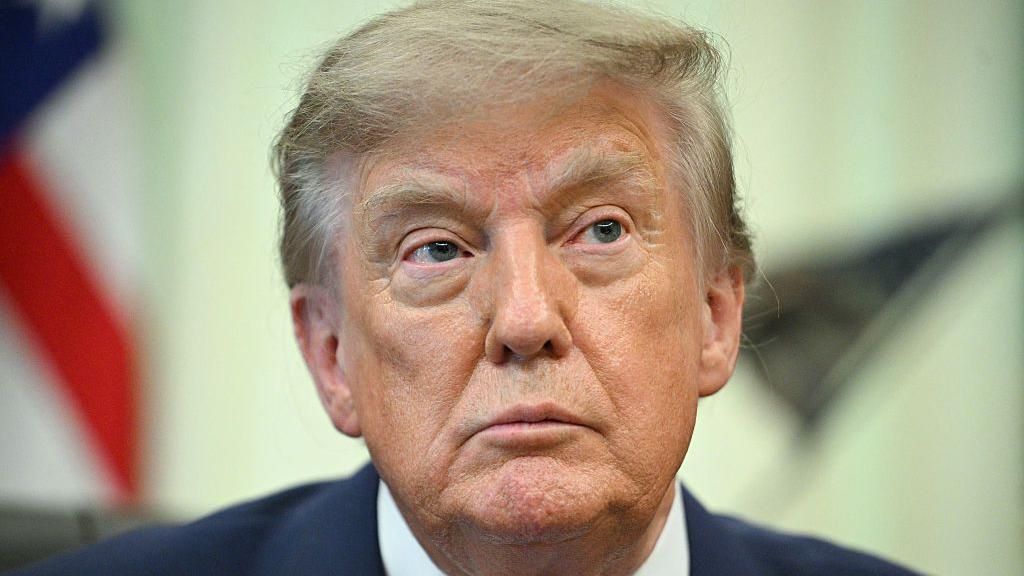
    Two prominent U.S. media organizations have launched a landmark federal lawsuit against former U.S. President Donald Trump, centered on a premium subscription service from his social media platform Truth Social that charges high-paying clients up to $100,000 per month for early access to his public posts. Filed Wednesday in the U.S. District Court for the Southern District of New York by investigative news outlet The Intercept and the non-profit press freedom organization Freedom of the Press Foundation, the legal challenge labels the paid early access scheme as extraordinary, corrupt and unconstitutional.

    The premium product at the center of the suit, branded Truth API, was launched by Trump Media & Technology Group (TMTG) – the company that owns and operates Truth Social – in mid-July. The service delivers posts from Trump and other high-profile platform accounts to paying subscribers in milliseconds, giving them access to the former president’s updates several seconds before the content is visible to the general public.

    According to the plaintiffs, those few seconds of early access carry substantial tangible value, particularly because Trump has a long history of using his social media channels to make major announcements that can shift global financial markets. During heightened geopolitical tensions such as the Iran conflict, the suit notes, Trump’s statements have moved asset prices rapidly, meaning early access gives well-heeled subscribers an unfair market advantage unavailable to ordinary users and smaller market participants. Court documents confirm that more than 10 entities currently pay the maximum $100,000 monthly fee for the premium service.

    Seth Stern, head of advocacy at the Freedom of the Press Foundation, called the arrangement unprecedented, noting that it was almost unthinkable just years ago for a sitting or former U.S. president to sell priority access to official public announcements through a private company they personally control for profit. David Bralow, chief legal officer at The Intercept, added that the model directly contradicts core principles of a free and independent press, arguing that the president should not charge private entities for early access to public disclosures that he generates in his official capacity.

    The lawsuit also draws attention to Trump’s significant personal financial stake in the scheme: Trump holds a 41% controlling stake in TMTG through a revocable trust, making him the sole beneficiary of the holding with a stake valued at over $1 billion. The plaintiffs frame the Truth API service as a deliberate moneymaking scheme that prioritizes private profit over equal access to public information.

    In its official response to the suit, a TMTG spokesperson pushed back against the allegations, characterizing the lawsuit as an effort by left-wing activists to censor Trump and suppress free speech. The spokesperson noted that countless news platforms and media outlets already offer paid subscription application programming interfaces (APIs) for fast access to public content, and that Truth Social was founded specifically to serve as a permanent, deplatforming-free space for free speech after Trump was removed from major mainstream social media platforms following the 2021 Capitol riot. The spokesperson added that the current lawsuit represents another attempt to weaponize the courts to silence Trump and damage TMTG’s shareholders, and also accused the Freedom of the Press Foundation of violating Truth Social’s terms of service on its own platform.

    As of Thursday, the White House had not yet issued a formal comment on the litigation, after the BBC reached out to White House officials for a response.

  • Major Russian grain export terminals hit in Ukraine Black Sea port attack

    Major Russian grain export terminals hit in Ukraine Black Sea port attack

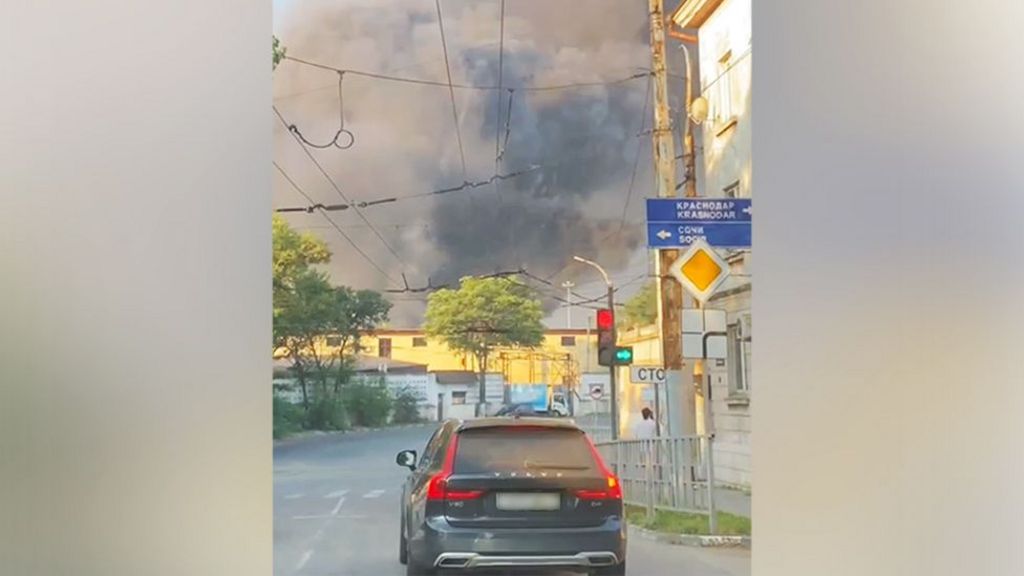
    Escalating cross-border attacks between Russia and Ukraine have sent new shockwaves through the Black Sea region, after Ukraine launched a large-scale overnight drone and missile assault on Russia’s key Black Sea port of Novorossiysk, striking critical grain infrastructure and the country’s last major remaining Black Sea naval base.

    Local Russian officials confirmed the attack left three people dead – including an 8-year-old child – and injured 24 more. The assault, which Ukrainian President Volodymyr Zelenskyy framed as a “unique operation” involving rockets, crewed aircraft and sea drones, targeted the Russian naval facility based at the port. Zelenskyy did not explicitly reference the damaged grain terminals in his public remarks, but did issue a stark warning: “The occupying fleet and all the infrastructure that supports it will not be safe as long as Russian aggression continues.” Ukraine’s military later claimed four Russian warships, among them two frigates, were damaged in the strike. As of Wednesday, Russia’s defense ministry had not issued any public comment on the naval casualties.

    Novorossiysk, one of Russia’s largest commercial and military ports, became the primary base for Russia’s Black Sea Fleet after the service was forced to relocate from its longstanding home in occupied Sevastopol, Crimea. The Crimean base had grown increasingly vulnerable to repeated Ukrainian long-range strikes, prompting the full shift of the fleet’s main assets to Novorossiysk.

    Two major international grain trading firms have confirmed their export terminals at the port sustained damage in the attack, matching independent on-the-ground reports. The overnight barrage triggered repeated explosions across the city as Russian air defense systems engaged incoming aerial targets. A state of emergency was declared across Novorossiysk on Wednesday, after the strike damaged local pipelines and cut off running water for much of the city’s population. Across the wider Krasnodar Krai region, regional governor Veniamin Kondratyev reported an additional civilian death from falling drone debris, saying “several hundred drones” struck multiple locations overnight, damaging dozens of civilian structures including private residences.

    The Ukrainian strike prompted an immediate retaliatory aerial assault from Moscow across Ukrainian territory. Between Tuesday night and Wednesday morning, Russian ballistic missiles and glide bombs struck the southern Ukrainian city of Zaporizhzhia and other locations, killing at least 11 Ukrainian civilians, according to local casualty reports.

    In the wake of the Novorossiysk attack, Russia’s Ministry of Agriculture announced Wednesday it is actively rerouting all agricultural cargo flows away from Black Sea ports to alternative terminals on the Baltic and Caspian Seas, as well as overland transport corridors. The ministry did not directly name the Ukrainian attack as the trigger for the shift, saying only that the changes are being implemented “taking into account current logistical constraints.”

    The latest escalation marks a sharp intensification of port targeting in the Black Sea this summer, after months of relative calm along the maritime frontline. Russia has repeatedly targeted Ukraine’s remaining Black Sea export infrastructure, particularly the port of Odesa, launching a string of attacks on commercial cargo vessels in a campaign to deter foreign shipping companies from trading with Ukraine. The Ukrainian Agribusiness Club reported in July that Ukrainian grain exports had dropped 23% year-on-year as a result of the persistent pressure on maritime shipping.

    At the same time, Ukraine has dramatically improved its long-range strike capabilities over the past year, and its recent assaults on Russian shipping in the eastern Black Sea have severely disrupted Russia’s own agricultural export operations. As the world’s top wheat exporter, Russia is facing a steep drop in August shipments: a Moscow-based analytics firm projects that August grain exports could fall by more than 50% compared to the five-year average, due to ongoing transport disruptions across the Black and Azov Seas.

    Russian Foreign Ministry spokesperson Maria Zakharova condemned the attack Wednesday, accusing Ukraine of deliberately targeting agricultural infrastructure to drive up global food prices and exacerbate international grain shortages. Zakharova also reiterated Russia’s commitment to continuing strikes on Ukrainian maritime military infrastructure, saying operations would continue “until the full elimination of threats to security projected to the Sea of Azov and the Black Sea.”

    Fears of a global food supply crisis tied to the Ukraine conflict have persisted since Russia launched its full-scale invasion in February 2022. Together, Russia and Ukraine account for nearly 30% of global wheat exports and a large share of global sunflower oil and corn shipments, with most of these exports going to low-income and import-dependent markets in North Africa, the Middle East, and South Asia. The 2022 Black Sea Grain Initiative, brokered by the United Nations and Turkey to allow safe Ukrainian agricultural exports from Black Sea ports, collapsed in 2023 after Russia withdrew from the deal and resumed attacks on commercial shipping bound for Ukrainian ports.

  • Discord ordered to suspend livestreams in Brazil

    Discord ordered to suspend livestreams in Brazil

    A tragic incident involving the death of a 13-year-old Brazilian girl has triggered a major regulatory action against the popular communications platform Discord, with Brazil’s national data protection authority (ANPD) ordering an immediate suspension of the platform’s livestreaming functionality. The case centers on allegations that other users in a private Discord group pressured and encouraged the minor to take her own life during a broadcast on the platform.

    Founded as a communication hub for gaming communities, Discord has grown into a global service boasting more than 200 million monthly active users, accessible via both desktop and mobile devices. The platform lets users build interest-based groups and host real-time voice and video streams through its “Go Live” livestreaming feature. However, ANPD’s investigation, launched August 7 immediately following the girl’s death, identified critical gaps in Discord’s safety infrastructure:

    ANPD confirmed that the platform lacks real-time access to livestream content, which blocks it from deploying automated systems to detect harmful, rule-breaking activity as it occurs. The regulator has demanded that the suspension stay in effect until Discord can demonstrate it has put in place robust protections for underage users, including potential mandatory age verification checks.

    Five teenagers have already been arrested by Brazilian law enforcement in connection with the girl’s death, as investigations into the coordinated harmful activity continue. In a statement provided to the BBC, Discord emphasized that it takes user safety extremely seriously. A platform spokesperson noted that “Groups or individuals who promote or encourage violence have no place on Discord,” adding that the company quickly shut down the private, invite-only server involved shortly after it was created and has maintained full cooperation with ongoing law enforcement inquiries.

    Discord also pushed back on some details of the incident, confirming its internal investigation found the harmful criminal coordination was organized on other platforms before the Discord server was established, and continued even after the involved individuals were banned from the service. The company says it is currently “thoughtfully reviewing” ANPD’s suspension order.

    Under the terms of the regulator’s ruling, Discord has three calendar days to comply with the suspension, and retains the right to file an appeal against the decision within 10 business days. Non-compliance or repeated violations could result in massive fines of up to 50 million Brazilian reais, equivalent to roughly $9.67 million, per infraction.

    This latest regulatory action marks another high-profile clash between Brazilian authorities and major global social media platforms, coming less than a year after the country imposed a nationwide ban on platform X (formerly Twitter) in August 2024. That ban came after X failed to pay outstanding regulatory fines and missed a Supreme Court deadline to appoint a required local legal representative in Brazil. The ban was lifted in October 2024 only after X complied with court orders, paying 28 million reais ($5.1 million) in accumulated penalties and agreeing to name a local representative as required by Brazilian data and media regulation.

    As global platforms continue to grapple with balancing open communication and user safety, especially for minors, the ANPD’s ruling against Discord signals a growing global trend of stricter regulatory enforcement for gaps in content moderation that lead to real-world harm.

  • Sixteen inmates injured after lightning strikes US prison

    Sixteen inmates injured after lightning strikes US prison

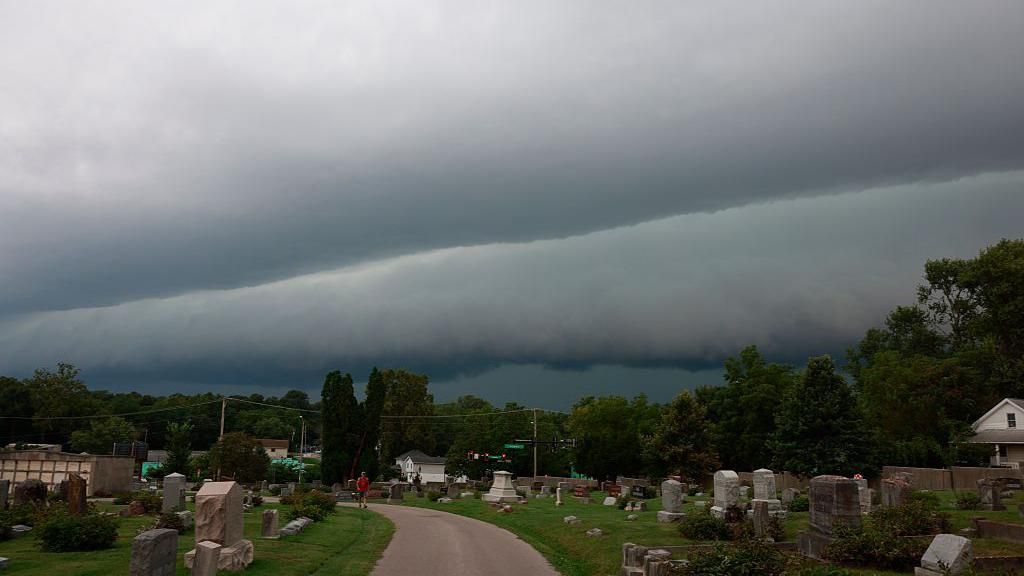
    A dangerous outbreak of severe thunderstorms and flash flooding has swept across the U.S. Midwest this week, leaving at least three people dead, wounding dozens, and cutting power to more than 600,000 homes and businesses across three states. The extreme weather has also damaged hundreds of structures, downed countless trees, and disrupted air travel across the region, with emergency crews still working to respond to widespread emergencies.

    One of the most striking incidents came Tuesday, when a lightning bolt hit a state correctional facility in Ohio as 16 inmates were moving between buildings on foot following their evening meal. The Ohio Department of Rehabilitation and Correction confirmed all 16 prisoners suffered injuries from the strike, with one patient airlifted to a tertiary care center for urgent treatment. As of Wednesday morning, nine of the injured inmates have been cleared to return to the facility, while seven remain in local hospitals – including the airlifted patient, who is listed in serious condition. No correctional staff were harmed in the incident, and officials have not yet released details on the specific nature of the most seriously injured inmate’s wounds.

    The prison strike is just one part of a broader regional weather disaster that has unfolded since Monday. The National Weather Service (NWS) confirmed Tuesday that three separate tornadoes touched down in southern suburbs of Chicago, Illinois, amid the broader storm system. Widespread visual footage shared on social media and local news outlets shows collapsed home roofs, uprooted trees, and submerged roadways across Indiana, Ohio, and Illinois.

    Three fatalities have been confirmed across the region so far. In Indiana, a 4-year-old boy was killed when a large tree fell onto his family’s mobile home as storms pushed through. A second Indiana resident, an adult woman, died following a home explosion that occurred during a period of wind gusts exceeding 100 miles per hour, according to CBS News, the BBC’s U.S. partner. Police Captain Rob Maynard noted that first response teams were delayed from reaching the scene by blocked, flood-damaged roads, and while investigators believe the extreme weather was a contributing factor in the woman’s death, a final cause has not yet been determined. Maynard added that the storms have also triggered multiple gas leaks across the state, most caused by falling trees shifting or breaking underground pipeline infrastructure. In Ohio, a third person died in a flooding incident when emergency crews could not reach the victim in time, Governor Mike DeWine confirmed.

    In a public address Tuesday, DeWine urged all residents in affected areas to stay alert and prioritize safety amid the ongoing hazard. “This is a very dangerous weather situation,” DeWine said, advising residents to monitor official weather updates and rely on common sense to avoid risky situations.

    As of Wednesday, power outage trackers report more than 295,000 customers remain without electricity in Indiana, alongside more than 185,000 in Ohio and 145,000 in Illinois. Many downed power lines and blocked access routes have slowed repair crews’ efforts to restore service.

    The NWS has extended flash flood warnings across most of Ohio and Indiana, and continued to urge residents to prepare for additional severe weather. “Now is the time to plan for severe weather and flooding!” the agency said in a public advisory, warning that wind gusts remain strong enough to knock down trees, large branches, and power infrastructure.

    Air travel across the region has also faced major disruptions. The Federal Aviation Administration implemented mandatory ground stops at two of the nation’s busiest airports – Chicago O’Hare International and Chicago Midway International – that continued into Wednesday afternoon, leaving thousands of passengers facing delayed or canceled flights.

  • Three men will be executed on the same day as death penalties rise in US

    Three men will be executed on the same day as death penalties rise in US

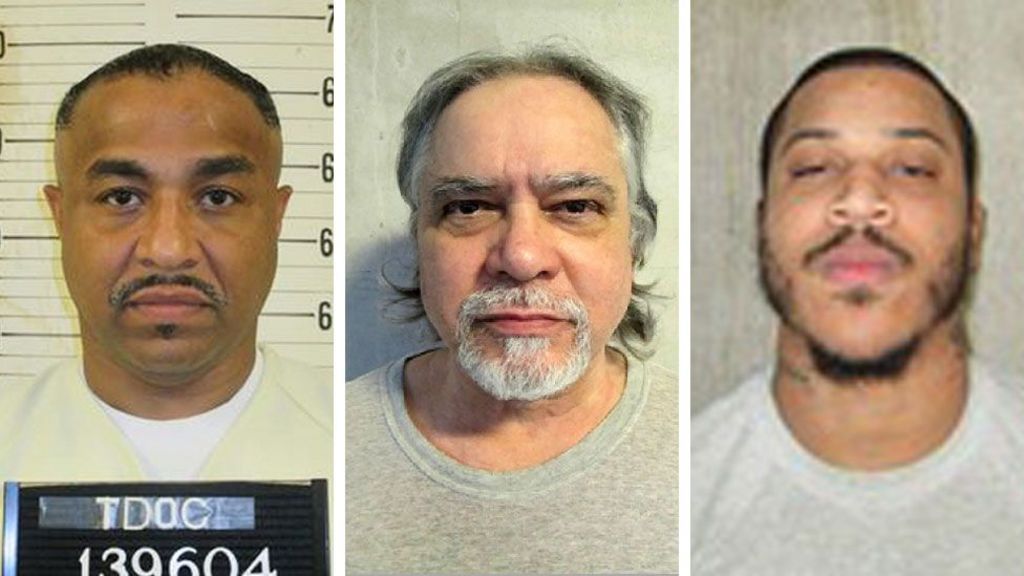
    For the first time in 16 years, the United States is set to put three condemned inmates to death on a single day this Thursday, a milestone that underscores a dramatic nationwide resurgence of capital punishment following years of declining use. The three men, each convicted of murder in separate states, face execution across three jurisdictions: 66-year-old Anthony Darrell Hines in Tennessee, 41-year-old Jeremy Williams in Alabama, and 71-year-old Carlos Cuesta-Rodriguez in Oklahoma. All three are scheduled to receive lethal injections, carrying out what death penalty experts call the most rapid increase in executions the U.S. has seen in decades.

    In 2025, the total number of executions across the country jumped to more than four times the figure recorded in 2021, even as public confidence in capital punishment has eroded and juries have become increasingly hesitant to hand down death sentences. The reversal of a years-long downward trend has been driven by policy changes at both the federal and state levels, with political leaders leaning into public support for tough-on-crime policies to expand access to capital punishment.

    At the federal level, former President Donald Trump, a lifelong vocal proponent of the death penalty, has reshaped the national landscape since returning to office in 2025. During his first term in 2020, Trump ended a 19-year federal moratorium on executions, authorizing 13 executions over a six-month window before President Biden reinstated the moratorium upon taking office. On the first day of his second term, Trump signed a sweeping executive order that formally reinstated the federal death penalty. While no federal executions have been carried out to date under the new order, the policy has created structural changes that have empowered state-level execution efforts.

    Trump’s administration has also expanded permitted methods of execution to include firing squads alongside reauthorizing traditional lethal injection, while streamlining internal Department of Justice protocols to speed up the processing of death penalty cases. The executive order further encourages states to pursue capital punishment for any federal crime that results in the death of a law enforcement officer, and directs the attorney general to secure a steady supply of lethal injection drugs for states, removing a longstanding barrier that had slowed execution rates across much of the country.

    Justin Mazzola, deputy research director at Amnesty International USA, a group that opposes capital punishment, noted that the full long-term impact of Trump’s policy changes will not be visible for years, due to the extended timeline of capital cases and the multilayered appeals process that follows most death convictions.

    State-level policy shifts have driven the bulk of the recent increase, however. In 2025 alone, 11 states carried out 47 executions, up from 25 in 2024. Nearly 40 percent of all 2025 executions took place in Florida, making the Sunshine State the single largest contributor to the national rise. Through the first half of 2026, 12 of the country’s 19 total executions have occurred in Florida.

    Experts point directly to Republican Governor Ron DeSantis as the driving force behind Florida’s outlier status. “He is the reason we are seeing a record number of executions. He is the reason why Florida is an outlier compared to the rest of the United States,” explained Robin Maher, executive director of the Death Penalty Information Center (DPIC), a nonpartisan organization that compiles death penalty data and research without taking a formal moral stance on the practice.

    Under DeSantis, Florida has passed sweeping legislation that lowers barriers to carrying out death sentences. In 2023, the state changed its jury rule to require just 8 out of 12 jurors to recommend a death sentence, down from a previous requirement of a unanimous jury vote. The state also added sexual battery of a child under 12 years old to the list of crimes eligible for capital punishment. DeSantis has repeatedly framed the death penalty as a critical crime deterrent and a just punishment for the most serious offenses.

    Unlike most U.S. states with capital punishment, Florida grants its governor unilateral authority to sign death warrants for inmates who have exhausted all their appeals, with no required court oversight. While Pennsylvania has a similar process on the books, it has not carried out an execution since 1999, making Florida’s active use of this authority unique in modern practice.

    Proponents of capital punishment in Florida argue that the changes align with public will and hold violent offenders accountable. “The people that engage in this type of conduct, their punishment is frankly earned, and it’s up to a jury of 12 to determine if that sentence is appropriate or not,” William Sheiner, a Florida state attorney, told local media recently. “Just because I pursue death as an option doesn’t mean that that’s going to be the sentence. It’s basically me saying to the community: this is up to you guys to decide if death is appropriate.”

    Today, 27 of the 50 U.S. states retain capital punishment under state law, though four of those – California, Ohio, Oregon, and Pennsylvania – have imposed formal moratoriums on executions via executive action, amid ongoing concerns over botched procedures, racial disparities in sentencing, and the high cost of death penalty cases. The U.S. remains one of the only Western nations that still actively uses capital punishment, with most European countries having abolished the practice decades ago and many African nations moving toward phasing it out.

    Debates over capital punishment have increasingly centered on the logistics of executions themselves, as major pharmaceutical companies have blocked the use of their drugs for lethal injections, creating widespread supply shortages across the country. In response, several states have authorized alternative methods including firing squads, with South Carolina carrying out its first firing squad execution in 2025 amid a drug shortage.

    Botched executions remain a persistent and contentious issue. DPIC data estimates that roughly 3 percent of all U.S. executions between 1890 and 2010 were botched, with lethal injection having the highest failure rate of any method. In 2022, more than one-third of all executions carried out that year were classified as botched or highly problematic by the organization. Most recently, in May 2026, Tennessee officials spent more than an hour unsuccessfully attempting to establish IV access for death row inmate Tony Von Carruthers, with witnesses reporting Carruthers groaned repeatedly in pain as blood ran down his chest. Tennessee Governor Bill Lee granted Carruthers a one-year reprieve after the failed attempt, though he has refused to classify the incident as a botched execution, framing it only as a failure to establish IV access.

    It remains unclear whether all three scheduled executions this Thursday will proceed as planned, or if last-minute legal challenges or reprieves will alter the timeline. Hines, the Tennessee inmate scheduled for execution, has maintained his innocence for 40 years and is currently bedridden; he is set to be executed under the same lethal injection protocol that failed for Carruthers just 12 weeks ago.

    In Alabama, Williams, convicted of the 2021 rape and murder of a 5-year-old girl, has voluntarily dismissed his attorneys and chosen not to pursue further appeals, volunteering for execution. Governor Kay Ivey has already stated she will not grant clemency, making him set to become Alabama’s first executed inmate of 2026. In Oklahoma, Cuesta-Rodriguez, convicted of the 2003 murder of a woman, has also declined to request clemency, though experts note his advanced age increases the risk of a problematic execution.

    The scheduled triple execution comes at a time of steadily declining public support for capital punishment nationwide. A 2026 Gallup poll found that just 52 percent of Americans now view the death penalty as morally acceptable, the lowest recorded level since the 1970s. This declining public support is reflected in the dropping number of death sentences handed down by juries: while juries issued more than 300 death sentences annually nationwide in the 1990s, they issued just 23 in all of 2025.

    “That tells us something very important: These are regular citizens that are sitting in judgment of people who are accused of committing the worst possible crimes, and then deciding what sentence fits those crimes,” Maher said. “Those juries are increasingly saying that a death sentence is not the right answer.”

    Maya Foa, CEO of Reprieve US, a legal organization opposed to the death penalty, added that the current surge in executions runs counter to public sentiment and practical policy needs. “It’s the opposite of a cheap easy political fix,” Foa said.

  • Freestyle fundamentals with Nigeria’s national champion

    Freestyle fundamentals with Nigeria’s national champion

    When it comes to freestyle football, few athletes on the African continent carry the historic legacy and unmatched skill of Evelyn Okafor. A trailblazer who has rewritten the record books for women in the sport, Okafor boasts an extraordinary resume that includes four national championship titles in her home country of Nigeria, three consecutive African crowns, and a landmark achievement as the first African woman ever to earn a spot at the World Freestyle Football Championship.

    What began as a personal passion for the sport has evolved into a full-time professional career for Okafor, who credits her early inspiration to Rasheedat Ajibade, captain of Nigeria’s beloved Super Falcons national women’s football team. Ajibade’s example of excellence and resilience pushed Okafor to hone her craft, combining jaw-dropping technical tricks, creative improvisation, and relentless determination to rise through the ranks of competitive freestyle football.

    Today, beyond competing on the global stage, Okafor is committed to passing her knowledge on to new aspiring freestylers. In this feature, she walks viewers through some of her signature, fan-favorite freestyle fundamentals – from the challenging trick of balancing a regulation football on one’s neck to the iconic, crowd-pleasing “around the world” move. More than just a skills tutorial, Okafor uses the platform to share a core message: young girls deserve space to chase big, ambitious dreams in sports, regardless of historical barriers or underrepresentation.

    Whether you’re a seasoned freestyle footballer looking to sharpen your basics or a newcomer curious about the art of the sport, Okafor’s tutorial invites audiences to test their own skills, learn from a champion, and join her movement to expand opportunities for women in freestyle football. This segment was produced by Isaiah Akinremi and Tom Santorelli, with filming led by Monday Idara and editing by Aaron Akinyemi, published 14 hours ago under BBC Sport’s Africa Sport section.

  • LA Lakers to be sold in record $12.5bn deal

    LA Lakers to be sold in record $12.5bn deal

    One of the most recognizable and successful franchises in global sports, the Los Angeles Lakers of the National Basketball Association (NBA), has changed hands again in less than 12 months, with a new ownership group paying a staggering $12.5 billion – a new world record for the most expensive sports team sale in history.

    The buyers are Josh Kushner, brother of Jared Kushner, the son-in-law of former U.S. President Donald Trump, and Bob Iger, the highly respected former chief executive officer of entertainment giant The Walt Disney Company. The pair will acquire controlling interest in the franchise, just 10 months after current majority owner Mark Walter purchased his controlling stake from the legendary Buss family.

    Walter’s October 2025 acquisition, which was unanimously approved by the NBA Board of Governors, was itself a record-breaking deal at the time, valued at an estimated $10 billion. Now, just months later, the franchise value has surged dramatically to hit the new $12.5 billion mark.

    In a joint public statement released following the announcement of the deal, Kushner and Iger emphasized their long-standing connection to the league and the franchise. “As lifelong NBA fans, we are deeply honoured for the opportunity to become stewards of the Los Angeles Lakers, one of the most iconic sports franchises in the world,” the statement read. The pair went on to acknowledge the legacy of the Buss family, which owned the team for more than four decades, saying “We have immense respect for the leadership and vision of Jerry and Jeanie Buss.” Outlining their plans for the future, they added: “Our long-term commitment is to build on that foundation, compete at the highest level, and serve this extraordinary team, its fans, and the city of Los Angeles.”

    The Buss family’s decades-long ownership of the Lakers dates back to 1979, when Jerry Buss purchased the franchise for just $67.5 million – a deal that also included the Los Angeles Kings NHL hockey team and the Kia Forum arena in Inglewood. After Jerry Buss passed away in 2013, ownership was held in a trust for his six children, before the 2025 sale to Walter that ended the family’s direct control. Walter, who also holds a stake in Major League Baseball’s Los Angeles Dodgers alongside sports investor Todd Boehly, expressed his gratitude for his brief tenure leading the franchise.

    “Owning the Los Angeles Lakers has been one of the great honours of my life,” Walter said in his own statement. “It has been an extraordinary investment, but what I will carry with me is the community, the fans, and a city that treats this team as family. I am grateful to Jeanie Buss, the Buss family, the players, and the staff for welcoming me into this chapter. The Lakers belong to Los Angeles, and I have every confidence the best is still ahead.”

    The Lakers are one of the most decorated teams in NBA history, holding 17 championship titles – just one behind the all-time record of 18 held by the Boston Celtics. The franchise has been through notable off-court and on-court changes in recent months. This summer, the team lost LeBron James, the all-time leading scorer in NBA history, who left at age 41 to join the Philadelphia 76ers. In his place, Slovenian superstar Luka Doncic, who was acquired via trade from the Dallas Mavericks in February 2025, has stepped into the role as the team’s franchise cornerstone.

    Doncic, who is already positioned as the face of the franchise, expressed optimism about the new ownership group in a social media statement. “Being a Laker means everything to me, and I’m excited to get back on the court and bring a championship to LA,” Doncic wrote. “I’ve gotten used to big changes over these last few years, but I know that no matter what, there is no limit to the potential of this iconic franchise. I look forward to meeting Josh and Bob so we can get to work building something special in LA together.”

    The sale does come with a layer of existing controversy around co-buyer Josh Kushner. Kushner was recently embroiled in public debate surrounding a failed plan led by FIFA president Gianni Infantino to sell private stakes in the governing body’s major global tournaments. Kushner’s U.S.-based venture capital firm Thrive Eternal was tapped to lead the investor group for the aborted FIFA Forward Enterprise proposal, a project that drew widespread criticism from football governance advocates before it was scrapped.