博客

  • Trump nominates aide Heidi Overton to lead US Food and Drug Administration

    Trump nominates aide Heidi Overton to lead US Food and Drug Administration

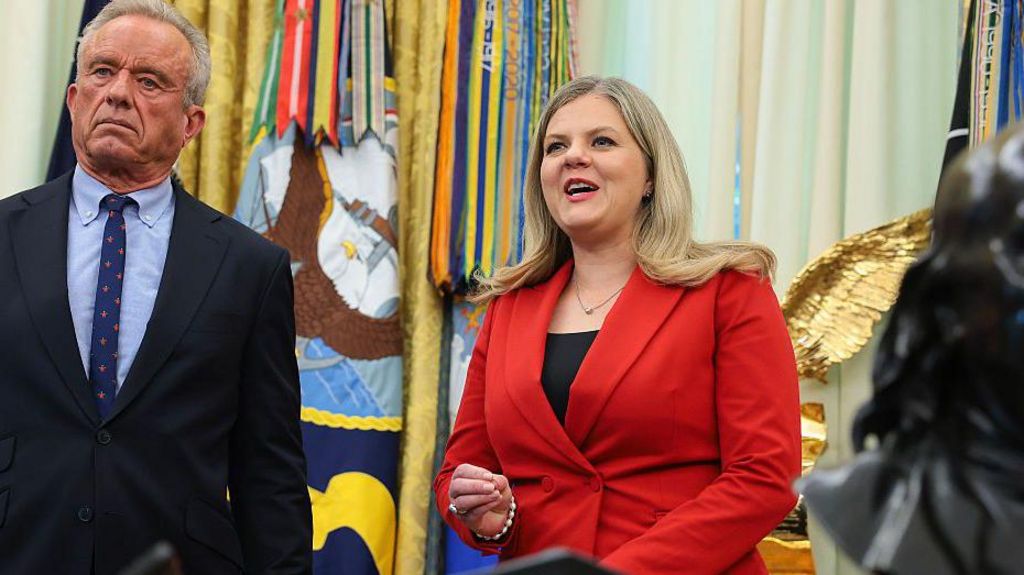
    Former U.S. President Donald Trump has selected Dr. Heidi Overton, a senior domestic policy advisor serving in his White House, as his nominee to head the U.S. Food and Drug Administration (FDA). If the U.S. Senate votes to confirm her appointment, Overton will step into the role vacated by former FDA commissioner Marty Makary, who resigned from the post in May following public disagreements with the White House over the public safety risks of flavored vaping products.

    In a public post shared to his Truth Social platform on Wednesday, Trump lavished praise on his nominee, calling Overton a “rockstar” within his administration. He emphasized that she has built a reputation for tackling the nation’s most intractable policy challenges and delivering practical solutions aligned with the administration’s priorities for the country.

    Overton, who regularly briefs the president on domestic health policy matters, made headlines earlier this month during an Oval Office announcement focused on rolling back the number of mandatory childhood vaccinations. During that event, she delivered sharp criticism of so-called “blue states” led by Democratic governors and legislatures, urging these jurisdictions to adopt the White House’s new framework, which she described as the “gold standard” for vaccination policy.

    Should she secure confirmation, Overton will inherit a broad set of core responsibilities at the FDA, ranging from verifying the safety and effectiveness of all prescription medications sold in the U.S. to overseeing federal regulation of tobacco and nicotine products. Like most senior health officials in the second Trump administration, Overton is a staunch ally of the White House’s “Make America Healthy Again” policy movement.

    Before joining the administration, Overton served as chief policy officer at the America First Policy Institute, a conservative Washington D.C.-based think tank closely aligned with Trump’s policy agenda. A well-known opponent of abortion rights, she has previously labeled abortion “corrosive” to women’s health and has repeatedly called on the FDA to tighten restrictions and crack down on medication abortion access.

    Continuing his endorsement on Truth Social, Trump argued that Overton’s leadership is urgently needed at the agency to maintain the United States’ global position as a leader in scientific discovery and medical innovation. He added that Overton is “smart and respected by all” and that her tenure at the FDA would continue the administration’s commitment to putting “America First” and building a healthier nation.

    Industry and political sources familiar with the selection process have confirmed that Overton is Trump’s third pick for the FDA commissioner role, after the president’s first two choices — acting FDA head Kyle Diamantas and former Republican Congressman Brad Wenstrup — withdrew from consideration. Her nomination comes at a fraught moment for federal public health policy: the administration is already facing widespread criticism over its slow response to a national cyclospora parasite outbreak, and conservative activists are ramping up pressure on the FDA to restrict access to abortion medications.

    A native of the southwest, Overton earned her medical degree from the University of New Mexico School of Medicine and went on to complete postgraduate public health training at the Johns Hopkins University Bloomberg School of Public Health.
  • Explainer: Have European countries been involved in the US-Israeli war on Iran?

    Explainer: Have European countries been involved in the US-Israeli war on Iran?

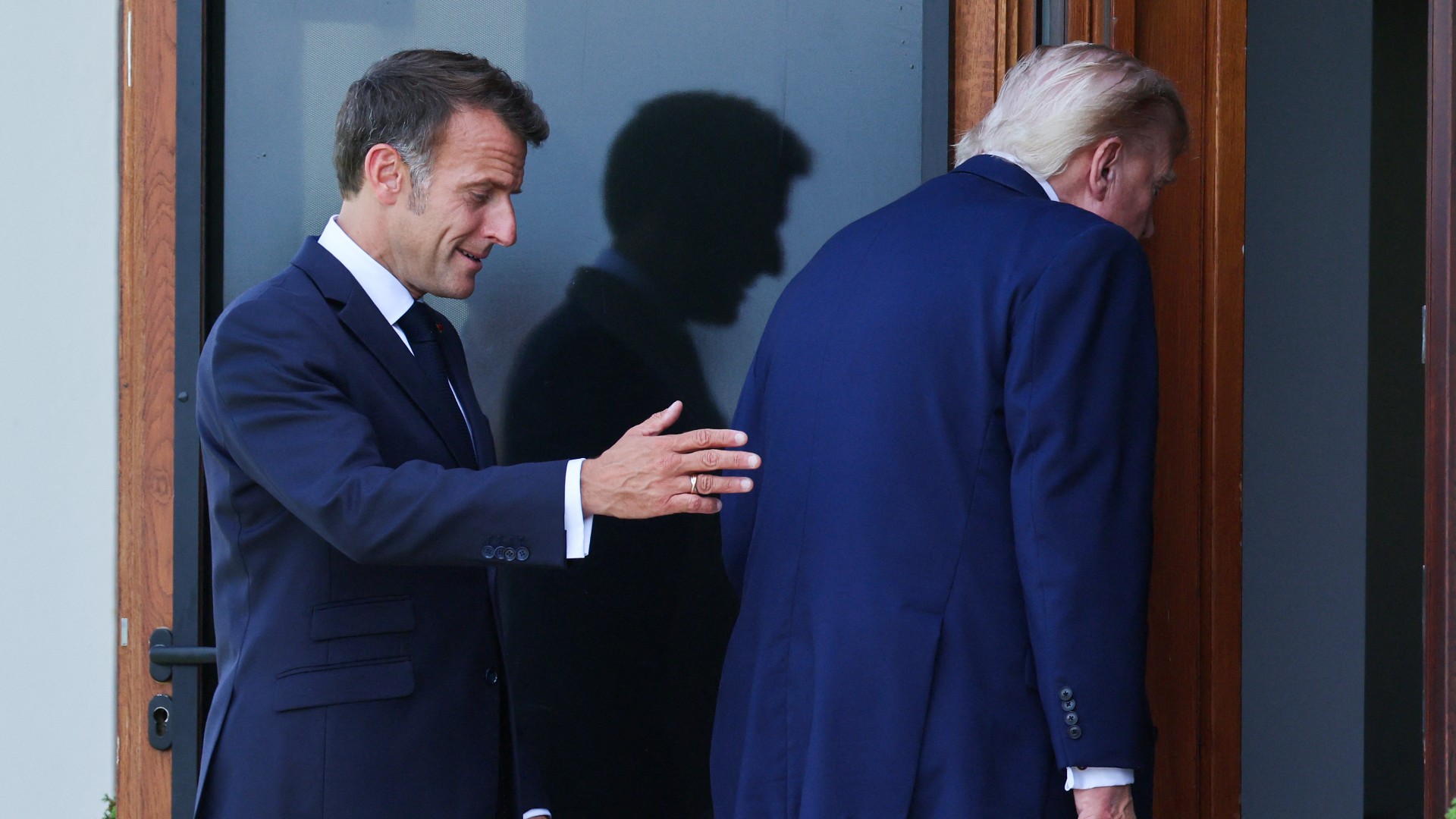
    Nearly six months into the US-Israeli military assault on Iran that began in late February, Europe finds itself deeply divided over its involvement, caught between widespread public opposition to the conflict and intense diplomatic and economic pressure from Washington to back the war effort. On March 16, European Union top diplomat Kaja Kallas framed the conflict clearly: “This is not Europe’s war.” The comment underscored widespread discomfort across the continent, where the conflict has already sent fuel prices skyrocketing and drawn sharp public condemnation for documented civilian casualties in Iran. With only a small handful of European leaders openly endorsing the campaign, the degree of quiet and implicit involvement varies sharply from nation to nation. Adding to the pressure, US President Donald Trump has repeatedly threatened to impose new tariffs on uncooperative European states and even floated a potential full US withdrawal from the NATO defensive alliance if allies refuse to align with the war. NATO Secretary General Mark Rutte has pushed back against narratives of European non-participation, revealing in June that European states have cleared takeoff access for between 4,000 and 5,000 US warplanes operating against Iran from the dozens of American military bases permanently hosted across European territory. Meanwhile, Iranian retaliatory strikes targeting Western military facilities in the Gulf have pulled the United Kingdom and France deeper into the conflict against their initial plans. As stalled peace talks offer no near-term path to a ceasefire, independent outlet Middle East Eye has broken down the divergent positions of European nations, from full-throated support to outright opposition. The United Kingdom, which has long emphasized its special transatlantic relationship with Washington, has offered the most substantial backing for the Iran campaign of any European power. In the opening days of the assault, then-Prime Minister Keir Starmer initially rejected US requests to use American-leased bases on UK territory for bombing runs, creating an immediate public rift with Trump. However, Starmer reversed course on March 1, authorizing US operations against Iranian missile sites from UK-based facilities, framing the move as serving a “specific and limited defensive purpose.” This authorization cleared the way for US heavy bombers to deploy from both Diego Garcia – the joint US-UK base in the Indian Ocean’s Chagos Islands – and RAF Fairford in Gloucestershire, the only US-leased base in Europe with a runway long enough to accommodate the heavy bombers used in strikes on Iran. Other UK bases leased to the US, including Suffolk’s RAF Mildenhall and RAF Lakenheath, have also supported the war effort by servicing F-35 stealth jets and refueling combat aircraft operating over Iran. Beyond hosting US operations, the UK has leveraged its own network of military outposts across the Middle East to launch independent strikes on Iranian drones, and has repositioned warships, fighter aircraft and advanced air defense systems in the Gulf region. UK officials maintain these actions fall under “collective self-defense” for its regional allies, including Saudi Arabia, Qatar and the United Arab Emirates. This policy has been fully maintained by new Prime Minister Andy Burnham, who approved additional US strike operations from UK bases immediately after taking office in July. In retaliation for the UK’s involvement, Iran has designated all US-utilized UK bases as legitimate military targets. Iran launched missile attacks against UK bases in Iraq, Qatar and the UAE, and carried out an unsuccessful missile strike against Diego Garcia in March. A drone also struck the UK’s RAF Akrotiri base in Cyprus that same month, though British officials have declined to confirm Iranian responsibility for the attack. Across the Channel, French President Emmanuel Macron has similarly framed any French military involvement as “strictly defensive.” On March 3, Macron publicly condemned the opening wave of US-Israeli strikes on Iran as a violation of international law, saying Paris could not endorse the offensive. Despite this public criticism, France has allowed US military support aircraft to land and refuel at its Istres and Avord air bases. Senior French military commanders insist they have received “full guarantees” that these aircraft are not directly involved in offensive strike missions against Iran. France was nevertheless dragged into direct military positioning after its Abu Dhabi base, Camp de la Paix, which hosts more than 750 French personnel, was hit by an Iranian drone strike in March, prompting Paris to deploy additional fighter jets to patrol UAE airspace. Both Washington and Jerusalem have accused France of obstructing the war effort, pointing to Paris’s decision to block munitions flights bound for Israel from transiting French airspace. Trump labeled France “very unhelpful” in a March 31 post on his Truth Social platform, and Israel retaliated by announcing a full boycott of the French arms industry. Early in the conflict, Macron led negotiations for a European-led escort mission for commercial container ships passing through the Strait of Hormuz, but the proposal never moved forward despite France repositioning several naval vessels to the region. Paris later offered to assist Iran with mine clearance in the strait, a proposal Tehran rejected for violating the terms of the Islamabad Memorandum of Understanding. Among all European nations, Spain has taken the clearest and most uncompromising stance against the US-Israeli war. “The position of the government of Spain can be summed up in four words: no to the war,” Spanish Prime Minister Pedro Sanchez said in a national televised address on March 4, just days after the assault began. “You can’t respond to one illegality with another because that’s how humanity’s great disasters begin,” he added. From the conflict’s opening hours, Sanchez made clear Spain would not grant the US permission to use its two American bases – the Rota naval base and the Morón air base – for any war-related operations. On March 30, Spain went a step further than any other European nation, closing its entire airspace to all US military aircraft, including refueling tankers. Spain’s opposition has drawn fierce pushback from Trump, who has called the country “terrible” and “unfriendly.” The US president imposed new punitive tariffs on Spanish imports in June and threatened to cut off all bilateral trade with the country in July. This is not the first time Trump has clashed with Madrid; he has previously called for Spain to be expelled from NATO over its relatively low military spending, and has criticized Spain’s repeated condemnation of Israel’s military campaign in Gaza. Germany, which hosts more US military personnel than any country outside the United States – with over 36,000 active troops stationed across dozens of bases dating back to the end of World War II – has maintained a deliberately ambiguous stance. The most critical of these facilities is Ramstein Air Base, the largest US Air Force installation outside the US and home to US European Command headquarters. The full scope of Ramstein’s role in the Iran war remains classified, but the base has long served as a key coordination hub for US drone strikes and bombing campaigns in past Middle Eastern conflicts. German Chancellor Friedrich Merz, a conservative leader with longstanding close ties to both Washington and Jerusalem, drew widespread condemnation from German human rights groups when he refused to condemn the initial US-Israeli strikes or the assassination of Ayatollah Ali Khamenei. Instead, in a March 1 statement, Merz said: “Together with the United States and Israel, we share the goal of ending the terror of these regimes.” But Merz later shifted his tone, sparking outrage in Washington when he said on April 27 that the US was being “humiliated by the Iranian leadership” in ongoing ceasefire negotiations. Trump responded by calling Merz’s performance as chancellor “terrible” and announced on May 1 that he would withdraw 5,000 US troops from Germany in retaliation. Italy, which hosts more than 12,000 US troops across dozens of domestic bases, has also walked a fine line, balancing widespread domestic public opposition to the war against Iran against longstanding security ties with Washington. In July, Prime Minister Giorgia Meloni pushed back against NATO Secretary General Rutte’s claim that Italy had allowed roughly 500 US aircraft to use its bases during the war, insisting none of the aircraft had been used for offensive combat missions. “We will not participate in attacks against Iran,” Meloni told attendees at the July 8 NATO summit in Ankara. “We have had a very clear line from the beginning of the conflict.” Meloni faced domestic criticism in March after the US military posted public videos of US military helicopters conducting training flights over Sicily. A procedural dispute later led Italy to temporarily block US aircraft from landing at Sicily’s Sigonella air base. Though Meloni had close ties to Trump in prior years, relations between Rome and Washington have deteriorated sharply over Italy’s war stance. “Italy has not been any help to us,” Trump said on May 1, shortly after threatening to withdraw all US troops from the country. Meloni’s government, which had been a staunch supporter of Israel during its military campaign in Gaza, also announced in April that it would not renew its 2003 bilateral defense pact with Israel. The decision came just days after Israeli forces opened fire on Italian peacekeepers serving with a UN convoy in Lebanon. Since the conflict began in February, Greece has repeatedly stated it is not a participant in the war on Iran, and its involvement remains limited to minor logistical support. The only significant exception came in March, when Greece allowed the US Navy’s USS Gerald R. Ford – the world’s largest aircraft carrier, which played a key role in the opening days of the Iran war – to dock for repairs at Souda Naval Base on Crete, the only deepwater port in the Mediterranean large enough to accommodate the 100,000-ton warship. Greek military personnel stationed in Saudi Arabia also shot down Iranian drones targeting the kingdom in March, a deployment that dates back to 2021, when Athens positioned air defense squadrons in the kingdom to protect its energy imports from the Gulf. Bulgaria, which shares a regional neighborhood with Iran separated only by Turkey, has granted the US full permission to use its domestic military bases throughout the conflict. Like many other European leaders, Bulgarian Prime Minister Rumen Radev has insisted the bases “categorically” will not be used for offensive US operations, claiming American activities are limited to radar operations and refueling. The decision has drawn sharp warnings from Iran, with foreign ministry spokesperson Esmaeil Baghaei stating on July 27 that Bulgaria will “bear responsibility for the dangerous decision.” Trump, by contrast, has publicly praised Bulgaria’s stance, writing on Truth Social the same day: “Thank you, Prime Minister Radev! Bulgaria stands with Trump and supports the deployment of a US Air Force base despite Iran’s threats.” Romania, a NATO member that hosts roughly 1,000 US troops, approved US use of its strategically positioned Black Sea bases for Iran-related missions in March. Romanian President Nicușor Dan has maintained that all US activities in the country are limited to a “strict defensive role.” The decision came after the US announced it would reduce troop numbers in Romania in October, stoking widespread anxiety in Bucharest about the reliability of US security support in the event of an attack from neighboring Russia. Middle East Eye is an independent outlet providing unrivaled original reporting and analysis on the Middle East, North Africa and surrounding regions.

  • Lindsay Clancy’s trial put postpartum psychosis in the spotlight. Experts want progress to follow

    Lindsay Clancy’s trial put postpartum psychosis in the spotlight. Experts want progress to follow

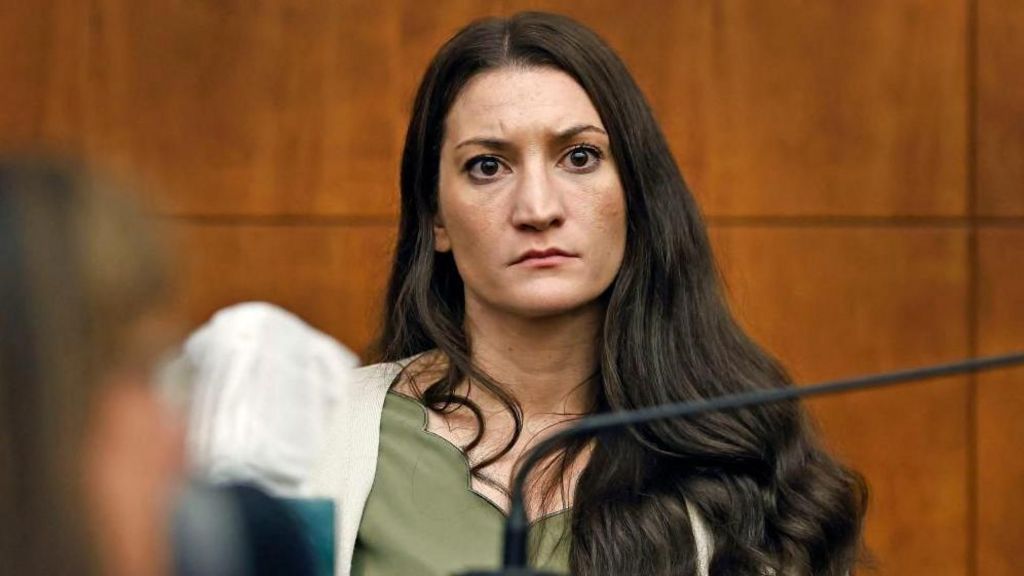
    As the high-profile trial of Massachusetts mother Lindsay Clancy enters its fourth week, the horrific tragedy at the center of the case has dragged a little-discussed, life-threatening maternal mental health condition into the national spotlight: postpartum psychosis. The case, which has sparked urgent conversations about gaps in maternal mental health care, is renewing calls to formally classify the condition as a distinct disorder in American psychiatry’s official diagnostic handbook.

    Clancy, who admitted to killing her three young children — 5-year-old Cora, 3-year-old Dawson, and 8-month-old Callan — in January 2023, has pleaded not guilty to three counts of murder. Her legal team argues that she was incapacitated by severe postpartum psychosis triggered after the birth of her third child, a condition that left her grappling with debilitating hallucinations and delusions. One month before the killings, Clancy explicitly told her mother Paula Musgrove and then-husband Patrick Clancy that she was experiencing intrusive thoughts of harming her children. Musgrove testified this week that her daughter repeatedly insisted the disturbing thoughts were not her own, saying “This isn’t me, I’ve never been like this before” — a claim Musgrove confirmed aligned with Clancy’s prior behavior.

    Clinical and forensic psychologist Paul Zeizel testified Wednesday that Clancy’s condition left her unable to recognize the wrongfulness of her actions or adjust her behavior to comply with the law. Prosecutors, however, argue the killings were a premeditated, intentional act. What is not debated by medical experts is the dangerous nature of postpartum psychosis, which is classified as an urgent medical emergency. Symptoms of the condition include rapid-onset mania, depression, hallucinations, and fixed false delusions that pull patients completely out of touch with reality. Experts note the condition has a distinct “waxing and waning” pattern that can lull loved ones into a false sense of security: Patrick Clancy testified that on the day of the killings, his ex-wife appeared to be having one of her best days, playing outside with the children to build a snowman. Hours later, when he returned home from picking up dinner, he found his children dead and Clancy gravely injured from a suicide attempt.

    That seemingly sudden shift is a classic hallmark of the condition, explained Jennifer Payne, a reproductive psychiatry expert at the University of Virginia. “A woman can appear fine one minute and be really ill a little bit later,” Payne said. While the exact causes of postpartum psychosis remain under-researched, experts have linked it to dramatic hormonal shifts after childbirth and a history of prior mental health conditions. In rare severe cases, between 1% and 4% of experiences with the condition result in harm or death to children or the mother, according to existing research.

    The biggest barrier to better awareness, screening, and treatment, patients and providers agree, is that postpartum psychosis is not formally recognized as a distinct disorder in the American Psychiatric Association’s *Diagnostic and Statistical Manual of Mental Disorders (DSM-5)* — the definitive reference guide used by clinicians, medical schools, and insurance providers across the U.S. Advocates like Veerle Bergink, professor of psychiatry and director of the Mount Sinai Women’s Mental Health Center, have spent years pushing for the condition’s inclusion, arguing that formal classification is the foundational step to advancing care.

    “You can only investigate and talk about the disease if you give the disease a name, and if it has criteria,” Bergink explained. Without formal listing in the DSM-5, the condition is often omitted from medical school curricula, fails to attract research funding, lacks a standard insurance billing code, and leaves patients without a clear pathway to care. For Meghan Cliffel, a postpartum psychosis survivor who experienced rapid-onset hallucinations and delusions eight months after giving birth to her second daughter in 2015, this lack of recognition feels like deliberate erasure.

    Clifel recalled that within 24 hours of her first symptoms, she was handcuffed to a gurney and admitted to a psychiatric hospital, where she spent 12 days receiving treatment. She recovered with a multi-pronged care plan including therapy and lithium, and later safely had a third child by starting prophylactic lithium treatment immediately after birth. Even so, her road to recovery was marked by uncertainty: unlike common conditions such as breast cancer, which offer clear, step-by-step care pathways, postpartum psychosis leaves patients fumbling for support in the dark, she said.

    Calling the lack of DSM-5 classification “bananas”, Cliffel said the Clancy trial is a critical turning point for the maternal mental health community. “We cannot be surprised when tragedy happens, and instead, we can proactively build to care for mothers and families,” she said. Experts stress that postpartum psychosis is a highly treatable condition: common interventions include mood stabilizers like lithium, antipsychotic medications, electroconvulsive therapy, and inpatient psychiatric care, and most patients fully recover with timely, appropriate intervention. Advocates now hope the attention from the Clancy trial will accelerate efforts to formalize the condition’s recognition, building a standardized care system that catches symptoms early and prevents future tragedies.

  • Questions remain over Vieira deal amid Senegal uncertainty

    Questions remain over Vieira deal amid Senegal uncertainty

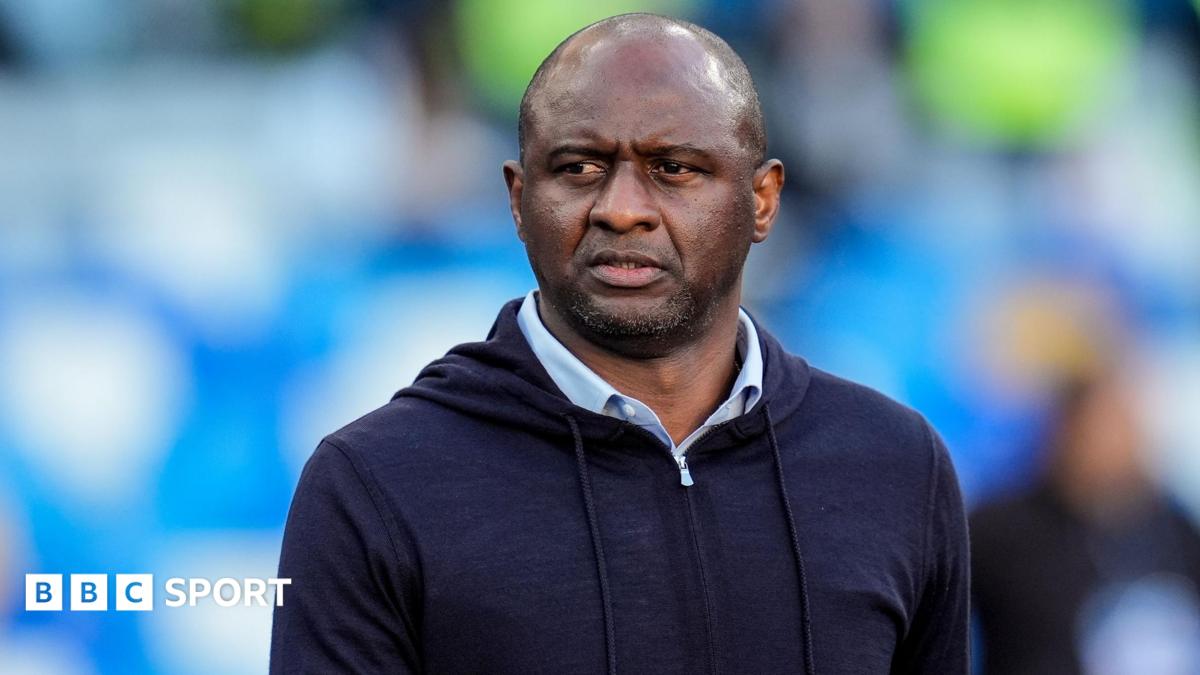
    Senegal’s search for a new head coach of its men’s national football team, the Teranga Lions, has ended with the tentative selection of legendary former French midfielder Patrick Vieira – but multiple overlapping off-field crises have cast deep doubt over whether the 50-year-old will ever officially take charge. The Senegal Football Federation (FSF) confirmed Vieira had been unanimously approved at a Monday board meeting to fill the vacancy left by the sacked Pape Thiaw, beating out competing candidates including former Netherlands star Patrick Kluivert, ex-France coach Patrice Carteron, and former Senegal internationals Habib Beye and Oumar Daf. However, no contract has been signed, no official introduction date has been set, and negotiations over administrative and contractual terms remain ongoing. The situation is further complicated by unresolved friction over Thiaw’s dismissal: the former coach was fired after Senegal’s round of 16 exit at the 2022 FIFA World Cup, but the Senegalese government – which provides full funding for the national team – never formally approved the decision. Thiaw is currently pursuing claims for nearly $815,000 in unpaid wages and contractual bonuses, leaving a financial cloud hanging over the role. Compounding the FSF’s internal chaos, the Court of Arbitration for Sport (CAS) is set to deliver a ruling by Friday on a legal challenge to the 2023 election of the current FSF leadership, a dispute that has dragged on for more than a year. With the FSF board lacking government backing and public support, and facing the potential that CAS could invalidate its leadership entirely, the federation still faced urgent pressure to fill the vacant coaching post: Senegal is scheduled to kick off its 2027 Africa Cup of Nations Group J qualifying campaign with an away fixture against Mozambique on September 23, followed just days later by a match against Ethiopia. If CAS rules the current FSF administration illegitimate, Vieira’s entire appointment could be thrown out. Beyond the institutional chaos, Vieira brings his own mixed track record to the role. One of the most decorated midfielders of the modern era, Vieira enjoyed a legendary playing career that included three Premier League titles and four FA Cups with Arsenal, 107 caps for France, and winner’s medals at the 1998 FIFA World Cup and 2000 UEFA European Championship. Born in Dakar in 1976 to a Gabonese father and Cape Verdean mother, Vieira lived in Senegal until he was 8 years old before moving to France, and never cut his ties to his country of birth. Most notably, he was a key early investor in the Diambars Institute, one of Africa’s top youth football academies that has produced stars including Idrissa Gana Gueye, Bamba Dieng and Abdoulaye Seck – players who formed the core of Senegal’s back-to-back Africa Cup of Nations title runs in 2021 and 2023. Ironically, Vieira’s only ever on-pitch meeting with Senegal as a player came in the opening match of the 2002 World Cup, when the defending champion French side suffered a famous 1-0 upset defeat to the Teranga Lions, led that day by current coaching predecessor Pape Thiaw and captain Aliou Cisse. While Vieira’s playing legacy is unrivaled, his managerial career has yet to match that success. He began his top-flight coaching career in 2016 with MLS side New York City FC, guiding the club to two consecutive playoff berths but falling in the conference semi-finals both times, including a lopsided 7-0 aggregate loss to Toronto FC. He next moved to Ligue 1 side Nice, earning two consecutive mid-table top-half finishes before being sacked in December 2020. He then took over at Premier League club Crystal Palace in 2021, earning praise for his attacking playing style and leading the side to a 12th place league finish and an FA Cup semi-final appearance in his first season. But a 11-match winless league run in the 2022-2023 season saw him sacked in March 2023, with the club three points above the relegation zone. A subsequent spell at Ligue 1’s Strasbourg ended in a mid-table finish, and his most recent job at Serie A’s Genoa ended in a November 2024 mutual departure, with the club winless and sitting at the bottom of the league table. For Vieira, a potential appointment to lead Senegal would be a full-circle return to his birth country, but it would also come at the end of one of the most successful eras in Senegalese football history. After winning their first ever AFCON title in 2022, the Teranga Lions claimed a second consecutive title in January 2024, though that trophy remains the subject of a CAS dispute after Thiaw pulled his team off the pitch in protest of a controversial late penalty awarded to host Morocco. The squad now faces a transition period, with a new generation of young talent waiting to step into the void left by veteran stars including Sadio Mane, Kalidou Koulibaly, Edouard Mendy and Idrissa Gana Gueye. Whether Vieira will ever get the chance to lead that transition remains very much up in the air, as multiple legal and contractual battles play out in the coming days.

  • Trump says will meet North Korea’s Kim later this year

    Trump says will meet North Korea’s Kim later this year

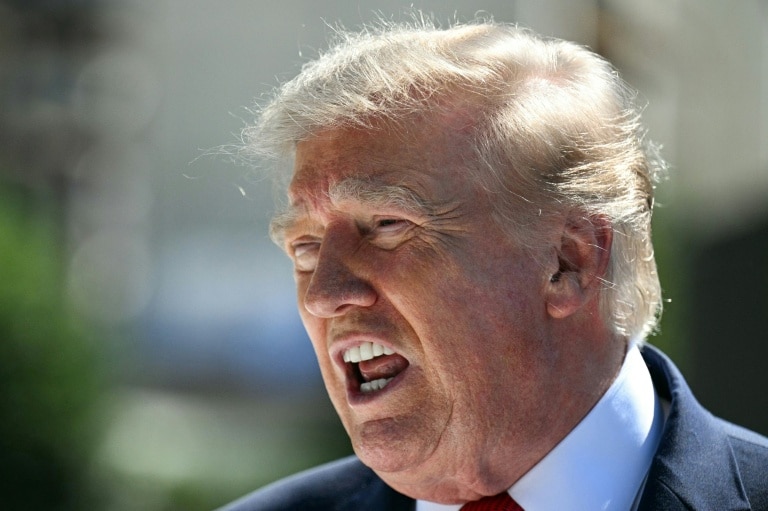
    In a surprising on-the-record briefing with reporters Wednesday, former and current U.S. President Donald Trump confirmed plans to hold a long-awaited meeting with North Korean leader Kim Jong Un before the end of 2026, marking the first face-to-face encounter between the two leaders since Trump began his second presidential term. The confirmation came as Trump answered questions from journalists during a walking tour of a newly constructed helipad on the White House grounds, offering little additional logistical detail beyond his basic commitment to the summit.

    Unconfirmed reporting from The Wall Street Journal has since shed light on potential timing, indicating the meeting could be scheduled to align with Trump’s already planned November trip to China for the Asia-Pacific Economic Cooperation (APEC) leaders’ summit, a convenient arrangement that would avoid adding a separate, high-stakes diplomatic journey to the president’s already packed fall schedule.

    In a striking departure from the vague, generalized assessments of North Korea’s nuclear program that have become standard for sitting U.S. presidents, Trump offered an unusually specific count of Pyongyang’s atomic stockpile, stating that Kim currently holds 57 “very powerful” nuclear weapons. The president went on to acknowledge that the proliferation of North Korea’s nuclear program should never have been allowed to progress to its current state, a comment that implicitly criticizes the policy choices of previous administrations. Even so, he emphasized that the current reality of North Korea’s nuclear status cannot be ignored, and framed his longstanding personal rapport with Kim as a unique asset for U.S. diplomacy.

    The announcement of the planned meeting comes at a particularly fraught moment for U.S. foreign policy, as Trump is currently leading active military operations against Iran, a campaign he has explicitly justified on the grounds of blocking Tehran from developing its own nuclear weapons. Trump defended the apparent contradiction of pursuing diplomacy with a nuclear-armed North Korea while waging war to stop Iran from acquiring the same capability, arguing that the two scenarios are fundamentally separate. “I can’t let Iran have a nuclear weapon. And I know Kim Jong Un very well, and he’s going to be fine,” Trump told reporters, drawing a clear distinction between his approach to the two nations rooted in his personal relationship with the North Korean leader.

    Wednesday’s confirmation is the latest in a series of steps Trump has taken to reset U.S. engagement with North Korea. Just two days prior, the president issued an order scaling back what he described as “inappropriate and hostile” joint military exercises between the United States and South Korea, a decision he explicitly tied to his “good relationship” with Kim. The two leaders held three historic summits during Trump’s first term in office, a period of unprecedented personal diplomacy that included Trump’s famous remark that the two had “fell in love” after exchanging a series of what he called “beautiful letters.” No meeting has taken place since Trump returned to the White House for his second term, though in recent weeks the president has dropped increasing hints that behind-the-scenes communications have resumed. When pressed Wednesday, however, he declined to explicitly confirm whether letter exchanges between the two leaders are currently ongoing.

    The report of renewed communication drew a measured response from Kim Yo Jong, the powerful sister of Kim Jong Un and one of the North Korean regime’s most prominent senior officials. Speaking Wednesday, she stated that she was “unaware” of any reported correspondence between her brother and President Trump, but nonetheless noted that diplomatic ties between the two leaders remain “excellent,” leaving the door open for future high-level engagement.

  • Two detained after French influencer’s scorched body found in vineyard

    Two detained after French influencer’s scorched body found in vineyard

    A shocking murder case has rocked southern France, after authorities officially confirmed that a burned body found in a local vineyard belongs to 29-year-old French social media influencer Sonia Bellina, with two men already taken into custody in connection with the killing.

    The case first emerged on August 12, when a local farmer made the grim discovery: a charred body abandoned between rows of grapevines in Saint-Gilles, a small village located near the city of Nîmes. Law enforcement immediately launched a formal murder probe, but for several days, investigators could only confirm that the remains belonged to a young woman, requiring additional forensic testing to pinpoint a positive identification. Over the following week, Bellina’s name spread rapidly across social media and French news outlets, with her family and an anonymous woman claiming to be her sister publicly stating they were certain the remains were Bellina’s long before official confirmation.

    Cécile Gensac, the chief prosecutor for Nîmes, released an official statement on Wednesday confirming that DNA testing and cross-investigative work had formally verified Bellina’s identity. She noted that the influencer’s name had already been widely circulated in public discourse over the prior 48 hours ahead of the official announcement. At the time of her death, Bellina was visiting family in southern France, just one month ahead of her upcoming 30th birthday. She had built a following of roughly 260,000 followers on the short-video platform TikTok.

    Gensac confirmed that two men had been placed into police custody on Wednesday, citing substantial evidence linking the pair to either direct or indirect involvement in Bellina’s death. No further details about the suspects, their connection to the influencer, or a potential motive have been released to the public as the investigation remains active.

    Mourad Battikh, the legal representative for Bellina’s family, has described the killing as a murder of uncommon brutality, telling broadcaster RTL that Bellina’s body was discarded in the vineyard like common garbage. Even before official identification, the case sparked widespread speculation and unfounded rumors across social media platforms, which have added immense strain to the grieving family. In an interview with local outlet Midi Libre, the anonymous woman claiming to be Bellina’s sister said the family has been subjected to unconscionable harassment, including hurtful online comments claiming Bellina deserved her violent death.

    Battikh has issued a firm warning that the legal team will not tolerate any defamatory or harmful online content about Bellina or her family, noting that all published statements will be reviewed, and inappropriate posts will be reported to authorities as appropriate. In a formal press statement, Battikh emphasized that the Bellina family is navigating an unspeakably traumatic ordeal. “They request respect for their privacy and their grief and will not be making any further statements,” he added.

  • Jellyfish mesmerise in their own museum in Florida

    Jellyfish mesmerise in their own museum in Florida

    Nestled in the coastal city of Pompano Beach, Florida, a one-of-a-kind cultural attraction has opened its doors, inviting visitors to dive into the captivating world of one of the ocean’s most fascinating creatures. The newly launched Jellyfish Museum stands as the first institution in the United States entirely devoted to showcasing these graceful, gelatinous marine predators that have drifted through the world’s oceans for hundreds of millions of years.

    Unlike traditional aquariums that spread jellyfish exhibits among dozens of other marine displays, this niche museum centers every inch of its space on highlighting the extraordinary diversity, beauty, and biological uniqueness of jellyfish species from across the globe. Curators and marine biologists worked together to design immersive habitats that let visitors watch these pulsating creatures drift through illuminated water, their translucent bodies creating a mesmerizing, almost otherworldly visual experience.

    Organizers behind the project say the museum fills a long-unmet niche for marine enthusiasts and casual tourists alike, combining recreational wonder with subtle educational outreach about jellyfish’s critical role in marine ecosystems. For visitors, the attraction offers a serene, visually striking escape that sets it apart from crowded coastal destinations, turning a simple visit into an unforgettable encounter with these ancient ocean dwellers.

  • Why is Ukraine’s ex-defence minister calling for wartime elections?

    Why is Ukraine’s ex-defence minister calling for wartime elections?

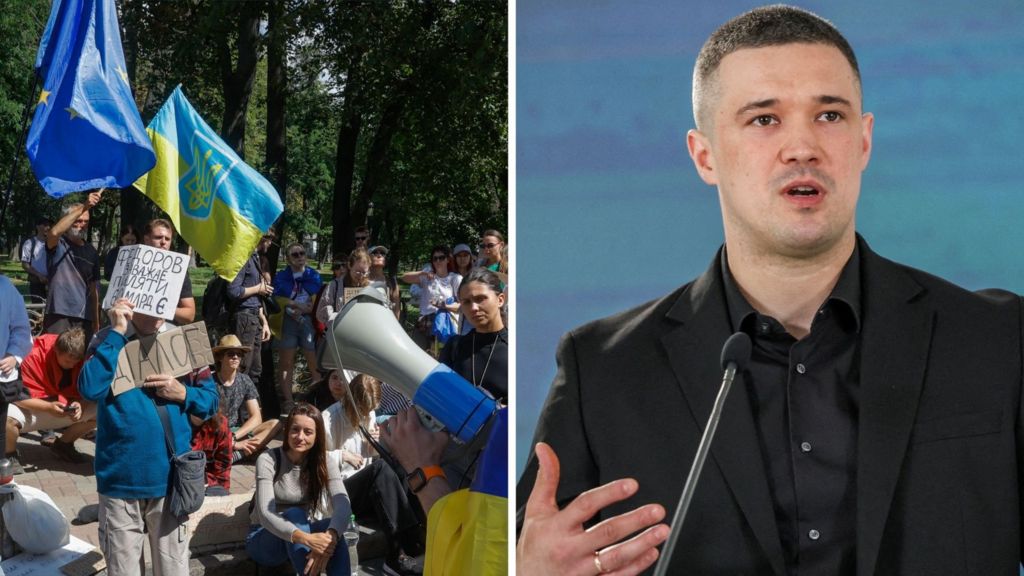
    A surprising call from Ukraine’s former Minister of Defence Mykhailo Fedorov has reignited fierce debate across Ukrainian political circles over the possibility of holding national elections while the country remains locked in a full-scale defensive war against Russian invasion.

    Fedorov, who stepped down from his defence post earlier this year and currently serves as a deputy head of the President’s Office, has publicly pushed for wartime balloting, but has so far failed to address the most pressing, practical concerns that come with organizing a democratic vote amid active conflict.

    Ukraine has been under martial law since Russia launched its full-scale invasion in February 2022, and current Ukrainian law prohibits national elections while martial law remains in effect. Key barriers to holding a vote include the fact that millions of Ukrainians have been displaced internally or fled abroad as refugees, large swathes of the country’s eastern and southern territory remain under Russian occupation, and ongoing Russian missile and drone strikes threaten public safety at any large-scale gathering of voters.

    Political analysts note that the call for wartime elections has sparked division among Ukrainian policymakers. Some argue that holding a vote would demonstrate the strength of Ukraine’s democratic institutions even amid war, reinforcing the country’s pro-Western credentials and maintaining the legitimacy of state leadership. Others warn that rushing to hold an election under current conditions would produce a result that does not reflect the will of the entire Ukrainian people, and would divert critical resources and attention away from the war effort that remains the country’s top priority.

    As of yet, Ukraine’s presidential administration and parliament have not announced any plans to move forward with lifting the martial law election ban or organizing national balloting before the current war concludes.

  • Two collapses in four days – what’s happening to Musiala?

    Two collapses in four days – what’s happening to Musiala?

    Bayern Munich and Germany attacking star Jamal Musiala has opened up about a manageable neurological condition after experiencing a second on-pitch collapse in just four days during the club’s pre-season friendly fixture against 1. FC Heidenheim. The 23-year-old, one of the most promising young talents in European football, had entered Tuesday’s match as a second-half substitute, but lasted only eight minutes before falling unconscious in an incident that mirrored his collapse against RB Leipzig four days prior.

    Teammates, including new England captain and Bayern star Harry Kane, immediately surrounded Musiala to offer comfort after the incident. In the wake of the second collapse, Musiala took to Instagram to confirm he is living with easily treatable absence seizures, which stem from a form of neurological dysfunction.

    Bayern Munich’s hierarchy confirmed the club had been aware of Musiala’s underlying condition prior to the 2026 FIFA World Cup, but the issue had never before impacted his ability to compete on the pitch. “We have known about the problems for some time, but the incident against Leipzig last weekend was the first time it happened in front of a crowd and visible to everyone,” club honorary president Uli Hoeness told Sky Sports. “We hoped the medication he started would keep it under control and that it would not reoccur so quickly. When it happened again four days later in exactly the same way, I was shocked.”

    The club’s decision to clear Musiala for play just days after his first collapse drew criticism from fans, but Bayern officials have moved quickly to defend their process, stating that leading neurologists and medical specialists provided written clearance that the German international could safely participate in high-level professional football. Hoeness added: “Without that written confirmation, we would have been negligent. Now that we have it, we can rest a little easier, but this is uncharted territory for us. I rarely struggle for words or solutions, but we will have to navigate this new situation step by step.”

    Kane, who joined Bayern from Tottenham Hotspur in 2023, says the entire first-team squad is rallying around their star teammate. “Jamal is going through a tough period right now,” Kane told BBC Sport. “He has opened up about his small condition on social media, and our only focus right now is supporting him. This is something not everyone goes through, but many people have managed it successfully before, and he is doing everything possible to get himself in the best position possible. He is an incredibly talented player, a huge part of this squad, and everyone here – from the players to the staff, to his friends and family – is fully behind him. I saw first-hand how hard he worked to recover from his injury last season, and we will all be here to help him through this.”

    To contextualize Musiala’s condition, medical experts explain that absence seizures are a form of generalized seizure that most commonly impacts children and young adults, split into two categories: typical and atypical. Dr. Meneka Sidhu, a consultant neurologist at London’s National Hospital for Neurology and Neurosurgery, notes that typical absence seizures usually last only a few seconds, with affected individuals often appearing to be daydreaming or staring blankly. During an episode, patients experience varying levels of awareness loss, which can lead to loss of balance and unresponsiveness. Atypical absence seizures last longer, and may come with involuntary movements such as hand fidgeting, eyelid fluttering or lip smacking, and can also cause patients to fall.

    While repeated episodes over a 24-hour period can be an indicator of epilepsy, the condition is widely manageable with prescription medication. “For anyone living with epilepsy, identifying triggers is a key part of management,” Dr. Sidhu explained. “For elite athletes, possible triggers can include hyperventilation and dehydration. When the condition is properly treated, there is no reason absence seizures should prevent anyone from competing in sport at any level.”

    Musiala is far from the first elite athlete to manage this condition. Northampton Saints and England rugby union star Tommy Freeman began experiencing absence seizures at age 14, and after an epilepsy diagnosis, he continues to compete at the highest level of the sport while managing his condition with daily medication.

    The recent collapse is just the latest in a string of unfortunate setbacks for Musiala over the past 18 months, a period that has limited his on-pitch contribution for Bayern despite his standing as one of the club’s highest-paid players alongside Kane. His 2024-25 Bundesliga campaign was cut short by injury in April 2025, and just over a week later he was involved in a serious road traffic accident. He recovered in time to feature at the 2025 FIFA Club World Cup, but suffered a broken leg and dislocated ankle in the quarter-final against Paris Saint-Germain, an injury that ruled him out for 196 days.

    A metal plate was inserted to support his recovery, and Musiala played through the 2026 World Cup in North America with the plate still in place, making four appearances for Germany before it was removed in July 2026. The subsequent surgery limited his pre-season training ahead of the 2026-27 campaign.

    German football expert Constantin Eckner notes that the string of injuries and now this new neurological issue have already impacted Musiala’s value and on-pitch output. “Musiala has barely featured over the past 18 months,” Eckner explained. “He came back for the Club World Cup but broke his leg in a collision with Gianluigi Donnarumma, and spent six months playing through pain with a metal plate in his foot while dealing with persistent ankle issues. Naturally, his performances have not lived up to his usual standard, and he already faced a tough start to the new season given he missed large parts of pre-season training following the plate removal. Now this is another unexpected stumbling block.”

    Eckner added that Bayern’s £43 million summer signing of Moroccan attacking midfielder Ismael Saibari was partly made to offset the ongoing risk of Musiala’s fitness issues. “Musiala is one of Bayern’s top earners alongside Kane, but his contribution over the past 18 months has been nowhere near matching that,” he said. “He is still young, and his situation can absolutely turn around, but right now, it would be unrealistic for any club to trigger his nine-figure release clause that becomes available next summer.”

  • Deadly attacks on aid workers and contractors surge in South Sudan as UN urges protection

    Deadly attacks on aid workers and contractors surge in South Sudan as UN urges protection

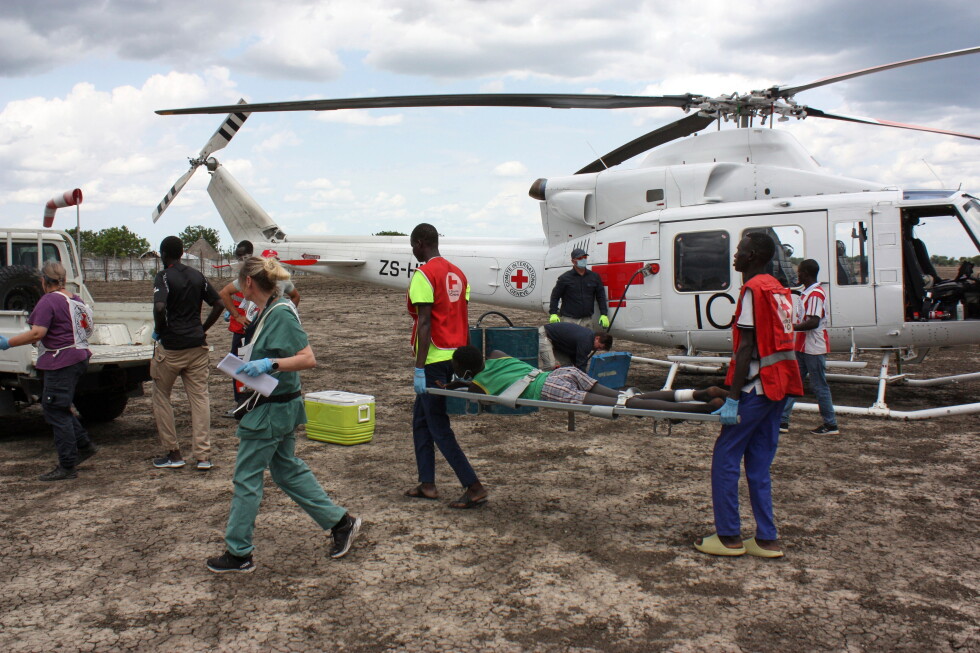
    JUBA, South Sudan — South Sudan has already hit a grim, tragic milestone for violence against aid providers this year. The United Nations’ top humanitarian official in the country confirmed Wednesday that at least 36 humanitarian workers and contractors have been killed in attacks across the nation since January, a death toll that has already exceeded the 31 workers killed in all of 2025. This surge in fatal violence cements South Sudan’s position as one of the world’s most dangerous places for people delivering life-sustaining aid to vulnerable communities.

    In a formal statement released to mark World Humanitarian Day, Ramanathan Balakrishnan, the U.N. Humanitarian Coordinator for South Sudan, pushed back against framing these deaths as abstract data points. “These are not just statistics,” he emphasized, calling for urgent accountability for every attack. “Every killing must be investigated, and those responsible held accountable. The continued loss of humanitarian personnel, overwhelmingly South Sudanese nationals, is unacceptable.”

    Data from the United Nations Mission in South Sudan (UNMISS) underscores the dramatic escalation of risks facing aid operations this year. Between January and July, more than 450 separate incidents of violence targeting humanitarian workers and critical aid infrastructure were recorded across the country — more than double the number of violent incidents reported during the same 12-month period last year.

    The resurgence of open armed conflict between South Sudan’s national government forces and opposition armed groups has forced multiple international and local aid organizations to relocate their staff and operations from high-risk areas. This withdrawal has further cut off already isolated vulnerable populations from critical support, at a time when the country of roughly 12 million people continues to grapple with overlapping, long-running crises. Since gaining independence from Sudan in 2011, South Sudan has been trapped in cycles of civil conflict, compounded by accelerating climate change impacts that have devastated agricultural production and food security.

    Humanitarian groups across the globe have issued a unified call to action, demanding that the South Sudan government and all signatory parties to the 2018 peace agreement — negotiated to end the country’s decade-long civil war — fulfill their obligations to protect aid workers, launch full and transparent investigations into all attacks on aid personnel, and guarantee safe, unhindered access for aid teams to reach communities in need.

    U.N. projections paint a devastating portrait of need across the country this year. An estimated 10 million South Sudanese — more than 80% of the total population — will require life-saving humanitarian assistance in 2026. Among that group, more than 7.5 million people are currently facing critical levels of acute food insecurity, putting them at high risk of starvation and malnutrition-related death.

    The crisis has been deepened by crippling funding shortfalls that have already forced cuts to critical programming. Just last week, the United Nations High Commissioner for Refugees (UNHCR) and the World Food Programme (WFP) issued a joint warning that more than 650,000 refugees and asylum seekers residing in South Sudan are at imminent risk of losing access to life-sustaining food, nutrition support and other essential aid due to a severe lack of donor funding.