博客

  • Second peak of flu season in UAE? Doctors say never too late to get vaccinated

    Second peak of flu season in UAE? Doctors say never too late to get vaccinated

    The United Arab Emirates is confronting an unexpected extension of its influenza season, with medical professionals reporting consistently elevated case numbers throughout January and February rather than the typical decline. Healthcare facilities across the nation are witnessing increased patient volumes presenting with classic flu symptoms including fever, persistent cough, and profound fatigue, particularly affecting family units, elderly citizens, and young children.

    Medical experts clarify that influenza patterns typically unfold in two distinct phases. Influenza A strains typically dominate the initial winter surge between December and January, while Influenza B variants commonly peak during February through April. This biological pattern means individuals who avoided illness during the earlier winter months remain vulnerable to subsequent infection.

    Dr. Rehab Yousuf Al Saadi, Specialist in Family Medicine and Department Head at Saudi German Hospital, Dubai, confirms this atypical pattern: “We’re observing sustained influenza activity in the UAE and globally heading into late January and February, which traditionally represents peak season. Case numbers are significantly higher than anticipated for this period following an initial surge connected to travel and post-holiday social interactions.”

    Physicians attribute this prolonged season to multiple converging factors: cooler temperatures driving indoor congregation, post-travel social gatherings, and insufficient vaccination coverage within communities. The current epidemiological pattern suggests sustained community transmission rather than isolated outbreaks.

    High-risk demographics include adults over 65, children under five, pregnant women, and individuals with pre-existing conditions such as respiratory disorders, cardiac conditions, renal disease, hepatic impairment, or compromised immune systems. Characteristic symptoms comprise high-grade fever (37.8–40°C), extreme exhaustion, sore throat, non-productive cough, myalgia, and rhinorrhea.

    Health authorities emphasize that influenza vaccination remains effective even at this stage of the season. The current vaccine formulation provides protection against both Influenza A and B strains, substantially reducing hospitalization risk and severe complications even when not preventing infection entirely.

    Preventive recommendations include rigorous hand hygiene, respiratory etiquette through cough covering, voluntary isolation when symptomatic, and maintaining robust immune health through balanced nutrition, adequate rest, and proper hydration. Medical attention should be sought immediately for concerning symptoms including respiratory distress, persistent high fever, disorientation, or chest pain and pressure.

  • ‘I don’t think I am a hero’: Boy, 13, describes ‘superhuman’ swim to save family

    ‘I don’t think I am a hero’: Boy, 13, describes ‘superhuman’ swim to save family

    In an extraordinary display of courage and resilience, 13-year-old Austin Appelbee undertook a perilous four-hour swim through treacherous ocean conditions to rescue his stranded family off Western Australia’s coast. The incident occurred last Friday near Quindalup beach when what began as leisurely paddleboarding in Geographe Bay turned disastrous after sudden wind shifts carried the family miles offshore.

    Separated from his mother Joanne and siblings Beau (12) and Grace (8), who clung desperately to paddleboards as darkness fell, Austin battled failing equipment, vanishing shorelines, and mounting exhaustion. His kayak capsized and took on water, forcing him to abandon both the vessel and his lifejacket before swimming the final two nautical miles using only his arms.

    Meanwhile, Joanne faced her own nightmare scenario, struggling to maintain hold of her younger children in increasingly violent waves while wrestling with the terrifying possibility that her decision to send Austin for help might have cost him his life. ‘I had assumed Austin hadn’t made it,’ she confessed to BBC News, describing the agonizing wait without sight of rescue vessels.

    The breakthrough came around 6:00 PM local time when Austin finally reached shore and accessed his mother’s phone to alert emergency services. Collapsing from exhaustion after making the call, he was hospitalized without knowing whether his family had survived. Minutes later, an ecstatic confirmation arrived: all had been rescued approximately 14 kilometers offshore.

    Medical teams treated the family for minor injuries and exposure, with Austin requiring crutches due to extreme muscle soreness. Despite being hailed as a hero by rescue officials—Naturaliste Volunteer Marine Rescue Group commander Paul Bresland described his efforts as ‘superhuman’—the modest teenager insists he merely ‘did what I did’ through a combination of prayer, positive thinking, and determination to save his loved ones.

  • BTS comeback show and documentary to be on Netflix

    BTS comeback show and documentary to be on Netflix

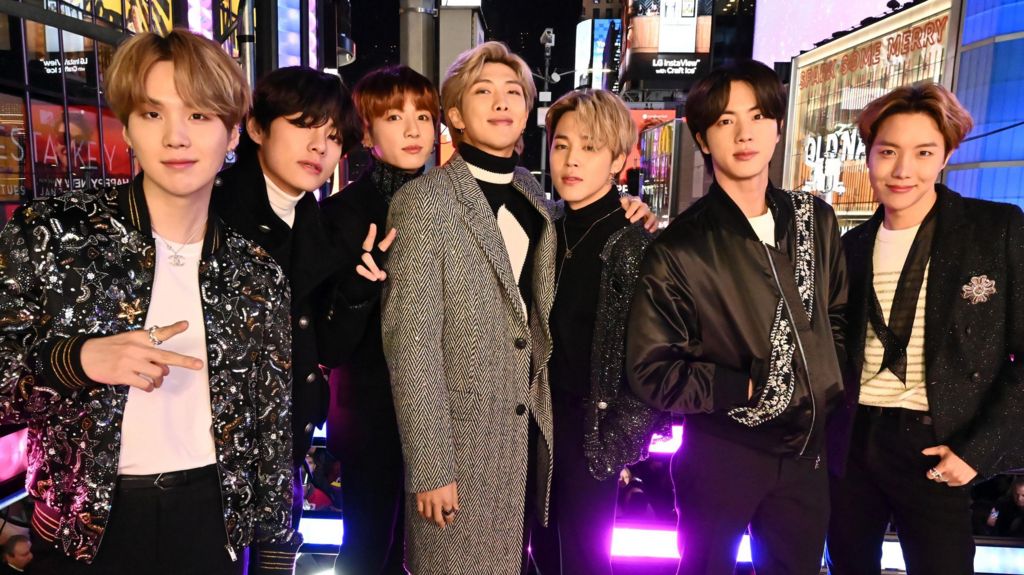
    Global music phenomenon BTS has unveiled comprehensive plans for their monumental return to the music scene, marking their first collective activities since completing mandatory military service. The groundbreaking announcement includes a Netflix live stream event, an intimate documentary film, and an extensive world tour spanning 34 cities across 82 dates.

    The comeback initiative launches with the release of their fifth studio album ‘ARIRANG’ on March 20th, followed by a historic live-streamed concert from Seoul’s iconic Gwanghwamun Square on March 21st. This performance will represent the septet’s first public appearance as a complete unit since their hiatus began in 2022.

    Netflix, in partnership with Hybe Corporation, will broadcast the landmark event globally while simultaneously preparing ‘BTS: The Return’ documentary scheduled for March 27th release. The film promises unprecedented access to the group’s journey through military service completion and their creative process in developing new music that reflects their artistic evolution.

    The world tour, their first global circuit since 2019, will include two nights at London’s Tottenham Hotspur Stadium on July 6th and 7th. This marks a significant moment for the Grammy-nominated ensemble, who haven’t performed outside the United States and South Korea in over five years.

    Netflix representatives characterized the multifaceted comeback as “a defining cultural moment” that transcends musical performance, offering fans insight into the group’s personal and artistic transformation during their period of mandatory service.

  • Plan B Group: Running towards a healthier UAE

    Plan B Group: Running towards a healthier UAE

    In the United Arab Emirates, where national priorities emphasize wellbeing, inclusion, and enhanced quality of life, community-oriented initiatives are gaining significant traction. Plan B Group has emerged as a pioneering agency at the confluence of sports, social awareness, and public impact, transitioning from conventional event management to creating transformative platforms that foster active participation and meaningful societal progress.

    The agency’s proprietary sporting intellectual properties, notably ‘She Runs’ and ‘Cancer Run’, illustrate how strategically designed programs can cultivate a healthier, more interconnected society. These initiatives function not as isolated events but as evolving movements that align with the UAE’s overarching objectives in preventive healthcare, social unity, and the promotion of active lifestyles.

    Central to Plan B Group’s mission is the conviction that athletic activities serve as powerful catalysts for change. By organizing accessible and inclusive events, the agency promotes healthier habits while strengthening community bonds among diverse population segments. Each project is engineered for enduring impact, ensuring that present involvement leads to sustained awareness and positive long-term behavioral adaptation.

    A landmark achievement was realized in 2025 with ‘She Runs’, the group’s premier women-only running event. This initiative secured a Guinness World Record for the highest number of participants in a female-only run, establishing it as the largest event of its kind in the UAE and surrounding region. Beyond breaking records, the accomplishment underscored the increasing need for secure, empowering environments for women in sports.

    Capitalizing on this success, Plan B Group introduced ‘Cancer Run™’ in 2026, a community campaign focused on health education, early disease detection, and public solidarity. The event aims to set a new record for the most nationalities represented in a cancer awareness run, reflecting the UAE’s multicultural identity and unified spirit. It assembles participants from varied backgrounds under a common objective of promoting wellness and preventive care.

    Together, these initiatives demonstrate Plan B Group’s unique capacity to develop award-winning programs valued for their substantive outcomes rather than mere scale. They exemplify the agency’s proficiency in designing, expanding, and maintaining platforms that generate lasting community benefits.

    Dr. Harmeek Singh, Founder and Chairman of Plan B Group, articulated the vision behind these efforts: “Our fundamental aim has always been to develop platforms with a higher purpose. ‘She Runs’ and ‘Cancer Run’ are not merely events—they are communal movements encouraging healthier lifestyles, inclusivity, and proactive awareness. When individuals run for a cause, they engage in something greater than themselves, initiating genuine transformative impact.”

    As the UAE continues to advance its well-being agenda, Plan B Group provides an influential blueprint for how organizations can contribute to national development through purpose-led initiatives. By building sustained, value-driven platforms, the group is actively shaping a culture marked by active living, shared responsibility, and collective advancement.

  • South Africa’s ex-President Zuma mentioned in Epstein emails over London dinner plan

    South Africa’s ex-President Zuma mentioned in Epstein emails over London dinner plan

    Newly unsealed court documents from the Jeffrey Epstein case have revealed former South African President Jacob Zuma’s connection to a 2010 London dinner arranged by the convicted sex offender. The emails, released as part of ongoing legal proceedings, detail Epstein’s personal involvement in organizing a gathering for Zuma during his official state visit to the United Kingdom in March 2010.

    According to the correspondence, Epstein coordinated through an associate to extend invitations for a “small dinner” at the Ritz Hotel honoring President Zuma. One particularly revealing email exchange shows the invitation of a Russian model, described in subsequent messages as having “enchanted all those she met” with her “elegance and natural charm.” The model specifically inquired about dress code appropriateness for the presidential event.

    In separate communications, Epstein directly contacted British politician Lord Peter Mandelson, explicitly mentioning his invitation of a “beautiful Russian” model to accompany Zuma’s dinner. While Mandelson’s response remains undocumented, follow-up correspondence between Epstein and another attendee praised Zuma as “much more impressive and engaging than I thought he would be.”

    The Jacob Zuma Foundation has vehemently denounced media coverage of these revelations, characterizing them as “agenda-driven journalism built on innuendo” and “retrospective guilt by association.” In an official statement, the foundation emphasized that no allegations of unlawful or improper conduct by Zuma have been substantiated, dismissing the reports as “intellectually dishonest” attempts to smear the former president through proximity to Epstein’s crimes.

    Historical context confirms Zuma was indeed on an official state visit to the UK from March 3-5, 2010, corresponding with the dinner date referenced in the emails. Epstein, the convicted sex offender and financier at the center of the scandal, died by suicide in prison in 2019 while awaiting trial on federal sex trafficking charges.

  • Netflix to livestream BTS comeback concert in first-ever K-pop mega event

    Netflix to livestream BTS comeback concert in first-ever K-pop mega event

    In a groundbreaking move for the entertainment industry, Netflix announced on Tuesday its plans to livestream BTS’s highly anticipated comeback concert to approximately 190 countries. This landmark event, scheduled for March 21, marks the streaming platform’s first foray into large-scale K-pop live broadcasting and potentially represents the most extensive live K-pop event in history.

    The seven-member supergroup, having recently completed their mandatory military service requirements throughout 2022-2025, will release their new album ‘ARIRANG’ on March 20. The subsequent day will feature a monumental free concert at Seoul’s Gwanghwamun Square, serving as both a comeback celebration and prelude to their extensive world tour.

    Netflix’s exclusive broadcast, titled ‘BTS THE COMEBACK LIVE | ARIRANG’, symbolizes a significant partnership between the streaming giant and HYBE, BTS’s management company. The new album itself carries profound cultural significance, named after a traditional Korean folk song that expresses themes of separation and longing, often considered Korea’s unofficial national anthem.

    According to Netflix representatives, the album reflects ‘a deep contemplation on the group’s origins and identity,’ with an accompanying documentary ‘BTS: THE RETURN’ scheduled for release on March 27.

    The economic implications of BTS’s return are substantial. Prior to their military hiatus, the group generated an estimated 5.5 trillion won ($3.8 billion) annually for South Korea’s economy, equivalent to 0.2% of the nation’s total GDP. Financial markets responded positively to the announcement, with HYBE shares rising 2.5% during morning trading in Seoul.

    The subsequent world tour, commencing in April, will encompass 34 cities with 79 performances, establishing it as the most extensive tour by both performance count and geographical reach for any K-pop artist in history.

  • In the Ukrainian capital, a mother struggles to keep her children warm and fed amid power outages

    In the Ukrainian capital, a mother struggles to keep her children warm and fed amid power outages

    KYIV, Ukraine — As temperatures plummet to a bone-chilling minus 30 degrees Celsius (minus 22 Fahrenheit), residents of Ukraine’s capital face an unprecedented humanitarian crisis following systematic Russian attacks on critical energy infrastructure. The situation has deteriorated to its most critical point since the invasion began four years ago, with damage to power stations and electrical grids reaching catastrophic levels.

    In the hard-hit district of Troieshchyna, daily life has been reduced to fundamental survival needs. Yuliia Dolotova, a 37-year-old mother of two, exemplifies the struggle faced by hundreds of thousands of Kyiv residents. With her 18-month-old son Bohdanchyk bundled against the bitter cold, she queues for hot meals at volunteer stations—the only sustenance available since cooking at home has become impossible amid continuous power outages.

    “The reality is stark: no electricity throughout the day, no means to prepare meals for children. This has become our universal experience,” Dolotova stated, reflecting the collective hardship gripping the capital.

    The destruction extends beyond power generation. Frozen and burst water pipes have compounded the crisis, creating additional challenges for already strained residents. Energy crews work tirelessly to restore heating and implement outage schedules, but their efforts are routinely undone by subsequent Russian strikes using drones and missiles, forcing restoration work to begin anew.

    For Dolotova, the physical hardship is magnified by personal sacrifice. Her husband serves on the volatile Zaporizhzhia front, having met his youngest son only twice since birth. She single-handedly cares for Bohdanchyk and 11-year-old Daniil while navigating pitch-black stairwells in their Soviet-era apartment building—a treacherous ascent that has already destroyed two strollers.

    Evening routines have transformed into exercises in resilience. The brothers huddle together for warmth near frost-rimmed windows, playing silently by flashlight. At bedtime, Dolotova lines their bed with foam rubber insulation against the penetrating cold.

    “I sustain myself through anticipation of his leaves,” she revealed. “Waiting sustains me. You convince yourself—just a little longer, and he’ll return. You mark each passing day.”

  • India’s Modi praised for US trade deal as opposition questions impact on agriculture

    India’s Modi praised for US trade deal as opposition questions impact on agriculture

    In a significant diplomatic development, former President Donald Trump announced a major trade agreement with India that would reduce U.S. import tariffs on Indian goods from 25% to 18%. The arrangement comes as part of a broader understanding that India will cease purchasing Russian crude oil, a move Trump claims will help end the conflict in Ukraine.

    The announcement, made through Trump’s Truth Social platform on Monday, represents a reversal of previously imposed punitive tariffs that had targeted India for its continued acquisition of Russian energy resources. According to Trump, the agreement also stipulates that India will gradually eliminate import duties on American products and commit to purchasing $500 billion worth of U.S. goods, though specific timelines remain unspecified.

    Indian Prime Minister Narendra Modi expressed enthusiasm about the tariff reduction, describing Trump’s leadership as ‘vital for global peace, stability, and prosperity’ in a social media post. However, the Indian government has maintained notable silence regarding the precise details of the arrangement, particularly concerning the cessation of Russian oil imports.

    The political response in India has been mixed. Lawmakers from the ruling coalition celebrated the agreement as a diplomatic achievement, while opposition parties raised serious concerns about potential impacts on sensitive sectors, particularly agriculture. Parliamentary proceedings were disrupted as opposition members demanded clarity on how the deal might affect domestic agricultural markets and employment.

    U.S. Secretary of Agriculture Brooker Rollings welcomed the development, emphasizing the potential benefits for American farmers through expanded access to India’s substantial market. This perspective contrasts with Indian analysts who urge caution, noting that achieving $500 billion in American imports would require decades given current trade volumes of approximately $50 billion.

    Finance Ministry official Arvind Shrivastava characterized the agreement as an opportunity to deepen trade relations between two economic powerhouses, potentially creating new opportunities for India’s manufacturing and technology sectors. However, trade expert Ajay Srivastava highlighted the need for clarification on product coverage, implementation timelines, and protections for sensitive industries before celebrating the announcement.

  • The Iran off-ramp is still open. Trump should take it

    The Iran off-ramp is still open. Trump should take it

    The Arabian Sea serves as the latest stage for escalating US-Iran tensions, with the USS Abraham Lincoln carrier strike group’s deployment coinciding with Supreme Leader Ali Khamenei’s warning that American aggression would ignite regional conflict. This dangerous escalation follows historical patterns of military brinkmanship that have previously led to catastrophic outcomes.

    President Trump has assembled a formidable naval presence—six destroyers, an aircraft carrier, and three littoral combat ships—exceeding the force used in recent Venezuelan operations. His rhetoric promising ‘speed and violence’ mirrors preludes to American military interventions in Iraq and Libya. Tehran responds with equal bravado, as Foreign Minister Abbas Araghchi declares Iranian forces have ‘their fingers on the trigger.’

    Beyond the theatrical posturing lies a perilous dynamic potentially spiraling beyond control. The European Union’s designation of Iran’s Revolutionary Guard Corps as a terrorist organization—met with Tehran’s reciprocal labeling of EU armies—adds accelerant to an already volatile situation. While Iranian lawmakers chanting ‘Death to America’ in parliament may perform political theater, it reflects genuine nationalist sentiment that limits Tehran’s capacity for retreat under military pressure.

    Historical precedent demonstrates that overwhelming force rarely achieves intended capitulation. Instead, it typically triggers nationalist reactions and creates domestic political imperatives that make compromise untenable. Khamenei’s characterization of recent protests as ‘a coup’ similar to 2009’s Green Movement reveals a regime perceiving existential threat, viewing concessions as potentially fatal weaknesses.

    Washington’s fundamental strategic ambiguity persists: What would military strikes actually accomplish? The stated objectives—halting Iran’s nuclear program, ending support for regional proxies, stopping protest crackdowns—are neither achievable through airstrikes nor sustainable without ground invasion, which remains off the table.

    Last year’s US strikes on Iranian nuclear facilities during the 12-day Israel-Iran conflict provide sobering precedent. Rather than intimidation, the attacks prompted Iranian retaliation against Al Udeid Air Base in Qatar and missile strikes on Israeli cities. While temporarily disrupting nuclear activities, the program remained fundamentally intact, and UN sanctions failed to eliminate enrichment capabilities. Military action produced tactical effects while exacerbating strategic deterioration.

    The broader goal of diminishing Iranian influence appears equally illusory. Despite Tehran’s regional setbacks—including Syria’s instability, Hezbollah’s leadership decimation, and pressure on Hamas and Iraqi militias—weakness often breeds desperation rather than compliance. A regime facing perceived existential threat has every incentive to escalate rather than capitulate.

    The notion that bombing Iran would catalyze democratic transition reflects historical amnesia. American interventions in Iraq and Libya consistently produced chaos rather than liberal democracy. Iranian protesters seeking economic reform and personal freedoms are unlikely to welcome foreign bombs as liberation instruments.

    Khamenei’s regional war warning should not be dismissed as mere bluster. Iran maintains demonstrated capability and willingness to strike US bases throughout the Middle East. Yemen’s Houthis, despite years of allied strikes, continue threatening Red Sea shipping—a capability that would intensify in broader conflict. The Strait of Hormuz, conduit for 20% of global oil exports, presents a likely target for Iranian mining or missile attacks, potentially spiking energy prices amid ongoing inflation concerns.

    Most alarming is the risk of direct Israeli-Iranian escalation. Israel’s government possesses its own incentives to strike Iran’s nuclear facilities before further advancement, with US-Iran conflict providing political cover. This could trigger multi-front conflagration involving multiple actors—directly contradicting stated US goals of reducing Middle Eastern entanglements.

    Despite inflammatory rhetoric, both sides have signaled negotiation willingness. Trump acknowledges Iran is ‘seriously talking’ with Washington, while Turkish President Erdogan mediates with Iranian Foreign Minister Araghchi’s Ankara visit. This diplomatic channel represents the most realistic path toward American objectives—a negotiated agreement capping enrichment levels below weapons-grade, establishing enhanced monitoring, and providing sanctions relief that might reduce economic pressures driving protests.

    Such a deal would imperfectly but effectively serve interests better than military confrontation with unpredictable outcomes and certain costs. The 2015 JCPOA demonstrated Iran’s willingness to accept significant nuclear constraints for economic integration. That agreement collapsed not due to Iranian violation but US withdrawal. Rebuilding trust remains difficult but feasible with demonstrated seriousness from both sides.

    Critics arguing that diplomacy rewards bad behavior misunderstand international relations fundamentals. States routinely engage unsavory regimes when strategic interests demand—America maintains relationships with Saudi Arabia, Egypt, and other authoritarian states. The relevant question isn’t whether Iran’s government is virtuous, but whether engagement serves American interests better than confrontation.

    This crisis tests whether Washington has learned from two decades of Middle Eastern misadventures. The consistent pattern sees hawks promising military force producing quick results, skeptics warning of quagmires, followed by unexpected costs accumulating without promised benefits.

    America faces genuine strategic challenges demanding attention and resources—China competition, technological leadership maintenance, domestic infrastructure needs, and alliance management. Protracted conflict with Iran would consume enormous resources while distracting from these priorities.

    Iran’s weakened regional position, economic distress, and domestic unrest provide diplomatic leverage. Rather than repeating failed bombing strategies, Washington should negotiate concrete limits on Iranian capabilities while accepting Iran’s enduring regional influence.

    The current tensions could indeed degenerate into regional war given ominous precedents, escalating rhetoric, and military positioning. But this outcome remains a choice, not inevitability. The realist approach acknowledges Iran’s repressive government and objectionable activities while recognizing military action’s unlikely improvement of either situation. Diplomacy with adversaries proves difficult and frustrating but remains the least bad option available.

    Washington unquestionably possesses military capability to strike Iran. The pertinent question is whether it possesses strategic wisdom to recognize that capability alone doesn’t equal effectiveness, and that the hardest but smartest choice often avoids war rather than wages it. The diplomatic off-ramp remains open—taking it requires swallowing pride and accepting imperfect victory. The alternative—another Middle Eastern war with unpredictable consequences—follows a road traveled before, leading nowhere beneficial.

  • Spain sets a tourism record with 96.8 million foreign visitors in 2025

    Spain sets a tourism record with 96.8 million foreign visitors in 2025

    Spain achieved an unprecedented milestone in its tourism sector during 2025, welcoming a historic 96.8 million international visitors according to official data released by the National Statistics Institute. This represents a substantial 3.2% increase from the previous year’s 94 million tourists, marking the country’s third record-breaking performance since the pre-pandemic era of 2019.

    The economic impact of this tourism surge proved equally remarkable, with visitor spending climbing to €134.7 billion ($158.9 billion) – a significant 6.8% increase from 2024’s €126 billion. This solidifies Spain’s position as the world’s third-largest tourism revenue generator, trailing only the United Kingdom and France according to the UN World Tourism Barometer.

    Tourism officials highlighted that both the visitor numbers and increased expenditure align with Spain’s strategic pivot toward a more sustainable tourism paradigm that emphasizes quality over quantity. The industry remains a cornerstone of the national economy, accounting for 12.6% of Spain’s gross domestic product.

    Regionally, Catalonia – home to Barcelona – maintained its appeal with approximately 20.1 million visitors (a 0.6% increase), followed by the Mediterranean coastal regions and the Canary Islands, which continue to be flagship destinations for Spain’s renowned sun-and-beach tourism.

    The United Kingdom supplied the largest tourist contingent at 19 million visitors, with France (12.7 million) and Germany (12 million) comprising other major source markets.

    This tourism resurgence has not been without challenges, however. The massive influx has created accommodation pressures, particularly in urban centers where short-term rental proliferation has occasionally created friction with local residents. Many Spaniards express concerns about being priced out of housing markets in areas experiencing mass tourism effects.

    Globally, the post-pandemic travel recovery continued with approximately 1.52 billion international tourist arrivals recorded worldwide in 2025 – nearly 60 million more than the previous year according to UN estimates.